Pain guide · Wrist and hand pain

Wrist pain in men: falls and sport, a scaphoid fracture, the gym, ganglions, gout and work tools

Most wrist pain in men starts with an injury: a fall on the hand, sport, a punch or a knock at work, then heavy lifting in the gym and long days with vibrating tools. The small scaphoid bone at the base of the thumb breaks mostly in young men and can hide on the first X-ray, so a tender thumb base after a fall needs checking even if the wrist still moves. A sudden hot, swollen wrist can be gout, which is about four times as common in men, or an infection. Much of the rest eases with changes to grip, tools and load, and steady strength work.

This guide starts with the warning signs: after an injury, a wrist that has changed shape or a hand that is numb or tingling needs accident and emergency (A&E) or 999, and a tender thumb base after a fall, a hot, swollen wrist or lost feeling needs help the same day. Then it sorts the causes by where it hurts and how it started, covers the gym, work tools and vibration, sport and lumps, says when to see a general practitioner (GP) or contact the National Health Service's 111 line (NHS 111), and gives a three-stage plan with 3D demos back to work, lifting and sport.

When to get help first

Exercise is for pain that has been checked or is clearly mild and settling.

Get urgent medical help if

  • Call 999 or go to A&E after an injury (don't drive yourself) if the arm, wrist or hand is numb, tingling or has pins and needles; a bone is sticking out or a bad cut is bleeding heavily; or the wrist, thumb or a finger has changed shape, is at an odd angle, or has turned blue, grey, white or cold.
  • Same day (NHS 111): severe wrist pain; you feel faint, dizzy or sick from the pain, or you feel unwell, hot, cold or shivery; you heard a snap, grinding or popping noise when you hurt it; you can't move your wrist or hold things; your wrist has changed shape or colour; a lump on your wrist is very painful, hot or red; or you have lost the feeling in part or all of your hand. These might be signs of a broken wrist or an infection.
  • Same day: after a fall onto an outstretched hand, a punch, a save in goal or another hard blow to the wrist, pain or tenderness at the base of the thumb on the back of the wrist (the hollow called the snuffbox), even if the wrist moves well or the first X-ray was normal. A broken scaphoid can hide on the first X-ray and is slow to heal if it's missed, so ask what follow-up is planned.
  • Same day (urgent GP appointment or NHS 111): sudden, severe pain in one joint, with swelling, a change in skin colour or difficulty moving it, especially if you feel unwell, hot, cold or shivery or have a high temperature (although not everyone has one). It could be an infection in the joint, gout or calcium crystals (pseudogout), and only a sample of fluid from the joint can tell them apart.
  • Same day: you have lost the feeling in part or all of your hand.
  • Call 999 or go to A&E: sudden, severe pain in a muscle of the forearm or hand, which may be worse when you stretch it, with swelling, numbness, weakness or pins and needles, or tightness or difficulty moving the fingers. This can be acute compartment syndrome, which needs surgery as soon as possible. It usually follows an injury, a crush, or a cast or bandage that is too tight. Do not drive yourself to A&E.
  • Call 999, even if it passes: sudden weakness or numbness in one arm, with a drooping face or slurred speech. These are signs of a stroke.
  • Call 999: chest pain that spreads to your arm, neck or jaw. It could be a heart attack.
  • Same day after a fracture: the cast feels too tight, or the fingers are numb, swollen, blue or white.
  • Same day: both hands numb or clumsy (dropping things, trouble with buttons or handwriting), especially with unsteady walking or falls. Pressure on the spinal cord in the neck can do this, and it is often first mistaken for carpal tunnel syndrome.

See a doctor or physiotherapist if

  • A fall on the hand more than about 4 weeks ago that still hurts at the base of the thumb, and was never X-rayed or put in a splint: get it checked. UK hand surgeons ask for a scan and may advise an operation after a delay of more than 4 weeks.
  • Not improved after 2 weeks of looking after it at home, getting worse, keeps coming back, or stopping you doing normal activities. In many areas you can refer yourself to NHS physiotherapy.
  • Any tingling or loss of feeling in the hand or wrist.
  • Tingling or numbness in your fingers, or fingertips that go white and then red in the cold, if you use vibrating tools at work: report it to your employer or the person who does your health checks, and see a GP. The Health and Safety Executive (HSE) says hand-arm vibration damage is preventable, but once it is done it is permanent, so report it early.
  • Carpal tunnel symptoms that are getting worse, not going away, or not helped by treatment at home; sooner if the thumb is weak or the muscle at the base of the thumb looks thinner.
  • See a GP if your wrist is painful, warm, swollen and stiff, or you have wrist pain and also feel unwell with a high temperature.
  • See a GP if you have symptoms of gout for the first time (sudden, severe pain in a joint with hot, swollen, red skin), or you have gout and your usual treatments aren't helping.
  • A lump that gets bigger, is hard or doesn't move.
  • You have diabetes and a hand problem: the NHS says hand problems can be more serious if you have diabetes.
  • You're over 50 and have broken your wrist: ask about a fracture liaison service to check your bone health.
  • Swollen, stiff joints in several fingers or both hands, with morning stiffness lasting more than 30 minutes. NICE asks GPs to refer suspected rheumatoid arthritis urgently when the small joints of the hands or feet, or more than one joint, are affected, or there has been a delay of 3 months or longer between the symptoms starting and seeking medical advice, even if blood tests are normal.

Where does it hurt?

Location narrows the likely causes; it does not diagnose.

After a fall onto the hand or a hard knock in sport: pain and swelling across the wrist, perhaps a changed shape

A sprain or a broken wrist: check the warning signs first. You'll probably need an X-ray. Our sprained wrist guide sorts sprains from breaks.

Read: Wrist sprain or fracture →
After a fall, a punch or a save in goal: tender in the hollow at the base of the thumb on the back of the wrist

Possibly a broken scaphoid, even if the wrist moves well: get it checked the same day, as the warning signs say. Our scaphoid fracture guide covers the scans, the cast and surgery.

Read: Scaphoid fracture →
Recovering from a broken wrist

Our broken wrist guide covers the cast, surgery and the exercises; your fracture clinic's plan comes first. If you're over 50, ask about a fracture liaison service.

Read: Broken wrist →
Pain and swelling below the little-finger knuckle after a punch

Possibly a boxer's fracture of the hand rather than the wrist. Our broken hand guide covers it.

Read: Broken hand →
Only with loaded lifts or push-ups (the bench press, the front rack, curls), settling with rest

Usually load-related wrist pain from holding a weight with the wrist bent back or twisted. Our wrist pain when lifting guide covers each lift, grip and wraps; our push-ups guide covers hand positions.

Read: Wrist pain when lifting weights →
The little-finger side, worse twisting, gripping or leaning on the hand, perhaps with clicking

Often the cartilage cushion on that side, the triangular fibrocartilage complex (TFCC), or its neighbours. Our TFCC tear guide covers it.

Read: TFCC tear →
The thumb side of the wrist, worse lifting with your thumb up or wringing

Possibly De Quervain's, a sore tendon on the thumb side. Our De Quervain's guide covers it.

Read: De Quervain's tenosynovitis →
Tingling in the thumb and first fingers, often at night or after using tools

Usually carpal tunnel syndrome, about half as common in men as in women, and most common in men at 75 to 84. Our carpal tunnel guide covers splints, injections and surgery.

Read: Carpal tunnel syndrome →
Tingling, numbness or fingertips that go white in the cold, if you use vibrating tools

Possibly hand-arm vibration damage. Report it to your employer or the person who does your health checks and see a GP, as the warning signs say: once the damage is done, it is permanent.

Numb ring and little fingers on the bike

Usually the ulnar nerve rather than carpal tunnel. Our numb hands from cycling guide covers it.

Read: Numb hands when cycling →
A smooth lump on the back or palm side of the wrist that comes and goes

Usually a ganglion: commoner in women but common in men too, harmless, and many go on their own. Our ganglion guide covers it.

Read: Ganglion cyst →
A sudden hot, red, swollen wrist with no injury

Gout, which is about four times as common in men, an infection or calcium crystals (pseudogout): get help the same day, as the warning signs say, even without a fever.

A deep ache in the middle of the back of the wrist, a weaker grip and no clear injury

Rarely, Kienböck's disease, which early X-rays can miss. Our Kienböck's guide covers it.

Read: Kienböck's disease →
Several swollen, stiff joints, often in both hands, with long morning stiffness

Possibly an inflammatory arthritis, such as rheumatoid or psoriatic arthritis: see a GP soon, as the warning signs say.

An ache from typing, a mouse or gaming

Our typing guide covers the desk, breaks and a plan.

Read: Wrist pain from typing →
Wrist pain in an older man: the base of the thumb, tingling fingers, a fall, or a hot, swollen wrist after 60

Our wrist pain in older adults guide covers arthritis, pseudogout, falls and bone checks.

Read: Wrist pain in older adults →
Elbow or forearm pain from gripping, tools or lifting

Our elbow pain in men guide covers grip, tools and vibration at the elbow.

Read: Elbow pain in men →

Understand it

Usually an injury: a fall, sport or a punchStrong evidence

In one Swedish register of 31,233 broken wrists in adults, men broke the end of the forearm bone more often than women only from about 17 to 29 (295 against 134 per 100,000 a year at 17 to 19, and 128 against 94 at 20 to 29). From 30 to 49 the rates were about equal, and from 50 women's rate climbed steeply (349 against 140 in men at 50 to 59). In the UK, among adults 35 and over, "in men the incidence remained low until later life". In young adults, sport and car accidents are among the commonest causes, and 72% of snowboarding and skateboarding fractures in a Swedish study were in men, most often of the forearm.

Sprains are most common in the wrists, ankles, thumbs and knees, the NHS says, though no study we found gives wrist sprains by sex. A torn ligament between two wrist bones can lead to arthritis years later: in one clinic, 80% of 61 people with severe arthritis of this kind were men, most had injured the wrist before, and about half did manual work.

Sources 1, 2, 3, 4, 5, 6

The scaphoid: mostly young men, and easy to mistake for a sprainStrong evidence

The scaphoid is the small wrist bone at the base of the thumb. Between 70% and 88% of scaphoid fractures were in men in studies from Edinburgh, Bergen, Leicester and a UK-wide trial, mostly from the mid-teens to 30: in Leicester the average age was 22, and the rate was highest in males aged 15 to 19. In Edinburgh, men were "significantly more likely to sustain their fracture after a high-energy injury".

The British Society for Surgery of the Hand (BSSH) says scaphoid fractures "commonly occur in young men, although they can occur at any age and in either sex", after a fall on an outstretched hand, a football save, a punch or major wrist trauma. A broken scaphoid "may be mistaken for a wrist sprain", and "Pain in your wrist that does not go away within a day of injury may be a sign of a fracture", the American Academy of Orthopaedic Surgeons (AAOS) says.

Sources 7, 8, 9, 10, 11, 12

Moving it doesn't mean it isn't brokenStrong evidence

"It can be hard to tell if a wrist is broken, dislocated or badly sprained. You'll probably need an X-ray", the NHS says. No examination finding on its own confirms a scaphoid fracture; only the absence of tenderness in the hollow at the base of the thumb makes one much less likely. In one cohort of 223 people with a suspected scaphoid injury, being male, a sports injury, and pain in that hollow when the wrist was bent towards the little finger each predicted a fracture.

After a suspected scaphoid fracture with a normal first X-ray, about 1 in 4 or 5 (20% to 25%) turn out to be broken on later scans. So most such wrists aren't broken, but they need follow-up. A missed one can fail to join: breaks at the forearm end of the bone treated without surgery failed to join in 34%, and of 278 people with a scaphoid fracture that hadn't joined (88% of them men), scanned on average 3.3 years after the injury, 62% already had arthritis in the wrist.

Sources 13, 14, 15, 16, 17, 18, 19

Lifting and the gym: men aren't clearly more at riskMixed evidence

Injury rates in the weight-training sports are relatively low, but the wrist and hand are among the commoner sites. In a survey of 270 CrossFit athletes (about half men), 20.4% had had a hand or wrist injury, and only 15 saw a doctor. Men reported more, about twice the odds (an odds ratio of 2.10), but that analysis didn't allow for other differences between them. In 245 competitive powerlifters, women had more hand and wrist injuries. So "men's wrists get hurt more in the gym" is unproven.

Holding a load with the wrist bent back, as in the bench press, the front rack and push-ups, is the usual trigger: in a cadaver study, a push-up with the wrist bent back raised the pressure inside the wrist joint. Our wrist pain when lifting guide covers each lift.

Sources 20, 21, 22, 23

Work, tools and vibrationStrong evidence

The NHS lists "using vibrating tools for work" among the activities to cut down when the wrist hurts. In a national survey from the late 1990s, about 4.2 million men and 667,000 women in Great Britain used vibrating tools at work in a week, with the highest doses in bricklayers, gardeners and groundsmen, carpenters, electricians and builders.

"You could be risking damage to nerves, blood vessels and joints of the hand, wrist and arm if you work regularly with hand-held or hand-guided power tools for more than a few hours each day", the Health and Safety Executive (HSE) says. Early signs are tingling and numbness in the fingers, losing feeling and strength, and fingertips that go white, then red, in the cold and wet. Across 37 studies, carpal tunnel syndrome confirmed by nerve tests went with vibration (odds ratio 5.4), forceful gripping (4.2) and repetition (2.3). These are associations, not proof of cause in any one person.

Sources 24, 25, 26, 27

Carpal tunnel syndrome: less common in men, and later in lifeStrong evidence

In UK general practice, carpal tunnel syndrome was diagnosed in about 88 men and 193 women per 100,000 a year, most often in women at 45 to 54 but in men at 75 to 84. The gap has narrowed: the ratio of women to men fell from 2.74 to 1.93 between 1993 and 2013, and men's median age at diagnosis rose to 59. It causes tingling, numbness or pain in the thumb and first fingers, often at night.

Tingling can also come from the neck, NHS inform says: "This can happen even when you don't feel pain in your neck". Numb ring and little fingers point to a different nerve, the ulnar nerve.

Sources 28, 29, 30, 31

A hot, swollen wrist: gout, infection or crystalsStrong evidence

Gout affects about 4% of UK men against 1% of women (3.97% against 1.05%), and at 35 to 39 men are 11 times as likely to have it. "Gout is about four times more common in men than women", Arthritis UK says. It is "usually your big toe, but it can be in other joints in your feet, ankles, hands, wrists, elbows or knees", the NHS says. The National Institute for Health and Care Excellence (NICE) asks doctors to consider gout with rapid, often overnight, severe pain, redness or swelling in joints such as the wrist, and to think of infection and calcium crystals too. In rheumatology clinics, a wrist was tender in 15% of 509 people with gout confirmed by crystals.

A joint infection is rare, about 16 per 100,000 adults a year in France, but 65% of cases were in men, at an average age of 62. The NHS lists a high temperature among the signs, "although not everyone has one". Calcium crystal arthritis (pseudogout) affects "men and women in equal numbers, but it's rare for it to affect people under the age of 60", Arthritis UK says. Only a sample of fluid from the joint can tell them apart.

Sources 32, 33, 34, 35, 36, 37, 38, 39

A lump: usually a ganglionEmerging evidence

Ganglions are "the commonest type of swelling in the hand and wrist", and they "are harmless and can safely be left alone", UK hand surgeons say. They are commoner in women, but not rare in men: in US military and civilian health records, women were diagnosed about 2 to 2.6 times as often, and men in the military had palm-side ganglions at about the same rate as civilian women. Most (60% to 70%) are on the back of the wrist, and about half go on their own, though this "can take from several months up to a year", the NHS says.

Sources 40, 41, 42, 43, 44

Kienböck's disease: rare, and only a little commoner in menEmerging evidence

Kienböck's disease, a problem with the blood supply of one of the small wrist bones, is rare: in Finland, about 1 in 100,000 people a year (10.4 per million men and 8.8 per million women), most often at 50 to 59. Of 51,071 people having wrist imaging at one US hospital, 0.17% had it with symptoms and 0.10% had it found by chance. It is often blamed on manual work, but a review of 152 articles found no evidence that vibrating tools cause it. Early on it can feel like a sprain and the X-ray "may still appear normal", AAOS says; a scan shows it better.

Sources 45, 46, 47, 48

Rheumatoid and psoriatic arthritisEmerging evidence

Rheumatoid arthritis is less common in men (0.40% of UK men against 0.93% of women). Psoriatic arthritis is about as common in men as in women: 9.3 against 7.7 new cases per 100,000 a year in one US county. Several swollen joints, often in both hands, with long morning stiffness need a GP, as the warning signs say.

Sources 49, 50

When a scan or test helpsStrong evidence

After an injury, "You'll probably need an X-ray", the NHS says. If a scaphoid fracture is suspected, UK hand surgeons ask for at least 4 X-ray views; if those look normal, a splint, and a plan within 2 weeks that includes a magnetic resonance imaging (MRI) or computed tomography (CT) scan. MRI is their recommended scan, and NICE suggests considering it first. Once a fracture is seen, CT measures how far it has moved.

A hot, swollen joint needs a sample of fluid, and a uric acid (urate) blood test of 360 micromol/litre or more supports gout; if it is lower during a flare, NICE asks for it to be repeated at least 2 weeks after the flare settles. Carpal tunnel is usually diagnosed from the symptoms, with nerve tests if the diagnosis is unclear. Kienböck's disease may need an MRI when the X-ray is normal.

Sources 13, 11, 51, 35, 30, 48

How it usually goesEmerging evidence

New wrist pain "should begin to settle within 6 weeks" in many cases, NHS inform says. "After 2 weeks, most sprains and strains will feel better", but severe ones "can take months to get back to normal", the NHS says, and most soft tissue injuries improve a lot within 6 weeks, "although some injuries may take up to 3 months or longer", an NHS physiotherapy leaflet says. A gout attack "usually lasts 1 to 2 weeks if left untreated". After a scaphoid fracture treated in a cast, healing is checked with an X-ray or CT by 6 to 8 weeks, and in small studies athletes went back to sport after about 7 weeks on average with surgery and 10 without. No one can promise a timescale.

Sources 31, 5, 52, 34, 11, 53

What helps, and how strong the evidence is

Scaphoid fractures: a cast for most, surgery for someStrong evidence

In a UK trial of 439 adults (83% men) with a break across the middle (the waist) of the scaphoid that had moved 2 mm or less, a cast did as well as surgery at a year: the difference in wrist scores (2.1 points) wasn't significant, and serious complications were more common after surgery (14% against 1%).

UK hand surgeons advise surgery for waist fractures that have moved more than 2 mm, for any displaced break at the forearm end of the bone (breaks there treated without surgery failed to join in 34%), and for fractures that haven't joined; a delay of more than 4 weeks before a splint means a CT scan and possibly surgery. Your fracture team decides with you.

Sources 9, 11, 18

Wrist wraps and grip changes: untested for painEmerging evidence

In a randomised crossover trial of 18 resistance-trained men and women, flexible and stiff wrist wraps didn't change bench press strength, power or bar speed; the lifters felt more stable in them but less comfortable. No study has tested wraps for wrist pain or injury, so neither "wraps protect your wrists" nor "wraps make them weak" has been shown. No trial has tested grip or bar position for wrist pain either: taking the bend out of a sore wrist rests on a cadaver study and coaching advice.

Sources 54, 23

Vibrating tools: less exposure, and report earlyEmerging evidence

The HSE's advice is to ask for suitable low-vibration tools, cut the time on a tool in one go by doing other jobs in between, avoid gripping or forcing a tool more than you have to, keep warm and dry, and "Report any symptoms promptly to your employer or the person who does your health checks". Employers must assess the risk and provide health checks (health surveillance). This is law and guidance rather than trial evidence; the damage "is preventable, but once the damage is done it is permanent".

Sources 26, 55

Keep it moving, then use it moreStrong evidence

The NHS suggests resting the wrist when you can, ice for up to 20 minutes every 2 to 3 hours, gentle movement, paracetamol or ibuprofen gel, a splint especially at night, cutting down the activities that cause the pain, such as using vibrating tools for work, and no heavy lifting or tight gripping for now. NHS inform says move it gently for 10 to 20 seconds every hour in the first 24 to 48 hours, then "try to use your hand more", and "You don't need to be symptom free before you consider returning to work". For repetitive strain, the NHS says don't rest the area for more than a few days.

This is consistent health-service advice rather than trial evidence. Sources differ on anti-inflammatories in the first days after a soft tissue injury: an NHS physiotherapy leaflet says avoid them unless advised, while the NHS sprains page suggests ibuprofen gel.

Sources 24, 31, 56, 52, 5

Splints: a little evidenceEmerging evidence

In a crossover trial of 25 adults with long-lasting wrist pain, two kinds of wrist splint each eased pain over 2 weeks without adding stiffness; the trial was small and short. The NHS suggests a splint especially at night, and a pharmacist can advise: "flexible rubber splints are available if you still need to use your wrist".

Sources 57, 24

Exercise: NHS programmes, no trial in menEmerging evidence

No trial has tested exercise for wrist pain in men, for wrist sprains or for gym wrist pain, so the plan's doses come from health-service programmes. NHS inform starts with "2 to 3 repetitions at a time", every hour, building to sets of 8 and "a maximum of 2 sets of 15". An NHS physiotherapy leaflet for soft tissue wrist injuries uses wrist bends and forearm turns holding "a bottle of water or tin of beans", and a towel squeeze. An Oxford NHS booklet written for after a broken wrist brings weight back through the hand at 25%, 50%, 75% and 100% of your weight, and builds strength to 3 sets of 10 every other day; using it after other wrist injuries is our borrowing, as in our wrist pain when lifting guide.

Sources 58, 52, 59

Gout: medicines for a flare, and looking after the jointStrong evidence

"Attacks of gout are usually treated with a non-steroidal anti-inflammatory (NSAID), like ibuprofen. If the pain and swelling does not improve you may be given steroids as tablets or an injection", the NHS says; NICE's guideline also lists colchicine among the first choices. In a flare, keep the joint cool, and rest and raise it. Between flares, the NHS suggests some alcohol-free days, no more than 14 units a week, plenty of fluids and regular exercise. Our exercise for gout page covers living with it.

Sources 34, 35

Ganglions: safe to leave, and treatments often come backMixed evidence

Leaving a ganglion alone is safe: "Most ganglion cysts do not usually need to be treated or removed", the NHS says. When one is treated, it often comes back: about 59% after draining with a needle, 21% after open surgery and 6% after keyhole surgery, across studies of mixed quality. In one study of back-of-wrist ganglia followed for 6 years, neither treatment did better than leaving them alone, and for palm-side ganglia "One in four wrists remained weak regardless of treatment".

Sources 44, 60, 61, 62

Wrist guards for snowboardingStrong evidence

Across 6 studies, snowboarders who wore wrist guards had about a quarter of the wrist injuries (relative risk 0.23) and fewer wrist fractures (0.29) of those who didn't: "For every 50 snowboarders who wear a wrist guard, one wrist injury will be averted".

Source 63

How much pain is OK while you exercise?

Up to about 5 out of 10, settled within half an hour, no worse the next morning; lower on the little-finger side, and tingling means change positionEmerging evidence

Borrowed from the wrist hub and our wrist pain when lifting guide: some discomfort during the exercises is fine, up to about 5 out of 10, settling within half an hour or so, with the wrist "no worse the morning after you've exercised", as NHS inform puts it. If it is worse the next morning, do fewer, smaller or lighter next time, not nothing. NHS inform rates 0 to 3 out of 10 as minimal pain, 4 to 5 as acceptable and 6 to 10 as too much, and says "Stop these exercises if they make your symptoms worse, or if they cause new pain". The Oxford NHS fracture booklet allows about 5 out of 10 that settles "within 30 minutes", and an NHS physiotherapy leaflet says pain "should settle afterwards and should not progressively worsen".

On the little-finger side, keep it lower, about 3 out of 10, as our TFCC tear guide does (editorial). Tingling brought on by a lift means change the wrist position; numbness that spreads or a weaker grip means stop and get advice. A suspected or healing scaphoid fracture is loaded only as your fracture team allows. Pain after a fall, a hot, swollen wrist or lost feeling aren't pain-rule questions: they are warning signs.

Sources 58, 59, 52

The exercise plan: 3 stages

Start at the first stage. Each move opens a full guide with a 3D demo.

Stage 1

Settle: keep the wrist moving, and keep training around it

About the first 2 weeks. A splint for comfort if it helps, ice, no heavy gripping or vibrating tools for now, and gentle movement every hour or so. No trial has tested a plan for wrist pain in men; the doses come from NHS inform, an NHS physiotherapy leaflet, the Oxford NHS wrist fracture booklet (borrowed) and the move pages, as named, or are editorial. After a fracture of the wrist, scaphoid or hand, the fracture clinic's plan and that guide come first; with a hot, swollen wrist, nothing here applies until it has been checked.

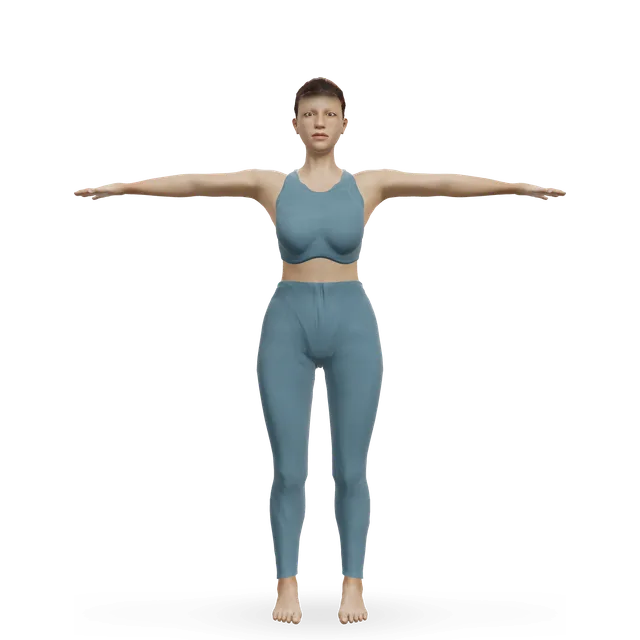
Wrist & forearm flow demonstrated on the 3D figure3D demoWrist & forearm flowBeginner · No equipment

2 or 3 slow reps of each movement at a time, every hour or so, adding 1 or 2 every few days, then sets of 8, up to 2 sets of 15, 2 to 3 times a day · NHS inform's pacing for wrist and hand exercises

Easier: Wrist circles · Harder: Wrist flexor stretch

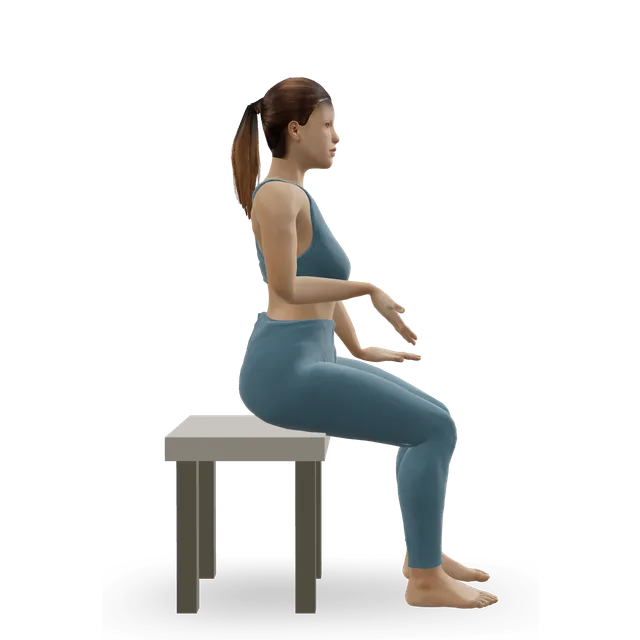
Tendon glides (hand tendon gliding exercises) demonstrated on the 3D figure3D demoTendon glides (hand tendon gliding exercises)Beginner · No equipment

4 to 6 of each position, holding each for 5 s, up to 4 times a day · The move page's dose, from an NHS hand therapy leaflet

Harder: Ball squeeze

Wrist circles demonstrated on the 3D figure3D demoWrist circlesBeginner · No equipment

10 slow circles each way · Editorial, as in the wrist hub

Harder: Wrist flexor stretch

Ball squeeze demonstrated on the 3D figure3D demoBall squeezeBeginner · Other / check instructions

Up to 10 squeezes, only as firmly as you can without increasing the pain · An NHS physiotherapy leaflet's squeeze, up to 10 repetitions; the effort limit is the move page's

Easier: Tendon glides (hand tendon gliding exercises) · Harder: Band finger extension

Median nerve glide (six hand positions, for carpal tunnel) demonstrated on the 3D figure3D demoMedian nerve glide (six hand positions, for carpal tunnel)Beginner · No equipment

For tingling in the thumb and first fingers: about 7 s in each position, 5 times through, 3 times a day · The move page's dose, from a carpal tunnel trial. A little extra tingling should fade within an hour, as the move page says

Easier: Median nerve slider (neck-to-arm nerve glide)

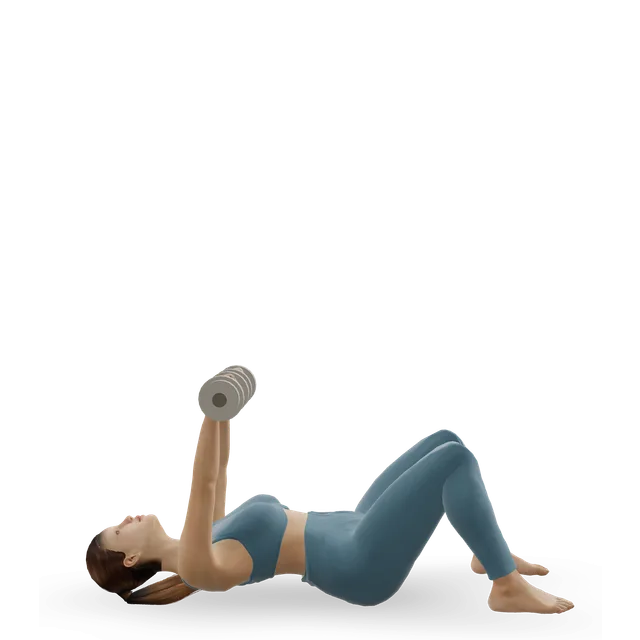
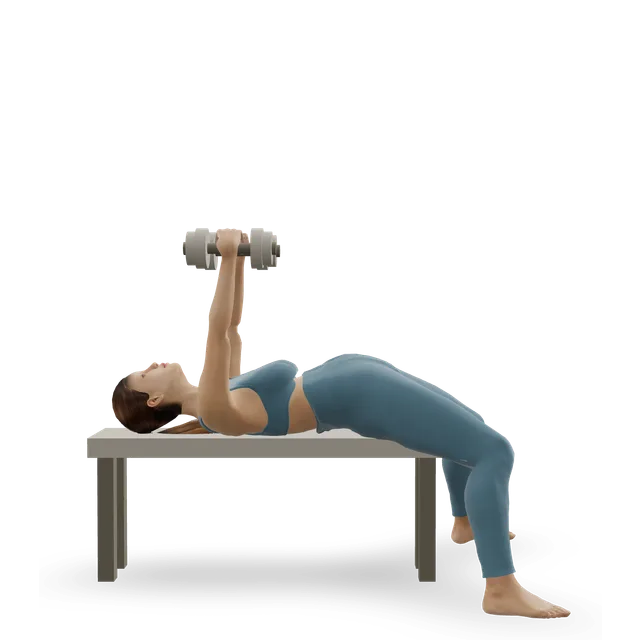
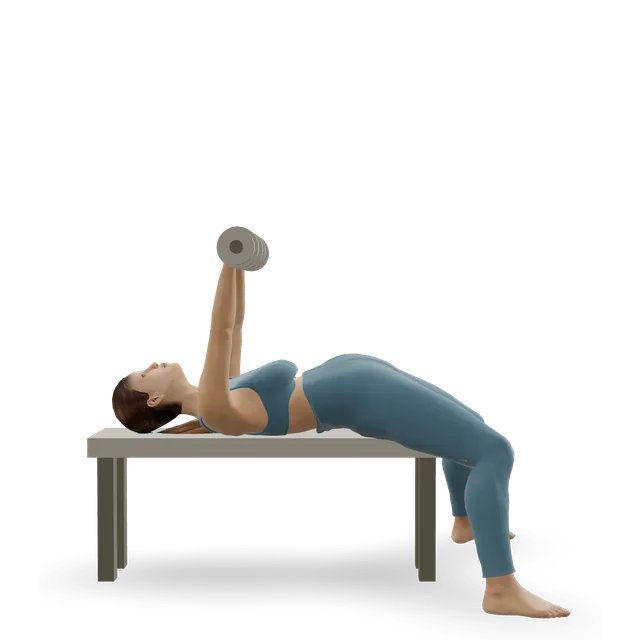
Dumbbell floor press demonstrated on the 3D figure3D demoDumbbell floor pressIntermediate · A dumbbell

If you lift, palms facing each other: 2 to 3 sets of 8 to 12, stopping with 2 or 3 reps in reserve · The move page's dose (an editorial starting point), so pressing carries on with a straight wrist

Easier: Chest press machine · Harder: Bench press with chains

Move on when: Gripping a mug, a bag or a tool is comfortable, the moves stay within the pain rule, and the wrist is no worse the next morning (editorial).

Follow along: a timer, a cue and the next move, one step at a time.
Stage 2

Build: forearm strength, then weight through the hand

About weeks 2 to 6, the strength work every other day. Forearm strength first, then weight back through a bent-back wrist step by step, as NHS wrist programmes do. Keep heavy gripping and vibrating tools to short spells (our suggestion).

Wrist curls demonstrated on the 3D figure3D demoWrist curlsBeginner · A dumbbell

10 slow reps, holding each for a count of 5 at the top, with a weight that tires the wrist by the tenth; building to 3 sets of 10, every other day · The Oxford NHS wrist booklet's strengthening dose, written for after a broken wrist (borrowed, as in our wrist pain when lifting guide)

Easier: Wrist-extensor eccentrics · Harder: Plate pinch

Reverse wrist curl demonstrated on the 3D figure3D demoReverse wrist curlBeginner · A dumbbell + A bench or box

The same, palm down: 10 slow reps with a 5-count hold, building to 3 sets of 10, every other day · The Oxford booklet's dose (borrowed)

Easier: Wrist-extensor eccentrics · Harder: Plate pinch

Dumbbell forearm rotation demonstrated on the 3D figure3D demoDumbbell forearm rotationBeginner · A dumbbell + A bench or box

5 slow turns, elbow tucked into your side, building to 2 sets of 10 · The start is the Oxford booklet's weighted turning (borrowed); the build is editorial

Easier: Wrist-extensor eccentrics · Harder: Plate pinch

Wall push-up demonstrated on the 3D figure3D demoWall push-upBeginner · A wall

First lean on a table with flat hands, taking about a quarter, then a half, three-quarters and all of the weight you can, holding 5 to 10 s; then the wall, 2 to 3 sets of 10 · The Oxford booklet's weight-bearing steps (borrowed); the sets are editorial, as in our push-ups guide

Harder: Push-up

Farmer's carry demonstrated on the 3D figure3D demoFarmer's carryIntermediate · A dumbbell + A kettlebell

3 walks of 20 to 30 m, light, wrists straight · Editorial: practice for carrying tools and shopping

Harder: Suitcase carry

Move on when: 3 sets of 10 wrist bends and turns pass the pain rule, weight through flat hands on a wall or table is comfortable, and the wrist is no worse the next morning (editorial, from the Oxford progression).

Follow along: a timer, a cue and the next move, one step at a time.
Stage 3

Back to work, the gym and sport

From about weeks 4 to 6, once the second stage passes the pain rule, 2 or 3 sessions a week (our suggestion). Full working days with tools, lifting and contact sport come back by the written steps below, with the most bent-back positions (the front rack, handstands, catching) last. Starting at about half your old weights and adding about 5% to 10% a week is editorial, as in our wrist pain when lifting guide.

Incline push-up demonstrated on the 3D figure3D demoIncline push-upBeginner · A bench or box

2 to 3 sets of 8 to 12, on fists or handles if flat hands hurt, then full push-ups · Editorial, as in our push-ups guide; the push-up page suggests fists, handles or dumbbells to keep the wrists straight

Easier: Wall push-up · Harder: Push-up

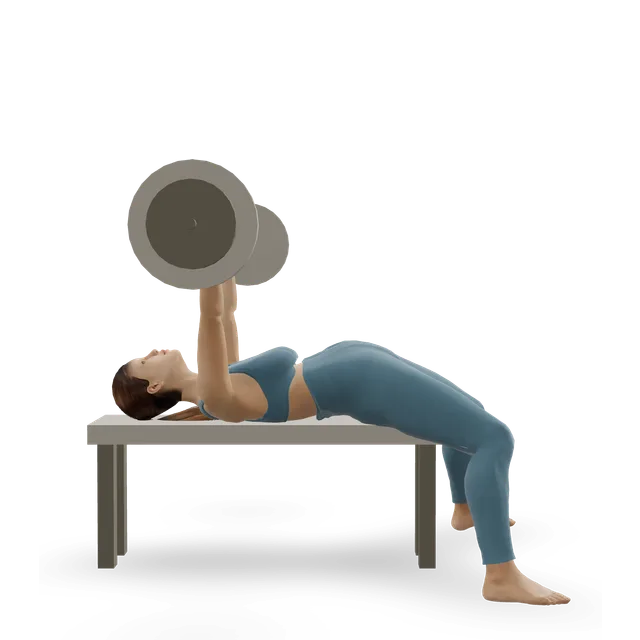
Barbell bench press demonstrated on the 3D figure3D demoBarbell bench pressIntermediate · A barbell + A bench or box

3 sets of 5 to 8 with 3 reps in reserve, from about half your old weight, adding about 5% to 10% a week while the pain rule holds · Editorial, as in our wrist pain when lifting guide. The bar low in your palm over the forearm, with your wrists stacked over your elbows, as the move page says

Easier: Chest press machine · Harder: Dumbbell bench press

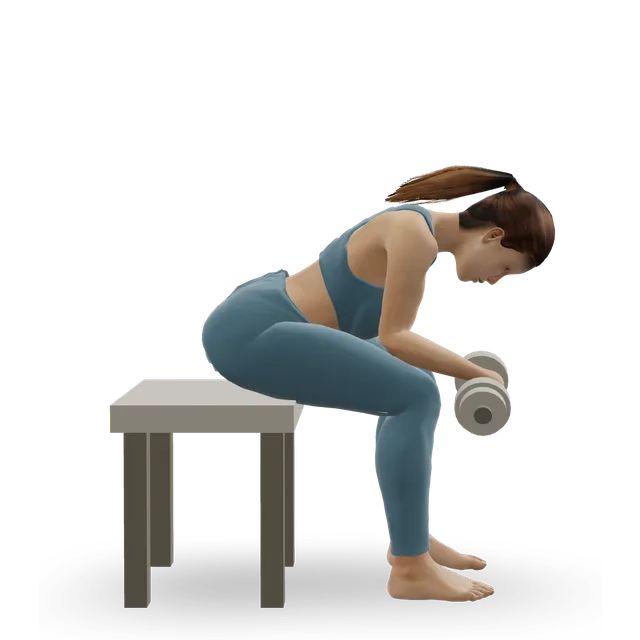
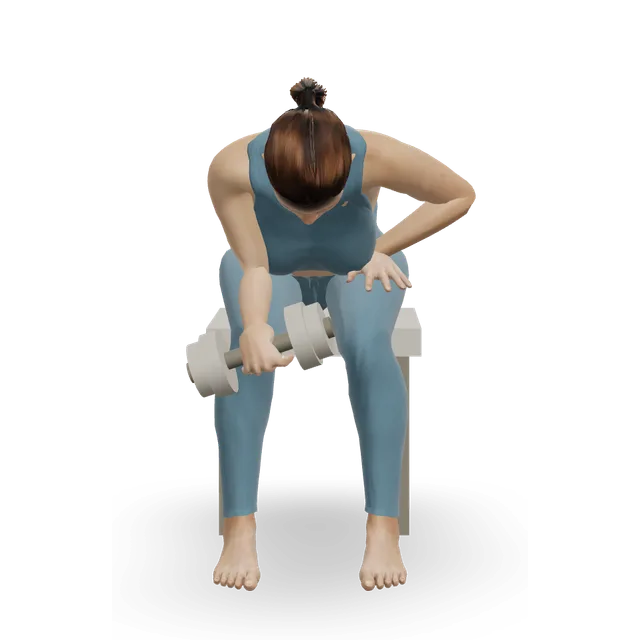
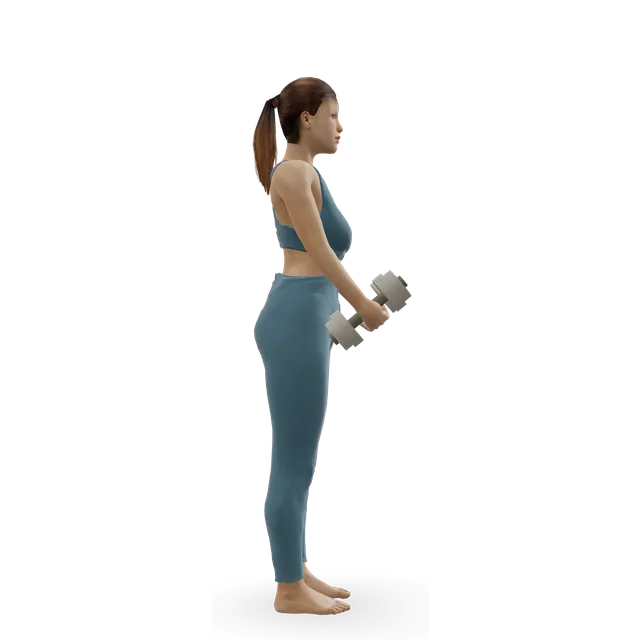
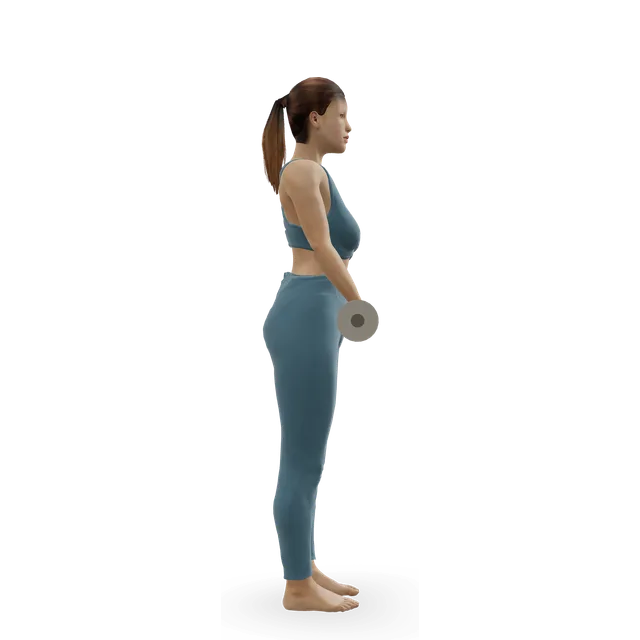
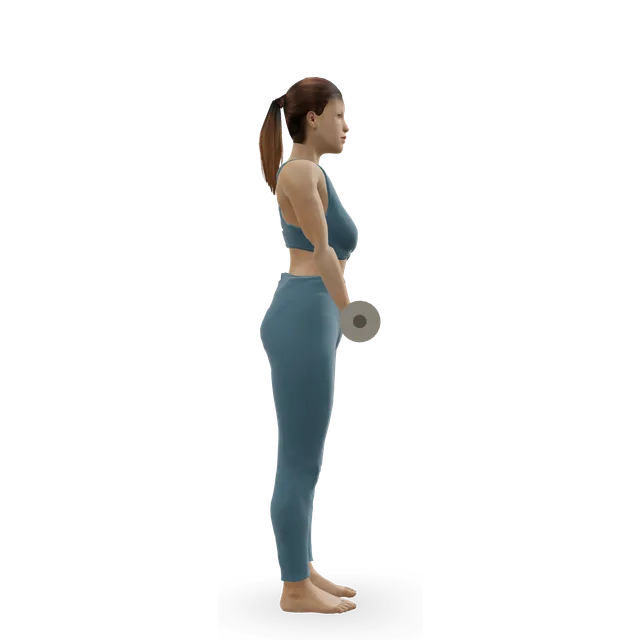
Hammer curl demonstrated on the 3D figure3D demoHammer curlBeginner · A dumbbell

2 to 3 sets of 10 · Editorial, in place of straight-bar curls while the wrist settles. Leave thumb-up curls if the thumb side of the wrist is sore, as the move page says

Easier: Seated dumbbell curl · Harder: Alternating hammer curl

Band row demonstrated on the 3D figure3D demoBand rowBeginner · A band + An anchor point

3 sets of 10 to 15, stopping 2 to 3 reps short of failure · The move page's dose (an editorial starting point)

Harder: Supported single-arm dumbbell row

Farmer's carry demonstrated on the 3D figure3D demoFarmer's carryIntermediate · A dumbbell + A kettlebell

3 walks of 30 m, building the load towards what your job or sport needs · Editorial

Harder: Suitcase carry

Move on when: Our suggestion: a normal working week with tools, your usual training and your sport pass the pain rule for 2 weeks. Keep one or two forearm exercises in your week; after a scaphoid fracture, contact sport waits for the fracture team.

Follow along: a timer, a cue and the next move, one step at a time.

What to change for now

After a fall on the hand (written steps)

These come from UK hand surgeons and the NHS. Our 3D figure can't show them.

  • 1. If the hollow at the base of your thumb is tender, get it checked the same day, even if the wrist moves well (UK hand surgeons).
  • 2. If the X-ray is normal but a scaphoid fracture is still suspected, expect a splint, and ask what follow-up or scan is planned (UK hand surgeons).
  • 3. While you wait to be seen, support the arm in a towel as a sling and take off rings and watches (the NHS).
  • 4. Don't eat or drink in case you need surgery, and don't drive yourself to A&E (the NHS).
  • 5. If you're over 50 and have broken your wrist, ask your GP surgery about a fracture liaison service (the NHS).

Sources 11, 13

Vibrating tools, heavy tools and work (written steps)

These come from the HSE, the NHS and NHS inform. No trial has tested them for wrist pain.

  • 1. Ask to use suitable low-vibration tools (HSE).
  • 2. Use a tool for shorter spells, doing other jobs in between, and don't grip or force a tool or workpiece more than you have to (HSE).
  • 3. Keep warm and dry, and wear gloves (HSE).
  • 4. Report tingling, numbness or white fingertips promptly to your employer or the person who does your health checks; employers must assess the risk and provide health checks (HSE).
  • 5. Speak to your employer about ways to keep working, such as changing the way you work or reducing your hours for a while (the NHS). You don't need to be symptom free to go back to work (NHS inform).

Sources 26, 55, 56, 31

The gym, wraps and sport (written steps)

Our 3D figure can't show where the bar sits in your hand. No trial has tested these changes for wrist pain, so each step names its source or is editorial.

  • 1. While it settles, press with dumbbells and your palms facing each other, and do push-ups on fists or handles (editorial, as in our wrist pain when lifting guide).
  • 2. Hold the bar low in your palm with your wrists stacked over your elbows (the site's coaching advice; editorial).
  • 3. Leave straight-bar curls, the clean-grip front rack, catching cleans and handstands until last (our wrist pain when lifting guide).
  • 4. Wraps are optional: use them on heavy sets if they feel better, knowing no study has tested them for pain (a small trial found they didn't change bench press strength).
  • 5. Avoid sport or heavy lifting until you have less discomfort and good movement (NHS inform).
  • 6. On a snowboard, wear wrist guards (a review of 6 studies). After a scaphoid fracture, go back to sport when your fracture team says; in small studies athletes took about 7 to 10 weeks on average.

Sources 54, 31, 63, 53

Gout flares, lumps and splints (written steps)

These come from the NHS, NHS inform and UK hand surgeons, except where marked as our suggestion.

  • 1. In a gout flare, keep the joint cool, rest and raise it, and keep bedclothes off it at night (the NHS).
  • 2. Between flares, have some alcohol-free days, no more than 14 units a week, plenty of fluids and regular exercise (the NHS).
  • 3. A ganglion can be left alone; don't try to burst or pop it, and a wrist support may help if it hurts (the NHS; UK hand surgeons).
  • 4. Use a splint at night or for the jobs that hurt rather than all day for weeks, and use the hand more after the first 48 hours (our suggestion, from NHS inform's advice).
  • 5. No heat packs or hot baths for the first 2 to 3 days after an injury, and take off rings if your hand looks swollen (the NHS).

Sources 34, 44, 40, 24, 31

Positions to swap, and why

Habit or positionWhy it mattersInstead
Telling yourself "it moves, so it isn't broken" after a fallA broken scaphoid can feel like a sprain, and about 1 in 4 or 5 suspected ones with a normal first X-ray turn out to be broken.A same-day check for tenderness at the base of the thumb, and the follow-up it needs.
Heavy bench pressing with the bar behind your wrist while it's soreBending a loaded wrist back raised the pressure inside the joint in a cadaver study.Dumbbells with your palms facing, pressed from the floor for now.Try: Dumbbell floor press
Push-ups on flat hands while it's soreYour body weight goes through a bent-back wrist.Fists or handles, or hands on a bench.Try: Incline push-up
Straight-bar curlsA straight bar holds the palms fully up, which twists a sore wrist under load.Hammer curls, unless the thumb side is sore, or an EZ bar.Try: Hammer curl
Long spells with vibrating tools, gripping hardVibration and forceful gripping go with nerve damage and carpal tunnel syndrome.Low-vibration tools, shorter spells, a looser grip, and report symptoms early.
Waiting to see whether a hot, swollen wrist settlesIt can be gout or an infection, and not everyone with an infection has a fever.Same-day help: an urgent GP appointment or NHS 111.
Trying to burst or hit a ganglionThe NHS says don't try to burst one: it could cause an infection or skin damage.Leave it, or see a GP if it grows, is hard or doesn't move.
Resting the wrist completely for weeksThe NHS says don't rest a repetitive strain for more than a few days, and NHS inform says use the hand more after 48 hours.Gentle movement little and often.Try: Wrist & forearm flow
Wraps on every set, or counting on them to heal itIn a trial they changed comfort and the feeling of stability, not strength, and they haven't been tested for pain.Wraps on heavy sets only, if they help, with forearm strength work.Try: Reverse wrist curl
Skipping the bone check after a broken wrist over 50The NHS offers a fracture liaison service to anyone over 50 who breaks an arm or wrist, men included.Ask your GP surgery about one.

Routines to follow

More moves for this area

Questions people ask

What causes wrist pain in men?

Most often an injury: a fall onto the hand, sport, a punch or a knock at work, then the gym, tools and vibration. A sudden hot, swollen wrist without an injury can be gout or an infection, and needs help the same day. Where it hurts and how it started point to the cause, and the map above sends each to its guide.

Why does my right or left wrist hurt?

Usually because it's the hand you use more for lifting, tools or sport, or the one you fell on; the causes are the same on either side. Our wrist pain in women guide answers whether left wrist pain can be the heart. Call 999 for chest pain that spreads to your arm, neck or jaw; in the US, call 911 where this page says 999.

I fell on my hand and it moves fine. Could it still be broken?

Yes. A broken scaphoid, the small bone at the base of the thumb, can feel like a sprain and can hide on the first X-ray. If the hollow at the base of your thumb is tender, get it checked the same day, and ask what follow-up is planned if the X-ray is normal. Most such wrists turn out not to be broken, but the check matters.

Is a scaphoid fracture serious?

Caught early, most heal well, and for breaks that have hardly moved a cast did as well as surgery in a large UK trial. Missed, it can fail to join and lead to arthritis: in one UK series, most people were young men, scanned on average more than 3 years after the injury.

Can gout affect the wrist?

Yes. Gout usually starts in the big toe but can affect the hands and wrists, and it is about four times as common in men. A sudden hot, red, swollen wrist needs help the same day, because it can also be an infection, and only a sample of fluid from the joint can tell them apart.

Does lifting weights cause wrist pain?

It can, usually from holding a heavy load with the wrist bent back or twisted. Changing the grip, the bar position and the load is the usual first step, though no trial has tested it, and our wrist pain when lifting guide covers each lift. Men aren't clearly more at risk than women in the gym: the studies disagree.

Do wrist wraps help?

They haven't been tested for pain. In a small trial they didn't change bench press strength, and lifters felt more stable in them but less comfortable. Use them on heavy sets if they help, and build forearm strength alongside.

Can power tools damage my wrists?

Regular use of vibrating tools can damage the nerves, blood vessels and joints of the hand and wrist, and vibration and forceful gripping go with carpal tunnel syndrome. Report tingling, numbness or white fingertips early to your employer or the person who does your health checks: the HSE says the damage is preventable but permanent once done.

What is the lump on my wrist?

Usually a ganglion, a harmless fluid-filled lump. They're commoner in women, but men get them too, and many go on their own. See a GP if it grows, is hard or doesn't move, and get help the same day if it is very painful, hot or red.

Do men get carpal tunnel syndrome?

Yes, about half as often as women, and in men it is most common at 75 to 84. Vibrating tools and forceful gripping go with a higher risk. A night splint is the usual first step, and our carpal tunnel guide covers the rest.

When can I go back to work, the gym or sport?

When the forearm strength work passes the pain rule, start at about half your old weights and build up; you don't need to be symptom free to go back to work. After a fracture, go back when your fracture team says. On a snowboard, wrist guards cut wrist injuries by about three-quarters.

When should I see a doctor?

Call 999 or go to A&E after an injury if the wrist has changed shape, a bone is showing, or the hand is numb or tingling. Get help the same day for a tender thumb base after a fall, a hot, swollen wrist or lost feeling, and see a GP if it isn't better after 2 weeks, or for tingling. In the US, call 911 where this page says 999.

Related exercise guides

Other pain guides

Sources

  1. Jerrhag 2017 · Broken wrists in adults by age and sex, 11.2 million person-years in southern Sweden (register study, BMC Musculoskelet Disord)
  2. O'Neill 2001 · Broken wrists in British men and women aged 35 and over (population study, Osteoporos Int)
  3. Nellans 2012 · The epidemiology of broken wrists (review, Hand Clin)
  4. Schmidt 2026 · Fracture Epidemiology in Skateboarding vs. Snowboarding (Sports Health)
  5. NHS · Sprains and strains
  6. Murphy 2020 · Who gets scapholunate advanced collapse, a pattern of wrist arthritis: 61 patients (clinic study, Hand)
  7. Duckworth 2012 · Scaphoid fracture epidemiology (J Trauma Acute Care Surg)
  8. Hove 1999 · Scaphoid fractures in Bergen, Norway (population study, Scand J Plast Reconstr Surg Hand Surg)
  9. Dias 2020 · Surgery or a cast for a break of the scaphoid waist: the SWIFFT trial of 439 adults (randomised trial, Lancet)
  10. Garala 2016 · Scaphoid fractures by age, sex, deprivation and season in Leicester (hospital study, Bone Joint J)
  11. British Society for Surgery of the Hand · Standards of care in hand trauma: scaphoid fractures
  12. AAOS OrthoInfo · Scaphoid fracture of the wrist
  13. NHS · Broken arm or wrist
  14. Carpenter 2014 · Adult scaphoid fracture: how well examination and imaging detect it (systematic review, Acad Emerg Med)
  15. Mallee 2014 · How accurate examination tests are for a scaphoid fracture (systematic review and meta-analysis, J Hand Surg Am)
  16. Duckworth 2012 · Which signs predict a fracture after a suspected scaphoid injury (cohort of 223, JBJS Br)
  17. Mallee 2015 · CT, MRI or a bone scan for a suspected scaphoid fracture when the X-rays are normal (Cochrane review)
  18. Eastley 2013 · How often breaks at the forearm end of the scaphoid join (meta-analysis, J Hand Surg Eur)
  19. Dias 2023 · Wrist arthritis after a scaphoid fracture that doesn't join (278 people, Injury)
  20. Keogh 2017 · Injuries across the weight-training sports (systematic review, Sports Medicine)
  21. Tawfik 2021 · Hand and wrist injuries in 270 CrossFit athletes (survey, Cureus)
  22. Siewe 2011 · Injuries and overuse syndromes in 245 competitive powerlifters (survey, International Journal of Sports Medicine)
  23. Daly 2018 · Push-up position and wrist joint pressures (cadaver study, J Hand Surg Am)
  24. NHS · Wrist pain
  25. Palmer 2000 · Who is exposed to hand-transmitted vibration at work in Great Britain (national survey, Occup Environ Med)
  26. Health and Safety Executive · Worried about your hands? Hand-arm vibration at work (2025)
  27. Barcenilla 2012 · Carpal tunnel syndrome and work: force, repetition, vibration and wrist posture (meta-analysis of 37 studies, Rheumatology)
  28. Latinovic 2006 · How often common nerve entrapments, including Morton's neuroma, are diagnosed in UK general practice (database study, J Neurol Neurosurg Psychiatry)
  29. Burton 2018 · Carpal tunnel syndrome in UK primary care, 1993 to 2013 (BMJ Open)
  30. NHS · Carpal tunnel syndrome
  31. NHS inform · Wrist, hand, finger and thumb problems
  32. Kuo 2015 · Gout in the UK by age and sex, 1997 to 2012 (population study, Ann Rheum Dis)
  33. Arthritis UK · Gout
  34. NHS · Gout (past its review date: reviewed August 2023, review due August 2026)
  35. NICE NG219 · Gout: diagnosis and management
  36. Taylor 2015 · Which features identify gout: an international study in rheumatology clinics (Arthritis Care Res)
  37. Couderc 2026 · Joint infections in adults in France, 2009 to 2022 (national database study, Rheumatology)
  38. NHS · Septic arthritis
  39. Arthritis UK · Acute CPP crystal arthritis
  40. British Society for Surgery of the Hand · Ganglion cysts (patient information)
  41. Dworak 2020 · Back-of-wrist ganglia in US military and civilian patients (health records study, J Hand Surg Glob Online)
  42. Balazs 2016 · Palm-side wrist ganglia in US military and civilian patients (health records study, J Hand Surg Am)
  43. Gude 2008 · Ganglion cysts of the wrist: causes, signs and management (review, Curr Rev Musculoskelet Med)
  44. NHS · Ganglion cyst
  45. Wernér 2025 · Kienböck's disease in Finland: how common it is and how often it's operated on (national register study, J Hand Surg Eur)
  46. van Leeuwen 2016 · How often Kienböck disease is found by chance on wrist imaging (51,071 people, CORR)
  47. Stahl 2012 · The causes of Kienböck's disease, and whether vibrating tools cause it (systematic review, BMC Musculoskelet Disord)
  48. AAOS OrthoInfo · Kienböck's disease
  49. Abhishek 2017 · How common rheumatoid arthritis is in the UK, by sex (population study, Rheumatology)
  50. Karmacharya 2021 · Psoriatic arthritis over five decades in a US county (population study, Arthritis Rheumatol)
  51. NICE NG38 · Fractures (non-complex): assessment and management (2016)
  52. Leicestershire Partnership NHS Trust · Soft tissue injuries: wrist and hand (physiotherapy leaflet, 2026)
  53. Goffin 2019 · Return to sport after a scaphoid fracture (systematic review and meta-analysis, World J Orthop)
  54. Harris 2024 · Wrist wraps and bench press strength, power and endurance in 18 trained men and women (randomised crossover trial, J Strength Cond Res)
  55. Health and Safety Executive · Hand-arm vibration: advice for employers (2026)
  56. NHS · Repetitive strain injury (RSI)
  57. Thiele 2009 · Leather and fabric wrist splints for long-lasting wrist pain in 25 adults (randomised crossover trial, BMC Musculoskelet Disord)
  58. NHS inform · Exercises for wrist, hand and finger problems (including how to tell if you're exercising at the right level)
  59. Oxford University Hospitals NHS · Wrist fractures: information and exercises for patients (2024)
  60. Head 2015 · Wrist ganglion treatment (systematic review and meta-analysis, J Hand Surg Am)
  61. Dias 2007 · Back-of-wrist ganglia treated or left alone, 6 years on: 236 patients (prospective cohort, J Hand Surg Eur)
  62. Dias 2003 · Palm-side wrist ganglia treated or left alone: 155 patients (prospective cohort, J Hand Surg Br)
  63. Russell 2007 · Wrist guards and wrist injuries in snowboarders: 6 studies (systematic review, Clin J Sport Med)

Exercise education, not a diagnosis or treatment plan. It is written from the guidelines and studies listed above; review by a clinician is pending. If your pain follows an injury, is severe, is getting worse, or comes with any warning sign listed on this page, get it assessed. Health disclaimer.