False-grip hang (rings)
Hanging from gymnastic rings with each ring set in the heel of your hand near the wrist crease and your wrist bent over the top, you hold as much of your weight as your wrists allow, feet on the floor at first. The false grip is what lets a ring muscle-up pass from the pull to the dip without regripping. GMB's advice is to keep the pressure on the meat of the palm rather than the bones and tendons. Ring muscle-ups worked the forearm flexors harder than bar ones in an EMG study.
Movement guide
False-grip hang (rings)
Make it easier or harder
Choose a version that fits your control and comfort.
Easier option
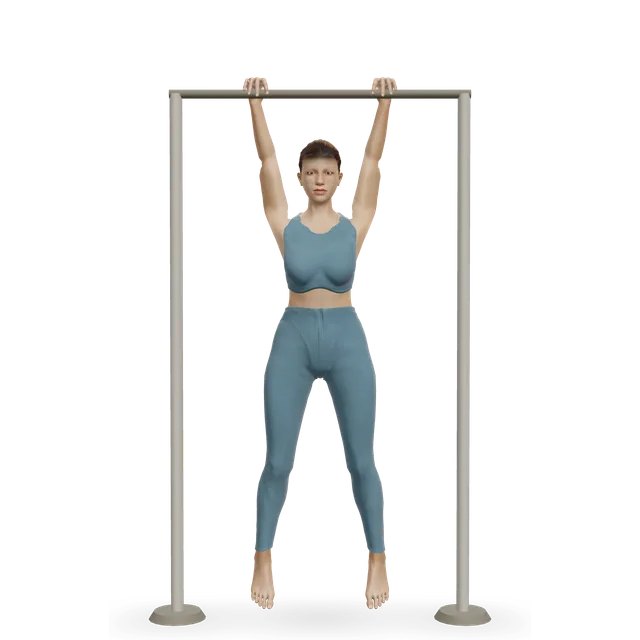 3D demoBar hangIntermediate · Pull-up bar + A step
Suggested next step, intermediate grade.
Harder option
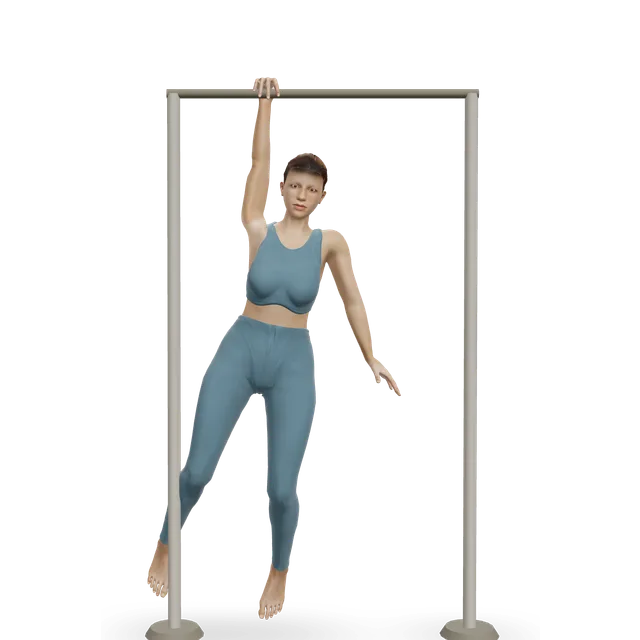 3D demoOne-arm dead hangExpert · Pull-up bar + A step
Similar move, expert grade.
Source-researched guide.
How to move
- Set the rings at about chest height so you can hang with your feet on the floor.
- Place each hand high on its ring so the ring sits in the heel of your hand near the wrist crease, then bend your wrist over the top so the ring hangs on your hand.
- Bend your knees and lower your hips until the rings take part of your weight, arms straight and shoulders drawn down, and hold.
- Stand up to come out. Over weeks, take more weight off your feet until you can hang from the false grip alone, with the rings raised.
Form cues
- Pressure on the meat of the palm, not the wrist bones.
- Shoulders down, away from your ears.
- Avoid: letting your wrists straighten as you tire; end the hold instead.
Practice and cautions
5 to 8 hangs of 5 to 15 seconds, two or three times a week, feet supported until full weight feels comfortable (our editorial starting point).
The skin and tendons of the wrist adapt more slowly than your enthusiasm. Expect early discomfort, but sharp wrist pain means the grip is wrong or the dose is too high; back off rather than push through. This is movement education, not an assessment or treatment prescription. Stop for sharp or increasing pain, dizziness, numbness or tingling; seek individual guidance for symptoms, injury or restrictions.
Sources and review status
Sources support the educational description; they do not establish that this exercise is suitable for you.
- GMB Fitness · How to do a strict rings muscle-up (the false grip, the pull, the transition and the press; about 5 pull-ups and 5 dips first) ↗
- GMB Fitness · Gymnastic ring training: risks and benefits (skin the cat, the muscle-up transition and deep dips need more shoulder range than most people have; tendon pain follows load that outpaces recovery) ↗
- Walker 2023 · Ring muscle-ups worked the biceps, forearm flexors and triceps harder than bar muscle-ups; the bar may be the one to learn first (EMG of 10 men, IJES) ↗
No variation is labeled clinically validated.
What it works
Muscles
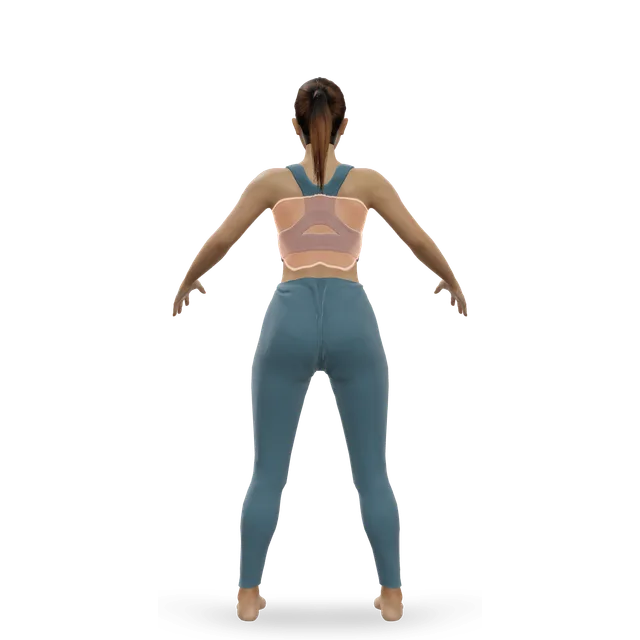
Main: Forearms. Also: Back, Biceps, Shoulders.
Anatomy: Brachioradialis, Wrist and finger flexors, Wrist and finger extensors, Pronator teres.
Equipment
Gymnastic rings
Level
Advanced. See the easier and harder options above.
Similar moves
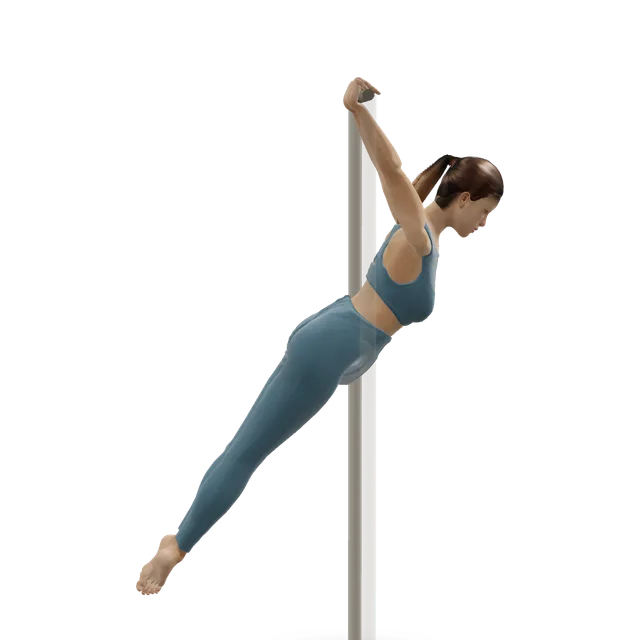 3D demoGerman hangAdvanced · Pull-up bar
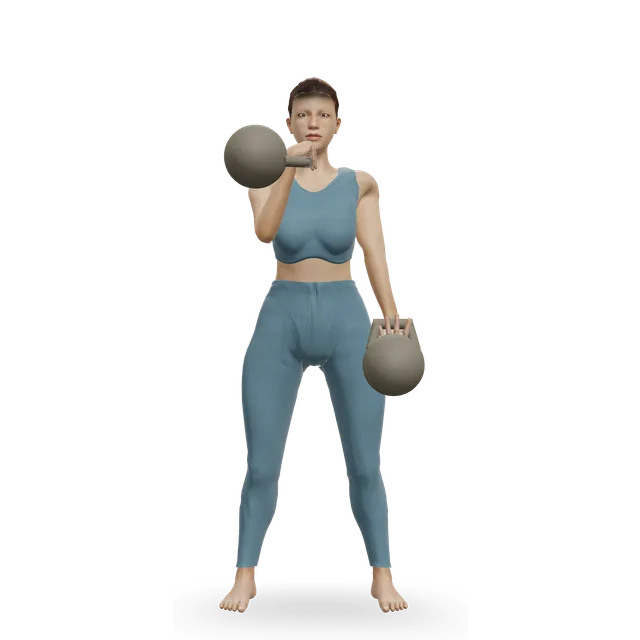 3D demoAlternating kettlebell hang cleanIntermediate · A kettlebell
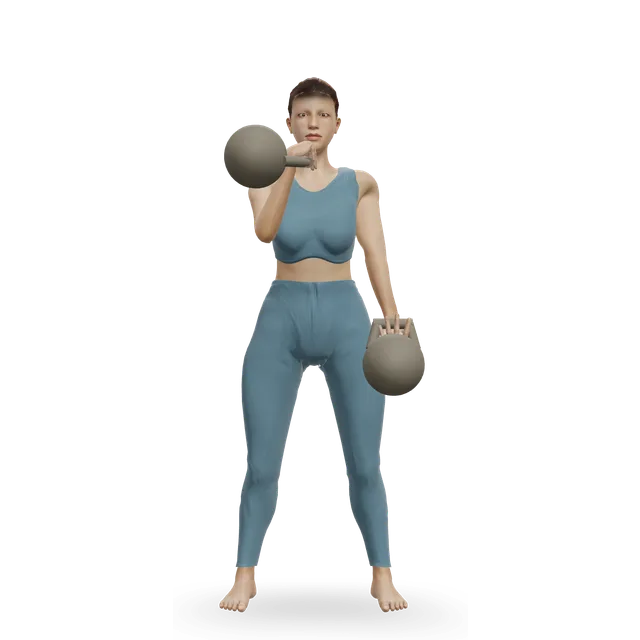 3D demoDouble kettlebell alternating hang clean (see-saw)Advanced · A kettlebell
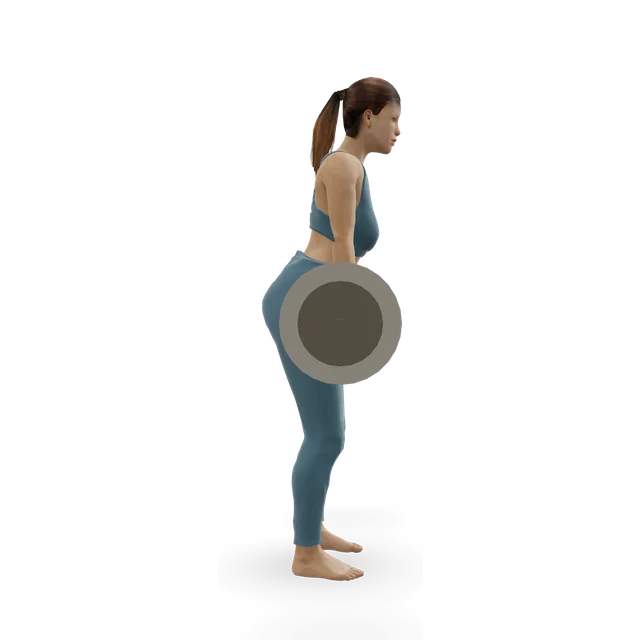 3D demoHang power cleanAdvanced · A barbell
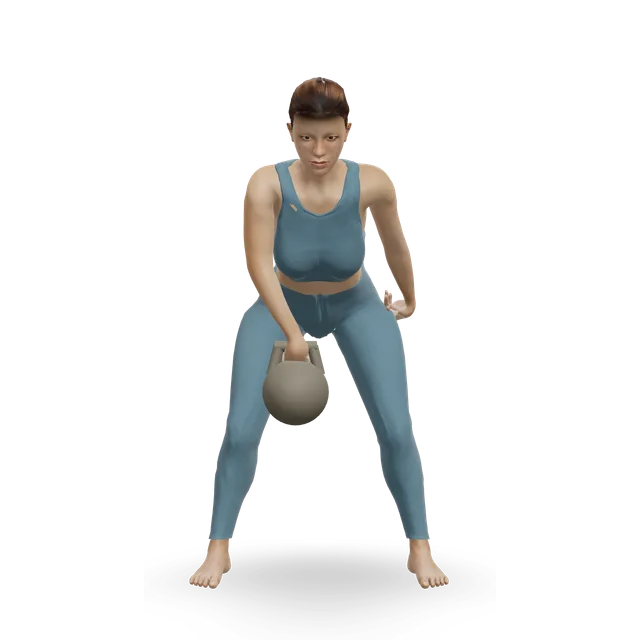 3D demoKettlebell hang cleanIntermediate · A kettlebell
 Rope climbIntermediate · Other / check instructions
Browse more
Questions people ask
What muscles does the False-grip hang (rings) work?
Mainly the forearms, with help from the back, biceps and shoulders.
What equipment do I need for the False-grip hang (rings)?
Gymnastic rings.
Is the False-grip hang (rings) good for beginners?
It is an advanced move. Build up to it with the Bar hang first.
What is an easier alternative to the False-grip hang (rings)?
Try the Bar hang. It is the suggested step down from this move.
How do I make the False-grip hang (rings) harder?
Progress to the One-arm dead hang. Follow that guide’s technique and any stated timing.