Rope climb
Climbing a hanging rope with a foot lock: the feet pinch the rope so the legs do much of the lifting while the hands reach up, the knees come up and the feet lock on higher. A timed 5-metre rope climb tracked pull-up, push-up and grip results in a study of commandos, and coaches build up to it with lowering-only reps and partial climbs over mats.
Movement guide
Rope climb
Make it easier or harder
Choose a version that fits your control and comfort.
Easier option
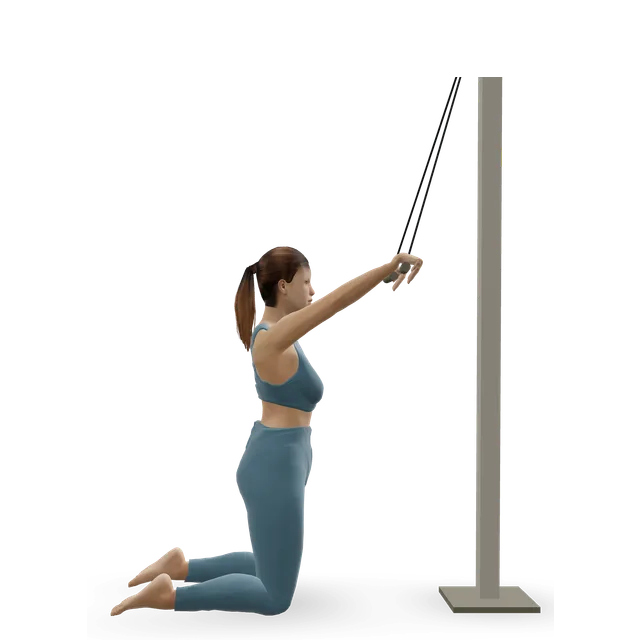 3D demoKneeling rope high rowBeginner · A cable machine
Similar move, beginner grade.
Harder option
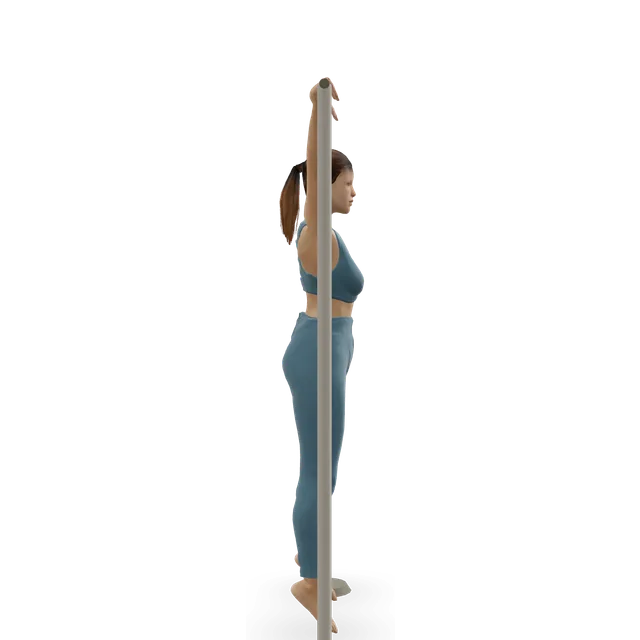 3D demoBehind-the-neck pull-upAdvanced · Pull-up bar
Similar move, advanced grade.
Source-researched guide.
How to move
- Grab the rope with both hands above your head and pull down as you take a small jump.
- Let the rope run down the outside of one leg and over that foot, then pinch it there with the other foot to lock it. Reach up as high as you can and grip tightly.
- Release the lock, pull with the arms and bring the knees up toward your chest, then lock the feet again and stand up on them to reach for the next hold.
- Repeat to the top. Come down hand under hand, letting the rope slide slowly through a loosened lock rather than sliding freely.
Form cues
- Climb with the legs; the arms mostly hold on.
- Avoid: sliding down fast; the rope burns.
Practice and cautions
3 to 5 climbs, resting fully between them (our editorial starting point).
A fall from the top of a rope is a real fall: learn with partial climbs over mats and a spotter, climb only as high as you can come down under control, and come down hand under hand rather than sliding. This is movement education, not an assessment or treatment prescription. Stop for sharp or increasing pain, dizziness, numbness or tingling; seek individual guidance for symptoms, injury or restrictions.
Sources and review status
Sources support the educational description; they do not establish that this exercise is suitable for you.
- Dhahbi 2015 · A timed 5-metre rope climb as a test of upper-body power: the times tracked pull-up, push-up and grip results (validation study in commandos, IJSPP) ↗
- BarBend (Boly, CSCS) · Rope climbs: hand-over-hand lowering first, then foot locks and partial climbs, with a spotter and mats underneath ↗
- Free Exercise DB · community text ↗
Unlicense · Free Exercise DB contributors; derived from wrkout/exercises.json. Text import; no photographs or media. · Revision f00c92c7dcf1216a928a52c3706c7ce8e2f71ed5
No variation is labeled clinically validated.
What it works
Muscles
Main: Back, Forearms. Also: Biceps, Shoulders, Abs.
Anatomy: Latissimus dorsi, Teres major, Trapezius, Rhomboids, Erector spinae, Multifidus.
Equipment
Other / check instructions
Level
Intermediate. See the easier and harder options above.
Similar moves
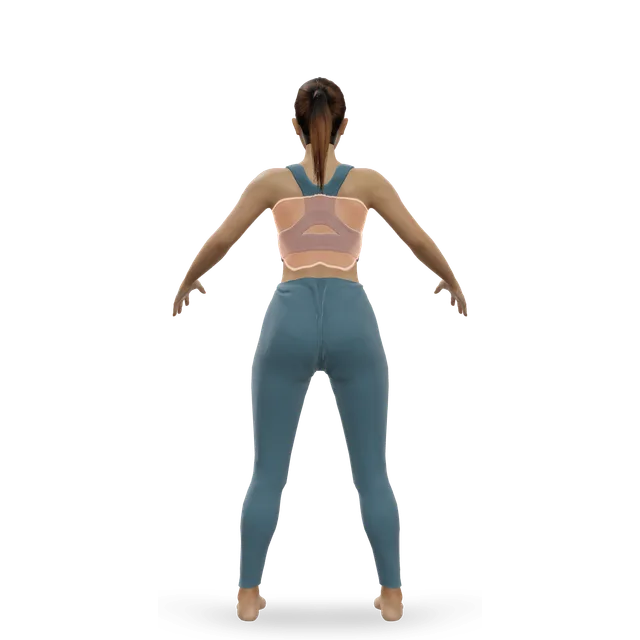 London bridges (rope lean-back)Intermediate · Other / check instructions + A bench or box
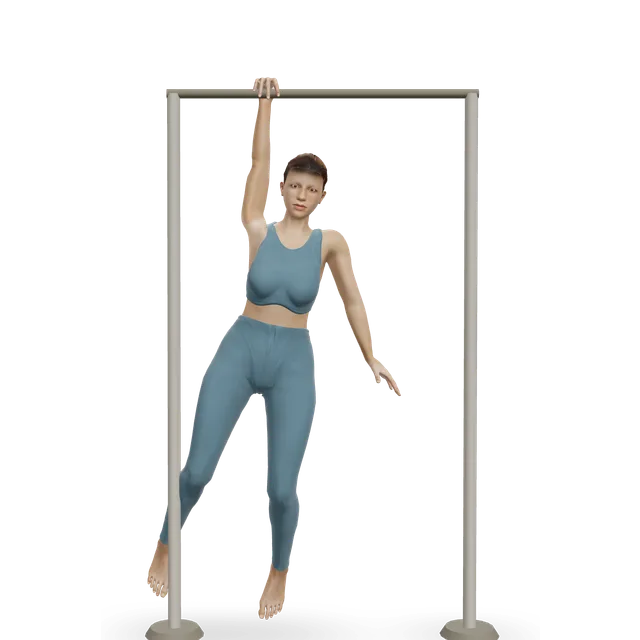 3D demoOne-arm dead hangExpert · Pull-up bar + A step
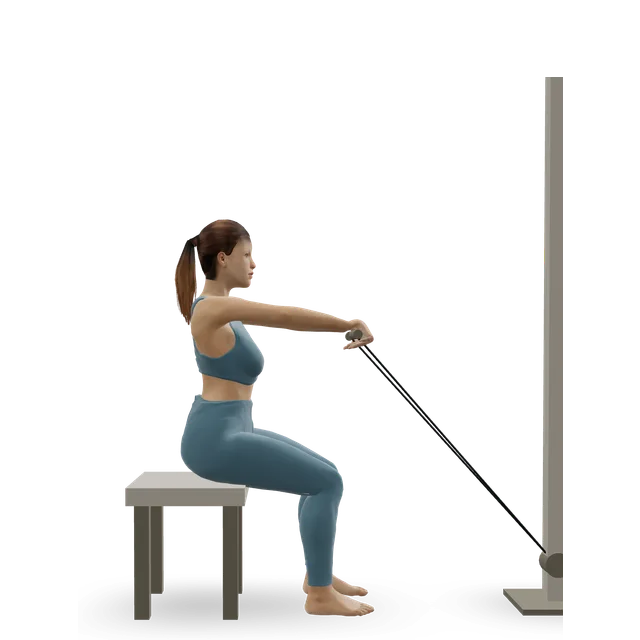 3D demoSeated rope high rowBeginner · A cable machine
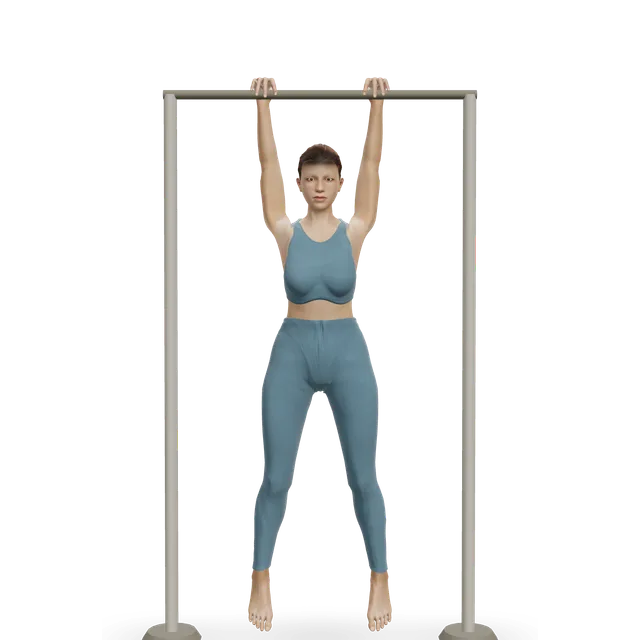 3D demoBand-assisted pull-upIntermediate · A band + Pull-up bar
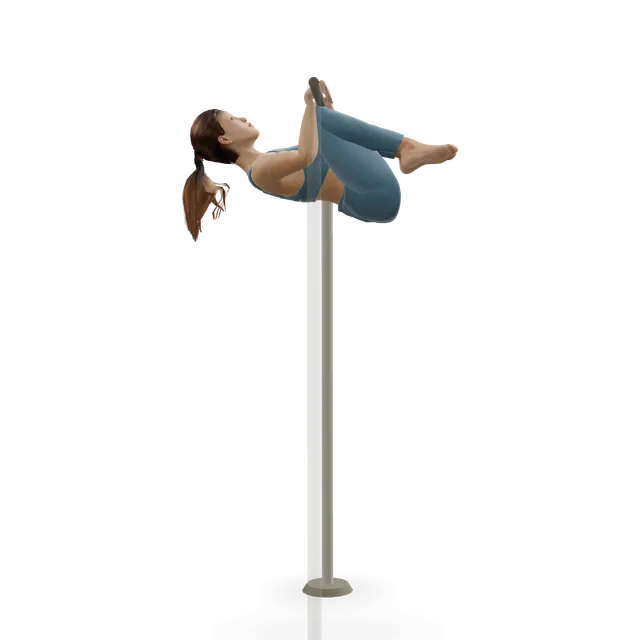 3D demoInverted tuck rowAdvanced · Pull-up bar
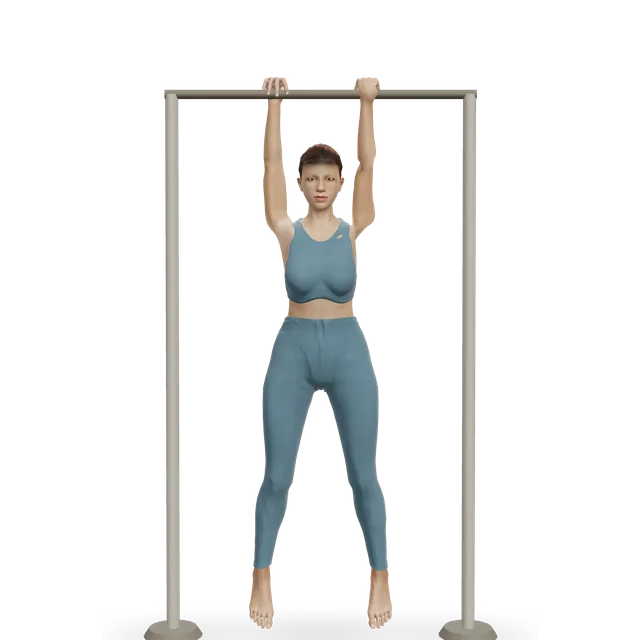 3D demoMixed-grip chin-upAdvanced · Pull-up bar
Browse more
Questions people ask
What muscles does the Rope climb work?
Mainly the back and forearms, with help from the biceps, shoulders and abs.
What equipment do I need for the Rope climb?
Other / check instructions.
Is the Rope climb good for beginners?
It is graded intermediate. If it is too hard right now, start with the Kneeling rope high row.
What is an easier alternative to the Rope climb?
Try the Kneeling rope high row or the Rope straight-arm pulldown. It works similar muscles at a lower grade.
How do I make the Rope climb harder?
Progress to the Behind-the-neck pull-up or the Gironda sternum chin-up. Follow that guide’s technique and any stated timing.