The pronator teres is the short, rounded muscle that runs diagonally across the front of the forearm just below the elbow, from the bony bump on the inside of the elbow to halfway down the outer forearm bone. It forms the inner edge of the hollow at the front of the elbow.
It turns the palm down, with the pronator quadratus near the wrist, and helps bend the elbow. It is one of the muscles whose shared tendon hurts in golfer's elbow. The median nerve passes between its two heads, where it can occasionally be squeezed: pronator syndrome, which is often mistaken for carpal tunnel syndrome.
Shaded: the forearms area. It marks the region, not the exact outline of the pronator teres.
Starts at (origin)
Two heads: the bony bump on the inside of the elbow and just above it, and a small point on the ulna just below the elbow.Humeral head: medial epicondyle and the ridge just above it (common flexor tendon); ulnar head: coronoid process of the ulna
Attaches to (insertion)
Halfway down the thumb-side forearm bone, on its outer edge.Pronator tuberosity, lateral surface of the mid-shaft radius
What it does
Turns the palm down, with the pronator quadratus near the wrist: pouring from a jug.Forearm pronation
Helps a little in bending the elbow.Assists elbow flexion
Nerve supply
Median nerve (C6, C7). The nerve passes between the muscle's two heads in about three-quarters of people, but its branches to the muscle leave above that point. Sources differ on how often the ulnar head is missing: about 1 in 7 people in one, about 1 in 5 in another.
Turning the palm down against resistanceEmerging evidence
Repeated or forceful palm-down turning, as in hammering, ladling, washing dishes or pouring, works it hard. In fine-wire EMG (electromyography, electrodes placed in the muscle that record its activity) of 12 healthy adults, both the pronator teres and the pronator quadratus worked whenever turning the palm down was resisted, whatever the elbow angle.
In 12 college pitchers its peak activity was higher throwing curveballs than fastballs. Its tendon is part of the shared flexor-pronator tendon that helps steady the inner elbow, but in cadaver elbows the pronator teres gave the least protection against the bending force of a throw; the flexor carpi ulnaris and flexor digitorum superficialis lie more directly over the ligament.
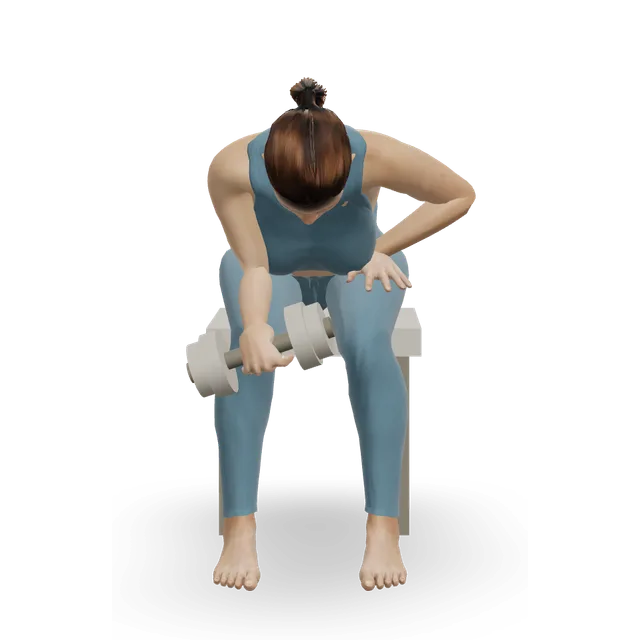
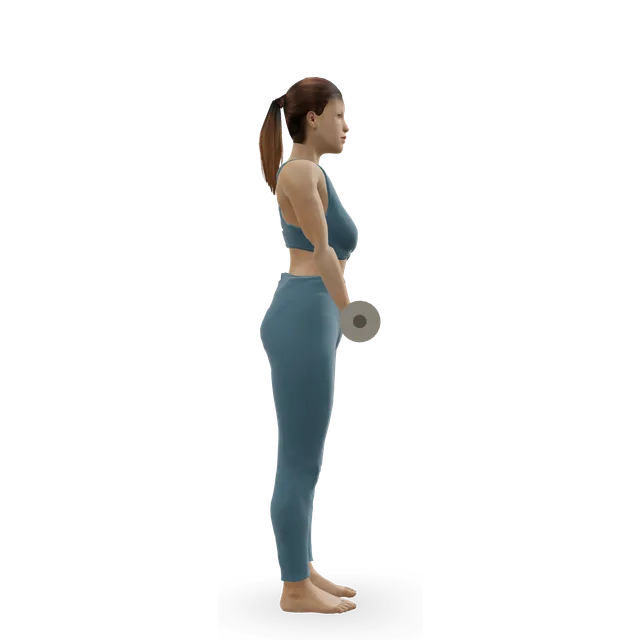
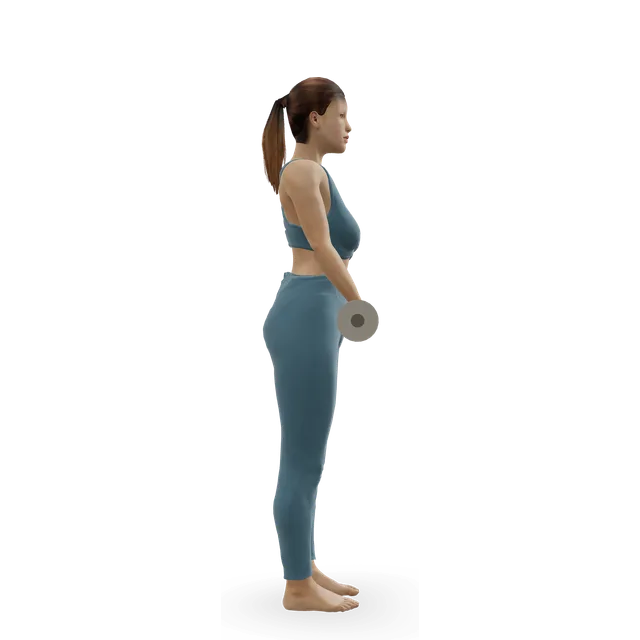
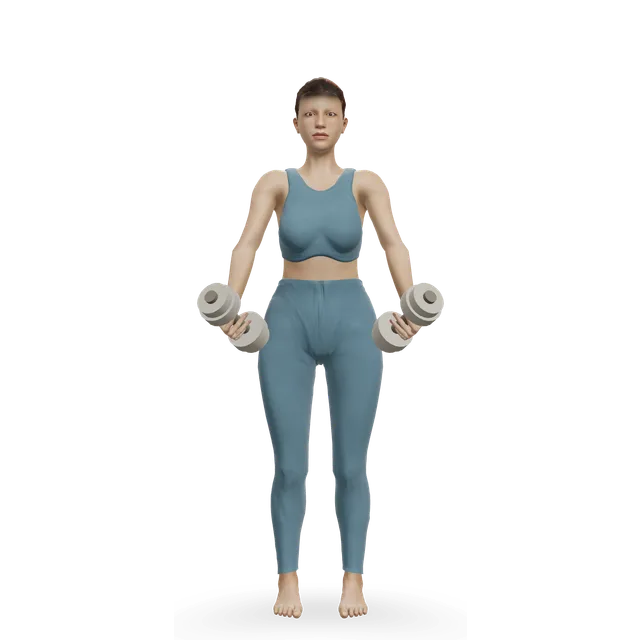
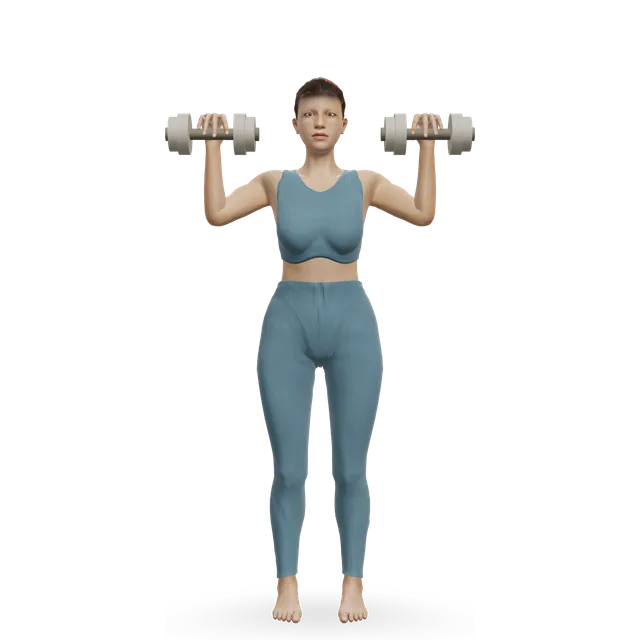
No study has measured gym exercises for it, so these are chosen from its actions. Forearm rotations with a hammer or a dumbbell held off-centre load its main job, turning the palm down; the Zottman curl adds a palm-down turn and lowering; the reverse curl bends the elbow with the palm down, though it mostly works other muscles.
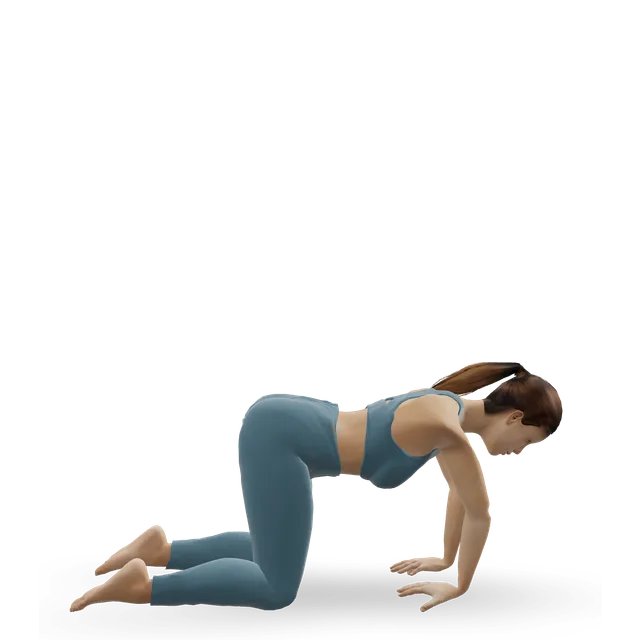
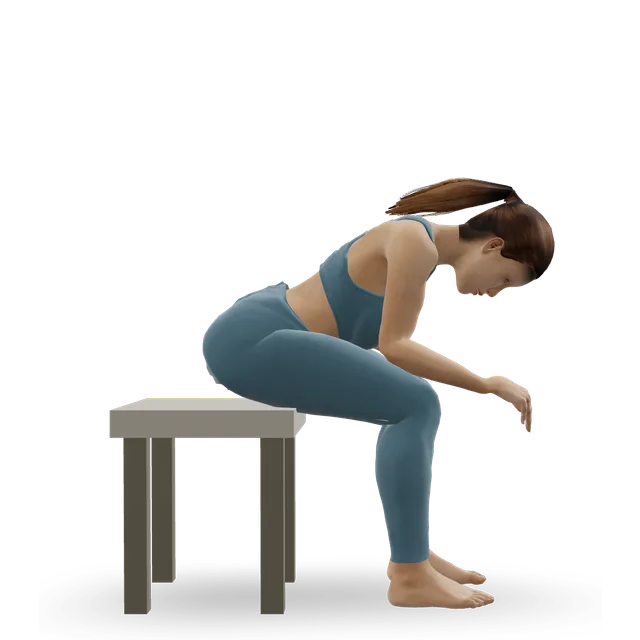
Straighten the elbow, turn the palm up and bend the wrist back: the position the golfer's elbow examination uses to stretch these tendons. Stop if your fingers tingle, and skip the kneeling version while golfer's elbow is irritable.
Golfer's elbow is a tendon problem where the forearm's flexor and pronator muscles share an attachment on the inner elbow. Tenderness often sits over the pronator teres and flexor carpi radialis, and turning the palm down or bending the wrist against resistance hurts.
Earlier teaching blamed the pronator teres and flexor carpi radialis above all, but newer evidence suggests most of the shared tendon can be involved. More than 90% of cases are not from sport, it is most common between 45 and 64, and more than 90% of people improve without surgery; rehabilitation centres on slow, lowering exercise for the wrist flexors and pronators.
The median nerve can be squeezed between the two heads of the muscle. It is rare and easily mistaken for carpal tunnel syndrome, which squeezes the same nerve at the wrist. It causes an ache in the front of the forearm, worse turning the palm down against resistance, and tingling when the top edge of the muscle is tapped; numbness can include the palm, and night-time symptoms are usually absent, unlike carpal tunnel. These differences come from reviews resting on weak evidence.
Treatment starts with rest from repeated gripping and palm-down turning, changes to the activities that bring it on, and physiotherapy for at least 6 weeks. Half to two-thirds of people improve this way, and the evidence for surgery is limited.
Tingling in the ring and little fingersEmerging evidence
Tingling in the ring and little fingers comes from the ulnar nerve, not the pronator teres. About 20% of people with golfer's elbow also have ulnar nerve irritation, so the nerve is worth checking.
Strains of the muscle are rare, reported in cricket and golf when the bat or club strikes the ground mid-swing. They cause bruising and tenderness over the muscle and usually settle without surgery, with a return to sport in about 6 weeks.
A sudden pop at the front of the elbow with swelling and bruising, a bulge in the upper arm and weak palm-up turning suggests a torn biceps tendon, not a pronator problem. It needs prompt assessment.
Bending the elbow fully switches the pronator teres offEmerging evidence
Clinical tests have long used a fully bent elbow to test the pronator quadratus on its own, but in fine-wire EMG the two muscles couldn't be separated by elbow position.
The pronator teres protects the elbow ligament in throwersMixed evidence
It works harder in curveballs, but in cadaver elbows it gave the least support against the bending force of a throw; other forearm flexors lie more directly over the ligament.
It turns your palm down, together with the pronator quadratus near the wrist, and helps a little with bending the elbow. It runs from the inside of the elbow to halfway down the outer forearm bone.
What is the difference between pronator syndrome and carpal tunnel syndrome?
Both squeeze the median nerve, but in pronator syndrome it is squeezed just below the elbow. That causes an ache in the front of the forearm, worse turning the palm down against resistance, and numbness that can include the palm, and it rarely causes symptoms at night. In carpal tunnel syndrome the nerve is squeezed at the wrist and the palm is spared, though these differences come from reviews resting on weak evidence.
How common is pronator teres syndrome?
It is rare and easily overlooked, partly because it is often mistaken for carpal tunnel syndrome. Nerve tests are often normal, so the diagnosis rests mostly on the examination.
How is pronator teres syndrome treated?
First with rest from repeated gripping and palm-down turning, changes to the activities that bring it on, and physiotherapy, for at least 6 weeks. About half to two-thirds of people improve this way; surgery is considered if they don't, though the evidence for it is limited.
Is the pronator teres involved in golfer's elbow?
Yes: it is one of the muscles whose shared tendon attaches to the bony bump on the inside of the elbow, where golfer's elbow hurts. It was once thought to be the main culprit, but newer evidence suggests most of that shared tendon can be involved.
Why does my pronator teres hurt when I curl or do pull-ups?
We found no study of this. Strains of the muscle itself are rare, and pain on the inner elbow that is worse with hard gripping is typical of golfer's elbow, which involves this muscle's tendon. A pop at the front of the elbow with swelling, bruising and a bulge in the upper arm suggests a biceps tendon tear and needs prompt assessment.
How do you strengthen the pronator teres?
Turn your forearm palm-down against resistance, for example with slow rotations holding a hammer or a dumbbell off-centre, or with a band. In an EMG study it worked whenever turning the palm down was resisted, whatever the elbow angle.
How do you stretch the pronator teres?
Straighten the elbow, turn the palm up and gently bend the wrist back, as in the wrist flexor stretch against a wall. Ease off if your fingers tingle.
What is the difference between the pronator teres and the pronator quadratus?
The pronator teres sits just below the elbow and also helps bend it, while the pronator quadratus is a square muscle near the wrist. Both turn the palm down and are supplied by the median nerve or its branch, and in an EMG study they couldn't be separated by changing the elbow angle.
Anatomy and movement education, not a diagnosis or treatment plan. If you have pain that follows an injury, is severe or getting worse, or comes with numbness, weakness or swelling, get it assessed. Health disclaimer.