What a curl asks of the wrist, and what no study has countedEmerging evidence
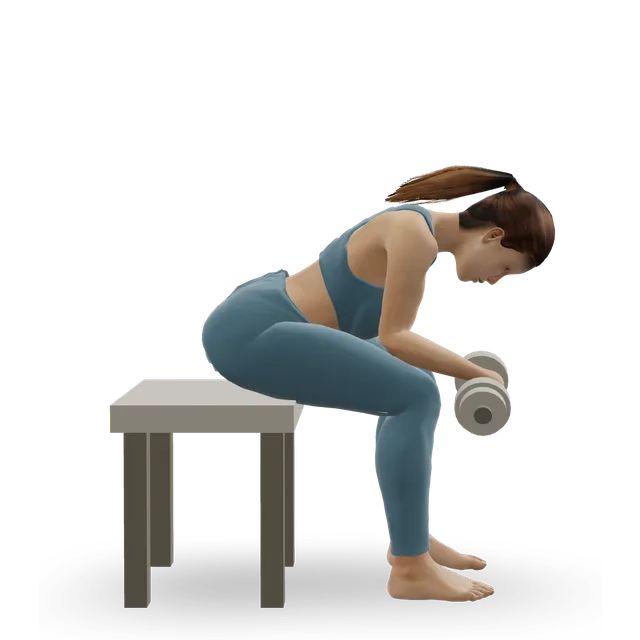
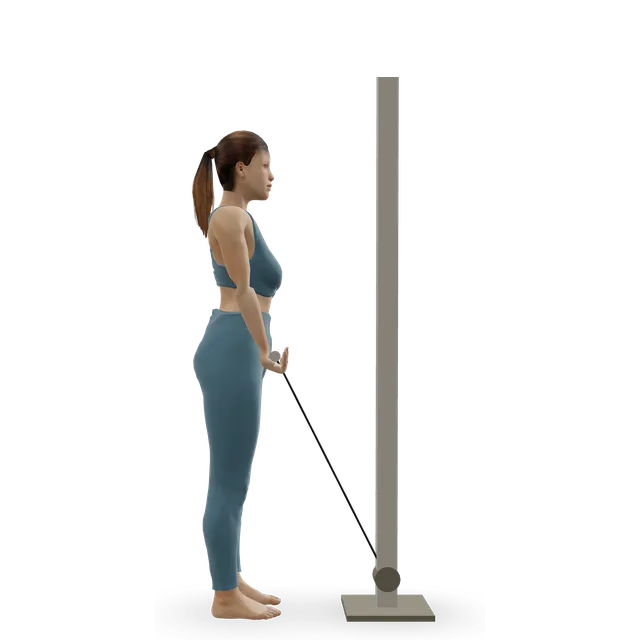
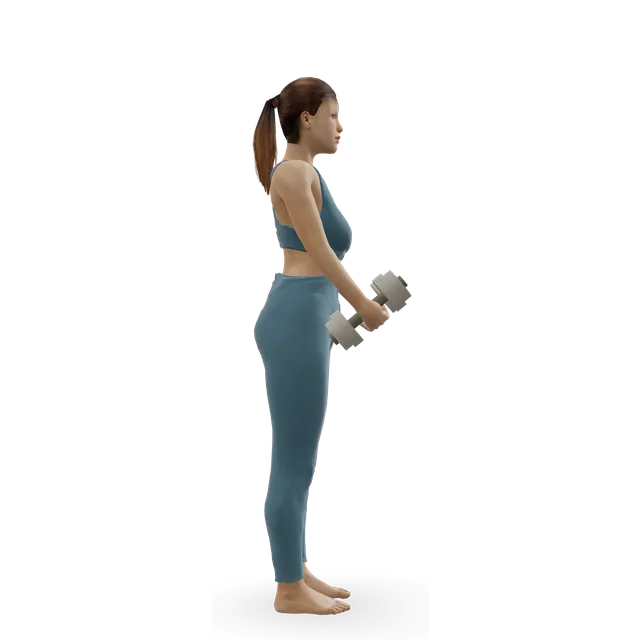
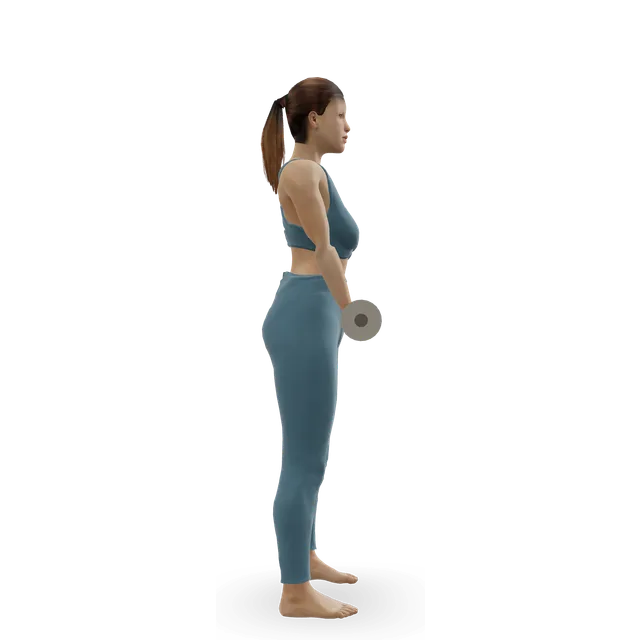
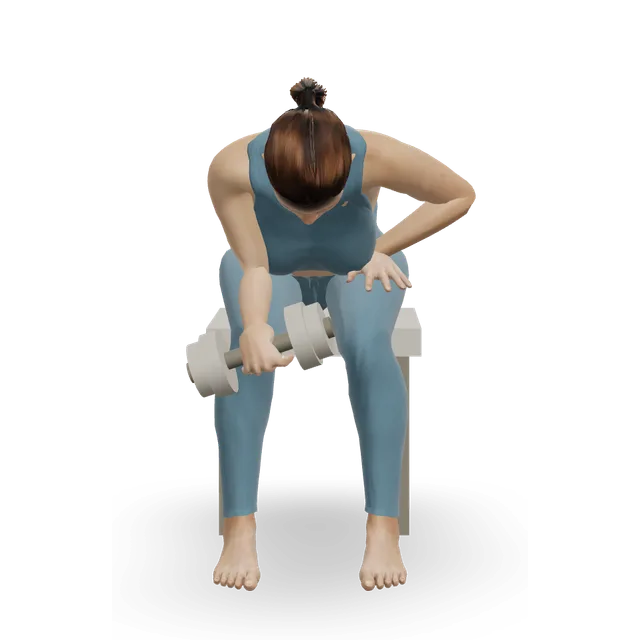
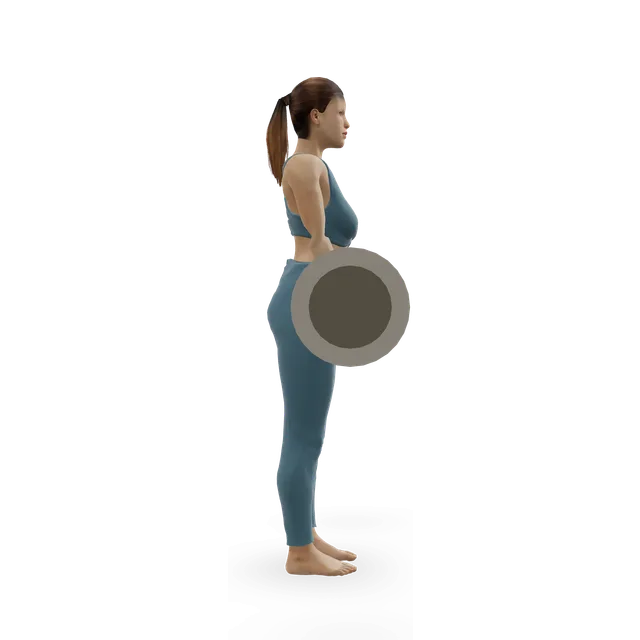
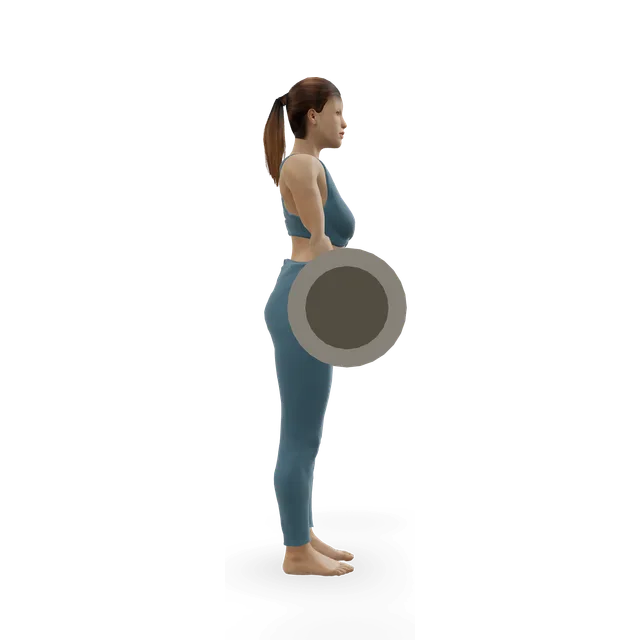
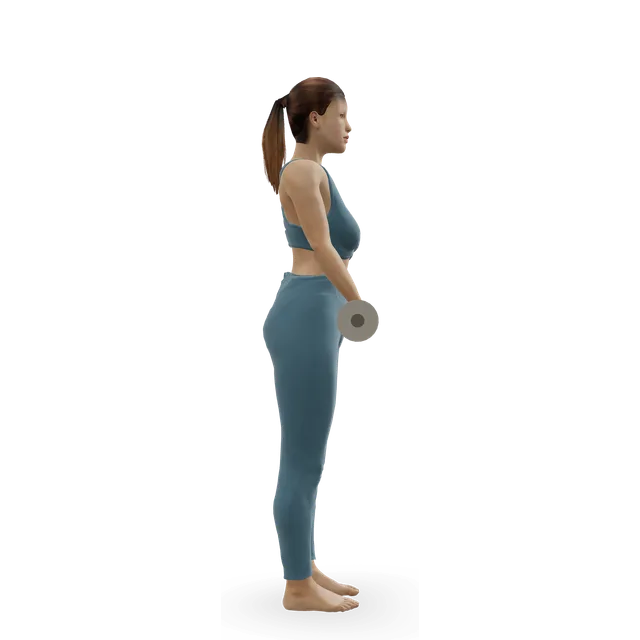
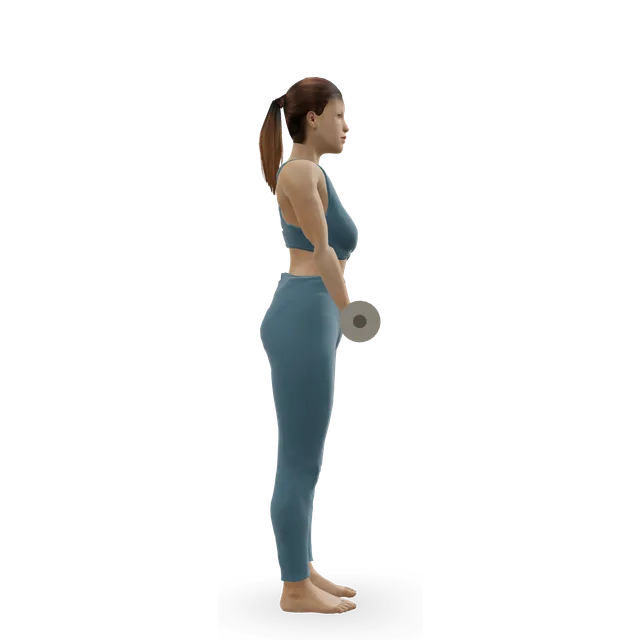
A curl bends the elbow; the wrist only has to hold the weight still. The forearm muscles grip the bar and keep the wrist straight, and the forearm sits palm up with a dumbbell or a straight bar, close to halfway with an EZ bar, or thumb up in a hammer curl. Wrist pain tends to come when the load, or a change such as a new bar, more sets, heavier weights or reverse and Zottman curls, gets ahead of the tendons and joint on one side of the wrist, or when the wrist is held at the end of its range under load.
No study has measured the wrist during curls or counted wrist pain from them. The studies comparing bars and grips measured muscle activity or strength in pain-free trained men (10 to 16 per study). In gym injury data the wrist and hand are among the commoner sites, but injury rates are low: 3.6% of 393 gym users reported a wrist injury in 6 months, and in US emergency departments 8.2% of upper-limb weightlifting injuries were at the wrist, mostly from dropped weights and crushes. No study names curls.
Sources 1, 2, 3, 4, 5, 6, 7, 8
The thumb side and the palm sideStrong evidence
Pain at the base of the thumb, worse moving the thumb, gripping and twisting, is often de Quervain's tenosynovitis. The American Academy of Orthopaedic Surgeons (AAOS) names lifting with your arms in front of you and your thumbs pointing up, while the wrist moves, as an aggravator: that is a hammer curl. In 12 million person-years of US military data it was commoner in women (2.8 against 0.6 per 1,000 a year) and over 40, and the British Society for Surgery of the Hand (BSSH) says there is little evidence that work activities cause it. The thumb-in-fist test (often called Finkelstein's) isn't specific: even a refined version was positive in about 7 in 10 people whose ultrasound didn't show it (100 patients), so a self-test can't confirm it.
On the palm side, the tendons that bend the wrist and fingers are the usual source after hard gripping and long sets; a tendon on the thumb side of the palm (flexor carpi radialis) is an uncommon cause (16 people in one case series). Tingling or numbness in the thumb, index and middle fingers, often worse at night, is carpal tunnel syndrome, a nerve rather than a tendon.
Sources 9, 10, 11, 12, 13, 14
The little-finger side: the TFCC, the ulna and the ECU tendonEmerging evidence
Pain on the little-finger side has several overlapping sources: the TFCC, a cushion of cartilage and ligament between the forearm bone on that side (the ulna) and the wrist; the ulna pressing on the wrist (ulnar impaction); and the extensor carpi ulnaris (ECU) tendon beside it. Reviews say tenderness of the TFCC and of the ECU are often hard to tell apart. In specialist clinics, pressing the soft spot found 95% of TFCC problems (272 people), and a resisted-movement test helped separate the tendon from the joint (55 people). Weightlifters are a named group for TFCC injury.
How the forearm sits matters. In 120 healthy volunteers, the ulna sat relatively longest against the wrist when gripping hard palm down and shortest relaxed palm up; in 22 people with little-finger-side pain, a palm-down grip X-ray showed the change more clearly, and reviews say a palm-down grip is typically painful with ulnar impaction. So a palm-up curl lowers the load on this joint. The ECU tendon is different: a sports medicine review says the strain on its sheath is greatest turning the palm up with the wrist bent in and towards the little finger, the position at the top of a palm-up curl held tight to the chest. A straight bar holds the forearm at the end of its palm-up turn for every rep, when most daily activities need only about 50 degrees of it (33 adults). Linking these positions to curls is our inference; no study has measured them in curls.
Sources 15, 16, 17, 18, 19, 20, 21, 22
Who gets it
Two patterns seem likely, from the condition studies rather than any curl study: newer lifters, or people who add load or curl variations quickly; and people whose wrist is already sore from elsewhere (lifting a baby, typing, racket sport, an old fall) who notice it on curls. De Quervain's is commoner in women, over 40 and in pregnancy, TFCC wear is common with age (up to 49% from 70), and the ECU problems in the medical literature come from tennis, golf and rugby.
Sources 10, 23, 16, 17
When a scan or test mattersStrong evidence
Not at first for gradual pain without warning signs: the NHS starts with looking after it at home and a GP after 2 weeks, and magnetic resonance imaging (MRI) shows TFCC changes in many pain-free wrists (38% of 103 volunteers, with complete tears in 22%, and more with age).
Tests do matter after a fall or a dropped weight with pain at the base of the thumb: an X-ray, then follow-up imaging if it's normal, because in one review's estimate about a quarter of suspected fractures with a normal first X-ray turn out to be broken. They also matter for little-finger-side pain that clicks, feels unstable or hasn't settled after a good trial of rehab (one review suggests 3 to 6 months of structured rehab before referral, sooner if grip or range isn't improving); a suspected torn biceps tendon (an examination the same day); a central ache that keeps coming back (Kienböck's disease progresses slowly and is often first taken for a sprain); a hot, swollen wrist with a high temperature (same-day tests); and swollen joints in both hands, which the National Institute for Health and Care Excellence (NICE) asks GPs to refer urgently.
Sources 24, 25, 26, 27, 28, 29, 16, 30, 31, 32, 33
How it usually goesMixed evidence
No study follows wrist pain from curls. The NHS expects wrist pain to improve within 2 weeks of looking after it at home, and an NHS trust says most soft tissue wrist injuries improve a lot within 6 weeks, though some take 3 months or longer. Mild de Quervain's can settle on its own within a few weeks, and severe cases can take months; in two US hand centres, 199 of 2,513 people with it (7.9%) had surgery over up to 12 years.
For TFCC injuries, 57% of 84 people avoided surgery after at least 4 weeks in a splint or cast, and about half of 100 wrists with a positive soft-spot test improved without surgery. A ganglion often goes on its own within months to a year. No one can promise a date.
Sources 24, 34, 23, 11, 35, 36, 37, 38