Training guide

How to do wrist curls: palms up and palms down, dumbbell, barbell and cable versions, your forearms and grip, and how many

A wrist curl bends your wrist up against a light weight with your forearm resting on your thigh or a bench, palm up; a reverse wrist curl does the same palm down, lifting the back of your hand. Only your wrist moves. Do 2 or 3 sets of 12 to 15 each way, lowering slowly, with a weight lighter than you'd think.

Palms up works the muscles on the inside of your forearm and palms down the ones on the back, which also steady your wrist whenever you grip. In trials they built wrist strength and some forearm muscle; their effect on grip is mixed, and they aren't pointless if you deadlift, though they're optional. Our search for this guide was narrower than for most of our guides, and we say where that matters.

This guide shows both on the 3D figure, with the dumbbell, barbell and cable versions, what the studies say about grip and forearms, which way your palm faces for tennis and golfer's elbow, your wrists, and how many to do.

The short version

Two exercises, one page

A wrist curl (palms up) bends the wrist towards the inside of your forearm against a weight; a reverse wrist curl (palms down) lifts the back of your hand. Rest your forearm on your thigh or a bench, hand just past the edge, and move only at the wrist: curl up as far as it goes, then lower over 2 or 3 seconds. Palms up works the wrist and finger flexors; palms down, the wrist extensors, which also hold your wrist steady whenever you grip.

Source 1

They build forearm strength and some muscle

Slow-lowering wrist training raised wrist flexor strength 30.8% and muscle thickness 7.1% in 4 weeks in a small trial, and extra wrist and forearm work added wrist strength beyond full-body training in 43 teenage baseball players.

Sources 2, 3

For grip, the trials are mixed

Wrist curls alone raised grip about 11% in 4 weeks in one trial without a non-exercise group, and a forearm block including them raised it 12 to 14% in another; but in table tennis players and baseball players, wrist strength rose and grip didn't change. Squeezes, carries and hangs train grip more directly, as our grip strength guide says.

Sources 4, 5, 6, 3

Not pointless if you deadlift, but optional

Heavy pulls and carries train holding on, and a programme with deadlifts and carries raised grip in postmenopausal women; but most lifting trials found no grip change, and lifting doesn't move your wrist through its range against a load. Wrist curls are worth a few sets if you want stronger wrists and forearms.

Sources 7, 8, 3

Elbow pain: which way the palm faces

For tennis elbow (the outside), the slow-lowering palms-down curl is the exercise, and exercise helps a little more than passive treatments. For golfer's elbow (the inside), it's the palms-up curl, though the evidence is thin. Our tennis and golfer's elbow guides set out the stages.

Sources 9, 10, 11, 12

How many

2 or 3 sets of 12 to 15 each way, light and slow, stopping 2 or 3 reps short, 2 or 3 times a week (the editorial starting point several of our wrist curl version pages give). Stop if your fingers tingle or go numb.

Sources 13, 14

What wrist curls are, and what they work

The exercises

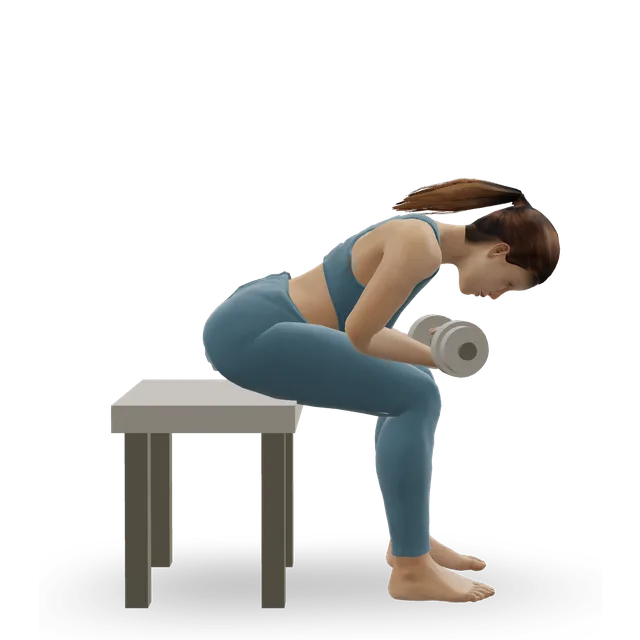
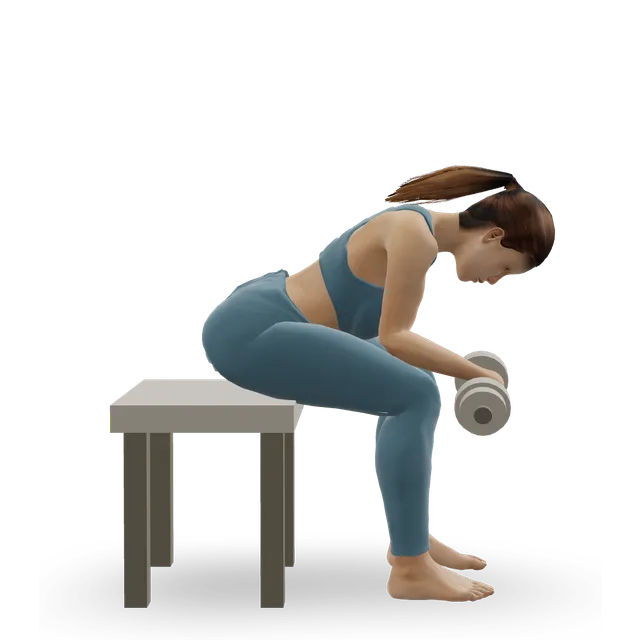
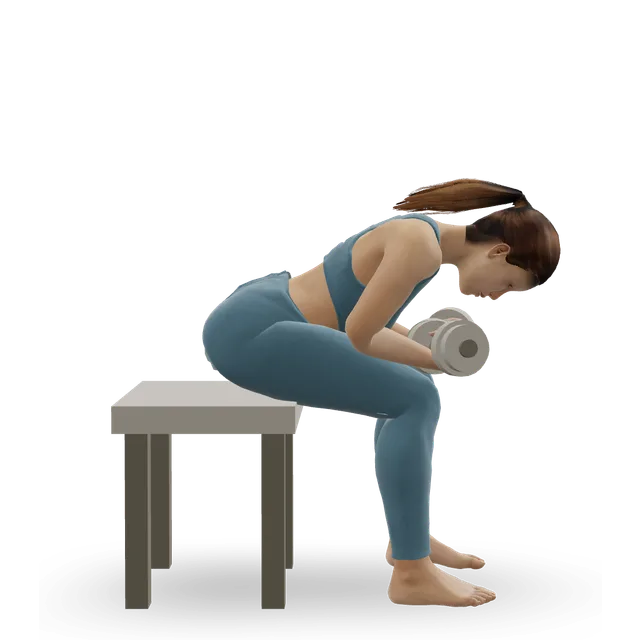
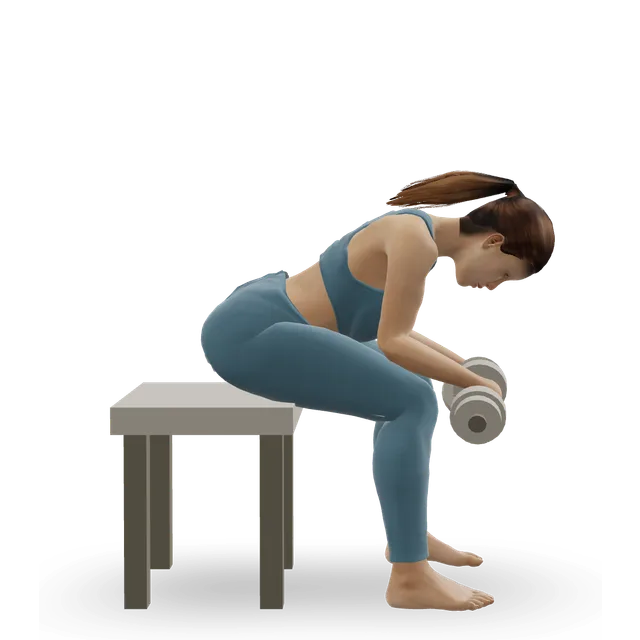
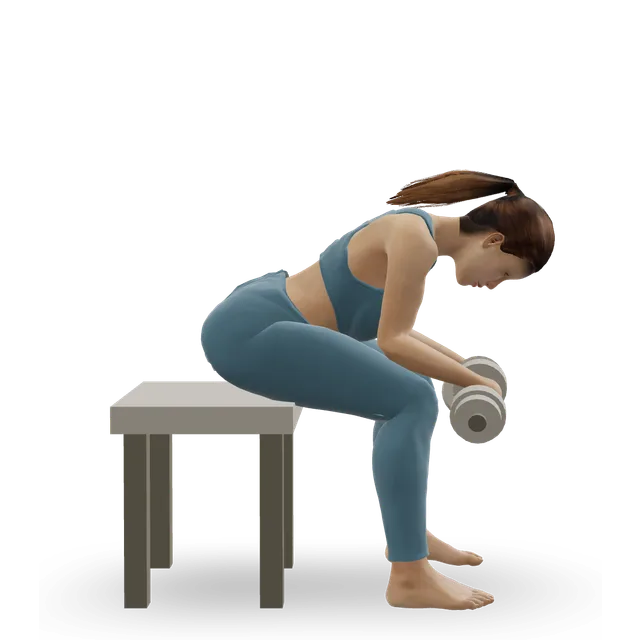
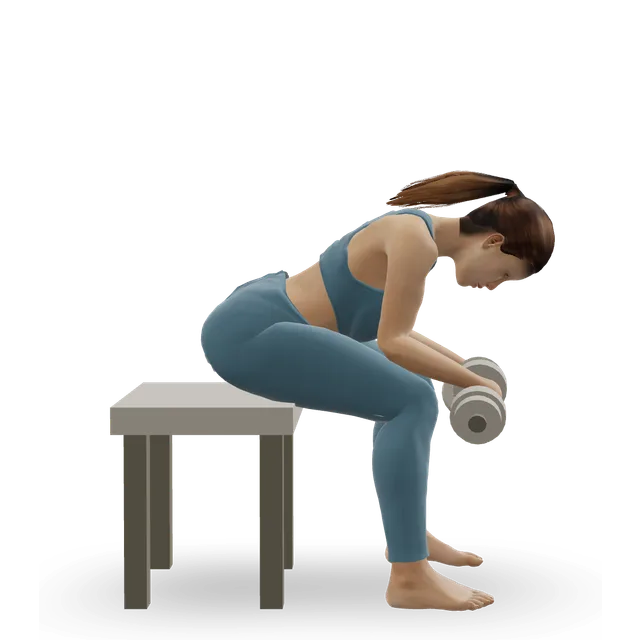
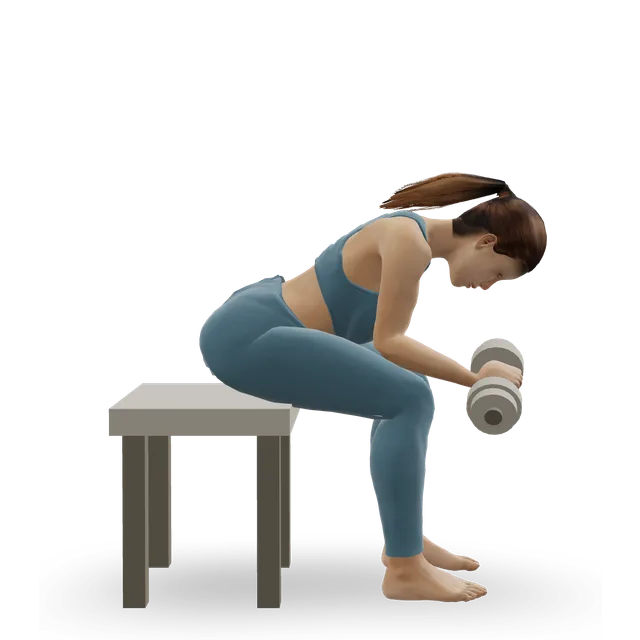
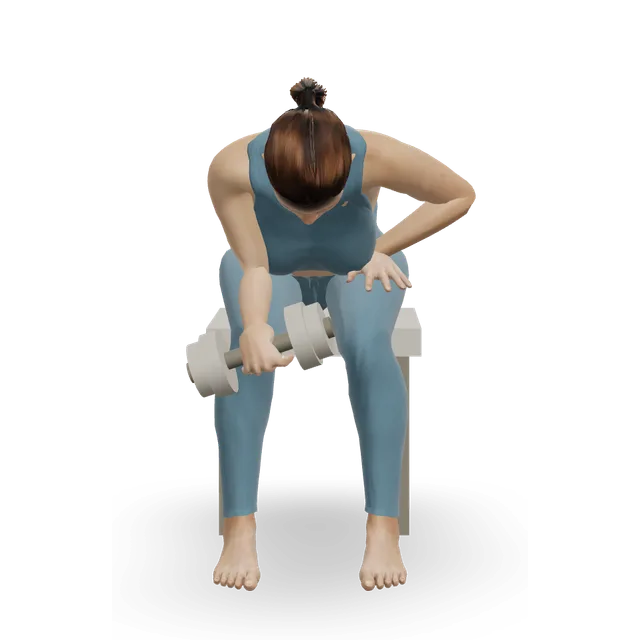
In a wrist curl you sit leaning forward with one forearm along your thigh, palm up, holding a light dumbbell past your knee, and curl the wrist up as far as it goes, then lower slowly into full extension (our move page). In a reverse wrist curl your palm faces down and you lift the back of your hand as far as is comfortable, then lower slowly. People also call the palms-down version a wrist extension, and the palms-up one a forearm curl or wrist flexion.

The muscles

Palms up, the wrist flexors and finger flexors on the palm side of your forearm bend the wrist; palms down, the wrist extensors on the back of the forearm lift the hand (our forearm flexor and extensor muscle pages). These muscles start at the elbow: the flexors at the inner elbow (golfer's elbow) and the extensors at the outer elbow (tennis elbow).

The extensors also work whenever you grip, to stop the wrist bending: on a wrist robot, 12 young men co-contracted their forearm muscles much more during wrist-bending efforts than straightening ones, which the authors read as extensors steadying the wrist. Isometric wrist extension training changed how the flexors and extensors shared the work of gripping in 13 people.

Sources 1, 15

Where they fit

Small-muscle accessory work, like calf raises: optional for health, useful if you want stronger wrists and forearms, if a sport needs them (climbing, racket sports, throwing), or if you're coming back from elbow or wrist pain under a plan.

What you need first

Nothing beyond a light dumbbell for the palms-up curl, and for the reverse curl, wrists that are comfortable gripping a light weight (our move pages' prerequisites). A tin of beans or a water bottle will do to start.

How people differ

Forearm muscles are small, so the weights are light and the jumps between dumbbells are big: a 1 kg step is a large share. Tennis elbow trials started at 1 kg for women and 2 kg for men. Some wrists bend further than others, so work only as far as is comfortable, as our reverse wrist curl page says.

Source 16

How to do a wrist curl, step by step

From our wrist curl page, with our editorial wording; its cues are "Only the wrist moves; the forearm stays on the thigh" and "Lower over two or three seconds".

  1. Sit on a bench or chair and lean forward. Rest one forearm along your thigh, palm up, with your wrist just past your knee, holding a light dumbbell.
  2. Let the dumbbell lower slowly, bending your wrist back as far as is comfortable, keeping your fingers wrapped round the handle.
  3. Breathe out and curl your wrist up as far as it goes. Only your wrist moves; your forearm stays on your thigh.
  4. Lower over 2 or 3 seconds.
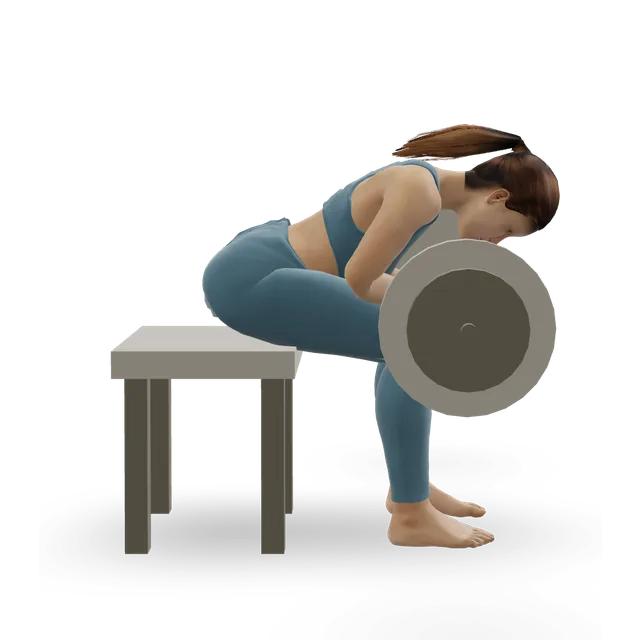
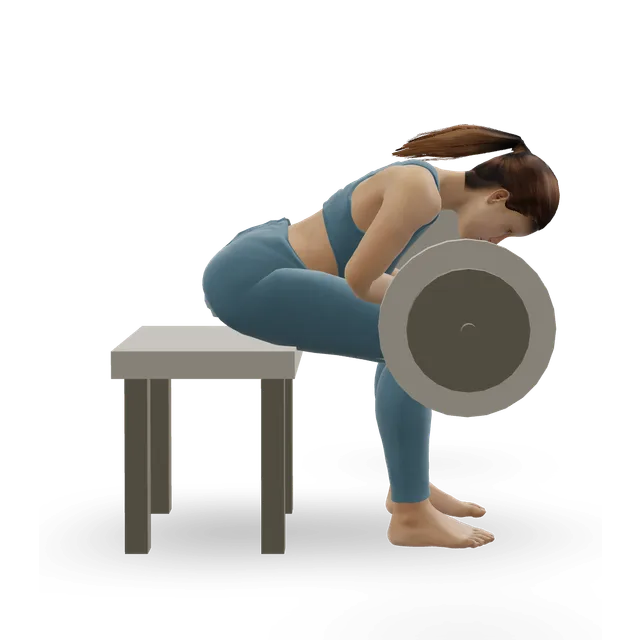
  5. Do all your reps, then swap hands. Two-handed versions with a barbell work the same way over a bench.

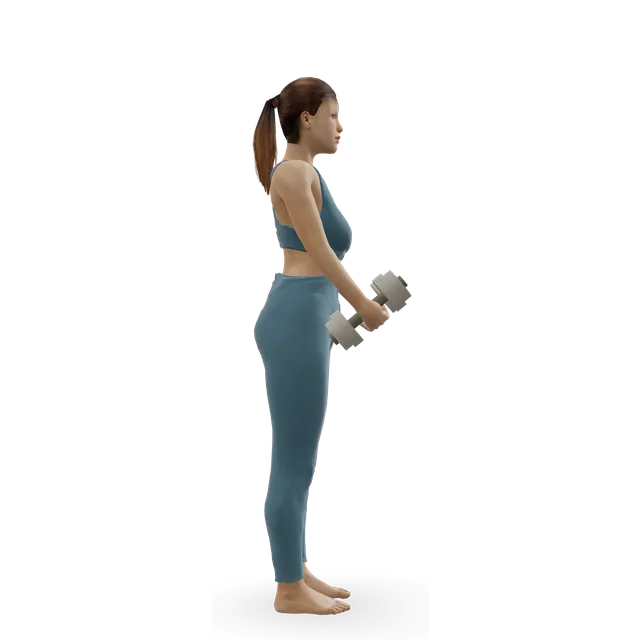
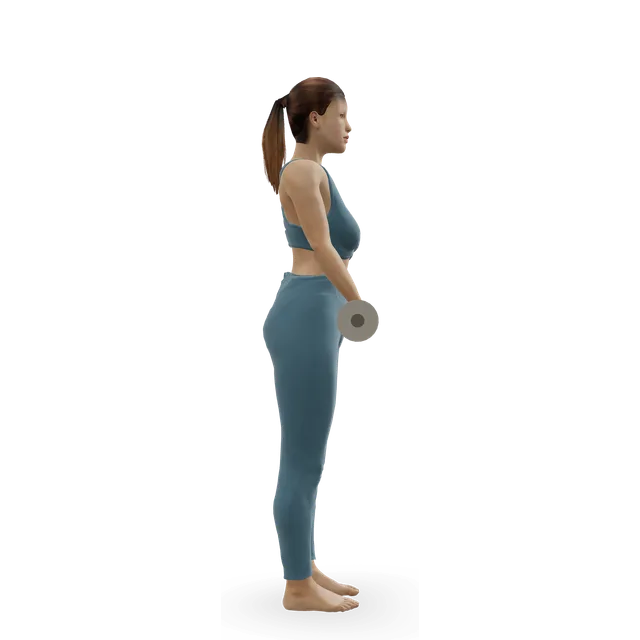
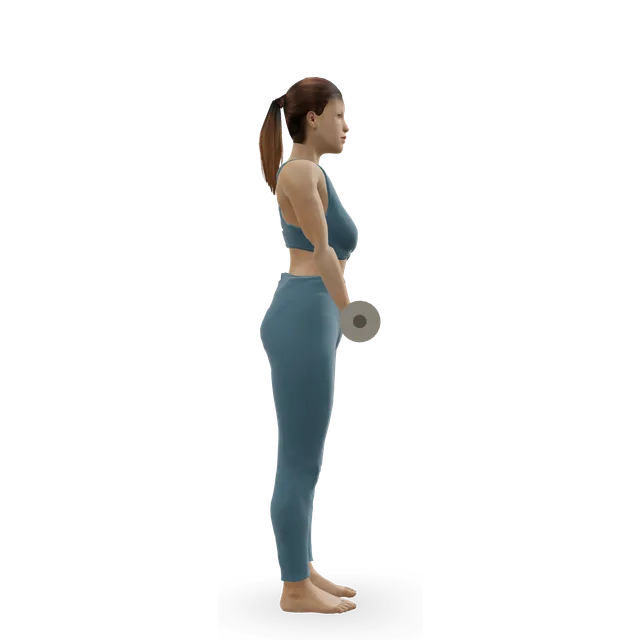
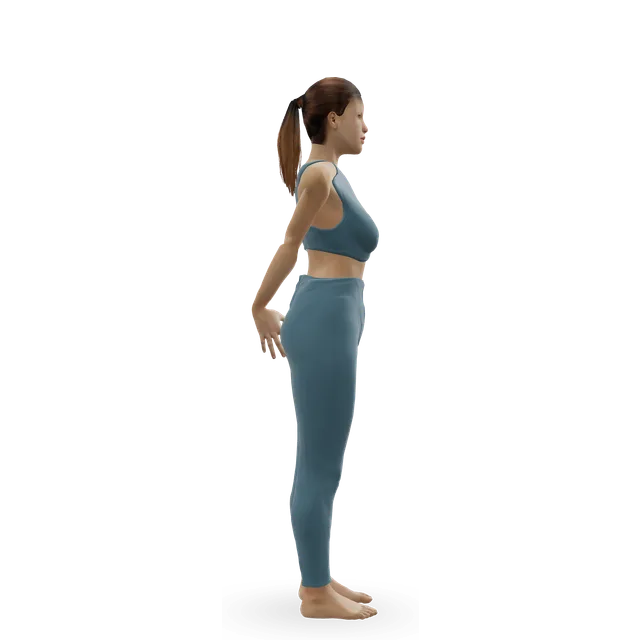
Loading the 3D figure…

Gets into position, then repeats the movement. Technical checks passed; qualified exercise review is pending.

The movement on the figure: Wrist curls

Reverse wrist curls

From our reverse wrist curl page, with our editorial wording, including its tennis elbow caution.

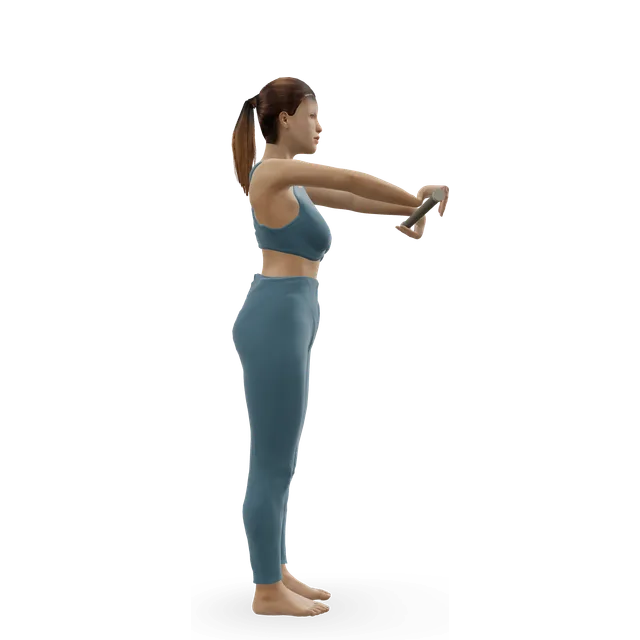
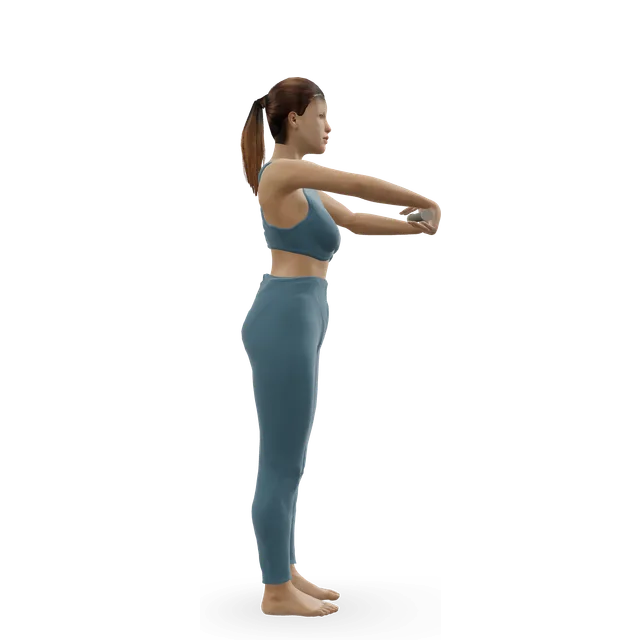
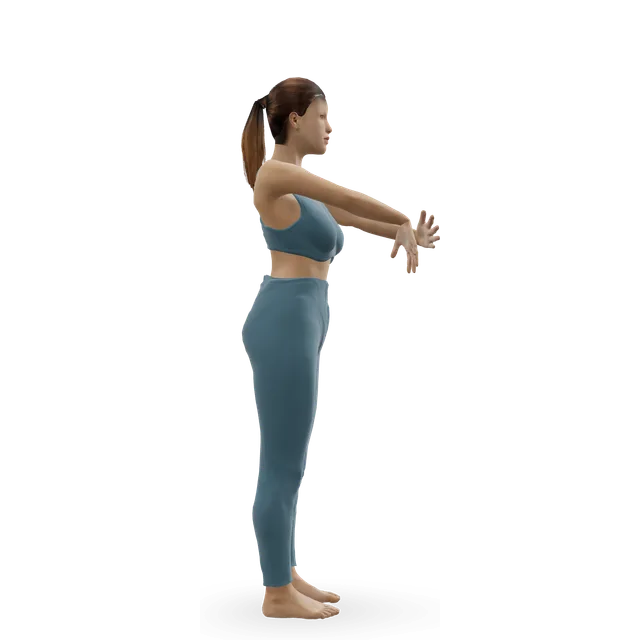
  1. Sit with your forearm along your thigh or a bench, palm down, your wrist just past the edge, holding a lighter dumbbell than for palms-up curls.
  2. Keeping your forearm down, lift the back of your hand as far as is comfortable, moving only at the wrist.
  3. Lower slowly to the start, over 2 or 3 seconds.
  4. With tennis elbow, if lifting hurts, hold the weight still at the level position instead, and follow our tennis elbow guide's stages.

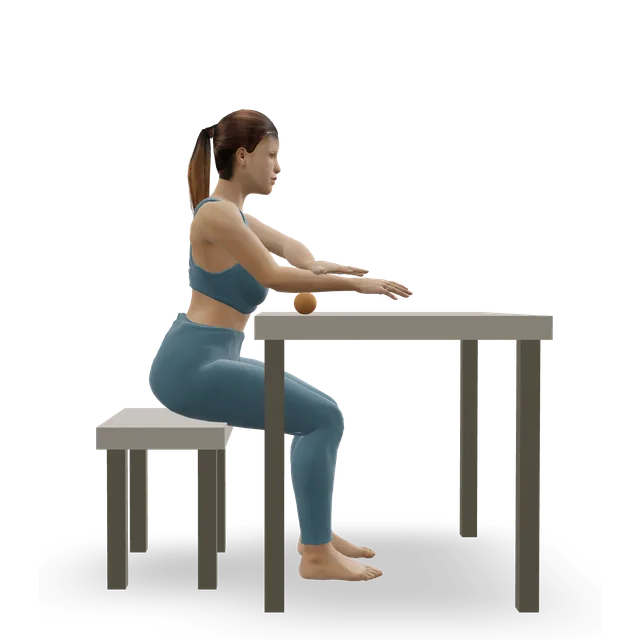
Loading the 3D figure…

Gets into position, then repeats the movement. Technical checks passed; qualified exercise review is pending.

The movement on the figure: Reverse wrist curl

Palms up or palms down?

Palms up: the inside of your forearm

The wrist curl works the flexors that bend your wrist and fingers, the muscles that start at the inner elbow. They're the stronger side, so you can usually use a little more weight.

Palms down: the back of your forearm

The reverse wrist curl works the extensors that lift the back of your hand, the muscles that start at the outer elbow. They're weaker, so go lighter.

Which elbow is which

Tennis elbow is pain on the outside of the elbow, where the extensors start: the palms-down curl, lowered slowly, is its exercise. Golfer's elbow is pain on the inside, where the flexors start: the palms-up curl is its exercise. The NHS links tennis elbow with gripping and repeatedly twisting the wrist and forearm, and NHS inform links golfer's elbow with repeated gripping and bending of the wrist and fingers.

Sources 17, 18

Both, for balance

Without elbow pain, do both: they're quick, and they train the two sides of the forearm that every grip uses.

Dumbbell, barbell, cable and behind-the-back versions

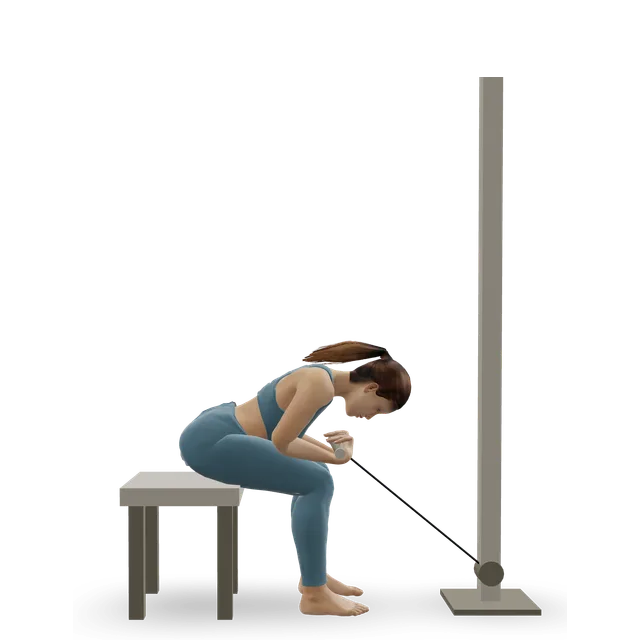
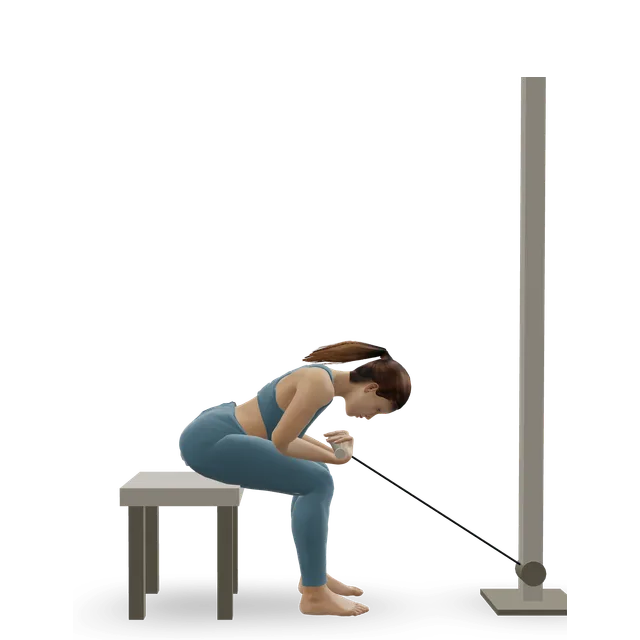
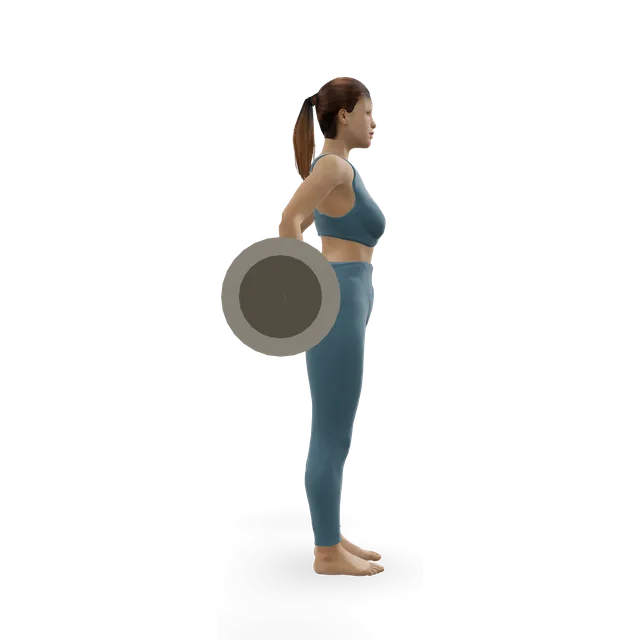
All have 3D demos. Six of these version pages give 2 to 3 sets of 12 to 15, lowering slowly and stopping with 2 or 3 reps in reserve, as their editorial starting point; use the same for the rest. The wrist extensor eccentrics are the slow-lowering-only version used for tennis elbow. Finger curls (letting the bar roll down to your fingertips) and the wrist roller have no demo: their move pages give 2 to 3 sets of 12 to 15, and 2 or 3 rounds of winding the weight up and lowering it slowly.

What the evidence says: strength, forearms and grip

How we searched for this guide

Our search for this guide was thinner than for most of our guides: a helper's searches couldn't be checked, so the "we found no study" lines here rest on our own PubMed and Europe PMC searches. In those, we found no study of muscle activity in a dumbbell or barbell wrist curl, no trial comparing wrist curls with other forearm exercises for size, and no study of wrist injury or carpal tunnel syndrome from them.

They build forearm strength and some muscleEmerging evidence

In 16 people with one forearm in a cast for 4 weeks, those who trained the other arm with slow-lowering wrist flexion 3 times a week gained wrist flexor strength (30.8%, against a 7.4% loss in controls) and muscle thickness (7.1%, against a 3.7% loss) in the trained arm. In 43 teenage baseball players on the same 12-week full-body programme, the group that added wrist and forearm exercises gained more wrist and forearm strength, though bat speed rose equally in both groups.

Sources 2, 3, 19

Grip: the trials disagreeMixed evidence

39 recreational athletes doing palms-up wrist curls 3 times a week for 4 weeks gained about 11% grip in the trained hand and about 10% in the other, with no non-exercise group. Isometric wrist extension training raised grip on the trained side in 13 people. But 6 weeks of wrist flexor and extensor training raised wrist strength without changing grip in 30 table tennis players, and grip didn't differ in the baseball trial.

A forearm block of wrist curls, reverse wrist curls and reverse curls (3 sets of 12 each) plus farmer's walks raised grip 12 to 14% in 8 weeks in 30 inactive young men, where pull-up training alone didn't; the curls' own share can't be separated.

Sources 4, 15, 6, 3, 5

Hand training and grip overallEmerging evidence

Across 22 trials of hand-focused training (1,017 people), grip rose by a small to moderate amount, more in older than in younger adults, with a high risk of bias. General exercise raised grip a little in older adults across 24 trials.

Sources 20, 21

General lifting and gripEmerging evidence

In a review of 20 resistance training trials, 12 found no difference in grip change between training and not training, though 19 of the 20 were in older adults. In 55 postmenopausal women, 12 weeks of box squats, deadlifts, pulldowns, lateral raises and one-arm carries raised grip 3.6 to 4.7 kg; in a deadlift trial, grip rose in one of its two groups. Thick (fat) grips cut how much people could lift and raised forearm muscle activity.

Sources 8, 7, 22, 23

Arm pain at workEmerging evidence

In 66 slaughterhouse workers with chronic shoulder, arm or hand pain, 10 weeks of strength training for the shoulder, arm and hand (3 sessions of 10 minutes a week) cut pain by 1.5 points more than ergonomic advice. Our arm release routine cites a similar trial.

Source 24

Do you need wrist curls if you deadlift?

Not pointless, but optionalMixed evidence

Heavy pulls and carries do train holding on, and a 12-week programme with deadlifts and carries raised grip 3.6 to 4.7 kg in postmenopausal women. But 12 of 20 lifting trials found no grip change, pull-up training alone didn't change grip where a forearm block did, and extra wrist work added wrist strength that the same full-body programme didn't.

Lifting holds the wrist still; wrist curls move it through its range against a load. If you want stronger wrists or forearms, a few sets are worth it; if you don't, you can skip them.

Sources 7, 8, 5, 3

Tennis and golfer's elbow

This page covers the exercise. Our tennis elbow, golfer's elbow and elbow pain when gripping guides set out the stages.

Tennis elbow: exercise helps a littleEmerging evidence

Across 30 trials (2,123 people), exercise did better than injections and passive treatments, but against wait-and-see the differences were small and the certainty very low; the authors say the effect is small. The NHS says tennis elbow usually gets better after resting your arm for a few weeks, and that physiotherapy with stretching and strengthening for your wrist and forearm may help if home treatment hasn't worked after 6 weeks.

Sources 9, 17

Slow lowering, palms downEmerging evidence

In 120 people with chronic tennis elbow, daily slow-lowering (eccentric) exercise with a weight for 3 months eased pain faster than lifting exercise, though the difference was small: about 10% more people improved. Daily exercise beat a wait-list for pain in 81 people. Adding slow-lowering exercise to other care eased pain and raised strength in 6 trials (429 people), and other reviews agree, though the trials are of low quality. A flexible-bar version added to standard treatment helped more in 21 people, and daily slow-lowering training raised pain-free grip in 42.

Sources 10, 16, 25, 26, 27, 28, 29

Holds first, then lifting and loweringStrong evidence

A UK consensus of physiotherapists exercises into pain the person finds acceptable: isometric holds of up to 60 seconds, 5 times, once a day, then lifting and lowering in 3 sets of 10 to 15, once a day. That's expert agreement rather than a trial. In 40 people, unsupervised holds eased pain and disability more than wait-and-see, though not overall improvement or pain-free grip.

Sources 30, 31

Most tennis elbow gets better with timeStrong evidence

In the largest trial (165 people), multimodal physiotherapy didn't change recovery at a year (91% against 88%), and a steroid injection did worse than a placebo injection (83% against 96% recovered, with recurrence in 54% against 12%). So exercise is worth doing for function and comfort, without expecting a cure.

Source 32

Golfer's elbow: thin evidenceEmerging evidence

A 2026 review found 5 studies (143 people), with one trial showing an advantage. In 20 people whose earlier treatment had failed, adding a flexible-bar slow-lowering exercise for the wrist flexors helped. NHS inform's leaflet uses palms-up wrist curls, 3 sets of 12 once a day; its web exercises build from 2 or 3 repetitions to a maximum of 2 sets of 15, 2 to 3 times a day, keeping pain within 0 to 5 out of 10. Both are fair, and our golfer's elbow guide quotes the leaflet.

Sources 11, 33, 12, 34, 18

The elbow rule

Discomfort up to about 3 to 4 out of 10 is fine if it settles within an hour and your elbow is no worse the next morning; otherwise go lighter, not to nothing, as our elbow guides say.

Source 35

Your wrists and carpal tunnel

Carpal tunnelEmerging evidence

With carpal tunnel syndrome, the NHS says to stop or cut down on anything that makes you bend your wrist often or grip hard, so leave wrist curls out while your fingers tingle or go numb. In 14 healthy wrists, pressure in the carpal tunnel usually didn't rise in wrist flexion, and rose most moving into extension against resistance with a hard grip; in 37 people, a quarter reached a pressure threshold at about 33 degrees of extension and 49 of flexion. We found no study of wrist curls causing carpal tunnel syndrome.

Sources 14, 36, 37

The wrist rule

Some discomfort during these exercises is fine and doesn't mean you are doing damage. Keep it to about 5 out of 10 or less. It should settle within half an hour or so, and your hand should be no worse the next morning. If it is, do fewer, smaller or lighter next time, not nothing. That's our wrist pain guides' rule.

Source 38

Thumb-side or little-finger-side pain

With pain on the thumb side of the wrist (de Quervain's) or the little-finger side (a TFCC problem, the cartilage on that side of the wrist), keep your wrist straight side to side, the range small and the weight light, and follow our wrist guides.

After a broken wrist or surgery

Follow your hand therapy plan, as our broken wrist guide explains, and your surgical team's limits after elbow or wrist surgery.

Sets, reps, weight and how often

Sets and reps

2 or 3 sets of 12 to 15 each way, lowering slowly and stopping 2 or 3 reps short (the editorial starting point several of our wrist curl version pages give; the main wrist curl and reverse wrist curl pages give no dose). Our forearm workout uses 12 to 15 slow reps, and the grip trial's forearm block used 3 sets of 12 each way.

Source 5

How often, and rest

2 or 3 times a week, with 60 to 90 seconds' rest, or alternate them with another move. Strength rose most with at least 2 sessions a week. They count as forearm work, not towards your biceps sets.

Sources 39, 40

How heavy

Lighter than you think: pick a weight you can lower slowly 12 to 15 times. Tennis elbow trials started at 1 kg for women and 2 kg for men, and NHS inform uses a tin of beans. In your first two weeks, leave 3 or 4 reps to spare, because people misjudge their reps left by about one, as our plans say.

Sources 16, 34, 41

Moving up

Reach 15 on every set, then take the smallest weight step you have; a one-arm dumbbell lets you use small plates. The American College of Sports Medicine (ACSM) suggests adding 2 to 10% when you beat your target by 1 or 2 reps, and adding reps or adding weight both work.

Sources 42, 43

With elbow pain

Follow the condition guide's stages instead: holds first, then slow lifting and lowering once a day, then heavier work last.

Sources 30, 12

Warm up

A minute of the wrist and forearm flow, then a light set (our forearm workout; editorial).

Common mistakes

Too heavy

Forearm muscles are small, and as our move page says, the right weight is lighter than it looks.

Lifting your forearm off your thigh

Only your wrist moves; keep the forearm resting.

Bouncing at the bottom

Lower over 2 or 3 seconds and don't drop into the stretch.

Half reps

Use the whole range that's comfortable, top to bottom.

Gripping so hard your fingers tingle

Stop: tingling is a nerve, not a tired muscle.

Pushing through sharp elbow pain

Go lighter, use a smaller range, or hold the weight still instead, as our move pages and elbow guides say.

The rest of your forearm training

Doses from our grip strength and forearm workouts unless stated: the wrist and forearm flow for 60 seconds; forearm rotations, 10 each way; band finger extensions, 15 reps; ball squeezes, 10 with 5-second holds; farmer's carries, 2 or 3 walks of 30 m. The Tyler twist (3 sets of 15) and reverse Tyler twist (3 sets of 15, for about 6 weeks) use their move pages' doses, the wrist extensor stretch 3 holds of 30 seconds after strengthening (the move page's dose), and the wrist flexor stretch 30 seconds each side.

Workouts

The wrist and forearm routine and the grip strength workout use both curls, light; the forearm workout pairs wrist curls with Zottman curls; the arm release routine lowers reverse wrist curls slowly; and the tennis and padel session uses the slow-lowering extensor version.

Warning signs

Stop and get medical help

If you get chest pain or pressure, feel faint or dizzy, are unusually breathless, or your heart races or beats irregularly during exercise, as our plans advise. The American Heart Association says these need immediate medical evaluation.

Source 44

Call 999 (911 in the US)

For chest pain that comes on suddenly and doesn't go away, feels tight or like squeezing, spreads to your arms, neck, jaw, stomach or back, or comes with sweating, feeling sick, light-headedness or breathlessness; arm pain that comes on suddenly with pressure, heaviness or squeezing across your chest; severe difficulty breathing, or a chest that feels tight or heavy; someone who faints while exercising; palpitations that don't go away, or come with chest pain, shortness of breath or feeling faint; or a headache that starts suddenly and is extremely painful, especially while lifting or straining. The NHS says a bleed on the brain may be more likely when lifting something heavy. Don't drive yourself to A&E.

Sources 45, 46, 47, 48, 49, 50, 51, 52

Go to an urgent treatment centre or A&E

For severe arm pain that makes it hard to move your arm, a snap with your arm changing shape, or an arm that tingles or feels numb after an injury. In the US, go to urgent care or the emergency department.

Source 47

Get help from NHS 111

For severe wrist pain, a snap, grinding or popping noise when you hurt it, a wrist you can't move or hold things with, a wrist that has changed shape or colour, or lost feeling in your hand. In the US, your doctor or urgent care.

Source 53

Tingling, numbness or a weak thumb

Stop if your fingers tingle or go numb: that's a nerve, not a tired muscle, as our grip strength guide says.

See a GP for numbness, tingling or a weak thumb that doesn't settle.

Source 14

See a GP

If elbow or arm pain hasn't gone after a few weeks, tennis elbow hasn't improved after 2 weeks of rest and self-care, or wrist pain hasn't improved after 2 weeks or comes with tingling. For golfer's elbow, NHS inform says to talk to a healthcare professional if it hasn't improved within 6 weeks.

Sources 47, 17, 53, 18

A headache with effort

Ask for an urgent GP appointment or get help from NHS 111 for a headache that's triggered or made worse by coughing, sneezing, bending down or exercising.

Source 51

Swollen muscles and dark urine

Very sore, swollen, tight muscles and dark urine after an unusually hard or high-rep session need medical help the same day: it could be rhabdomyolysis, as our elbow pain from pull-ups guide explains. Normal soreness peaks a day or two after a new exercise and fades.

A new lump or bulge in your groin or tummy

See a GP if you think you have a hernia, a bulge or lump that may get bigger when you strain and smaller when you lie down. Get help from NHS 111 if you have a hernia and pain in or around it, a bloated tummy, you feel or are sick, you're vomiting blood or your vomit looks like coffee grounds, you're constipated, you have a high temperature or feel hot, cold or shivery, or you've suddenly become confused. Call 999 or go to A&E for a femoral hernia (a small lump at the top of your thigh, in your groin) with very bad tummy pain, sickness, being unable to fart or poo, a high temperature or sudden confusion.

The NHS lists lifting heavy weights among the causes of a femoral hernia. After an inguinal hernia repair, avoid heavy lifting or strenuous activity for at least 4 to 6 weeks.

Sources 54, 55, 56

Before you start

Speak to your GP first if you haven't exercised for some time or have medical conditions or concerns, as the NHS advises. Get advice before hard or straining work if your blood pressure is uncontrolled (140/90 or higher at a clinic, or 135/85 at home), or you have heart disease or chest pain when you're active, a pacemaker or defibrillator, diabetic eye disease, glaucoma, a hernia, recent eye or tummy surgery, or you're pregnant, as our breathing guide lists.

With controlled high blood pressure, the American Heart Association considers low- to moderate-intensity strength training with proper breathing safe. Breathe out as you lift, as our breathing guide advises.

With a pacemaker or defibrillator, the American Heart Association asks you to check with your doctor before upper-body strength training, because repeated arm movements can damage or dislodge the leads.

After a recent shoulder dislocation, or shoulder or elbow surgery, follow your surgical team's limits first.

Sources 57, 58, 44

Myths

"Wrist curls are pointless if you deadlift"Mixed evidence

Heavy pulls and carries train holding on, and one programme with deadlifts and carries raised grip; but most lifting trials found no grip change, and extra wrist work added wrist strength that the same full-body programme didn't.

Sources 7, 8, 5, 3

"Wrist curls don't do anything"Emerging evidence

They raised wrist strength and forearm muscle thickness in trials. Whether you need them depends on your goals: they're optional for health.

Sources 2, 3, 6

"Wrist curls are bad for your wrists"

We found no study of wrist injury from them. Use a light weight and a comfortable range, and stop for tingling; with carpal tunnel symptoms, the NHS says cut down on frequent wrist bending and hard gripping.

Source 14

"Wrist curls build grip strength"Mixed evidence

Sometimes: about 11% in one uncontrolled 4-week trial, but not in two others where wrist strength rose. Squeezes, carries and hangs train grip more directly.

Sources 4, 6, 3

"Wrist curls fix tennis elbow"Emerging evidence

Exercise helps a little more than passive treatments, and the useful version is the palms-down curl lowered slowly; palms-up curls work the other side. Most tennis elbow gets better with time either way.

Sources 9, 10, 32

"Wrist curls cause carpal tunnel syndrome"

We found no study linking them. In healthy wrists, carpal tunnel pressure rose most moving into extension against resistance with a hard grip, not in flexion.

Source 36

"Let the bar roll to your fingertips for more grip"

That's the finger curl, a version of its own with no 3D demo. We found no study of it; if you try it, keep it light.

"Do 100 wrist curls a day"

We found no study of it. Weekly hard sets drive growth with shrinking returns, and repeated forceful gripping is linked with elbow tendon pain at work. A few slow sets a few times a week is plenty.

Sources 13, 59

Questions people ask

How do you do wrist curls?

Sit with your forearm resting on your thigh or a bench, palm up, your hand just past the edge holding a light dumbbell. Let the weight lower slowly, then curl your wrist up as far as it goes; only your wrist moves. Lower over 2 or 3 seconds, then swap hands.

What muscles do wrist curls work?

Palms up, the wrist and finger flexors on the inside of your forearm; palms down (reverse wrist curls), the wrist extensors on the back of it. The extensors also hold your wrist steady whenever you grip.

Should I do wrist curls palms up or palms down?

Both, for balanced forearms: palms up works the inside of the forearm and palms down the back. With elbow pain, the side that hurts decides: palms down is the tennis elbow exercise and palms up the golfer's elbow one, done lighter and slower, as our elbow guides set out.

Do wrist curls build bigger forearms?

They strengthen the forearm, and slow-lowering wrist training raised forearm muscle thickness about 7% in 4 weeks in one small trial. No trial has compared them with other forearm exercises. Hammer curls, reverse curls and carries train the forearm too.

Do wrist curls increase grip strength?

Sometimes: one 4-week trial found about an 11% rise, but two others found wrist strength rose while grip didn't. For grip itself, add squeezes, carries and hangs, as our grip strength guide does.

Are wrist curls pointless if I deadlift?

Not pointless, but optional. Heavy pulls and carries train your grip, and some lifting programmes raised it, but lifting doesn't take your wrist through its range against a load, and extra wrist work added wrist strength in one trial.

How many sets and reps of wrist curls should I do?

2 or 3 sets of 12 to 15 each way, light and slow, stopping 2 or 3 reps short, 2 or 3 times a week. That's our editorial starting point, as several of our wrist curl move pages give it.

How heavy should wrist curls be?

Lighter than you'd think, because the forearm muscles are small. Pick a weight you can lower slowly 12 to 15 times; tennis elbow trials started at 1 kg for women and 2 kg for men, and NHS inform uses a tin of beans.

Can I do wrist curls every day?

Light sets on most days are fine if your wrists and elbows feel normal the next morning (our suggestion); for strength, 2 or 3 times a week is enough. The tennis and golfer's elbow plans use once-a-day sets, under their own stages.

Are wrist curls good for tennis elbow?

Slow-lowering palms-down wrist curls are part of tennis elbow rehabilitation, and eased pain a little more than lifting in a trial of 120 people. Exercise helps a little overall; follow our tennis elbow guide's stages, and see a GP if it hasn't improved after 2 weeks of rest and self-care.

Are wrist curls good for golfer's elbow?

Palms-up wrist curls lowered slowly are the usual exercise, and NHS inform's leaflet uses 3 sets of 12 once a day. The evidence is thin, with 5 small studies, and our golfer's elbow guide has the plan.

Are wrist curls bad for carpal tunnel?

With carpal tunnel symptoms, the NHS says to cut down on frequent wrist bending and hard gripping, so leave them out while your fingers tingle or go numb, and see a GP if it doesn't settle. We found no study linking wrist curls to carpal tunnel syndrome.

Sources

  1. Forman 2020 · Forearm muscle activity during wrist bending and straightening on a wrist robot, in 12 young men (lab study, J Biomech)
  2. Andrushko 2018 · Training one forearm while the other is in a cast, in 16 people (controlled trial, J Appl Physiol)
  3. Szymanski 2004 · Twelve weeks of added wrist and forearm training in 43 high school baseball players (training study, JSCR)
  4. Tan 2024 · Palms-up wrist curls, lowering against lifting, and grip in 39 recreational athletes (trial, Malays J Med Health Sci)
  5. Sepehri Rahnama 2025 · Forearm or core training added to pull-up training in 30 inactive young men (randomised trial, Sports)
  6. Chanavirut 2017 · Wrist flexor and extensor training in 30 amateur table tennis players (trial, J Bodyw Mov Ther)
  7. Ioannidou 2024 · Twelve weeks of free-weight training, including deadlifts and carries, in 55 postmenopausal women (randomised trial, J Nutr Health Aging)
  8. Abe 2023 · Resistance training and grip strength in healthy adults: 20 trials (systematic review, Int J Clin Med)
  9. Karanasios 2021 · Exercise against passive treatments for tennis elbow: 30 trials, 2,123 people (systematic review and meta-analysis, BJSM)
  10. Peterson 2014 · Slow-lowering against lifting exercise for chronic tennis elbow in 120 people (randomised trial, Clin Rehabil)
  11. See 2026 · Slow-lowering exercise for golfer's elbow: 5 studies, 143 people (systematic review, Complement Ther Med)
  12. NHS inform · Golfer's elbow (patient leaflet, NHS Scotland)
  13. Pelland 2026 · Weekly sets and training frequency against muscle growth and strength: 67 studies, 2,058 people (meta-regression, Sports Med)
  14. NHS · Carpal tunnel syndrome
  15. Shimose 2011 · Isometric wrist extension training and grip strength in 13 people (trial, Eur J Appl Physiol)
  16. Peterson 2011 · Exercise against a wait-list for chronic tennis elbow in 81 people (randomised trial, Ups J Med Sci)
  17. NHS · Tennis elbow
  18. NHS inform · Golfer's elbow (NHS Scotland)
  19. Szymanski 2006 · Wrist and forearm training and bat and hand speed in high school baseball players (training study, JSCR)
  20. Akbaş 2025 · Hand-focused training and grip strength in healthy adults: 22 trials, 1,017 people (systematic review and meta-analysis, J Clin Med)
  21. Labott 2019 · Exercise training and grip strength in older adults: 24 trials, 3,018 people (meta-analysis, Gerontology)
  22. Young 2026 · Effort-based deadlift training and muscle performance (trial, JSCR)
  23. Krings 2021 · Fat grip attachments, strength and muscle activity in lifts (lab study, JSCR)
  24. Sundstrup 2014 · Strength training against ergonomic advice for chronic arm and hand pain in 66 slaughterhouse workers (randomised trial, Pain Physician)
  25. Yoon 2021 · Slow-lowering exercise for tennis elbow: 6 trials, 429 people (systematic review and meta-analysis, J Clin Med)
  26. Cullinane 2014 · Is slow-lowering exercise an effective treatment for tennis elbow? (systematic review, Clin Rehabil)
  27. Chen 2021 · Slow-lowering strengthening for tennis elbow (systematic review and meta-analysis, J Hand Ther)
  28. Tyler 2010 · Adding a flexible-bar wrist extensor exercise to standard treatment for chronic tennis elbow, in 21 people (randomised trial, J Shoulder Elbow Surg)
  29. Söderberg 2012 · Slow-lowering training and hand strength in 42 people with tennis elbow (randomised trial, Scand J Med Sci Sports)
  30. Bateman 2021 · A physiotherapist-led treatment protocol for tennis elbow (UK consensus study, BMJ Open)
  31. Vuvan 2020 · Unsupervised isometric exercise against wait-and-see for tennis elbow, in 40 people (randomised trial, MSSE)
  32. Coombes 2013 · Steroid injection, physiotherapy or both for tennis elbow in 165 people (randomised trial, JAMA)
  33. Tyler 2014 · Adding flexible-bar slow lowering after failed treatment of golfer's elbow, in 20 people (case series, Int J Sports Phys Ther)
  34. NHS inform · Exercises to help with golfer's elbow (NHS Scotland)
  35. NHS inform · Exercises for elbow problems (NHS Scotland)
  36. McGorry 2014 · Grip type, wrist movement and resistance against pressure in the carpal tunnel, in 14 healthy wrists (lab study, J Orthop Res)
  37. Keir 2007 · Wrist posture and carpal tunnel pressure thresholds, in 37 people (lab study, Hum Factors)
  38. NHS inform · Exercises for wrist, hand and finger problems (NHS Scotland)
  39. Currier 2026 · Resistance training for muscle function, size and performance in healthy adults: an overview of 137 reviews (ACSM position stand, MSSE)
  40. Singer 2024 · Rest between sets and muscle growth (Bayesian meta-analysis, Front Sports Act Living)
  41. Halperin 2022 · How accurately people predict the reps they have left: 12 studies (scoping review and meta-analysis, Sports Med)
  42. ACSM 2009 · Progression models in resistance training for healthy adults (position stand, MSSE)
  43. Plotkin 2022 · Adding weight against adding reps as progression in 43 trained people (randomised trial, PeerJ)
  44. Paluch 2024 · Resistance exercise training with and without cardiovascular disease: 2023 update (American Heart Association scientific statement, Circulation)
  45. NHS · Chest pain (past its review date: reviewed August 2023, review due August 2026)
  46. NHS · Heart attack
  47. NHS · Elbow and arm pain
  48. NHS · Shortness of breath
  49. NHS · Fainting
  50. NHS · Heart palpitations
  51. NHS · Headaches
  52. NHS · Subarachnoid haemorrhage
  53. NHS · Wrist pain
  54. NHS · Hernia
  55. NHS · Femoral hernia
  56. NHS · Inguinal hernia repair
  57. NHS · Physical activity guidelines for adults aged 19 to 64
  58. NHS · High blood pressure
  59. Fan 2014 · Hand force, forearm posture and new cases of tennis elbow in a working population (cohort, Hum Factors)

Exercise education, not a personal prescription, and clinical review of these guides is pending. Check with a GP before starting hard training if you have a heart condition, chest pain, dizziness or breathlessness when active, and stop for sharp or increasing pain. Health disclaimer.