What a face pull asks of the shoulder, and what no study has measuredEmerging evidence
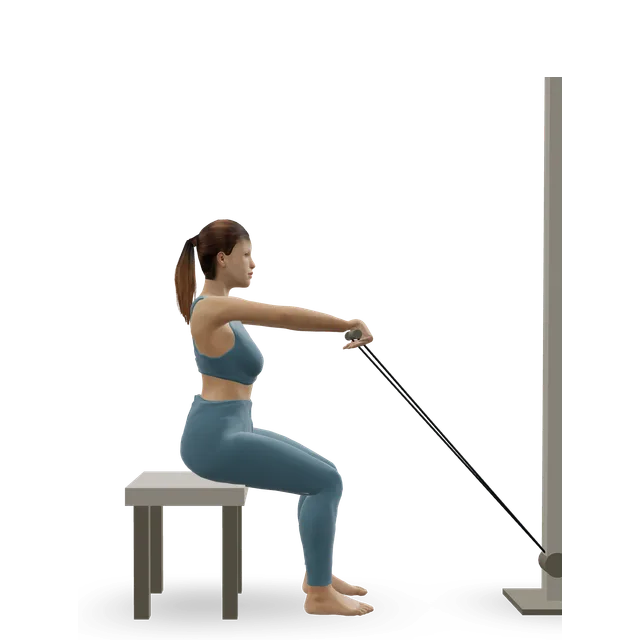
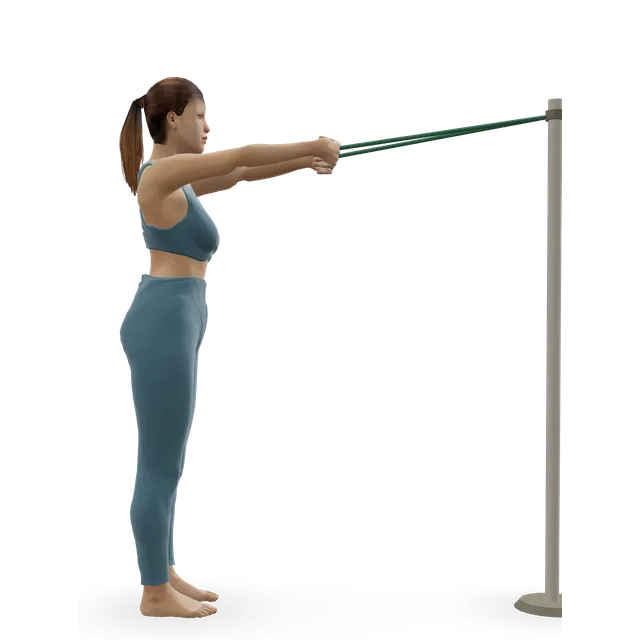
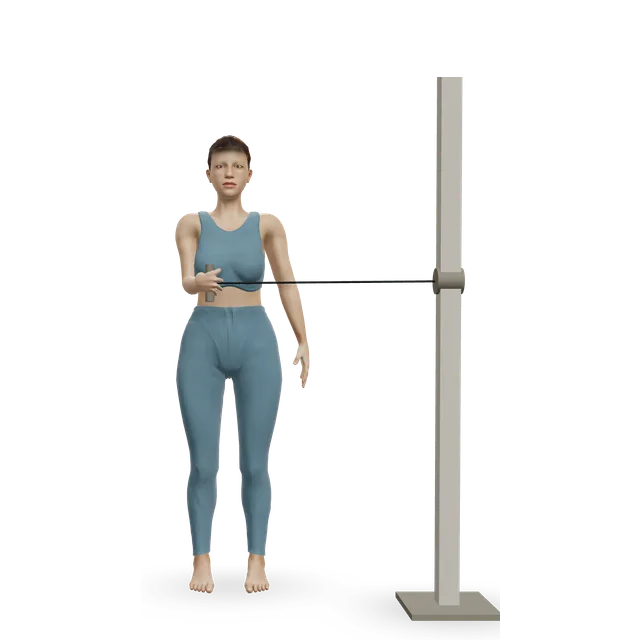
A face pull is a high row with an outward turn: a rope at about eye height, the elbows pulled back high and wide, finishing with the hands beside the ears, as our face pull guide teaches it. The National Academy of Sports Medicine (NASM) sets the rope at about eye height; the American Council on Exercise's (ACE's) similar high row puts the pulley at about shoulder height, with the palms down.
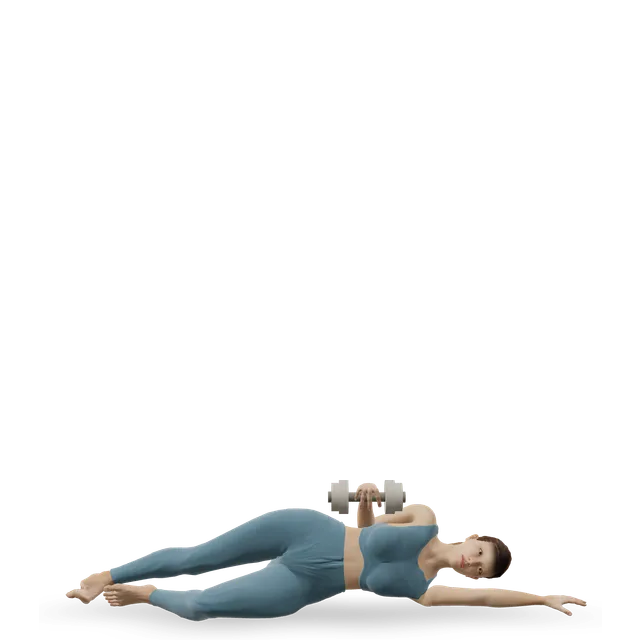
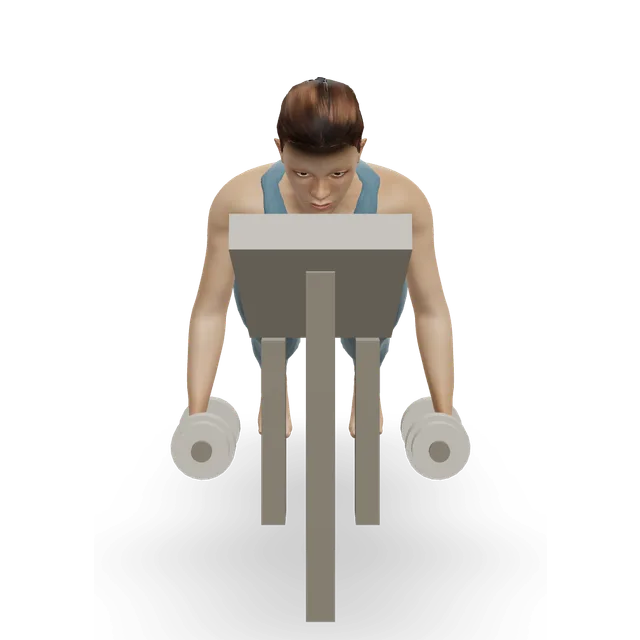
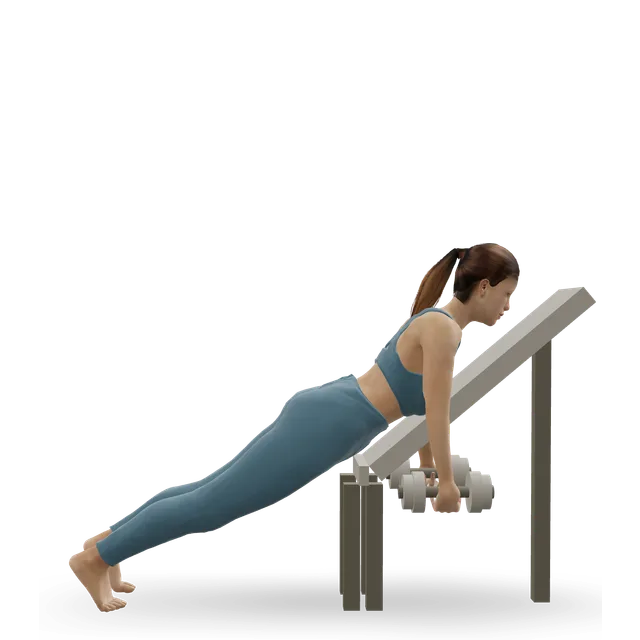
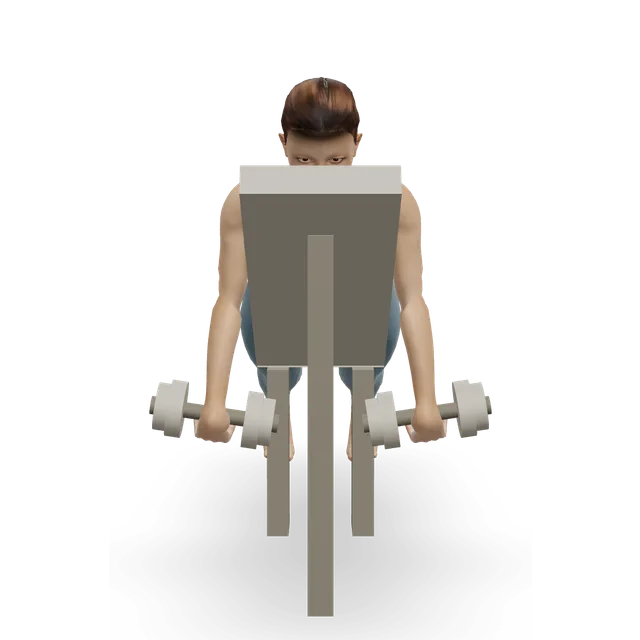
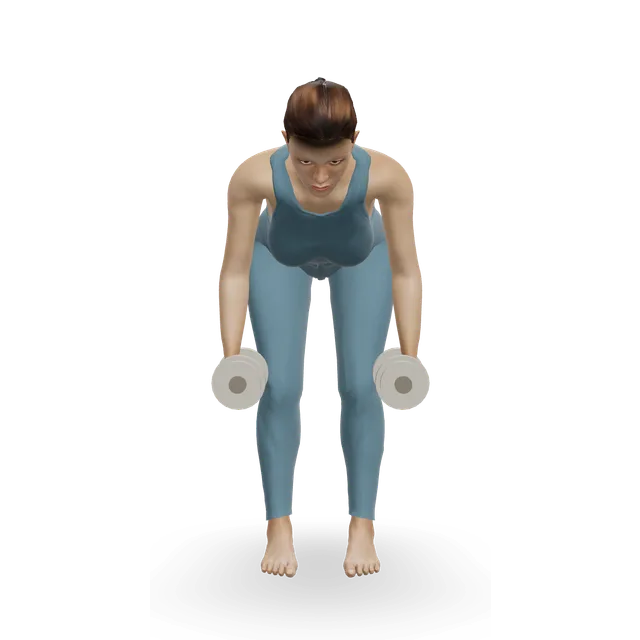
No study has recorded muscle activity (electromyography, or EMG) in the face pull itself. The one study we found was a computer model in 10 healthy men, which estimated that the standing face pull and the bent-over dumbbell raise loaded the rear deltoid about equally, and the summary of a review of 33 deltoid muscle activity studies doesn't mention it. What the face pull works is inferred from similar moves: lying face down and raising the arms out to the side with the hands turned out drove the rear deltoid to 88% of its maximum and the supraspinatus to 82%, and a horizontal pull with an outward turn worked the middle trapezius hardest of 10 exercises. So the map on this page is our reading of lab studies, the conditions themselves and coaching.
Sources 1, 2, 3, 4, 5, 6
How common it is, and who gets itEmerging evidence
No study counts shoulder pain from face pulls. Across resistance training, up to 36% of recorded injuries are at the shoulder, mostly from surveys, and among upper limb weightlifting injuries in US emergency departments, the shoulder was the commonest site (33.8%), with pulling movements the second commonest cause. NHS inform calls subacromial pain, the pain of the rotator cuff under the bony roof of the shoulder, the most common reason for shoulder pain.
Who gets it, in our reading: lifters who add face pulls heavy or in high volume because they are sold as shoulder protection, people with a shoulder already sore from pressing, people who pull the rope to the forehead or past the ears with the elbows flaring above the hands, and people whose neck and upper trapezius take over.
Sources 7, 8, 9
Pulley height, the elbows and the finishMixed evidence
The space under the acromion (the bony roof of the shoulder) narrows as the arm rises: from about 7.0 mm at 30 degrees to 3.9 mm at 120 degrees in a magnetic resonance imaging (MRI) study. Turning the hand changes where the tendon meets the roof: in 13 people with no shoulder problem, the arm at shoulder height fully turned in pressed the tendon against the roof with a force of about 21 newtons, against 3 or less with the arm neutral or turned out, and holding 4 kg, the space at shoulder height was larger turned out than with the hand neutral or at the top of an upright row in 25 young men. That suggests the face pull's turned-out finish is kinder than a palms-down pull.
But the evidence on turning out is mixed: in the MRI study the gap at 90 degrees was narrower turned out than turned in, and a review says how high the arm goes has consistently mattered, while the effect of rotation is less clear. In a study of 46 men who trained with weights and 31 who didn't, lateral raises and upright rows above 90 degrees went with impingement signs, and training the outward rotators went with fewer, a snapshot that can't show cause. Our reading: keep the elbows at or below shoulder height, finish turned out with the hands beside or above the elbows, and don't let a heavy pull turn into an upright row with the hands turned in.
Sources 10, 11, 12, 13, 14
The hands pulled far back, and the front of the shoulderEmerging evidence
Pulling the rope far past the ears takes the arm up and back into the "high-five" position: in a study of 123 men who trained with weights and 36 who didn't, exercises that need it, such as behind-the-neck pull-downs and presses, went with clinical signs of a loose shoulder at the front. Deep pain with clicking or catching in that position can come from the labrum and biceps anchor in people who already have that tear.
A tender groove at the front points to the biceps tendon, where a review found little evidence on non-surgical care. One spot on top at the end of the collarbone points to the AC joint; wear of the collarbone's end most often affects weightlifters, with bench pressing and flies more than pulls.
Sources 15, 16, 17, 18
The neck and the top of the shoulderMixed evidence
An ache from the top of the shoulder into the neck, with the shoulders creeping up as the set goes on, is usually the upper trapezius working hard. In a review of 15 muscle activity studies, standing exercises worked the upper trapezius more, especially with the arm between 60 and 120 degrees, and it was least active lying face down, on the side or on the back. Whether a lower pulley spares the neck is mixed: in 35 people, pulling back with the arms at 90 degrees raised the upper trapezius against the lower more than at 45 or 120 degrees, but in 15 men pulling a band, the upper trapezius was highest with the arms lowest. People with impingement showed more upper trapezius activity in a review, an association rather than a cause.
Pain, pins and needles or numbness from the neck down the arm is different: a trapped nerve in the neck, which NHS inform says can cause pain, numbness, tingling or weakness in the arm or hand. NHS inform also notes that shoulder problems are occasionally due to the neck.
Sources 19, 20, 21, 22, 23, 24, 25
When a scan or test helpsStrong evidence
Rotator cuff pain is diagnosed by examination. A UK pathway says ultrasound or MRI of the cuff is rarely needed in primary care, and that a cuff tear from an injury needs urgent referral.
Scans of shoulders that don't hurt show a lot: 96% of 51 men aged 40 to 70 without symptoms had something on an ultrasound; across 6,112 shoulders, cuff changes rose from 9.7% at 20 or younger to 62% at 80 or older; in 96 people without symptoms MRI showed tears in 34%, but none of the 25 aged 19 to 39 had a full-thickness tear; and in one village, tears without symptoms were twice as common as tears with them. In 20 elite overhead athletes, 40% of throwing shoulders had tear findings, and none had symptoms 5 years later. A scan matters after an injury with sudden weakness, with warning signs, or when pain hasn't settled after about 3 months of good exercise care.
Sources 26, 27, 28, 29, 30, 31
How it usually goesEmerging evidence
No study follows shoulder pain from face pulls. The NHS says it can take 6 months or longer to recover from shoulder pain; NHS inform says many shoulder problems begin to settle within 6 weeks; and an NHS trust leaflet says rotator cuff related pain settles in about 6 months in about half of people on its own. A trapped nerve in the neck usually starts to improve within 12 weeks, and most people with one recover. No one can promise a date.
Sources 32, 25, 33, 24, 34