Hand, hand, foot, foot
Lunge in with your arms by your ears, place one hand then the other on a line, take your legs over in a wide V, and land one foot at a time, finishing in a lunge facing back the way you came.
Training guide
A cartwheel is a sideways wheel from one foot to the other through your hands: hand, hand, foot, foot. Coaches teach it in parts, starting low with your hands on the floor and a small sideways hop, then a bent-leg cartwheel along a line, so you learn the order before the height. Children and adults learn it the same way, and adults can learn it too.
Our 3D figure can't show a cartwheel yet, so the cartwheel's own steps are written, and most of the drills around it have a demo. This guide covers the pattern, preparing your wrists and shoulders, the drills, landing and falling safely, teaching a child, and who should wait, in line with our handstand and gymnastics guides.
Lunge in with your arms by your ears, place one hand then the other on a line, take your legs over in a wide V, and land one foot at a time, finishing in a lunge facing back the way you came.
Coaches start with your hands down and a small sideways hop of the feet, then the hands on a low bench, then a low cartwheel with bent legs along a line. Clean and low comes before high.
Source 1
Gymnastics can put 2 to 4 times body weight through the wrists, the American Academy of Pediatrics says. In young gymnasts, turning the first hand along the line and the second hand in (a T shape) loaded the wrist and elbow less than other hand positions. Prepare your wrists every session.
Most children's gymnastics injuries are to the arms, and wrist and forearm fractures from bracing a fall are commonest in younger children. Practise on a soft surface, and if you fall, tuck and roll rather than putting out a straight arm.
Gymnastics lessons improved children's movement skills, including 7-year-olds' cartwheels. Young adults have been taught the cartwheel in a study, though the evidence for adults is indirect. No study has timed how long it takes.
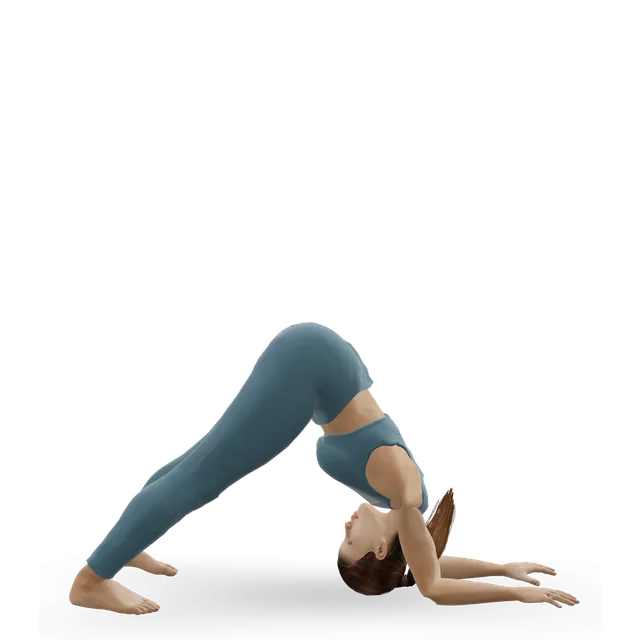
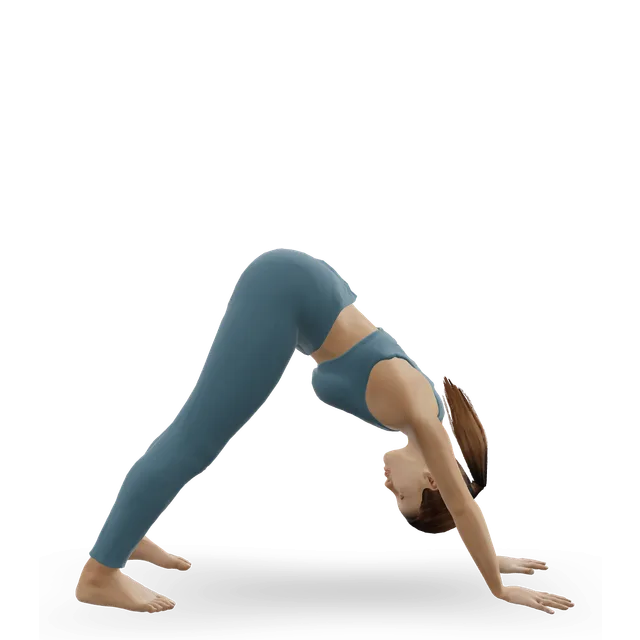
Our figure shows the drills instead: the lunge, wrist rocks, the bear crawl and the half handstand at the wall, the upside-down shape a cartwheel passes through. The sideways hop and the cartwheel itself are written steps.
You travel sideways along a line, turning over through a brief handstand with your legs wide, from one foot to your hands to the other foot. The sideways cartwheel comes first; the cartwheel that starts facing along the line, with a quarter turn, leads on to the round-off.
Source 1
Wrists and shoulders that take your weight briefly, one hand at a time; a trunk that holds a straight, open-legged shape; and legs that drive the lunge and the kick. How you place your hands and how much your elbows bend change the load on your wrists and elbows.
A steady lunge and the ability to take your weight on your hands for a moment. You don't need the splits or a handstand to start, though tight shoulders and hips make a straight cartwheel harder.
Some children get it straight away and others take years, a UK coaching sheet says. Most people have a lead side: usually the leg you naturally step forward with. Size and shape change how a cartwheel feels, not whether you can learn it.
Our 3D figure shows the half handstand at the wall, the upside-down shape a cartwheel passes through; the cartwheel steps are written, from a UK recreational gymnastics coaching sheet (NRG), GymnasticsHQ and Kangaroo Hoppers (our wording).
Loading the 3D figure…
The movement on the figure: Half handstand at the wall (Ardha Adho Mukha Vrksasana)
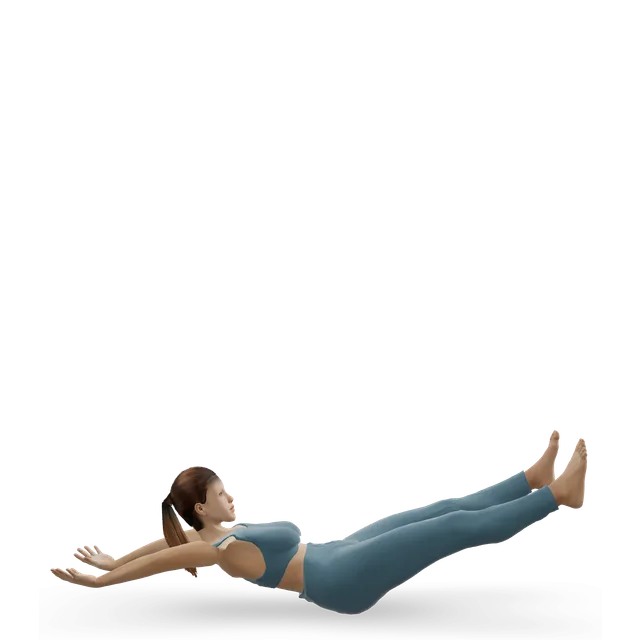
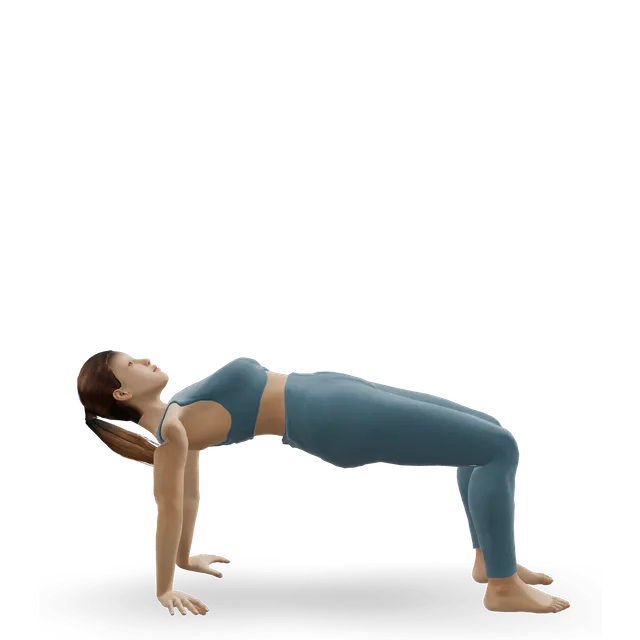
Our 3D figure can't show a cartwheel yet. These drills build the parts it needs: wrists, weight through straight arms and the upside-down shape. The sideways bunny hop (lateral monkey travel) has no 3D demo: its steps are written on its page.
 3D demoQuadruped wrist rocksBeginner · No equipment
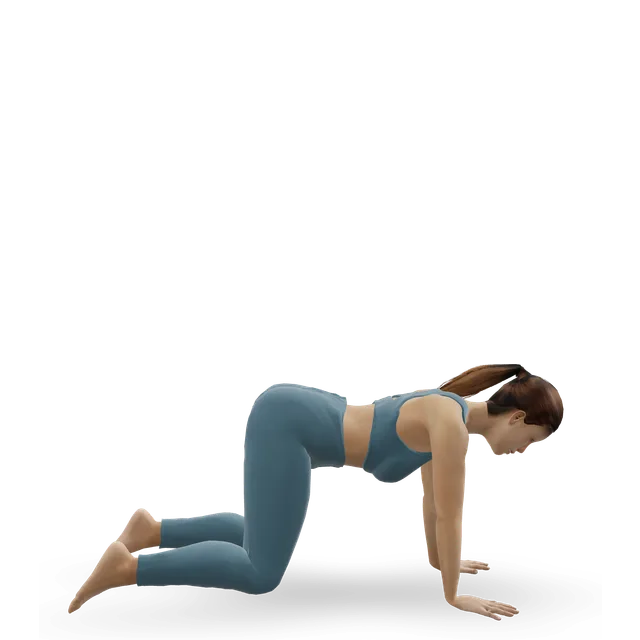 3D demoBear crawlIntermediate · No equipment
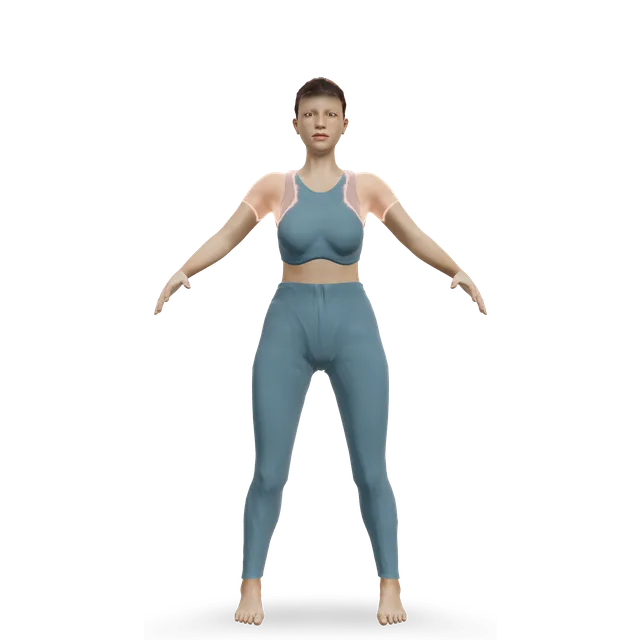 Lateral monkey travelIntermediate · No equipment
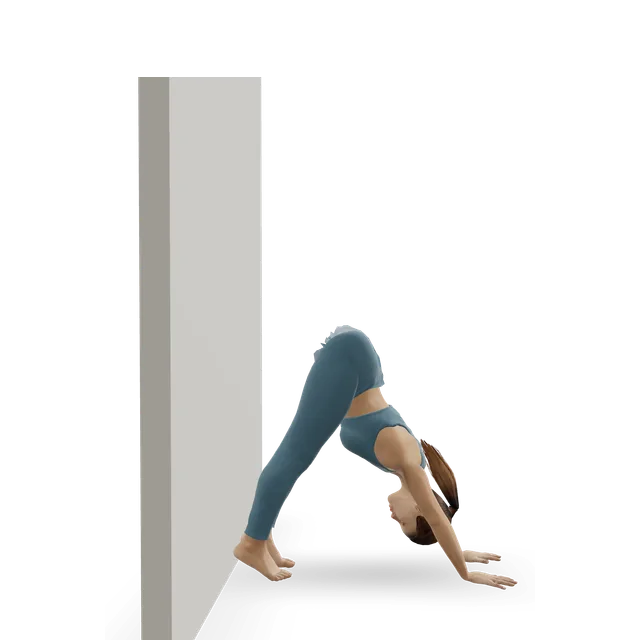 3D demoHalf handstand at the wall (Ardha Adho Mukha Vrksasana)Intermediate · A wall
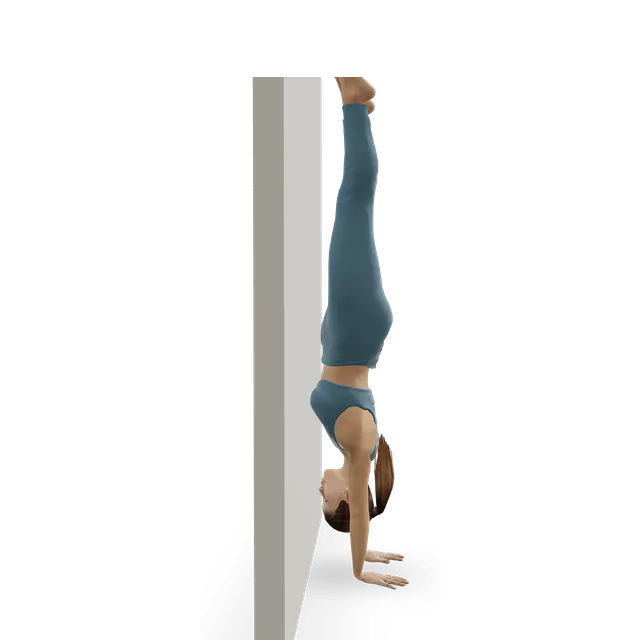 3D demoHandstand at the wall (Adho Mukha Vrksasana, chest to wall)Advanced · A wall
The order comes from coaching practice (NRG's coaching sheet and the guides named); no trial has compared ways of teaching a cartwheel. The doses are the move pages' and our workouts', or our editorial starting point.
The move page's dose: 4 crawls of 8 to 10 metres, forwards and back, resting as needed (our editorial starting point). For children, across the room and back, as our animal moves workout does.
Hands down on a line or in a hoop, hop both feet across to the other side, low and close. The move page's dose for lateral monkey travel: 3 to 5 sets of 6 passes, resting a minute between sets (our editorial starting point). NRG's coaching sheet notes that early attempts may just be bunny-hopping round from two feet to two feet.
Hands on the end of a padded bench or a sturdy step, hop your feet round to the floor on the other side, lifting your legs a little higher each time: 5 to 10 each way (our editorial dose).
Source 1
2 holds of 20 seconds, as our gymnastics warm-up does, building to 3 holds of 20 to 30 seconds, as our handstand progression does. It teaches the straight arms and stacked shoulders a cartwheel passes through.
Bent legs, a small kick, and the hand order right: 5 to 10 attempts on your lead side (our editorial dose). Kick a little higher as it gets cleaner.
Legs wide and straight over the top, landing one foot at a time in a lunge. Coaches use a padded wall behind the learner to straighten the line, and spot from behind at the hips.
Source 1
Every cartwheel starts and finishes in a lunge with your arms by your ears: the high lunge, 5 breaths each side (our power yoga session). Hollow holds (2 × 15 seconds) and side planks (2 × 30 seconds each side) build the straight body, as our gymnastics workouts do. The forward shoulder roll teaches you to fall well; it has no 3D demo, and its page gives 2 to 3 sets of 3 to 5 slow rolls each side on a mat (our editorial starting point).
A minute of the flow and about 10 wrist rocks (shown with the drills above) before every session, as our handstand guide does; the stretch and wrist curls on other days, as our wrist and forearm routine does.
In young gymnasts, the T shape (first hand turned along the line, second hand turned in) loaded the wrist and elbow less than both hands parallel or reversed, and more bend in the elbow lowered the force. These are lab studies of 10 to 17 gymnasts.
Wrist pain is common in people who take their weight on their hands: about half of adolescent artistic gymnasts in pooled studies, and 57% of adults who practise handstands in one survey. Build up the number of cartwheels gradually.
The first foot lands close to your hand, then the second, and you finish in a lunge. The commonest exit fault coaches see is the first foot landing too far from the hand, so you can't stand up.
Source 1
Younger gymnasts often reach out with an arm to brace a fall, which is how wrist and forearm fractures happen. Rolling into a tuck instead is what the authors of one emergency department study suggest. The forward shoulder roll teaches it.
Grass, a gym mat or a carpet, with nothing to hit. Avoid hard or slippery floors.
Source 2
In 333 primary school children, 16 weeks of gymnastics lessons improved balance and ball skills more than ordinary PE, and in 300 preschoolers, 36 weeks of developmental gymnastics improved motor skill scores. The NHS lists gymnastics among the activities that strengthen children's muscles and bones.
In 75 seven-year-olds, 18 weeks of gymnastics lessons moved their cartwheel scores from about 1.5 to 2.7 out of 5. The authors call it a complex skill at that age.
Source 13
Use markers for the hands and feet (a hoop for the hands helps), start with sideways hops, and keep sessions short on a soft surface. To spot, stand behind the child on their lead side and support their hips with your hands. Showing as well as telling helped children learn gymnastics shapes more than words alone in one trial.
Wrist pain is common in young gymnasts, and the growth plate at the end of the forearm bone is at risk from repeated weight-bearing. Wrist pain that is still there the day after training, or a swollen wrist, means stopping weight-bearing on the hands and seeing a GP or sports doctor, as our gymnast's wrist guide says.
The evidence is indirect. Young adults aged 17 to 26 were taught the cartwheel in a study; many students arriving at a sports science degree did it poorly until taught; and adults learned movement sequences as fast as children in a lab task. No study has followed adult beginners learning it.
If your wrists aren't used to your weight, spend a few weeks on the wrist moves, bear crawls and the half handstand at the wall before full cartwheels (our suggestion).
In the one learning study, practising one side at a time worked better than switching sides each time. Add the other side once your lead side is steady.
Source 14
No trial has tested a way of teaching the cartwheel. What exists is coaching practice, children's gymnastics programme trials, one adult learning study, lab studies of wrist and elbow loading, and injury surveillance.
In US emergency department data, children's gymnastics injuries ran at about 4.8 a year per 1,000 participants, 42% were to the arms, and 97% went home the same day. Wrist and forearm fractures from bracing falls were commonest in younger children.
Injuries named as happening in a cartwheel appear only in single case reports, such as an elbow dislocation in a 13-year-old gymnast.
Source 24
Gymnastics can put 2 to 4 times body weight through the wrists. The T-shaped hand position and slightly bent elbows lowered wrist and elbow loading in young gymnasts in lab studies.
Coaching sheets teach the sideways hop, then the bench, then the low and full cartwheel. One school acrobatics curriculum taught the handstand and bridge before the cartwheel, then the round-off. Our gymnast's wrist guide brings cartwheels back after hanging skills and before flight skills.
Practising one side at a time beat switching sides in 32 young adults; showing plus telling beat words alone in children; and 18 weeks of lessons improved 7-year-olds' cartwheels. Small studies.
From NRG's coaching sheet and the coaching guides; the fixes are theirs or our editorial suggestion.
Often because the learner is counting. Keep both arms by your ears so the second hand follows straight after the first.
Source 1
Push the floor away with straight arms, as in the half handstand at the wall.
Source 1
Kick higher a little at a time, and practise along a line or with a padded wall behind you.
Source 1
You can't stand up. Bring the first foot down close to your hand.
Source 1
The second foot lands behind the first and you turn out. Place it slightly in front and look back the way you came.
Source 1
Keep your eyes on the floor between your hands.
Source 2
Our editorial starting point: 2 or 3 sessions a week, 10 to 15 minutes, with 5 to 10 good attempts on the side you're working on. Kangaroo Hoppers suggests 2 to 3 sessions a week and 3 to 5 full attempts once you're ready.
Source 2
Stop when your attempts get sloppy, your wrists ache or you feel dizzy (our suggestion). You don't need to train to failure, as our plans' shared notes say.
No study has timed it, for children or adults. Our estimate: a few sessions to a few weeks for a low cartwheel with the right order, and longer for straight legs over the top.
These come next in gymnastics and belong with a coach; our gymnastics page covers the sport. Our handstand guide uses the cartwheel as the safe way out of a handstand.
There's no cartwheel workout because the figure can't show the skill; the gymnastics warm-up prepares wrists, shoulders and the upside-down shape, and the animal moves workout suits young children.
A gymnastics warm-up: skips, wrist circles and rocks, shoulder work, cat-cow, hollow and arch holds, leg swings, short splits holds and landings.
15 minBeginner18 movesA band, A wallFifteen minutes of animal moves, jumps and balance games for children, building the muscle- and bone-strengthening activity they need, with nothing to buy.
15 minBeginner16 movesA wallBuild toward a handstand: wrist prep, dolphin pose, pike push-ups, crow, the wall handstand and freestanding holds.
25 minAdvanced9 movesA wallWrist mobility and forearm strength for desk work, climbing, push-ups and handstands.
10 minBeginner7 movesA wall, A dumbbellA 20-minute crawling workout for adults: wrist and shoulder prep, bear and crab holds, then bear crawls, crab walks and inchworms. No equipment needed.
20 minBeginner12 movesA wallA 15-minute warm-up for parkour: a jog and skips, ankle and hip mobility, wrist work, bear and crab crawls, bounces, landings, rolls and stuck broad jumps.
15 minBeginner15 movesCardio machine, A wallLeave cartwheels until taking your weight on your hands is comfortable (our suggestion, as our handstand guide says for handstands).
Not the time to learn: the NHS advises against sports or activities with a risk of falling in pregnancy (our suggestion, from the NHS exercise in pregnancy page, as our handstand guide says for handstands).
Source 26
Freestanding practice risks falls. Keep to wall work with someone beside you, or skip it (our suggestion).
A cartwheel is a falling skill, so keep to the wall and hands-down drills (our suggestion).
Stop if you feel dizzy or light-headed. Keep a counter or wall within reach, and have someone nearby for the hardest moves if you've fallen recently (our suggestion, as in our older adults guide).
After a concussion, follow our concussion guide's return before anything upside down (our suggestion).
Speak to a GP first if you haven't exercised for some time, or if you have a medical condition or concerns. Get advice first, too, if you have a health problem, an injury or symptoms, have recently had a heart attack or an operation, or are pregnant or have recently given birth.
A cartwheel is upside down for well under a second, and no study has measured eye pressure in one. Follow your eye specialist's advice on inversions, and leave out the handstand drills unless they agree (our suggestion).
Call 999 or go to A&E after an injury (don't drive yourself) if the arm, wrist or hand is numb, tingling or has pins and needles; a bone is sticking out or a bad cut is bleeding heavily; or the wrist, thumb or a finger has changed shape, is at an odd angle, or has turned blue, grey, white or cold.
Same day: after a fall onto an outstretched hand, pain or tenderness at the base of the thumb on the back of the wrist (the hollow called the snuffbox), even if the wrist moves well or the first X-ray was normal. A broken scaphoid can hide on the first X-ray and is slow to heal if it's missed, so ask what follow-up is planned.
For severe wrist pain, feeling faint, dizzy or sick from the pain, a snap, grinding or popping noise at the time of an injury, a wrist you can't move or hold things with, a wrist that has changed shape or colour, a very painful, hot or red lump, or lost feeling in your hand (in the US, urgent care). See a GP if wrist pain hasn't improved after 2 weeks.
Source 34
An ache on the back or thumb side of the wrist, just above the crease, in a growing gymnast (or cheerleader or diver) that builds with training and may still hurt the next day: possibly gymnast's wrist, a stress injury of the growth plate. Stop weight-bearing on the hands and get it checked: it needs weeks to months off hand loading, not a few days.
Anyone who might have a concussion stops at once and doesn't play, train or do PE again for at least 24 hours. Get them assessed within 24 hours by a healthcare professional or NHS 111, and call 999 for red flags such as getting drowsier, repeated vomiting, a fit or a worsening headache (the full list is below). Fewer than 1 in 10 concussions involve being knocked out.
Call 999 or go to A&E after a neck injury if the person is unresponsive, has severe neck pain or cannot move their head, has fallen from a height such as 5 or more stairs, or is drunk or has taken recreational drugs. Do not drive yourself. Being 65 or over, a dangerous fall or crash (from more than 1 metre or 5 stairs, diving, a high-speed or rollover crash, being thrown from a vehicle, a bicycle collision or an accident on a motorised recreational vehicle), or tingling in the arms or legs after an injury puts you at high risk of a broken neck: get checked.
A teenager in a sport that arches or twists the back, such as gymnastics, dance, diving, volleyball, cricket fast bowling, baseball pitching, weightlifting, football or rugby, with back pain that lasts more than a couple of weeks, is worse arching back or stops them training: get it checked by a GP or sports physiotherapist. It can be a stress fracture in the spine.
Source 36
Stop exercising straight away if you feel any pain or become unwell. Call 999 (911 in the US) for chest pain that doesn't go away or spreads to your arm, neck, jaw, stomach or back, chest pain with sweating, feeling sick, light-headed or short of breath, fainting while exercising, or a pounding, fluttering or irregular heartbeat with chest pain, breathlessness or feeling faint.
A headache that starts suddenly and is extremely painful, especially while straining, can be a bleed on the brain. A headache brought on or made worse by exercise, coughing or bending down needs an urgent GP appointment or NHS 111 (in the US, your doctor or urgent care).
For sudden or very bad shoulder pain, an arm you can't move, a shoulder that has changed shape or is badly swollen, pins and needles that don't go away, no feeling in your arm, an arm that is hot or cold to touch, or pain that started after a fall or injury. See a GP if shoulder pain gets worse or hasn't improved after 2 weeks.
Source 35
Stop straight away if you feel any pain or become unwell, the NHS says, and contact 111 if your symptoms worry you or don't go away.
A dull ache in your muscles for a day or two after something new is normal. Joint pain that's sharp, gets worse during a set or lingers into the next day means switching to the easier option, and seeing a GP or physiotherapist if it carries on (our plans' rule). Our muscle soreness guide has more.
Source 27
No study supports it. Young adults have been taught the cartwheel in a study, and adults learned movement sequences as fast as children in a lab task; the evidence is indirect. Adults learn with the same drills, often more slowly with their wrists.
A steady lunge and brief weight on your hands are enough to start, though tight shoulders and hips make a straight cartwheel harder.
Coaches teach it in parts, low before high, and falls onto an outstretched arm are the commonest way children are hurt in gymnastics.
In the one learning study, practising one side at a time beat alternating sides. Add the other side once the first is steady.
Source 14
The American Academy of Pediatrics lists wrist braces among ways to reduce the risk, but braces weren't linked with less pain in adults who practise handstands. Building up gradually matters more.
Start in a lunge with your arms by your ears, place one hand then the other on a line, kick your legs over in a wide V, and land one foot at a time facing back the way you came. Learn it low first: hands on the floor with a small sideways hop, then a bent-leg cartwheel along a line.
Yes, though the evidence is indirect: young adults have been taught the cartwheel in a study, and adults learn movement sequences about as fast as children. Prepare your wrists and use the wall drills first if you're not used to taking weight on your hands.
Most people lead with the leg they naturally step forward with. Practise that side until it's steady before adding the other: practising one side at a time worked better in a study.
Keep your arms by your ears, kick a little higher each time, and practise along a line or next to a padded wall so your legs go over the top.
Use markers for the hands and feet, start with sideways hops with the hands down, then hands on a low bench, then a low cartwheel along a line. Spot from behind at the hips, and keep sessions short and on a soft surface.
There's no fixed age: some children get it straight away and others take years. In one study, 7-year-olds improved with 18 weeks of lessons, and preschoolers can start with the hand and foot pattern on a mat.
Cartwheels load your wrists one at a time. Turn your second hand in so your hands make a T, keep your elbows slightly soft, and build up gradually. A child's wrist pain that is still there the next day needs checking.
Not to start: a steady lunge and brief weight on your hands are enough. Tight shoulders and hips make a straight cartwheel harder, and they improve with practice.
Land one foot at a time, the first foot close to your hand, and finish in a lunge with your arms up. If you fall, tuck and roll rather than putting out a straight arm.
No study has timed it. Our estimate is a few sessions to a few weeks for a low cartwheel with the right order, and longer for straight legs over the top.
It isn't the time to learn: the NHS advises avoiding activities with a risk of falling in pregnancy.
Exercise education, not a personal prescription, and clinical review of these guides is pending. Check with a GP before starting hard training if you have a heart condition, chest pain, dizziness or breathlessness when active, and stop for sharp or increasing pain. Health disclaimer.