Lateral monkey travel
From a low squat you plant both hands to one side, shift your weight onto your arms and hop both feet across to land beside your hands, then repeat, travelling sideways. It moves side to side where the bear and crab crawls go forwards and back. GMB's main correction is to keep the feet close to the hands rather than kicking the legs wide; a full squat is not needed to start. A trial of this kind of quadrupedal training improved hip and shoulder range over 8 weeks.
Movement guide
Lateral monkey travel
Make it easier or harder
Choose a version that fits your control and comfort.
Easier option
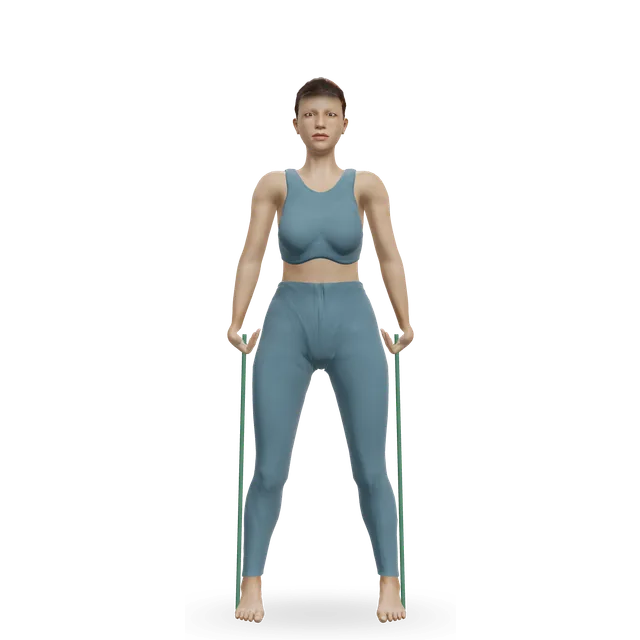 3D demoBand lateral raiseBeginner · A band
Similar move, beginner grade.
Harder option
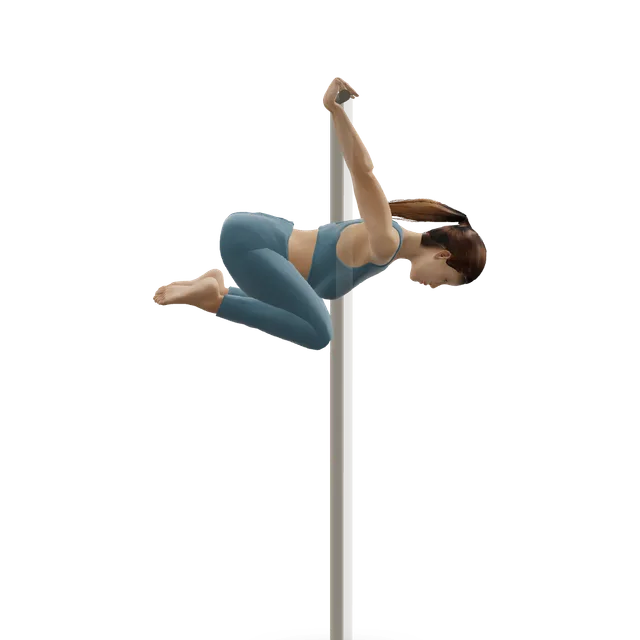 3D demoTuck back leverAdvanced · Pull-up bar
Similar move, advanced grade.
Source-researched guide.
How to move
- Squat low with your feet about shoulder-width apart.
- Reach both hands to one side and place them on the floor, one outside your foot and one just inside it.
- Shift your weight onto your hands, then hop both feet across, low and close, to land softly beside your hands.
- Settle back into the squat and repeat in the same direction, then travel back the other way.
Form cues
- Keep the swing low and the landing quiet.
- Your feet stay close to your hands.
- Avoid: kicking your legs high or wide.
Practice and cautions
3 to 5 sets of 6 passes, resting a minute between sets (our editorial starting point).
Not for painful wrists or an irritable shoulder. Learn it on grass or mats before taking it to hard ground. This is movement education, not an assessment or treatment prescription. Stop for sharp or increasing pain, dizziness, numbness or tingling; seek individual guidance for symptoms, injury or restrictions.
Sources and review status
Sources support the educational description; they do not establish that this exercise is suitable for you.
- GMB Fitness · Monkey walks (the hands placed to one side, the weight shifted onto them and the feet hopped across; keep the feet close to the hands) ↗
- Buxton 2022 · Eight weeks of quadrupedal movement training (Animal Flow) improved movement screen scores and hip and shoulder range, not push-up endurance (RCT of 42 young adults, JSCR) ↗
- Buxton 2024 · Eight quadrupedal moves from a commercial programme, pooled and not named, so possibly without this move: the deltoid, lats and biceps worked harder than in a push-up (EMG of 20 adults, J Bodyw Mov Ther) ↗
No variation is labeled clinically validated.
What it works
Muscles
Main: Shoulders, Quads. Also: Triceps, Abs, Glutes.
Anatomy: Deltoid, Rotator cuff, Supraspinatus, Infraspinatus, Subscapularis, Teres minor.
Equipment
None: body weight and floor space.
Level
Intermediate. See the easier and harder options above.
Guides that use it
Similar moves
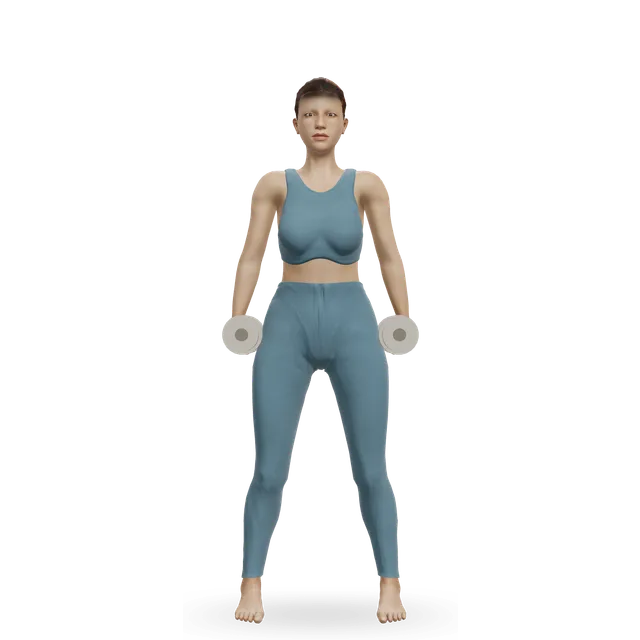
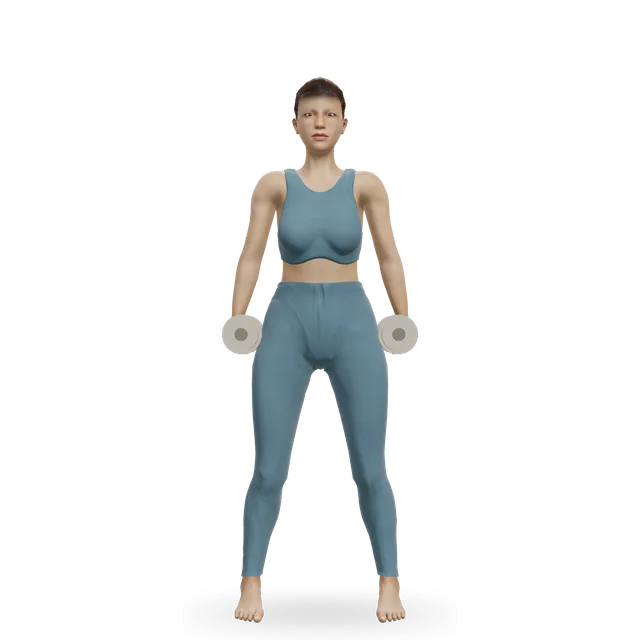 3D demoDumbbell lateral raiseBeginner · A dumbbell
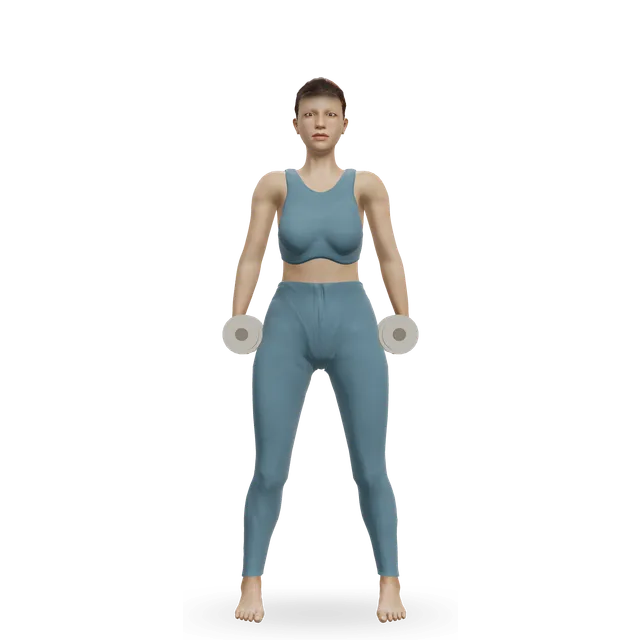
 3D demoLateral raise to front raiseBeginner · A dumbbell
 3D demoPalms-back lateral raiseBeginner · A dumbbell
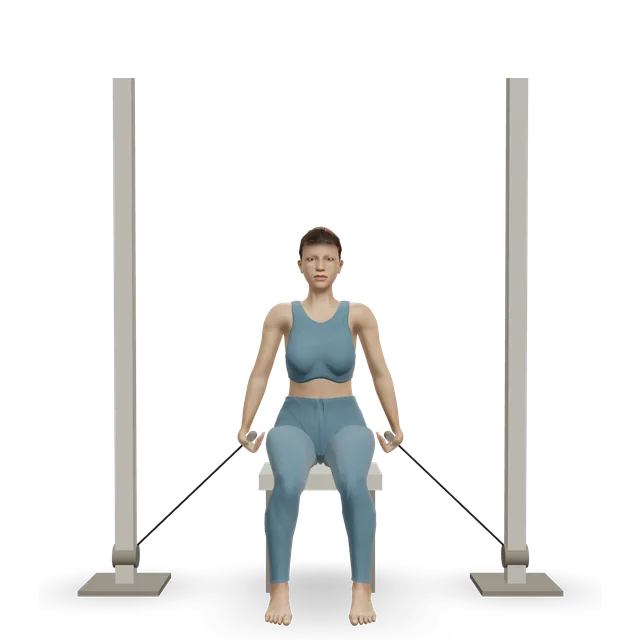 3D demoSeated cable lateral raiseBeginner · A cable machine + A bench or box
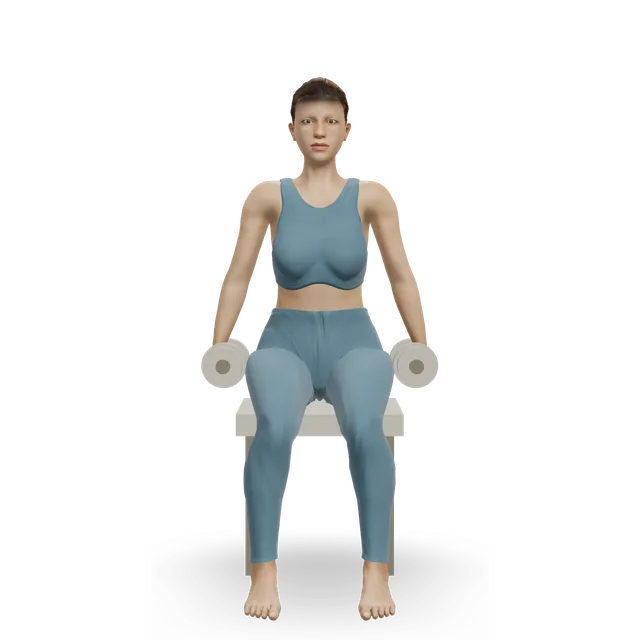 3D demoSeated dumbbell lateral raiseBeginner · A dumbbell + A bench or box
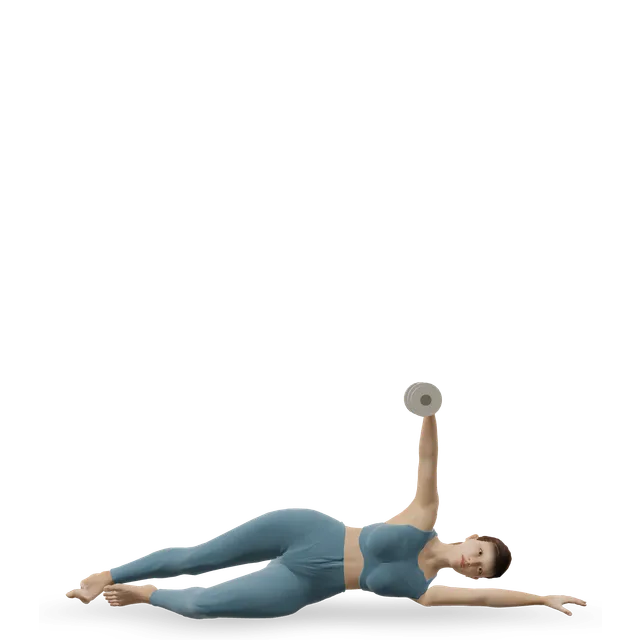 3D demoSide-lying incline lateral raiseBeginner · A dumbbell + A bench or box
Browse more
Questions people ask
What muscles does the Lateral monkey travel work?
Mainly the shoulders and quads, with help from the triceps, abs and glutes.
What equipment do I need for the Lateral monkey travel?
No equipment: your body weight and a little floor space.
Is the Lateral monkey travel good for beginners?
It is graded intermediate. If it is too hard right now, start with the Band lateral raise.
What is an easier alternative to the Lateral monkey travel?
Try the Band lateral raise or the Cable lateral raise. It works similar muscles at a lower grade.
How do I make the Lateral monkey travel harder?
Progress to the Tuck back lever or the German hang. Follow that guide’s technique and any stated timing.