3D demo
Palms-back lateral raise
Strength · Shoulders, Back
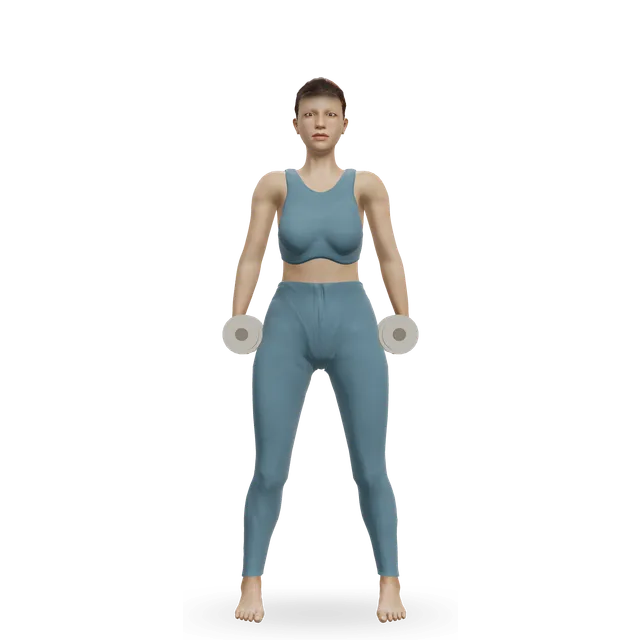
Loading the 3D figure…
The figure repeats the movement from its starting position. Drag to turn it; the arrows open the demos either side.
Standing with dumbbells beside your thighs and your palms facing back, you raise them out to the sides, elbows leading and slightly bent, to just below shoulder height. Starting palms back turns the arm inwards, which in an EMG study of lateral raise variations shifted work towards the rear deltoid and upper trapezius. ACE's lateral raise also leads with the elbows.
Movement guide
Palms-back lateral raise
Make it easier or harder
Choose a version that fits your control and comfort.
Easier option
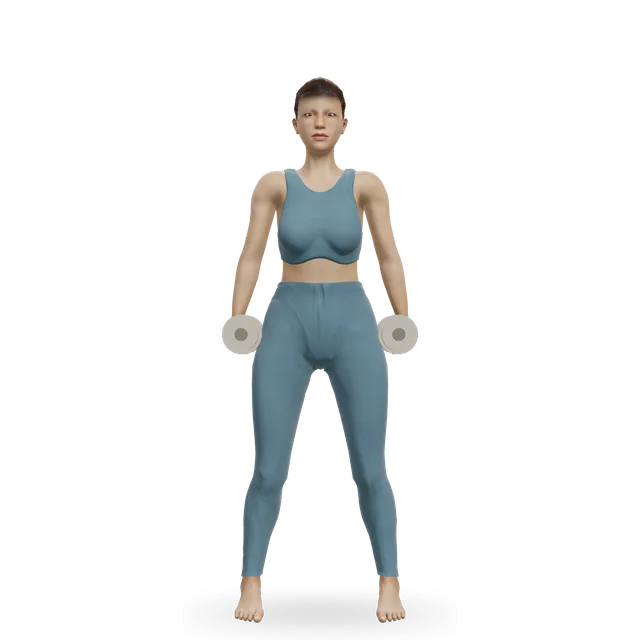 3D demoDumbbell lateral raiseBeginner · A dumbbell
Suggested next step, beginner grade.
Harder option
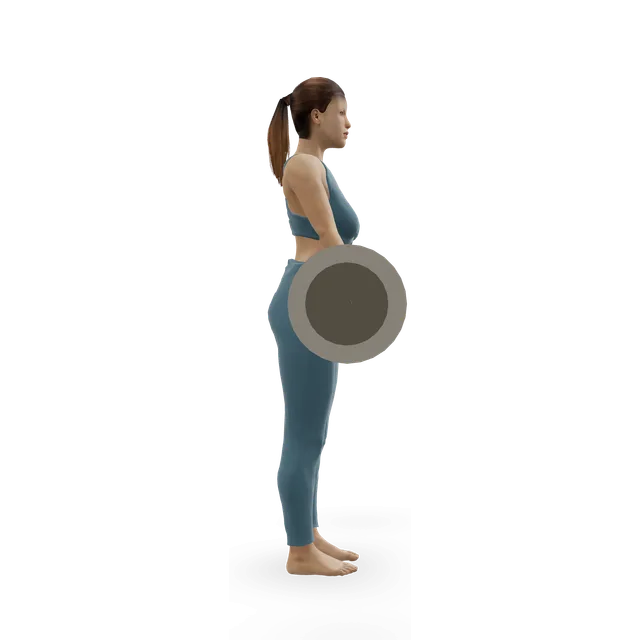 3D demoBarbell front raise to overheadIntermediate · A barbell
Similar move, intermediate grade.
Source-researched guide.
Form cues
- Lead with the elbows.
- Keep your trunk still; no swinging.
- Avoid: shrugging your shoulders up as the arms rise.
Practice and cautions
2 to 3 sets of 10 to 15, stopping with 2 or 3 reps in reserve (our editorial starting point).
Keep the elbows below shoulder height: in weight trainers, lateral raises and upright rows taken above 90 degrees went with signs of shoulder impingement. If the turned-in arm pinches, start with your palms facing in. This is movement education, not an assessment or treatment prescription. Stop for sharp or increasing pain, dizziness, numbness or tingling; seek individual guidance for symptoms, injury or restrictions.
Sources and review status
Sources support the educational description; they do not establish that this exercise is suitable for you.
- Coratella 2020 · Lateral raise variations and the front raise compared (turning the arm in shifted work to the rear deltoid and upper trapezius; the front raise worked the front deltoid and chest; EMG, IJERPH) ↗
- ACE · Lateral raise (beginner; past 60 to 70 degrees the front of each dumbbell tips slightly up, which may ease impingement) ↗
- Kolber 2014 · Shoulder impingement in recreational weight trainers (lateral raises and upright rows above 90° linked to impingement signs; strengthening the external rotators the reverse; JSCR) ↗
- Free Exercise DB · community text ↗
Unlicense · Free Exercise DB contributors; derived from wrkout/exercises.json. Text import; no photographs or media. · Revision f00c92c7dcf1216a928a52c3706c7ce8e2f71ed5
No variation is labeled clinically validated.
What it works
Muscles
Main: Shoulders. Also: Back.
Anatomy: Deltoid, Rotator cuff, Supraspinatus, Infraspinatus, Subscapularis, Teres minor.
Equipment
A dumbbell
Level
Beginner. See the easier and harder options above.
Similar moves
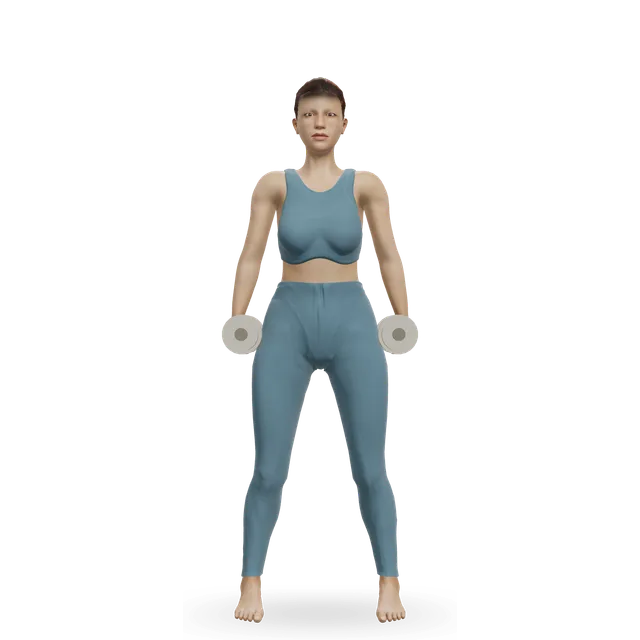 3D demoStraight-arm lateral raiseBeginner · A dumbbell
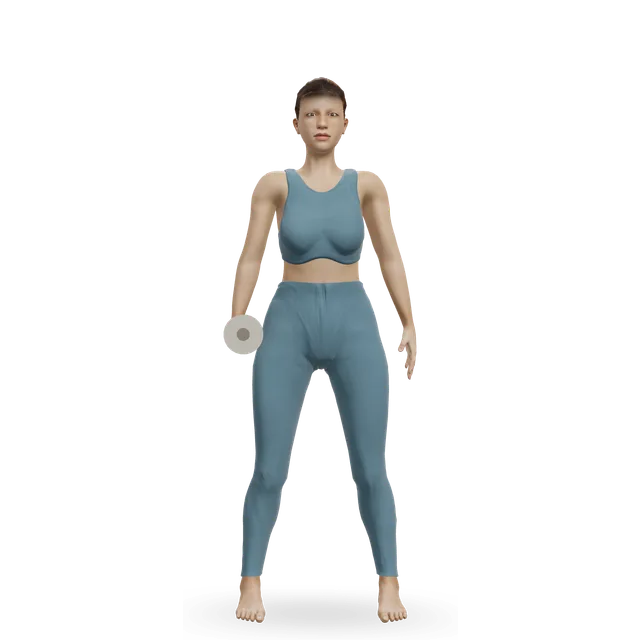 3D demoSupported one-arm lateral raiseBeginner · A dumbbell + A bench or box
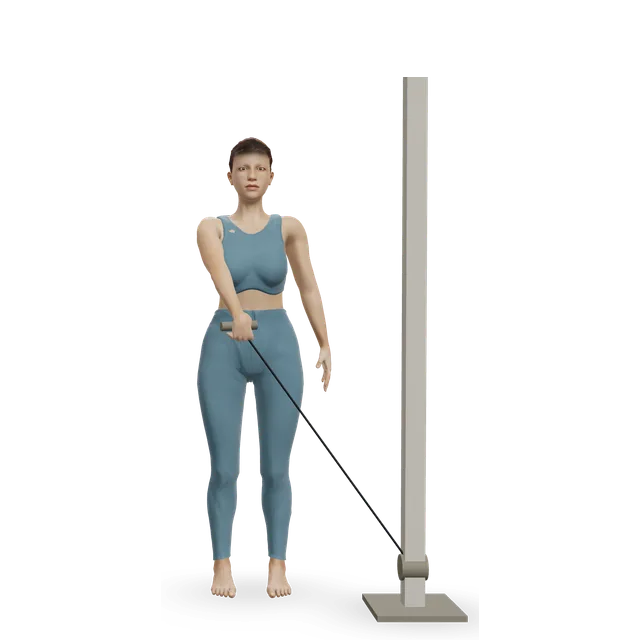 3D demoCable lateral raiseBeginner · A cable machine
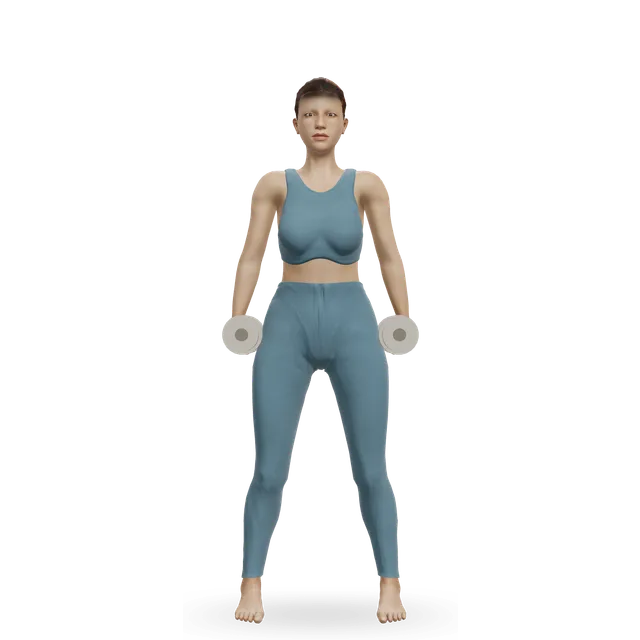 3D demoLateral raise to front raiseBeginner · A dumbbell
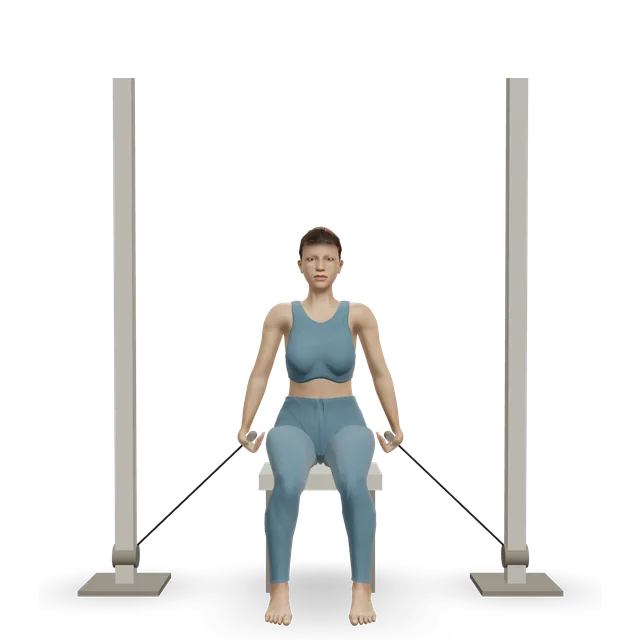 3D demoSeated cable lateral raiseBeginner · A cable machine + A bench or box
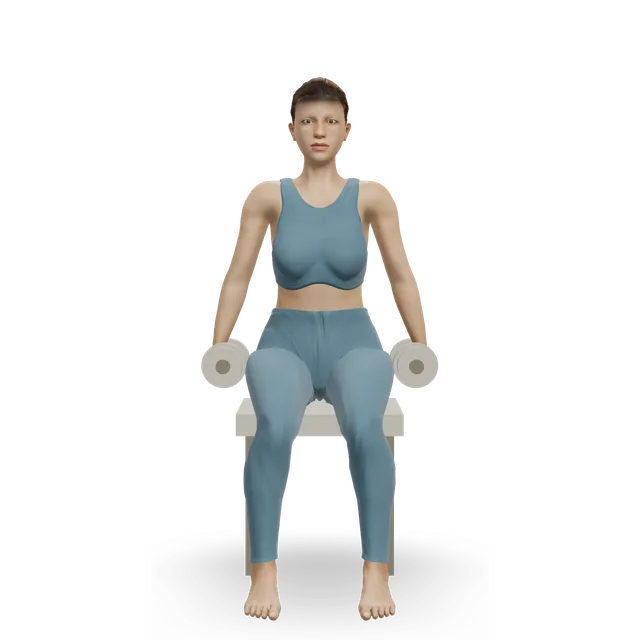 3D demoSeated dumbbell lateral raiseBeginner · A dumbbell + A bench or box
Browse more
Questions people ask
What muscles does the Palms-back lateral raise work?
Mainly the shoulders, with help from the back.
What equipment do I need for the Palms-back lateral raise?
A dumbbell.
Is the Palms-back lateral raise good for beginners?
It is graded beginner, so it suits most people starting out. When it feels easy, try the Barbell front raise to overhead.
What is an easier alternative to the Palms-back lateral raise?
Try the Dumbbell lateral raise. It is the suggested step down from this move.
How do I make the Palms-back lateral raise harder?
Progress to the Barbell front raise to overhead or the Bent-over cable rear raise. Follow that guide’s technique and any stated timing.