Stop and get help: chest pain, faintness, breathlessness or a racing heart
Stop exercising straight away if you feel any pain or become unwell. Call 999 (911 in the US) for chest pain that doesn't go away or spreads to your arm, neck, jaw, stomach or back, chest pain with sweating, feeling sick, light-headed or short of breath, fainting while exercising, or a pounding, fluttering or irregular heartbeat with chest pain, breathlessness or feeling faint.
Sources 25, 26, 27, 28
Call 999: a sudden, severe headache
A headache that starts suddenly and is extremely painful, especially while straining, can be a bleed on the brain. A headache brought on or made worse by exercise, coughing or bending down needs an urgent GP appointment or NHS 111 (in the US, your doctor or urgent care).
Sources 29, 30
After a fall onto your hand
Call 999 or go to A&E after an injury (don't drive yourself) if the arm, wrist or hand is numb, tingling or has pins and needles; a bone is sticking out or a bad cut is bleeding heavily; or the wrist, thumb or a finger has changed shape, is at an odd angle, or has turned blue, grey, white or cold.
Same day: after a fall onto an outstretched hand, pain or tenderness at the base of the thumb on the back of the wrist (the hollow called the snuffbox), even if the wrist moves well or the first X-ray was normal. A broken scaphoid can hide on the first X-ray and is slow to heal if it's missed, so ask what follow-up is planned.
Sources 32, 31
NHS 111: your wrist
For severe wrist pain, feeling faint, dizzy or sick from the pain, a snap, grinding or popping noise at the time of an injury, a wrist you can't move or hold things with, a wrist that has changed shape or colour, a very painful, hot or red lump, or lost feeling in your hand (in the US, urgent care). See a GP if wrist pain hasn't improved after 2 weeks.
Source 31
During any session
Stop straight away if you feel any pain or become unwell, the NHS says, and contact 111 if your symptoms worry you or don't go away.
A dull ache in your muscles for a day or two after something new is normal. Joint pain that's sharp, gets worse during a set or lingers into the next day means switching to the easier option, and seeing a GP or physiotherapist if it carries on (our plans' rule). Our muscle soreness guide has more.
Source 25
Your wrists, during and after practice
Some discomfort during these exercises is fine and doesn't mean you are doing damage. Keep it to about 5 out of 10 or less. It should settle within half an hour or so, and your hand should be no worse the next morning. If it is, do fewer, smaller or lighter next time, not nothing. An NHS wrist rehabilitation booklet uses the same limit: an unpleasant stretch of about 5 out of 10 that settles within 30 minutes.
Pain in the same spot on the back of the wrist every time you bend it back under load is a reason to stop loading that position, use fists or handles instead, and read our wrist pain when bending it back guide, not to stretch harder. Get it checked if it hasn't improved after 2 weeks (our suggestion, following that guide and our wrist pain hub).
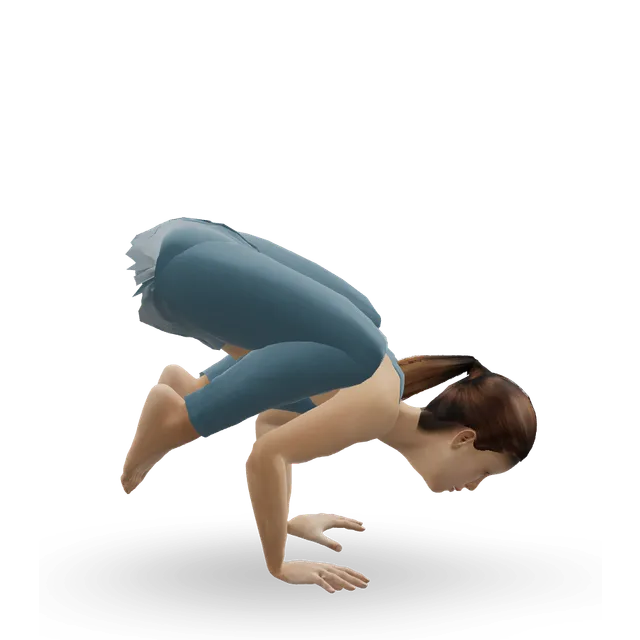
Numbness or weakness after crow
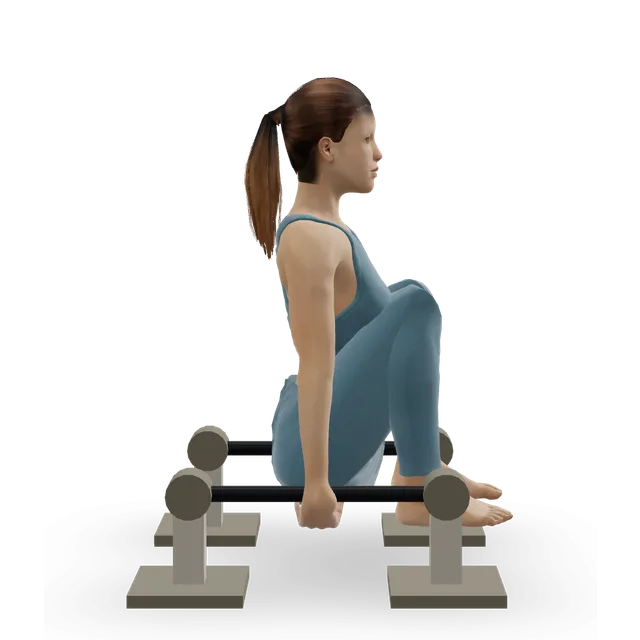
Come out of the pose for tingling down your arm, move your knees higher towards your armpits, and see a GP if weakness in your hand or wrist doesn't pass (our suggestion, after the one case report of a nerve palsy from crow).
Source 22
Same day: a pop at the elbow, armpit or chest
A pop or snap with sudden pain during a hold, especially with bruising or a bulge in the upper arm, can be a torn biceps tendon. A pop or tearing at the front of the armpit or chest, then bruising, a change in its shape or weakness pushing, can be a torn pec tendon. Get seen the same day, at an urgent treatment centre, A&E or through NHS 111 (in the US, urgent care), and don't wait for it to settle, as our biceps and pec strain guides say.
Urgent GP appointment or NHS 111: your shoulder
For sudden or very bad shoulder pain, an arm you can't move, a shoulder that has changed shape or is badly swollen, pins and needles that don't go away, no feeling in your arm, an arm that is hot or cold to touch, or pain that started after a fall or injury. See a GP if shoulder pain gets worse or hasn't improved after 2 weeks.
Source 33