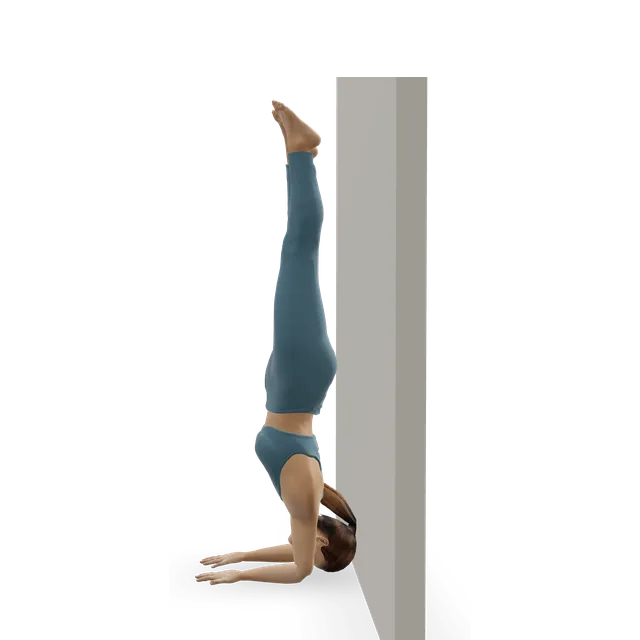
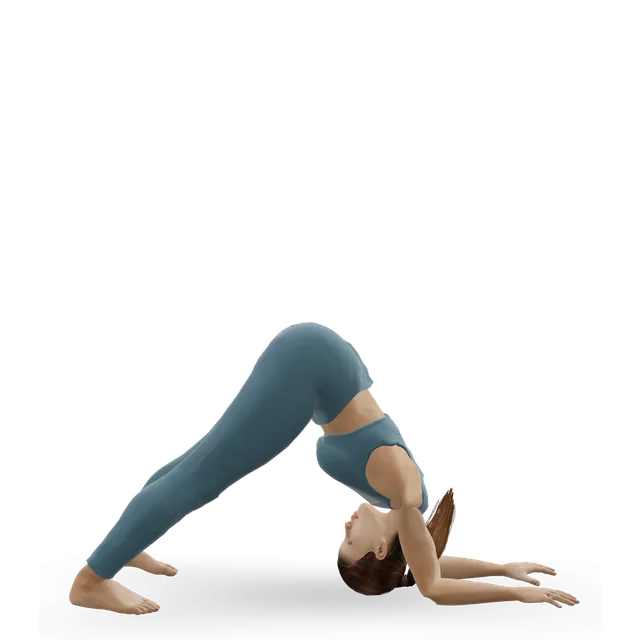
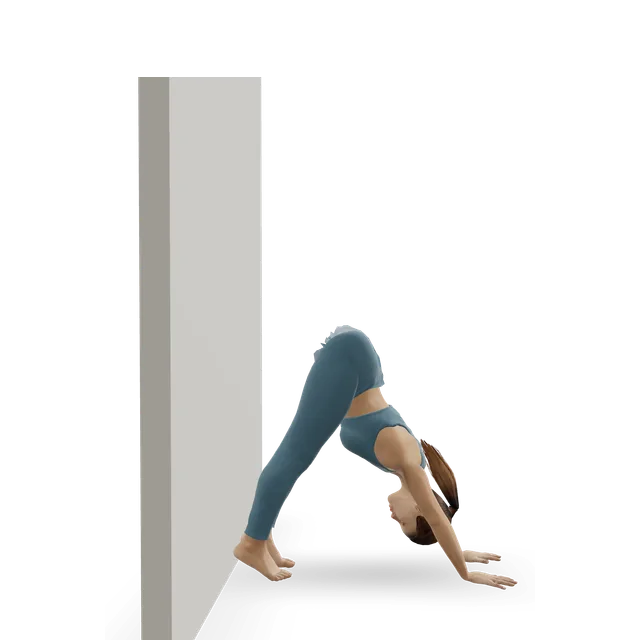
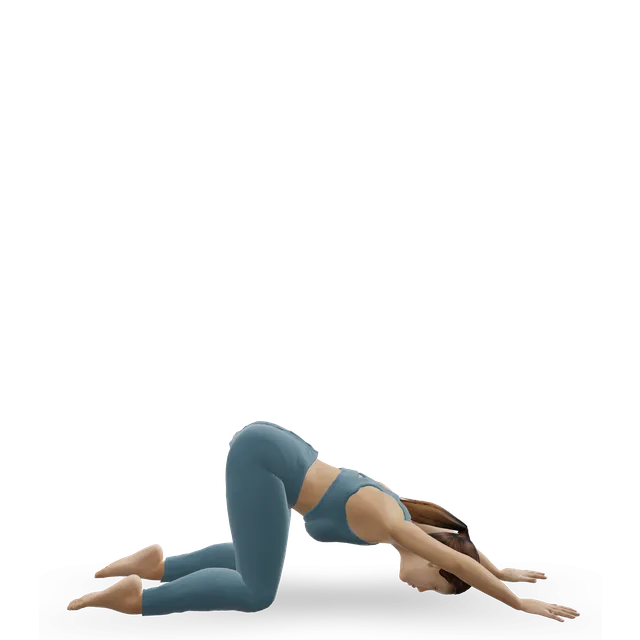
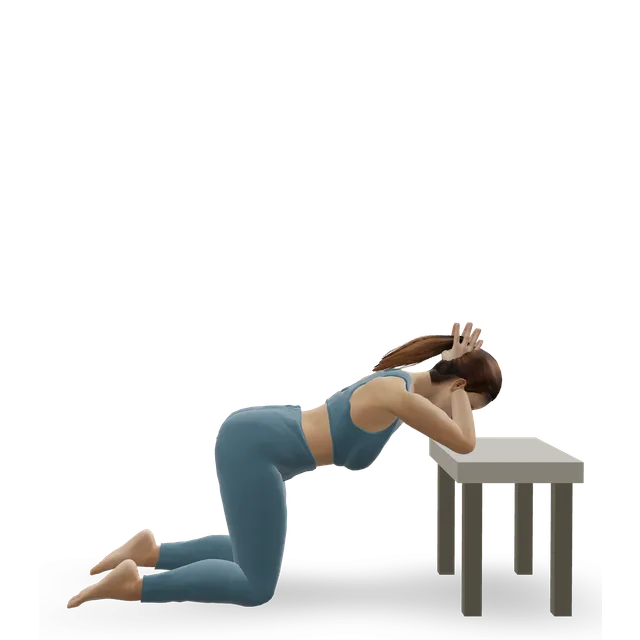
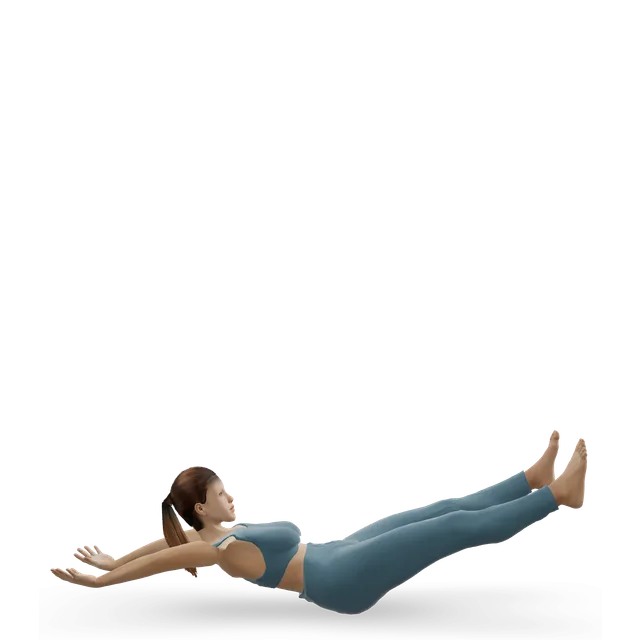
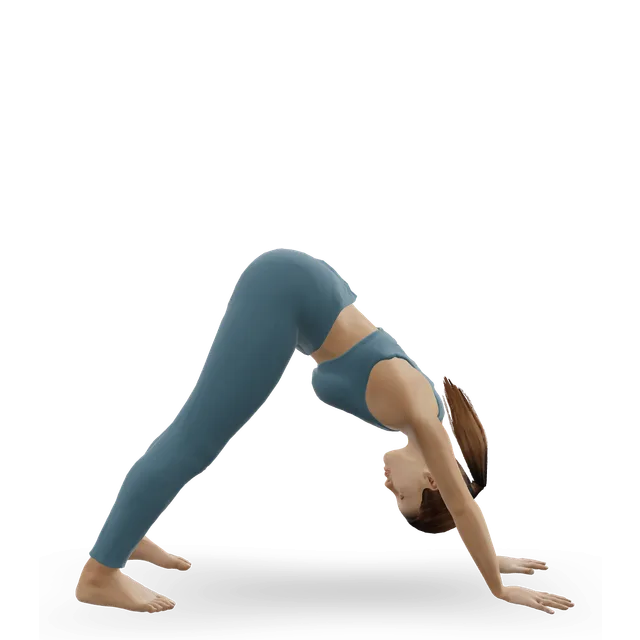
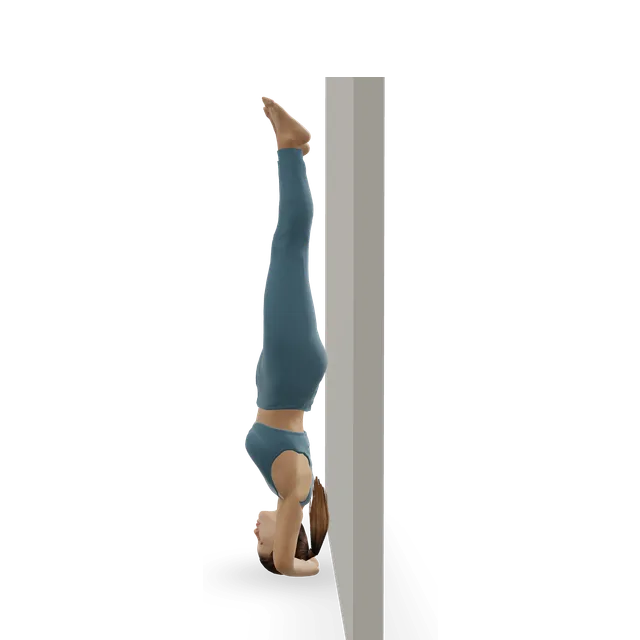
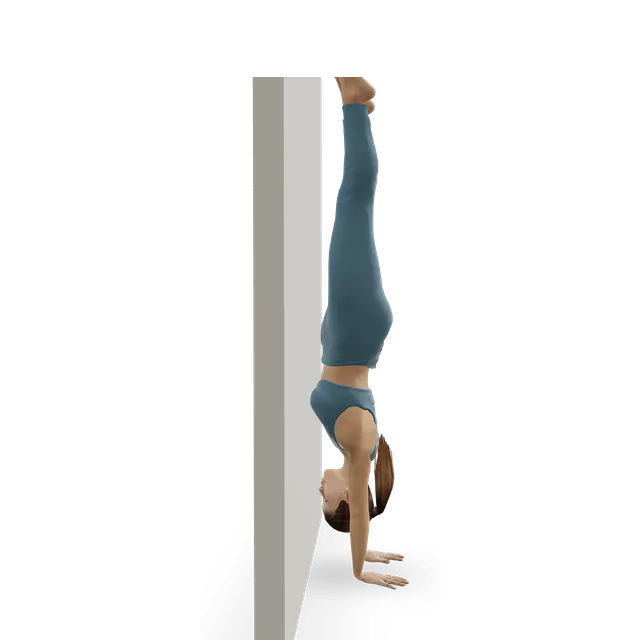
Come down at once
If you feel pressure in your head or neck.
Stop and get help: chest pain, faintness, breathlessness or a racing heart
Stop exercising straight away if you feel any pain or become unwell. Call 999 (911 in the US) for chest pain that doesn't go away or spreads to your arm, neck, jaw, stomach or back, chest pain with sweating, feeling sick, light-headed or short of breath, fainting while exercising, or a pounding, fluttering or irregular heartbeat with chest pain, breathlessness or feeling faint.
Sources 27, 28, 29, 30
Call 999: a sudden, severe headache
A headache that starts suddenly and is extremely painful, especially while straining, can be a bleed on the brain. A headache brought on or made worse by exercise, coughing or bending down needs an urgent GP appointment or NHS 111 (in the US, your doctor or urgent care).
Sources 31, 32
Call 999 (911 in the US): stroke signs
A face that has dropped on one side, an arm you can't lift, or slurred or garbled speech; also sudden blurred vision or loss of sight, sudden dizziness or falling over, a sudden severe headache, or sudden weakness or numbness down one side.
Source 33
Call 999 (911 in the US) or go to A&E: sudden eye symptoms
Possible signs of sudden (acute) glaucoma: intense eye pain, a red eye, rainbow-coloured rings around lights, blurred vision, a headache, or feeling sick.
Source 34
Same-day eye care
Sudden loss or blurring of vision, or new floaters, flashes of light or a shadow across your vision, after going upside down needs checking the same day through NHS 111 (our suggestion, from the case report of a bleed at the back of the eye after a short handstand and the NHS detached retina page).
Sources 22, 16
Contact your GP urgently, or NHS 111 if it's closed: your neck
Clumsy hands, or numbness, pins and needles or weakness that is getting worse in one or both arms; problems with balance or walking since your neck pain started; or neck pain with a severe headache. See your GP for blurred vision, ringing in your ears or dizziness with neck pain.
Source 35
Neck pain, or tingling or weakness in your arms, during or after an inversion
Same day (urgent GP appointment or NHS 111): severe neck pain that starts suddenly or gets worse quickly; heaviness or weakness in the arms or legs; pins and needles in an arm along with neck or arm pain; or pain between the shoulder blades.
Source 35
Call 999 or go to A&E: signs of pressure on the spinal cord
Call 999 or go to A&E: new problems walking, loss of bladder or bowel control, or a sudden loss of coordination, such as difficulty doing up buttons. These can be signs of pressure on the spinal cord.
After a fall onto your head or neck
Call 999 or go to A&E after a neck injury if the person is unresponsive, has severe neck pain or cannot move their head, has fallen from a height such as 5 or more stairs, or is drunk or has taken recreational drugs. Do not drive yourself. Being 65 or over, a dangerous fall or crash (from more than 1 metre or 5 stairs, diving, a high-speed or rollover crash, being thrown from a vehicle, a bicycle collision or an accident on a motorised recreational vehicle), or tingling in the arms or legs after an injury puts you at high risk of a broken neck: get checked.
Call 999 or go to A&E: a headache that came on suddenly and is extremely painful; numbness or weakness in the face or body; a drooping face, or being unable to lift both arms and keep them up; difficulty speaking, swallowing, balancing, walking or remembering; double vision or loss of vision; drowsiness or confusion. A torn neck artery often starts with headache and neck pain, sometimes with dizziness or tingling, so head or neck pain unlike any you have had before needs checking.
See a GP: your neck
Neck pain or stiffness that has not eased after a few weeks, or after 8 weeks of looking after it yourself; painkillers are not helping; or you are worried. In many areas you can refer yourself to NHS physiotherapy.
Source 35
Urgent GP appointment or NHS 111: your shoulder
For sudden or very bad shoulder pain, an arm you can't move, a shoulder that has changed shape or is badly swollen, pins and needles that don't go away, no feeling in your arm, an arm that is hot or cold to touch, or pain that started after a fall or injury. See a GP if shoulder pain gets worse or hasn't improved after 2 weeks.
Source 36
During any session
Stop straight away if you feel any pain or become unwell, the NHS says, and contact 111 if your symptoms worry you or don't go away.
A dull ache in your muscles for a day or two after something new is normal. Joint pain that's sharp, gets worse during a set or lingers into the next day means switching to the easier option, and seeing a GP or physiotherapist if it carries on (our plans' rule). Our muscle soreness guide has more.
Source 27