Skill progressions
Forearm stand progression
For people with no reason to skip going upside down (see our forearm stand guide): skip it with glaucoma unless your eye specialist agrees, while high blood pressure isn't controlled, with neck problems or a recent shoulder injury, and don't start learning it in pregnancy. Check your overhead reach at a wall first. The order follows yoga teaching practice and the doses are our starting point; no trial has tested them.
Prepare the shoulders
- Shoulder CARs (controlled articular rotations)3 slow circles each way with each armBeginner · Shoulders, Back · 3D demo20 to 30 seconds a circle, ribs downEasier: Arm circlesHarder: Sleeper stretch
- Wall angel8 slow slidesBeginner · Back, Shoulders · 3D demoA small range is fineEasier: Table slide (seated forward reach)Harder: Prone Y-T-W raises
- Extended puppy pose (Uttana Shishosana)2 holds of 45 sBeginner · Shoulders, Back, Chest · 3D demoHands on blocks if your shoulders pinchEasier: Child's Pose (Balasana)Harder: Downward-facing dog (Adho Mukha Svanasana)


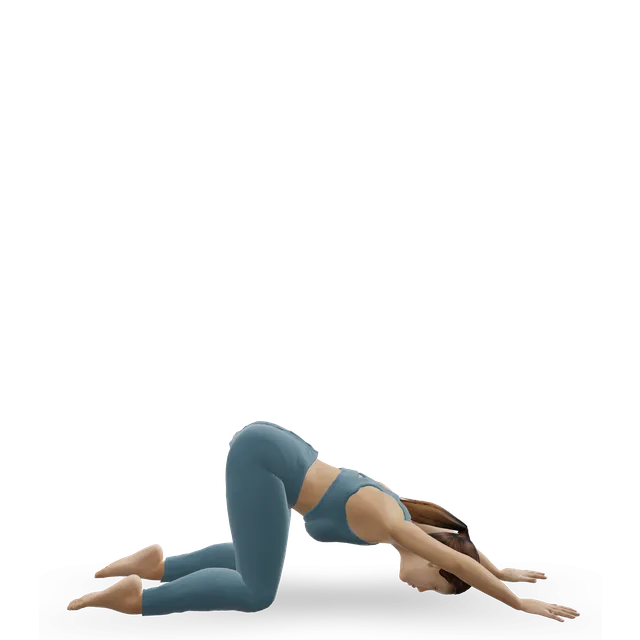
The base
Rest 60 to 90 s
- Forearm plank2 × 30 sIntermediate · Abs, Shoulders, Glutes · 3D demoEasier: Stomach vacuum (drawing-in)Harder: Plank walk-up
- Dolphin pose (Ardha Pincha Mayurasana)3 to 4 × 30 to 45 sIntermediate · Shoulders, Back, Hamstrings · 3D demoA block between your hands. Move on at a steady 45 secondsEasier: Downward-facing dog (Adho Mukha Svanasana)Harder: Forearm stand (Pincha Mayurasana)
- Dolphin pose (Ardha Pincha Mayurasana)3 to 5 × 5 breathsIntermediate · Shoulders, Back, Hamstrings · 3D demoWalk your feet in until your hips are over your shoulders; then lift one straight leg, each sideEasier: Downward-facing dog (Adho Mukha Svanasana)Harder: Forearm stand (Pincha Mayurasana)

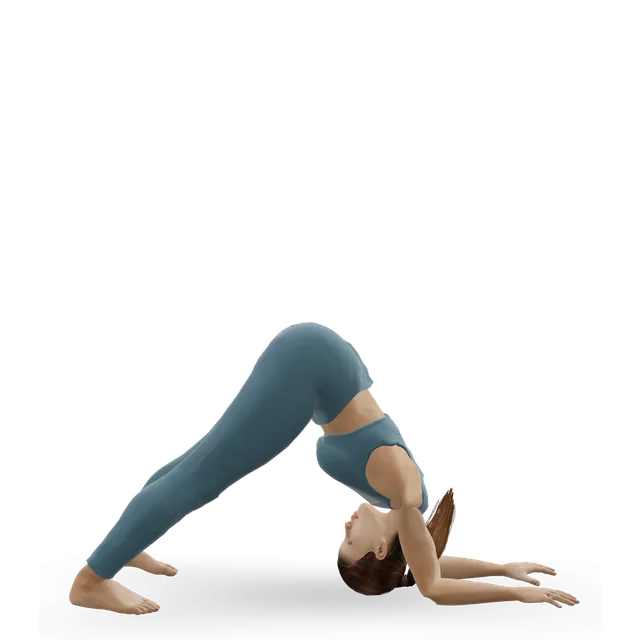
At the wall (pick your step)
Rest About 1 min
- Forearm stand (Pincha Mayurasana)3 to 5 attempts, holds of 10 to 30 sAdvanced · Shoulders, Triceps, Abs · 3D demoFacing the wall: lift lightly, heels to the wall, and come down one leg at a timeEasier: Dolphin pose (Ardha Pincha Mayurasana)Harder: Freestanding handstand
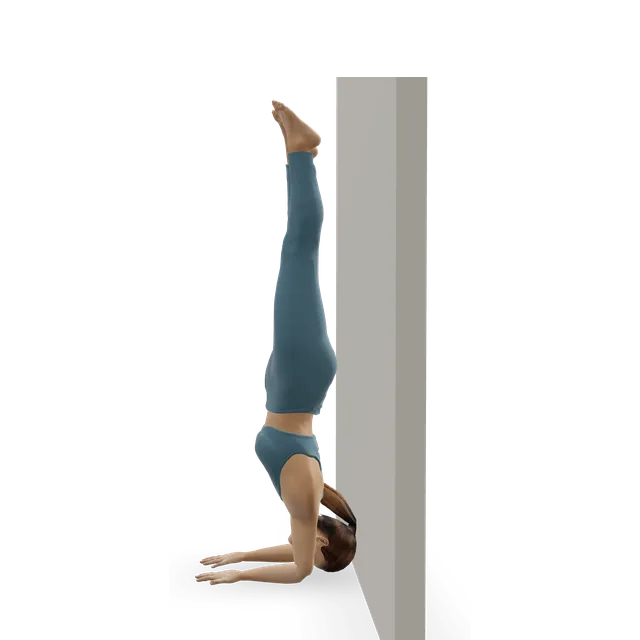
Hold the line
- Hollow body hold2 × 15 sIntermediate · Abs, Hip flexors · 3D demoBack flat on the floorEasier: Dead bugHarder: Dragon flag
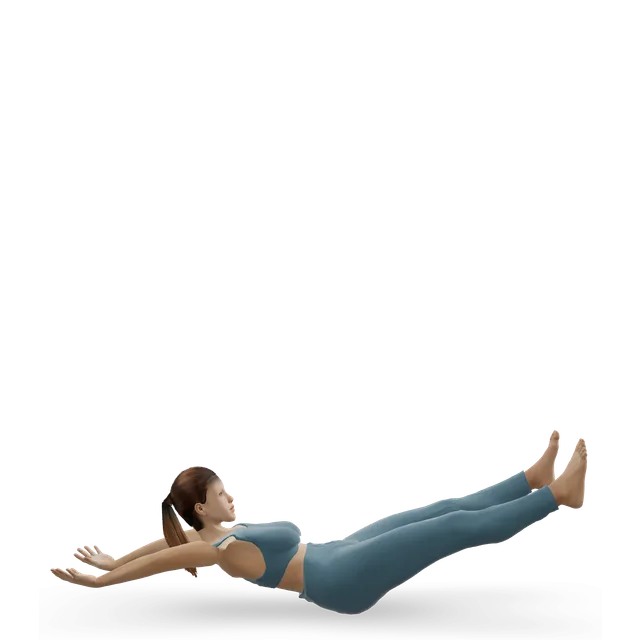
Rest
- Child's Pose (Balasana)30 to 60 sBeginner · Back, Shoulders, Glutes · 3D demoHarder: Extended puppy pose (Uttana Shishosana)

Tips
- Stay at the wall until both heels lift off it with control. A forearm stand that tips too far falls into a backbend.
- Don't kick hard: walk your hips over your shoulders and lift lightly.
- Come down at once if you feel pressure in your head or neck.
- Keep holds short: eye pressure stays raised while you're upside down, and no study shows longer holds help.
The doses are suggested starting points, not a prescription. Choose a range you can control and stop for sharp or increasing pain, numbness or tingling. Get individual advice after an injury or surgery, or if you are pregnant or managing a health condition.
Guides that recommend it
Find more moves like these
More skill progressions




Push-up progression workout
Work up to full push-ups: wall, incline and knee push-ups, then the floor push-up and harder variations.
15 minBeginner8 movesA wall, A bench or box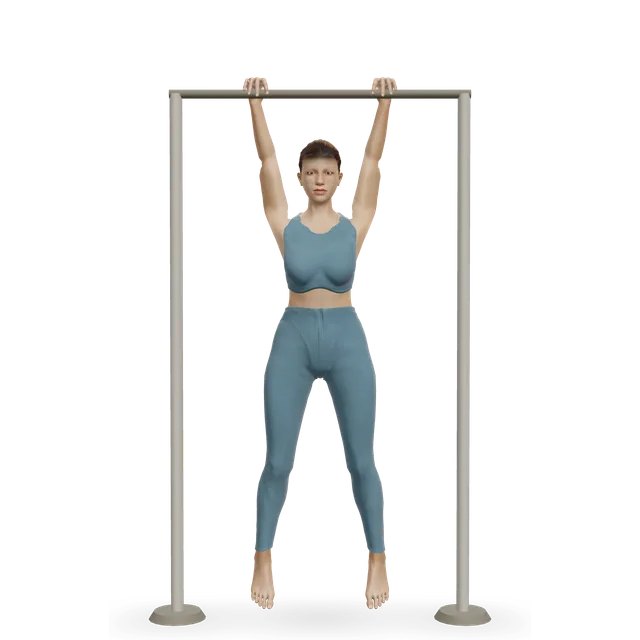

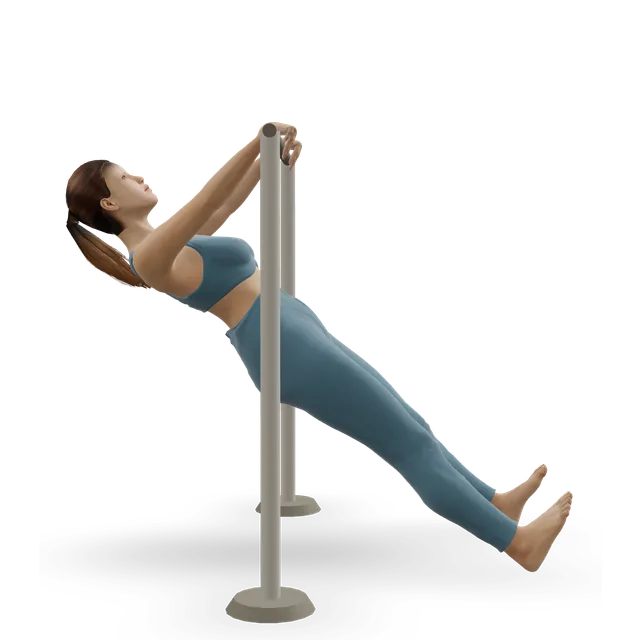
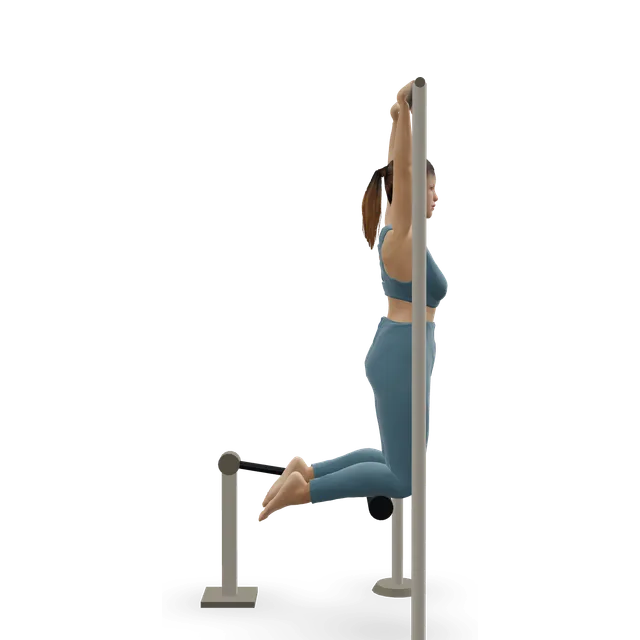
Pull-up progression workout
Work up to your first pull-up: dead hangs, scapular pulls, rows, negatives and assisted pull-ups.
25 minBeginner7 movesPull-up bar, A step

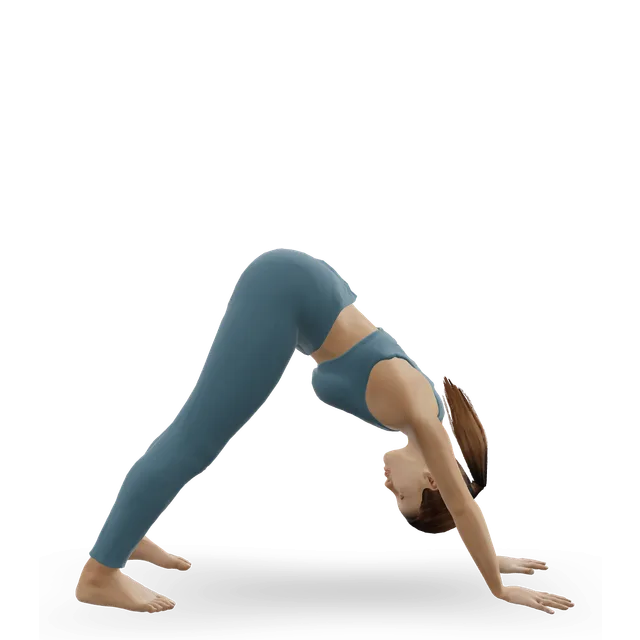
Handstand progression
Build toward a handstand: wrist prep, dolphin pose, pike push-ups, crow, the wall handstand and freestanding holds.
25 minAdvanced9 movesA wallQuestions people ask
How long does the forearm stand progression take?
About 25 minutes, including any warm-up and cool-down listed. Shorten it by doing fewer rounds; lengthen it by adding one.
What equipment do I need?
You need: A wall. Each move links to its guide, where you can find an alternative if you are missing something.
Is it suitable for me?
It is written at advanced level. 7 of its 8 moves have an easier option listed beside them; use them freely.
How do I make it easier or harder?
Use the easier or harder option listed under each move, change the number of rounds, or adjust the rest. Progress one change at a time.