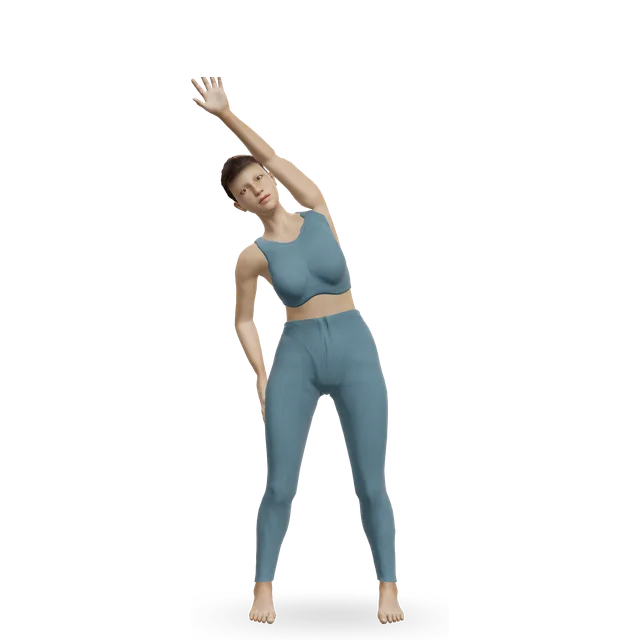
Training guide

How to improve wrist mobility: bending the wrist back and forward, for push-ups, front squats and handstands, how often, and when wrist pain needs a different plan

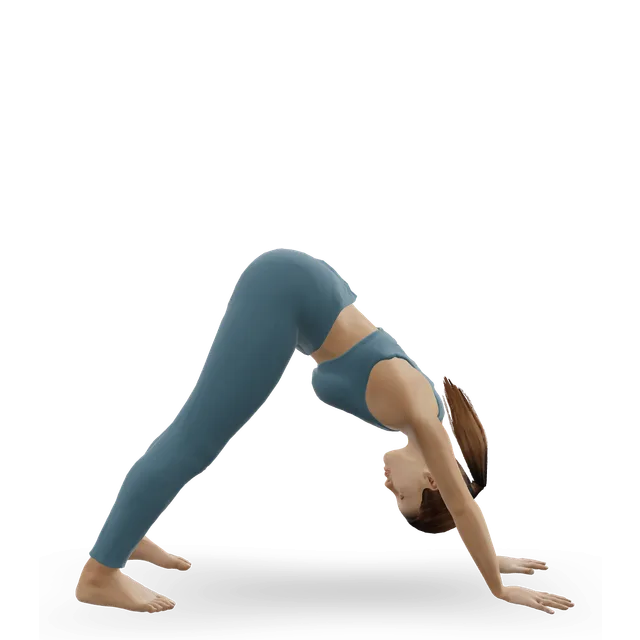
Wrist mobility in training mostly means bending your wrist back to about a right angle with your weight on it, as push-ups, planks, handstands and the front rack ask. Daily life needs far less, which is why a wrist that is fine all day can complain on your hands. Moving the wrist, stretching it and loading it in steps builds the range over weeks, though trials of wrist stretching itself are few.

This guide covers how the wrist moves and what's typical, a simple check, what the evidence shows, how often and how long, the moves with doses and a step-by-step session, push-ups, front squats, handstands and desk work, and when pain on the back of the wrist, tingling fingers or an old fracture means our wrist pain guides come first.

The short version

It means bending the wrist back with your weight on it

In training, wrist mobility mostly means bending the wrist back (extension) to about a right angle under your body weight: push-ups, planks, all fours, downward dog, handstands and the clean-grip front rack. Daily life needs far less: most tasks fit within about 40 degrees each way. A sun salutation took the wrist to 85 degrees, and athletes who caught a clean well had more wrist extension than those who didn't.

Sources 1, 2, 3, 4

Stretching and strength through the range both work, but wrist trials are thin

Stretching for 2 weeks or more raised range by a moderate to large amount across 77 studies, and strength training through a full range did about as well. Those trials studied the legs, hips and shoulders: we found no training trial of wrist stretching in healthy wrists. A single long wrist stretch adds range for minutes.

Sources 5, 6, 7, 8

Hold 30 to 60 seconds on most days, and load the range twice a week

Hold wrist stretches for 30 to 60 seconds, to a gentle pull, on most days, as our flexibility guide suggests, and load the wrist through its range 2 or 3 times a week with wrist rocks on all fours, wall push-ups and wrist curls lowered into the full bend.

Sources 9, 10

Build weight through your hands in steps

A bent-back wrist under load raised pressure in the joint in cadaver wrists and shifted force towards the back of the wrist in volunteers. Wrist pain is common where hands take weight, in about half of young gymnasts and handstand practitioners, and warm-up habits weren't linked with less of it. Go from a wall to all fours to the floor, on fists or handles at first.

Sources 11, 12, 13, 14

Pain or tingling changes the plan

Pain on the back of the wrist every time you load it often has a cause that shows on a scan, most often a small hidden ganglion, and bending the wrist back squeezes the carpal tunnel. Pain in the same spot every time, or tingling fingers, is a reason to read our wrist pain guides rather than stretch harder: see the warning signs.

Sources 15, 16

Very bendy wrists need strength, not stretch

If your wrists already bend back a long way, put your time into strength and control. And mobility work isn't a shield against injury: stretching programmes didn't cut sports injuries across 25 trials, while strength training did.

Sources 17, 18

What wrist mobility is, and what limits it

The joint and its movements

The wrist joins the two forearm bones to eight small wrist bones. It bends forward (flexion) and back (extension) and tilts towards the thumb and the little finger, and the forearm turns the palm up and down. No muscle sits in the wrist itself: the forearm muscles move it, as our wrist and hand joint page and our strengthen your wrists guide explain.

What it means in training

Bending the wrist back to about a right angle with your body weight on it: push-ups, planks, all fours, downward dog, crawling, handstands and the clean-grip front rack. Bending it forward matters less in training, apart from some yoga and grip positions.

What's typical

In one study of 30 adults aged 23 to 30, average range was about 62 to 80 degrees of bending forward and 60 to 76 of bending back, depending on sex, side and how the forearm was turned. In 1,000 young men the dominant side had slightly less range, and Chinese adults bent the wrist forward further and back less than Caucasian adults in another study. Mobility falls with age joint by joint, though we found no large study of the wrist by age. Compare your two sides, and yourself over time, rather than chasing a number.

Sources 19, 20, 21, 22

What daily life and training need

Most daily tasks fit within about 40 degrees of bending each way, and every task in one study of 40 adults fitted within 60 degrees of bending back and 54 forward; other studies found about 30 to 40 degrees of bending back covered most tasks. Weight-bearing poses go further: 85 degrees in a sun salutation in 10 practitioners. That's why a wrist that is fine all day can complain on your hands.

Sources 1, 23, 24, 2, 3

What limits it

The forearm muscles and their tendons (the finger muscles cross the wrist, so a fist or straight fingers changes the stretch); how much stretch your nervous system accepts, which is what changes most in programmes of a few weeks, while the muscles themselves lengthen only slightly; the joint capsule after an injury or a cast; and bone, since at the end of bending back the bones and soft tissue on the back of the wrist meet (our reading of our wrist pain when bending back guide). A pinch on the back of the wrist at the end of the bend is the joint, not a tight muscle.

Sources 25, 26, 27

How people differ

Some wrists bend back much further than average (hypermobility) and need strength and control rather than stretch. If you're heavier, push-ups and planks put more load through your hands, so start on an earlier, easier step of the weight-through-the-hands ladder (our strengthen your wrists guide's suggestion). Growing gymnasts have a growth plate at the wrist that hand loading can injure: see the warning signs.

A simple wrist check

Our suggestion. These guide your practice; they don't diagnose anything, and none has published norms.

1. Hands flat on a table

Stand at a table, put your palms flat with your fingers pointing away from you, and lean forward until your forearms are upright: the wrists are now bent back to about a right angle, the position push-ups and planks ask for. Note where it pulls or pinches, and compare sides.

2. On all fours

If the table is comfortable, try it on all fours with your shoulders over your wrists, and rock slowly forward. A stretch along the forearm is fine; a pinch on the back of the wrist means work below it.

3. Bending forward

Let one hand hang palm down and bend the wrist forward as far as it goes, then compare sides. A clear difference after an old injury is worth showing a physiotherapist.

What the evidence says

Most studies are small lab studies, surveys or single sessions; we found no training trial of wrist stretching in healthy wrists.

What's typical varies, and the studies are smallEmerging evidence

In one study of 30 adults aged 23 to 30, average range was about 62 to 80 degrees of bending forward, 60 to 76 back, 15 to 26 towards the thumb and 28 to 45 towards the little finger, depending on sex, side and forearm position. In 1,000 young men the dominant side had slightly less range, Chinese and Caucasian adults differed, and range differed between age groups in 109 males aged 18 months to 54 years. The samples are small or selected, and we found no large study of wrist range by age.

Sources 19, 20, 21, 28

Measuring itStrong evidence

A goniometer (a hinged ruler for joint angles) lined up on the back or palm of the wrist gave consistent results when the same therapist measured, and a phone app did too, with a change of about 2 to 6 degrees needed to be sure it was real.

Sources 29, 30

Daily tasks need far less than full rangeStrong evidence

In 40 adults, most tasks fitted within about 40 degrees of bending each way, and every task within 60 degrees of bending back and 54 forward. Other studies found 30 to 40 degrees of bending back enough for most tasks (10, 19 and 15 adults), and in 24 daily activities the finger and thumb joints stayed 5 to 28 degrees short of their full range.

Sources 1, 23, 24, 2, 31

Weight-bearing and lifting ask for moreEmerging evidence

A sun salutation took the wrist to 85 degrees of bending back in 10 practitioners. In 20 CrossFit athletes, those who caught a clean correctly had more passive wrist extension, measured at rest, than those who didn't: about 93 against 83 degrees in the paper's main table, though the paper's own summary figures disagree with it. Yoga poses on both hands put half to just over one times body weight through the arms in 20 practitioners, and handstand balance relies mainly on the wrists, though the handstand studies reported no wrist angles.

Sources 3, 4, 32, 33

A straighter wrist loads the joint lessEmerging evidence

A push-up on a bent-back wrist raised pressure where the forearm meets the wrist bones in 8 cadaver wrists, and shifted force towards the back and little-finger side of the wrist in 14 volunteers, whom the authors judged likely to be safer on a straight wrist. That's why fists, handles or push-up bars are a sensible way in.

Sources 11, 12

Wrist pain is common where hands take weightEmerging evidence

About half of young artistic gymnasts had wrist pain (53% across 25 studies, low to very low certainty), more with more training. In 321 adult handstand practitioners, 56.7% reported long-lasting wrist pain, and it wasn't linked to weekly hours, the type of warm-up, braces or grip devices. Wrists were 15% of injuries in 181 calisthenics athletes. None of these studies measured range.

Sources 13, 14, 34

Pain on the back of the wrist every time you load itEmerging evidence

In 25 people with pain on the back of the wrist when loading it bent back, 84% had a finding on MRI, most often a small hidden ganglion (76%, against 12% in a comparison group). Gymnasts with that pain showed different movement of the small wrist bones at 90 degrees of bending back. Pain in the same spot every time isn't a stiffness problem.

Sources 15, 35

Stretching and strength through a full range add rangeStrong evidence

Across 77 studies, stretching for 2 weeks or more raised range by about one standard deviation, a moderate to large effect. Strength training through a full range did as well in 11 head-to-head trials, and loaded resistance training raised range across 55 studies; slow lowering (eccentric) training gave large gains in leg range across 17 studies. These trials studied the legs, hips and shoulders, not the wrist.

Sources 5, 6, 7, 36

One wrist stretch adds range for minutesEmerging evidence

Forearm stretches held for 180 seconds or more raised wrist range more than 30 or 60 seconds did in 17 men, mostly by raising how much stretch they tolerated, and one 30-second stretch raised wrist range without weakening grip in 20 active women aged about 68. Long single holds help on the day; they aren't a better long-term plan.

Sources 8, 37

A strap mobilisation for pain on weight-bearingEmerging evidence

A self-mobilisation with a strap raised wrist extension in 15 people with pain on the back of the wrist when weight bearing, over 5 sessions in a week. There was no comparison group.

Source 38

Range after a broken wristStrong evidence

In 1,319 women aged 50 and over, range on the injured side at 12 months was 95% of the other side for bending back but 81% for bending forward. In 138 people, bending back rose from about 35 to 56 degrees over 8 weeks and tracked how well they could use the hand more closely than other movements.

Sources 39, 40

Rehabilitation after a broken wristMixed evidence

Across 26 trials of low or very low quality, passive mobilisation and dynamic splints showed no clear benefit, and home exercise after instruction did about as well as supervised therapy.

Source 41

Bending the wrist back squeezes the carpal tunnelStrong evidence

Pressure in the carpal tunnel rose from 32 to 110 mmHg (millimetres of mercury) with the wrist bent back 90 degrees in 15 people with carpal tunnel syndrome, and from 2.5 to about 30 in 12 without. Holding the reverse prayer position raised it more than bending forward, and typing with the wrist bent back more than 30 degrees raised it in 20 adults.

Sources 16, 42, 43

Exercise for carpal tunnel syndromeMixed evidence

Exercise and nerve glides have very low-certainty, short-term evidence, and a US orthopaedic guideline found that exercise doesn't improve long-term outcomes. Our carpal tunnel syndrome guide has the plan.

Sources 44, 45, 46, 47

Very flexible wristsEmerging evidence

The Beighton score, which includes bending the thumb back to the forearm, is reliable across 24 studies, with 5 of 9 the suggested cut-off for adults. In 169 adults with hypermobility and hand symptoms, 12 weeks of daily wrist-stabilising exercise was no better than a hand splint. The NHS's main treatment is strength, and it advises: "do not overextend your joints just because you can".

Sources 48, 49, 50, 51, 17

Stretching doesn't prevent injuriesStrong evidence

Stretching programmes didn't cut sports injuries across 25 trials of 26,610 people, while strength training did, and stretching before exercise didn't change injuries in 1,538 army recruits. The extra range from one session fades within about 30 minutes, and any warm-up does the same.

Sources 18, 52, 53, 54

Range fades when you stopEmerging evidence

Across 13 studies, 2 to 6 weeks off left range above where people started but below its peak, and only active people kept it (low certainty). Stretching 2 or 3 days a week kept a 4-week gain in 32 adults.

Sources 55, 56

How to improve wrist mobility: how often, how long and what to do

Move the wrist first

Slow wrist circles and the wrist and forearm flow, through every direction, daily: slow movement with no load is the first stage of the NHS wrist programme our wrist guides follow. A minute is enough before training (our wrist and forearm routine).

Stretch the direction you lack, 30 to 60 seconds a hold

Hold each stretch 30 to 60 seconds, 2 or 3 times, on most days, to a gentle pull rather than pain: our flexibility guide's dose. The wrist flexor stretch (palm on a wall, fingers down) builds bending back; the extensor stretch builds bending forward. An expert panel suggests 2 to 3 holds of 30 to 120 seconds daily for the biggest ranges, the American College of Sports Medicine's minimum is about 60 seconds per stretch on at least 2 days a week, and over 65, 60-second holds gained range faster in a hamstring trial. One meta-regression, an analysis of how results change with the dose, found gains peaked at about 10 minutes per muscle a week, but other reviews dispute it, so treat it as a rough target.

Sources 9, 10, 57, 58, 5

Load the range 2 or 3 times a week

Wrist rocks on all fours, wall and incline push-ups, and wrist curls lowered slowly into the full bend, 2 or 3 sets, stopping 2 or 3 reps short of failure, as our plans advise. Strength through a full range built range as well as stretching did in trials at other joints.

Sources 6, 7

Build weight through your hands in steps

Lean through a table or wall, then all fours, then a bench, then the floor, on fists or handles at first, and move up a step when the last one leaves your wrists no worse the next day. Our strengthen your wrists guide has the full ladder, built from an NHS wrist rehabilitation booklet's stages.

Sources 11, 12

Before push-ups, front squats or handstands

A minute of wrist circles and the flow, then 10 rocks onto your hands, as our handstand guide's wrist preparation does. It readies the wrist for the session; the extra range fades within about half an hour.

Source 53

How long it takes, and keeping it

No trial has timed it in healthy wrists. Stretching trials at other joints gained range over several weeks, so expect change over weeks rather than days; people vary, so nobody can promise a number. Once you're happy with your range, 2 or 3 sessions a week kept range in a trial.

Sources 5, 55, 56

Common slip-ups

Forcing your palms flat in a deep wrist stretch; locking your elbows and sinking into your wrists in planks and handstands; stretching through tingling fingers; going straight back to floor push-ups or handstands after a lay-off; stretching and never loading the range (our editorial list). Each move's page teaches its technique.

A wrist mobility session, step by step

Our editorial session, built from our wrist and forearm routine, the strengthen your wrists guide's ladder and the stages of an NHS wrist programme as our wrist guides give them. Do the moving and stretching most days and the loaded steps 2 or 3 times a week.

  1. Check: with your hands flat on a table, or on all fours, lean forward until your forearms are upright, the wrists bent back to about a right angle. Note where it pulls or pinches, and compare sides.
  2. Warm the wrists: the wrist and forearm flow for 60 seconds, then 10 slow wrist circles each way.
  3. Stretch the front of the forearm: palm flat on a wall, fingers pointing down, elbow straight, 30 seconds each side. Then the back of the forearm, 30 seconds each side.
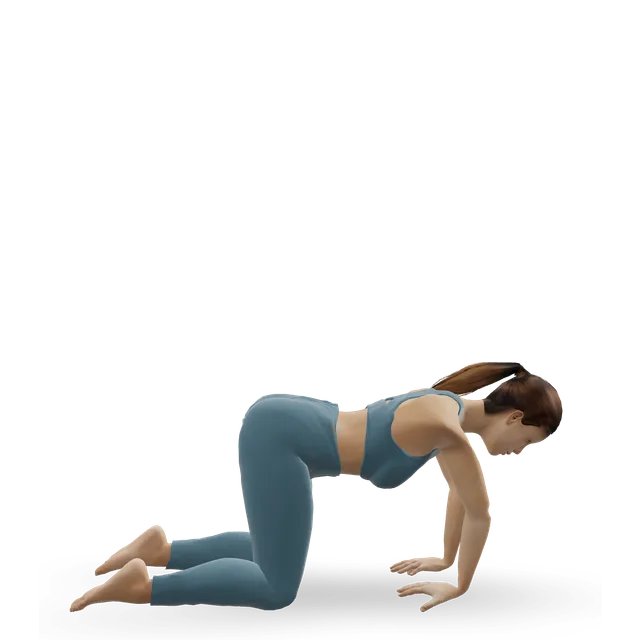
  4. Rock: on all fours, rock slowly forward over your hands and back, 10 rocks with the fingers forward and 10 with them turned out a little, only as far as is comfortable.
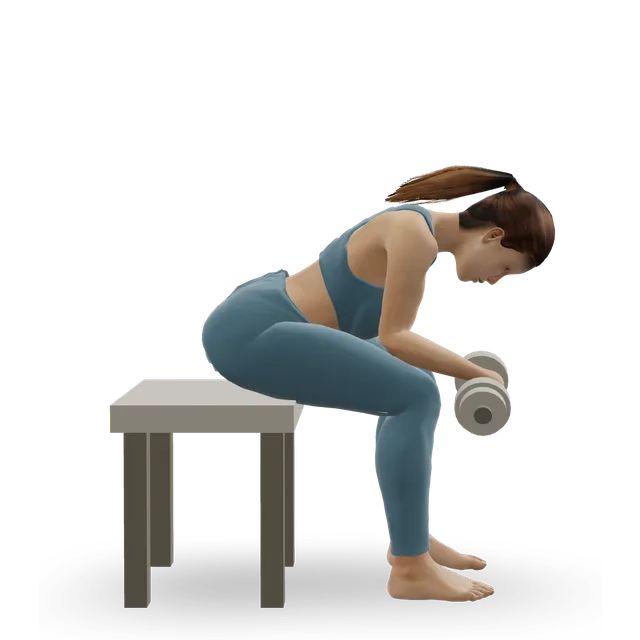
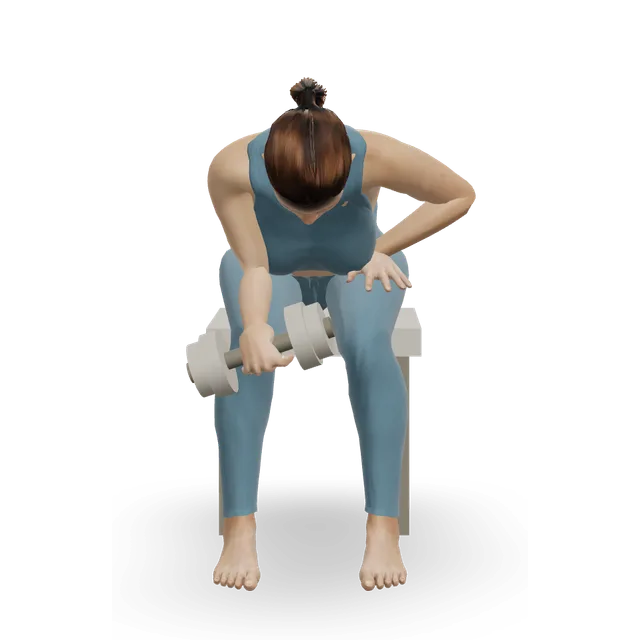
  5. Strengthen through the range: wrist curls and reverse wrist curls with a light dumbbell, 2 sets of 12 to 15, lowering slowly into the full bend.
  6. Use it: your step on the weight-through-the-hands ladder (wall, all fours, bench, floor), then your push-ups, front rack or handstand practice.
  7. Stop for tingling or numbness in the fingers, or a sharp pinch on the back of the wrist. Fists or handles keep the wrist straight while it builds up.

Loading the 3D figure…

Gets into position, then repeats the movement. Technical checks passed; qualified exercise review is pending.

The movement on the figure: Quadruped wrist rocks

Move the wrist through its range

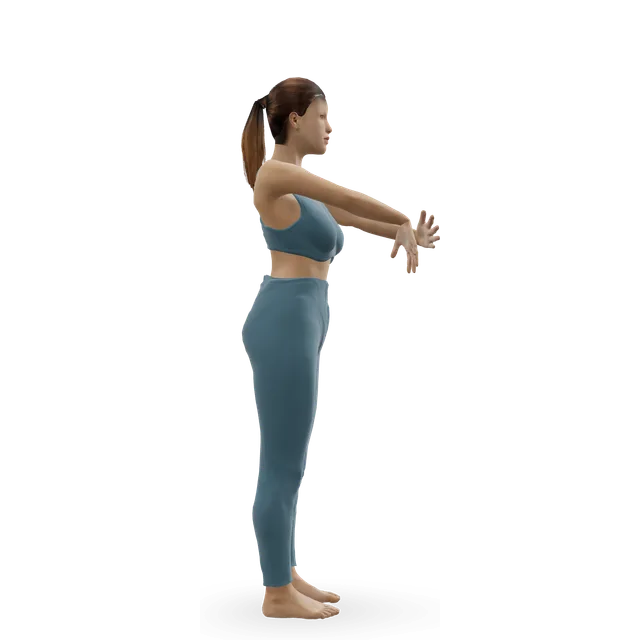
Slow movement with no load comes first: the wrist and forearm flow for 60 seconds (our wrist and forearm routine) and 10 slow wrist circles each way (our yoga for wrists session). Tendon glides keep the finger tendons moving with the wrist straight, for stiff fingers or carpal tunnel symptoms: 4 to 6 of each position, holding each for 5 seconds, up to 4 times a day (an NHS hand-therapy leaflet's dose, which the move page gives).

Stretch the front and back of the forearm

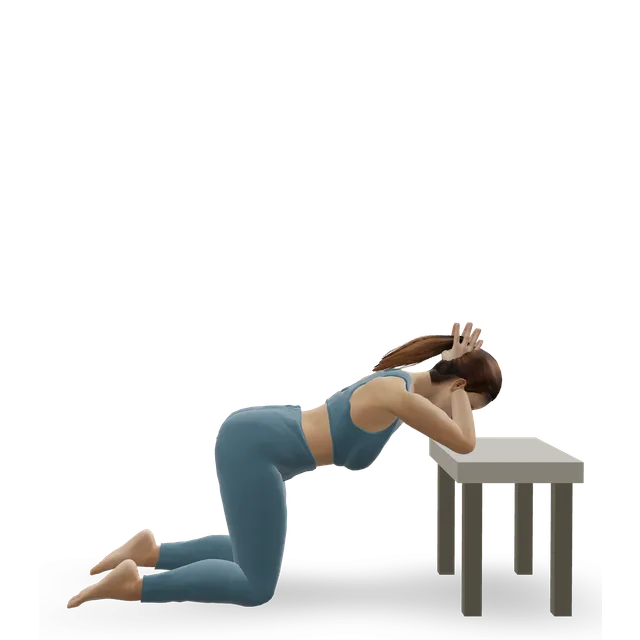
To a gentle pull, on most days, easing off at once for tingling in the fingers: the wrist flexor stretch for 30 seconds each side (our wrist and forearm routine) builds bending back; the extensor stretch, 3 holds of 30 seconds once or twice a day (an NHS Scotland tennis elbow booklet's dose, given on the move page), builds bending forward. The kneeling forearm stretch is the advanced version, with body weight taking the wrist into a deep bend: Hold 15 to 30 seconds, 2 to 4 times: about 60 seconds in all per stretch, on 2 or more days a week, as the ACSM recommends (the move page's dose). Swap it for the wall stretch while your wrists are sore, as our yoga for wrists guide does.

Weight through a bent-back wrist, and strength through the range

Build weight through your hands in steps, 2 or 3 times a week: wrist rocks at 10 each hand position, fingers forward then turned out (our wrist and forearm routine); wall push-ups at 2 to 3 sets of 10, leaning more weight through your hands each week, then incline push-ups at 2 to 3 sets of 8 to 12 (our yoga for wrists guide); wrist curls and reverse wrist curls at 2 or 3 sets of 12 to 15, lowering slowly into the full bend, and forearm rotations at 2 sets of 10 each way (our strengthen your wrists guide).

Wrist mobility for push-ups, front squats, handstands and everyday life

Push-ups and planksEmerging evidence

Build weight through your hands in steps, use fists, handles or push-up bars to keep the wrist straight while you do, and add wrist rocks and the wall wrist flexor stretch before you start. A straighter wrist loaded the joint less in lab studies. Our push-up wrist pain guide covers pain.

Sources 11, 12

Front squats and cleansEmerging evidence

The clean-grip front rack bends the wrist back about 90 degrees. In 20 athletes measured at rest, those who caught a clean well had more passive wrist extension and more outward shoulder turning than those who didn't; no study measures the rack angle itself or tests wrist stretches for rack pain. Stretch the wrists, lats and upper back, and meanwhile use crossed arms, straps or a relaxed fingertip grip, as our front squat guide suggests.

Source 4

Handstands and yogaEmerging evidence

More than half of 321 handstand practitioners reported long-lasting wrist pain, unrelated to how they warmed up, so build time on your hands gradually rather than relying on stretching. A sun salutation took the wrist to 85 degrees, and poses on both hands put up to just over body weight through the arms. Our yoga for wrists and handstand guides build the load in steps.

Sources 14, 3, 32

Desk work and typingEmerging evidence

Pressure in the carpal tunnel is lowest with the wrist near straight, and one lab study suggests keeping the wrist bent back less than 30 degrees at a keyboard. Wrist stretches at a desk are for comfort; the NHS's carpal tunnel advice is to stop or cut down on anything that makes you bend your wrist often or grip hard.

Sources 43, 59

After a broken wristStrong evidence

Range comes back slowly over months, bending back faster than bending forward, and home exercise after instruction did about as well as supervised therapy. The NHS says recovery usually takes around 6 to 12 weeks, and the wrist may be stiff and weak after the cast comes off. Follow your fracture clinic's plan; our broken wrist guide has the stages.

Sources 39, 41, 60

Older adultsEmerging evidence

Mobility falls with age joint by joint, and stretching still works: one 30-second stretch raised wrist range in women aged about 68 without weakening grip. The NHS asks adults over 65 for activities that improve strength, balance and flexibility on at least 2 days a week, and grip and wrist work fit well.

Sources 22, 37, 61

Workouts to follow

Our wrist and forearm routine moves the wrists in every direction, rocks them under your body weight and then strengthens the forearms, in 10 minutes. Do the mobility half most days and the whole routine 2 or 3 times a week, and before push-ups, front squats or handstands.

Wrist and forearm routine

Wrist mobility and forearm strength for desk work, climbing, push-ups and handstands.

10 minBeginner7 movesA wall, A dumbbell

Yoga for wrists: a 20-minute class that warms, strengthens and slowly loads the wrists

A 20-minute yoga class for wrists: a gentle warm-up, poses with the hands free, then weight through the hands in stages, from a wall to all fours to the forearms.

20 minBeginner18 movesA wall, Other / check instructions

Grip strength workout: squeezes, curls, carries and hangs

A 20-minute grip session: warm up the wrists and fingers, train the hand and forearm muscles, then carry and hang to load your grip the way everyday life does.

20 minBeginner10 movesOther / check instructions, A band

Front squat technique workout: the rack, the grip and the depth

A 30-minute practice session for the front squat: loosen your wrists and upper back, groove an upright squat, then find your grip and depth with a light bar.

30 minBeginner12 movesA wall, A bench or box

Handstand progression

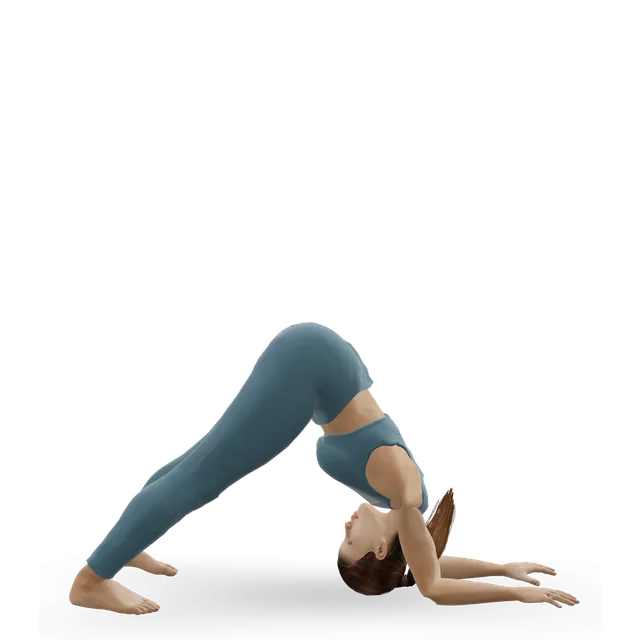
Build toward a handstand: wrist prep, dolphin pose, pike push-ups, crow, the wall handstand and freestanding holds.

25 minAdvanced9 movesA wall

CrossFit warm-up and mobility routine: shoulders, wrists, hips and ankles

A 15-minute warm-up and mobility routine for CrossFit-style training: easy rowing, shoulder, wrist, hip and ankle mobility, shoulder-blade work and squats.

15 minBeginner14 movesCardio machine, A wall

5-minute desk stretches

A quick stretch break you can do beside your desk: neck, back, chest, wrists, hips and quads.

5 minBeginner7 movesA wall

Plans that load your hands

The calisthenics plan, the push-up challenge and the kettlebell plan all put weight through your wrists: work up the weight-through-the-hands ladder before you start them.

Who should change the plan

Pain on the back of the wrist every time you load it

Pain in the same spot on the back of the wrist every time you bend it back under load is a reason to stop loading that position, use fists or handles instead, and read our wrist pain when bending it back guide, not to stretch harder. Get it checked if it hasn't improved after 2 weeks (our suggestion, following that guide and our wrist pain hub).

Tingling fingers or carpal tunnel symptoms

Tingling or numbness in the thumb and first fingers while you hold the wrist bent back (a front rack, prayer hands, a long plank) means the nerve, not a stretch: come out of the position and see our carpal tunnel syndrome guide (our suggestion, following a laboratory study of carpal tunnel pressure that our yoga for wrists guide cites).

Tingling and numbness are different: stop and get advice if an exercise brings them on and they don't fade quickly, or if your grip or thumb gets weaker.

After a broken wrist or a cast

After a broken wrist or a cast, follow your fracture clinic's or hand therapist's plan first, and use this guide once they're happy for you to load the wrist; our broken wrist guide has the stages (our suggestion).

You're over 50 and have broken your wrist: ask about a fracture liaison service to check your bone health.

Very flexible wrists

If you're already very flexible, put your time into strength and control through the range you have. Stretch only areas that feel genuinely tight, and only to a mild pull, and avoid hanging at the end of your range or pushing joints back past straight. The strength and control moves below are a place to start, and our hypermobility guide has a full routine, the evidence and the warning signs. If you do Pilates, our Pilates for hypermobility guide covers which moves to adapt.

Keep your elbows soft rather than locked, and make fists if your wrists bend back too far, as our hypermobility guide says. Physiotherapy trials in hypermobile Ehlers-Danlos syndrome are few and small (6 trials of 20 to 57 people), though they found less pain and better joint sense.

Source 17

Arthritis in the hands or wrists

With arthritis in the hands or wrists, including rheumatoid arthritis, keep the moves gentle and within a comfortable range, keep weight through your hands light during a flare, and follow your rheumatology team's or hand therapist's advice (our suggestion).

A growing gymnast

An ache on the back or thumb side of the wrist, just above the crease, in a growing gymnast (or cheerleader or diver) that builds with training and may still hurt the next day: possibly gymnast's wrist, a stress injury of the growth plate. Stop weight-bearing on the hands and get it checked: it needs weeks to months off hand loading, not a few days.

Diabetes

You have diabetes and a hand problem: the NHS says hand problems can be more serious if you have diabetes.

Pregnancy

Carpal tunnel syndrome can come with pregnancy, and the NHS says it sometimes gets better by itself in a few months, particularly then. If your hands tingle, keep your wrists near straight in weight-bearing moves and use a wall or fists rather than flat hands on the floor (our suggestion, following the NHS carpal tunnel page).

Source 59

Warning signs: when to get help

Stop and get medical help

If you get chest pain or pressure, feel faint or dizzy, are unusually breathless, or your heart races or beats irregularly during exercise, as our plans advise.

Call 999 (911 in the US)

For chest pain that comes on suddenly and doesn't go away, feels tight or like squeezing, spreads to your arms, neck, jaw, stomach or back, or comes with sweating, feeling sick, light-headedness or breathlessness; severe difficulty breathing; someone who faints while exercising; palpitations that don't go away, or come with chest pain, shortness of breath or feeling faint; or a headache that starts suddenly and is extremely painful, especially while lifting or straining, or comes with numbness or weakness, difficulty speaking or loss of vision. The NHS says a bleed on the brain may be more likely when lifting something heavy. Don't drive yourself to A&E.

Sources 62, 63, 64

After a fall or injury

Call 999 or go to A&E after an injury (don't drive yourself) if the arm, wrist or hand is numb, tingling or has pins and needles; a bone is sticking out or a bad cut is bleeding heavily; or the wrist, thumb or a finger has changed shape, is at an odd angle, or has turned blue, grey, white or cold.

Call 999 or go to A&E: sudden, severe pain in a muscle of the forearm or hand, which may be worse when you stretch it, with swelling, numbness, weakness or pins and needles, or tightness or difficulty moving the fingers. This can be acute compartment syndrome, which needs surgery as soon as possible. It usually follows an injury, a crush, or a cast or bandage that is too tight. Do not drive yourself to A&E.

Source 65

Same day

Same day (NHS 111): severe wrist pain; you feel faint, dizzy or sick from the pain, or you feel unwell, hot, cold or shivery; you heard a snap, grinding or popping noise when you hurt it; you can't move your wrist or hold things; your wrist has changed shape or colour; a lump on your wrist is very painful, hot or red (redness may be harder to see on brown and black skin); or you have lost the feeling in part or all of your hand. These might be signs of a broken wrist or an infection.

Same day: after a fall onto an outstretched hand, pain or tenderness at the base of the thumb on the back of the wrist (the hollow called the snuffbox), even if the wrist moves well or the first X-ray was normal. A broken scaphoid can hide on the first X-ray and is slow to heal if it's missed, so ask what follow-up is planned.

Same day: you have lost the feeling in part or all of your hand.

Same day (urgent GP appointment or NHS 111): sudden, severe pain in one joint, with swelling, a change in skin colour or difficulty moving it, especially if you feel unwell, hot, cold or shivery or have a high temperature (although not everyone has one). It could be an infection in the joint, gout or calcium crystals (pseudogout), and only a sample of fluid from the joint can tell them apart.

Same day after a fracture: the cast feels too tight, or the fingers are numb, swollen, blue or white.

Source 65

Both hands numb or clumsy

Same day: both hands numb or clumsy (dropping things, trouble with buttons or handwriting), especially with unsteady walking or falls. Pressure on the spinal cord in the neck can do this, and it is often first mistaken for carpal tunnel syndrome.

Sudden weakness on one side

Call 999, even if it passes: sudden weakness or numbness in one arm, with a drooping face or slurred speech. These are signs of a stroke.

A pop while pressing or pulling

A pop or tearing at the front of the armpit or chest during a lift, followed by bruising into the chest or upper arm, a change in the shape of the chest or armpit, or weakness pushing, can be a torn chest tendon. Don't wait for it to settle: get help the same day from NHS 111 or an urgent treatment centre, as our pec strain guide explains.

A sudden pop at the front of the elbow during a heavy pull, with bruising, a gap at the front of the elbow or a bulge in the upper arm, can be a torn biceps tendon. Go to an urgent treatment centre or A&E (in the US, urgent care or the emergency department), and don't wait for it to settle: repair is best done within the first 2 to 3 weeks.

See a GP

Not improved after 2 weeks of looking after it at home, getting worse, keeps coming back, or stopping you doing normal activities. In many areas you can refer yourself to NHS physiotherapy.

Any tingling or loss of feeling in the hand or wrist.

Carpal tunnel symptoms that are getting worse, not going away, or not helped by treatment at home; sooner if the thumb is weak or the muscle at the base of the thumb looks thinner.

See a GP if your wrist is painful, warm, swollen and stiff, or you have wrist pain and also feel unwell with a high temperature.

Sources 65, 59

After a fracture or operation

After an injury or operation, pain that is getting worse instead of better or far worse than you'd expect, with swelling, colour or temperature changes, or skin that is very sensitive to touch: contact your fracture clinic, physiotherapist or GP promptly. It can be complex regional pain syndrome (CRPS), and early treatment may help.

A nerve or the joint, not a muscle

Burning, tingling, numbness or pins and needles down an arm or leg while stretching usually means a nerve is under tension, so ease off to a position without it. A pinch at the front of the hip or ankle at the end of a stretch is the joint, so work below it. See a GP or physiotherapist if either keeps happening (our suggestion).

Very flexible joints

See a GP if you think you or your child have joint hypermobility syndrome, for example joints that keep dislocating, ongoing joint or muscle pain and stiffness, frequent sprains, tiredness even after rest, poor balance or thin, stretchy skin. A GP may check your Beighton score, arrange tests to rule out other conditions and refer you to a physiotherapist.

Slowly and with control, in the middle of your range, stopping short of locking your knees or elbows or hanging at the end of a joint's range. If a joint feels about to slip, stop or make the movement smaller (our editorial rule, the same as in our shoulder dislocation guide).

Source 17

During any session

Stop straight away if you feel any pain or become unwell, the NHS says, and contact 111 if your symptoms worry you or don't go away.

Some discomfort during these exercises is fine and doesn't mean you are doing damage. Keep it to about 5 out of 10 or less. It should settle within half an hour or so, and your hand should be no worse the next morning. If it is, do fewer, smaller or lighter next time, not nothing. An NHS wrist rehabilitation booklet uses the same limit: an unpleasant stretch of about 5 out of 10 that settles within 30 minutes.

Don't rest the hand completely for long, either: for repetitive strain, the NHS says resting for more than a few days makes the area weaker and less flexible. If a joint becomes hot, red and swollen, stop and get it checked.

A dull ache in your muscles for a day or two after something new is normal. Joint pain that's sharp, gets worse during a set or lingers into the next day means switching to the easier option, and seeing a GP or physiotherapist if it carries on (our plans' rule). Our muscle soreness guide has more.

Source 66

Ask for an urgent GP appointment or call NHS 111

Ask for an urgent GP appointment or get help from NHS 111 for a headache that's triggered or made worse by coughing, sneezing, bending down or exercising. In the US, contact your doctor or urgent care.

Check first

Speak to your GP first if you haven't exercised for some time or have medical conditions or concerns, as the NHS advises. Get advice before heavy lifting or hard straining work if your blood pressure is uncontrolled, or you have heart disease or chest pain when you're active, a pacemaker or defibrillator, diabetic eye disease, glaucoma, a hernia, recent eye or tummy surgery, or you're pregnant, as our breathing guide lists. After a recent shoulder dislocation or shoulder surgery, follow our shoulder dislocation guide or your surgical team first.

Speak to a GP first if you haven't exercised for some time, or if you have a medical condition or concerns. Get advice first, too, if you have a health problem, an injury or symptoms, have recently had a heart attack or an operation, or are pregnant or have recently given birth.

Source 67

A heart condition or high blood pressure

If you have a heart condition, follow your cardiac team's advice on how hard to work, and stop for the warning signs above. People with long-term conditions may wish to ask their specialist before starting. With uncontrolled high blood pressure, avoid straining against a held breath; the high blood pressure guide has more.


Myths

"Wrist mobility work prevents wrist injuries"Mixed evidence

No trial has tested it. Warm-up and stretching habits weren't linked with less long-lasting wrist pain in handstand practitioners, and stretching programmes didn't prevent sports injuries.

Sources 14, 18

"Wrist pain in push-ups just means stiff wrists, so stretch harder"Mixed evidence

Load and wrist position usually matter more: a straighter wrist loaded the joint less in lab studies. Pain on the back of the wrist every time often has a cause that shows on a scan. Change the position first, then build back up, as our strengthen your wrists guide says.

Sources 11, 12, 15

"You should be able to get your palms flat with your fingers pointing back"Mixed evidence

Wrists differ in range by sex, side and ancestry, and daily life needs far less. Very flexible wrists shouldn't be pushed there at all.

Sources 19, 21, 1, 17

"Prayer stretches help carpal tunnel"Emerging evidence

Bending the wrist back raises pressure in the carpal tunnel, and holding the reverse prayer position raised it more than bending forward. Our carpal tunnel syndrome guide's swaps come first.

Sources 16, 42

"Stretching between sets flushes out lactic acid"Mixed evidence

We found no study showing it. Stretching's short-term effect is on range and how much stretch you tolerate, and it fades within about 30 minutes.

Source 53

"Wrist wraps and braces fix stiff wrists"Emerging evidence

Braces weren't linked with more or less wrist pain in handstand practitioners. Wraps and braces change the wrist's position while you wear them, not its range.

Source 14

"More wrist mobility is always better"Mixed evidence

Range you can't control isn't an advantage. One review argues flexibility shouldn't count as a major part of fitness at all, and people with very flexible wrists need strength and control rather than more stretch.

Sources 68, 17, 51

Questions people ask

How do I improve wrist mobility?

Move your wrists slowly through every direction daily, stretch the direction you lack for 30 to 60 seconds on most days, and load the range 2 or 3 times a week with wrist rocks on all fours, wall push-ups and wrist curls lowered into the full bend. Stretching and strength training through a full range both build range, though most trials studied other joints. Our wrist and forearm routine puts it together in 10 minutes.

How long does it take to improve wrist mobility?

No trial has measured it in healthy wrists. Stretching trials of the legs, hips and shoulders gained range over a few weeks, and a single long stretch helps for a few minutes. Expect change over weeks, and keep 2 or 3 sessions a week going to keep it.

How do I improve wrist mobility for push-ups?

Build weight through your hands in stages: a table, a wall, all fours, a bench, then the floor, on fists or handles at first, since a straighter wrist loads the joint less. Add wrist rocks and the wall wrist flexor stretch before you start. Our strengthen your wrists guide has the full ladder.

How do I improve wrist mobility for front squats?

The front rack bends the wrist back about 90 degrees, and athletes who caught a clean well had more wrist extension in one small study. Stretch your wrists, lats and upper back, and meanwhile use crossed arms, straps or a loose fingertip grip, as our front squat guide suggests.

How do I improve wrist mobility for handstands?

Warm up the wrists every session and add time on your hands gradually: more than half of handstand practitioners in one survey had long-lasting wrist pain, whatever warm-up they used. Our handstand guide starts each session with a minute of wrist preparation.

What is normal wrist range of motion?

In one study of 30 young adults, about 62 to 80 degrees of bending forward and 60 to 76 of bending back, depending on sex, side and forearm position. Daily tasks need only about 40 degrees each way. Compare your two sides rather than chasing a number.

Why are my wrists so stiff?

Often they're not used to bending back under load. Stiffness after a fall, a cast or an operation, morning stiffness in several joints, or a hot, swollen wrist is different: see our wrist pain guides and the warning signs.

Should I stretch my wrists if they're hypermobile?

Usually not: build strength and control in the range you have, keep your elbows soft, and use fists if your wrists bend back too far, as our yoga for wrists guide says. The NHS's main treatment for joint hypermobility is strength.

Do wrist stretches help carpal tunnel?

Not reliably: the evidence for exercise and nerve glides is very low certainty and short-term, and bending the wrist back raises pressure in the tunnel. Our carpal tunnel syndrome guide has the plan.

Why does the back of my wrist hurt when I bend it back?

Usually load and position, and a straighter wrist helps. If it hurts in the same spot every time for more than 2 weeks, get it checked: most people with that pattern in one study had a small hidden ganglion or another finding on a scan.

How do I get my wrist moving after a broken wrist?

Follow your fracture clinic's plan. Most bending back returns within a year and bending forward more slowly, and home exercise after instruction worked about as well as supervised therapy. Our broken wrist guide has the stages.

Sources

  1. Ryu 1991 · Wrist motion needed for daily activities in 40 adults (study, J Hand Surg Am)
  2. Gates 2016 · Range of motion needed for upper-limb daily activities (motion capture, Am J Occup Ther)
  3. Mullerpatan 2019 · Joint movement during Suryanamaskar, by 3D motion capture (lab study of 10 practitioners, Int J Yoga)
  4. Cejudo 2022 · Arm and wrist range of motion and the clean in 20 CrossFit athletes (cohort, Int J Environ Res Public Health)
  5. Konrad 2024 · Long-term stretching and range of motion: 77 studies, 3,870 people (systematic review and meta-analysis, J Sport Health Sci)
  6. Afonso 2021 · Strength training against stretching for range of movement (meta-analysis of 11 trials, Healthcare)
  7. Alizadeh 2023 · Resistance training and range of motion: 55 studies (systematic review and meta-analysis, Sports Med)
  8. Iwata 2026 · Forearm flexor stretch duration and wrist range (randomised repeated-measures lab study, Sci Rep)
  9. Warneke 2025 · Practical recommendations on stretching: a consensus of 20 research experts (Delphi study, J Sport Health Sci)
  10. Garber 2011 · Quantity and quality of exercise for healthy adults (ACSM position stand, MSSE)
  11. Daly 2018 · Push-up position and wrist joint pressures (cadaver study, J Hand Surg Am)
  12. Polovinets 2018 · Force through the wrist in push-ups on a bent-back and a straight wrist, in 14 volunteers (lab study, J Hand Ther)
  13. DiLeo 2026 · Wrist pain and injury in adolescent artistic gymnasts (systematic review and meta-analysis, Orthop J Sports Med)
  14. Martonovich 2025 · Chronic wrist pain in 321 adult handstand practitioners (online survey, J Funct Morphol Kinesiol)
  15. Nance 2017 · MRI findings in dorsal wrist pain when loading the bent-back wrist (retrospective imaging study, J Wrist Surg)
  16. Gelberman 1981 · Pressure in the carpal tunnel with the wrist straight, bent and bent back, in people with and without carpal tunnel syndrome (laboratory study, J Bone Joint Surg Am)
  17. NHS · Joint hypermobility syndrome (past its review date: reviewed August 2023, review due August 2026)
  18. Lauersen 2014 · Exercise to prevent sports injuries: 25 trials, 26,610 people (systematic review and meta-analysis, Br J Sports Med)
  19. Fan 2019 · Grip strength and wrist range of motion by forearm position in 30 adults aged 23 to 30 (study, J Hand Microsurg)
  20. Günal 1996 · Normal upper-limb joint range by side in 1,000 young men (study, J Bone Joint Surg Am)
  21. Kwok 2016 · Wrist motion and grip strength in Chinese and Caucasian adults (cross-sectional study, J Hand Surg Asian Pac Vol)
  22. Medeiros 2013 · Age-related loss of mobility is joint-specific: 6,000 Flexitest results (study, Age)
  23. Palmer 1985 · Wrist motion during 52 tasks in 10 adults (study, J Hand Surg Am)
  24. Brumfield 1984 · Wrist motion needed for daily activities in 19 adults (study, Clin Orthop Relat Res)
  25. Weppler & Magnusson 2010 · Increasing muscle extensibility: length or sensation? (review, Physical Therapy)
  26. Freitas 2018 · Can chronic stretching change muscles and tendons? 26 studies (systematic review, Scand J Med Sci Sports)
  27. Panidi 2023 · Muscle architecture and static stretching training: 19 studies (systematic review and meta-analysis, Sports Medicine Open)
  28. Boone 1979 · Normal joint range of motion in 109 males aged 18 months to 54 years (study, J Bone Joint Surg Am)
  29. LaStayo 1994 · Reliability of measuring passive wrist bending with a goniometer (multicentre study, Phys Ther)
  30. Pourahmadi 2017 · A phone goniometer app for active wrist range of motion (reliability study, J Anat)
  31. Gracia-Ibáñez 2017 · Hand joint motion during 24 daily activities in 24 adults (cross-sectional study, J Hand Ther)
  32. Wilcox 2012 · Ground reaction forces in 28 hatha yoga postures (lab study, Int J Exerc Sci)
  33. MacDonald 2025 · Biomechanics of the handstand (systematic review, Front Sports Act Living)
  34. Mohammad 2025 · Injuries in 181 Dutch calisthenics athletes (survey, J Sports Med Phys Fitness)
  35. Sekiguchi 2024 · Wrist bone movement in gymnasts with back-of-wrist pain (MRI study, Am J Sports Med)
  36. Kay 2023 · Eccentric training and passive leg range of motion: 17 studies (systematic review and meta-analysis, MSSE)
  37. Palmer 2025 · One static stretch, grip strength and wrist flexibility in 20 active older women (study, J Aging Phys Act)
  38. Choung 2013 · Self-mobilisation with a strap for wrist pain on weight-bearing in 15 people (case series, Man Ther)
  39. Johnston 2024 · Range of motion and grip after a broken wrist in 1,319 women aged 50 and over (cohort study, J Hand Surg Am)
  40. Yang 2018 · Wrist and forearm range and function after a broken wrist in 138 people (cohort study, BMC Musculoskelet Disord)
  41. Handoll 2015 · Rehabilitation for distal radius fractures in adults (Cochrane review)
  42. Werner 1994 · The reverse Phalen's position and carpal tunnel pressure (lab study, Arch Phys Med Rehabil)
  43. Rempel 2008 · Wrist posture and carpal tunnel pressure while typing, in 20 people (lab study, J Orthop Res)
  44. Page 2012 · Exercise and mobilisation for carpal tunnel syndrome (Cochrane review)
  45. Núñez de Arenas-Arroyo 2021 · Nerve glides for carpal tunnel syndrome: 22 trials (systematic review and meta-analysis, J Orthop Sports Phys Ther)
  46. Shapiro 2025 · AAOS clinical practice guideline summary: management of carpal tunnel syndrome (guideline, J Am Acad Orthop Surg)
  47. Shapiro 2026 · Erratum to the AAOS carpal tunnel syndrome guideline summary (correction, J Am Acad Orthop Surg)
  48. Bockhorn 2021 · Reliability of the Beighton score: 24 studies (systematic review, Orthop J Sports Med)
  49. Schlager 2018 · Reliability of measuring the joints in three hypermobility assessments (reliability study, BMC Musculoskelet Disord)
  50. Juul-Kristensen 2017 · How well clinical tests, including the Beighton score, classify joint hypermobility (systematic review, Am J Med Genet C)
  51. Lindholm 2025 · Wrist stabilising exercise against a splint for hand pain in hypermobility, 169 adults (randomised trial, Clin Rehabil)
  52. Pope 2000 · Stretching before exercise and lower-limb injury in 1,538 army recruits (RCT, MSSE)
  53. Behm 2016 · Stretching before activity: performance, range of motion and injury (systematic review, Appl Physiol Nutr Metab)
  54. Warneke 2024 · Foam rolling and stretching against other warm-ups (meta-analysis of 38 studies, Journal of Sport and Health Science)
  55. Konrad 2025 · What happens to range of motion when stretching training stops: 13 studies (systematic review and meta-analysis, Sports Medicine Open)
  56. Rancour 2009 · Stretching 2 to 3 days a week after a 4-week daily programme: 32 adults (randomised trial, JSCR)
  57. Feland 2001 · How long to hold a hamstring stretch at 65 and over (randomised trial, Physical Therapy)
  58. Ingram 2025 · The dose of static stretching for flexibility (meta-analysis and meta-regression, Sports Medicine)
  59. NHS · Carpal tunnel syndrome
  60. NHS · Broken arm or wrist
  61. NHS · Physical activity guidelines for older adults
  62. NHS · Heart attack
  63. NHS · Chest pain (past its review date: reviewed August 2023, review due August 2026)
  64. NHS · Subarachnoid haemorrhage
  65. NHS · Wrist pain
  66. NHS · How to warm up before exercising
  67. NHS · Physical activity guidelines for adults aged 19 to 64
  68. Nuzzo 2020 · The case for retiring flexibility as a major component of physical fitness (review, Sports Medicine)

Exercise education, not a personal prescription, and clinical review of these guides is pending. Check with a GP before starting hard training if you have a heart condition, chest pain, dizziness or breathlessness when active, and stop for sharp or increasing pain. Health disclaimer.