What the front rack asks of the wrist, and what no study has countedEmerging evidence
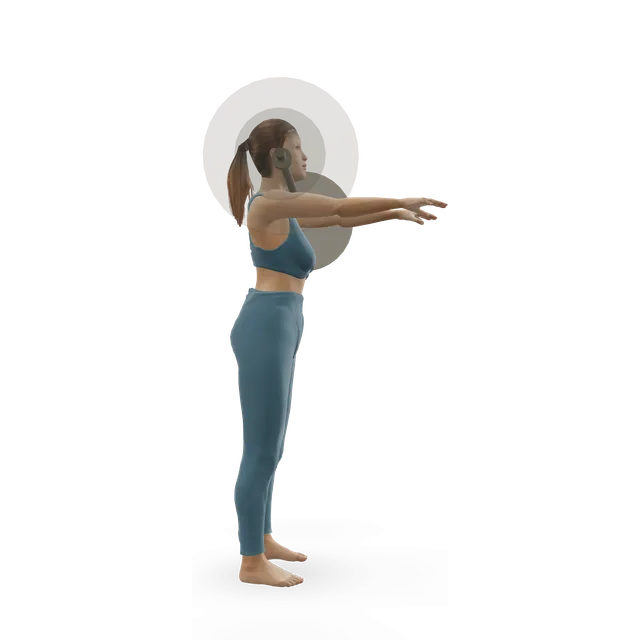
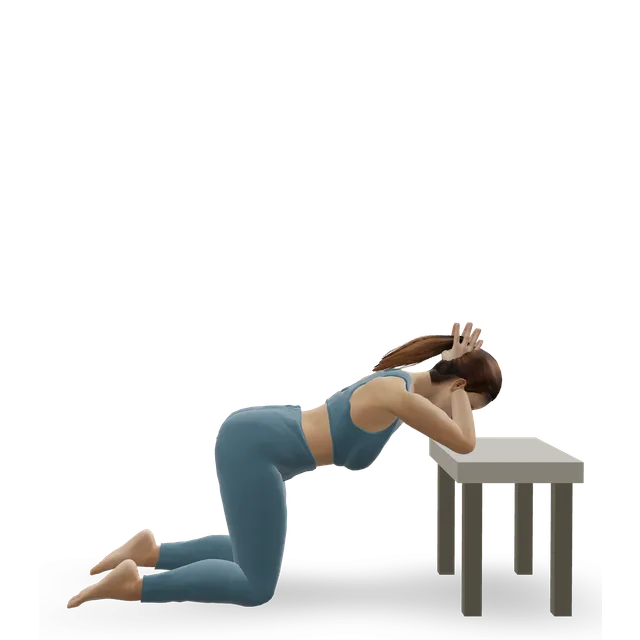
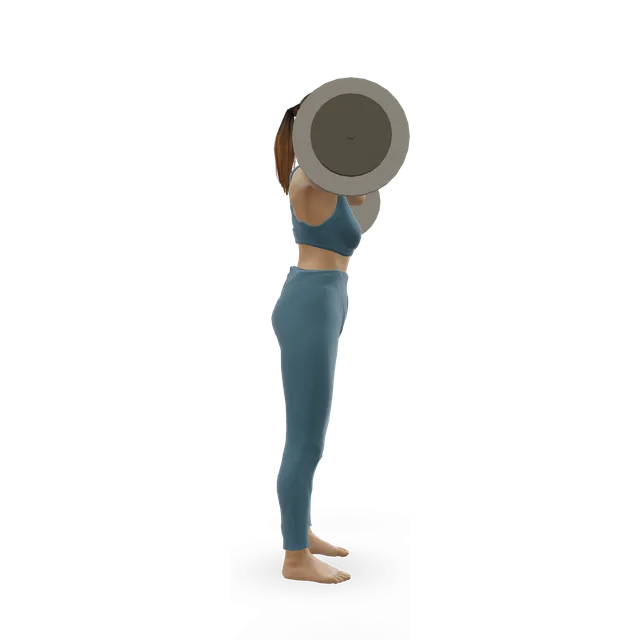
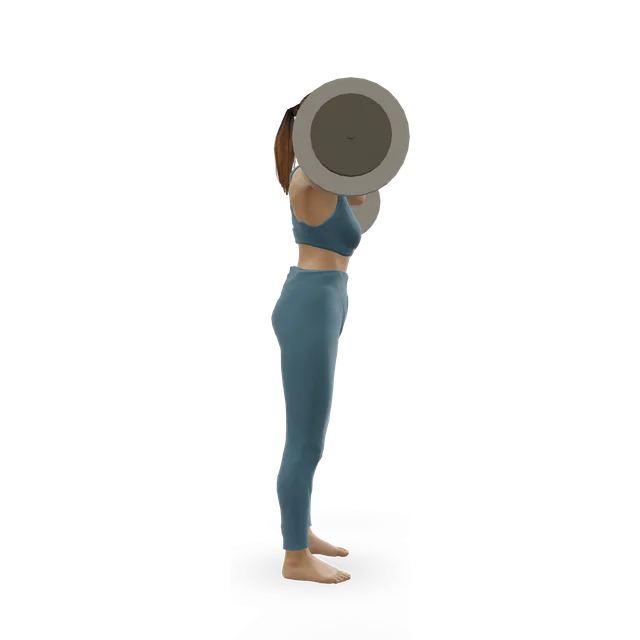
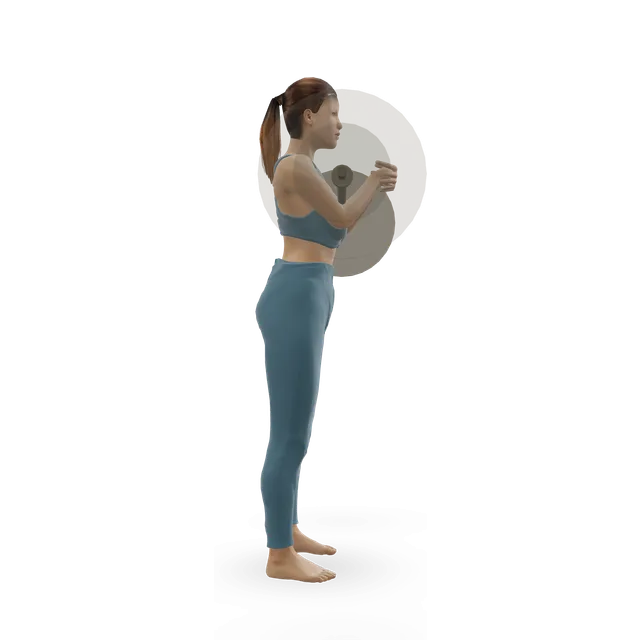
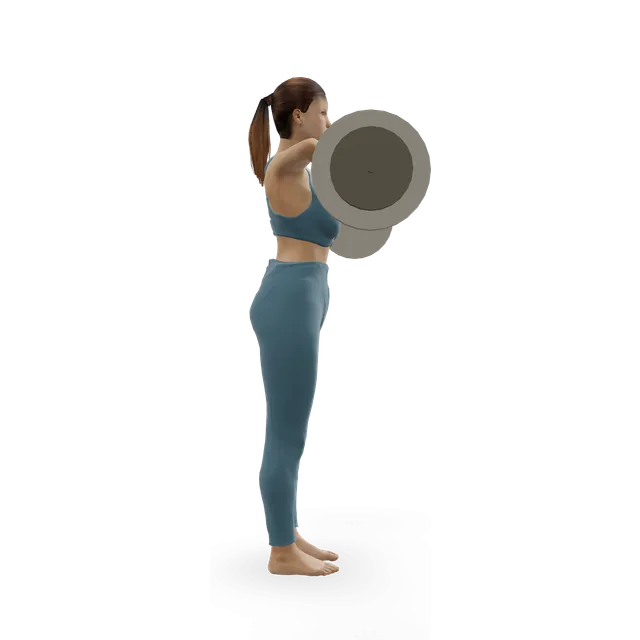
In the clean-grip front rack, the bar rests on the front of the shoulders and upper chest with the elbows high, the hands just outside the shoulders and the fingers under the bar, as the National Strength and Conditioning Association's (NSCA's) checklist describes. With the elbows up, the wrist bends back a long way. In the one study that comes close, 20 CrossFit athletes who caught a clean well had about 93 degrees of wrist extension, measured at rest with the elbow straight, against about 83 in those who didn't, and about 127 against 110 degrees of outward shoulder rotation; shoulder flexion didn't differ much. It was a tiny study with no pain outcome, and the good catchers also had more training.
Daily life rarely needs that much: about 60 degrees of wrist extension covered every task in one study of 40 adults, and most tasks needed far less. So a wrist that is fine all day can complain in the rack.
No study measures the angles actually reached in the rack, counts wrist pain from front squats or tests a grip against it, so the map on this page is built from what each cause is known to do. That the wrist complains when stiff shoulders, lats, triceps or the upper back stop the elbows rising, or when the bar sits in the hands, is the coaching view, not a measured fact.
Sources 1, 2, 3, 4, 5, 6, 7
Where it hurts, and who gets itEmerging evidence
No study gives the share of each cause in front squats. Pain in the middle of the back of the wrist made worse by loading it bent back points to the joint lining being pinched, a hidden ganglion, a ligament (with painful clicking) or, rarely, Kienböck's disease, a hand surgeons' review says. The little-finger side points to the TFCC or the extensor carpi ulnaris (ECU) tendon beside it, the thumb side to de Quervain's, tingling in the thumb and first fingers to the carpal tunnel, and tingling in the ring and little fingers to the ulnar nerve at a deeply bent elbow.
Wrist pain is common but secondary in these sports. Hand and finger injuries are 15.3% of weightlifting injuries; 11% of injured CrossFit athletes hurt a wrist in one large survey; in another, 20.4% of 270 CrossFit athletes said they had hurt a hand or wrist at some point, three quarters of them at the wrist; and 28.8% of 868 female Masters weightlifters reported hand or wrist joint pain. None of these studies says which lift caused it.
The people it usually bothers, in our reading: people new to the front squat or the clean grip, or who add load quickly; people whose upper back, shoulders or lats are stiff; people who squeeze the bar hard in the palm; and athletes who also catch cleans, push-press, do thrusters and handstands, all with the wrist bent back.
Sources 8, 9, 10, 11, 12, 13, 14, 15, 16, 17
The shoulders, lats and upper backEmerging evidence
Coaches say wrists hurt in the rack mostly because the shoulders, lats or triceps are stiff, or because the squat tips forward, and that a bar that rolls forward while the trunk stays upright points to the lats. That is coaching opinion; no study has tested it. In a lab study of 34 adults, a slouched upper back cost about 24 degrees of lifting the arm out to the side, and in a review more upper back rounding went with slightly less shoulder flexion, though the links were weak. Good clean catchers differed most in outward shoulder rotation and wrist extension.
Sources 6, 7, 18, 19, 2
Nerves and the bent-back wristEmerging evidence
Bending the wrist fully back raised the pressure in the carpal tunnel from 2.5 to 30 millimetres of mercury in healthy wrists, and from 32 to 110 in people with carpal tunnel syndrome; the pressure is lowest with the wrist close to straight. A tight rack with the hands close to the shoulders also bends the elbow deeply, which narrowed the ulnar nerve's tunnel and raised the pressure in the nerve in cadaver arms.
So tingling in the rack is a nerve, not a stretch: change the position, and see a GP if it lasts. In one lifter, pressure on the median nerve at the wrist was first taken for a neck problem and a sprain, and NHS inform says hand symptoms can come from the neck even when the neck doesn't hurt.
Sources 12, 20, 13, 21, 22
When a scan or test mattersStrong evidence
Not at first for gradual pain without warning signs: the NHS starts with looking after it at home, and a GP if it hasn't improved after 2 weeks. After a fall onto the hand or a dropped bar, an X-ray, with follow-up imaging if it's normal but the base of the thumb is tender: across 8 studies of 1,685 wrist injuries with a normal first X-ray, 9.0% turned out to have a hidden scaphoid fracture, and no single sign ruled one out.
A deep central ache that keeps coming back, or loading pain with a normal X-ray, may need a magnetic resonance imaging (MRI) scan for a hidden ganglion, Kienböck's disease or a bone stress injury, which plain X-rays can miss early. Little-finger-side pain that clicks, feels unstable or hasn't settled after a good trial of rehab may need a hand specialist, and numbness that lasts needs a GP.
Sources 23, 24, 25, 8, 26, 9, 27
How it usually goesEmerging evidence
No study follows wrist pain from front squats. NHS inform says new wrist pain should begin to settle within 6 weeks; an NHS trust says most soft tissue wrist injuries improve a lot within 6 weeks, though some take 3 months or longer. Most people with de Quervain's notice some improvement within 6 to 12 weeks, a stable TFCC tear gets 3 to 6 months of structured rehab before surgery is considered, pinching at the back of the wrist usually settles within 2 to 3 months, and a ganglion can take months to a year.
In the CrossFit survey, most people were back to full training within a month, but more than half didn't feel fully healed by then and 29.1% hurt the same area again, which argues for building back gradually. No one can promise a date.
Sources 22, 28, 11, 9, 8, 29, 14