Forward shoulder roll
From a low lunge with your hands on a mat, you tuck your chin toward the opposite shoulder and roll diagonally across your back, from one shoulder to the opposite hip, so your head never touches the ground. A gymnastics forward roll goes straight over the spine; the diagonal path keeps the head and neck off the floor. In lab studies of sideways falls, martial arts techniques cut hip impact force by 17% in novices after one lesson and by about 30% in experienced judoka; whether they prevent real fractures is untested.
Movement guide
Forward shoulder roll
Make it easier or harder
Choose a version that fits your control and comfort.
Easier option
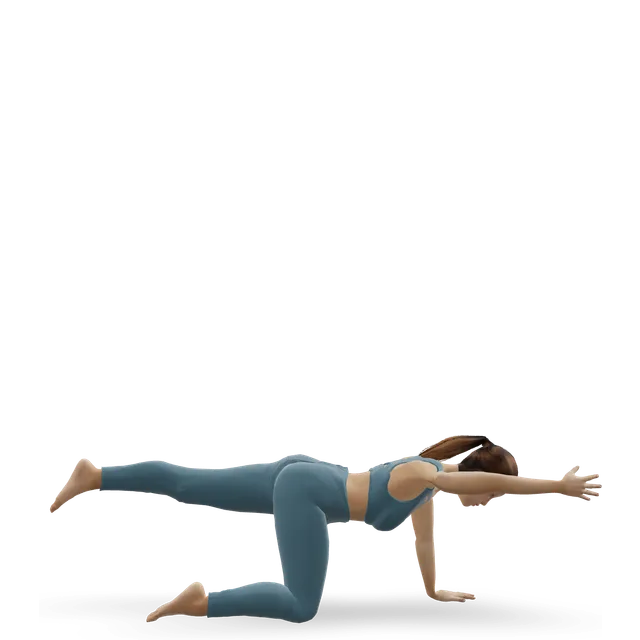 3D demoBird dogBeginner · No equipment
Similar move, beginner grade.
Harder option
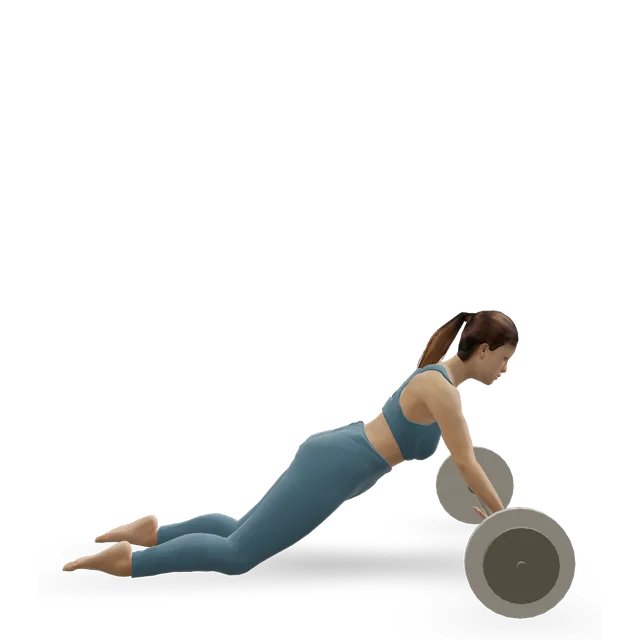 3D demoAb wheel rollout from the kneesAdvanced · An ab wheel
Similar move, advanced grade.
Source-researched guide.
How to move
- Kneel in a low lunge on a mat with your right foot forward and both hands on the mat in front of it.
- Tuck your chin toward your left armpit and turn your head to look toward your left hip.
- Lower your right shoulder to the mat and push gently off your back foot, rolling diagonally across your back from the right shoulder to the left hip.
- Let the roll carry you up to sitting, or on to your feet, then practise the other side.
Form cues
- Tuck your chin before you roll.
- Roll over the muscle of the shoulder, not its bony tip.
- Avoid: putting your head down first.
Practice and cautions
2 to 3 sets of 3 to 5 slow rolls each side on a mat (our editorial starting point).
The tip of the shoulder, the ridge of the shoulder blade and the back of the pelvis hurt if they strike the ground: adjust your line until the roll is painless before adding speed. Avoid with neck or disc problems, osteoporosis or recent spinal surgery unless a clinician clears it, and learn it on mats with someone coaching the line. This is movement education, not an assessment or treatment prescription. Stop for sharp or increasing pain, dizziness, numbness or tingling; seek individual guidance for symptoms, injury or restrictions.
Sources and review status
Sources support the educational description; they do not establish that this exercise is suitable for you.
- Breaking Muscle · How do you roll: gymnastics vs parkour (the diagonal shoulder roll, one shoulder to the opposite hip; Ben Musholt, physical therapist) ↗
- Groen 2007 · Martial arts fall techniques cut hip impact force by 27 to 30% in sideways falls by experienced judoka (lab study, J Biomech) ↗
- Weerdesteyn 2008 · After 30 minutes of training, novices' martial arts sideways falls had 17% lower hip impact force (lab study, J Electromyogr Kinesiol) ↗
- Arkkukangas 2022 · Older adults learned judo falling techniques in 6 to 9 weeks and kept them at 20 months (Judo4Balance RCT of 200, IJERPH) ↗
No variation is labeled clinically validated.
What it works
Equipment
None: body weight and floor space.
Level
Intermediate. See the easier and harder options above.
Workouts that use it
- Martial arts warm-up with breakfalls: run, fall, move, balance, strengthen · 15 min
- Australian football warm-up: built on Prep to Play, for every session and match · 10 min
- Parkour strength and landing workout: landings, precision jumps, rolls, climb-up strength, legs and calves · 50 min
- Parkour warm-up: jog, ankles, hips, wrists, crawls, landings and rolls · 15 min
Guides that use it
Similar moves
Browse more
Questions people ask
What muscles does the Forward shoulder roll work?
Mainly the abs, with help from the neck and shoulders.
What equipment do I need for the Forward shoulder roll?
No equipment: your body weight and a little floor space.
Is the Forward shoulder roll good for beginners?
It is graded intermediate. If it is too hard right now, start with the Bird dog.
What is an easier alternative to the Forward shoulder roll?
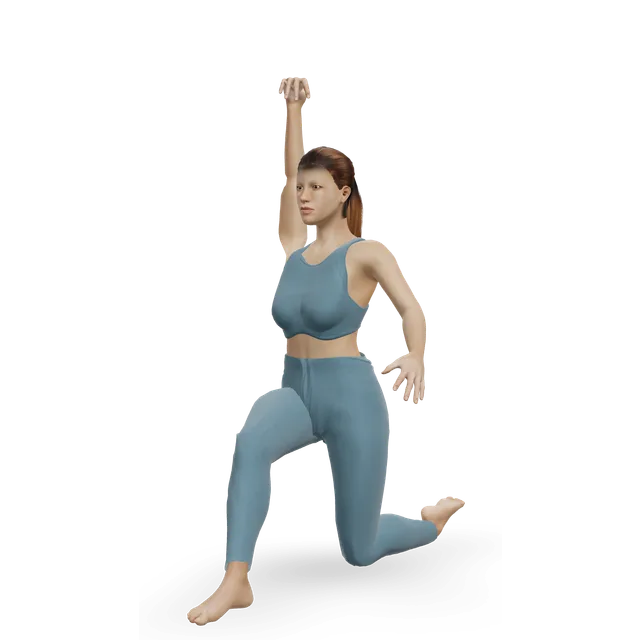
Try the Bird dog or the Half-kneeling Pallof press. It works similar muscles at a lower grade.
How do I make the Forward shoulder roll harder?
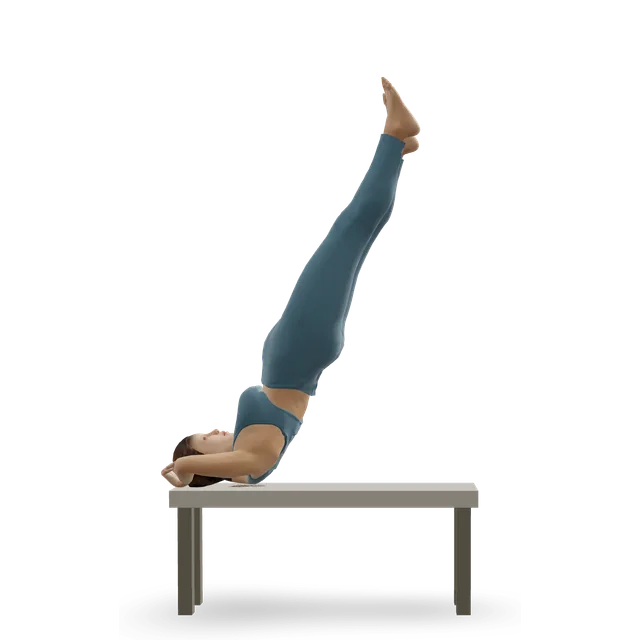
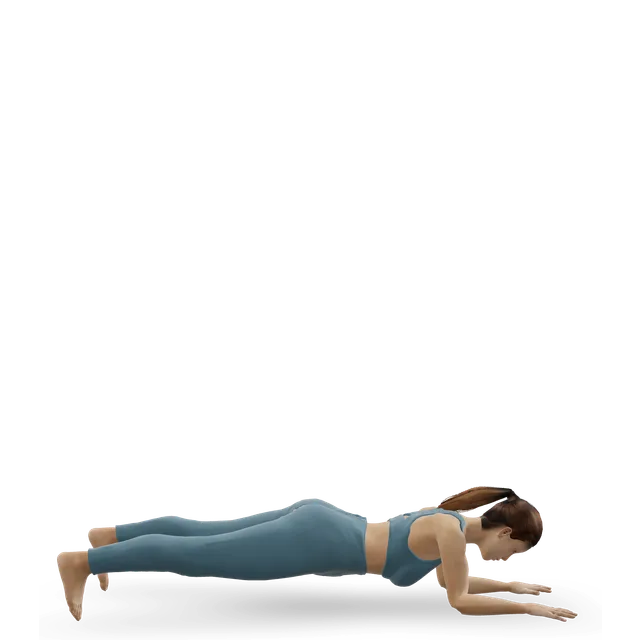
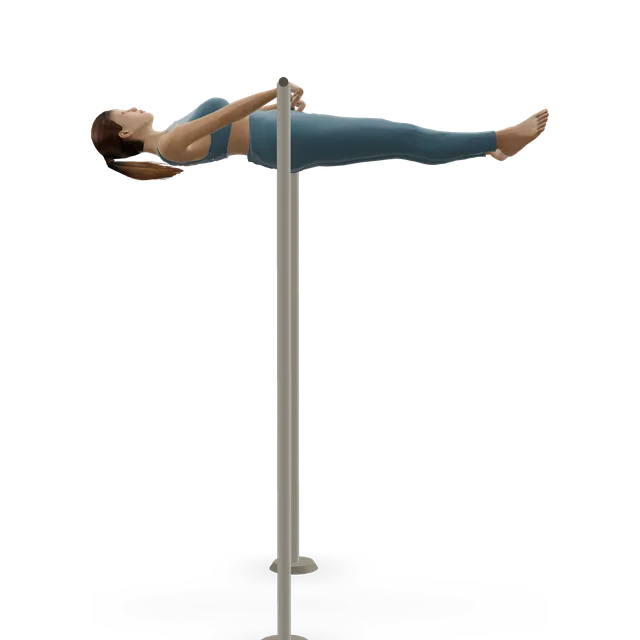
Progress to the Ab wheel rollout from the knees or the Hanging straight-leg raise. Follow that guide’s technique and any stated timing.