Sports training
Parkour strength and landing workout: landings, precision jumps, rolls, climb-up strength, legs and calves
In the laboratory, parkour precision landings and rolls cut landing forces by about 40% against a traditional landing, and experienced traceurs land on the balls of their feet. Most injuries in a self-reported survey of traceurs, almost all men, happened on landing, and the commonest causes were overestimating ability and misjudging the situation. Traceurs out-jump gymnasts and power athletes, and years of practice go with longer jumps and faster climb-ups. No programme has been tested on parkour injuries, but strength training cut injuries in other sports. This session puts landings first, while you're fresh, then precision jumps and rolls, then the strength for walls, vaults and drops. You need a box, step or kerb about 30 cm high, grass or a mat, a pull-up bar, parallel bars or a dip station, a step, and a dumbbell or kettlebell.
Warm-up
- Skipping2 × 20 mBeginner · Calves, Hip flexors, Quads · 3D demoLightEasier: Ankle bounces (mini pogo)Harder: Alternate-leg bounding
- Ankle CARs (controlled articular rotations)5 circles each way, each ankleBeginner · Calves, Shins · 3D demoSlowEasier: Ankle circlesHarder: Toes-tucked kneeling (toe squat)
- World's greatest stretch3 each sideIntermediate · Hip flexors, Adductors, Glutes · 3D demoElbow towards the instep, then reach upEasier: Low lunge (Anjaneyasana)Harder: Active pancake lift-off




Landings, while you're fresh
Rest 60 s
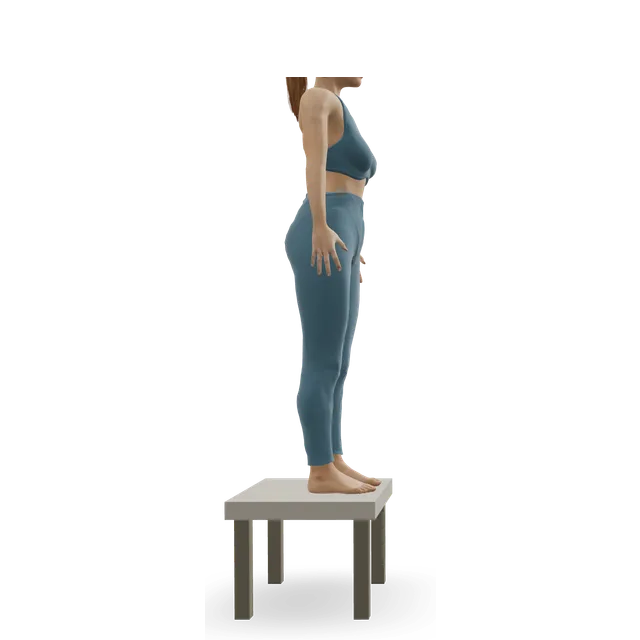
- Snapdown to athletic landing2 × 5, hold each landing 2 sBeginner · Quads, Glutes, Hamstrings · 3D demoKnees over the toes, chest upHarder: Box drop landing
- Box drop landing3 × 5 from about 30 cmIntermediate · Quads, Glutes, Hamstrings · 3D demoLand on the balls of your feet, quietly, and freezeEasier: Snapdown to athletic landingHarder: Depth jump
- Single-leg hop and stick2 × 5 each legIntermediate · Quads, Glutes, Calves · 3D demoHold each landing for 2 secondsEasier: Standing broad jump with stuck landingHarder: Alternate-leg bounding


Precision jumps
Rest 60 to 90 s
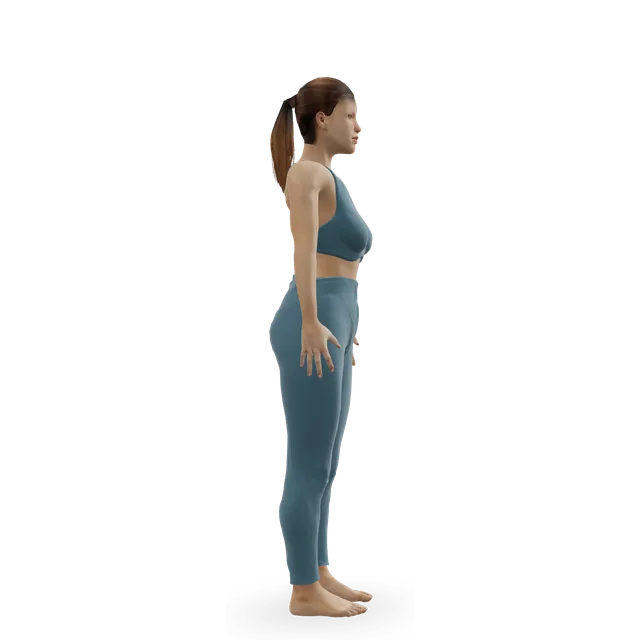
- Intermediate · Glutes, Quads, Hamstrings · 3D demoJump to a line and stick it on both feet, quietly, for 2 secondsEasier: Snapdown to athletic landingHarder: Single-leg hop and stick
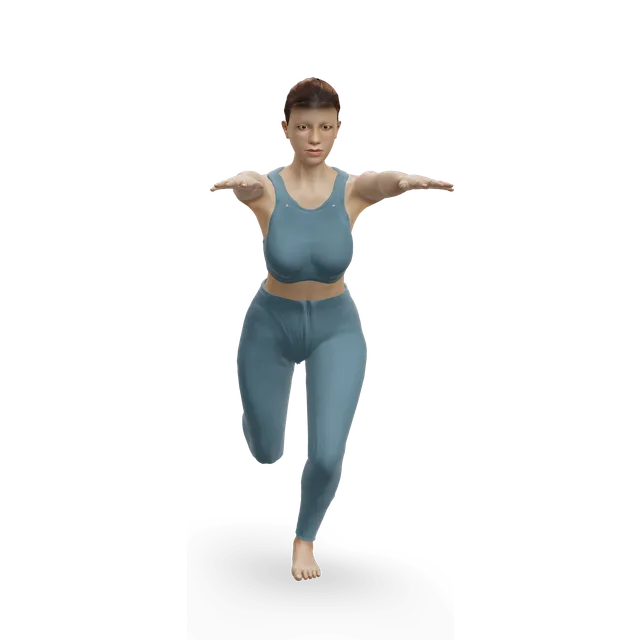
- Lateral bound (skater jump)3 × 4 each sideBeginner · Glutes, Quads, Hip abductors · 3D demoBound sideways and stick the landingHarder: Box push-off jump
Rolls, on grass or a mat
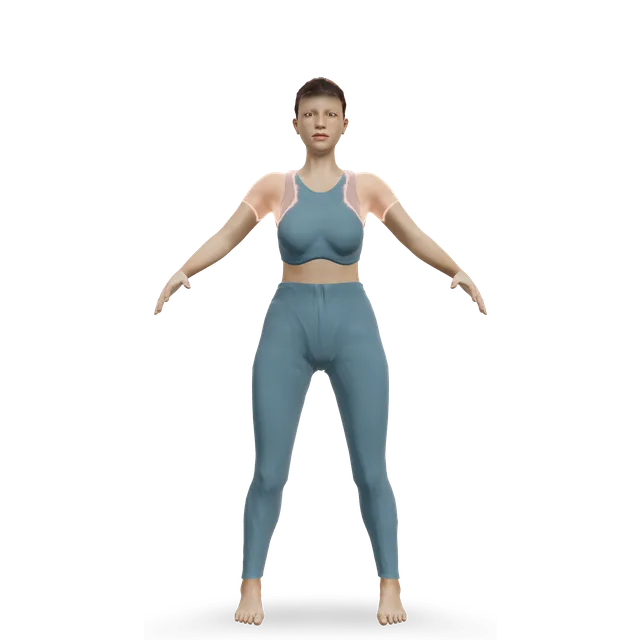
- Forward shoulder roll2 × 3 slow rolls each sideIntermediate · Abs, Neck, ShouldersChin tucked; roll from one shoulder across your back to the opposite hip, and your head never touches the ground. Its page has written steps, but no 3D demo yetEasier: Bird dogHarder: Ab wheel rollout from the knees
Pull and push
Rest 90 s
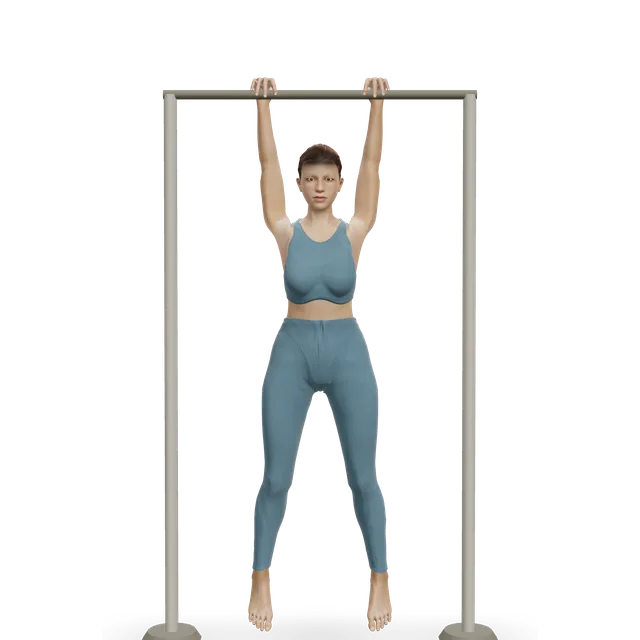
- Pull-up3 × 3 to 8Advanced · Back, Biceps, Forearms · 3D demoCan't do 3 yet? Slow lowers, 3 × 3, as in our first pull-up workoutEasier: Assisted pull-up (machine)Harder: Weighted pull-up
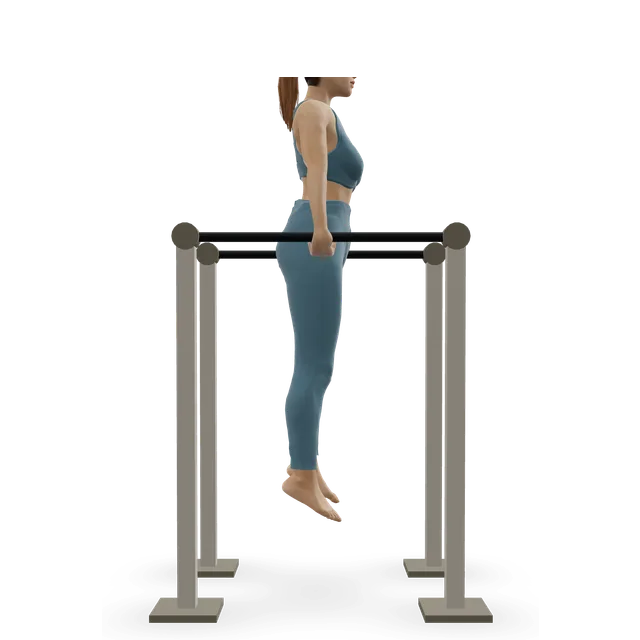
- Parallel bar dip3 × 5 to 10Advanced · Triceps, Chest, Shoulders · 3D demoTo about a right angle at the elbow. No bars: push-ups, 3 × 8 to 12Easier: Bench dipHarder: Ring dip
Legs
Rest 90 s
- Rear-foot-elevated split squat (Bulgarian split squat)2 × 8 each legIntermediate · Quads, Glutes, Hamstrings · 3D demoFront knee over your middle toesEasier: Reverse lungeHarder: Split squat jump
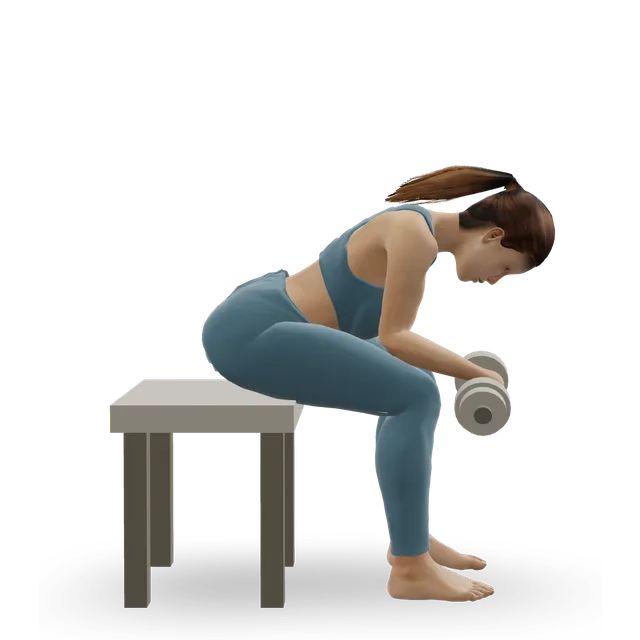
- Dumbbell goblet squat3 × 6 to 8Intermediate · Quads, Glutes, Abs · 3D demoSit down between your heelsEasier: Bodyweight squatHarder: Barbell front squat


Calves, ankles and balance
- Single-leg calf raise from a step2 × 12 each legIntermediate · Calves · 3D demoFull range, slow on the way downEasier: Slow calf raiseHarder: Single-leg pogo hops
- Single-leg stand2 × 30 s each legBeginner · Hip abductors, Calves, Glutes · 3D demoClose your eyes only when it's easyEasier: Tandem stance and heel-to-toe walkHarder: Single-leg reach matrix


On all fours, trunk and wrists
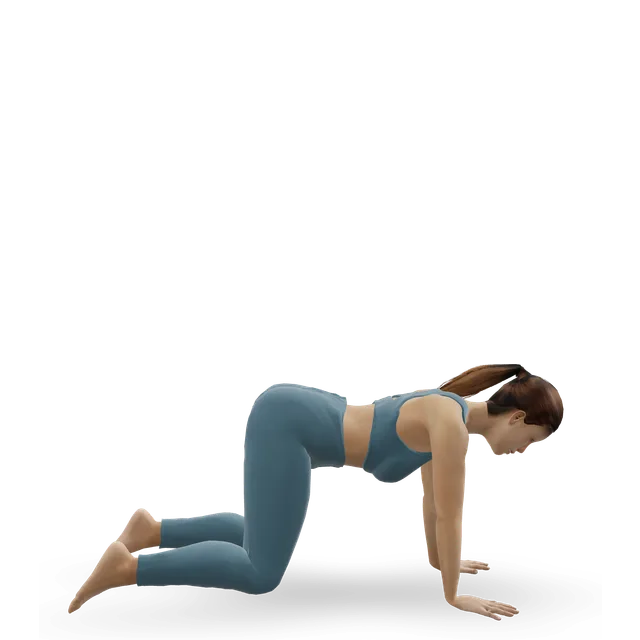
- Bear crawl4 crawls of 8 to 10 mIntermediate · Shoulders, Abs, Quads · 3D demoKnees just off the groundEasier: Knee hover (Pilates tabletop hover)Harder: Spider crawl (low push-up knee drive)
- Side plank2 × 20 to 40 s each sideIntermediate · Abs, Hip abductors, Shoulders · 3D demoEasier from the kneesEasier: Knee side plankHarder: Side plank with leg lift


Tips
- Twice a week, at least 48 hours apart, as our jump guide advises for jump training, with the landings and jumps first while you're fresh.
- Count your landings: this session has about 75. Our jump guide's starting point is about 80 foot contacts a session, including the warm-up, building towards 100.
- Learn the roll slowly on grass or a mat, on both sides, before you need it.
- Don't add a weighted vest to jump and obstacle practice: a vest of 10% of body weight left newcomers more tired and sore, and worse at long jumps and obstacle sprints straight afterwards.
- A heel or foot that still hurts the day after a hard landing needs checking: a 14-year-old hid a heel fracture for 8 weeks. Under 16? Train with a coach, with bodyweight and light loads.
The doses are suggested starting points, not a prescription. Choose a range you can control and stop for sharp or increasing pain, numbness or tingling. Get individual advice after an injury or surgery, or if you are pregnant or managing a health condition.
Guides that recommend it
Find more moves like these
More sports training


Injury prevention exercises for runners
Foot, calf, balance and hop exercises taken from the running trials with positive results, in a 25-minute home routine for 3 or 4 days a week.
25 minBeginner11 movesOther / check instructions, A bench or box

Plyometrics for runners
A 20-minute hop and bound session for runners: ankle bounces to pogo hops, one-leg hops and bounding, building foot contacts slowly over 10 weeks.
20 minIntermediate8 movesCardio machine



Strength workout for cyclists (gym)
A 50-minute gym session for cyclists: heavy squats, one-leg presses, hip flexion and calf raises as in the cycling trials, plus jumps for bone.
50 minIntermediate13 movesCardio machine, A barbellQuestions people ask
How long does the parkour strength and landing workout: landings, precision jumps, rolls, climb-up strength, legs and calves take?
About 50 minutes, including any warm-up and cool-down listed. Shorten it by doing fewer rounds; lengthen it by adding one.
What equipment do I need?
You need: A step, Pull-up bar, A bench or box, A dumbbell, A wall. Each move links to its guide, where you can find an alternative if you are missing something.
Is it suitable for me?
It is written at intermediate level. 18 of its 20 moves have an easier option listed beside them; use them freely.
How do I make it easier or harder?
Use the easier or harder option listed under each move, change the number of rounds, or adjust the rest. Progress one change at a time.