Sports training
Dryland workout for divers: take-off jumps, landings, legs, wrists, shoulders and entry shapes
At age-group level in England, divers spend half their training time on dry land, and most diving injuries happen in training, at take-off and at entry. This session puts the jumps first while you're fresh, then builds the legs, the hamstrings that divers' strength tests show are weak next to their thighs, the wrists and shoulders that take every head-first entry, and the straight and tucked shapes. No exercise programme has been tested on diving injuries, so use it alongside sensible dive numbers, coaching and rest, and stop anything that hurts your back or wrists. You need a box or bench about 30 cm high, a dumbbell or kettlebell, light dumbbells, a light band, a mat, a step and a strap.
Warm-up
- Skipping2 × 20 mBeginner · Calves, Hip flexors, Quads · 3D demoLightEasier: Ankle bounces (mini pogo)Harder: Alternate-leg bounding
- Beginner · Forearms · 3D demoCircles, then palm turnsEasier: Wrist circlesHarder: Wrist flexor stretch
- Shoulder CARs (controlled articular rotations)3 slow circles each armBeginner · Shoulders, Back · 3D demoBig and slowEasier: Arm circlesHarder: Sleeper stretch
- Cat-cow6 slow roundsBeginner · Back, Abs · 3D demoThe whole spineHarder: Half lord of the fishes (Ardha Matsyendrasana)




Take-off jumps, while you're fresh
Rest Walk back between sets
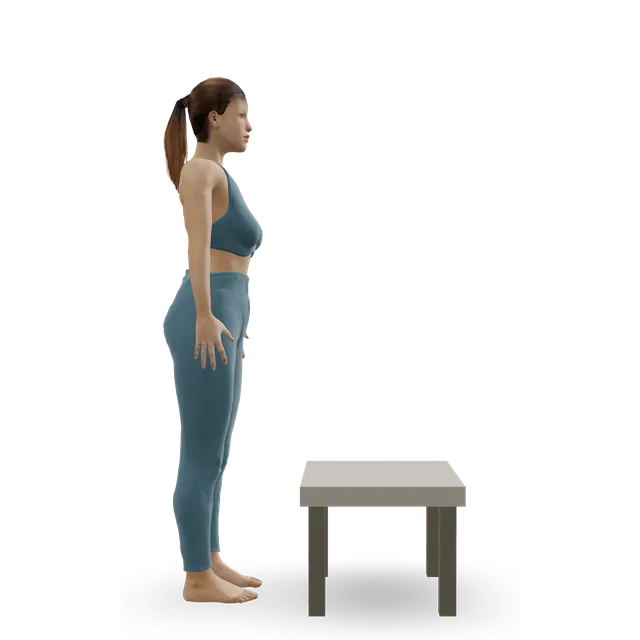
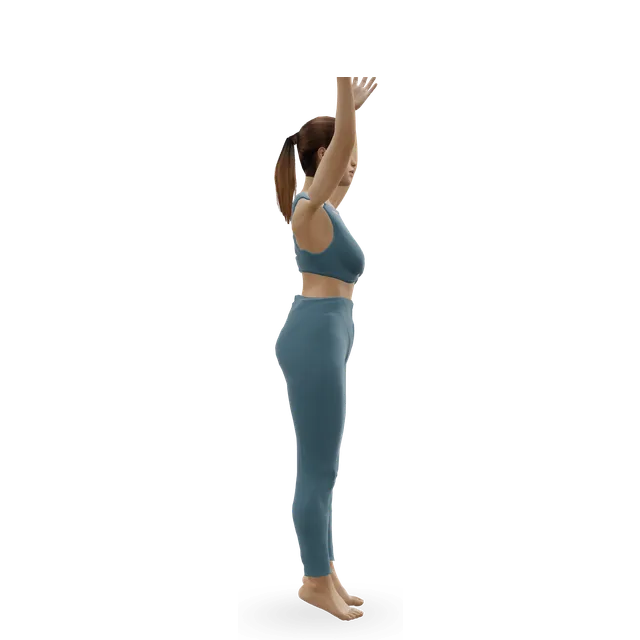
- Jump squat4 × 3Intermediate · Quads, Glutes, Calves · 3D demoDip and drive up with a full arm swing to straight arms overhead, as at take-off; land softlyEasier: Bodyweight squatHarder: Box jump
- Box jump3 × 3Intermediate · Quads, Glutes, Calves · 3D demoA box you clear easily; step downEasier: Jump squatHarder: Depth jump
- Tuck jump2 × 4Intermediate · Quads, Glutes, Calves · 3D demoKnees up into a tuck; land softlyEasier: Jump squatHarder: Box-to-box depth jump

Landings
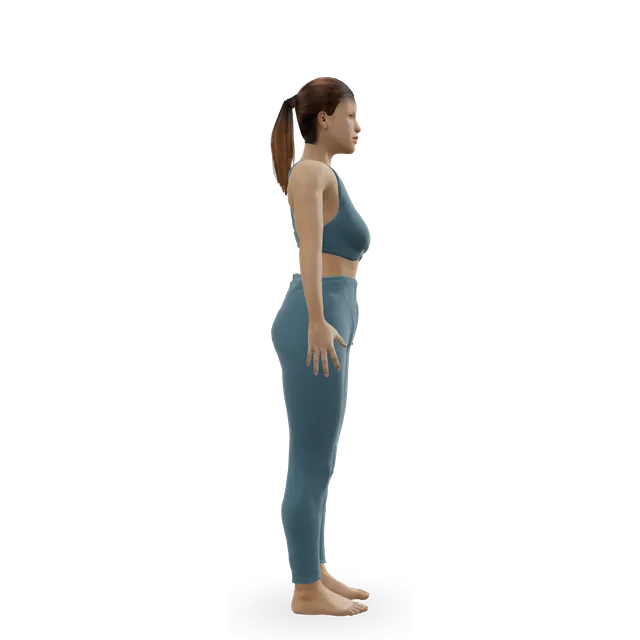
- Snapdown to athletic landing2 × 5, hold each landing 2 sBeginner · Quads, Glutes, Hamstrings · 3D demoKnees over the toes, chest upHarder: Box drop landing
- Single-leg hop and stick3 × 5 each legIntermediate · Quads, Glutes, Calves · 3D demoHold each landing for 2 seconds, like the hurdle step onto the boardEasier: Standing broad jump with stuck landingHarder: Alternate-leg bounding

Legs
Rest 2 min between sets
- Dumbbell goblet squat3 × 6 to 8Intermediate · Quads, Glutes, Abs · 3D demoOr a barbell back squat; sit down between your heelsEasier: Bodyweight squatHarder: Barbell front squat
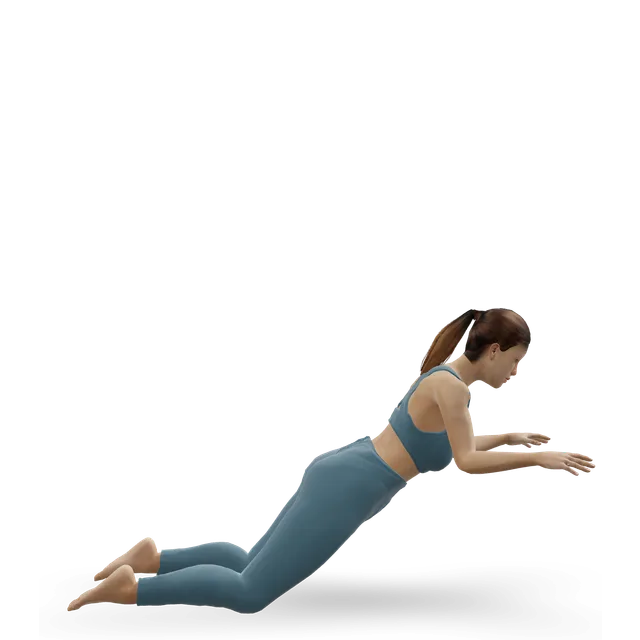
- Nordic curl2 × 3 to 6Advanced · Hamstrings, Glutes · 3D demoLower as slowly as you can and catch yourself on your handsEasier: Slider hamstring curlHarder: Full Nordic curl
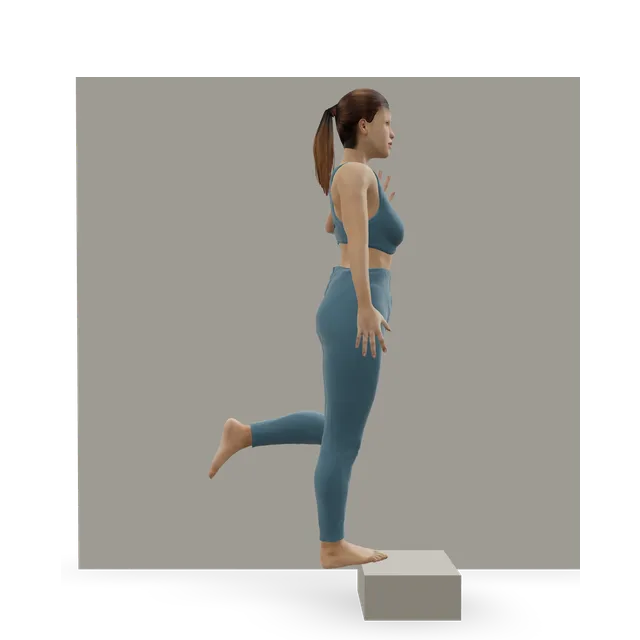
- Single-leg calf raise from a step2 × 12 each legIntermediate · Calves · 3D demoSlow on the way downEasier: Slow calf raiseHarder: Single-leg pogo hops


Wrists and shoulders
Rest 60 s
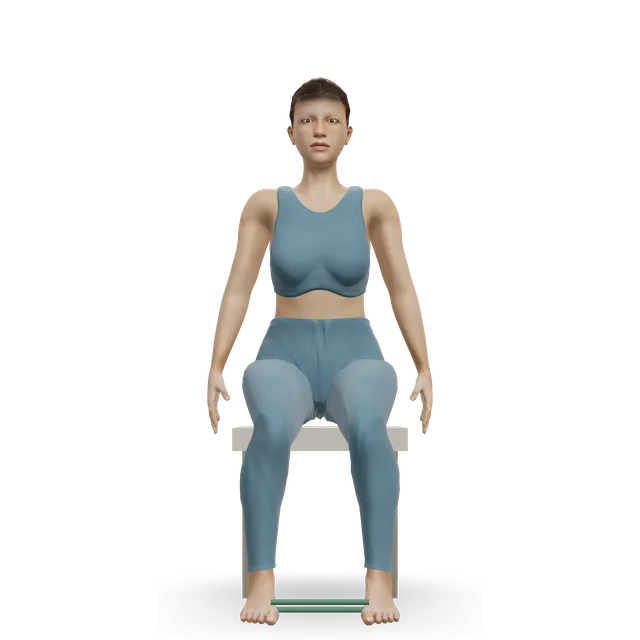
- Standing band external rotation12 to 15 each armBeginner · Shoulders, Back · 3D demoElbow by your sideEasier: Stick-assisted external rotation (lying)Harder: Side-lying external rotation
- Beginner · Shoulders, Chest, Abs · 3D demoPush the floor awayEasier: Dumbbell shoulder-blade punchHarder: Push-up
- Scaption raise2 × 15 to 30 s, lightBeginner · Shoulders, Chest · 3D demoThumbs up, to shoulder height; borrowed from Shoulder ControlEasier: Band lateral raiseHarder: Smith machine upright row





Entry shapes
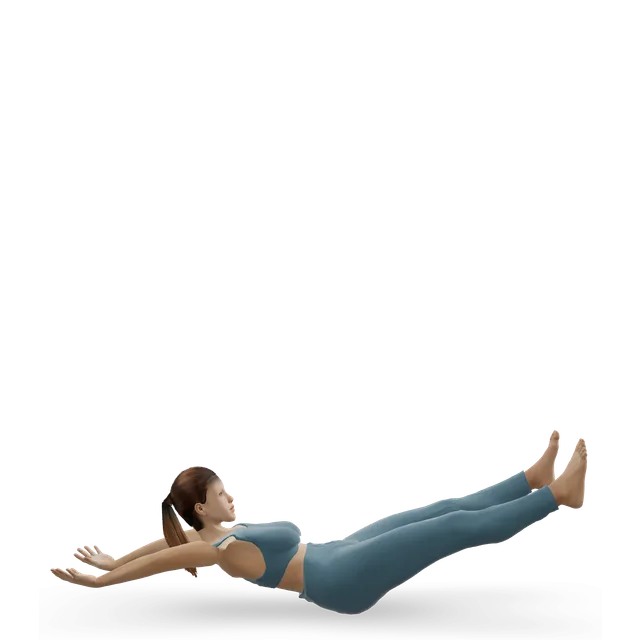
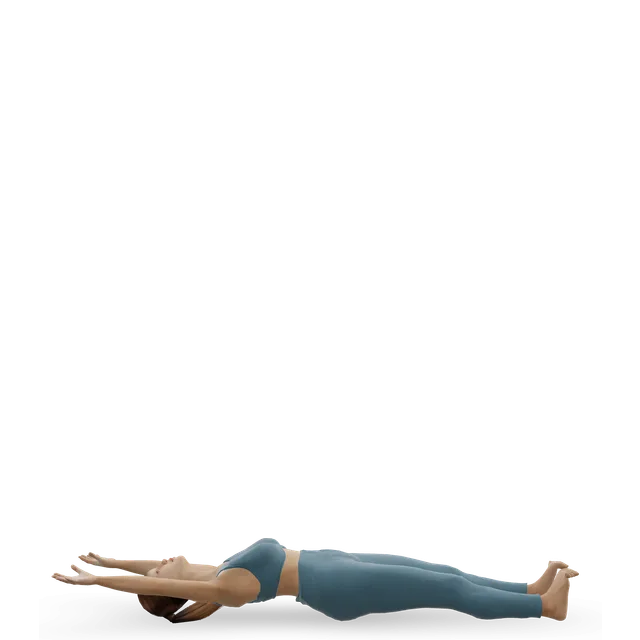
- Hollow body hold3 × 20 sIntermediate · Abs, Hip flexors · 3D demoLower back pressed down, arms by your ears: the straight entry lineEasier: Dead bugHarder: Dragon flag
- Tuck-up (cocoon)2 × 8Intermediate · Abs, Hip flexors · 3D demoTuck in tight, then reach out long with controlEasier: Seated knee tuck on a benchHarder: Stability ball knee tuck
- Side plank2 × 30 s each sideIntermediate · Abs, Hip abductors, Shoulders · 3D demoHips highEasier: Knee side plankHarder: Side plank with leg lift

Mobility, to finish
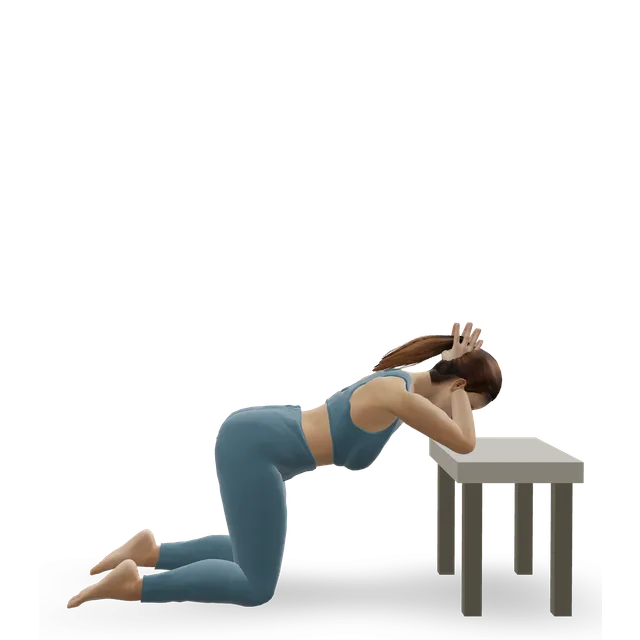
- Intermediate · Back, Triceps, Shoulders · 3D demoElbows on the bench, sink your chest: overhead range for the entryEasier: Overhead triceps stretchHarder: Sots press
- Supine hamstring stretch with a strap2 × 30 s each legBeginner · Hamstrings, Calves · 3D demoFor the pike; back off if you feel burning or tingling down the legEasier: Leg-up hamstring stretchHarder: Contract-relax hamstring stretch (PNF)

Tips
- Twice a week, away from your hardest board sessions, with the jumps first while you're fresh. This is the conditioning part of dry land, not the trampoline, dry-board and somersault work your coach runs.
- Platform divers who do armstand dives can add handstands at the wall (3 × 20 to 30 seconds, as in our gymnastics workout) if their wrists are pain-free.
- In a growth spurt, do fewer jumps, keep the flexibility you have rather than chasing more, and tell your coach about back or wrist pain.
- Back pain that lasts more than 2 weeks, or hurts more when you arch back, needs checking, because it can be a stress fracture. A wrist that's painful or swollen the next day needs a doctor.
- Before a key competition, cut the dry-land volume in the last week or two (our suggestion).
- Under 16? A coach should teach and watch the lifts, with moderate loads.
The doses are suggested starting points, not a prescription. Choose a range you can control and stop for sharp or increasing pain, numbness or tingling. Get individual advice after an injury or surgery, or if you are pregnant or managing a health condition.
Guides that recommend it
Find more moves like these
More sports training

Injury prevention exercises for runners
Foot, calf, balance and hop exercises taken from the running trials with positive results, in a 25-minute home routine for 3 or 4 days a week.
25 minBeginner11 movesOther / check instructions, A bench or box


Plyometrics for runners
A 20-minute hop and bound session for runners: ankle bounces to pogo hops, one-leg hops and bounding, building foot contacts slowly over 10 weeks.
20 minIntermediate8 movesCardio machine



Strength workout for cyclists (gym)
A 50-minute gym session for cyclists: heavy squats, one-leg presses, hip flexion and calf raises as in the cycling trials, plus jumps for bone.
50 minIntermediate13 movesCardio machine, A barbellQuestions people ask
How long does the dryland workout for divers: take-off jumps, landings, legs, wrists, shoulders and entry shapes take?
About 45 minutes, including any warm-up and cool-down listed. Shorten it by doing fewer rounds; lengthen it by adding one.
What equipment do I need?
You need: A bench or box, A dumbbell, An anchor point, A step, A wall, A band. Each move links to its guide, where you can find an alternative if you are missing something.
Is it suitable for me?
It is written at intermediate level. 20 of its 22 moves have an easier option listed beside them; use them freely.
How do I make it easier or harder?
Use the easier or harder option listed under each move, change the number of rounds, or adjust the rest. Progress one change at a time.