Skill progressions
Human flag strength workout: the pulling, pressing and side-trunk strength behind the flag
The human flag hangs your body sideways from a pole: the top arm pulls, the straight bottom arm pushes and the side of your trunk holds you level. This session builds that strength with moves you can follow on the 3D figure. The flag itself isn't in it, because it has no 3D demo: practise your step on the ladder first, from our human flag guide, on a pole or wall bars fixed at both ends over a soft floor. Nobody has studied the flag or this session; the structure follows our front and back lever progressions, and the doses are our editorial starting point, taken from the workouts named in our notes.
Warm-up
- Shoulder CARs (controlled articular rotations)3 slow circles each way with each armBeginner · Shoulders, Back · 3D demoWithin the range you can controlEasier: Arm circlesHarder: Sleeper stretch
- Beginner · Forearms · 3D demoSlow bends and turns: both wrists take load in the flagEasier: Wrist circlesHarder: Wrist flexor stretch
- Scapular pull-up2 × 8Intermediate · Back, Shoulders, Forearms · 3D demoHold the top for a secondEasier: Bar hangHarder: Pull-up
- Bar hang2 × 20 to 30 sIntermediate · Forearms, Back, Shoulders · 3D demoShoulders active, not shrugged: the top hand's gripEasier: Incline ring rowHarder: One-arm dead hang



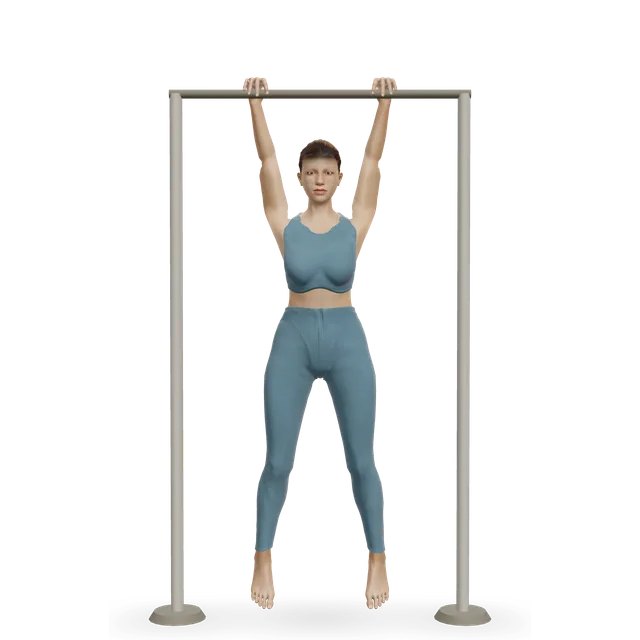
Pull
Rest 2 min between sets
- Pull-up3 × 3 to 8Advanced · Back, Biceps, Forearms · 3D demoStop 1 to 3 reps short. Can't do 5 yet? Start with our pull-up progressionEasier: Assisted pull-up (machine)Harder: Weighted pull-up
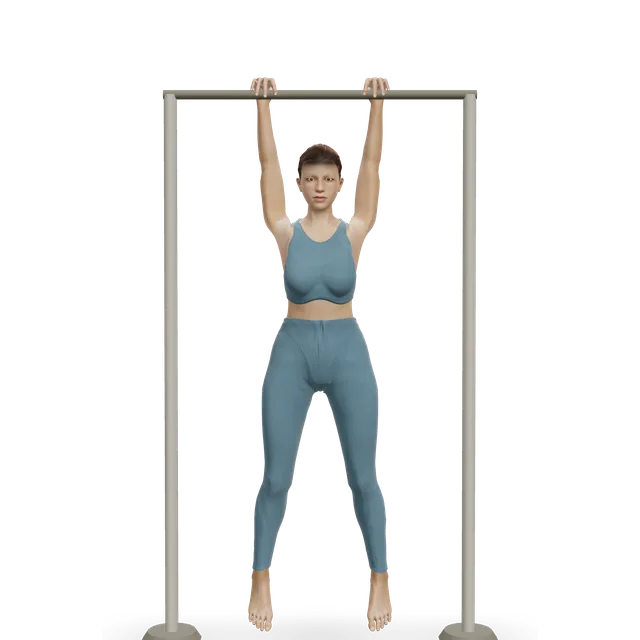
Press
Rest 2 min between sets
- Parallel bar dip3 × 3 to 8Advanced · Triceps, Chest, Shoulders · 3D demoStraight-arm pushing strength for the bottom arm. Lower only as far as your shoulders are comfortable; push-ups instead if dips hurtEasier: Bench dipHarder: Ring dip
- Pike push-up3 × 6 to 8Intermediate · Shoulders, Triceps, Chest · 3D demoThe overhead press your bottom arm needs. Strong already? Wall handstand push-ups, 3 to 5 × 1 to 3 slow reps, with the cautions in our handstand push-up guideEasier: Incline push-upHarder: Wall handstand push-up
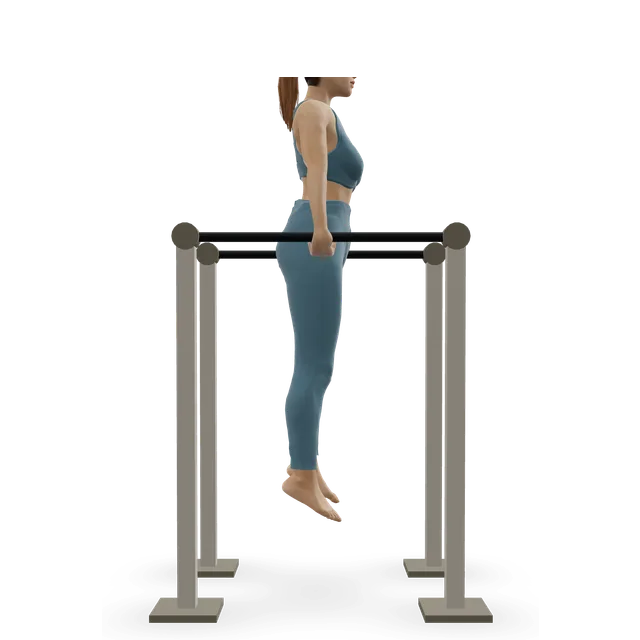
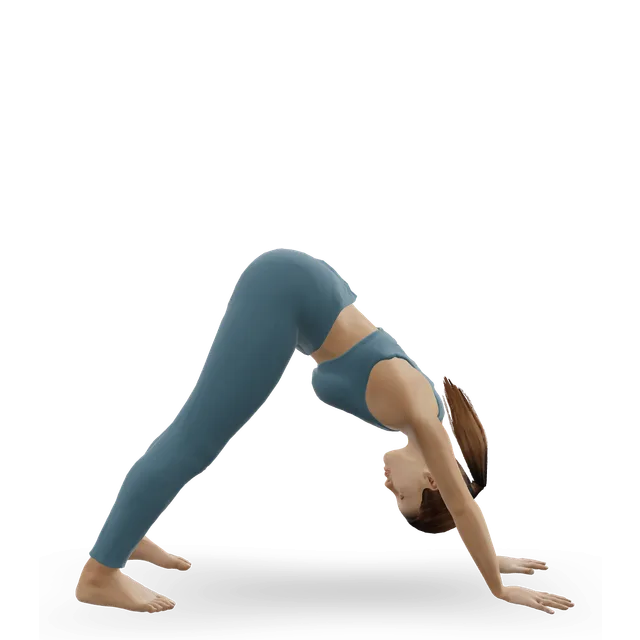
Side trunk
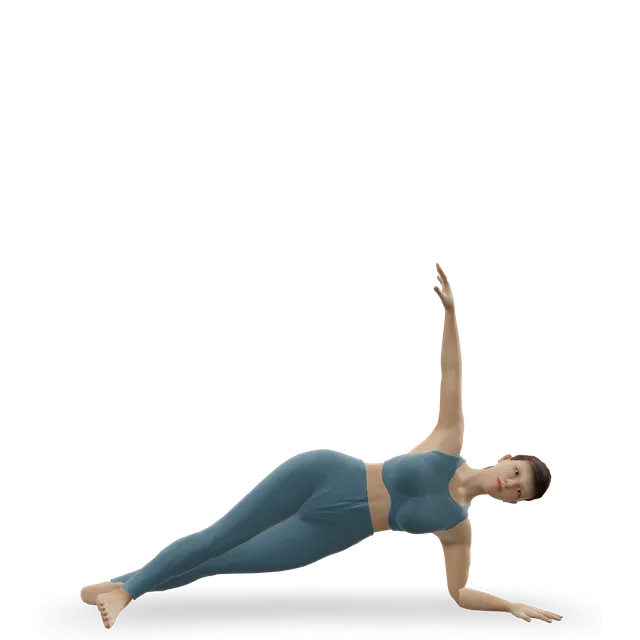
- Side plank3 × 15 to 40 s each sideIntermediate · Abs, Hip abductors, Shoulders · 3D demoHips high; end the hold when they sag. Easier: on your kneesEasier: Knee side plankHarder: Side plank with leg lift
- Side plank with leg lift2 × 6 to 10 each sideAdvanced · Hip abductors, Glutes, Abs · 3D demoHarder: the top leg lifts while your hips stay upEasier: Side plankHarder: Copenhagen plank
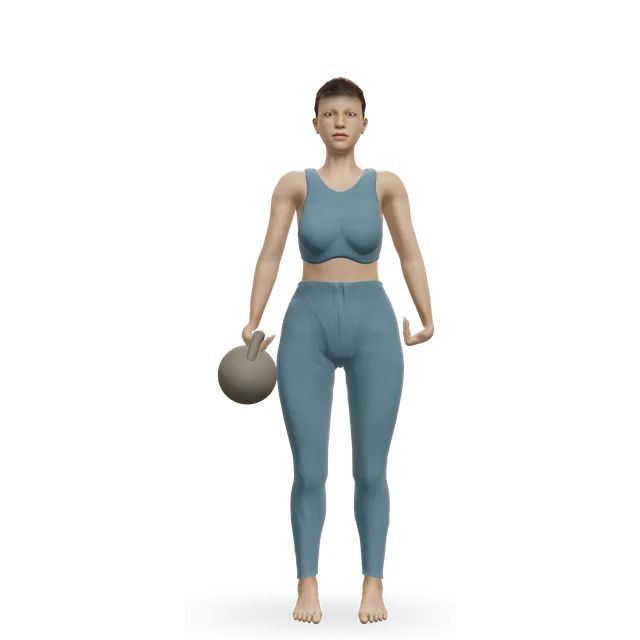
- Suitcase carry2 × 20 to 30 m each sideIntermediate · Abs, Forearms, Back · 3D demoOne heavy dumbbell or kettlebell; walk tall without leaningEasier: Farmer's carryHarder: Overhead carry (waiter's walk)

Body line
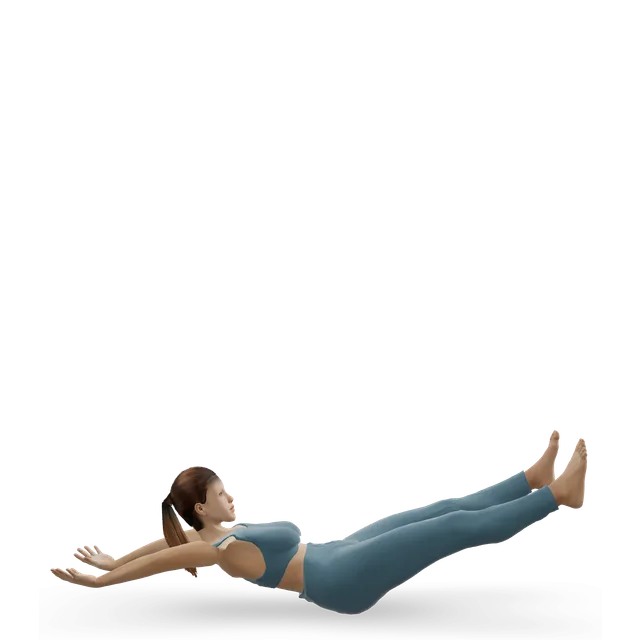
- Hollow body hold2 × 20 to 30 sIntermediate · Abs, Hip flexors · 3D demoRibs down, legs squeezed: the straight line the flag holdsEasier: Dead bugHarder: Dragon flag
Cool-down (optional)
- Cross-body shoulder stretch30 s each sideBeginner · Shoulders, Back · 3D demoHarder: Sleeper stretch

Tips
- Flag practice comes first, while you're fresh, for 10 to 15 minutes at most: your step on the ladder in our human flag guide, on a pole or wall bars fixed at both ends over a soft floor, with someone to spot you at first. No 3D demo shows the flag itself.
- Two or three times a week, not on consecutive days. Train both sides of the flag every session, starting with your weaker side.
- End every hold before your hips drop or your elbows bend, and every set 1 to 3 reps short.
- Shoulders: keep pain to about 5 out of 10 or less, back to its usual level by your next session; a sharp pinch means lower, lighter or stop. An ache at the front of the elbow that's still there the next morning: go back a step for a week. A pop with sudden pain, bruising or a bulge in the upper arm needs an urgent treatment centre or A&E the same day.
- Pike push-ups put your head below your heart. With glaucoma, keep the sets short or use a head-up version, such as the seated dumbbell press; with proliferative or severe non-proliferative diabetic retinopathy, or after recent eye laser treatment or surgery, leave them out until your eye team says they're safe.
- Keep breathing through every hold; don't strain with your breath held. With high blood pressure that isn't controlled, heart disease, a pacemaker or defibrillator, a hernia or glaucoma, ask your GP or specialist first.
- Not for now after a recent shoulder dislocation or surgery, or in pregnancy, when the NHS advises avoiding activities with a risk of falling. If you push a manual wheelchair, favour rows and rotator cuff work over dips and overhead pressing.
- No pole? This session on its own still builds what the flag needs.
The doses are suggested starting points, not a prescription. Choose a range you can control and stop for sharp or increasing pain, numbness or tingling. Get individual advice after an injury or surgery, or if you are pregnant or managing a health condition.
Guides that recommend it
Find more moves like these
More skill progressions




Push-up progression workout
Work up to full push-ups: wall, incline and knee push-ups, then the floor push-up and harder variations.
15 minBeginner8 movesA wall, A bench or box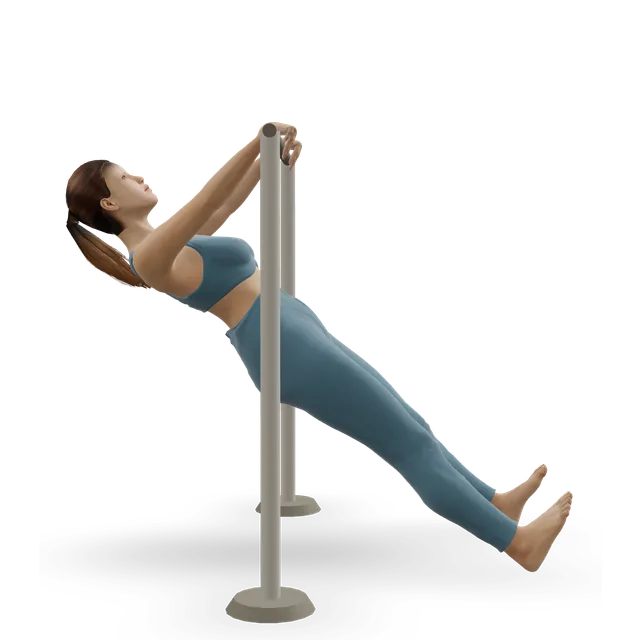
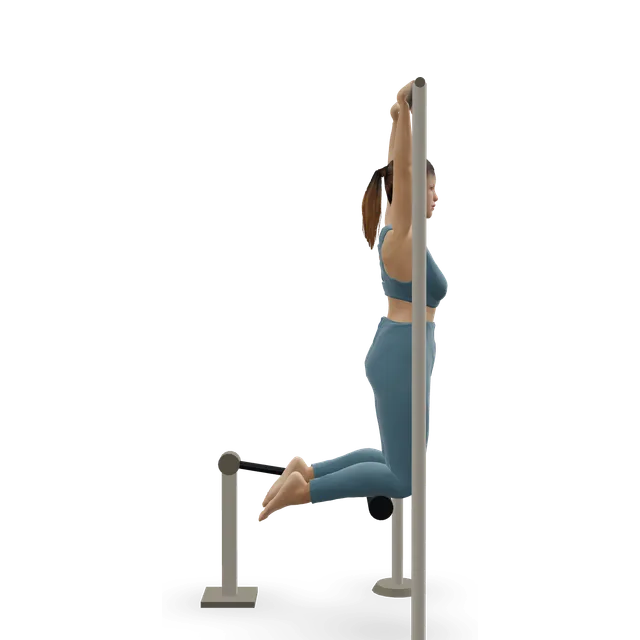
Pull-up progression workout
Work up to your first pull-up: dead hangs, scapular pulls, rows, negatives and assisted pull-ups.
25 minBeginner7 movesPull-up bar, A step
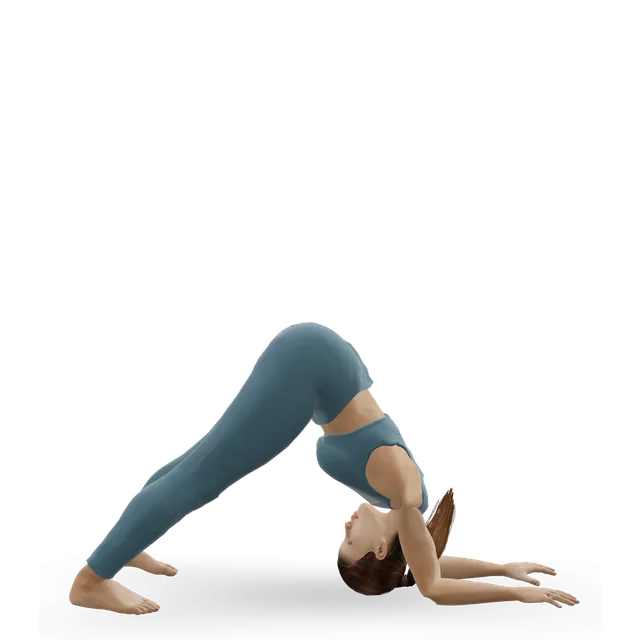
Handstand progression
Build toward a handstand: wrist prep, dolphin pose, pike push-ups, crow, the wall handstand and freestanding holds.
25 minAdvanced9 movesA wallQuestions people ask
How long does the human flag strength workout: the pulling, pressing and side-trunk strength behind the flag take?
About 35 minutes, including any warm-up and cool-down listed. Shorten it by doing fewer rounds; lengthen it by adding one.
What equipment do I need?
You need: Pull-up bar, A step, A dumbbell, A kettlebell. Each move links to its guide, where you can find an alternative if you are missing something.
Is it suitable for me?
It is written at advanced level. 11 of its 12 moves have an easier option listed beside them; use them freely.
How do I make it easier or harder?
Use the easier or harder option listed under each move, change the number of rounds, or adjust the rest. Progress one change at a time.