Training guide

How to improve core strength: what your core is, how to test it, the exercises that work and what a strong core does and doesn't do

Your core is more than your abs: it's the muscles that wrap your trunk, from your diaphragm to your pelvic floor, front, sides and back. To strengthen it, train each job it does: holding against arching, sideways bending and twisting, keeping your back straight, curling, and carrying. Two or three short sessions a week are enough.

This guide covers what the core is, core stability and core strength, one exercise for each job with steps from easiest to hardest, how to test yourself and what's typical, what the trials show for sport, balance and back pain (core training helps, but it isn't magic), crunches against planks, and who should change it. A free core strength workout puts it into one session.

The short version

Your core is more than your abs

It's the box of muscles around your trunk: the diaphragm on top, the abs and obliques at the front and sides, the back muscles and glutes behind, and the pelvic floor and hips below. Core stability is control of your trunk over your pelvis; core strength is how much force it can resist or make.

Sources 1, 2, 3

Train each job your trunk does

Resist arching (planks, dead bugs), bending sideways (side planks, suitcase carries) and twisting (Pallof presses), keep your back straight (bird dogs), curl (curl-ups, reverse crunches) and carry. No single exercise trains every ab muscle with a low load on the spine.

Source 4

Two or three short sessions a week

One move per job, 2 or 3 sets, made harder rather than longer (our editorial starting point, as our abs and plank guides do). Core training raised core endurance a lot in pooled trials of athletes, though the trials were small and varied.

Sources 5, 6

What it does, and doesn't do

It improves core endurance and balance, jump height a little, and balance and reach in older adults. It hasn't been shown to improve sprinting, agility or sport skill.

Sources 7, 5, 8, 11

Back pain: exercise helps, core exercise isn't special

Exercise eased chronic back pain by about 15 points on a 100-point scale across 249 trials, and core exercise helped no more than other exercise. A strong core didn't prevent back pain on its own in a trial of 4,325 soldiers.

Sources 12, 14, 15, 20

Crunches or planks? Both

Swapping sit-ups for core stability work gave the same sit-up scores and injury rates in thousands of soldiers. The idea that crunches wreck your discs comes from pig spines bent tens of thousands of times in a lab. With osteoporosis, avoid loaded rounding of your back.

Sources 21, 22, 23

What your core is: stability and strength

A box of muscles

There's no single definition. A useful one is a box: the diaphragm on top; the six-pack muscle (rectus abdominis), the obliques and the deep transversus abdominis at the front and sides; the back muscles (erector spinae, multifidus and quadratus lumborum) and the glutes behind; and the pelvic floor and hip muscles below.

Sources 1, 2

Core stability or core strength?

Core stability is control: keeping your trunk where you want it over your pelvis while your arms and legs move or something pushes on you. Core strength is how much force those muscles can resist or make. Everyday life mostly needs low-load control; lifting and sport need more strength. There's no gold-standard test of either.

Sources 2, 3

The jobs, and one move for each

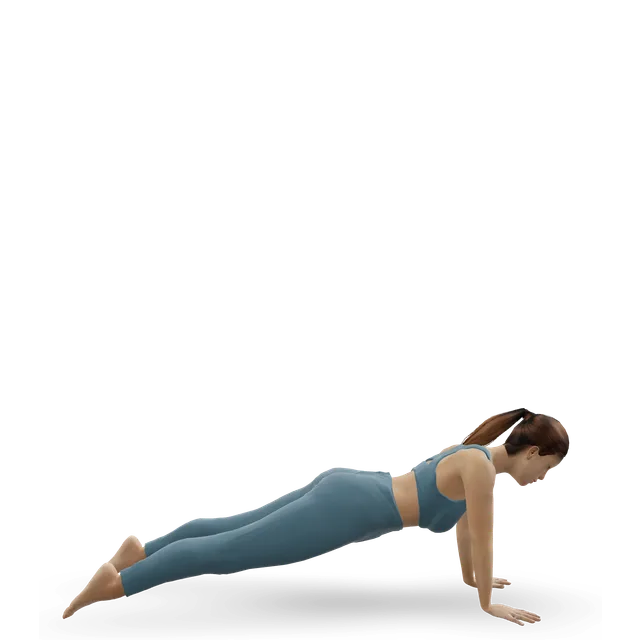
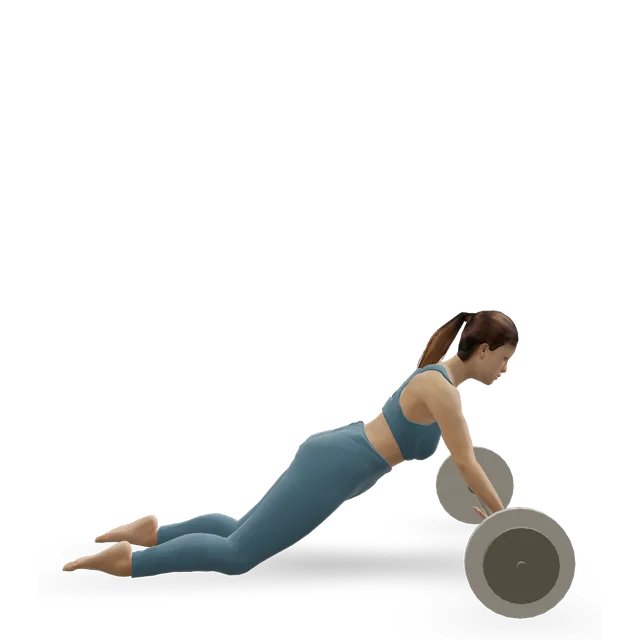
Stop arching: planks, dead bugs and ab wheel rollouts. Stop bending sideways: side planks and suitcase carries. Stop twisting: Pallof presses. Hold your back straight: bird dogs and back extensions. Curl: curl-ups, reverse crunches and crunches. Carry: farmer's and suitcase carries, which use all of the above as you walk (our grouping, as our plank, oblique and ab challenge workouts use).

Core strength isn't visible abs

Visible abs depend on the fat over them; core strength doesn't. Core work strengthens the muscles but doesn't burn the fat over them, as our abs and belly fat guides explain.

Sources 28, 29

How people differ

Heavier and broader people score lower on hold tests, women tend to outlast men on a back-extensor hold, and back-muscle endurance is shorter in older adults. None of this is a target: compare yourself with yourself.

Sources 24, 26, 25, 27

What the evidence says

Most core training trials are small and of low quality, with very different programmes (high heterogeneity) and a risk that positive results were more likely to be published.

Core training builds core endurance and balanceEmerging evidence

In 8 trials of 169 athletes, core training improved core endurance (a standardised effect of 0.90), plank time and balance (0.81). In 29 studies of 956 athletes, core endurance improved by 1.32 and balance by 0.99. Across 21 studies, balance improved by 1.17 and vertical jump by 0.69, with moderate certainty, but not throwing speed.

Sources 5, 6, 7

Little effect on sport skillEmerging evidence

The same pooled trials found no clear gain in sprinting, agility or sport-specific performance. In trained people, core training raised trunk strength a lot but performance only a little, and trunk strength barely tracked performance. An earlier review of 24 studies called the benefit to athletic performance marginal.

Sources 5, 6, 8, 9

Balance and function in older adultsEmerging evidence

In older adults, core training raised trunk strength by about 30% and balance and function by about 23%, in low-quality trials. In 11 studies of 442 people aged 60 to 85, it improved reaching and walking tests and one-leg standing. Falls weren't measured.

Sources 10, 11

Back pain: exercise helpsStrong evidence

Across 249 trials, exercise reduced chronic low back pain by about 15 points on a 100-point scale compared with no treatment, with moderate certainty, and improved function a little. Most types of exercise beat minimal treatment in 217 trials, with Pilates and McKenzie exercises among the larger effects, and the authors advise choosing the exercise you enjoy.

Sources 12, 13

Core exercise isn't better than other exerciseStrong evidence

In 29 trials of 2,431 people, deep-core "motor control" exercise wasn't clinically better than other exercise for chronic back pain, and in another review of 29 studies, stabilisation exercise wasn't better than other active exercise in the long term.

Sources 14, 15

A strong core doesn't prevent back pain on its ownStrong evidence

Exercise with education cut the risk of a new episode of back pain in 21 trials of 30,850 people (risk down by about 45%, moderate quality). But in 4,325 soldiers followed for 2 years, core stability exercise prevented no more back pain than traditional sit-ups and crunches, and across 26 cohort studies, trunk muscle endurance didn't predict who got back pain.

Sources 16, 20, 17

Older studies that disagreedMixed evidence

In 928 Danish adults, good back-muscle endurance went with less first-time back trouble in men over a year, and in 126 people, poor endurance went with more new back pain. Later pooled cohort studies didn't confirm a link.

Sources 18, 19, 17

Sit-ups against core stability workEmerging evidence

In 2,616 soldiers, 12 weeks of core stability work instead of sit-ups gave the same sit-up scores and fitness. In 1,141 soldiers, injury rates were the same, with slightly fewer days off for back injuries in the core stability group.

Sources 21, 22

Where "crunches are bad for your back" comes fromEmerging evidence

Pig spine segments bent up to 86,400 times under load in a lab developed disc bulges. That's not evidence from people training. In 9 people, partial curl-ups gave the most ab work for the load on the spine, and no single exercise trained all the ab muscles at a low spine load.

Sources 23, 4

Ab work doesn't burn belly fatStrong evidence

Six weeks of ab exercises on 5 days a week changed no measure of belly fat in 24 adults, though their curl-up test rose. Across 13 studies, training one body part didn't take the fat off it.

Sources 28, 29

What nobody has testedMixed evidence

We found no trial of the best dose of core training for the general public. The doses below come from our own workouts and are our editorial starting point.

Source 5

How to train your core

One move per job

Four to six moves a session, one for each job, from the steps below.

Source 4

Sets and holds

Two or three sets of each. Front planks of 20 to 45 seconds and side planks of 15 to 40 seconds, ending each hold when your form goes; once 3 holds of 45 seconds are steady, make it harder rather than longer, as our plank guides say. Moving exercises: 6 to 15 reps, stopping 1 to 3 short. Carries: 20 to 30 metres a side (our editorial starting points, from our ab challenge and plank challenge workouts).

How often

Two or three times a week, on its own or at the end of a strength session, as our abs guide suggests. Modest daily holds are fine too, as our plank hold guide says.

How to engage your core

Brace: tighten all the way round your middle as if for a light poke in the stomach, keep your ribs down and keep breathing, as our plank guide's cue says. Sucking your belly button in hard isn't needed.

Breathe

Never hold your breath in a hold: blood pressure climbs in long planks, as our plank guide explains. Counting out loud helps.

Keep the big lifts

Heavy squats, deadlifts and carries work your trunk hard too, as our abs and plank guides explain, so a full strength plan already does part of the job. Core work adds to it.

A core strength session, step by step

Our editorial starting point, built on our ab challenge sessions, our plank guides' cues and our core strength workout.

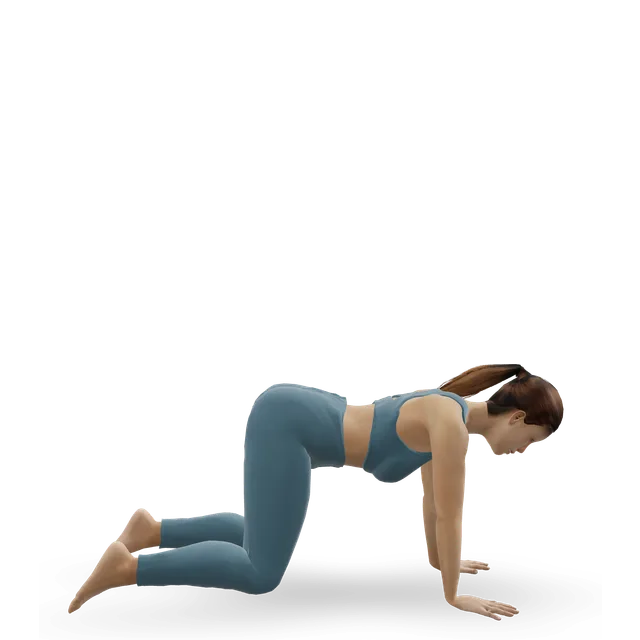
  1. Warm up with 8 slow cat-cow waves.
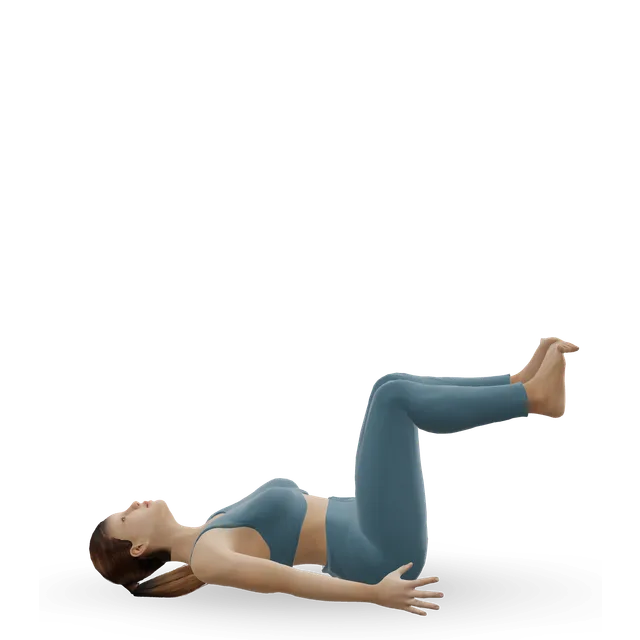
  2. Learn the brace on your back: knees and hips bent, arms up, lower back gently on the floor. Tighten all the way round your middle as if for a light poke in the stomach, and keep breathing.
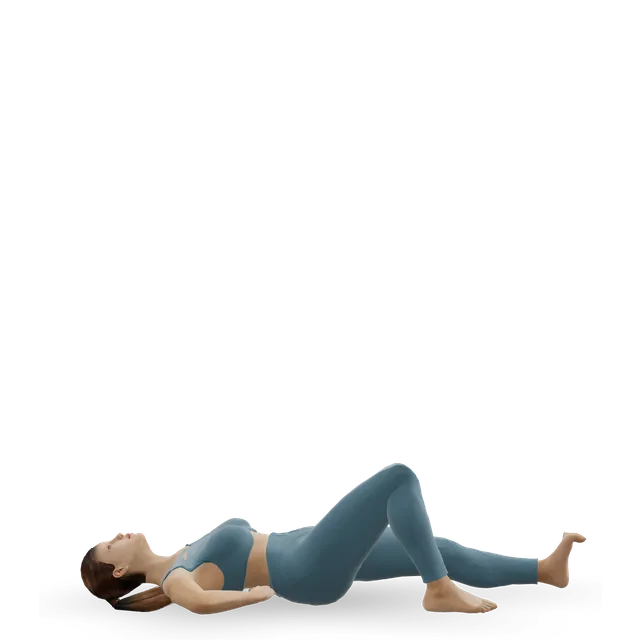
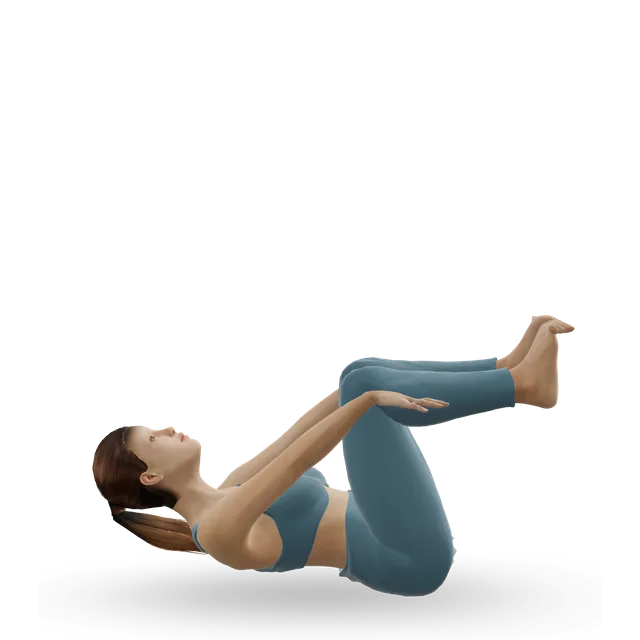
  3. Dead bug: keeping that brace, reach one arm back and the opposite leg long, breathing out as you go, then come back; 6 to 10 each side. Your lower back staying gently down is the whole exercise.
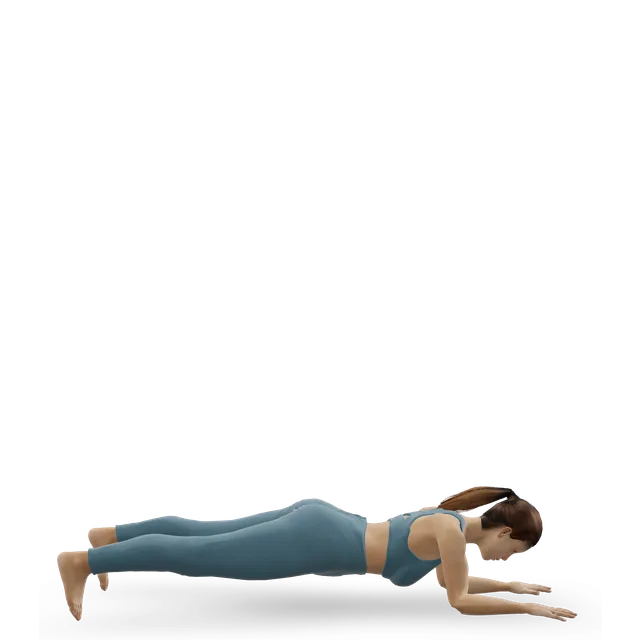
  4. Front plank: forearms under your shoulders, one straight line; hold until your hips start to sag.
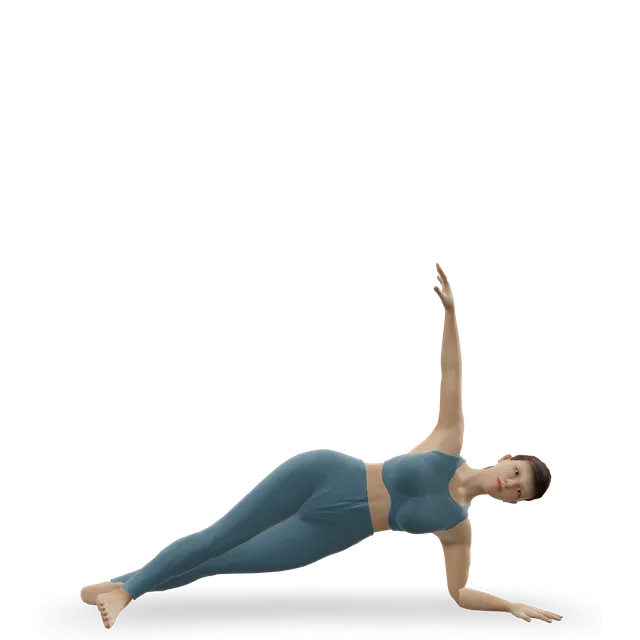
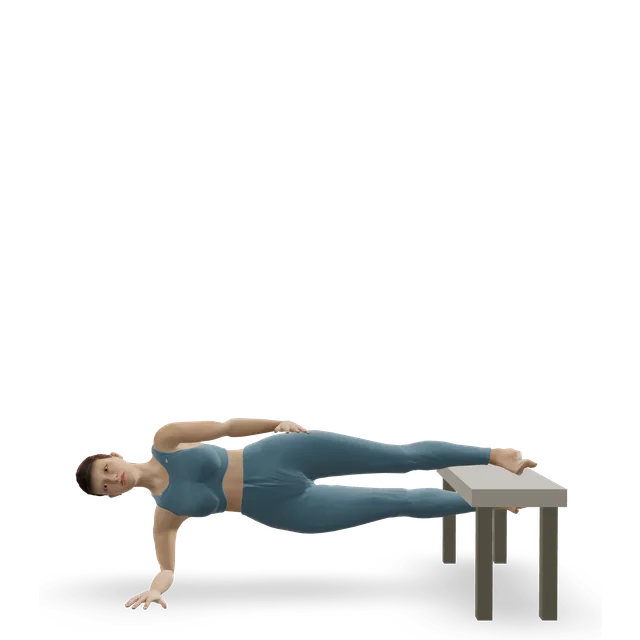
  5. Side plank on your knees or feet, top hip stacked over the bottom one, each side.
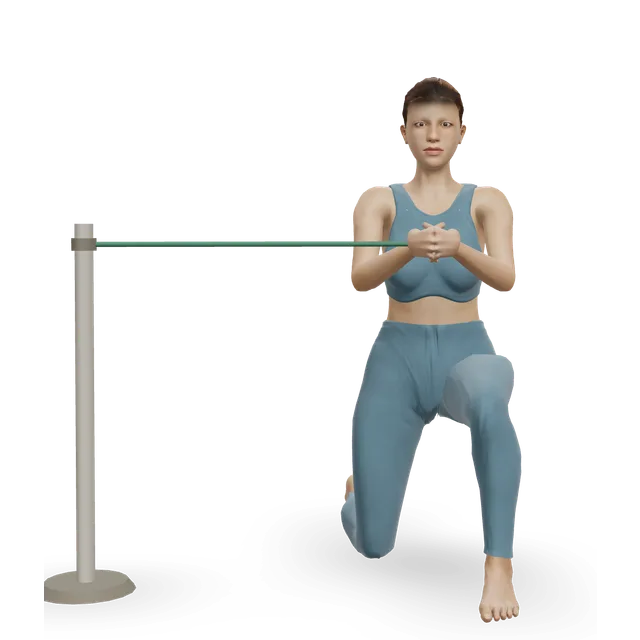
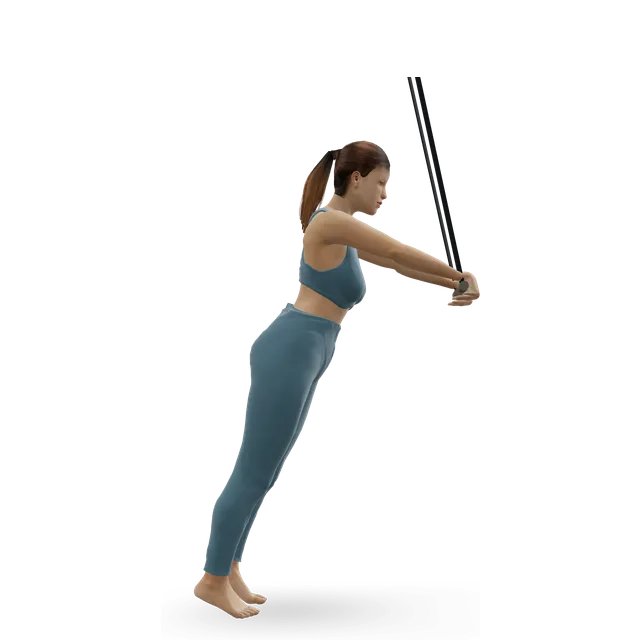
  6. Pallof press: side-on to a band at chest height, press out and back without letting it turn you.
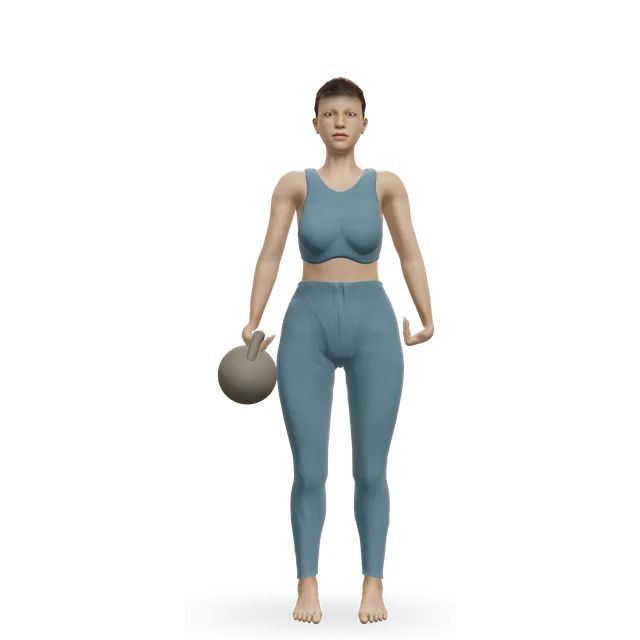
  7. Bird dog: from all fours, reach one arm and the opposite leg long and hold for 3 to 5 seconds without your back moving. Finish with a suitcase carry if you have a weight.
  8. Next time, move one exercise up a step once every set reaches the top of its range for 2 sessions.

Loading the 3D figure…

Gets into position, then repeats the movement. Technical checks passed; qualified exercise review is pending.

The movement on the figure: Dead bug

One move for each job your core does

Pick one from each job, 2 or 3 sets, 2 or 3 times a week; our core strength workout and ab challenge sessions give the doses.

Start here

Easier steps for each job: move on when every hold or set reaches the top of its range for 2 sessions.

Harder: when the basics are easy

Harder versions of each job. The straight-arm plank's move page gives 3 holds of 15 to 30 seconds as a suggested starting point; the long-lever plank has no demo of its own, so the forearm plank shows it.

Test yourself

The plank testEmerging evidence

In 471 college students holding a forearm plank until their form went, the median was 110 seconds for men and 72 for women, and most stopped because of their legs or arms, not their abs. Our plank test page scores ages 18 to 40 against this table; test every 4 to 8 weeks, fresh and the same way (our suggestion).

Source 24

Side planks and a back holdEmerging evidence

The back researcher Stuart McGill's tests time a back-extensor hold, a front-of-trunk hold and side planks. They were highly reliable in 75 young adults, and their targets are ratios between the holds rather than times for your age: in men, side planks lasted about as long as the front hold. A big difference between your two side planks is something to train, not a diagnosis (our suggestion).

Source 25

What a test can't tell youEmerging evidence

Hold times ranked people consistently but varied by 12 to 24% between tries in 45 athletes, were lower in heavier and broader people, and were about 41 seconds shorter for the back muscles in people over 60. They don't predict back pain. Compare yourself with yourself.

Sources 26, 27, 17

Core strength and back pain

Exercise is one of the best treatmentsStrong evidence

Core exercises, Pilates, McKenzie exercises and general strengthening all help chronic back pain by roughly similar amounts, so choose what you enjoy and will keep doing.

Sources 12, 13, 15

How to strengthen your core with a bad back

Start with moves your back tolerates: dead bugs, bird dogs, side planks and the McGill big 3. Our back pain rule: discomfort up to about 5 out of 10 is acceptable if it settles within an hour or so and is no worse the next morning, and stop any move that sends pain down a leg. Our back pain guides have the plans.

PreventionStrong evidence

Exercise with education lowers the risk of a new episode of back pain, but core work on its own did no better than sit-ups in a large trial. Keep active in whatever way suits you.

Sources 16, 20

For sport, and as you get older

Sport

Core work is worth a short slot for trunk endurance and balance, while speed and skill come from your sport and from strength and power training. Don't expect core work alone to make you faster.

Sources 5, 6, 8

Older adults

Trunk training went with better balance and reach in older adults. Our older adults guide puts it with leg strength, balance work and walking, which is what lowers the risk of falls.

Sources 10, 11

Children

Children build strength through active play and sport; our children's exercise guide covers it. For a baby or toddler, ask your health visitor or GP.

Workouts to follow

Our core strength workout trains every job in one session, with easier and harder steps. The ab challenge sessions split the jobs over two short sessions, and the McGill big 3 suits a back that dislikes bending.

Core strength workout: one move for each job your trunk does

A 25-minute core strength workout: planks or rollouts, side planks, a band Pallof press, bird dogs, curl-ups and a carry, each with an easier and a harder step.

25 minBeginner11 movesAn ab wheel, A band

Beginner core workout

A 15-minute beginner core workout on the floor: dead bugs, bird dogs, knee planks, side planks and curl-ups.

15 minBeginner6 movesNo equipment

Core session A: dead bugs, curls and front planks

A 12-minute core session for the front of the trunk: dead bugs, curl-ups or crunches and front planks, each with steps from beginner to harder.

12 minBeginner11 movesNo equipment

Core session B: side planks, bird dogs and a carry

A 12-minute core session for the sides and back: side planks, bird dogs, a band press that resists twisting and an optional one-sided carry.

12 minBeginner10 movesA band, An anchor point

Plank challenge workout

A 12-minute plank session for the 30-day plank challenge: front planks that get harder, not longer, plus side planks and bird dogs for the whole trunk.

12 minBeginner12 movesNo equipment

Oblique workout: side planks, Pallof presses, carries and Russian twists

A 25-minute oblique workout at home: side planks, a band Pallof press and a suitcase carry to hold your trunk steady, then slow Russian twists and side-lying crunches.

25 minIntermediate8 movesA band, An anchor point

Loaded carry workout: farmer's, suitcase and overhead carries

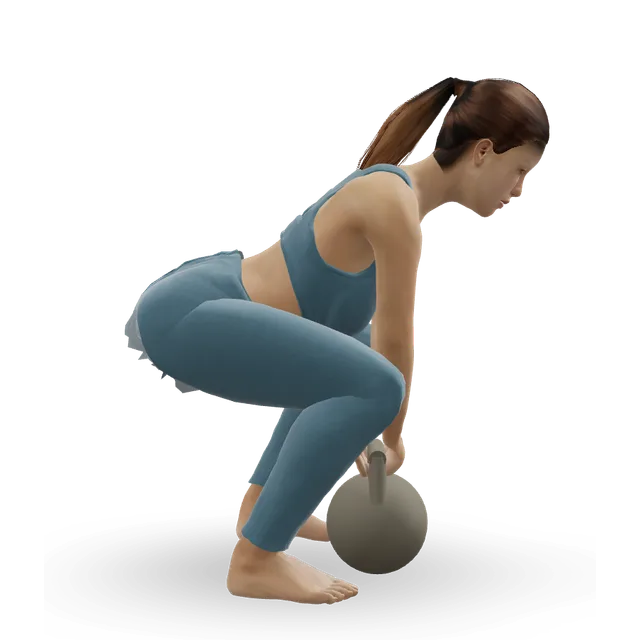
A 25-minute carry workout with dumbbells or kettlebells: farmer's carries, suitcase carries on each side and an overhead carry, with a safe pick-up first.

25 minBeginner7 movesA kettlebell, A dumbbell

McGill big 3 core routine

The McGill big three for the core: curl-ups, side planks and bird dogs, each held for 10 seconds at a time in falling sets of 5, 3 and 1 reps.

12 minBeginner3 movesNo equipment

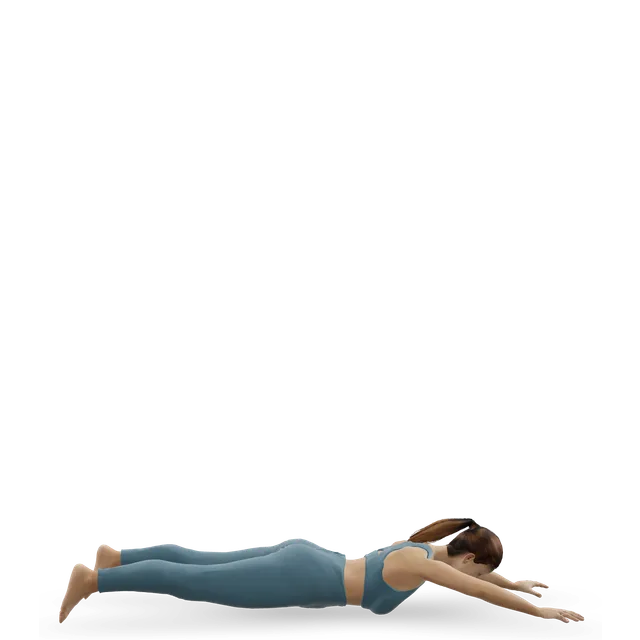
Lower back strengthening workout: bird dogs to supermans, no equipment

A 20-minute floor workout for your back muscles: bird dogs and bridges, then a face-down ladder from the locust to the superman, with side planks and dead bugs.

20 minBeginner13 movesNo equipment

Advanced core workout

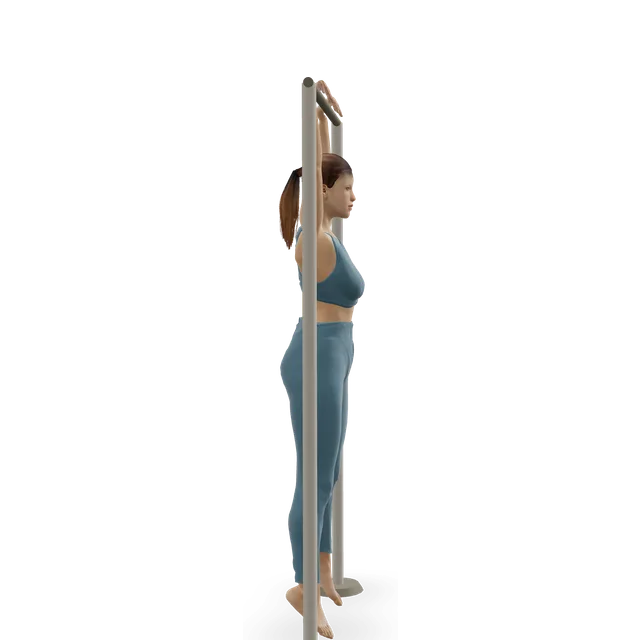
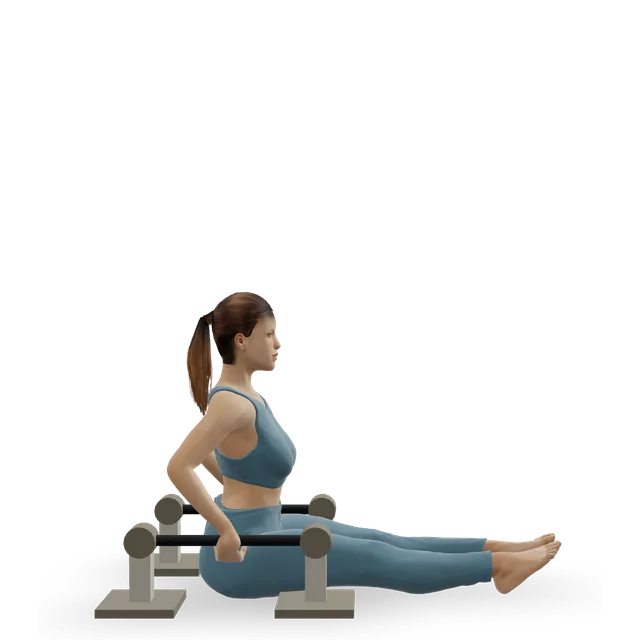
Hard core training: ab wheel rollouts, hanging leg raises, L-sits, Copenhagen planks, plank walk-ups and dragon flags.

30 minAdvanced6 movesAn ab wheel, Pull-up bar

Ab wheel progression workout: from planks to full rollouts

A 20-minute ab wheel ladder: planks, fallouts, kneeling rollouts to a wall and at full reach, barbell rollouts from a bench, then standing rollouts.

20 minBeginner8 movesAn anchor point, An ab wheel

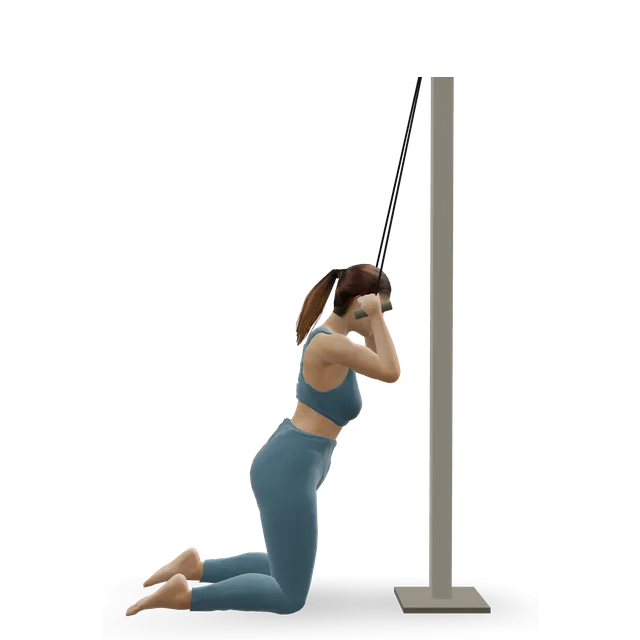
Gym ab workout: cable crunches, hanging knee raises, rollouts and carries

A 25-minute gym ab workout you can add weight to: cable crunches, hanging knee raises, ab wheel rollouts, Pallof presses and suitcase carries.

25 minIntermediate7 movesA cable machine, Pull-up bar

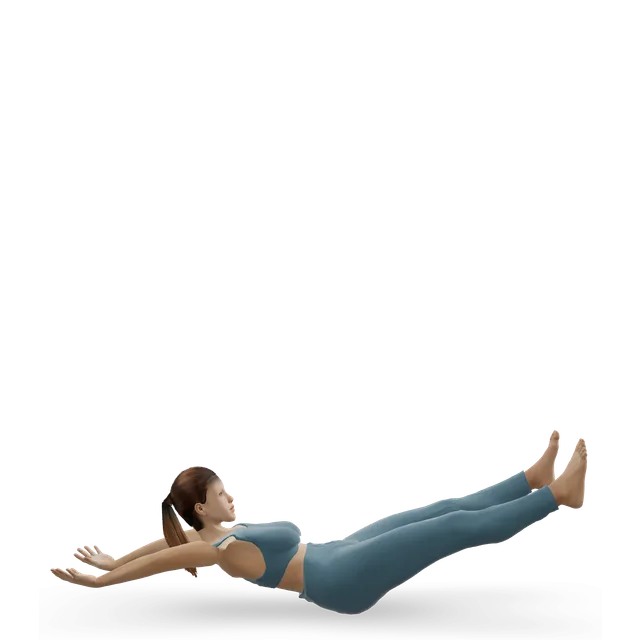
Yoga for core strength: a 20-minute practice

Twenty minutes of plank, side plank, boat pose, back lifts and standing balances: the yoga poses that work the trunk hardest, with easier and harder options.

20 minBeginner13 movesNo equipment

10-minute Pilates abs

Ten minutes of the classic Pilates abdominal series: the hundred, the roll-up and the series of five, with a plank to finish.

10 minIntermediate11 movesNo equipment

Plans

The 30-day ab challenge trains every part of your trunk in four short sessions a week; the plank challenge builds your holds, harder rather than longer.

Who should change their core training

In pregnancy

In later pregnancy, the NHS advises avoiding lying flat on your back for more than a few minutes, which can make you feel dizzy. Our rule starts after the first trimester: swap crunches for side-lying, all-fours or standing core work, as our pregnancy guide sets out.

Source 31

After a birth, and a gap between the tummy muscles

The NHS advises avoiding sit-ups, planks and high-impact exercises to start with, and contacting a GP if the gap is still obvious 8 weeks after the birth. Later, curl-ups needn't be banned: 12 weeks of curl-ups didn't widen the gap in a trial. If the middle of your tummy domes (bulges into a ridge), make the move easier, as our diastasis recti guide explains.

Source 30

Osteoporosis

With osteoporosis or a past spinal fracture, avoid repeated or loaded deep rounding of the back, and bend from the hips. The osteoporosis guide covers impact and lifting.

Heart failure

The British Heart Foundation advises avoiding "using your whole body as a weight, such as press-ups or planks", and holding your breath. Ask your heart team; dead bugs and bird dogs are gentler.

Glaucoma

Eye pressure rose during planks in healthy volunteers. Ask your eye team before long holds, and breathe throughout.

A hernia, a stoma or after tummy surgery

Our suggestion, as our abs and plank guides do: after an umbilical or incisional hernia repair, or with a stoma, our hernia and stoma guides set the order of core moves, and stop any move that makes a bulge appear.

Leaking, heaviness or a prolapse

Our suggestion: our pelvic floor and prolapse guides come first; with a prolapse, swap twists and crunches for Pallof presses, as our oblique workout suggests.

Warning signs: when to get help

Back pain that needs 999 or A&E

Call 999 or go to A&E: loss of feeling or numbness around the genitals or bottom, new trouble peeing or controlling your bladder or bowels, changes in genital sensation during sex or problems with erections or orgasm, or pain, tingling, weakness or numbness in both legs. These are signs of cauda equina syndrome, which needs treating in hospital urgently. Don't drive yourself.

Same day (GP or NHS 111): back pain and you feel hot, cold, shivery or generally unwell, or severe pain that starts suddenly or is getting worse quickly.

Source 32

Pain down a leg

See a GP if pain spreading down a leg hasn't improved after a few weeks of home treatment, is getting worse or stops your normal activities. Sciatica on both sides, or weakness or numbness in both legs that's severe or getting worse, is a 999 call or a trip to A&E.

Source 33

Hernia

See a GP if you think you have a hernia, a bulge or lump that may get bigger when you strain and smaller when you lie down. Get help from NHS 111 if you have a hernia and pain in or around it, a bloated tummy, you feel or are sick, you're vomiting blood or your vomit looks like coffee grounds, you're constipated, you have a high temperature or feel hot, cold or shivery, or you've suddenly become confused. Call 999 or go to A&E for a femoral hernia (a small lump at the top of your thigh, in your groin) with very bad tummy pain, sickness, being unable to fart or poo, a high temperature or sudden confusion.

Sources 34, 35

Stop and get medical help

If you get chest pain or pressure, feel faint or dizzy, are unusually breathless, or your heart races or beats irregularly during exercise, as our plans advise.

Call 999 (911 in the US)

For chest pain that comes on suddenly and doesn't go away, feels tight or like squeezing, spreads to your arms, neck, jaw, stomach or back, or comes with sweating, feeling sick, light-headedness or breathlessness; severe difficulty breathing; someone who faints while exercising; palpitations that don't go away, or come with chest pain, shortness of breath or feeling faint; or a headache that starts suddenly and is extremely painful, especially while lifting or straining, or comes with numbness or weakness, difficulty speaking or loss of vision. The NHS says a bleed on the brain may be more likely when lifting something heavy. Don't drive yourself to A&E.

Sources 36, 37, 38, 39, 40

Ask for an urgent GP appointment or call NHS 111

Ask for an urgent GP appointment or get help from NHS 111 for a headache that's triggered or made worse by coughing, sneezing, bending down or exercising. In the US, contact your doctor or urgent care.

Source 41

During any session

Stop straight away if you feel any pain or become unwell, the NHS says, and contact 111 if your symptoms worry you or don't go away.

A dull ache in your muscles for a day or two after something new is normal. Joint pain that's sharp, gets worse during a set or lingers into the next day means switching to the easier option, and seeing a GP or physiotherapist if it carries on (our plans' rule). Our muscle soreness guide has more.

Source 43

Check first

Speak to your GP first if you haven't exercised for some time or have medical conditions or concerns, as the NHS advises. Get advice before heavy lifting or hard straining work if your blood pressure is uncontrolled, or you have heart disease or chest pain when you're active, a pacemaker or defibrillator, diabetic eye disease, glaucoma, a hernia, recent eye or tummy surgery, or you're pregnant, as our breathing guide lists. After a recent shoulder dislocation or shoulder surgery, follow our shoulder dislocation guide or your surgical team first.

Source 42

Myths

"Crunches give you a strong core"Emerging evidence

Crunches train one job, curling. No single exercise trains every core muscle with a low load on the spine, so a strong core also needs work against arching, sideways bending and twisting, and for your back.

Source 4

"Crunches are bad for your back"Emerging evidence

The idea comes from pig spines bent tens of thousands of times in a lab. Swapping sit-ups for core stability work in thousands of soldiers changed neither injury rates nor sit-up scores. With osteoporosis, or if bending sends pain down a leg, leave them out.

Sources 23, 21, 22

"A strong core prevents back pain"Strong evidence

Trunk endurance didn't predict back pain across 26 cohort studies, and core stability work prevented no more back pain than sit-ups over 2 years in 4,325 soldiers. Exercise with education does lower the risk.

Sources 17, 20, 16

"Core exercises are the best treatment for back pain"Strong evidence

They help about as much as other exercise, not more. Choose the exercise you enjoy.

Sources 14, 15, 13

"A strong core makes you faster at your sport"Emerging evidence

Core training raised core endurance and balance, but not sprinting, agility or sport performance, in pooled trials.

Sources 5, 6, 8

"The longer your plank, the stronger your core"Emerging evidence

Long holds mostly end at the arms and legs. Make the plank harder, not longer.

Source 24

"Core work burns belly fat"Strong evidence

Six weeks of ab exercises changed no measure of belly fat, and training one body part doesn't take the fat off it.

Sources 28, 29

Questions people ask

How can I improve my core strength?

Train each job your trunk does: a plank or dead bug, a side plank or suitcase carry, a Pallof press, a bird dog and a curl-up, 2 or 3 sets each, 2 or 3 times a week. Make each one harder over time rather than longer.

What is core strength?

It's how well the muscles around your trunk (your abs, obliques, back muscles, diaphragm, pelvic floor and hips) hold you steady and make force, so your arms and legs have a stable base. It isn't the same as visible abs.

What's the difference between core stability and core strength?

Stability is control: keeping your trunk steady while your arms and legs move. Strength is how much force your trunk can resist or produce, which matters more in lifting and sport.

How do I know if my core is weak?

There's no single test. Time a forearm plank and each side plank every few weeks and compare with yourself; times vary a lot between tries and fall with age, so a single number says little.

How long does it take to strengthen your core?

Core endurance tests improve within weeks: in trials, core training raised plank times and core endurance over 4 to 12 weeks. How it feels in everyday life varies from person to person.

Do I need to do core exercises every day?

No: 2 or 3 sessions a week is plenty, though modest daily holds are fine if you enjoy them. A full strength plan already works your trunk through squats, deadlifts and carries.

Are planks or crunches better for core strength?

They do different jobs, so a mix is best: a plank resists arching and a crunch curls the trunk. Swapping sit-ups for core stability work in soldiers changed neither sit-up scores nor injuries.

Will a strong core stop back pain?

Not on its own: trunk endurance didn't predict back pain in cohort studies, and core stability work prevented no more back pain than sit-ups in a large trial. Exercise does help existing back pain, and core work is one good option among several.

How do I strengthen my core with a bad back?

Choose moves your back tolerates, such as dead bugs, bird dogs, side planks and the McGill big 3, keeping discomfort to about 5 out of 10 and settling within an hour. Core exercise helps about as much as other exercise, so pick what you enjoy, and see our back pain guides.

How do I engage my core?

Brace: tighten all the way round your middle as if for a light poke in the stomach, keep your ribs down and keep breathing. Sucking your belly button in hard isn't needed.

Does core training improve sport performance?

It improves core endurance and balance, and jumping a little, but pooled trials found no clear gain in sprinting, agility or sport skill. Keep it as a short part of your training.

Can I strengthen my core after having a baby?

Yes, gradually: start with the gentle tummy and pelvic floor exercises the NHS describes, and avoid sit-ups and planks to start with. If a gap down the middle is still obvious at 8 weeks, see a GP; our diastasis recti and postpartum guides take it from there.

Sources

  1. Huxel Bliven 2013 · Core stability training for injury prevention (narrative review, Sports Health)
  2. Kibler 2006 · The role of core stability in athletic function (narrative review, Sports Med)
  3. Hibbs 2008 · Optimising performance by improving core stability and core strength (narrative review, Sports Med)
  4. Axler 1997 · Low back loads over a variety of abdominal exercises in 9 people (lab study, Med Sci Sports Exerc)
  5. Dong 2023 · Core training and sport-specific performance in 169 athletes: 8 trials (meta-analysis, Behav Sci)
  6. Yu 2025 · Core training and athletic performance in 956 athletes: 29 studies (meta-analysis, BMC Sports Sci Med Rehabil)
  7. Rodríguez-Perea 2023 · Core training and performance: 21 studies (systematic review and meta-analysis, Biol Sport)
  8. Prieske 2016 · Trunk muscle strength, fitness and athletic performance in trained people (systematic review and meta-analysis, Sports Med)
  9. Reed 2012 · Core stability training and athletic performance: 24 studies (systematic review, Sports Med)
  10. Granacher 2013 · Trunk muscle strength, balance, function and falls in older adults: 20 studies (systematic review, Sports Med)
  11. Zhong 2025 · Core training and balance in 442 older adults: 11 studies (systematic review and meta-analysis, Front Public Health)
  12. Hayden 2021 · Exercise therapy for chronic low back pain: 249 trials (Cochrane review)
  13. Hayden 2021 · Types of exercise for chronic low back pain: 217 trials (network meta-analysis, J Physiother)
  14. Saragiotto 2016 · Motor control exercise for chronic low back pain: 29 trials (Cochrane review)
  15. Smith 2014 · Stabilisation exercises for low back pain: 29 studies (systematic review and meta-analysis, BMC Musculoskelet Disord)
  16. Steffens 2016 · Prevention of low back pain: 21 trials, 30,850 people (systematic review and meta-analysis, JAMA Intern Med)
  17. Hamberg-van Reenen 2007 · Physical capacity and future low back and neck pain: 26 cohort studies (systematic review, Pain)
  18. Biering-Sørensen 1984 · Physical measurements and low back trouble over a year in 928 Danish adults (cohort study, Spine)
  19. Alaranta 1995 · Back endurance and new low back pain over a year in 126 people (cohort study, Clin Biomech)
  20. George 2011 · Core stabilisation or traditional exercise and back pain over 2 years in 4,325 soldiers (cluster randomised trial, BMC Med)
  21. Childs 2009 · Sit-up training against core stabilisation and sit-up performance in 2,616 soldiers (randomised trial, Med Sci Sports Exerc)
  22. Childs 2010 · Sit-up training against core stabilisation and injuries in 1,141 soldiers (cluster randomised trial, Phys Ther)
  23. Callaghan 2001 · Disc herniation in pig spines bent repeatedly under load (lab study, Clin Biomech)
  24. Strand 2014 · Norms for a forearm plank hold in 471 college students (cross-sectional study, J Hum Kinet)
  25. McGill 1999 · Endurance times for trunk holds in 75 young adults (measurement study, Arch Phys Med Rehabil)
  26. Juan-Recio 2025 · Body size and trunk endurance hold tests in 45 recreational athletes (reliability study, PLoS One)
  27. Parrella 2026 · Ageing and back extensor endurance: 13 studies (systematic review and meta-analysis, GeroScience)
  28. Vispute 2011 · Six weeks of ab exercises and belly fat in 24 adults (randomised trial, J Strength Cond Res)
  29. Ramírez-Campillo 2022 · Spot reduction of fat by training one body part: 13 studies, 1,158 people (systematic review and meta-analysis, Hum Mov; journal page abstract read)
  30. NHS · Your post-pregnancy body
  31. NHS · Exercise in pregnancy
  32. NHS · Back pain
  33. NHS · Sciatica
  34. NHS · Hernia
  35. NHS · Femoral hernia
  36. NHS · Chest pain (past its review date: reviewed August 2023, review due August 2026)
  37. NHS · Heart attack
  38. NHS · Heart palpitations
  39. NHS · Fainting
  40. NHS · Subarachnoid haemorrhage
  41. NHS · Headaches
  42. NHS · Physical activity guidelines for adults aged 19 to 64
  43. NHS · How to warm up before exercising

Exercise education, not a personal prescription, and clinical review of these guides is pending. Check with a GP before starting hard training if you have a heart condition, chest pain, dizziness or breathlessness when active, and stop for sharp or increasing pain. Health disclaimer.