Training guide

How to strengthen your back: the back muscles, the exercises with evidence, how often, and when back pain needs a different plan

A strong back can hinge, straighten, hold still and pull. One exercise for each of those jobs, 2 or 3 times a week, trains the muscles along your spine, your glutes and hamstrings, your lats and upper back, and the trunk around them, at home or in the gym.

Exercise lowers the chance of back pain and eases it, but no single muscle or exercise is magic. This guide covers what your back muscles do, what exercise does and doesn't do for back pain, the four jobs with doses and steps from bird dogs to deadlifts, whether lifting from the floor or rounding your back is risky, osteoporosis, and when back pain needs its own plan first. Our lower back strengthening workout and deadlift workouts put it into sessions.

The short version

Your back is more than your spine muscles

A strong back hinges (picks things up), extends (straightens), holds still while your arms and legs work, and pulls. That means the muscles along your spine, your glutes and hamstrings, your lats and upper back, and the trunk around them.

Exercise lowers the chance of back pain

With education, exercise cut new episodes of back pain by about 45% in 21 trials of 30,850 people, and on its own by about a third. After an episode, keeping exercise up halved the number of people whose pain came back within a year. Back belts and shoe insoles didn't help.

Sources 1, 2, 3

But no muscle is magic

Trunk muscle endurance didn't predict who got back pain across 26 cohort studies, and no single type of exercise is clearly best for chronic back pain. Pick moves you'll keep doing.

Sources 4, 5, 6

One move for each job, 2 or 3 times a week

A hinge (kettlebell deadlift, building to a deadlift), a back extension (bird dog, building to the 45-degree bench), a hold or carry (side plank or suitcase carry) and a row, 2 or 3 sets each, stopping 2 or 3 reps short of failure.

Lifting from the floor is good training

In 70 people with recurring back pain, deadlift training eased pain as much as gentler exercise, with no difference at 2 years. A rounded back while lifting hasn't been shown to cause back pain, though those studies are low quality, and training in "lift with your legs" didn't prevent it.

Sources 7, 8, 9, 10

With osteoporosis, strengthen your back and avoid loaded rounding

The UK consensus recommends back-strengthening exercise and advises against deep or loaded forward bending. Back pain with numbness around the genitals or bottom, or bladder or bowel changes, is a 999 call (see the warning signs).

Sources 11, 12

Your back muscles, and what they do

The muscles

The muscles along your spine (the erector spinae and the deeper multifidus), the glutes and hamstrings that hinge you at the hips, the lats and upper-back muscles that pull, and the trunk wall around them: the abs, obliques and quadratus lumborum. Our spine page explains the joints.

Four jobs

Hinge: pick something up from the floor (deadlifts, Romanian deadlifts, kettlebell deadlifts). Extend: straighten your trunk against gravity (back extensions, prone back raises, bird dogs). Hold still while your arms and legs work (side planks and carries, as our core strength guide explains). Pull: rows for the middle and upper back.

Back strength and back pain are different questions

Exercise helps with back pain, but how strong or enduring your back muscles are doesn't predict who gets it. This guide is about building a stronger back; treating a sore back belongs to our back pain guides.

Source 4

How people differ

Long legs and a short trunk tip you further forward in a floor deadlift; the trap bar, a kettlebell or a raised start keeps the load closer, as our deadlift guide explains. Small changes in your back's shape under a heavy bar are normal; a big change means the weight is too heavy for now.

What the evidence says

Prevention trials mostly followed people for a year or less, often at work or in the military. The deadlift trial had 70 people.

Exercise prevents some back painStrong evidence

In 21 trials of 30,850 people, exercise with education cut the risk of an episode of back pain by about 45% (moderate quality), and exercise alone probably did too; education alone, back belts and shoe insoles didn't. Another review found exercise alone cut the risk by a third and suggested strengthening with stretching or aerobic exercise 2 to 3 times a week. A review of 40 trials agreed.

Sources 1, 2, 13

Keeping it up after an episodeEmerging evidence

In 4 trials of 407 people who had had back pain, continuing exercise after treatment halved recurrences at one year (moderate quality).

Source 3

Exercise eases chronic back painStrong evidence

Across 249 trials, exercise eased chronic low back pain by about 15 points on a 100-point scale compared with no treatment, usual care or placebo, with moderate certainty. Function improved a little.

Source 5

No one type is clearly bestEmerging evidence

In 89 studies (low-quality evidence), Pilates ranked best for pain and strength and stabilisation training for function; stretching and McKenzie exercises weren't better than no treatment. NICE suggests a group exercise programme chosen to suit you.

Sources 6, 14

Deadlift training and back painEmerging evidence

In 70 people with recurring back pain, 12 sessions over 8 weeks of deadlift training or individual low-load control exercise, both with pain education, improved pain, strength and endurance equally; the control exercise group improved more on an activity scale at first. At 2 years the groups didn't differ, and 50 to 80% in both reported less pain and disability.

Sources 7, 8

Rounding your back while liftingMixed evidence

In 11 low-quality studies, mostly cross-sectional, most found no difference in lower-back bending during lifting between people with and without back pain, and the one study that followed people found bending wasn't a risk factor. A review of 41 reviews found no consensus that particular postures cause back pain.

Sources 9, 15

Lifting technique training at workStrong evidence

In 9 trials of 20,101 employees, training in how to lift, with or without lifting aids, didn't prevent back pain: trained workers reported it as often as untrained ones (moderate quality).

Source 10

Heavy, frequent lifting at work is differentEmerging evidence

In 8 studies that followed workers, the odds of back pain rose by 11% for every extra 10 kg lifted and 9% for every extra 10 lifts a day. Progressive training a few times a week isn't the same exposure.

Source 16

Back endurance and future back painMixed evidence

In 928 Danish adults, good back endurance went with fewer first-ever episodes in men over a year, but across 26 cohort studies there was strong evidence of no link between trunk endurance and future back pain. A back hold is a training marker, not a pain predictor.

Sources 17, 4

Isolated lower-back machinesEmerging evidence

A narrative review found that machine training that isolates the lower-back muscles improved pain and disability in chronic back pain, even once a week with hard sets, but there's little evidence it beats other exercise. We don't have a 3D demo of these machines; the 45-degree bench is the nearest.

Source 18

Osteoporosis and back-extensor trainingEmerging evidence

The UK consensus recommends back-strengthening exercise for osteoporosis and avoiding loaded or end-range forward bending. In one small trial of 50 postmenopausal women, those who did 2 years of back-strengthening had fewer spinal fractures 8 years later (1.6% of vertebrae against 4.3%).

Sources 11, 12

How to strengthen your back: how much and how often

How often

Two or three times a week. The NHS asks for strength work on at least 2 days a week, including the back.

Sources 2, 19

The hinge

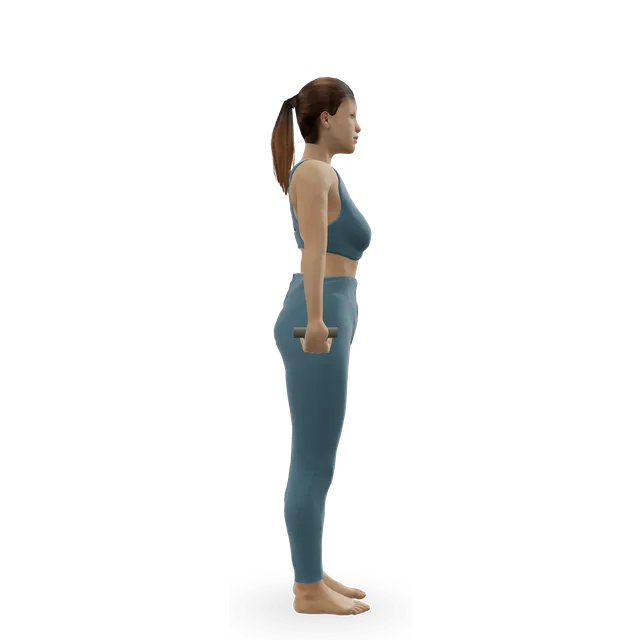
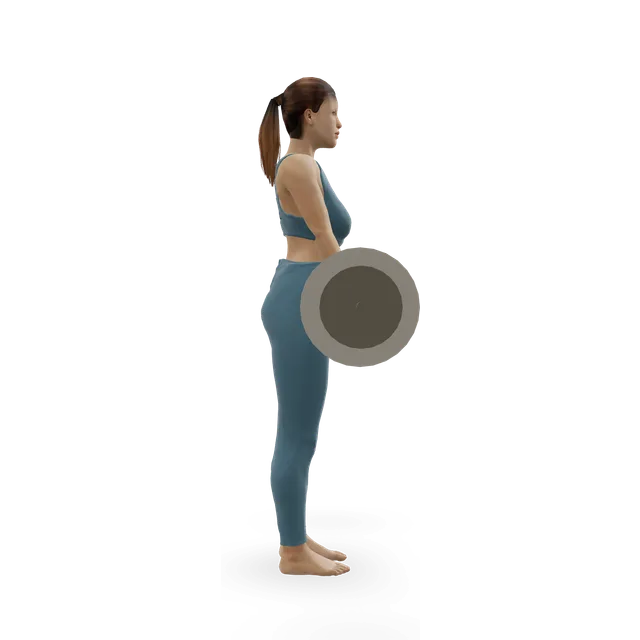
Kettlebell deadlifts, 3 sets of 8 to 10, light at first, the dose in our back pain plans; Romanian deadlifts, 3 sets of 8 to 10, lowering for 3 seconds and stopping before your back changes shape; barbell or trap bar deadlifts, one set of 5 in your first 2 weeks, then 2 or 3 sets of 5, as our deadlift guide sets out. Rest 2 to 3 minutes between heavy sets.

Back extensions

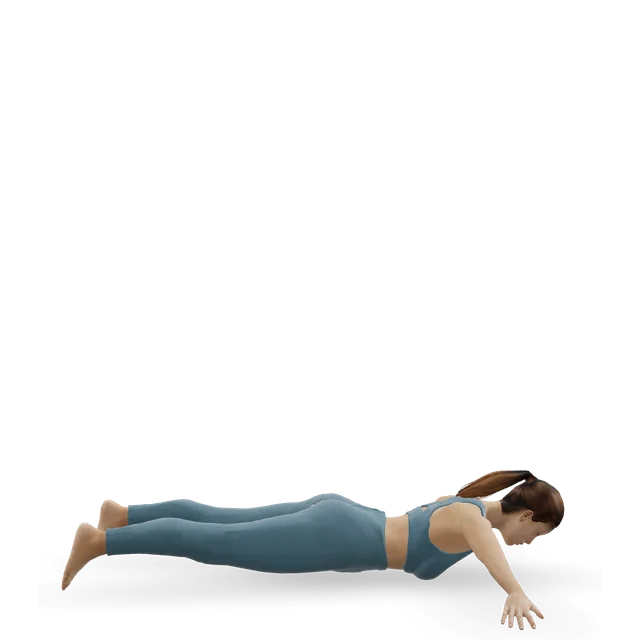
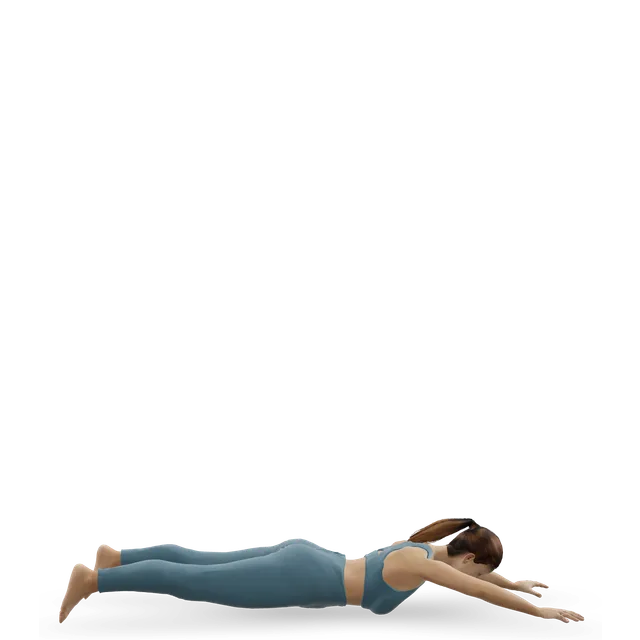
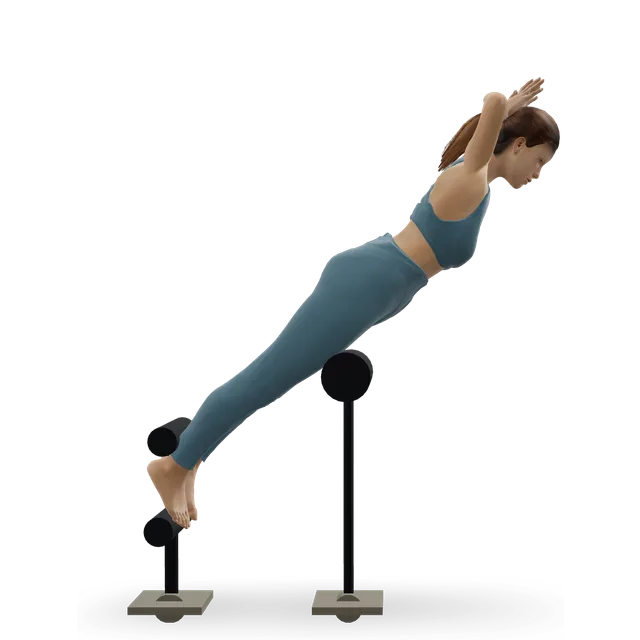
On the 45-degree bench, 2 to 3 sets of 10 to 15 with 60 to 90 seconds' rest, or 2 sets of 8 to 12 if you're new; the face-down back raise on the floor, 2 to 3 sets of 10 to 15 slow reps (our back extension guide). Rise to straight, not past it.

Holds, carries and rows

Side planks of 15 to 40 seconds and suitcase carries of 20 to 30 metres a side, 2 or 3 sets (our core strength guide), and rows, 3 sets of 8 to 12, stopping 2 or 3 reps short (our editorial starting point, within our plans' ranges).

Our back pain rule

Pain you'd call mild to moderate, no more than about 5 out of 10, that settles within an hour or so, with your back no worse the next morning, is acceptable; if it is worse, do less next time (fewer reps, a smaller range, a lighter load), not nothing. Stop or shrink any movement that sends pain, pins and needles or numbness further down your leg. That's our back pain guides' rule.

How long

Strength training for the back of the body did better over 12 to 16 weeks than shorter programmes in a review our deadlift guide cites. Treat 12 weeks as your first block (our editorial starting point).

A back strength session, step by step

Our editorial order, one move for each job, with doses from our deadlift and back extension guides, our core strength guide and our plans' shared notes. Our back extension guide teaches the bench.

  1. Warm up for 3 to 5 minutes: marching, 8 slow cat-cow waves and 8 hip hinges to a wall.
  2. Hinge: kettlebell deadlifts or Romanian deadlifts, 3 sets of 8 to 10, with a long, braced back.
  3. Extend: bird dogs on the floor, or the 45-degree back extension, rising until your body is straight and no further.
  4. Hold: side planks on your knees or feet, each side.
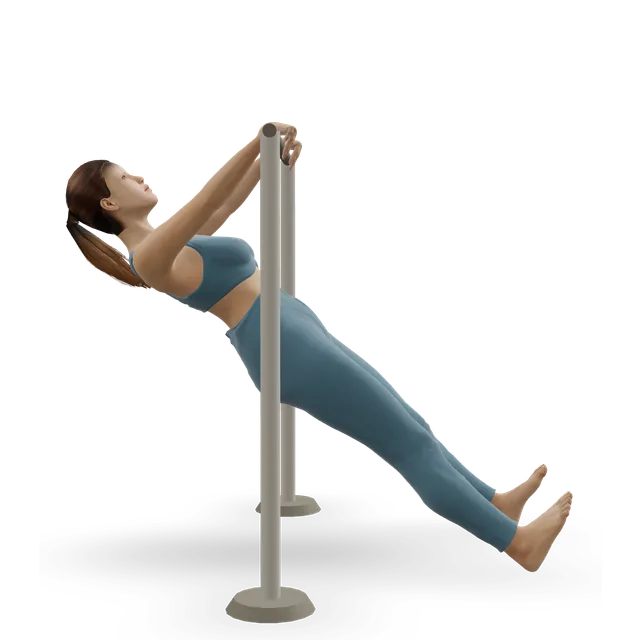
  5. Pull: band rows, dumbbell rows or inverted rows, 3 sets of 8 to 12.
  6. Carry: a suitcase carry, one weight in one hand, walking tall, each side.
  7. Next time, add reps, then weight, once every set reaches the top of its range.

Loading the 3D figure…

Gets into position, then repeats the movement. Technical checks passed; qualified exercise review is pending.

The movement on the figure: Back extension on a 45-degree bench

The hinge: from the hip hinge to the deadlift

Learn the hinge (2 or 3 sets of 8 to a wall), then kettlebell deadlifts, Romanian deadlifts and the trap bar or barbell, as our deadlift guide's ladder sets out. Glute bridges, 12 reps with a 2-second squeeze, wake up the hips.

Back extensions: from the floor to the 45-degree bench

Bird dogs, 6 each side with 3-second holds; the face-down back raise, 2 to 3 sets of 10 to 15 slow reps, stopping with 2 or 3 reps in reserve (the move page's dose, its editorial starting point); supermans 2 sets of 8 to 10; then the 45-degree bench.

Hold still, carry and pull

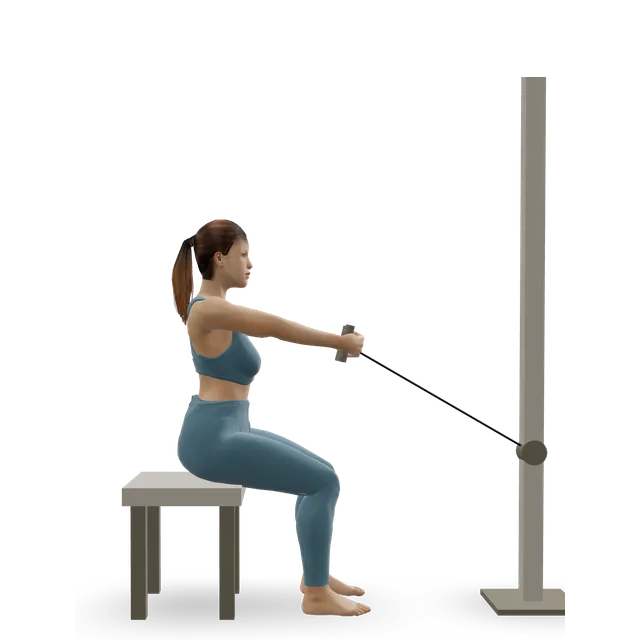
Side planks and carries train the back to hold still; rows train the middle and upper back. Band rows: 3 sets of 10 to 15, stopping 2 to 3 reps short of failure, with 60 to 90 seconds' rest (the move page's dose, its editorial starting point).

Lifting from the floor, and rounding your back

Lifting from the floor is a skill worth trainingEmerging evidence

Deadlift training matched gentler exercise for pain in people with recurring back pain, at 2 months and 2 years. Build up from the hinge and a kettlebell, as our deadlift guide explains.

Sources 7, 8

Rounding isn't a proven cause of back painMixed evidence

The studies are low quality and mostly cross-sectional. Our deadlift guide's middle path stands: set a long, braced back, accept small changes, and put the bar down if it changes a lot. With osteoporosis, avoid loaded rounding.

Sources 9, 15

"Lift with your legs" training didn't prevent back painStrong evidence

Training workers in a lifting style didn't prevent back pain. In a deadlift, your legs and back work together.

Source 10

Does a strong back prevent back pain?

Exercise helps; a strong back on its own isn't a guaranteeStrong evidence

Exercise lowers the chance of a new episode, but trunk endurance doesn't predict who gets back pain, so the benefit seems to come from exercising rather than from one muscle being strong (our reading).

Sources 1, 4

When your back hurts

Exercise is one of the best treatments, and the NHS advises staying active. Start with moves your back tolerates (bird dogs, side planks, glute bridges), keep within our back pain rule, and see our back pain, chronic back pain and back pain after deadlifts guides for the plans.

Sources 5, 20

Stenosis, a disc or sciatica

Arching back tends to bring stenosis symptoms on. Skip back extensions and other arching moves if they bring on leg symptoms, as our spinal stenosis guide says.

While symptoms are irritable, reduce the weight and range of heavy bending lifts, then rebuild, as our herniated disc guide explains. Trap bar and kettlebell deadlifts keep the load close, and the trap bar lowered modelled lower back loads (our suggestion).

Your upper back and posture

Rows for the upper back

Rows, face pulls and band pull-aparts train the middle and upper back. Our upper back mobility routine and kyphosis guide cover a rounded upper back, and our bigger back guide covers building the lats and traps.

Strengthening your back with osteoporosis

Back-strengthening is recommendedStrong evidence

With osteoporosis or a past spinal fracture, avoid repeated or loaded deep rounding of the back, and bend from the hips. The osteoporosis guide covers impact and lifting.

Modify or avoid exercises that round your back deeply or repeatedly, especially with a weight: sit-ups, toe touches, Pilates roll-downs and curl-ups, and extreme yoga forward folds. Bend from the hips instead. You do not need to avoid bending, twisting or lifting altogether: move smoothly and keep your upper back straight.

Source 11

Start with advice

If you have had a spinal fracture, get a physiotherapist's advice first and start with gentle daily back exercises, as our osteoporosis and spinal compression fracture guides explain. The NHS advises people diagnosed with osteoporosis to talk to their GP or specialist before starting a new exercise programme.

Sources 11, 21

Workouts to follow

Our lower back strengthening workout needs no equipment; the hinge and deadlift workouts teach lifting from the floor; the posterior chain workout adds back extensions and hip thrusts in the gym.

Lower back strengthening workout: bird dogs to supermans, no equipment

A 20-minute floor workout for your back muscles: bird dogs and bridges, then a face-down ladder from the locust to the superman, with side planks and dead bugs.

20 minBeginner13 movesNo equipment

Hip hinge workout: learn to hinge in 15 minutes, no equipment

Learn the hip hinge at home: the wall tap, the dowel drill and a held hinge, then single-leg hinges and bird dogs, with an optional kettlebell deadlift.

15 minBeginner9 movesA wall, A dumbbell

Learn to deadlift: hinge to bar workout

A 30-minute session from the hip hinge to your first deadlift: hinge practice, kettlebell deadlifts, slow Romanian deadlifts, a light bar and a carry.

30 minBeginner9 movesA kettlebell, A dumbbell

Posterior chain workout: good mornings, hip thrusts, back extensions and pull-throughs

A 45-minute gym session for the back of your body: light barbell good mornings, hip thrusts, 45 degree back extensions, cable pull-throughs and a carry.

45 minIntermediate8 movesCardio machine, A barbell

Back workout (gym)

A gym back workout: lat pulldowns, cable rows, dumbbell rows, face pulls, back extensions and shrugs.

45 minBeginner8 movesPull-up bar, A band

Back workout at home: dumbbells, a band and an optional bar

A back workout at home with dumbbells and a band: pull-ups or band-assisted pulls, two rows, face pulls, reverse flys, shrugs and Romanian deadlifts.

40 minIntermediate14 movesA band, Pull-up bar

Kettlebell back workout: hinge, rows, high pulls and carries with one or two bells

A 35-minute kettlebell back workout: hinge practice, supported, bent-over and alternating rows, high pulls and a carry. One or two bells and a bench or chair.

35 minIntermediate10 movesA band, A kettlebell

Loaded carry workout: farmer's, suitcase and overhead carries

A 25-minute carry workout with dumbbells or kettlebells: farmer's carries, suitcase carries on each side and an overhead carry, with a safe pick-up first.

25 minBeginner7 movesA kettlebell, A dumbbell

Core strength workout: one move for each job your trunk does

A 25-minute core strength workout: planks or rollouts, side planks, a band Pallof press, bird dogs, curl-ups and a carry, each with an easier and a harder step.

25 minBeginner11 movesAn ab wheel, A band

McGill big 3 core routine

The McGill big three for the core: curl-ups, side planks and bird dogs, each held for 10 seconds at a time in falling sets of 5, 3 and 1 reps.

12 minBeginner3 movesNo equipment

Bone-strengthening workout

Impact, strength and balance for stronger bones, following UK osteoporosis consensus advice, with options for every level.

40 minBeginner14 movesA kettlebell, Other / check instructions

Kyphosis exercises for seniors: a spine-strengthening routine

A 30-minute routine for a rounded upper back in later life, built from the SHEAF trial: floor back-strengthening, posture practice and gentle mobility.

30 minBeginner13 movesA bench or box, A wall

Upper back mobility routine

A 12-minute routine for a stiff upper back and rounded shoulders: chin tucks, wall angels, Y-T-W raises and open books.

12 minBeginner8 movesA foam roller, A wall

Plans

The beginner strength programme builds the deadlift and back extensions; the plan for women over 50 is built around bone.

Warning signs: when to get help

Back pain that needs 999 or A&E

Call 999 or go to A&E: loss of feeling or numbness around the genitals or bottom, new trouble peeing or controlling your bladder or bowels, changes in genital sensation during sex or problems with erections or orgasm, or pain, tingling, weakness or numbness in both legs. These are signs of cauda equina syndrome, which needs treating in hospital urgently. Don't drive yourself.

Call 999 or go to A&E: back pain with chest pain, or back pain that started after a serious accident, such as a car crash.

Call 999: sudden, severe pain in the tummy or back, which can come with breathlessness, pale or grey skin, or collapse. It can be a burst abdominal aortic aneurysm, most common in men aged 65 or over and in people who smoke or used to smoke.

Source 20

Same day

Same day (GP or NHS 111): back pain and you feel hot, cold, shivery or generally unwell, or severe pain that starts suddenly or is getting worse quickly.

Same day: leg weakness that is getting worse.

Source 20

Pain down a leg

See a GP if pain spreading down a leg hasn't improved after a few weeks of home treatment, is getting worse or stops your normal activities. Sciatica on both sides, or weakness or numbness in both legs that's severe or getting worse, is a 999 call or a trip to A&E.

Source 22

See a GP

Back pain that hasn't improved after a few weeks of looking after it at home, stops you doing day-to-day activities, worries you, or you're struggling to cope.

Unexplained weight loss, or a lump, swelling or change in the shape of your back.

Pain that doesn't improve with rest or is worse at night, or pain that is worse when you sneeze, cough or poo.

Unexplained back pain with muscle spasms, loss of height, or a curved spine or change in posture: a possible osteoporotic spinal fracture, more likely with older age or long-term steroid tablets.

Source 20

A pop while pressing or pulling

A pop or tearing at the front of the armpit or chest during a lift, followed by bruising into the chest or upper arm, a change in the shape of the chest or armpit, or weakness pushing, can be a torn chest tendon. Don't wait for it to settle: get help the same day from NHS 111 or an urgent treatment centre, as our pec strain guide explains.

A sudden pop at the front of the elbow during a heavy pull, with bruising, a gap at the front of the elbow or a bulge in the upper arm, can be a torn biceps tendon. Go to an urgent treatment centre or A&E (in the US, urgent care or the emergency department), and don't wait for it to settle: repair is best done within the first 2 to 3 weeks.

Stop and get medical help

If you get chest pain or pressure, feel faint or dizzy, are unusually breathless, or your heart races or beats irregularly during exercise, as our plans advise.

Call 999 (911 in the US)

For chest pain that comes on suddenly and doesn't go away, feels tight or like squeezing, spreads to your arms, neck, jaw, stomach or back, or comes with sweating, feeling sick, light-headedness or breathlessness; severe difficulty breathing; someone who faints while exercising; palpitations that don't go away, or come with chest pain, shortness of breath or feeling faint; or a headache that starts suddenly and is extremely painful, especially while lifting or straining, or comes with numbness or weakness, difficulty speaking or loss of vision. The NHS says a bleed on the brain may be more likely when lifting something heavy. Don't drive yourself to A&E.

Ask for an urgent GP appointment or call NHS 111

Ask for an urgent GP appointment or get help from NHS 111 for a headache that's triggered or made worse by coughing, sneezing, bending down or exercising. In the US, contact your doctor or urgent care.

During any session

Stop straight away if you feel any pain or become unwell, the NHS says, and contact 111 if your symptoms worry you or don't go away.

A dull ache in your muscles for a day or two after something new is normal. Joint pain that's sharp, gets worse during a set or lingers into the next day means switching to the easier option, and seeing a GP or physiotherapist if it carries on (our plans' rule). Our muscle soreness guide has more.

Check first

Speak to your GP first if you haven't exercised for some time or have medical conditions or concerns, as the NHS advises. Get advice before heavy lifting or hard straining work if your blood pressure is uncontrolled, or you have heart disease or chest pain when you're active, a pacemaker or defibrillator, diabetic eye disease, glaucoma, a hernia, recent eye or tummy surgery, or you're pregnant, as our breathing guide lists. After a recent shoulder dislocation or shoulder surgery, follow our shoulder dislocation guide or your surgical team first.

After heart surgery through the breastbone, or a heart or lung transplant, follow your surgeon's advice before pushing, pulling or lifting with your arms.

Source 19

Hernia

See a GP if you think you have a hernia, a bulge or lump that may get bigger when you strain and smaller when you lie down. Get help from NHS 111 if you have a hernia and pain in or around it, a bloated tummy, you feel or are sick, you're vomiting blood or your vomit looks like coffee grounds, you're constipated, you have a high temperature or feel hot, cold or shivery, or you've suddenly become confused. Call 999 or go to A&E for a femoral hernia (a small lump at the top of your thigh, in your groin) with very bad tummy pain, sickness, being unable to fart or poo, a high temperature or sudden confusion.

Myths

"Lifting from the floor ruins your back"Emerging evidence

Deadlift training matched gentler exercise for pain in people with recurring back pain, at 2 months and 2 years. Heavy, frequent lifting at work, day after day, is a different exposure that goes with more back pain; progressive training a few times a week builds the capacity to lift.

Sources 7, 8, 16

"Never round your back when you lift"Mixed evidence

Rounding while lifting hasn't been shown to cause back pain, though the studies are low quality and mostly cross-sectional. Set a long, braced back and put the bar down if it changes a lot; with osteoporosis, avoid loaded rounding.

Source 9

"Lift with your legs, not your back"Strong evidence

Training workers in a lifting technique didn't prevent back pain in a Cochrane review. Your legs and back work together.

Source 10

"A strong back prevents back pain"Strong evidence

Trunk endurance didn't predict back pain across 26 cohort studies. Exercise does lower the risk, whichever kind you do.

Sources 4, 1

"Back extensions are bad for your back"Emerging evidence

They load the spine, but back-strengthening training helped in small studies and the UK consensus recommends it for osteoporosis. Build up, stop at straight, and skip them if they bring on leg symptoms.

Sources 11, 18

"You need a back belt to protect your back"Emerging evidence

Back belts didn't prevent back pain in trials. Our deadlift guide covers belts for heavy lifting.

Source 1

Questions people ask

How do I strengthen my back muscles?

Train the four jobs: a hinge, a back extension, a hold or carry and a row, 2 or 3 times a week, 2 or 3 sets each. Strengthening with stretching or aerobic exercise 2 to 3 times a week is what the prevention research suggests.

Does strengthening your back prevent back pain?

Exercise does lower the risk: with education, it cut new episodes by about 45% in trials, and after an episode it halved recurrences at a year. But a strong back on its own isn't a guarantee, because trunk endurance didn't predict who got back pain.

What are the best back strengthening exercises at home?

Bird dogs, glute bridges, face-down back raises, supermans, side planks and dead bugs need only a mat, and band rows add the upper back. Our lower back strengthening workout puts them in order.

Are deadlifts good or bad for your back?

Good for most people when built up gradually: in people with recurring back pain, deadlift training eased pain as much as gentler exercise, with no difference at 2 years. Our deadlift guide covers technique.

Is it bad to round your back when lifting?

Rounding while lifting hasn't been shown to cause back pain, though the studies are weak. Set a long, braced back, accept small changes and put the bar down if it changes a lot; with osteoporosis, avoid loaded rounding.

Should I lift with my legs, not my back?

Training workers in a lifting technique didn't prevent back pain in a Cochrane review. In a deadlift, your legs and back work together.

How do I strengthen my lower back with a bad back?

Start with moves your back tolerates, such as bird dogs, side planks and glute bridges, and keep discomfort to about 5 out of 10, settling within an hour and no worse the next morning. Stop any move that sends pain down a leg, and see our back pain guides.

How often should I do back strengthening exercises?

Two or three times a week. The NHS asks for strength work on at least 2 days a week, and back extension trials used one to three sessions a week.

How do I strengthen my back with osteoporosis?

Back-strengthening exercise is recommended, and deep or loaded forward bending is avoided. If you've had a spinal fracture, get a physiotherapist's advice first; our osteoporosis guide has more.

Do back belts protect your back?

Back belts didn't prevent back pain episodes in trials. Our deadlift guide covers belts for heavy lifting.

Which is better for back pain: core exercises or strength training?

Neither is clearly best: Pilates, strength, control and aerobic training all helped in trials, and NICE suggests an exercise programme that suits you. Pick what you'll keep doing.

When is back pain an emergency?

Call 999 or go to A&E for numbness around the genitals or bottom, new trouble controlling your bladder or bowels, or weakness or numbness in both legs: these can be signs of cauda equina syndrome. The warning signs above give the full list.

Sources

  1. Steffens 2016 · Prevention of low back pain: 21 trials, 30,850 people (meta-analysis, JAMA Intern Med)
  2. Shiri 2018 · Exercise for the prevention of low back pain (meta-analysis, Am J Epidemiol)
  3. Choi 2010 · Exercise to prevent recurrences of low back pain (Cochrane review)
  4. Hamberg-van Reenen 2007 · Physical capacity and future low back pain: 26 cohort studies (systematic review, Pain)
  5. Hayden 2021 · Exercise therapy for chronic low back pain: 249 trials (Cochrane review)
  6. Owen 2020 · Which types of exercise work best for chronic low back pain: 89 studies (network meta-analysis, BJSM)
  7. Aasa 2015 · Deadlift training against low-load motor control exercise in 70 people with back pain (RCT, JOSPT)
  8. Michaelson 2016 · Deadlift training against motor control exercise for back pain: 24-month follow-up (RCT, J Rehabil Med)
  9. Saraceni 2020 · Lower back bending while lifting and low back pain (systematic review and meta-analysis, JOSPT)
  10. Verbeek 2011 · Lifting technique advice and devices to prevent back pain at work (Cochrane review)
  11. Brooke-Wavell 2022 · Strong, steady and straight: UK consensus statement on exercise for osteoporosis (BJSM)
  12. Sinaki 2002 · Back-strengthening exercise and spinal fractures 10 years on in 50 women (trial follow-up, Bone)
  13. Huang 2020 · Exercise, with or without education, prevents low back pain episodes: 40 trials (network meta-analysis, BJSM)
  14. NICE NG59 · Low back pain and sciatica in over 16s: assessment and management (guideline, updated 2026)
  15. Swain 2020 · No consensus that spine postures or physical exposures cause low back pain (review of reviews, J Biomech)
  16. Coenen 2014 · Lifting at work and low back pain: 8 cohort studies (meta-analysis, Occup Environ Med)
  17. Biering-Sørensen 1984 · Back muscle endurance and first-time low back trouble in 928 Danish adults (cohort study, Spine)
  18. Steele 2015 · Isolated lumbar extension resistance training for chronic low back pain (review, PM&R)
  19. NHS · Physical activity guidelines for adults aged 19 to 64
  20. NHS · Back pain
  21. NHS · Osteoporosis: prevention (past its review date: reviewed October 2022, review due October 2025)
  22. NHS · Sciatica

Exercise education, not a personal prescription, and clinical review of these guides is pending. Check with a GP before starting hard training if you have a heart condition, chest pain, dizziness or breathlessness when active, and stop for sharp or increasing pain. Health disclaimer.