Among the hardest floor back exercisesEmerging evidence
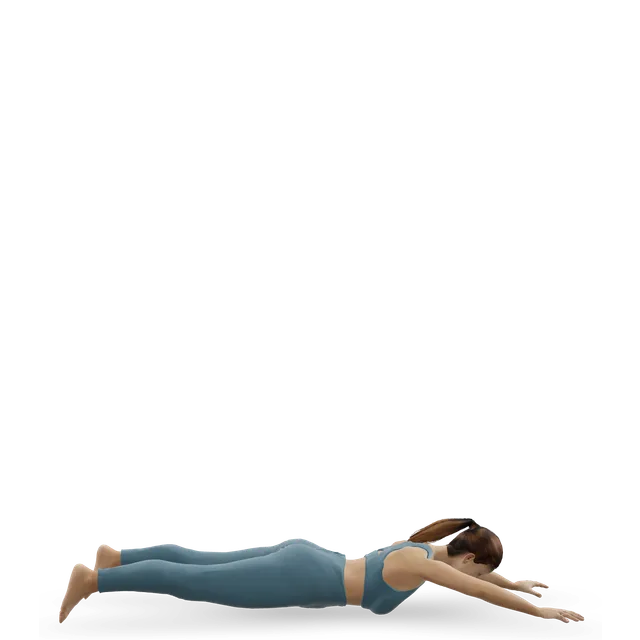
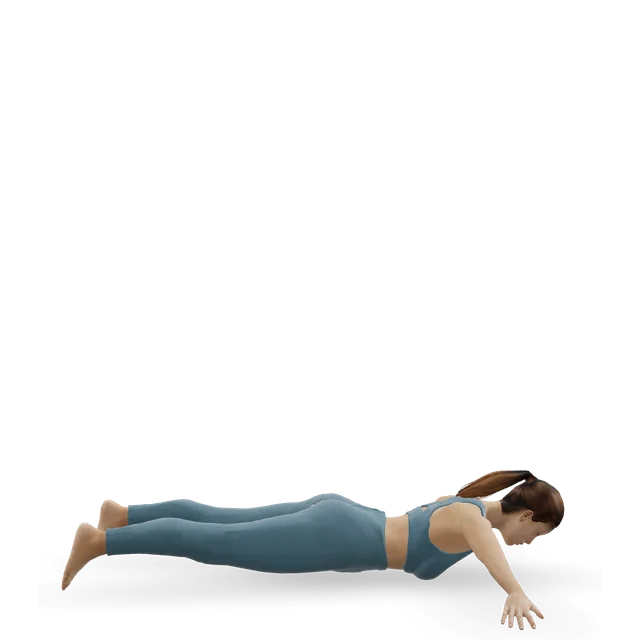
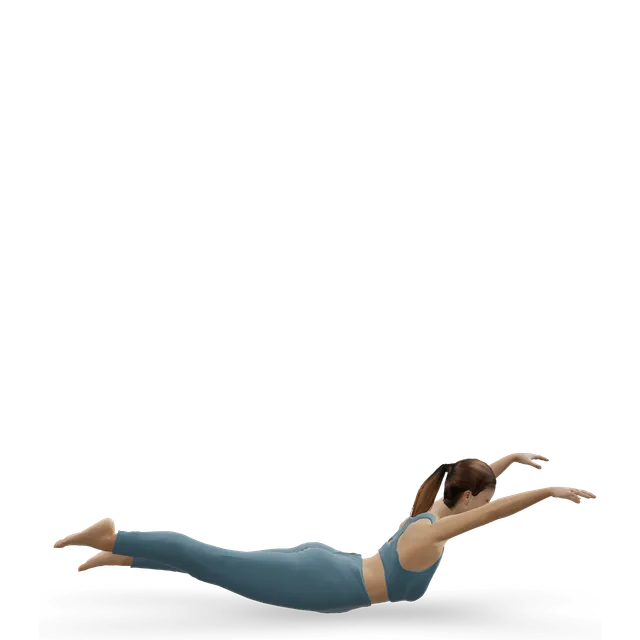
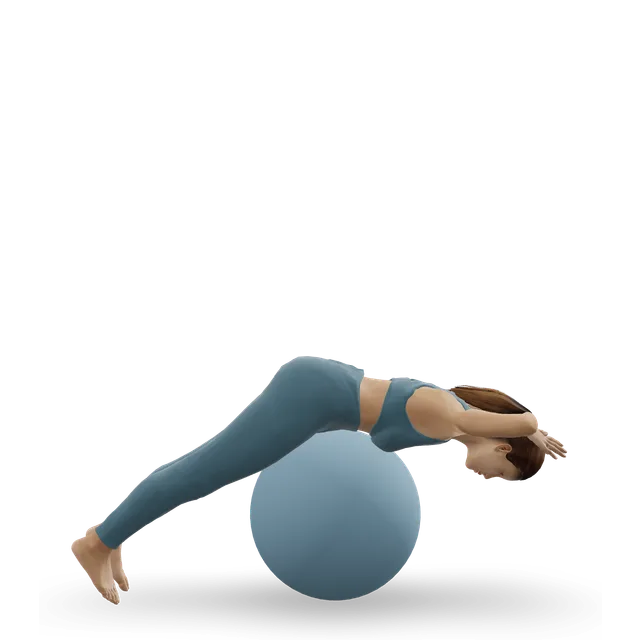
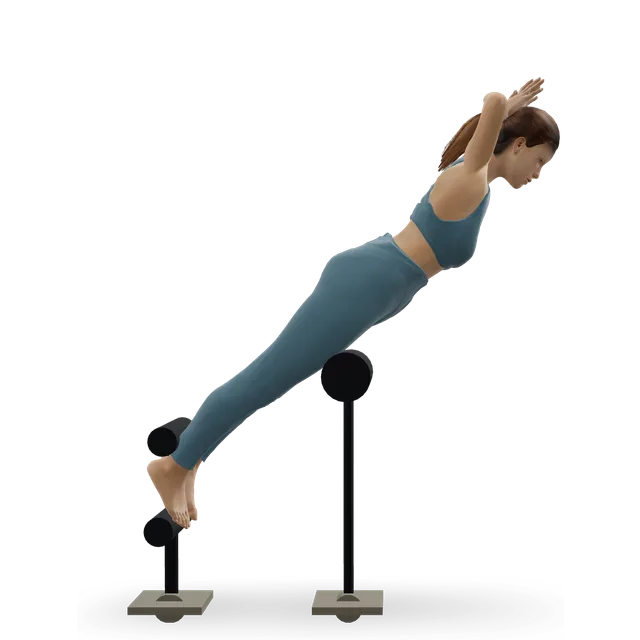
In groups of about 30 adults aged 21 to 35, the superman worked the lower back muscles at 77 to 82% of a maximal contraction, like a face-down trunk lift to straight or a resisted seated back extension; face-down extension against resistance to the end of the range went higher (over 92%), while bridges, side bridges and arm and leg raises on all fours or face down stayed under 50%. In a review of 67 studies, floor back extensions gave the highest activity in the long back muscles of the traditional and stability core exercises, about 63%, though heavy free-weight lifts such as the deadlift went higher. In 30 graduate students, the multifidus was the most active muscle in all four held core exercises, the superman included.
Sources 2, 3, 12
Lifting the trunk loads the spine mostEmerging evidence
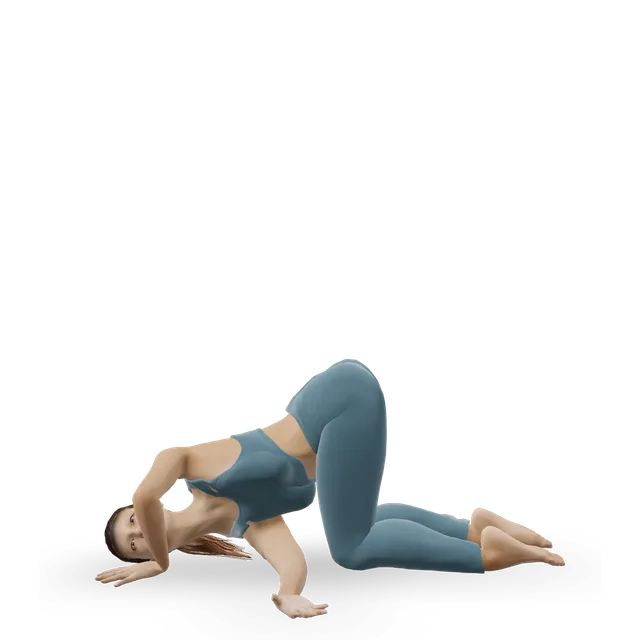
In 13 young men, exercises that lifted the trunk produced the highest loads on the lower spine and the most back muscle activity of four back exercises; lifting one leg on all fours with the spine held still loaded it least, and adding the opposite arm raised the challenge. That's the reason to start with the bird dog, not a reason to avoid the superman.
Source 4
Arms and legs together work the deep back muscle hardestEmerging evidence
In 21 recreational athletes, the superman lifting both arms and both legs thickened the multifidus most of the bird dog and superman versions tested, and arm lifts less than leg lifts. In 12 young adults, lifting both thickened it about 16 to 23% more than arms only or legs only, and the authors suggest building up in that order: arms, then legs, then both.
Sources 5, 13
Longer holds, more effortEmerging evidence
In 10 healthy men, holding the superman longer raised the total activity of the back and tummy muscles. In 20 young men doing floor back extension holds, two holds of 25 seconds felt hardest (6.2 out of 10) and changed the multifidus most, while ten holds of 5 seconds gave the highest peak activity. Both are single sessions in small groups of healthy young men.
Sources 14, 7
Drawing in the tummy, and wobbly surfacesEmerging evidence
In 12 young adults, a gentle tummy draw-in made the full superman feel easier without reducing multifidus work. In 40 young adults with low back pain, drawing in changed which parts of the back muscles worked, most of all in a superman on an unstable surface, and in 22 adults the unstable superman drew the most back muscle activity of three exercises.
Sources 13, 15, 16
Back endurance and back painEmerging evidence
A face-down back endurance test, lifting the trunk and holding it, was reliable, and 90 healthy adults held it much longer than 100 with chronic low back pain. Across 8 trials of 508 people with low back pain, exercise improved the strength, endurance and activity of the lower back muscles against control groups.
Sources 17, 9
Exercise eases chronic back pain a littleStrong evidence
Across 249 trials, exercise eased chronic low back pain by about 15 points on a 100-point scale against no treatment, usual care or placebo, with moderate certainty; its effect on everyday function was small. No trial has tested supermans on their own.
Source 8
OsteoporosisEmerging evidence
In 80 women with osteoporosis, lifting the upper trunk face down to straight and holding it at home for 4 months raised back muscle strength by 26%, against 11% without the exercise, and quality of life by 7%, against no change.
Source 10
A rounded upper backEmerging evidence
In 50 young adults with Scheuermann's disease, a year of five face-down exercises including the superman, 3 sets of 10 once a day, improved the curve of the upper back less than Schroth therapy, a specialist physiotherapy method.
Source 18
What nobody has tested
We found no trial of supermans on their own for back pain, posture, a rounded back or bone, and no study comparing hold times over weeks.