Skill progressions
Handstand push-up progression: pike push-ups to the wall
Your overhead pressing, one step at a time. Train at the hardest step on the ladder you can do with 2 or 3 reps to spare, and move up only when it's solid. Your head goes below your heart in every step, so read the tips first: with glaucoma, diabetic eye disease, high blood pressure that isn't controlled or in pregnancy, some steps aren't for you. No study has tested this ladder; it follows coaching practice.
Warm-up
- Beginner · Forearms · 3D demoSlow bends and turns, no weightEasier: Wrist circlesHarder: Wrist flexor stretch
- Quadruped wrist rocks10 rocksBeginner · Forearms, Shoulders · 3D demoGradually more weight onto your handsEasier: Wrist flexor stretch
- Shoulder CARs (controlled articular rotations)3 slow circles each way with each armBeginner · Shoulders, Back · 3D demoWithin the range you can controlEasier: Arm circlesHarder: Sleeper stretch
- Scapular push-up (push-up plus)1 set of 10Beginner · Shoulders, Chest, Abs · 3D demoPush the floor away at the topEasier: Dumbbell shoulder-blade punchHarder: Push-up




The ladder (pick your step)
Rest 2 min; kneel or stand between sets
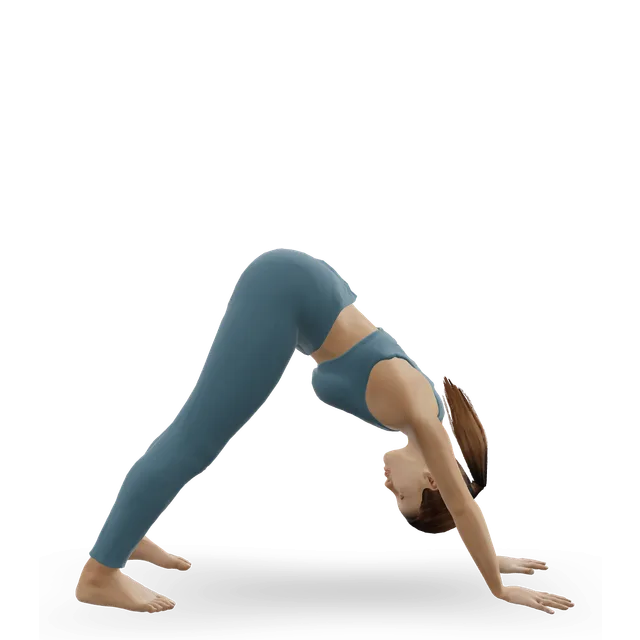
- Downward-facing dog (Adho Mukha Svanasana)3 holds of 5 breathsBeginner · Shoulders, Hamstrings, Calves · 3D demoNew to pikes: hips high, weight over your hands. With glaucoma, keep it briefEasier: Extended puppy pose (Uttana Shishosana)Harder: Half handstand at the wall (Ardha Adho Mukha Vrksasana)
- Pike push-up3 sets of 6 to 8Intermediate · Shoulders, Triceps, Chest · 3D demoFeet on the floor; lower the top of your head lightly to the floor just ahead of your hands, elbows angled back. Move on when all 3 sets reach 10 with a light touch each timeEasier: Incline push-upHarder: Wall handstand push-up
- Pike push-up5 sets of 5, feet raisedIntermediate · Shoulders, Triceps, Chest · 3D demoFeet on a step, then a low box, a bench, then about desk height: move up a height after 5 sets of 5 with good form. A folded mat under your head if you can't reach the floor yetEasier: Incline push-upHarder: Wall handstand push-up
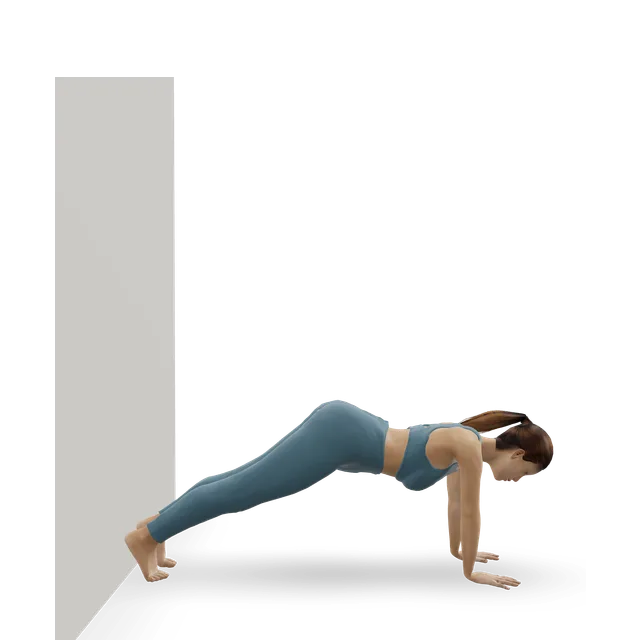
- Wall walk3 to 5 walk-ups to the height you controlAdvanced · Shoulders, Triceps, Abs · 3D demoWalk down as deliberately as you walked up, and stop partway if your shoulders shakeEasier: Half handstand at the wall (Ardha Adho Mukha Vrksasana)Harder: Freestanding handstand
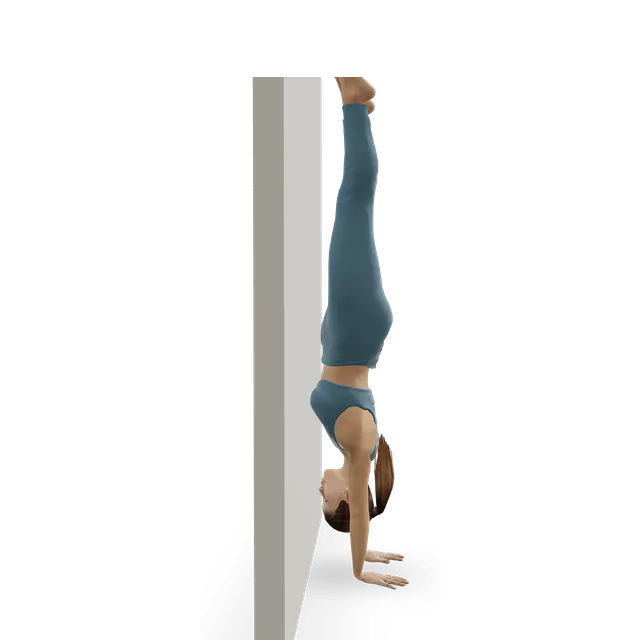
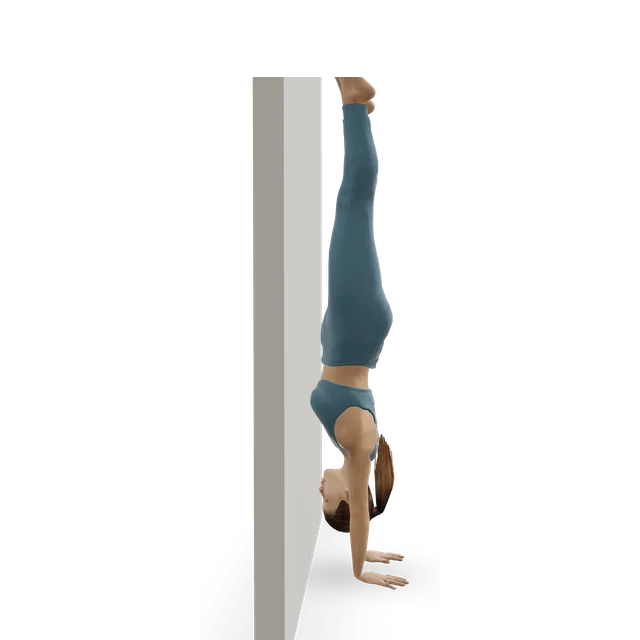
- Handstand at the wall (Adho Mukha Vrksasana, chest to wall)3 holds of 20 to 30 sAdvanced · Shoulders, Triceps, Abs · 3D demoChest to the wall, body stacked: you need steady holds before the wall push-upEasier: Half handstand at the wall (Ardha Adho Mukha Vrksasana)Harder: Freestanding handstand
- Wall handstand push-up3 to 5 sets of 1 to 3 slow repsExpert · Shoulders, Triceps, Chest · 3D demoLower over about 3 seconds to a cushion or folded mat, press back up, then walk down. Never drop or kip onto your headEasier: Pike push-up

Support
Rest 60 s
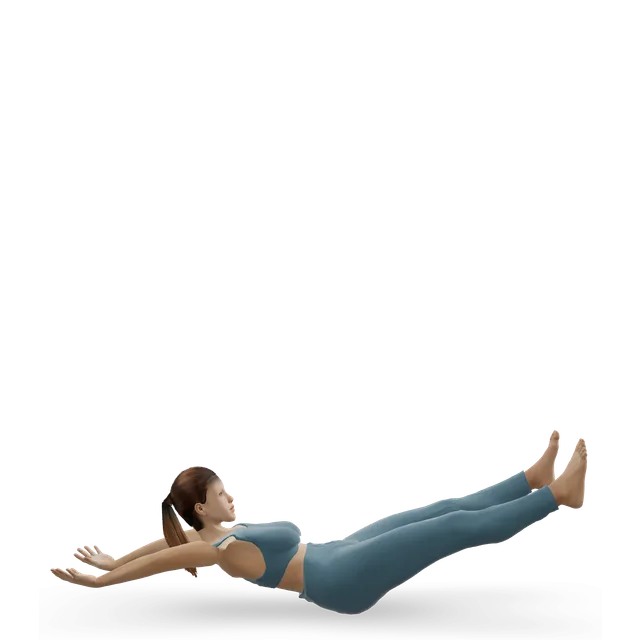
- Hollow body hold2 holds of 20 to 30 sIntermediate · Abs, Hip flexors · 3D demoRibs down, legs squeezedEasier: Dead bugHarder: Dragon flag
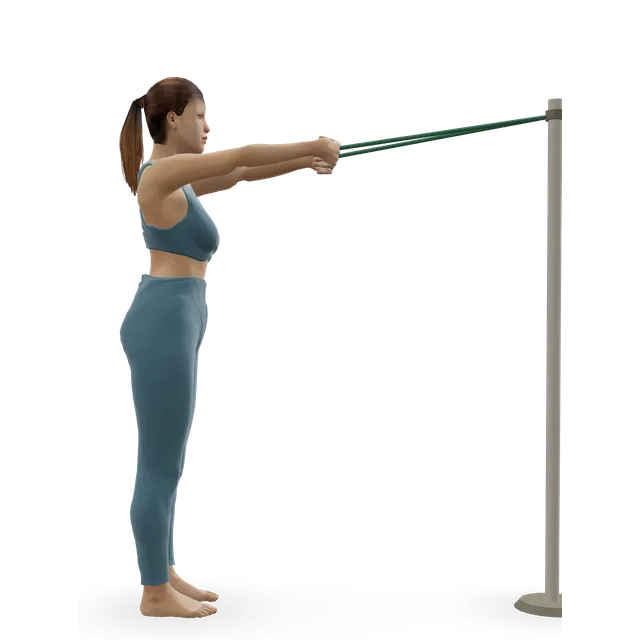
- Face pull2 sets of 12 to 20Intermediate · Shoulders, Back · 3D demoBand at face height; pull towards your face and turn your hands backEasier: Prone Y-T-W raisesHarder: Tuck back lever
Cool-down (optional)
- Cross-body shoulder stretch30 s each sideBeginner · Shoulders, Back · 3D demoHarder: Sleeper stretch

Tips
- Two or three times a week, a day apart, at the start of a session while you're fresh. Count it as your overhead pressing for the day.
- Train at the hardest step where your sets end 2 or 3 reps short, or 3 or 4 short in your first two weeks. Add reps, then slow the lowering, then raise your feet: one change at a time. There's no need to go to failure, which adds little and slows recovery.
- Your head goes below your heart. With glaucoma, keep pike sets short and skip the wall steps unless your eye specialist agrees; with proliferative or severe non-proliferative diabetic retinopathy, or after recent eye laser treatment or surgery, leave out head-down moves until your eye team says they're safe; skip the wall steps while high blood pressure isn't controlled; and don't start learning them in pregnancy.
- Kneel or stand between sets and come up slowly. Stop for head pressure, a headache, dizziness or blurred vision; a sudden, extremely painful headache is a 999 call (911 in the US).
- Lower slowly and touch down lightly. Stop for neck pain or pins and needles down an arm, and skip the session after a recent neck or shoulder injury.
- Wrists: keep discomfort to about 5 out of 10, settling within half an hour. If they ache after a session, stay on your step rather than moving up.
- Shoulders: keep pain to about 5 out of 10 or less, back to normal by your next session. If you push a manual wheelchair, favour rows and rotator cuff work over overhead pressing.
- With heart failure, ask your heart team first: the British Heart Foundation advises avoiding press-ups. Stop and get medical help for chest pain or pressure, unusual breathlessness, dizziness or fainting.
The doses are suggested starting points, not a prescription. Choose a range you can control and stop for sharp or increasing pain, numbness or tingling. Get individual advice after an injury or surgery, or if you are pregnant or managing a health condition.
Guides that recommend it
Find more moves like these
More skill progressions




Push-up progression workout
Work up to full push-ups: wall, incline and knee push-ups, then the floor push-up and harder variations.
15 minBeginner8 movesA wall, A bench or box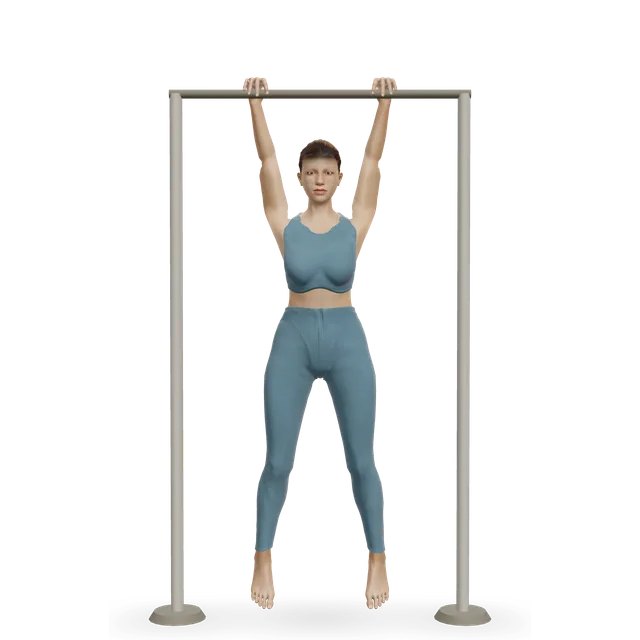

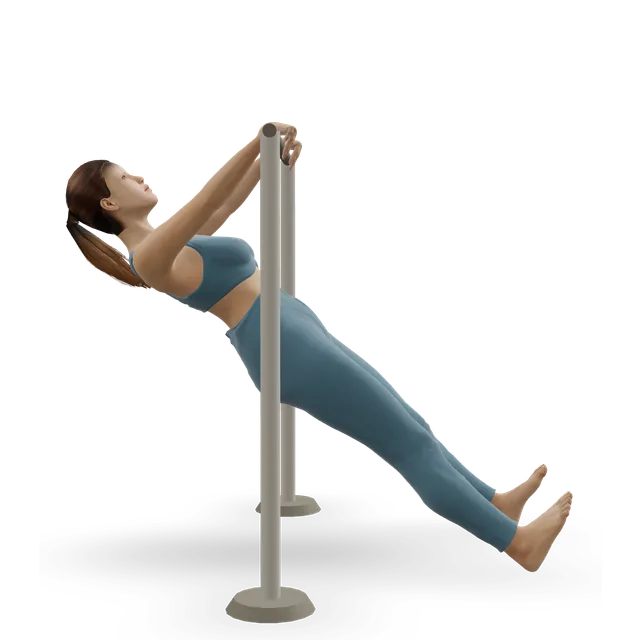
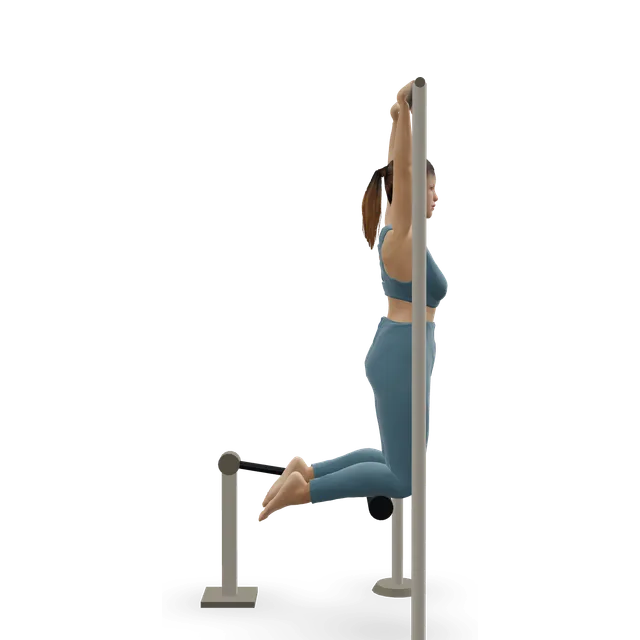
Pull-up progression workout
Work up to your first pull-up: dead hangs, scapular pulls, rows, negatives and assisted pull-ups.
25 minBeginner7 movesPull-up bar, A step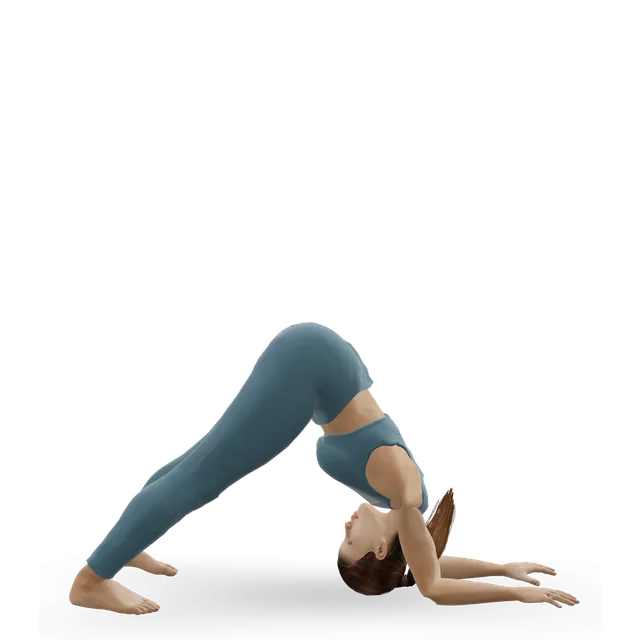
Handstand progression
Build toward a handstand: wrist prep, dolphin pose, pike push-ups, crow, the wall handstand and freestanding holds.
25 minAdvanced9 movesA wallQuestions people ask
How long does the handstand push-up progression: pike push-ups to the wall take?
About 30 minutes, including any warm-up and cool-down listed. Shorten it by doing fewer rounds; lengthen it by adding one.
What equipment do I need?
You need: A wall, A band. Each move links to its guide, where you can find an alternative if you are missing something.
Is it suitable for me?
It is written at advanced level. 11 of its 12 moves have an easier option listed beside them; use them freely.
How do I make it easier or harder?
Use the easier or harder option listed under each move, change the number of rounds, or adjust the rest. Progress one change at a time.