Training guide

How to do pike push-ups: the shoulders, building towards a handstand push-up, easier and harder versions, and how many

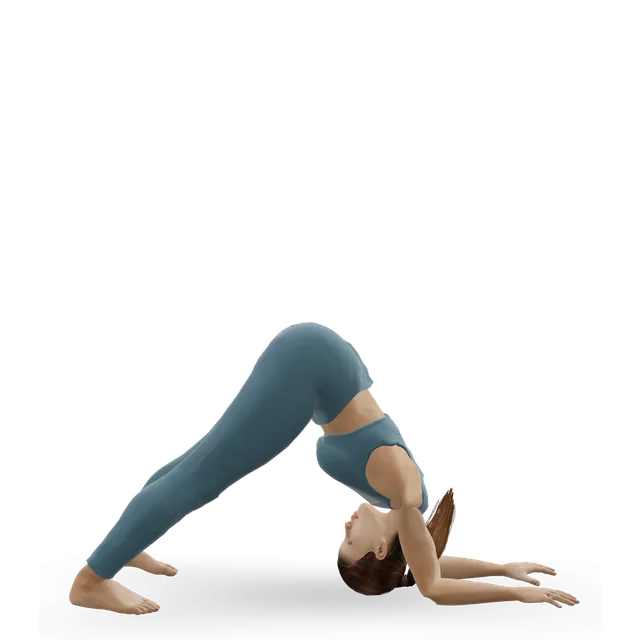
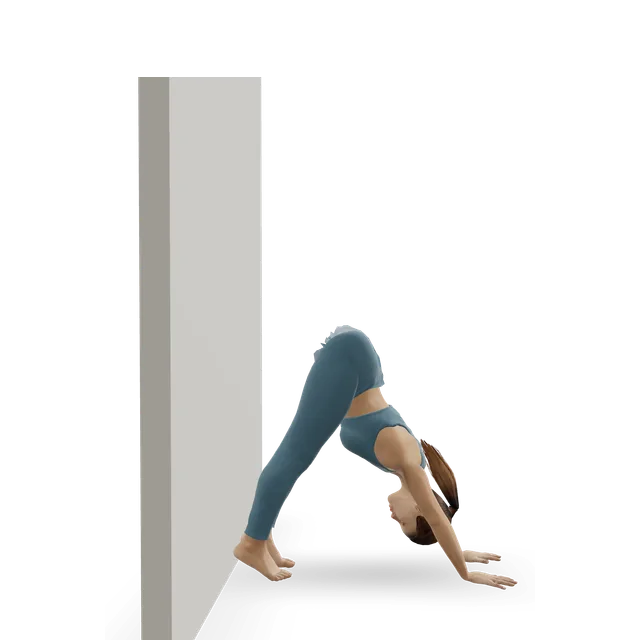
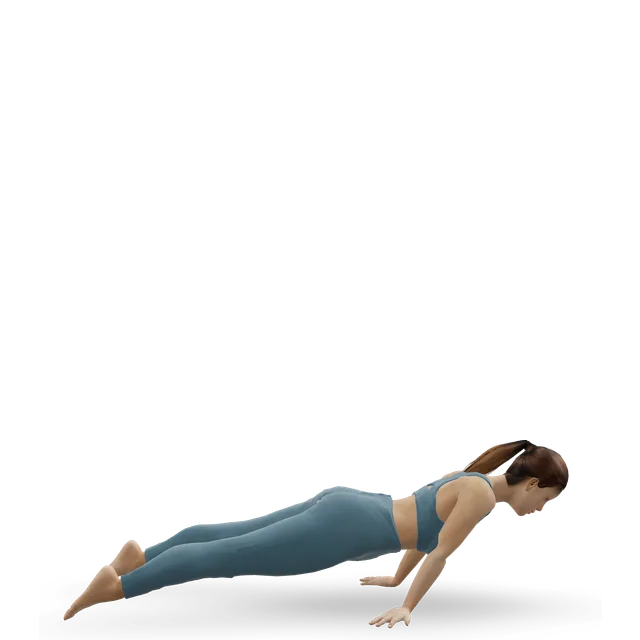
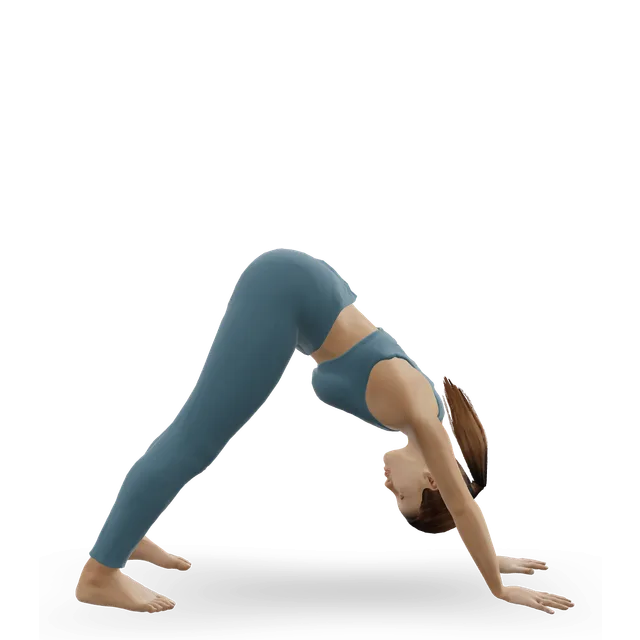
A pike push-up starts in an upside-down V, hips high and hands shoulder-width apart, and lowers the top of your head towards the floor just ahead of your hands. It turns a push-up into an overhead press with part of your body weight, so it trains the front of your shoulders and your triceps, and it's the usual first step towards a handstand push-up.

No study has measured the pike push-up itself: the evidence comes from feet-raised push-ups, overhead pressing and coaching practice, and we say which is which. Your head ends up below your heart, which raises eye pressure while you're there.

This guide covers the technique step by step on the 3D figure, who should skip it or ask first, the ladder to the wall handstand push-up, easier versions, how many to do, and how it compares with the overhead press.

The short version

Hips high, head down to the floor

From a push-up position, walk your feet in and lift your hips into an upside-down V, hands shoulder-width apart. Bend your elbows, angled back rather than out, to lower the top of your head towards the floor just ahead of your hands, then press back up. That's our move page's set-up, and the National Academy of Sports Medicine's (NASM) and StrongFirst's.

Sources 1, 2

An overhead press with part of your weight

It loads the front of your shoulders and your triceps, and the steeper your body, the more they do: that's our reading of a study of push-ups with the feet raised. No study has measured the pike push-up itself, or how much of your weight your hands carry in it.

Source 3

The road to a handstand push-up is coaching practice

Coaches move from pike push-ups to pike push-ups with your feet on a step, a box and a bench, then to the wall. StrongFirst asks for 5 sets of 5 at each height, and a CrossFit coach for 10 reps at each step. No study has tested the ladder; our handstand push-up progression follows it.

Sources 2, 4

Pressing strength carries over

In 30 male gymnasts, 6 weeks of heavy shoulder presses, dips and pull-ups added about 5 handstand push-ups in 40 seconds, against 0.4 in those who only did their usual training. Overhead presses help; pike push-ups weren't tested.

Source 5

Your head ends up below your heart

Head-down yoga poses raised eye pressure within a minute in a small study, most in downward dog, the pose closest to the pike, and it settled within 2 minutes of coming up. With glaucoma, keep head-down time short or use a seated press; with severe diabetic eye disease or after recent eye surgery, leave it out until your eye team agrees; with high blood pressure that isn't controlled, skip long head-down holds.

Sources 6, 7, 8

How many

3 sets of 5 to 10, or 3 sets of 6 to 8, stopping 2 or 3 reps short and resting about 90 seconds to 2 minutes, 2 or 3 times a week, as our upper body workout at home and handstand progression use. NASM suggests 3 sets of 5 to 12.

Source 1

What a pike push-up is, and what it works

The set-up

Hands shoulder-width apart, hips high over your shoulders, legs as straight as your hamstrings allow, and your head between your arms. You bend your elbows to lower the top of your head towards a point on the floor just ahead of your hands, so your head and hands make a triangle, and press back up. NASM starts from a downward dog and lowers until the head nearly touches the floor; StrongFirst walks the feet in until the hips are mostly stacked over the shoulders and lowers the crown of the head to the floor.

Sources 1, 2

What it works

The front of your shoulder (anterior deltoid) and your triceps carry it, with your upper back and trunk holding the shape. NASM names the front of the shoulder as the main mover. No study has measured the pike push-up. The nearest evidence: in 19 trained men doing push-ups with the feet raised, tilting from a flat body to 30 degrees head-down raised the front shoulder's activity by about 21%, the triceps' by 20%, the serratus anterior's by 61% and the upper trapezius's by about 150%, while the main chest worked a third less. A pike tilts further still, so these trends probably continue (our reading).

Sources 1, 3

Your wrists and shoulders

Your shoulders press overhead and your wrists take part of your weight, bent back. Nobody has measured how much of your weight is on your hands in a pike push-up; by our reading of the push-up force studies, it rises as your hips stack over your hands and as your feet go up, which is what the coaching ladder relies on.

Sources 9, 3

Your head

At the bottom of each rep your head is below your heart. A glaucoma researcher quoted by the American Academy of Ophthalmology's EyeNet magazine says the vertical distance of your eyes below your heart seems to matter most for eye pressure, so the lower your head and the longer you stay there, the bigger the effect.

Source 10

What you need first

Controlled push-ups and comfortable overhead shoulder range, as our move page says. NASM rates it advanced and advises building upper-body and shoulder strength with standard and incline push-ups first. The wall handstand push-up needs strong pike push-ups with your feet raised and a steady handstand at the wall, as its move page says.

Source 1

How people differ

Tight hamstrings stop your hips stacking over your hands: bend your knees a little (StrongFirst notes the move needs fairly flexible hamstrings). If your arms don't reach fully overhead comfortably, your back arches instead, so start with a smaller range. Gymnasts start far ahead: the trial in college gymnasts measured how many handstand push-ups they could already do in 40 seconds. For most adults, the wall handstand push-up takes months of pike work (our estimate; no study has timed it).

Sources 2, 5

How to do a pike push-up, step by step

From our pike push-up move page and NASM's: the upside-down V, the elbows angled back and the top of the head lowered just ahead of the hands. The 45-degree elbows and the yoga block under the head are StrongFirst's cues; coming up slowly is our suggestion, from the NHS advice on dizziness.

  1. Start in a high plank, hands shoulder-width apart, fingers spread and pointing forward.
  2. Walk your feet towards your hands and lift your hips until your body makes an upside-down V, hips as close to over your shoulders as your hamstrings allow. Bend your knees a little if you need to.
  3. Shift your weight forward so it sits over your hands, not your feet.
  4. Breathe in and bend your elbows, angled back about 45 degrees rather than flared out, to lower the top of your head towards a point on the floor just ahead of your hands, so your head and hands make a triangle.
  5. Touch the floor lightly with the top of your head, or stop at a cushion or yoga block, without resting your weight on your head.
  6. Breathe out and press back up to straight arms, keeping your hips high.
  7. After the set, walk your feet back to a plank or kneel, and come up to standing slowly.

Loading the 3D figure…

Gets into position, then repeats the movement. Technical checks passed; qualified exercise review is pending.

The movement on the figure: Pike push-up

Your head below your heart: who should skip it or ask first

Eye pressure rises with your head downEmerging evidence

In 10 people with glaucoma and 10 without, eye pressure rose within a minute in four head-down yoga poses held for 2 minutes, most in downward dog, from about 17 to 28 or 29 mmHg (millimetres of mercury), and it fell back within 2 minutes of sitting up. A headstand doubled eye pressure in 75 yoga practitioners, and in tilt-table studies of healthy people, lying 12 or 18 degrees head-down raised it by 2.2 and 3.4 mmHg.

Sources 6, 11, 12

Holding your breath adds to itEmerging evidence

Across 34 studies in healthy adults, resistance exercise raised eye pressure, and in a bench press study, holding the breath on the last rep raised it by 4.3 mmHg against 2.2 breathing out. Breathe out on every press.

Sources 13, 14

Nobody has measured a pike push-up

We found no study of eye pressure in any kind of push-up. An ophthalmologist told the American Academy of Ophthalmology's EyeNet that eye pressure can rise in push-ups and advised common sense. So the advice below applies the head-down cautions of our move page and condition guides to the pike push-up.

Source 10

With glaucoma

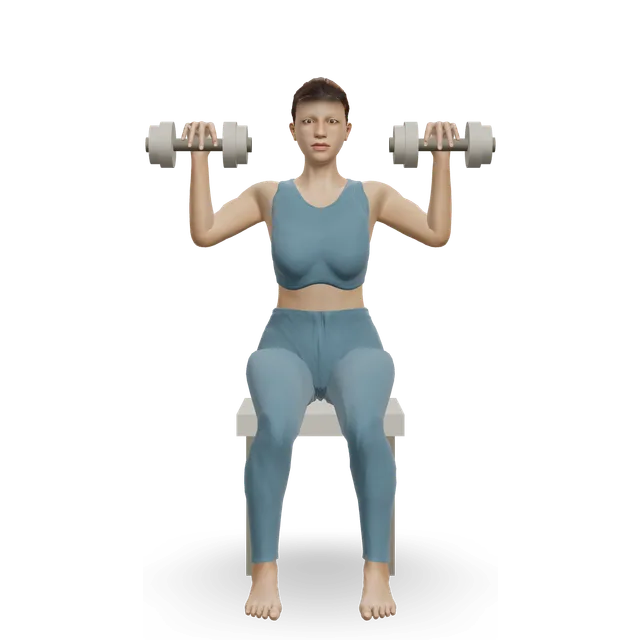
Keep head-down positions brief or use a head-up version, such as a seated dumbbell press, and ask your eye team first if your glaucoma is advanced or you've had eye surgery, as our pike push-up move page says. Glaucoma UK advises avoiding moves with your head lower than your heart for a long time, naming headstands and downward dog, and EyeNet advises getting your doctor's OK before any pose that puts your head below your heart. For the wall steps, our handstand guide's rule applies: skip them unless your eye specialist agrees.

Sources 7, 10

With diabetic eye disease

With proliferative or severe non-proliferative diabetic retinopathy, or after recent eye laser treatment or surgery, leave out head-down positions until your eye team says they're safe, as our move page says. The American Diabetes Association advises avoiding jumping, jarring, head-down activities and breath holding with severe non-proliferative and unstable proliferative retinopathy, and the American College of Sports Medicine gives similar advice.

Sources 8, 15

With high blood pressure

While your blood pressure isn't under control, skip long head-down holds, as our high blood pressure guide advises: a precaution rather than a trial finding. Once it's controlled, the American Heart Association says low to moderate intensity strength training with proper breathing is safe, so breathe out on every press and keep sets short.

Source 16

In pregnancy

Don't start learning pike or handstand push-ups: the NHS advises avoiding activities with a risk of falling, and our handstand guide says not to start learning inversions in pregnancy (our reading). If you already do them, ask your midwife.

Source 17

With heart failure

The British Heart Foundation advises avoiding exercises that use your whole body as a weight, such as press-ups and planks. Ask your heart team before pike push-ups.

Source 18

If you push a manual wheelchair

Dips and overhead pressing load the shoulder in positions the spinal cord injury guideline advises limiting, as our move page says: favour rows, pull-downs from shoulder height and rotator cuff work. Our wheelchair users guide has more.

Head pressure, a headache or dizziness

Come out of it, as our move page says: kneel, and come up slowly, because the NHS advises not getting up suddenly. Kneel or stand between sets rather than staying head-down. The warning signs below cover headaches that need help.

Source 19

What the evidence says

No study of the pike push-up

We found no study of muscle activity, forces or training in the pike push-up, and none measuring how much of your weight is on your hands in a pike or handstand push-up. The notes below are the nearest evidence.

A steeper body works the shoulders more and the chest lessEmerging evidence

In 19 trained men doing push-ups with their feet raised on steps, going from a flat body to 30 degrees head-down raised activity, as a share of each muscle's maximum, in the front shoulder from 49.1% to 59.5%, the triceps from 34.5% to 41.4%, the serratus anterior from 34.2% to 55.2% and the upper trapezius from 10.1% to 25.3%, while the main chest fell from 40.8% to 27.2%. A pike push-up is far steeper, so the shift probably goes further, but that's extrapolation.

Source 3

Pressing builds handstand push-upsEmerging evidence

In 30 male college gymnasts, 6 weeks of pull-ups, dips and machine shoulder presses on top of their gymnastics, either heavy or light with blood-flow restriction, raised handstand push-ups in 40 seconds by 4.7 and 8.3 reps, against 0.4 in those who only did their usual training, and shoulder press strength by 9.8 and 7.1 kg. In the heavy group, the gain in pressing strength explained the gain in handstand push-ups. Nobody trained pike push-ups.

Source 5

Where handstand training injures peopleEmerging evidence

In 308 German CrossFit members, shoulder injuries came mostly from handstands, overhead pressing and bar work, and handstand push-ups were named in 4 of 146 injury-causing movements. In 181 Dutch calisthenics athletes, 59% reported an injury in a year, most often the shoulders (32%), wrists (15%), elbows (10%) and back (10%). Build up slowly and keep reps strict.

Sources 20, 21

The exercise matters less than the effortEmerging evidence

Across 137 reviews, the choice of exercise and equipment didn't consistently change strength or muscle growth. Pike push-ups and dumbbell presses are both good ways to train overhead pressing; pick the one you can progress.

Source 22

The ladder: from the pike hold to the wall

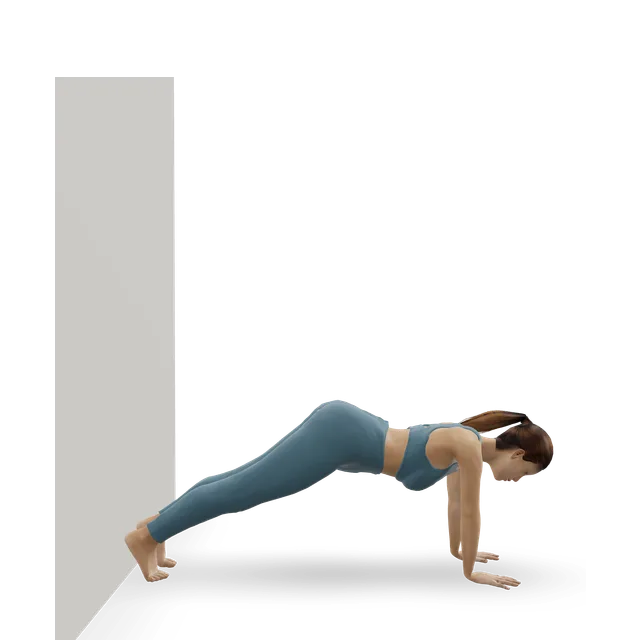
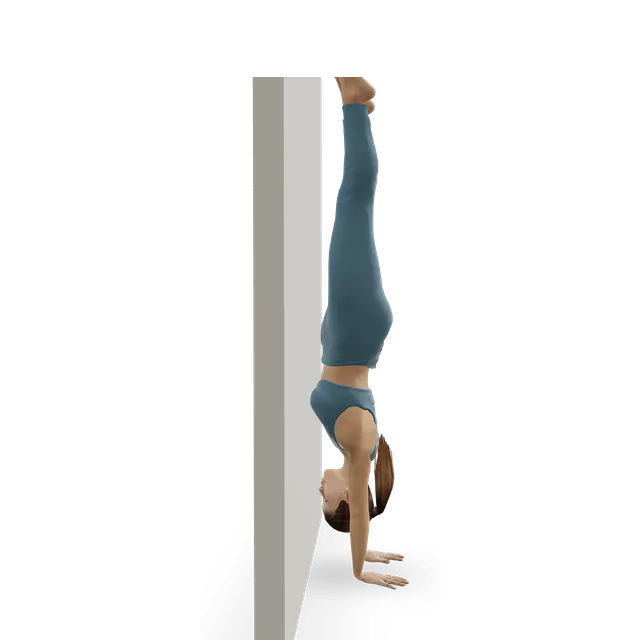
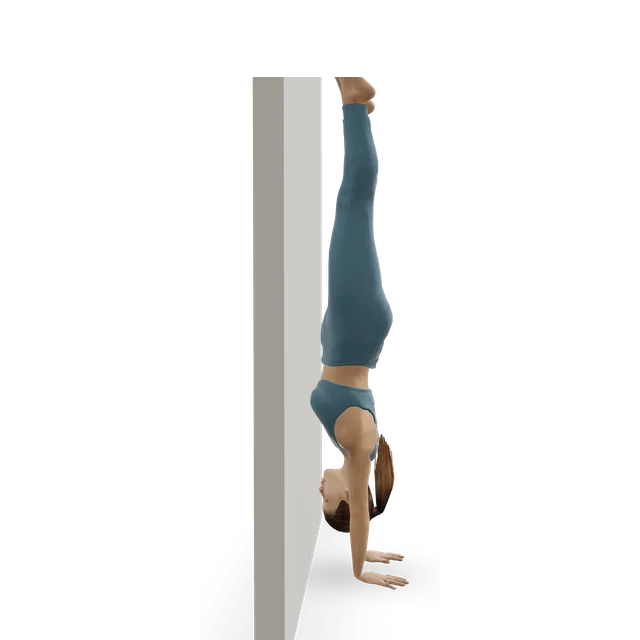
In order: downward dog holds, 3 holds of 5 breaths (as in our wrist pain from push-ups guide), to learn the start position; pike push-ups with your feet on the floor, 3 sets of 6 to 8 (our handstand progression) or 3 sets of 5 to 10 with 90 seconds' rest and 2 or 3 reps in reserve (our upper body workout at home); then the same demo with your feet on a step, a low box, a bench and about desk height, 3 to 5 sets of 5, moving up a height after 5 sets of 5 with good form (StrongFirst); the wall walk, 3 to 5 walk-ups to the height you control (our handstand progression's editorial starting point); the handstand at the wall, 3 holds of 20 to 30 seconds (our handstand progression); and the wall handstand push-up, 3 to 5 sets of 1 to 3 slow reps to a cushion or folded mat (our editorial starting point, within StrongFirst's practice of singles). The feet-raised pike push-up has no demo of its own: it's the pike push-up with your feet on a step, as our move page's cue says.

Easier versions

Dolphin pose, the same shape on your forearms, which spares your wrists, 3 holds of 5 breaths (our handstand progression); the half handstand at the wall, an L with your feet on the wall, 3 holds of 20 to 30 seconds (our handstand progression); and the standard push-up, the step before, as our push-up guide teaches. A pike push-up with your hands on a bench or parallettes, or lowering only as far as a cushion, also makes the first step easier; neither has a demo (editorial).

Towards a handstand push-up

The coaching ladder

StrongFirst's version keeps your hands about shoulder width, your head neutral and your elbows at about 45 degrees, like a kettlebell military press. It runs from the piked handstand push-up to feet-raised versions, asking for 5 sets of 5 with good technique before you move higher, from a step to a low box, a bench and eventually desk height, with a yoga block under your head if the full range is out of reach. Then come wall-supported singles, practised through the day and never rushed, because rushing arches the lower back.

Coach magazine reports a CrossFit coach's seven steps, from push-ups lowered to a shrinking stack of plates, then the floor, to elevated pike push-ups lowered to a plate, an ab mat and then the floor, with 10 reps at each step before moving on and 3 sets at least once a week.

Sources 2, 4

Which gate we use

Our handstand push-up progression uses StrongFirst's 5 sets of 5 before you raise your feet further: lower than the coach's 10 reps because the higher steps are heavier (our editorial choice). The coach's sets go to as many reps as possible; we stop 2 or 3 short, because failure adds little for muscle growth and slowed recovery by a day or two in a study of trained men.

Sources 23, 24

The wall handstand push-up

Our move page teaches it facing the wall: walk up until your chest faces it, lower the top of your head slowly towards the floor as far as you can control, press back up and walk down. StrongFirst's version kicks up with your back to the wall. Either way, put a folded mat or cushion under your head until you can lower the full range with control, and never drop onto your head.

Source 2

Strict before kippingEmerging evidence

In a small preprint study, not yet peer reviewed, 16 CrossFit volunteers did kipping (swinging) handstand push-ups on force plates: the force on the head during the kip was usually more than body weight, and those who reported pain moved their head back into extension. Kipping isn't a learning step; build strict, slow reps first.

Source 25

No timeline

No study has timed how long it takes to reach a wall handstand push-up. For most adults it takes months of pike work (our estimate), and gymnasts start far ahead.

Where to go next

Our handstand push-up progression lays the ladder out as a 30-minute session. Our handstand guide covers the balance, coming down safely and who should skip going upside down, and our wall walk guide teaches the walk-up step by step.

How many, and how often

Sets and reps

3 sets of 5 to 10, resting 90 seconds with 2 or 3 reps in reserve (our upper body workout at home), or 3 sets of 6 to 8 (our handstand progression, gymnastics conditioning and planche progression). NASM suggests 3 sets of 5 to 12. In your first two weeks, stop 3 or 4 reps short, as our plans advise.

Source 1

The harder steps

With your feet raised: 3 to 5 sets of 5, moving up a height after 5 sets of 5 with good form (StrongFirst's gate). At the wall: 3 to 5 sets of 1 to 3 slow reps (our editorial starting point, within StrongFirst's singles).

Source 2

Rest

About 90 seconds to 2 minutes, as our workouts use for hard sets. Resting more than about a minute gave a small growth advantage across 9 studies. Kneel or stand while you rest rather than staying head-down.

Source 26

How often

2 or 3 times a week, as our handstand guide suggests, counting your other pressing. If you also lift, overhead presses build the same strength: in the gymnast trial, gains in pressing strength explained the gains in handstand push-ups. You don't need both every session.

Source 5

Keep head-down sets short

A set of 5 to 10 slow reps takes about 20 to 60 seconds (our estimate). Come up between sets, and keep the wall steps to a few slow reps.

Moving up

Add reps, then slow the lowering to 3 seconds, then raise your feet, then move to the wall, one change at a time, as our plans' progression note says.

Common mistakes and how to fix them

Elbows flaring out

StrongFirst warns against elbows that "chicken wing" out, and in push-ups, flared elbows put the shoulder blade in a position linked with impingement (our extrapolation to the pike). Angle them back about 45 degrees.

Sources 2, 27

Head landing between or behind your hands

It turns the move into a forward-falling push-up and loses the overhead line. Aim the top of your head just ahead of your hands.

Hips dropping as you lower

NASM warns that it shifts the work to the chest and turns the move into a push-up. Keep your hips high, and walk your feet closer.

Source 1

Weight back on your feet

It takes the load off your arms. Shift your shoulders over your hands, as our move page cues.

Dropping onto your head

It loads your neck, and a kip can put more than body weight through your head. Lower slowly, use a cushion or block, and never kip while you're learning.

Source 25

Arching your lower back at the wall

StrongFirst says fast reps make the lower back arch. Go slowly, ribs down, and use a block to shorten the range.

Source 2

Staying head-down between sets

Eye pressure stays up while your head is low. Kneel or stand between sets.

Source 6

Pike push-ups against the overhead press, push-ups and lateral raises

Against the overhead press

Both train overhead pressing, and no study has compared them. Dumbbells are easier to load in small steps; pike push-ups need only a floor. In gymnasts, heavy shoulder presses and dips raised handstand push-up numbers. Our overhead press guide teaches the press.

Source 5

Against a regular push-up

Harder for most people, because your arms press overhead, where the front of the shoulder works with less help from the chest (our reading of the body-angle study). If you can do 15 push-ups but only a few pikes, start with a smaller range.

Source 3

For the side of the shoulder

Pike push-ups mainly train the front of the shoulder. Width comes from the side of the shoulder, which lateral raises train more directly, as our wider shoulders guide explains.

Against dips and diamond push-ups

Dips and diamond push-ups work your triceps and chest with your arms down by your sides; pike push-ups move the work up to your shoulders. Our dips and diamond push-up guides cover those.

Not an upper-chest exercise

As your body tilts head-down, the main chest works less and the shoulders more, and no study has measured the upper chest in a pike push-up.

Source 3

Shoulder strength and care

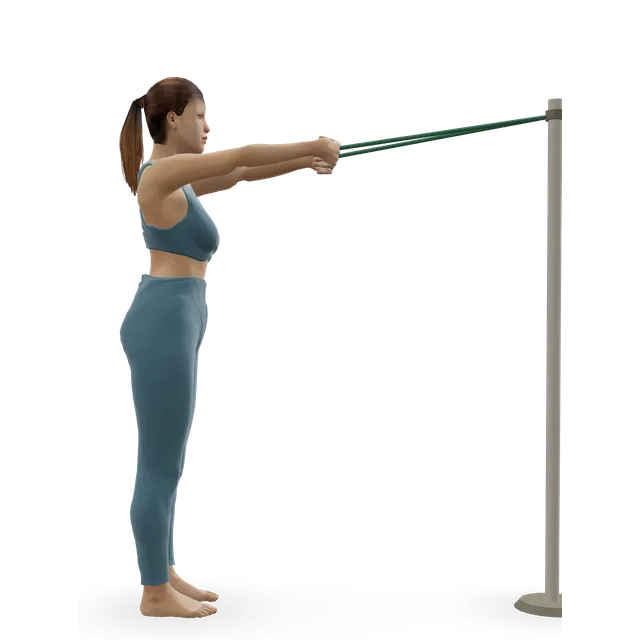
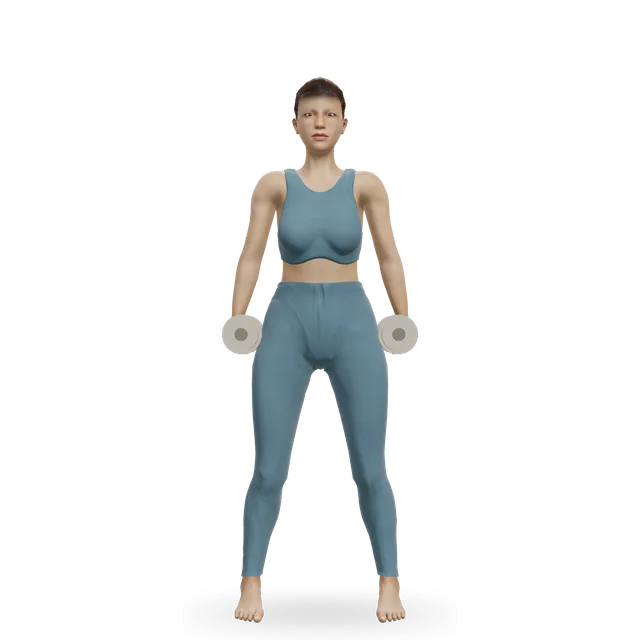
The seated dumbbell press, 3 sets of 8 to 12, stopping 2 or 3 reps short (our shoulder workout at home), the head-up swap with glaucoma; face pulls, 3 sets of 12 to 20 with 60 seconds' rest, and prone Y-T-W raises, 2 sets of 6 of each letter (our upper body workout at home); band external rotations, 2 sets of 12 to 15 each arm (our shoulder workout at home); scapular push-ups, 2 sets of 10 (our push-up progression); wall angels, 1 or 2 sets of 8 slow reps as a warm-up (our editorial starting point); and shoulder CARs (controlled articular rotations), 3 slow circles each way with each arm, 20 to 30 seconds a circle (the move page's dose).

Wrists and trunk

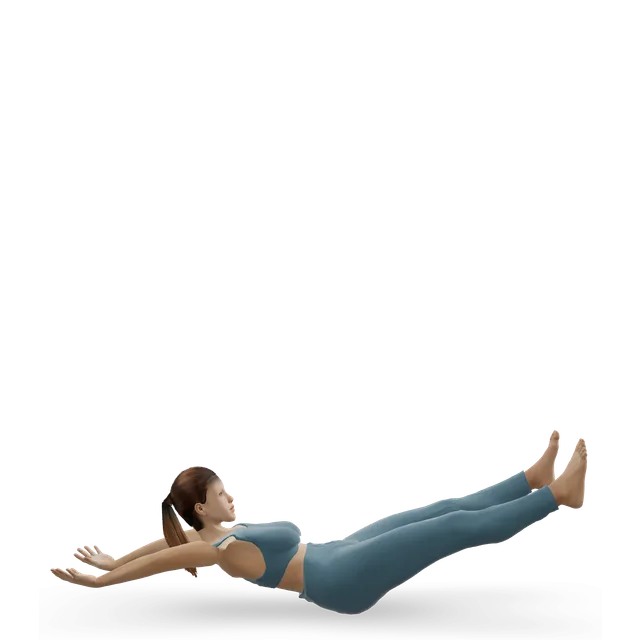
Before you start: the wrist and forearm flow, 60 seconds, and wrist rocks, 10 rocks (both from our handstand progression). For the straight body line the wall steps need: hollow body holds, 2 holds of 20 to 30 seconds (our planche progression), and forearm planks, 2 holds of 30 seconds (our push-up progression).

Workouts to follow

Our handstand push-up progression is the full ladder, from pike push-ups to the wall. The upper body workout at home and the full-body bodyweight workout use pike push-ups as their overhead press; the handstand progression, gymnastics conditioning and planche progression use 3 sets of 6 to 8; and the shoulder workout at home offers them as the no-weights press.

Handstand push-up progression: pike push-ups to the wall

A 30-minute ladder towards the wall handstand push-up: pike push-ups, then with your feet on a step, box or bench, then slow wall handstand push-ups.

30 minAdvanced12 movesA wall, A band

Upper body workout at home

An upper body workout at home with no gym: push-ups, band rows, pike push-ups, face pulls, close-grip push-ups and Y-T-W raises, with dumbbell options.

30 minIntermediate13 movesA band, An anchor point

Full-body bodyweight workout

An intermediate no-equipment workout: push-ups, split squats, single-leg bridges, pike push-ups and core work.

30 minIntermediate11 movesNo equipment

Handstand progression

Build toward a handstand: wrist prep, dolphin pose, pike push-ups, crow, the wall handstand and freestanding holds.

25 minAdvanced9 movesA wall

Gymnastics conditioning workout: jumps, landings, wrists, shoulders and trunk

A gymnastics conditioning session: jumps from the youth vault trial, landings, wrist and shoulder strength, wall handstands, and hollow and arch holds.

45 minIntermediate22 movesOther / check instructions, A step

Planche progression workout

Build towards a planche: wrist prep, planche leans and lean push-ups, frog stands and tuck planche holds, with pike push-ups.

30 minAdvanced8 movesNo equipment

Shoulder workout at home: presses, lateral raises and rear-shoulder work

A 30-minute home shoulder workout with dumbbells or a band: presses, lateral raises for the side of the shoulder, and rear-shoulder and rotator cuff work.

30 minBeginner8 movesA band, A dumbbell

Plans that use them

These plans include the full-body bodyweight workout, with pike push-ups in its circuit.

Warning signs

Stop and get medical help

If you get chest pain or pressure, feel faint or dizzy, are unusually breathless, or your heart races or beats irregularly during exercise, as our plans advise. The American Heart Association says these need immediate medical evaluation.

Source 16

Call 999 (911 in the US)

For chest pain that doesn't go away, feels tight or like squeezing, or spreads to your arms, neck, jaw, stomach or back, or comes with sweating, feeling sick, light-headedness or breathlessness; severe difficulty breathing; someone who faints while exercising; palpitations that don't go away, or come with chest pain, shortness of breath or feeling faint; a headache that starts suddenly and is extremely painful; or signs of a stroke, such as a drooping face, a weak arm, slurred speech or sudden loss or blurring of vision, even if they pass. Don't drive yourself to A&E.

Sources 28, 29, 30, 31, 32, 33, 34, 35

Check before you start

If you haven't exercised for some time or have a medical condition, speak to your GP first, as the NHS advises. Get advice before hard pressing or head-down work if your blood pressure is uncontrolled, or you have heart disease or chest pain when you're active, a pacemaker or defibrillator, diabetic eye disease, glaucoma, a hernia, recent eye or tummy surgery, or you're pregnant, as our breathing guide lists.

Source 36

A headache brought on by exercise

A headache triggered or made worse by coughing, sneezing, bending down or exercising needs an urgent GP appointment or NHS 111 (in the US, your doctor or urgent care). Stop head-down and heavy pressing work until it's been checked (our suggestion, as our breathing guide says).

Source 33

Sudden eye symptoms

Call 999 or go to A&E if glaucoma symptoms come on suddenly, such as intense eye pain, a red eye, tenderness around the eyes, rainbow-coloured circles around bright lights, blurred vision, feeling or being sick, or a headache. With diabetes, ask for an urgent GP appointment or NHS 111 if your eyesight suddenly gets worse or goes blurred.

Sources 37, 38

Dizzy or light-headed

Stop, kneel or lie down until it passes, then get up slowly. See a GP if dizziness won't go away or keeps coming back.

Source 19

A fall from the wall

If you come down onto your hands or shoulder and hear a crack, or your wrist or arm changes shape, goes numb or tingles, or changes colour, call 999 or go to A&E. If it's very painful, swollen or stiff, get help from NHS 111 or an urgent treatment centre. See a GP if wrist pain hasn't improved after 2 weeks.

Sources 39, 40

Your neck and shoulders

Stop if you land heavily on your head, or get neck pain or pins and needles down an arm. Ask for an urgent GP appointment or NHS 111 for sudden or very bad shoulder pain, an arm you can't move, or pins and needles that don't go away; an arm that tingles or feels numb needs an urgent treatment centre or A&E. Our neck pain guide covers the rest.

Sources 41, 42
Myths

"Pike push-ups are only for gymnasts"Emerging evidence

They're an ordinary bodyweight shoulder press in our upper body workout at home and full-body bodyweight workout. NASM rates them advanced, but the strength it asks for first comes from standard and incline push-ups. The handstand push-up evidence happens to come from gymnasts, and the pike push-up scales down (a smaller range, hands on a bench) and up (feet raised) for anyone. The real reasons to skip it are head-down conditions, not a lack of gymnastics.

Sources 1, 5

"Pike push-ups build the upper chest"Emerging evidence

No study supports it: as your body tilts head-down, the main chest works less and the shoulders more, and nobody has measured the upper chest in a pike push-up.

Source 3

"A pike push-up is a handstand push-up"

It presses part of your body weight; a handstand push-up presses all of it, upside down. Coaches bridge the gap by raising your feet in stages, asking for 5 sets of 5 or 10 reps at each step (our reading of their practice).

Sources 2, 4

"Kipping is a fine way to learn handstand push-ups"Emerging evidence

In a small preprint study, the kip put more than body weight through the head, and those who reported pain moved their head back. Learn strict, slow reps first.

Source 25

"You need to do hundreds a day"Emerging evidence

More hard sets build more muscle only up to a point, stopping 2 or 3 reps short works about as well as failure, and 3 or 6 sessions a week gave similar results in 27 trained men. A few hard sets, 2 or 3 times a week, beat hundreds of easy ones, and fewer head-down minutes are kinder to your eyes.

Sources 43, 23, 44

Questions people ask

What do pike push-ups work?

The front of your shoulders and your triceps, with your upper back and trunk holding the shape. No study has measured them directly, but in push-ups with the feet raised, the shoulders, triceps and serratus anterior worked harder the steeper the body, and the chest less.

Where should my head go in a pike push-up?

Lower the top of your head to a point just ahead of your hands, so your head and hands make a triangle, with your elbows angled back about 45 degrees rather than flared out. Touch the floor lightly, or stop at a cushion or yoga block.

Are pike push-ups as good as the overhead press?

Both train overhead pressing, and no study has compared them. Dumbbells are easier to load in small steps, while pike push-ups need only a floor. In gymnasts, heavy shoulder presses and dips raised handstand push-up numbers.

How many pike push-ups should I do?

3 sets of 5 to 10, or 6 to 8, stopping 2 or 3 reps short and resting about 90 seconds, 2 or 3 times a week, as our workouts use. NASM suggests 3 sets of 5 to 12. These are starting points, not tested doses.

How many pike push-ups before a handstand push-up?

Coaches use different gates: a CrossFit coach asks for 10 good reps at each step, and StrongFirst for 5 sets of 5 at each height with your feet raised, up to about desk height, before the wall. No study has tested either. Our handstand push-up progression follows them.

Why do pike push-ups give me a headache or head pressure?

Your head goes below your heart, which raises the pressure in your head and eyes while you're there. Come out of it, kneel, come up slowly and keep sets short. A sudden, extremely painful headache is a 999 call (911 in the US), and one brought on by exercise needs an urgent GP appointment or NHS 111.

Are pike push-ups safe with glaucoma or high blood pressure?

With glaucoma, keep head-down time short or do a seated press instead, and ask your eye team first if your glaucoma is advanced or you've had eye surgery. With high blood pressure that isn't controlled, skip long head-down holds. With severe diabetic eye disease, leave head-down moves out until your eye team agrees.

How do I make pike push-ups easier?

Shorten the range by lowering to a cushion or yoga block, put your hands on a bench, or go back to downward dog holds and push-ups. Bend your knees a little if tight hamstrings stop your hips stacking over your hands.

What are elevated pike push-ups?

Pike push-ups with your feet on a step, box or bench, which puts more of your weight on your hands and takes you closer to a handstand push-up. StrongFirst raises the feet in stages, after 5 sets of 5 at each height. Your head goes further below your heart, so the head-down cautions matter even more.

Do pike push-ups build wider shoulders?

They mainly train the front of the shoulder. Width comes from the side of the shoulder, which lateral raises train more directly, as our wider shoulders guide explains.

Are pike push-ups harder than regular push-ups?

For most people, yes: your arms press overhead, where the shoulder works with less help from the chest. No study has measured the load, so judge by your reps, and start with a smaller range if you can only do a few.

Should I learn kipping handstand push-ups?

Not while you're learning. In a small preprint study of 16 CrossFit volunteers, the kip put more than body weight through the head. Build strict, slow reps first.

Sources

  1. NASM · Pike push-up (exercise library, rated advanced)
  2. Smith (undated) · Your journey to a handstand push-up, part 3: pike, feet-raised and wall handstand push-ups (coaching article, StrongFirst)
  3. Lin 2026 · Muscle activity in floor and suspension push-ups at five body angles in 19 trained men (EMG study, BMC Sports Sci Med Rehabil)
  4. Porter 2023 · Seven push-up progressions on the way to the handstand push-up, from a CrossFit coach (Coach magazine)
  5. Li 2026 · Heavy or light blood-flow-restricted presses, dips and pull-ups for 6 weeks in 30 male gymnasts (randomised trial, J Exerc Sci Fit)
  6. Jasien 2015 · Eye pressure in four head-down yoga poses in 20 people with and without glaucoma (lab study, PLoS One)
  7. Glaucoma UK · Living with glaucoma: diet, exercise and smoking
  8. Colberg 2016 · Physical activity and exercise with diabetes (American Diabetes Association position statement, Diabetes Care)
  9. Wurm 2010 · Forces in six push-up variations in 23 adults, as a share of body weight (lab study, ISBS conference paper of Ebben 2011)
  10. Weiner 2019 · Glaucoma and exercise: what to tell your patients (interviews with ophthalmologists, EyeNet Magazine, American Academy of Ophthalmology)
  11. Baskaran 2006 · Eye pressure in headstand in 75 yoga practitioners (lab study, Ophthalmology)
  12. Marshall-Goebel 2017 · Eye and brain pressure at different head-down tilts in healthy adults (lab study, Aerosp Med Hum Perform)
  13. Hackett 2024 · Eye pressure during resistance exercise in healthy adults: 34 studies (systematic review, JSCR)
  14. Vieira 2006 · Eye pressure during the bench press, holding the breath or breathing out (lab study, Arch Ophthalmol)
  15. Kanaley 2022 · Exercise and physical activity in type 2 diabetes, including diabetic eye disease (American College of Sports Medicine consensus statement, Med Sci Sports Exerc)
  16. Paluch 2024 · Resistance exercise training with and without cardiovascular disease: 2023 update (American Heart Association scientific statement, Circulation)
  17. NHS · Exercise in pregnancy
  18. British Heart Foundation 2026 · Exercise for heart failure: tips for exercising safely
  19. NHS · Dizziness (past its review date: reviewed April 2023, review due April 2026)
  20. Lenz 2024 · Training injuries and the movements behind them in 308 CrossFit members (survey, Open Access J Sports Med)
  21. Mohammad 2025 · Injuries in 181 Dutch calisthenics athletes (cross-sectional survey, J Sports Med Phys Fitness)
  22. Currier 2026 · Resistance training for strength, muscle and performance in healthy adults: an overview of 137 reviews (ACSM position stand, Med Sci Sports Exerc)
  23. Refalo 2023 · How close to failure to train for muscle growth: 15 studies (systematic review and meta-analysis, Sports Med)
  24. Morán-Navarro 2017 · Recovery after sets taken to failure or not, in 10 trained men (crossover study, Eur J Appl Physiol)
  25. Bove 2024 · Forces on the head during kipping handstand push-ups in 16 volunteers (preprint, not peer reviewed, Preprints.org)
  26. Singer 2024 · Rest between sets and muscle growth: 9 studies (systematic review with Bayesian meta-analysis, Front Sports Act Living)
  27. Suprak 2013 · Shoulder blade movement and arm position in the push-up in 16 people (lab study, J Athl Train)
  28. NHS · Chest pain (past its review date: reviewed August 2023, review due August 2026)
  29. NHS · Heart attack
  30. NHS · Shortness of breath
  31. NHS · Fainting
  32. NHS · Heart palpitations
  33. NHS · Headaches
  34. NHS · Subarachnoid haemorrhage
  35. NHS · Symptoms of a stroke
  36. NHS · Physical activity guidelines for adults aged 19 to 64
  37. NHS · Glaucoma
  38. NHS · Diabetic retinopathy
  39. NHS · Sprains and strains
  40. NHS · Wrist pain
  41. NHS · Shoulder pain (past its review date: reviewed May 2023, review due May 2026)
  42. NHS · Elbow and arm pain
  43. Pelland 2026 · Weekly sets and training frequency against muscle growth and strength: 67 studies, 2,058 people (meta-regression, Sports Med)
  44. Saric 2019 · Training 3 or 6 times a week in 27 trained men (randomised trial, JSCR)

Exercise education, not a personal prescription, and clinical review of these guides is pending. Check with a GP before starting hard training if you have a heart condition, chest pain, dizziness or breathlessness when active, and stop for sharp or increasing pain. Health disclaimer.