Skill progressions
V-sit progression: from the boat pose to the V-sit hold and the gymnastic V-sit
Pick the hardest step you can hold for about 10 seconds with your chest lifted, do 3 to 5 holds of it, and move up when 3 holds at the top of the range feel steady. Bend your knees as much as your hamstrings need. Practise 2 to 4 times a week. Cramp at the front of the hips is common at first. The ladders follow coaching practice; no trial has tested them, and the doses are our starting point.
Warm-up
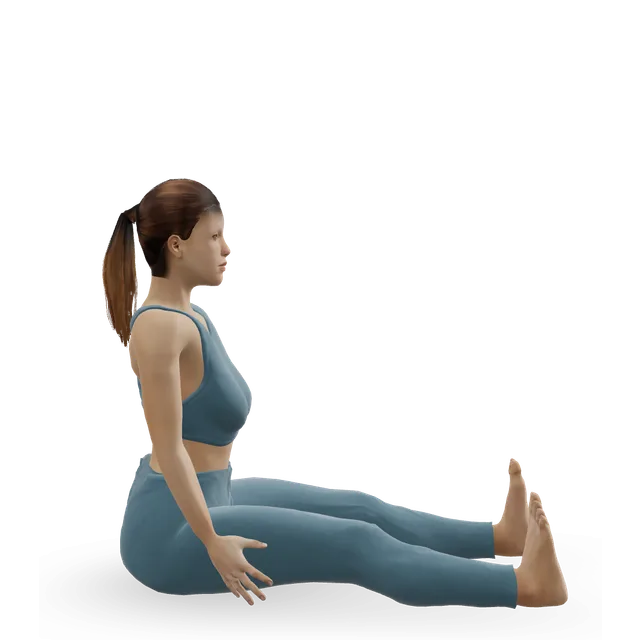
- Staff pose (Dandasana)2 × 30 sBeginner · Back, Abs, Hamstrings · 3D demoSit tall with straight legs, then lift both heels a little for 5 to 10 sHarder: Boat pose (Navasana)
- Beginner · Forearms · 3D demoOnly if you're working on the gymnastic V-sitEasier: Wrist circlesHarder: Wrist flexor stretch

Hip flexors
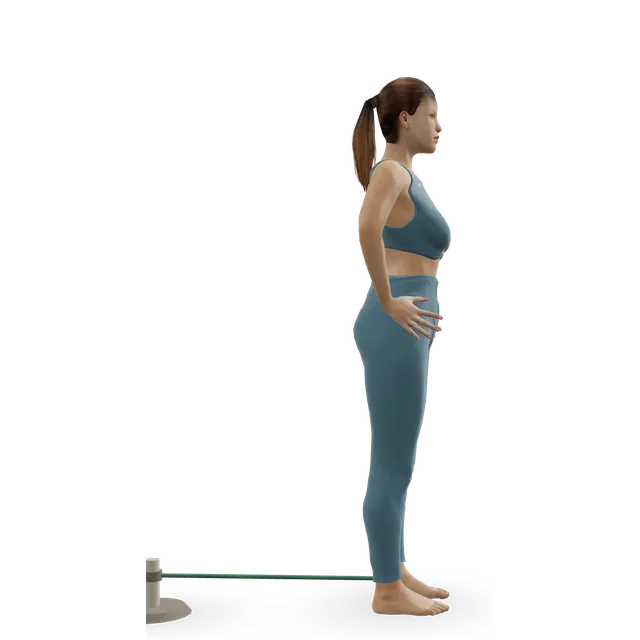
- Standing band hip flexion2 × 8 to 12 each sideBeginner · Hip flexors, Abs · 3D demoSlow; use a stronger band as it gets easyEasier: Standing marchHarder: Captain's chair knee raise
The V-sit hold (pick your step)
Rest About 60 s
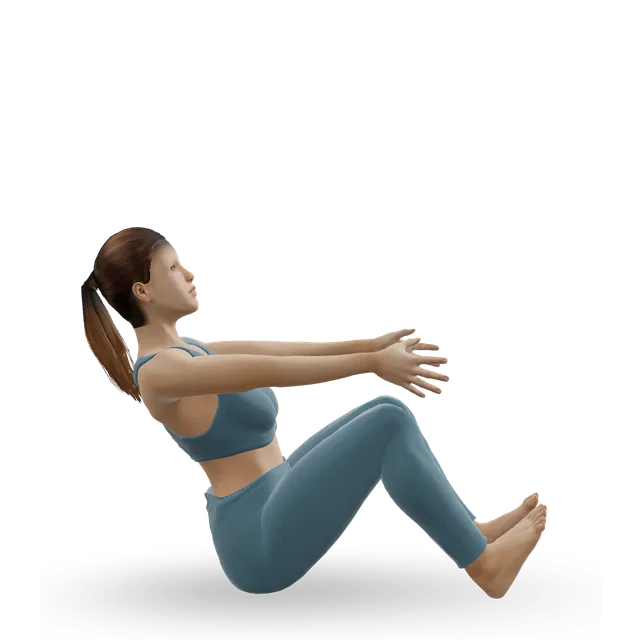
- Boat pose (Navasana)3 holds of 3 to 5 breathsIntermediate · Abs, Hip flexors, Back · 3D demoKnees bent, hands behind your thighs, chest lifted; then let go and reach your arms forwardEasier: Staff pose (Dandasana)Harder: L-sit
- Boat pose (Navasana)3 to 5 holds of 5 to 15 s, building to 20 to 30 sIntermediate · Abs, Hip flexors, Back · 3D demoThe straight-legged V-sit hold: straighten your legs to about 45 degrees only if your back stays longEasier: Staff pose (Dandasana)Harder: L-sit
Or the gymnastic V-sit (once your L-sit is steady for 15 to 20 s)
Rest 60 to 90 s
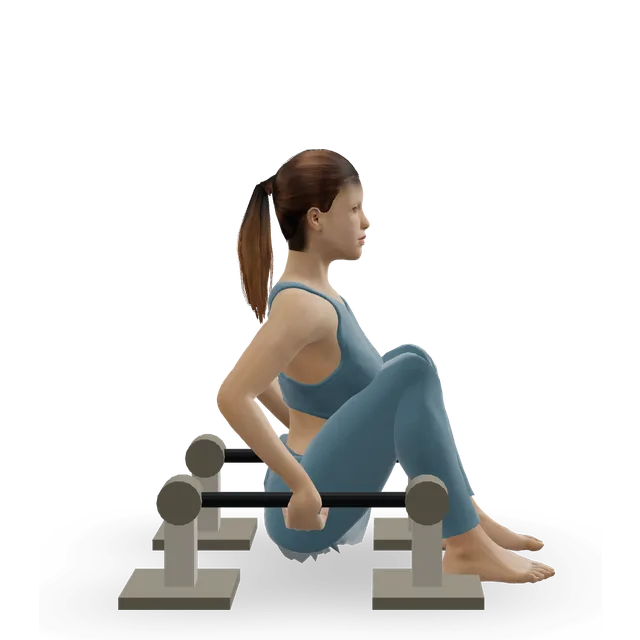
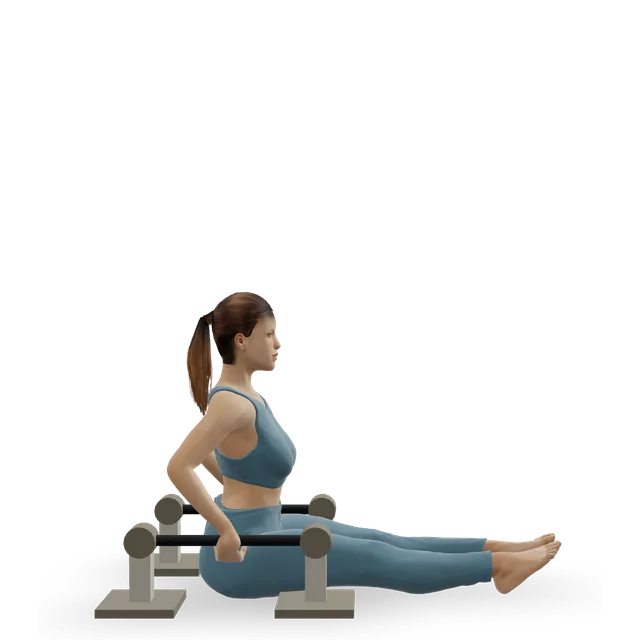
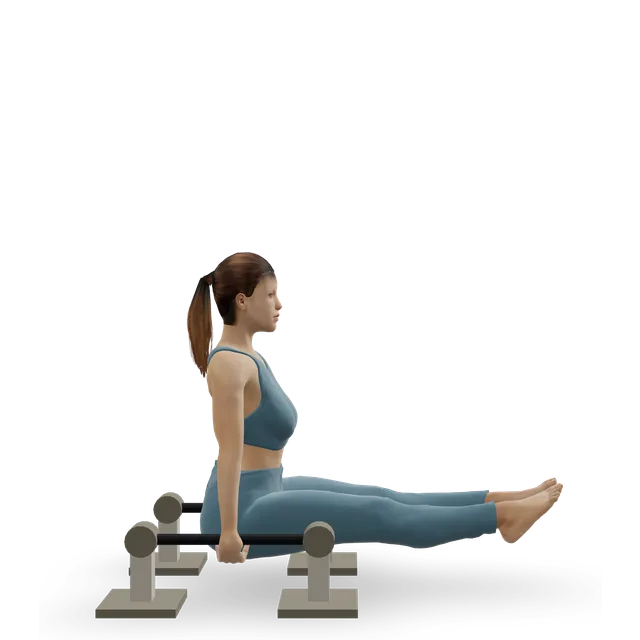
- Tuck L-sit4 or 5 holds of 10 to 20 sIntermediate · Abs, Hip flexors, Triceps · 3D demoThen draw your knees higher, towards your chest: the high tuckEasier: Seated knee tuck on a benchHarder: L-sit
- L-sit4 or 5 holds of 5 to 15 sAdvanced · Abs, Hip flexors, Triceps · 3D demoShoulders pushed down, chest upEasier: Tuck L-sitHarder: V-sit
Balance the bend
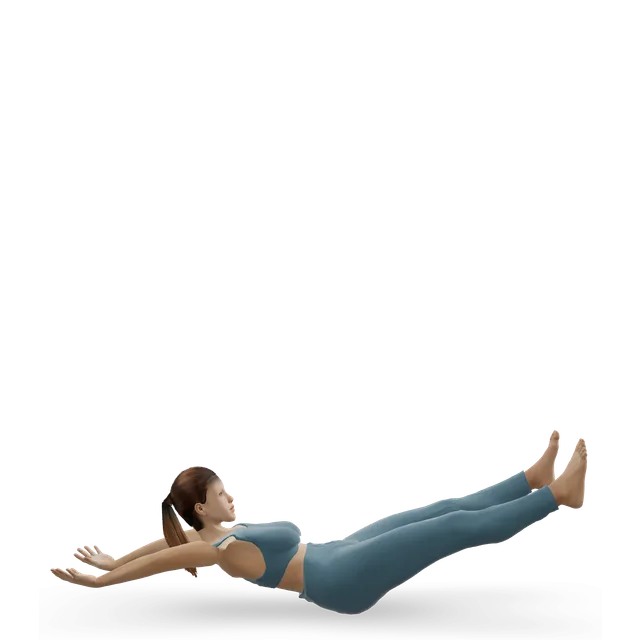
- Hollow body hold2 holds of 10 to 30 sIntermediate · Abs, Hip flexors · 3D demoKnees bent at first; end the hold when your lower back liftsEasier: Dead bugHarder: Dragon flag
- Bird dog6 each side, 3 to 5 s holdsBeginner · Back, Abs, Glutes · 3D demoKeep your back stillEasier: Bird dog, one limb at a timeHarder: Bear crawl

Hamstrings
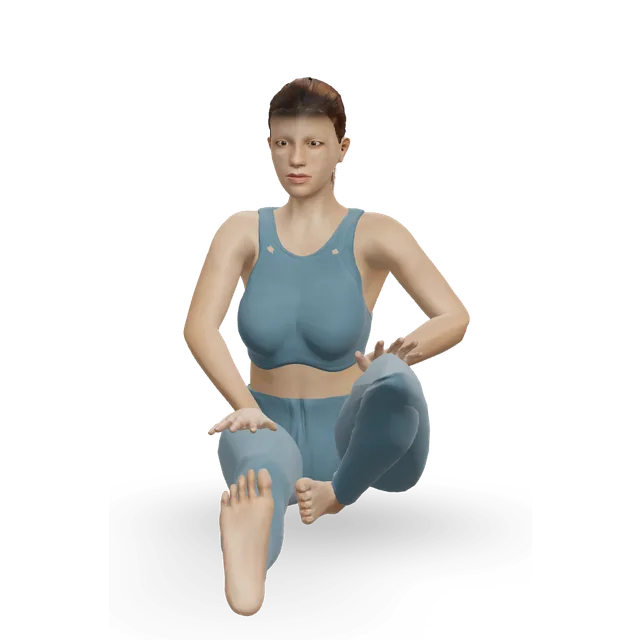
- Seated single-leg hamstring stretch1 to 3 holds of 30 s each legBeginner · Hamstrings, Calves · 3D demoEvery day you can, not only on workout daysHarder: Contract-relax hamstring stretch (PNF)
Tips
- Sit on the back of your sit bones with your chest lifted; if your lower back slumps, bend your knees or hold your thighs.
- Cramp at the front of the hip: stop, shake it out and use shorter holds.
- With osteoporosis, in later pregnancy, in the first weeks after a birth, with leaking, a prolapse, a hernia or recent tummy surgery, use our beginner core workout instead.
- If the holds flare your back or send pain down a leg, swap to the hollow hold and bird dogs and see our back pain guide.
- Sore wrists in the gymnastic V-sit: use fists, push-up handles or parallettes.
- Stop and get medical help for chest pain or pressure, unusual breathlessness, dizziness or fainting.
The doses are suggested starting points, not a prescription. Choose a range you can control and stop for sharp or increasing pain, numbness or tingling. Get individual advice after an injury or surgery, or if you are pregnant or managing a health condition.
Guides that recommend it
Find more moves like these
More skill progressions




Push-up progression workout
Work up to full push-ups: wall, incline and knee push-ups, then the floor push-up and harder variations.
15 minBeginner8 movesA wall, A bench or box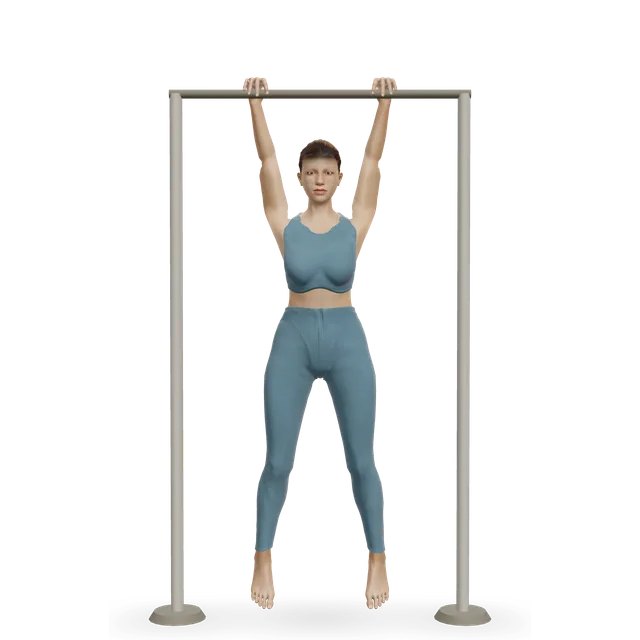

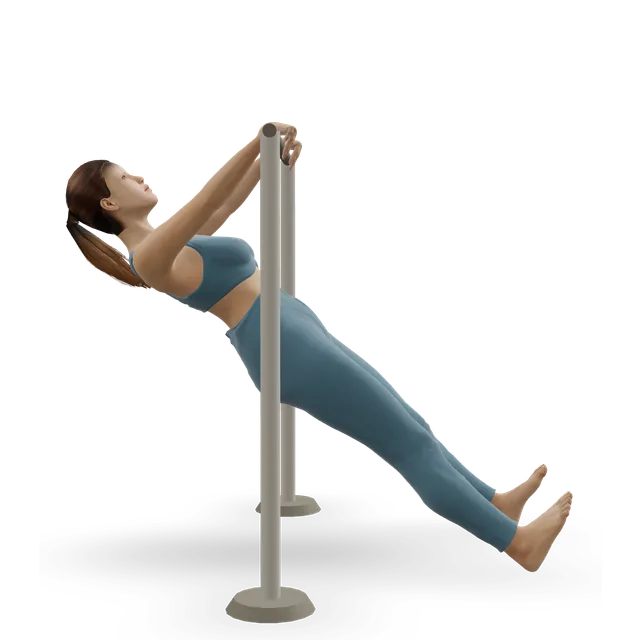
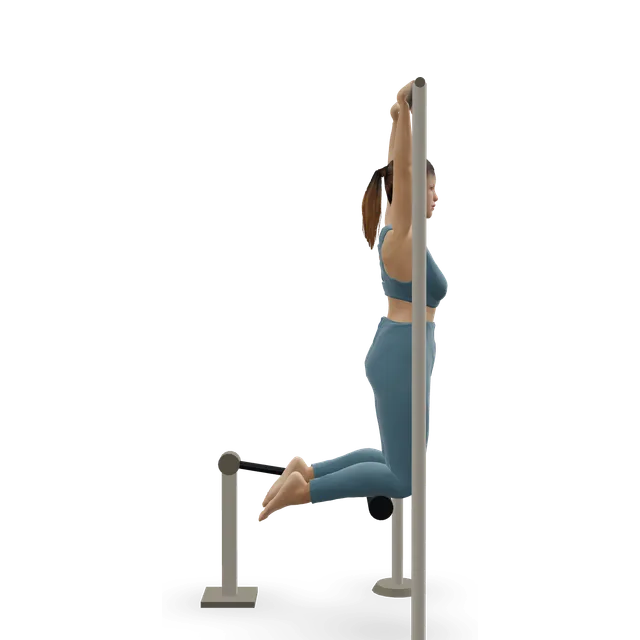
Pull-up progression workout
Work up to your first pull-up: dead hangs, scapular pulls, rows, negatives and assisted pull-ups.
25 minBeginner7 movesPull-up bar, A step
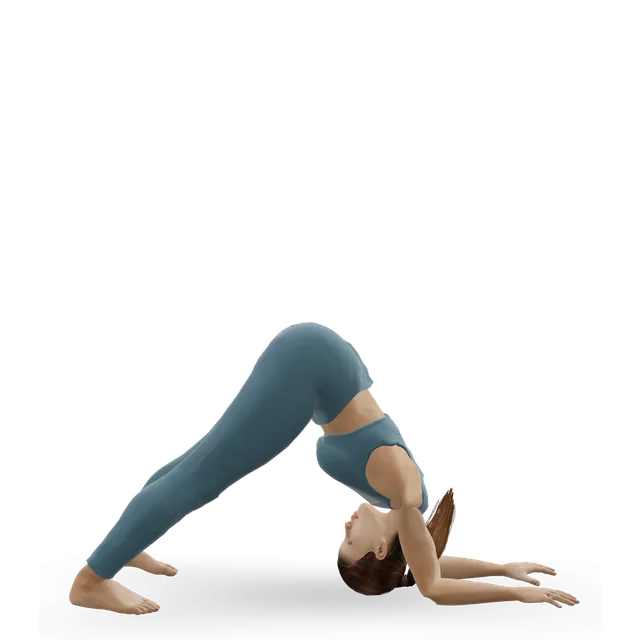
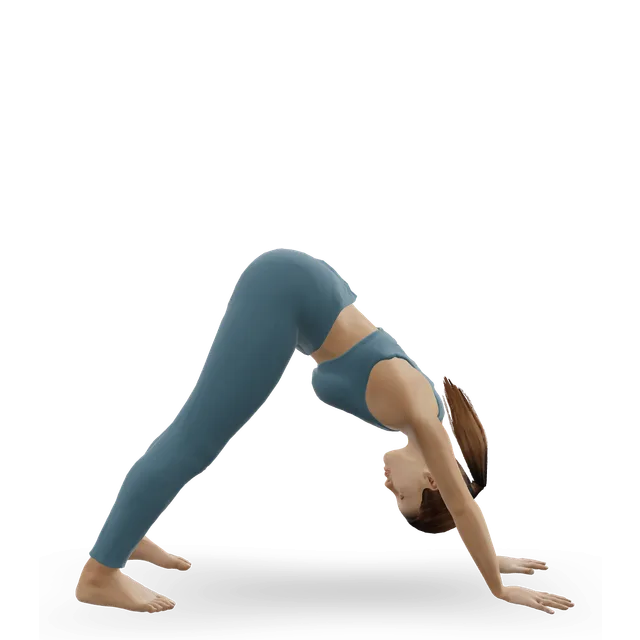
Handstand progression
Build toward a handstand: wrist prep, dolphin pose, pike push-ups, crow, the wall handstand and freestanding holds.
25 minAdvanced9 movesA wallQuestions people ask
How long does the v-sit progression: from the boat pose to the v-sit hold and the gymnastic v-sit take?
About 20 minutes, including any warm-up and cool-down listed. Shorten it by doing fewer rounds; lengthen it by adding one.
What equipment do I need?
You need: A band, An anchor point. Each move links to its guide, where you can find an alternative if you are missing something.
Is it suitable for me?
It is written at intermediate level. 8 of its 10 moves have an easier option listed beside them; use them freely.
How do I make it easier or harder?
Use the easier or harder option listed under each move, change the number of rounds, or adjust the rest. Progress one change at a time.