Skill progressions
Back lever progression workout
For people who can hang comfortably and do a few strict pull-ups and dips. Find your step on the ladder and hold for about half to two-thirds of your best clean hold, adding up to about 30 to 60 seconds of holding. Do it 2 or 3 times a week, first in your session, and end each hold before your hips sag or your elbows bend. No trial has tested a back lever programme: the steps follow coaching practice, and the doses are our starting point.
Warm-up
- Shoulder CARs (controlled articular rotations)3 slow circles each way, each armBeginner · Shoulders, Back · 3D demoWithin a range that doesn't pinchEasier: Arm circlesHarder: Sleeper stretch
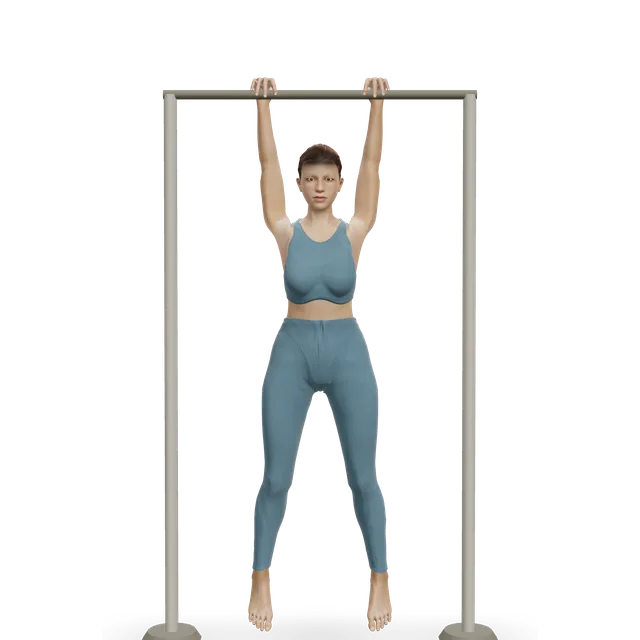
- Bar hang2 × 20 to 30 sIntermediate · Forearms, Back, Shoulders · 3D demoShoulders active, not shruggedEasier: Exercise ball pyramid drapeHarder: One-arm dead hang
- Scapular pull-up2 × 8Intermediate · Back, Shoulders, Forearms · 3D demoHold the top for a secondEasier: Assisted pull-up (machine)Harder: Pull-up

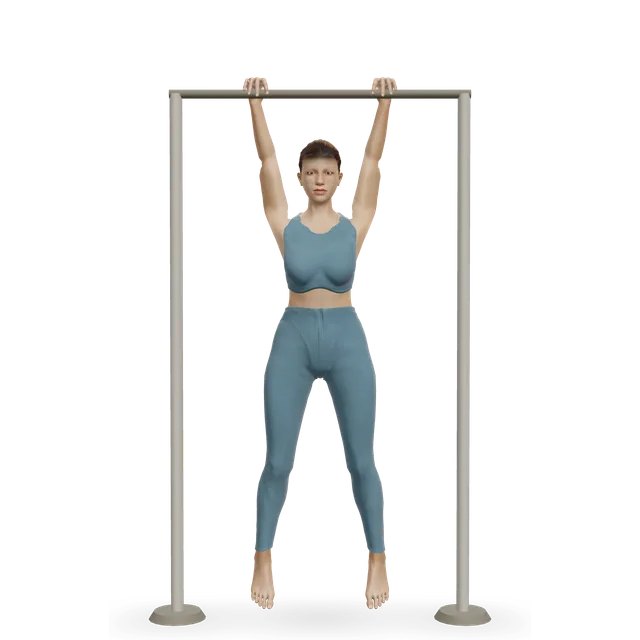

The ladder (pick your step)
Rest 2 min
- German hang3 holds of 10 to 20 sAdvanced · Shoulders, Chest, Biceps · 3D demoFeet on the floor or a box until full weight is comfortable. Roll in slowly; never drop into itEasier: Bar hangHarder: Skin the cat
- Tuck back lever4 to 6 holds of 5 to 10 sAdvanced · Shoulders, Back, Biceps · 3D demoOnly once German hangs are comfortable. Overhand grip, as for a pull-up. Lower into it slowly from the upside-down hang, then pause; flatten your back for the advanced tuckEasier: German hangHarder: Back lever
- Back lever4 to 6 holds of 3 to 8 sExpert · Shoulders, Back, Biceps · 3D demoOnly once a 15 to 20-second tuck is steady: one leg straight first, then a straddle, then legs together. Rest 2 to 3 minEasier: Tuck back lever
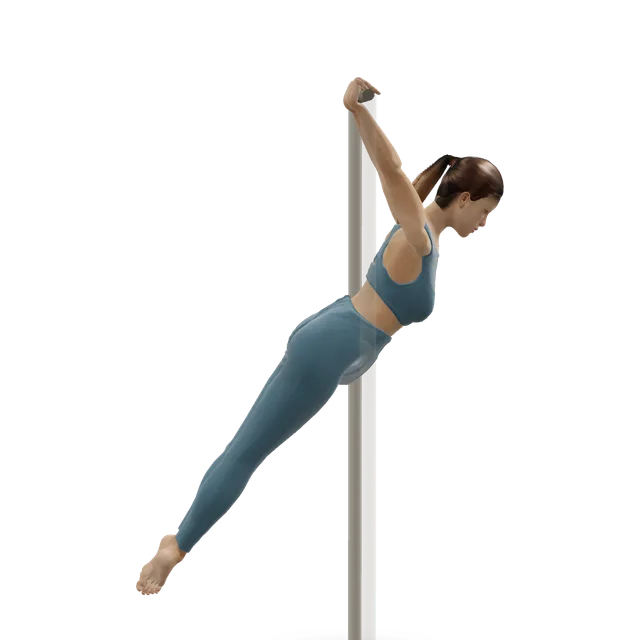
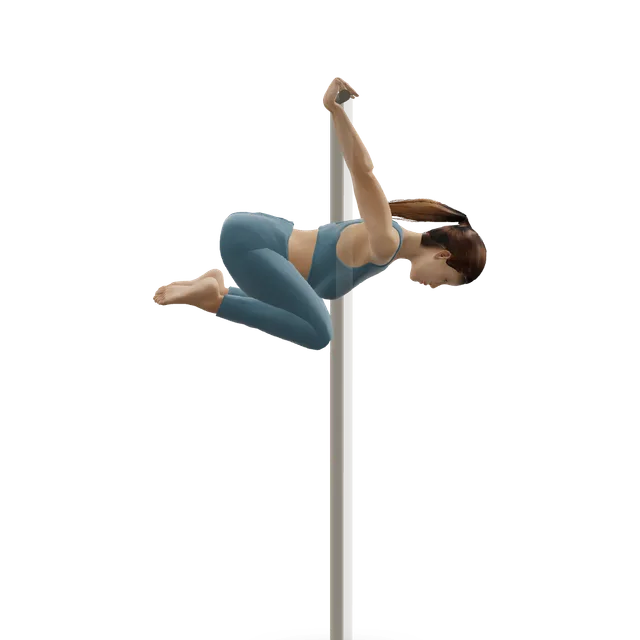
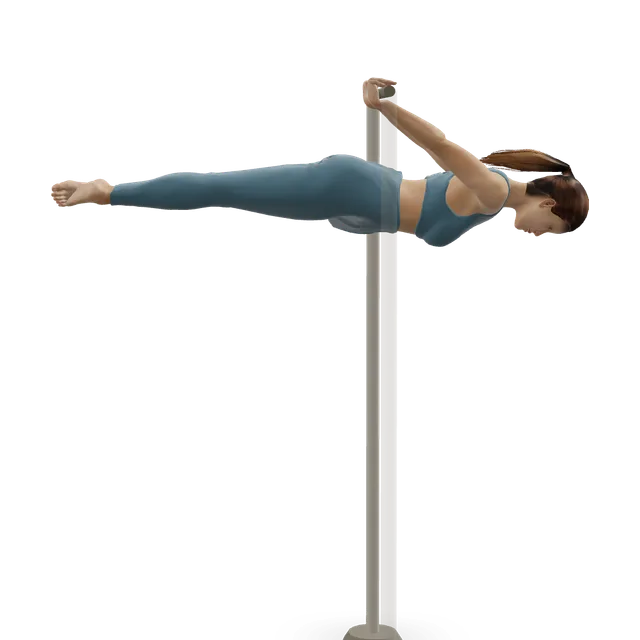
Strength
Rest 2 min
- Pull-up3 × 3 to 8Advanced · Back, Biceps, Forearms · 3D demoStop 1 to 3 reps shortEasier: Assisted pull-up (machine)Harder: Weighted pull-up
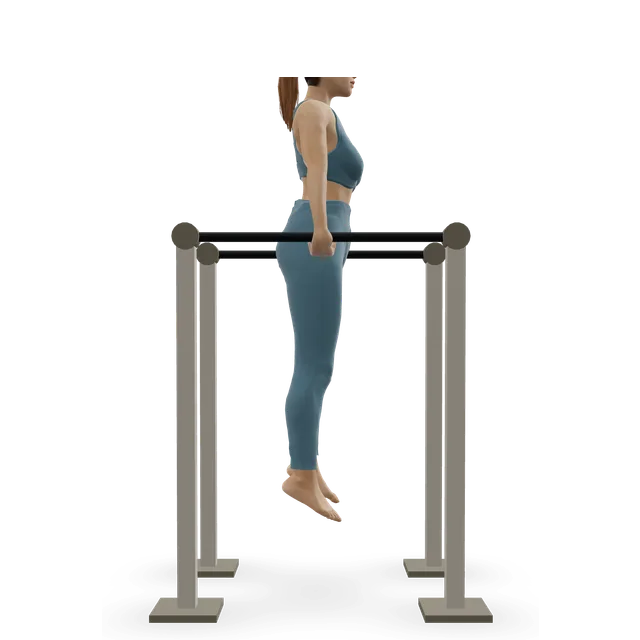
- Parallel bar dip3 × 3 to 8Advanced · Triceps, Chest, Shoulders · 3D demoLower only as far as your shoulders are comfortable; push-ups instead if dips hurtEasier: Bench dipHarder: Ring dip
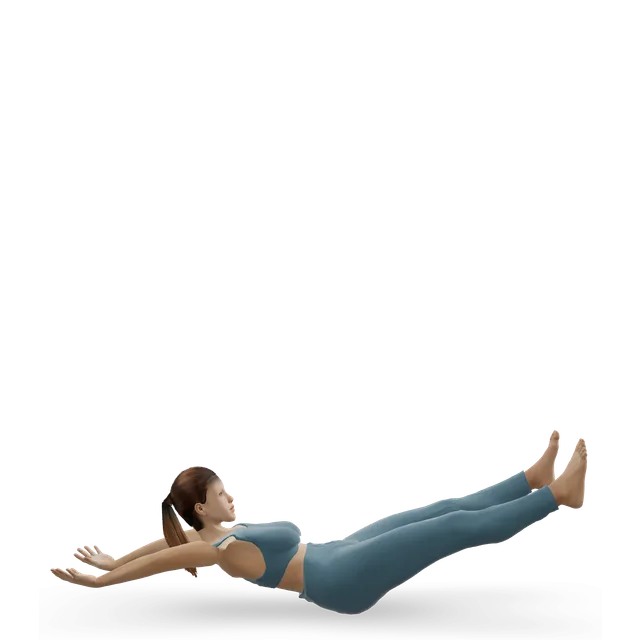
- Hollow body hold2 × 20 sIntermediate · Abs, Hip flexors · 3D demoThe straight body line the lever holdsEasier: Dead bugHarder: Dragon flag
Cool-down
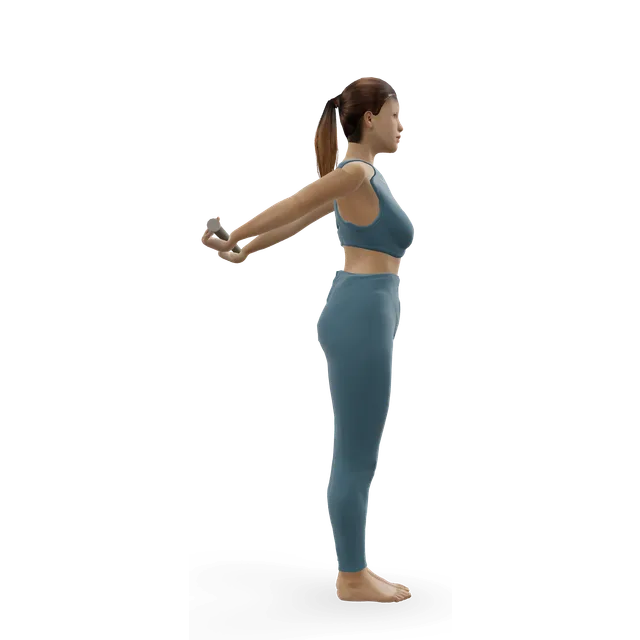
- Behind-the-back stick shoulder stretchHold 15 to 30 s, 2 to 4 timesBeginner · Shoulders, Biceps, Chest · 3D demoGentle; stop short of any pinching at the front of the shoulderEasier: Chair chest and shoulder stretchHarder: Shoulder dislocates with a strap (pass-throughs)
Tips
- Train it 2 or 3 times a week, not on consecutive days, before your other pulling. Doing the front lever too? Train one lever first each session, or on different days.
- Retest your best hold every 2 to 4 weeks, and move up a step when it reaches about 15 to 20 seconds. That rule is our starting point; coaching sources differ.
- Hold the bar as for a pull-up, overhand. A chin-up grip keeps your forearm turned palm-up, the position of most filmed biceps tendon tears.
- An ache at the front of the elbow that's still there the next morning: go back a step for a week. A pop with sudden pain, bruising or a bulge in the upper arm needs an urgent treatment centre or A&E the same day.
- If your shoulder feels as if it might slip, or you've dislocated it before, leave out the German hang and the levers and see our shoulder dislocation guide.
- Use a bar or rings low enough to put your feet down, over a mat. Keep breathing through every hold; don't strain with your breath held.
- Can't hang for 30 seconds or do a pull-up yet? Start with the first pull-up workout.
The doses are suggested starting points, not a prescription. Choose a range you can control and stop for sharp or increasing pain, numbness or tingling. Get individual advice after an injury or surgery, or if you are pregnant or managing a health condition.
Guides that recommend it
Find more moves like these
More skill progressions




Push-up progression workout
Work up to full push-ups: wall, incline and knee push-ups, then the floor push-up and harder variations.
15 minBeginner8 movesA wall, A bench or box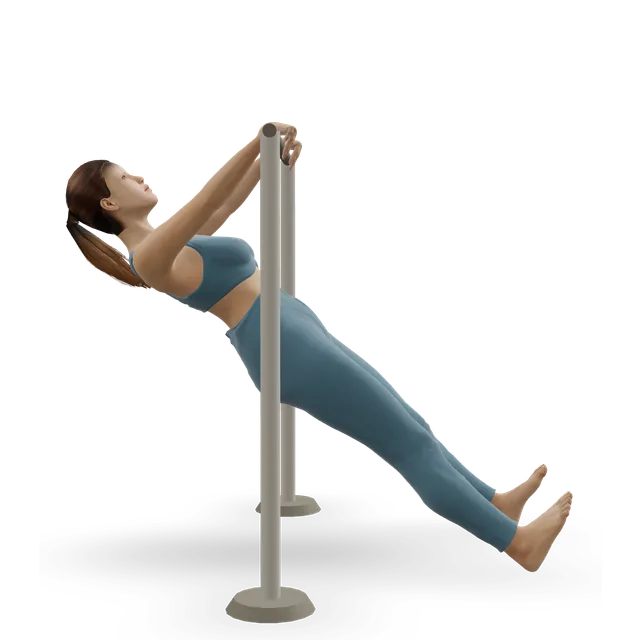
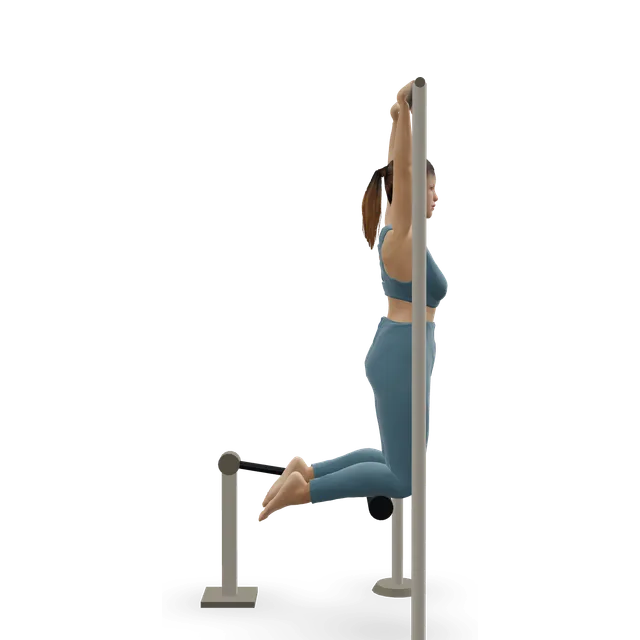
Pull-up progression workout
Work up to your first pull-up: dead hangs, scapular pulls, rows, negatives and assisted pull-ups.
25 minBeginner7 movesPull-up bar, A step

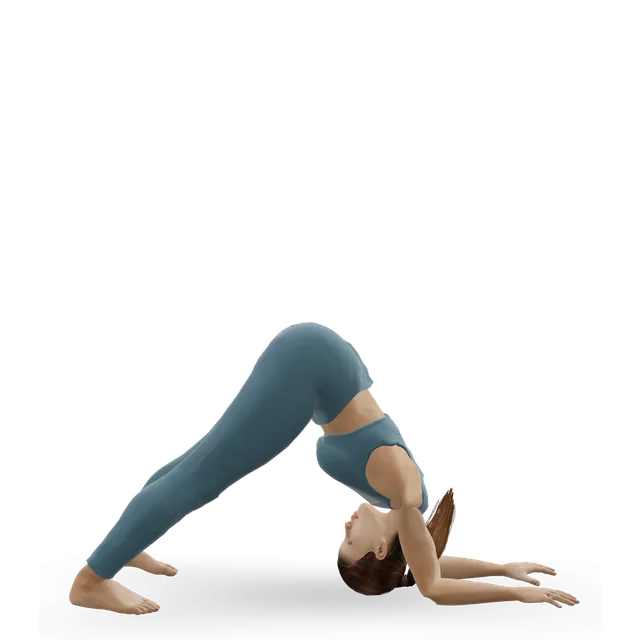
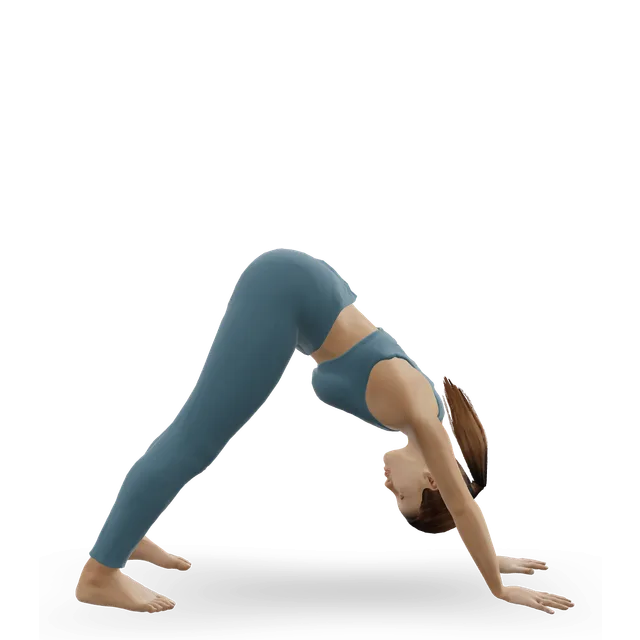
Handstand progression
Build toward a handstand: wrist prep, dolphin pose, pike push-ups, crow, the wall handstand and freestanding holds.
25 minAdvanced9 movesA wallQuestions people ask
How long does the back lever progression workout take?
About 30 minutes, including any warm-up and cool-down listed. Shorten it by doing fewer rounds; lengthen it by adding one.
What equipment do I need?
You need: Pull-up bar, A step, Other / check instructions. Each move links to its guide, where you can find an alternative if you are missing something.
Is it suitable for me?
It is written at intermediate level. 10 of its 10 moves have an easier option listed beside them; use them freely.
How do I make it easier or harder?
Use the easier or harder option listed under each move, change the number of rounds, or adjust the rest. Progress one change at a time.