Jump squat
From a quarter or half squat the legs drive the body off the floor, then land softly back into the squat: lower-body power for people who already land with control.
Jump up family
Jump squat
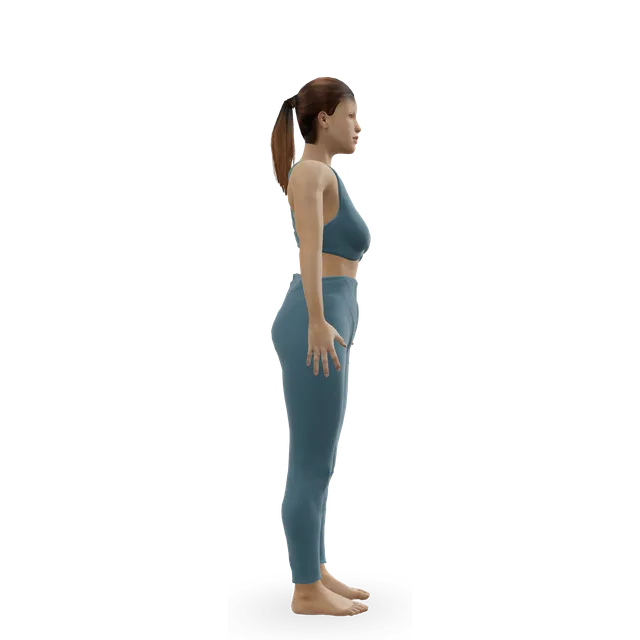
Loading the 3D figure…
Source-researched guide.
How to move
- Stand with the feet about hip-width apart and sit into a quarter or half squat, the arms swinging back.
- Drive through the hips, knees and ankles and swing the arms up to jump as high as you can while staying in control.
- Land softly on the balls of the feet into bent knees, reset, and repeat.
Form cues
- Land quietly with the knees tracking over the toes.
- Rest fully between sets; quality falls off fast with fatigue.
Practice and cautions
No universal dose is assigned. Choose a manageable amount for your current capacity, leave room for controlled repetitions, and allow recovery. A clinician’s individual plan takes priority.
The landing is the risk: tired, loud landings with the knees caving inward load the knee joints badly. It is the wrong starting point for irritable knees or a long layoff from impact. In pregnancy, don't start new jumping or impact work; if you already do it, drop it when it causes leaking, heaviness or pelvic pain. After giving birth, UK guidance suggests waiting until at least 3 months before running and jumping, and only when walking, hopping and jogging on the spot cause no leaking, heaviness or pain. This timing is expert advice. With proliferative or severe non-proliferative diabetic retinopathy, avoid jumping and jarring. With numb feet from diabetes or another cause, choose low-impact options, wear well-fitting shoes, and check your feet for redness or blisters afterwards; with an open sore or ulcer, do no weight-bearing exercise until your foot team says so. With osteonecrosis (avascular necrosis) of the hip or knee, ask your specialist before impact exercise. This is movement education, not an assessment or treatment prescription. Stop for sharp or increasing pain, dizziness, numbness or tingling; seek individual guidance for symptoms, injury or restrictions.
Sources and review status
Sources support the educational description; they do not establish that this exercise is suitable for you.
- NASM · Squat jump ↗
- NASM · Developing power with plyometrics (controlled landings before repeated and reactive jumps) ↗
- Tucker 2015 · Jumping 10 or 20 times twice a day for 16 weeks raised hip bone density in 60 premenopausal women (randomised trial, Am J Health Promot) ↗
- Multanen 2014 · A year of progressive high-impact training left knee cartilage unchanged on MRI in 80 women aged 50 to 66 with mild knee osteoarthritis (randomised trial, J Bone Miner Res) ↗
- Free Exercise DB · alias and muscle metadata ↗
Unlicense · Free Exercise DB contributors; derived from wrkout/exercises.json. Text import; no photographs or media. · Revision f00c92c7dcf1216a928a52c3706c7ce8e2f71ed5
No variation is labeled clinically validated.
What it works
Muscles
Main: Quads, Glutes. Also: Calves, Abs.
Anatomy: Sartorius, Quadriceps, Rectus femoris, Vastus medialis, Vastus lateralis, Gluteus maximus.
Equipment
None: body weight and floor space.
Level
Intermediate. See the easier and harder options above.
Workouts that use it
- Full-body bodyweight workout · 30 min
- HIIT workout at home · 20 min
- Dryland workout for swimmers · 45 min
- Golf warm-up · 10 min
- Golf strength and power workout · 45 min
- FIFA 11+ warm-up · 20 min
- Basketball injury prevention warm-up · 10 min
- Strength workout for boxers: legs, power, shoulders and grip · 45 min
Show all 27 workoutsShow fewer workouts
- Strength workout for rugby players: legs, upper body, hamstrings and neck · 55 min
- Strength workout for martial arts: hips, grip, neck and shoulders · 45 min
- Gymnastics conditioning workout: jumps, landings, wrists, shoulders and trunk · 45 min
- Surf warm-up: mobility, hops, jumps and pop-ups before you paddle out · 15 min
- Strength and landing workout for skateboarders: legs, ankles, wrists and core · 45 min
- Vertical jump workout: landings, jumps and strength · 40 min
- Badminton injury prevention warm-up · 20 min
- Table tennis strength and footwork workout · 40 min
- Strength and landing workout for snowboarders: legs, trunk rotation, landings and wrists · 45 min
- Gaelic games warm-up (built on the GAA 15) · 15 min
- Off-ice workout for figure skaters: landings, jumps, legs, hips, ankles and trunk · 45 min
- Balance, agility and speed workout for roller skaters: the 4-week school team programme · 50 min
- Wrestling strength workout: jumps, deadlifts, split squats, pull-ups, grip and neck · 55 min
- Strength and landing workout for jumpers: landings, complex pairs, tendons and trunk · 50 min
- Australian football warm-up: built on Prep to Play, for every session and match · 10 min
- Dryland workout for divers: take-off jumps, landings, legs, wrists, shoulders and entry shapes · 45 min
- Diving warm-up: wrists, shoulders, spine, hips and take-off jumps on the poolside · 15 min
- Windsurfing, kitesurfing and wing foiling warm-up: kit checks, mobility and landings on the beach · 12 min
- Jumping lunge progression: from split squats to switch jumps · 30 min
Pain guides that use it
Part of a staged plan, with when to get help first.
- Knee pain after a workout or leg day: soreness or an injury, the moves behind it, and training again
- Lower back pain when doing burpees: the plank, the landing, tiredness and the swaps that help
- Knee pain when doing burpees: the squat, the jump and landing, kneeling and the swaps that help
- Knee pain from basketball: jumper's knee, kneecap pain, growing knees, ACL tears and what helps
- Knee pain after football (soccer): twists, tackles, ligaments, the meniscus, growing knees and help
Guides that use it
- Yoga for shin splints guide
- Rhabdomyolysis (rhabdo) and exercise
- HIIT guide
- Burpees guide
- 7-minute workout guide
- Tabata guide
- Jump higher guide
- How to power clean guide
Show all 35 guidesShow fewer guides
- Box jumps guide
- Jump squats guide
- Jumping jacks guide
- Tuck jumps guide
- Hang clean guide
- Depth jumps guide
- Broad jumps guide
- Trap bar deadlift guide
- Jumping lunges guide
- Star jumps guide
- Explosive power guide
- Vertical jump test guide
- Swimming guide
- Golf guide
- Football guide
- Basketball guide
- Boxing guide
- Rugby guide
- Martial arts guide
- Gymnastics guide
- Skateboarding guide
- Table tennis guide
- Gaelic games guide
- Figure skating guide
- Wrestling guide
- Jumping events guide
- Diving guide
Similar moves
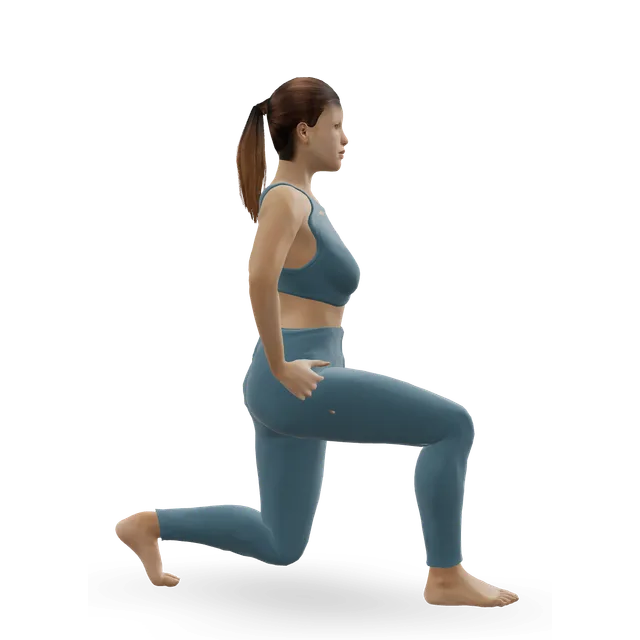
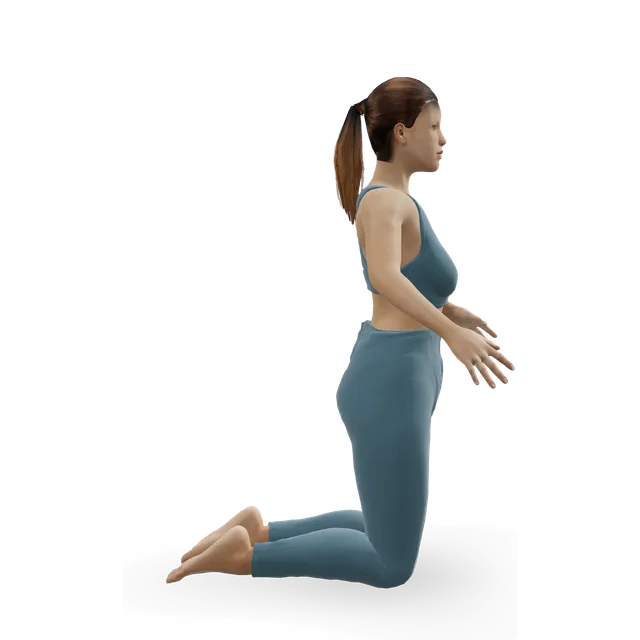
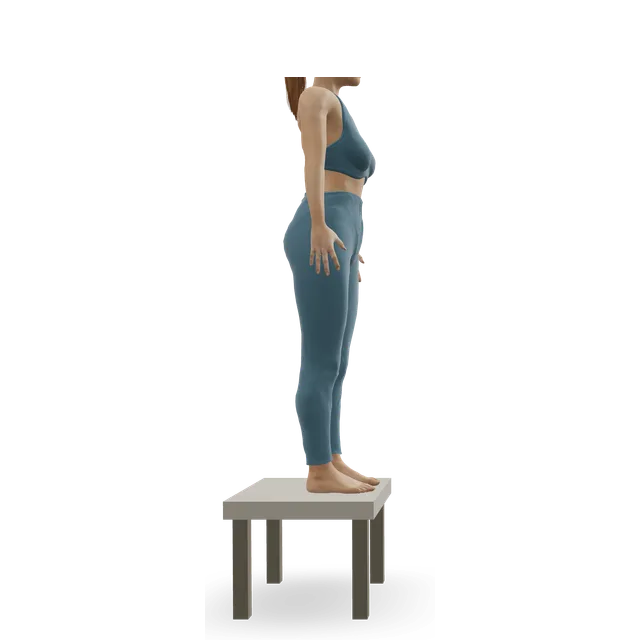
Browse more
Questions people ask
What muscles does the Jump squat work?
Mainly the quads and glutes, with help from the calves and abs.
What equipment do I need for the Jump squat?
No equipment: your body weight and a little floor space.
Is the Jump squat good for beginners?
It is graded intermediate. If it is too hard right now, start with the Bodyweight squat.
What is an easier alternative to the Jump squat?
Try the Bodyweight squat or the Resistance band squat. It works similar muscles at a lower grade.
How do I make the Jump squat harder?
Progress to the Box jump or the Tuck jump. Follow that guide’s technique and any stated timing.