Skill progressions
Jumping lunge progression: from split squats to switch jumps
A session that builds the jumping lunge one step at a time. You warm up with the lunge itself, practise landings on two feet, then learn split jumps that land in the same stance before you add the switch: weeks 1 and 2 stay in one stance, weeks 3 and 4 add small switches, and from week 5 the full jumping lunge takes their place. Strength work for the landing leg finishes the session. No trial has tested this session: the order follows expert staging for jump training, and the doses are our editorial starting point. Our jumping lunge guide shows each step on the 3D figure.
Warm-up
- Standing hip CARs3 slow circles each way, each hipBeginner · Glutes, Hip flexors, Hip abductors · 3D demoHold a wallEasier: Hip circles on all foursHarder: 90/90 hip lift-off
- Bodyweight squat10 repsBeginner · Quads, Glutes, Hamstrings · 3D demoEasier: Sit squat (partial squat)Harder: Dumbbell goblet squat
- Split squat1 × 8 each leg, 3 s downIntermediate · Quads, Glutes, Hamstrings · 3D demoFingertips on a wall at firstEasier: Bodyweight squatHarder: Reverse lunge




Landings
Rest 60 s between sets
- Beginner · Quads, Glutes, Hamstrings · 3D demoHold each landing for 2 s: 10 landingsHarder: Box drop landing
- Jump squat2 × 5Intermediate · Quads, Glutes, Calves · 3D demoQuiet landings, knees over your toes: 10 landingsEasier: Bodyweight squatHarder: Box jump

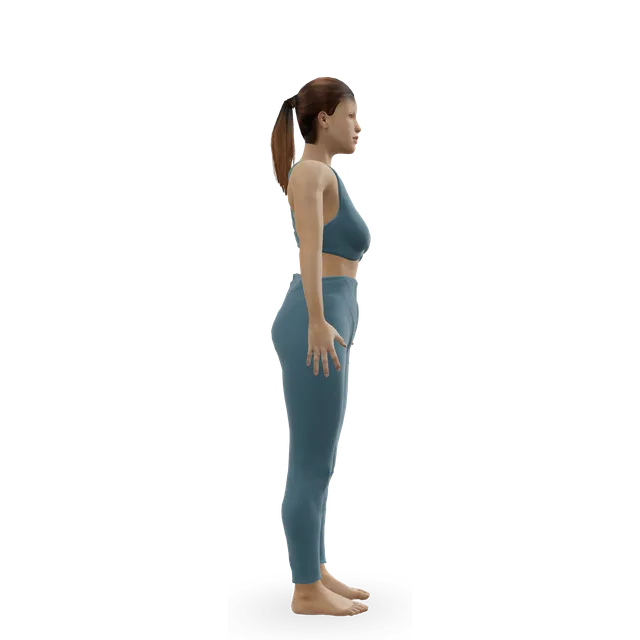
Split jumps (weeks 1 and 2)
Rest 60 to 90 s between sets
- Split jump (same-leg landing)3 × 3 each legIntermediate · Quads, Glutes, Calves · 3D demoJump and land in the same lunge, front knee over the middle of your foot, and reset between jumps: 18 landingsEasier: Reverse lungeHarder: Box jump and leap off
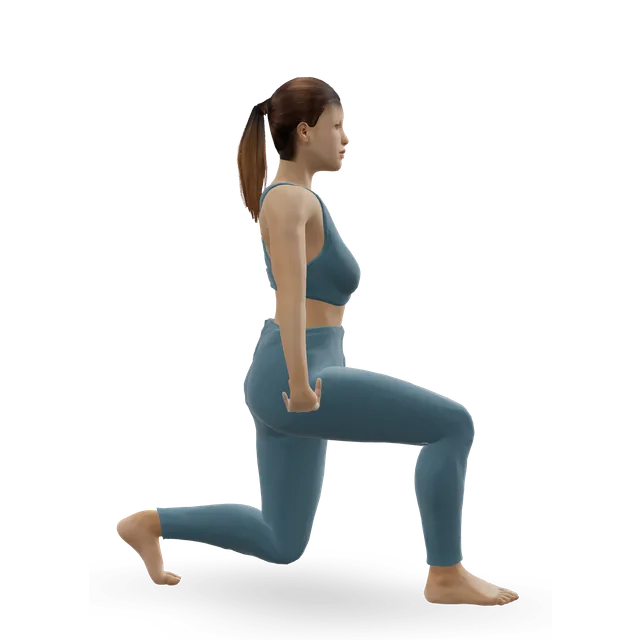
Small switches (add in weeks 3 and 4)
Rest Full rest between sets
- Shallow split jumps2 × 5 each legIntermediate · Quads, Glutes, Calves · 3D demoSpring in and out of a small split, switching legs: 20 landingsEasier: Sit squat (partial squat)Harder: Split squat jump
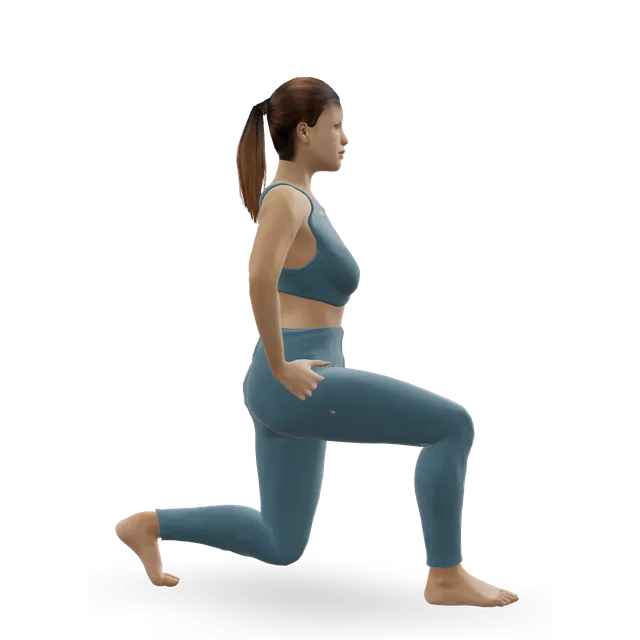
Jumping lunges (from week 5, in place of the small switches)
Rest 90 s to 2 min between sets
- Split squat jump3 × 4 each sideAdvanced · Quads, Glutes, Hamstrings · 3D demoReset between jumps at first; go straight into the next jump once every landing is quiet. Don't let your back knee hit the floor: 24 landingsEasier: Reverse lungeHarder: Shrimp squat
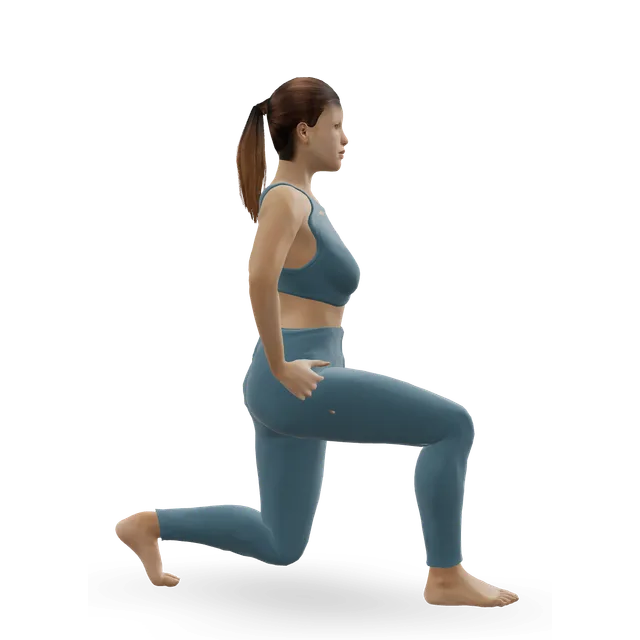
Strength
Rest 90 s between sets
- Rear-foot-elevated split squat (Bulgarian split squat)2 × 6 to 8 each legIntermediate · Quads, Glutes, Hamstrings · 3D demoHold a support; stop 2 or 3 reps shortEasier: Reverse lungeHarder: Split squat jump
- Single-leg calf raise from a step2 × 10 to 12 each legIntermediate · Calves · 3D demoSlow up, slower downEasier: Slow calf raiseHarder: Single-leg pogo hops


Cool-down (optional)
- Half-kneeling hip flexor stretch30 s each sideBeginner · Quads, Glutes · 3D demoPad under your kneeHarder: Couch stretch

Tips
- Move to the next week's step only when every landing in your last session was quiet and your knees tracked over your toes. End any set when your landings get loud, your knees cave in or the jump shrinks; never jump to failure.
- Twice a week, at least 2 days apart, with the jumps early in the session while you're fresh. The session stays under the 80 to 100 jumps and landings a session that expert guidance suggests for beginners.
- New to lunges? Start with our lunge progression workout (split squats, 2 × 8 each leg, and reverse lunges, 3 × 6 to 8 each leg), and come back when 3 sets of 10 to 12 split squats each leg feel steady, as our lunge guide suggests.
- Knee pain: keep it to 0 to 2 out of 10, or up to 5 if your knee is back to normal by the next morning (3 or less for pain just below or above the kneecap), and stay on split squats until lunges are comfortable. Sharp, catching or giving-way pain, or new swelling, means stop.
- If you leak when you land, or you're pregnant or had a baby in the last few months, use the split squats and reverse lunges instead of the jumps, and see our jumping lunge guide's notes on the pelvic floor.
- Under 16, jump with a coach watching.
- Stop and get help for chest pain, dizziness, unusual breathlessness or a racing heartbeat. Very sore, swollen or weak legs with dark urine after a session need same-day help (NHS 111, or A&E if you feel very unwell).
The doses are suggested starting points, not a prescription. Choose a range you can control and stop for sharp or increasing pain, numbness or tingling. Get individual advice after an injury or surgery, or if you are pregnant or managing a health condition.
Guides that recommend it
Find more moves like these
More skill progressions




Push-up progression workout
Work up to full push-ups: wall, incline and knee push-ups, then the floor push-up and harder variations.
15 minBeginner8 movesA wall, A bench or box

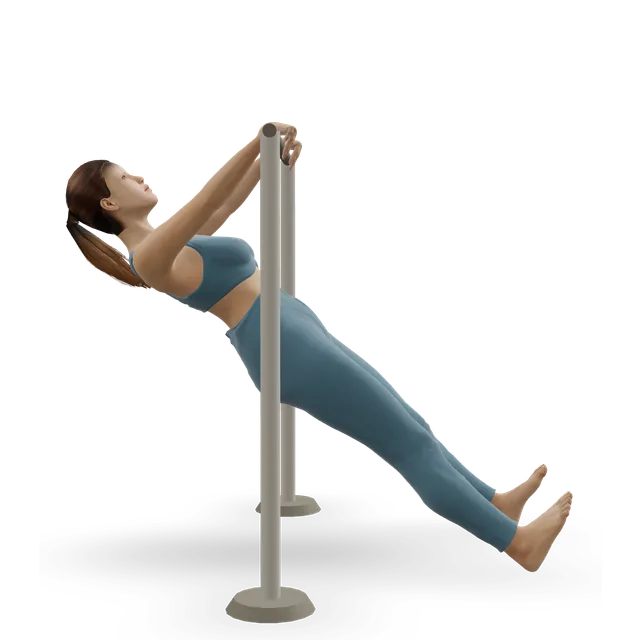
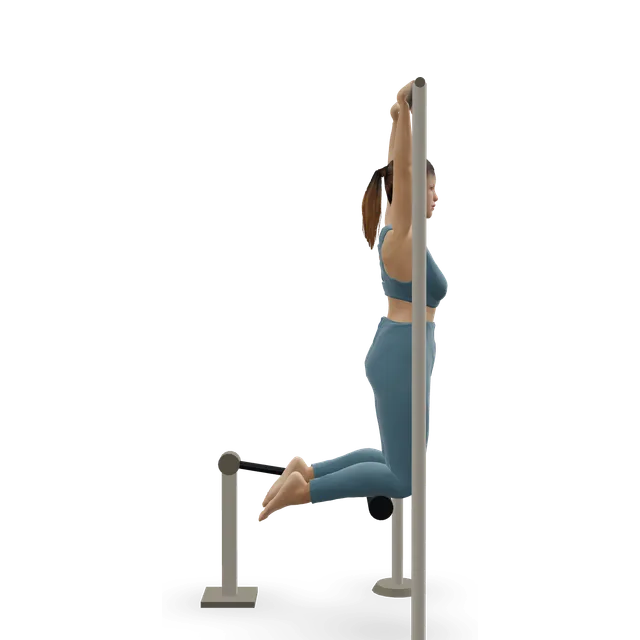
Pull-up progression workout
Work up to your first pull-up: dead hangs, scapular pulls, rows, negatives and assisted pull-ups.
25 minBeginner7 movesPull-up bar, A step

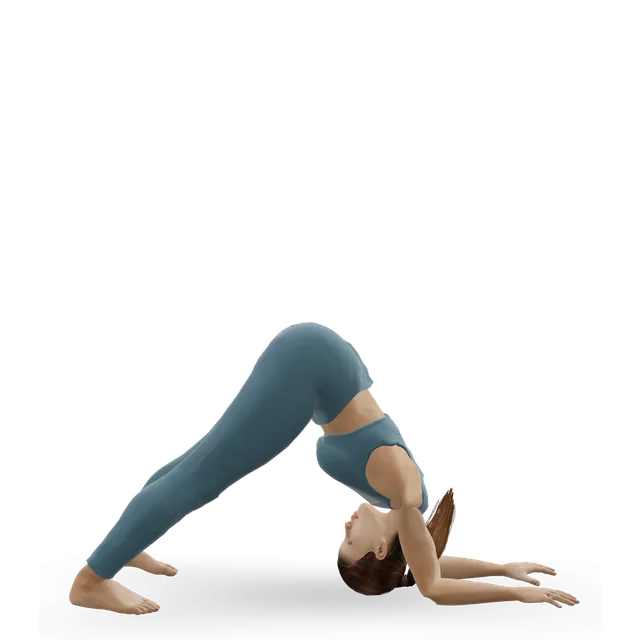
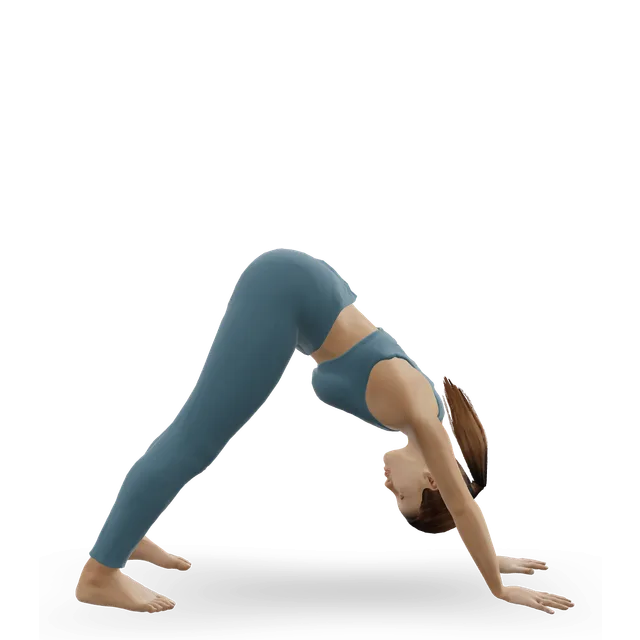
Handstand progression
Build toward a handstand: wrist prep, dolphin pose, pike push-ups, crow, the wall handstand and freestanding holds.
25 minAdvanced9 movesA wallQuestions people ask
How long does the jumping lunge progression: from split squats to switch jumps take?
About 30 minutes, including any warm-up and cool-down listed. Shorten it by doing fewer rounds; lengthen it by adding one.
What equipment do I need?
You need: A wall, A bench or box, A step. Each move links to its guide, where you can find an alternative if you are missing something.
Is it suitable for me?
It is written at intermediate level. 9 of its 12 moves have an easier option listed beside them; use them freely.
How do I make it easier or harder?
Use the easier or harder option listed under each move, change the number of rounds, or adjust the rest. Progress one change at a time.