Training guide

How to do jumping lunges: the landing, your knees, easier and harder versions, and how many

A jumping lunge, also called a jump lunge, lunge jump or split jump, starts in a lunge, jumps straight up, switches your legs in the air and lands softly in a lunge with the other foot forward. The landing is the skill. In lab models of healthy young adults, it loaded the knee about as much as a hard two-footed jump, a middle-ranking load among 35 exercises, so the risk is tired, loud landings rather than the move itself.

The knee figures come from one lab's study of 20 young adults, and experts rate the move anywhere from beginner to advanced, so this guide says where the evidence is thin.

It shows each step on the 3D figure, from split squats and same-stance split jumps to the full switch, and covers what jumping lunges build, how many to do and how often, your knees, and leaking, pregnancy and the months after a birth, with a follow-along progression.

The short version

The move

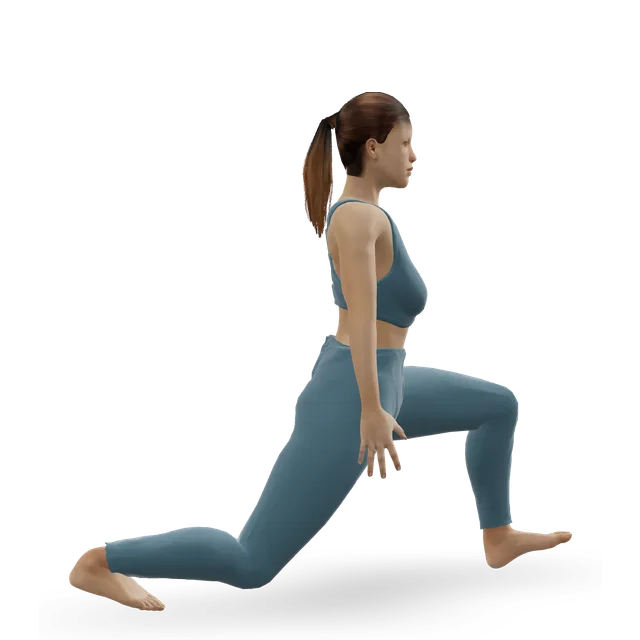
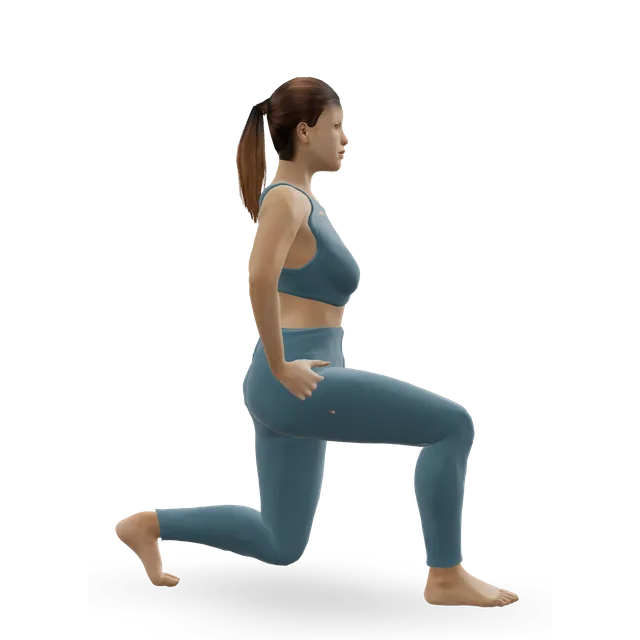
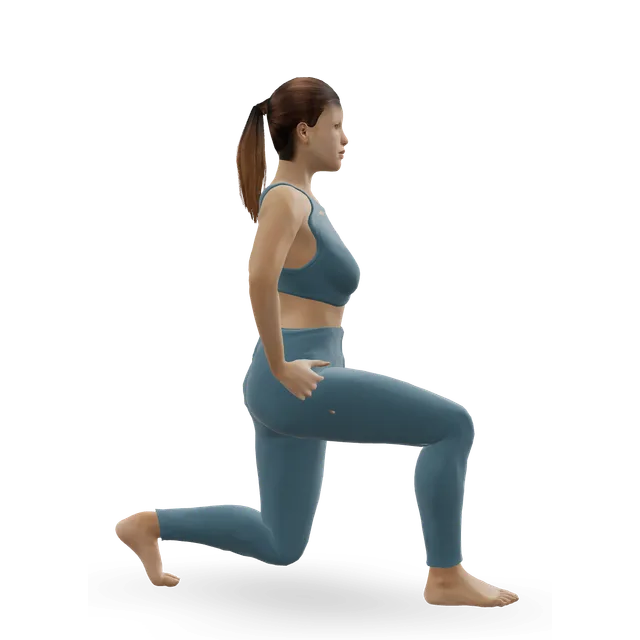
Start in a lunge, your front knee over the middle of your foot and your back knee just off the floor. Drive up through both legs and swing your arms to jump, switch your legs in the air, and land softly in a lunge with the other foot forward, sinking down to absorb it. It's also called a jump lunge, lunge jump, split jump, split squat jump or scissor jump.

Source 1

Landing is the skill

Land quietly on the middle of your front foot, rolling back towards the heel, with your hips back and both knees bent, not locked. Being told to land softly lowered landing force in female athletes. End the set when your landings get loud or the jump shrinks, as our jump squat guide says.

Sources 1, 2

Your knees: a middle-ranking load

In lab models of 20 healthy young adults, alternating split jumps loaded the kneecap joint about 7 times body weight (a two-footed jump 6.4, running 5.4, a lunge 5.1) and the tendon below the kneecap less than one-leg hops. That's one lab's estimate in healthy knees. It's no reason to avoid them if you build up, but with sore knees they come last, as our knee pain when lunging guide says.

Sources 3, 4

Earn them first

Steady split squats and reverse lunges, then quiet jump squats, then split jumps landing in the same stance, then the switch. The same-stance step comes from a sports rehab staging: it's expert opinion, not tested in a trial. The National Academy of Sports Medicine (NASM) says beginners should master static lunges and single-leg balance first.

Sources 5, 6

What they do

In 32 young footballers, 6 weeks of jumping lunges improved sprinting, while walking lunges built hamstring strength. Split jumps are part of jump programmes that raise jump height. They train power and fitness more than muscle size.

Sources 7, 8, 9

How many

For power, 3 sets of 4 each side with 90 seconds to 2 minutes' rest (our plyometric workout), building towards NASM's 3 to 5 sets of 5 to 8 once every landing is quiet. Count each landing towards about 80 to 100 a session for beginners, twice a week, 48 to 72 hours apart. Never to failure.

Sources 6, 10

What a jumping lunge is, and what it works

The move and its names

A lunge made into a jump: you start in a split stance, jump straight up, switch your legs in the air and land in the opposite split stance. People call it a jumping lunge, jump lunge, lunge jump, split jump, split squat jump, switch or alternating jump lunge, or scissor jump.

Two easier versions keep the split stance. A same-stance split jump jumps and lands in the same lunge without switching, and a shallow split jump springs in and out of a small split. A sports rehab paper groups split jumps with jumps where both feet take off or land together, but in different positions.

Source 5

Muscles and joints

Your quads and glutes drive the jump and brake the landing, as NASM lists them; your hamstrings, calves, inner thighs and trunk keep you steady. The glutes worked at about 73% of their maximum in a split jump in 18 recreational athletes. The knees, hips and ankles of both legs take the landing, the front leg more than the back.

Sources 6, 11

Before you start

Steady split squats or static lunges, 30 seconds' balance on each leg, quiet jump squats, and no knee pain when you lunge. An old rule asks for a squat of 1.5 times your body weight before any jump training. It has never been tested, and in older adults, basic control and a gradual build-up looked enough.

Sources 6, 10, 12

How people differ

Heavier people land with more force, so the early steps matter more (our jump squat guide). Long legs need a longer stance to keep the front heel down (our lunge guide). If you leak, are pregnant or had a baby recently, read the pelvic floor notes below. Under 16, jump with a coach watching, as our vertical jump workout says.

How to do a jumping lunge, step by step

From our split squat jump and scissor jump move pages, the American Council on Exercise's (ACE's) cycled split-squat jump and NASM's lunge jump. The stance follows our lunge guide; resetting between jumps is ACE's cue for learning.

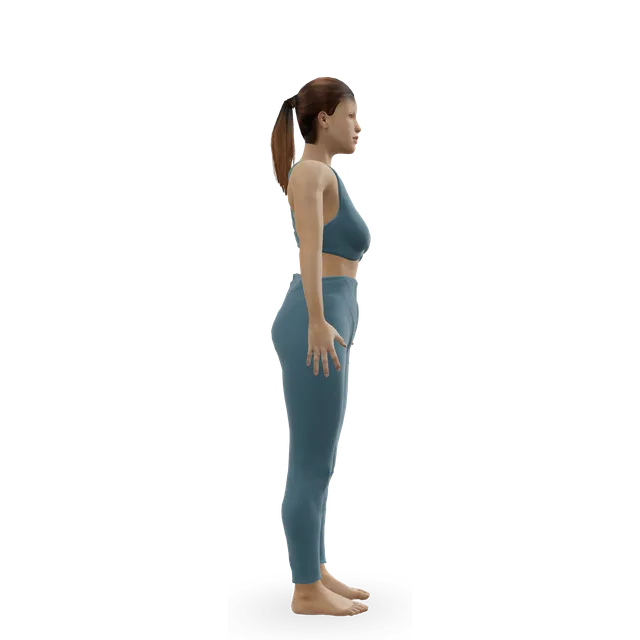
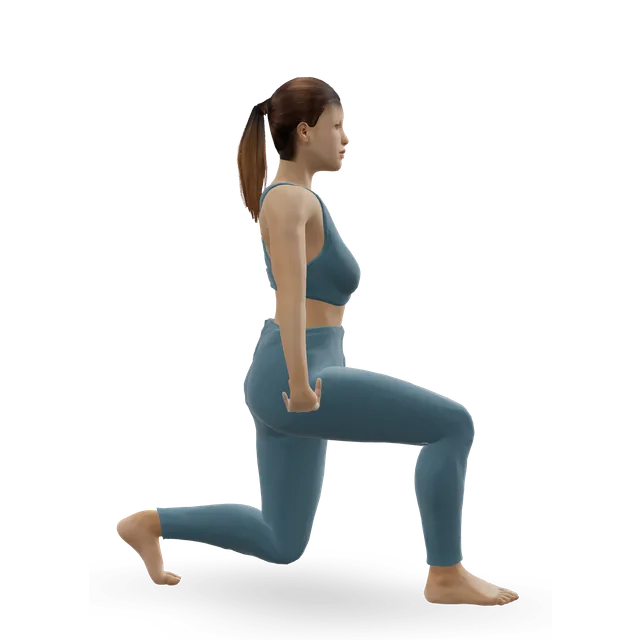
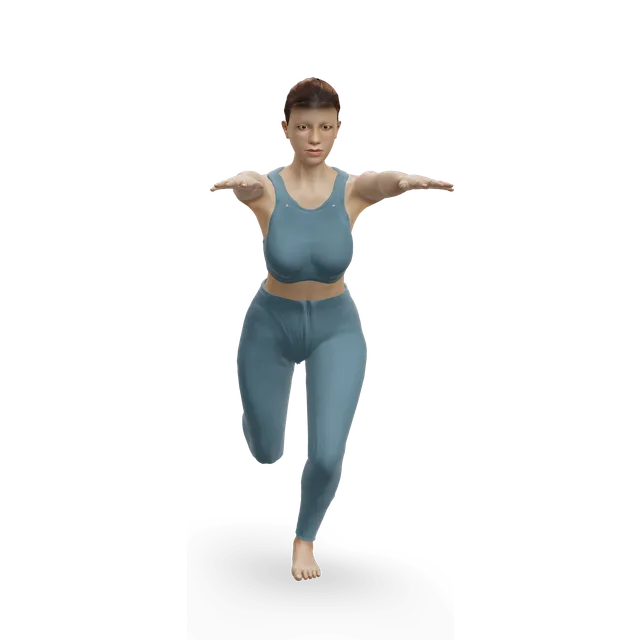
  1. Stand in a lunge: feet hip-width apart side to side and about a leg's length front to back, front foot flat, back heel up, trunk upright.
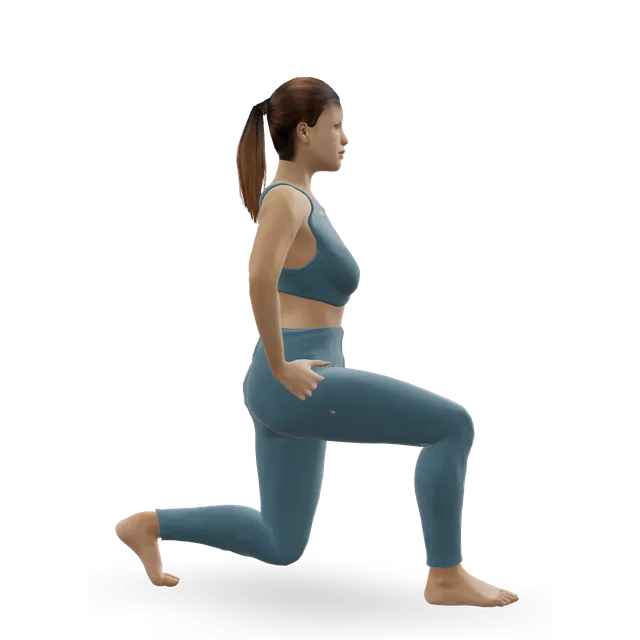
  2. Bend both knees to lower your back knee towards the floor, your front knee over the middle of your foot.
  3. Drive up through both feet and swing your arms to jump straight up.
  4. Switch your legs in the air: the back leg comes forward and the front leg goes back.
  5. Land softly on the middle of your front foot, rolling back towards the heel, and sink into the lunge with both knees bent. Don't let your back knee hit the floor.
  6. Reset, then jump again. Once your landings are quiet every time, go straight into the next jump.
  7. End the set when your landings get loud, your knees cave in or the jump shrinks.

Loading the 3D figure…

Gets into position, then repeats the movement. Technical checks passed; qualified exercise review is pending.

The movement on the figure: Split squat jump

Land first: what the landing evidence says

Being told to land softly helpsEmerging evidence

In female athletes, the instruction to land softly lowered peak landing force and increased knee bend straight away. Across 7 studies, feedback on landing technique lowered landing force, and combined feedback lowered it most. These are immediate effects in the lab, not injury results.

Sources 2, 13

Knees caving inMixed evidence

In 205 female athletes, the 9 who later tore an anterior cruciate ligament (ACL, a main knee ligament) had landed with more knee collapse. But in 710 elite female players, a landing test couldn't pick out who would be injured. Keeping your front knee over the middle of your foot is still the landing coaches teach.

Sources 14, 15

Landing programmes prevent knee injuriesStrong evidence

Programmes that combine landing, strength and balance work, including scissor jumps and cycled split squats, done 2 to 3 times a week, prevent ACL injuries, as the National Athletic Trainers' Association's position statement says and our jump squat guide reports.

Source 16

Landings before leaps

Coaching bodies agree. "Landing comes before leaping, always", in the words of a NASM article, and ACE asks you to focus first on landing with control and resetting before the next jump. Change one thing at a time: the depth, then the reps, then the switch, then the speed.

Sources 17, 1

Snapdowns and same-stance split jumps first

Snapdowns teach the landing without a jump. A sports rehab staging puts split jumps that land in the same stance before alternating ones, at moderate intensity. That order is expert opinion, not tested in a trial, but it lets you learn the split-stance landing before you add the switch.

Source 5

Easier and harder: from split squats to loaded jumps

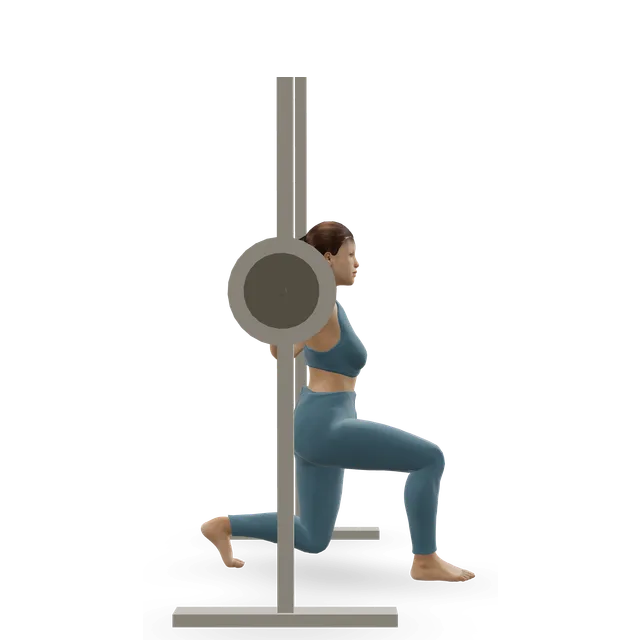
From easiest: split squats, 2 sets of 8 each leg lowering for 3 seconds, moving on at 3 sets of 10 to 12 (our lunge progression workout and lunge guide); reverse lunges, 3 sets of 6 to 8 each leg (the same workout); snapdowns, 2 × 5 holding each landing for 2 seconds, and jump squats, 3 × 5 with 60 seconds' rest (our vertical jump workout); same-stance split jumps, 2 or 3 sets of 3 to 5 each leg, resetting between jumps (our editorial starting point); shallow split jumps, 2 to 3 sets of 5 to 8 each leg with full rest (their move page's dose); jumping lunges, 3 × 4 each side with 90 seconds to 2 minutes' rest (our plyometric workout); the scissor jump, the same move on its own page, 3 sets of 6 jumps with about a minute's rest (its move page's dose); and, after months of steady landings, the Smith machine lunge jump, 3 to 4 sets of 4 to 6 each leg with a light bar and 2 minutes' rest (its move page's dose). There's no 3D demo for jumping lunges holding dumbbells, with a knee drive or with a twist.

What the evidence says

SprintingEmerging evidence

The only trial of jumping lunges on their own: 32 young footballers added them, or walking lunges, to football twice a week for 6 weeks. The jumping lunges improved sprinting and the walking lunges hamstring strength. The summary gives no figures, so we can't say by how much.

Source 7

Jump training raises jump heightStrong evidence

Across 26 studies, jump training raised the countermovement jump by 8.7%. Across 56, programmes longer than 10 weeks, with more than 20 sessions and more than 50 jumps a session, did best.

Sources 9, 18

Split jumps within a jump programmeEmerging evidence

In 22 endurance runners aged about 37, a programme of split jumps (3 to 4 sets of 5 each side), drop jumps and bounds, twice a week for 6 weeks, raised jump height by a moderate amount (an effect size of 0.48). The split jumps were one drill of three, so their own share is unknown.

Source 8

The glutes work hard, but that isn't growthEmerging evidence

In 18 recreational athletes, the glutes worked at about 73% of their maximum in a split jump, measured by muscle activity (EMG, electromyography). Muscle activity in one session isn't a validated guide to growth, and jumping lunges train power and fitness more than size: for bigger legs, loaded split squats and lunges do more.

Sources 11, 19

As cardioEmerging evidence

In 12 fit adults going all out for a minute, people did about 55 jumping lunges. A bodyweight interval session that included them ran at about 77% of peak oxygen uptake, against 88% for treadmill intervals, and left more soreness two days later (19 against 6 on a 100 mm scale).

Source 20

For inactive adults building upEmerging evidence

In 14 inactive adults with obesity, 6 weeks of video-led bodyweight intervals that included jumping lunges, with easier versions offered, improved fitness and thigh strength, and no injuries were reported. It was one small group with nothing to compare against.

Source 21

How hard are they? Experts disagreeMixed evidence

A clinical review's table lists split squat jumps among beginner drills, ACE rates the cycled split-squat jump intermediate, NASM calls the lunge jump an advanced variation, and a sports rehab staging puts split jumps at moderate intensity. In 10 athletes, ratings of jump drills by feel didn't match the joint power measured. Treat jumping lunges as a step after split squats and jump squats, not a first exercise.

Sources 10, 1, 6, 5, 22

Safety of jump trainingEmerging evidence

Across 12 studies of 289 adults aged 58 to 79, at most 1.4% dropped out with an injury, and most of 61 studies in people aged 8 to 73 reported no harms, though harms are often not reported. Jump training on sand caused less soreness than on grass in 37 footballers.

Sources 12, 23, 24

BoneEmerging evidence

Jumping programmes raised bone density at the hip by about 1.5% across 18 adult trials, with a median of 50 jumps four times a week. None used jumping lunges, so we make no bone claim for them.

Source 25

How many, and how often

Warm up first

3 to 5 minutes of easy movement, then knee-to-wall rocks, 10 bodyweight squats, a set of split squats and 2 × 5 snapdowns before any jump, the moves our vertical jump workout and knee control warm-up use.

Sets and reps for power

3 sets of 4 each side with 90 seconds to 2 minutes' rest, as our plyometric workout uses, building towards NASM's 3 to 5 sets of 5 to 8 with complete rest once every landing is quiet. Our badminton workout uses 2 × 5 each leg.

Source 6

Count your landings

Expert guidance suggests about 80 to 100 jumps and landings (foot contacts) a session for beginners, 100 to 120 for intermediates and 120 to 140 for advanced athletes, with quality over quantity. Every landing counts: 3 × 4 jumping lunges each side is 24.

Source 10

How often

Twice a week, 48 to 72 hours apart, with the jumps early in the session while you're fresh. Twice a week at 100 contacts a session worked over 8 weeks in 24 soccer players; across 61 studies, three sessions a week did a little better for reactive strength than fewer.

Sources 10, 26, 23

How hard

Every jump is a full, controlled effort with a quiet landing. End the set when your landings get loud, your knees cave in or the jump shrinks, rather than counting reps in reserve. NASM says never to train jumps to failure.

Source 6

As intervals

20 to 40 seconds on in an interval session, with the same landing rules, and 1 or 2 rounds at first, as our HIIT workout builds up. Swap to reverse lunges when your landings get loud.

Daily challenges

100 jumping lunges a day isn't needed. Expert guidance puts beginners at about 80 to 100 landings a session with 48 to 72 hours between, and a minute of all-out jumping lunges left more soreness than treadmill intervals. If you do a challenge, keep to that dose and rest a day between sessions (our editorial suggestion).

Sources 10, 20

Adding weight

Only after months of steady landings, and keep it light: the Smith machine lunge jump's move page gives 3 to 4 sets of 4 to 6 each leg with a light bar. Across 56 studies, jumping with added weight gave no extra jump height, and it makes every landing heavier.

Source 18

Calories

Nobody has measured jumping lunges on their own. The Compendium of Physical Activities gives vigorous calisthenics 7.5 METs (multiples of your resting energy use) and hard interval moves such as squat jumps 11.0, which by our rough arithmetic is about 9 to 13 calories a minute of work for a 70 kg person, and much less in the rests. More jumps don't burn more fat: interval and steady exercise lose about the same. Our calories burned calculator does the sum for your weight and time.

Sources 27, 28

Common mistakes and how to fix them

Landing with straight or locked knees

Land with both knees bent and sink into the lunge.

Sources 6, 1

The back knee banging the floor

Stop it just short of the floor, as our scissor jump move page says.

Feet landing in a line

Keep them hip-width apart side to side, like railway tracks, as our lunge guide says.

The front knee caving in

Keep it over the middle of your foot.

A short stance with the front heel lifting

Lengthen the step until your front heel stays down (our lunge guide).

Jumping on when tired

NASM lists repetitions while tired as a common mistake. End the set when your landings get loud.

Source 6

Leaning far forward

Keep your chest up over your hips; NASM lists too much forward lean.

Source 6

Going for time too soon

Use 20 to 40 second intervals only once your landings are steady.

Jumping lunges and your knees

The kneecap joint: about 7 times body weightEmerging evidence

In lab models of 20 healthy adults aged about 26, alternating split jumps loaded the joint behind the kneecap about 7.0 times body weight, in the middle of three tiers across 35 exercises. A two-footed jump came to 6.4, running 5.4, a lunge 5.1 and a Bulgarian split squat 4.7; only a single-leg decline squat (8.2) and a run with a sharp turn (7.1) were higher. Exercises with deep knee bends tended to load the kneecap more than fast, hard ones.

Source 3

The tendon below the kneecap: a middle loadEmerging evidence

In the same 20 adults, the patellar tendon's load in split jumps was in the middle tier: a little below a two-footed jump and running, and below one-leg hops. The authors suggest jumps and landings can come in at an intermediate stage of rehab for tendon pain. These are model estimates from one lab in healthy young knees; no other study has measured a split jump's forces.

Source 4

In the long runMixed evidence

Knee osteoarthritis was about as common in people who played sport as in those who didn't (7.7% against 7.3%), higher in elite football and competitive weightlifting, and likely tied to past injuries and the level of play. A year of high-impact training didn't change knee cartilage in 80 women aged 50 to 66 with mild knee osteoarthritis. Nobody has studied cartilage and jumping lunges.

Sources 29, 30

The lunge you land inMixed evidence

A forward lunge loaded the kneecap more than a backward lunge in 20 women, and a short step raised kneecap force when the knee was deeply bent. Knees travelling past the toes raised the load on the tendon below the kneecap by about 11% in 25 women, but blocking them shifts load to your hips and lower back. So land in our lunge guide's stance: about a leg's length, your front knee over the middle of your foot.

Sources 31, 32, 33, 34

With sore knees, jumping lunges come lastEmerging evidence

Leave them out until reverse lunges and split squats are comfortable, then bring them back last, as our knee pain when lunging guide says. In a trial of 76 athletes with patellar tendon pain, split jump squats came in the third stage, every third day, starting at 3 sets of 10, and the programme beat eccentric squats at 24 weeks. That's a supervised rehab dose, not a training dose.

Pain from 0 to 2 out of 10 is fine, and up to 5 is acceptable if your knee is back to its usual level by the next morning; for tendon pain just below or above the kneecap, keep it to 3 or less. Sharp, catching or giving-way pain, or new swelling, means stop. That's our knee guides' rule.

Source 35

Leaking, pregnancy and after a birth

Leaking when you landEmerging evidence

In 59 physically active women, skipping, trampolining, jumping jacks and running were the activities most likely to cause leaking. The NHS says high-impact exercise can increase leaks. Leaking is a reason to change the exercise, not to stop exercising: reverse lunges and split squats keep the legs working without the impact.

Sources 36, 37

It's common and treatableStrong evidence

Pelvic floor muscle training cured stress leaking in 56% of women against 6% with no treatment, across trials in a Cochrane review. NICE recommends supervised training for at least 3 months, with at least 8 squeezes 3 times a day. See a GP or a pelvic health physiotherapist; our pelvic floor guide shows how.

Sources 38, 39

Pregnancy

The NHS says it's not recommended to start a new vigorous activity in pregnancy, and to avoid activities with a risk of falling. Don't start new jumping; if you already jump, stop when it causes leaking, heaviness or pelvic pain, as our jump squat move page says, and swap to split squats or reverse lunges. With pelvic girdle pain, skip split squats and lunges or keep them small, as our pregnancy guide says.

Source 40

After a birth

The NHS advises avoiding high-impact exercise to start with. UK guidance suggests waiting at least 3 months before running and jumping, and only when walking, hopping and jogging on the spot cause no leaking, heaviness or pain; that timing is expert opinion.

Sources 41, 42

Heaviness or a bulge

See a GP for heaviness or pressure in your lower tummy or vagina, or a bulge, which can be a prolapse. With a prolapse, the NHS says to avoid activities that put a lot of strain on the pelvic floor, like heavy lifting, running and trampolining.

Source 43

Moves that go with it

Knee-to-wall ankle rocks, 8 slow rocks each side, so your front heel stays down, and walking lunges, 2 sets of 6 to 8 steps each leg (our lunge progression workout); Bulgarian split squats, 2 × 6 to 8 each leg, goblet squats, 3 × 6 to 8 stopping 2 to 3 reps short, and single-leg calf raises from a step, 2 × 10 to 12 each leg (our vertical jump workout); single-leg hops and sticks, 2 × 5 each leg, for one-leg landings (our badminton workout); and the half-kneeling hip flexor stretch, 30 seconds each side, to finish (the lunge progression workout's cool-down).

Workouts to follow

New to jumping lunges? The jumping lunge progression teaches them in steps over 5 weeks or more: landings, same-stance split jumps, shallow switches, then the full jump, with strength work for the landing leg. The plyometric workout is the advanced mix; the lunge progression workout builds the lunge underneath; the vertical jump workout and knee control warm-up teach two-footed landings; the badminton workout uses jumping lunges for footwork.

Plans

These plans use the full-body bodyweight workout, with jump squats in its finisher. Jumping lunges are a harder swap once your landings are steady (our suggestion).

Who should change it, and warning signs

Stop and get medical help

If you get chest pain or pressure, feel faint or dizzy, are unusually breathless, or your heart races or beats irregularly during exercise, as our plans advise. The American Heart Association says these need immediate medical evaluation.

Source 44

Call 999 (911 in the US)

For chest pain that comes on suddenly and doesn't go away, feels tight or like squeezing, spreads to your arms, neck, jaw, stomach or back, or comes with sweating, feeling sick, light-headedness or breathlessness; arm pain that comes on suddenly with pressure, heaviness or squeezing across your chest; severe difficulty breathing, or a chest that feels tight or heavy; someone who faints while exercising; palpitations that don't go away, or come with chest pain, shortness of breath or feeling faint; or a headache that starts suddenly and is extremely painful, especially while lifting or straining. The NHS says a bleed on the brain may be more likely when lifting something heavy. Don't drive yourself to A&E.

Sources 45, 46, 47, 48, 49, 50, 51, 52

A pop, or a knee that changes shape

Go to A&E if you've injured your knee and it has changed shape, it becomes very swollen very quickly, you felt a pop or snap, you can see bone sticking out, or it's bleeding heavily. Don't drive yourself: ask someone to take you, or call 999 if the pain means you can't move your leg to get there.

Source 53

A tendon tear at the front of the knee

Same day: a pop or tearing feeling at the front of the knee after a fall, stumble, jump or landing, then you can't straighten the knee or lift the straight leg off the bed, there's a dent above or below the kneecap, or the kneecap sits higher or lower than on the other side. Go to A&E or an urgent treatment centre, or get help from NHS 111. A torn quadriceps or patellar tendon does best when it's repaired soon.

Get help the same day for your knee (NHS 111; in the US, urgent care)

If your knee is very painful, you can't move it or put any weight on it, it's badly swollen or has changed shape, it locks, gives way or clicks painfully (painless clicking is normal), or you have a very high temperature with redness or heat around the knee. See a GP if knee pain doesn't improve within a few weeks.

Source 53

A turned ankle or a bad landing

Call 999 or go to A&E if you heard a crack, the injured part has changed shape or points at an odd angle, it's numb, tingling or has pins and needles, or the skin has changed colour or is cold to touch, as the NHS sprains and strains page lists.

Get help from NHS 111, or go to an urgent treatment centre (in the US, urgent care), if it's very painful or the pain is getting worse, there's a large amount of swelling or bruising or it's getting worse, you cannot put any weight on it or walk more than a few steps, it feels very stiff or is difficult to move, it's not feeling any better after treating it yourself, or you also have a very high temperature or feel hot, cold or shivery.

Source 54

Achilles, shins and one sore spot on a bone

A sudden snap or pop at the back of the ankle, or not being able to stand on tiptoe, is a same-day NHS 111 call: it can be a torn Achilles tendon. Get help from NHS 111 for severe shin pain or shin pain after an injury, and see a GP if shin splints are getting worse. Pain in one spot on a bone that's worse with jumping and hurts when you press it can be a stress fracture: stop jumping and see a GP, as our jump squat guide says.

Sources 55, 56

Swollen, very sore legs and dark urine

Same day (call NHS 111, or go to A&E if you feel very unwell): after a big or unusual session, such as a first spin class, a workout of 100 back squats, or intervals of wall sits, squats, lunges and jumps, a challenge or a new class, muscle pain, swelling or weakness far worse than the session explains, and dark pee (red, brown, tea or cola coloured), sometimes starting hours or days later. Dark pee isn't always there, so muscles far sorer, more swollen or weaker than the session explains still need the same-day check. It can be rhabdomyolysis, a breakdown of muscle that can harm the kidneys.

Your back

Call 999 or go to A&E: loss of feeling or numbness around the genitals or bottom, new trouble peeing or controlling your bladder or bowels, changes in genital sensation during sex or problems with erections or orgasm, or pain, tingling, weakness or numbness in both legs. These are signs of cauda equina syndrome, which needs treating in hospital urgently. Don't drive yourself.

See a GP if pain spreading down a leg hasn't improved after a few weeks of home treatment, is getting worse or stops your normal activities. Sciatica on both sides, or weakness or numbness in both legs that's severe or getting worse, is a 999 call or a trip to A&E.

Sources 57, 58

A hernia

See a GP if you think you have a hernia, a bulge or lump that may get bigger when you strain and smaller when you lie down. Get help from NHS 111 if you have a hernia and pain in or around it, a bloated tummy, you feel or are sick, you're vomiting blood or your vomit looks like coffee grounds, you're constipated, you have a high temperature or feel hot, cold or shivery, or you've suddenly become confused. Call 999 or go to A&E for a femoral hernia (a small lump at the top of your thigh, in your groin) with very bad tummy pain, sickness, being unable to fart or poo, a high temperature or sudden confusion.

Sources 59, 60

Children and teenagers

Under 16? Do jump training with a coach watching, using body weight and light weights, as our vertical jump workout says, and fewer jumps in a growth spurt, as our gymnastics conditioning workout advises.

Call 999 or go to A&E if your child gets sudden pain in their hip, knee or thigh (hip problems can sometimes be felt in the thigh or knee) or cannot put any weight on their leg. If your child is limping, ask for an urgent GP appointment or get help from NHS 111 the same day. This applies to teenagers too, and in some children knee pain is the only sign.

A child or teenager with pain at a bump just below the kneecap or at its lower tip, worse with squats, jumps and kneeling: see our Osgood-Schlatter and Sinding-Larsen-Johansson guides, and get it checked if it is getting worse.

Diabetic eye disease, numb feet and osteonecrosis

With proliferative or severe non-proliferative diabetic retinopathy, avoid jumping and jarring. With numb feet, choose low-impact options, wear well-fitting shoes and check your feet afterwards. With osteonecrosis (avascular necrosis) of the hip or knee, ask your specialist before impact exercise, as our jump squat guide says.

Before you start

Speak to your GP first if you haven't exercised for some time or have medical conditions or concerns, as the NHS advises. Get advice before hard or straining work if your blood pressure is uncontrolled (140/90 or higher at a clinic, or 135/85 at home), or you have heart disease or chest pain when you're active, a pacemaker or defibrillator, diabetic eye disease, glaucoma, a hernia, recent eye or tummy surgery, or you're pregnant, as our breathing guide lists.

Source 61

Sore, or hurt?

Muscle soreness for a day or two after a new or harder session is common and fades. Sharp pain, or pain that builds during a set or lingers into the next day, isn't: swap to an easier version, and see a clinician if it persists, as our plans advise. The NHS says to stop exercising straight away if you feel any pain or become unwell, and to get help from 111 if symptoms worry you or don't go away.

Source 62
Myths

"Jumping lunges are bad for your knees"Emerging evidence

In healthy young adults they loaded the kneecap about as much as a two-footed jump, and the tendon below it less than one-leg hops, in the middle of 35 exercises. Recreational sport isn't linked with knee arthritis. The risks are tired, loud landings and jumping on sore knees.

Sources 3, 4, 29

"Never let your front knee pass your toes"Mixed evidence

Knees past the toes raised the load on the tendon below the kneecap, but blocking them shifts it to the hips and back. As our lunge guide says, it's normal for healthy knees; a longer step suits sore kneecaps.

Sources 33, 34

"You must squat 1.5 times your body weight before you jump"Emerging evidence

It's an old expert rule that nobody has tested, and older adults trained safely on programmes that built up gradually without it. Steady lunges and quiet landings are the better test.

Sources 10, 12

"Jumping lunges are a beginner exercise" (or "an advanced one")Mixed evidence

Expert ratings run from beginner to advanced. Treat them as a step after split squats and jump squats, not a first exercise, and judge by your landings.

Sources 10, 1, 6

"Do 100 jumping lunges a day"Emerging evidence

Expert guidance puts beginners at about 80 to 100 landings a session, with 48 to 72 hours between sessions, and a minute of all-out jumping lunges left more soreness than treadmill intervals.

Sources 10, 20

"More jumping lunges burn more fat"Strong evidence

Interval and steady exercise lose about the same fat when the work is matched, and no exercise burns fat from one place, as our HIIT guide explains.

Sources 28, 63

Questions people ask

How do you do a jumping lunge?

Start in a lunge with your front knee over the middle of your foot. Jump straight up, swinging your arms, switch your legs in the air, and land softly in a lunge with the other foot forward, letting your knees bend to absorb it. Reset between jumps until your landings are quiet.

Are jumping lunges, split jumps and lunge jumps the same?

Yes: they're names for the same move, also called split squat jumps and scissor jumps. A "split jump" sometimes means landing in the same stance without switching, which is the easier step before the switch.

What muscles do jumping lunges work?

Mainly the quads and glutes, with the hamstrings, calves, inner thighs and trunk helping you land steadily. The glutes worked at about 73% of their maximum in one muscle activity study. They train power and fitness more than muscle size.

Are jumping lunges bad for your knees?

Not for healthy knees built up sensibly: in one lab's models they loaded the kneecap about as much as a two-footed jump, in the middle of 35 exercises, and the tendon below it less than one-leg hops. With sore knees, leave them until lunges and landings are comfortable, and keep pain to 0 to 2 out of 10, or up to 5 if it settles by the next morning.

How many jumping lunges should I do?

For power, 3 sets of 4 each side with 90 seconds to 2 minutes' rest, building towards 3 to 5 sets of 5 to 8 once every landing is quiet. Count each landing: about 80 to 100 a session suits beginners, twice a week.

Are jumping lunges good for beginners?

Not as a first exercise. Build up from split squats, reverse lunges and quiet jump squats, then split jumps landing in the same stance, then the switch. Experts rate them anywhere from beginner to advanced, so judge by your landings.

Jumping lunges or jump squats?

Both are jumps. Jumping lunges land in a split stance and load each leg differently, while jump squats land on two feet side by side and are easier to learn first. In lab models they loaded the kneecap about the same (7.0 against 6.4 times body weight).

Do jumping lunges make you faster or jump higher?

They can help. In a trial in young footballers, 6 weeks of jumping lunges improved sprinting, and split jumps were part of programmes that raised jump height. Jump training works best alongside strength work.

How many calories do jumping lunges burn?

Nobody has measured them on their own. General reference values for hard calisthenics and interval moves work out at roughly 9 to 13 calories a minute of work for a 70 kg person, and much less in the rests. More jumps don't burn more fat: interval and steady exercise lose about the same.

What can I do instead of jumping lunges for bad knees?

Reverse lunges and split squats in a range that stays comfortable, step-ups, and jump-free cardio such as a fast march or step jacks. Bring jumping lunges back last, once lunges and landings are comfortable.

Can I do jumping lunges while pregnant or after having a baby?

Don't start new jumping in pregnancy. If you already jump, stop when it causes leaking, heaviness or pelvic pain, and skip lunges if you have pelvic girdle pain. After a birth, UK guidance suggests waiting at least 3 months, until walking, hopping and jogging on the spot cause no leaking, heaviness or pain.

Should I add weights to jumping lunges?

Only after months of steady landings, and keep the load light. Adding weight to jump training gave no extra jump height across 56 studies, and it makes every landing heavier.

Sources

  1. ACE · Cycled split-squat jump (exercise library, rated intermediate, American Council on Exercise)
  2. Milner 2012 · Instructions to land softly or with the knees over the toes, and landing forces in female athletes (lab study, Knee)
  3. Song 2023 · Kneecap joint loads across 35 rehabilitation exercises and daily activities, including split jumps, in 20 adults (lab modelling study, Am J Sports Med)
  4. Scattone Silva 2024 · Patellar tendon loads across 35 exercises, including split jumps, in 20 adults (lab modelling study, Med Sci Sports Exerc)
  5. Buckthorpe 2021 · Plyometric training after ACL reconstruction: stages and criteria, with split jumps at moderate intensity (clinical commentary, IJSPT)
  6. NASM · Lunge jump (exercise library, with its FAQ, National Academy of Sports Medicine)
  7. Jönhagen 2009 · Six weeks of walking or jumping lunges in 32 young footballers (randomised trial, J Strength Cond Res)
  8. Lum 2022 · Jump training with split jumps against isometric training in 22 endurance runners (randomised trial, Biol Sport)
  9. Markovic 2007 · Does plyometric training improve vertical jump height? 26 studies (meta-analysis, Br J Sports Med)
  10. Davies 2015 · Current concepts of plyometric exercise: foot contacts, rest and progressions (clinical commentary, IJSPT)
  11. Heick 2020 · Glute activity in eight jumping tasks, including the split jump, in 18 recreational athletes (muscle activity study, Int J Sports Phys Ther)
  12. Vetrovsky 2019 · How well and how safely jump training works in older adults: 12 studies, 289 people (systematic review, Sports Med)
  13. Ericksen 2013 · Feedback and jump-landing technique: 7 studies (systematic review, J Athl Train)
  14. Hewett 2005 · Knee valgus loading predicts ACL injury risk in 205 female athletes (prospective cohort study, Am J Sports Med)
  15. Krosshaug 2016 · The vertical drop jump is a poor screening test for ACL injuries in 710 elite female players (cohort study, Am J Sports Med)
  16. Padua 2018 · Preventing anterior cruciate ligament injury (National Athletic Trainers' Association position statement, J Athl Train)
  17. Cherry · Developing power with plyometrics: a trainer's guide for everyday clients (coaching article, NASM blog)
  18. de Villarreal 2009 · What makes jump training work for vertical jump height: 56 studies (meta-analysis, J Strength Cond Res)
  19. Vigotsky 2022 · Muscle activity measured in one session is not a validated predictor of muscle growth (review, Sports Med)
  20. Bellissimo 2022 · Bodyweight intervals, including jumping lunges, against treadmill intervals in 12 fit adults (crossover study, Front Physiol)
  21. Bellissimo 2025 · Six weeks of video-led bodyweight intervals in 14 inactive adults with obesity (single-group trial, Front Physiol)
  22. Van Lieshout 2014 · Ranking plyometric drills by joint power absorption, in 10 athletes (lab study, Clin Biomech)
  23. Ramirez-Campillo 2023 · Jump training and reactive strength in people aged 8 to 73: 61 studies (systematic review and meta-analysis, Sports Med)
  24. Impellizzeri 2008 · Jump training on sand or grass in 37 footballers (randomised trial, Br J Sports Med)
  25. Florence 2023 · Jumping exercise and hip and spine bone density in adults: 18 trials (meta-analysis, J Sports Sci)
  26. Moran 2024 · Vertical, horizontal or mixed jump training, 100 foot contacts twice a week, in 24 soccer players (randomised trial, PLoS One)
  27. Compendium of Physical Activities 2024 · Conditioning exercise: MET values (adult compendium)
  28. Steele 2021 · Slow and steady, or hard and fast? Body composition with interval against continuous training (systematic review and meta-analysis, Sports)
  29. Driban 2017 · Is taking part in certain sports linked with knee osteoarthritis? (systematic review, J Athl Train)
  30. Multanen 2014 · Twelve months of high-impact training, bone and knee cartilage in 80 women with mild knee osteoarthritis (randomised trial, J Bone Miner Res)
  31. Goulette 2021 · Kneecap loads in forward and backward lunges: 20 women (lab study, Phys Ther Sport)
  32. Escamilla 2008 · Kneecap force and stress in short- and long-step forward lunges: 18 adults (lab study, JOSPT)
  33. Zellmer 2019 · Patellar tendon stress in forward lunges with the knee past or behind the toes: 25 women (lab study, J Sport Health Sci)
  34. Fry 2003 · Knee position and hip and knee torque in the barbell squat: 7 men (lab study, J Strength Cond Res)
  35. Breda 2021 · Progressive tendon-loading exercise against eccentric training for patellar tendon pain in 76 athletes (randomised trial, Br J Sports Med)
  36. Brennand 2018 · Which activities cause leaking, in 59 physically active women (survey, Int Urogynecol J)
  37. NHS · 10 ways to stop leaks (past its review date: reviewed June 2023, review due June 2026)
  38. Dumoulin 2018 · Pelvic floor muscle training against no treatment for leaking urine in women: 31 trials (Cochrane systematic review)
  39. NICE NG123 · Urinary incontinence and pelvic organ prolapse in women: management (guideline)
  40. NHS · Exercise in pregnancy
  41. NHS · Your post-pregnancy body
  42. Goom 2019 · Returning to running postnatal: guidelines for medical, health and fitness professionals (UK expert guidance)
  43. NHS · Pelvic organ prolapse
  44. Paluch 2024 · Resistance training with and without heart disease: 2023 update (American Heart Association scientific statement, Circulation)
  45. NHS · Chest pain (past its review date: reviewed August 2023, review due August 2026)
  46. NHS · Heart attack
  47. NHS · Elbow and arm pain
  48. NHS · Shortness of breath
  49. NHS · Fainting
  50. NHS · Heart palpitations
  51. NHS · Headaches
  52. NHS · Subarachnoid haemorrhage
  53. NHS · Knee pain
  54. NHS · Sprains and strains
  55. NHS · Heel pain
  56. NHS · Shin splints (past its review date: reviewed February 2023, review due February 2026)
  57. NHS · Back pain
  58. NHS · Sciatica
  59. NHS · Hernia
  60. NHS · Femoral hernia
  61. NHS · Physical activity guidelines for adults aged 19 to 64
  62. NHS · How to warm up before exercising
  63. Wewege 2017 · Interval against moderate continuous training and body composition in adults with overweight: 13 trials (meta-analysis, Obes Rev)

Exercise education, not a personal prescription, and clinical review of these guides is pending. Check with a GP before starting hard training if you have a heart condition, chest pain, dizziness or breathlessness when active, and stop for sharp or increasing pain. Health disclaimer.