Sports training
Surf warm-up: mobility, hops, jumps and pop-ups before you paddle out
In two studies of Australian surfers, a 12 to 15-minute land warm-up in wetsuits, followed by staying wrapped up until paddling out, kept surfers warmer in 13 to 16°C water, and in one study of 19 advanced surfers in a wave pool, wave scores were about a fifth higher. This routine follows the same four stages and timing: general mobility, quick hops, bigger jumps, then fast, powerful pop-ups. The papers didn't list their exercises, so the moves are our choice, and the warm-up has been tested for warmth and performance, not injuries. Do the RNLI's checks first: surf between the black-and-white chequered flags, ask the lifeguards about rip currents, and tell someone when you'll be back. You need nothing but a towel, changing robe or blanket to stay warm.
Mobility (2 to 5 minutes)
- Arm circles10 each wayBeginner · Shoulders, Back · 3D demoBig, easy circlesHarder: Shoulder CARs (controlled articular rotations)
- Thoracic rotation6 each sideBeginner · 3D demoTurn from your upper backEasier: Side-lying open bookHarder: World's greatest stretch
- Standing hip CARs2 slow circles each legBeginner · Glutes, Hip flexors, Hip abductors · 3D demoHold a friend or your board for balanceHarder: 90/90 hip lift-off
- World's greatest stretch3 each sideIntermediate · Hip flexors, Adductors, Glutes · 3D demoReach up as you turnEasier: Low lunge (Anjaneyasana)Harder: Active pancake lift-off
- Intermediate · Abs, Shoulders, Hamstrings · 3D demoWalk your hands out to a push-up position and backEasier: Forearm plankHarder: Plank walk-up
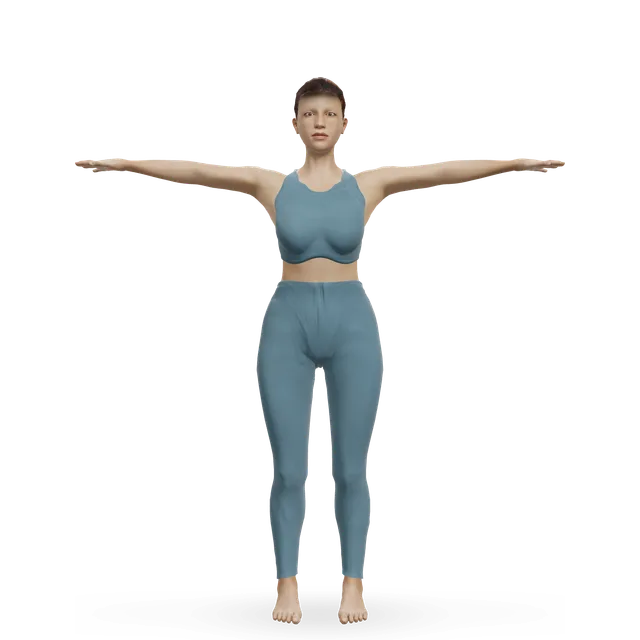




Quick hops (2 to 3 minutes)
- Pogo hops2 × 10Intermediate · Calves, Quads, Shins · 3D demoShort, springy contactsEasier: Ankle bounces (mini pogo)Harder: Single-leg pogo hops
- Plyometric push-up2 × 4Advanced · Chest, Triceps, Shoulders · 3D demoSmall and quick; knees down or hands on a step if you need toEasier: Push-upHarder: Clock push-up

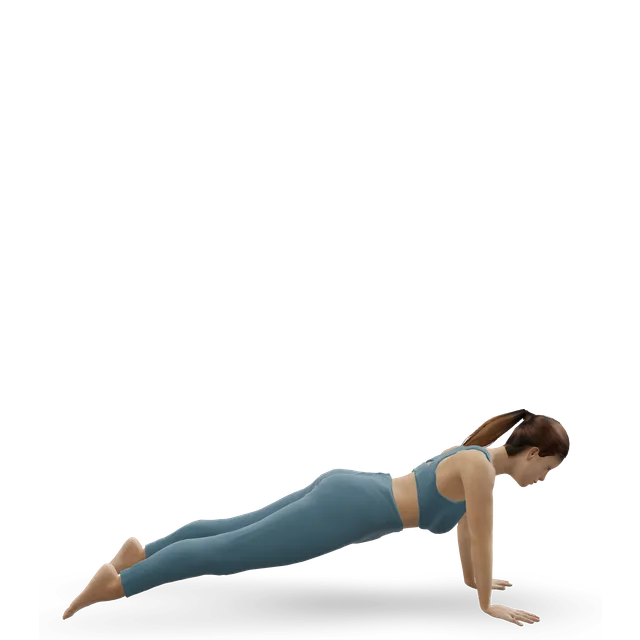
Bigger jumps (2 to 3 minutes)
- Jump squat2 × 3Intermediate · Quads, Glutes, Calves · 3D demoDip and jump high; land softly with your knees over your toesEasier: Bodyweight squatHarder: Box jump

Power (2 to 3 minutes)
- Burpee2 × 3 fast pop-upsAdvanced · Quads, Chest, Shoulders · 3D demoFrom lying on your front, push hard and land in your surf stance, with no jump at the topEasier: Mountain climbers
- Intermediate · Glutes, Quads, Hamstrings · 3D demoHold each landing for 2 secondsEasier: Snapdown to athletic landingHarder: Single-leg hop and stick
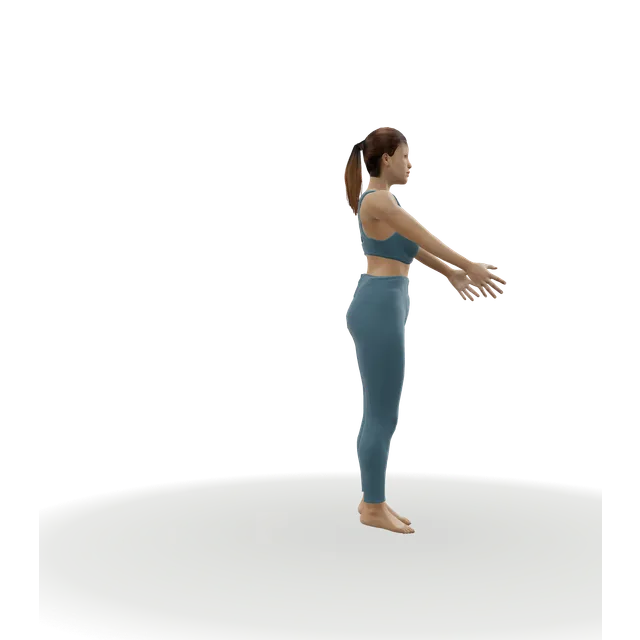
Tips
- Before you warm up, do the RNLI's checks: the flags, the lifeguards' advice on rip currents, the weather, swell and tide, a mate, and your leash. If a rip takes you, don't swim against it: stay with your board, raise a hand and shout for help.
- Stay warm between the warm-up and the water. In the studies, surfers stayed wrapped in survival blankets for 15 to 20 minutes; a changing robe or towel over your wetsuit does the same job (our suggestion).
- If you go into cold water suddenly, take a minute before you try to swim: the gasping passes. Float on your back with your ears under if you need to.
- Learning? Take breaks from lying arched on the board. Sudden back pain while surfing means getting out of the water, and numbness, tingling or weakness in the legs, or trouble peeing, is a 999 call.
- Keep static stretches short before surfing. Stretch afterwards if you like it.
The doses are suggested starting points, not a prescription. Choose a range you can control and stop for sharp or increasing pain, numbness or tingling. Get individual advice after an injury or surgery, or if you are pregnant or managing a health condition.
Guides that recommend it
Find more moves like these
More sports training

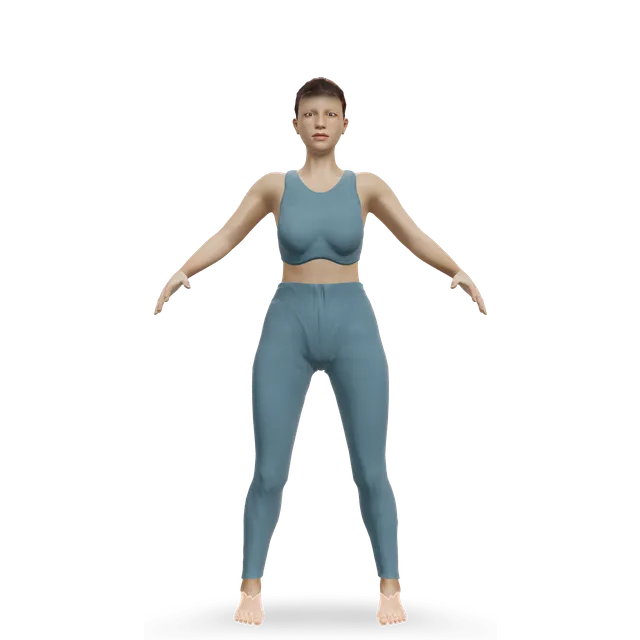
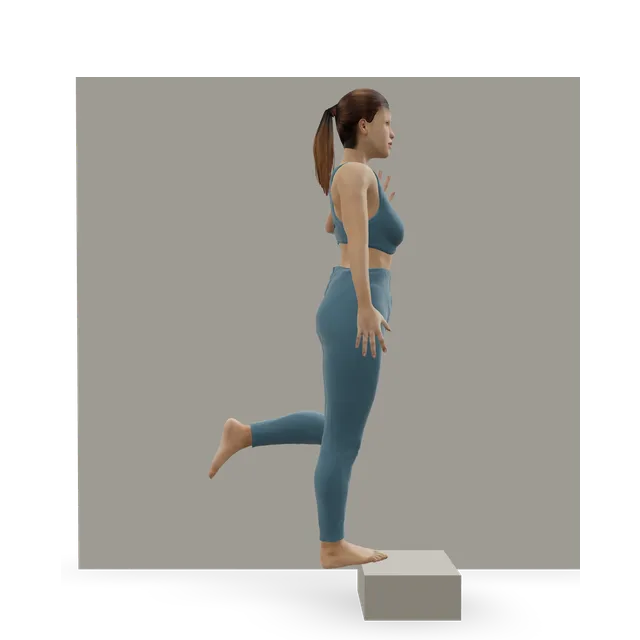
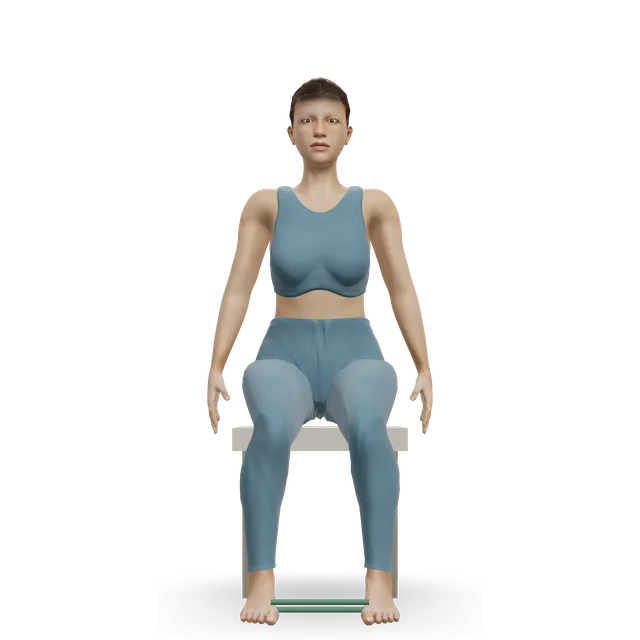
Injury prevention exercises for runners
Foot, calf, balance and hop exercises taken from the running trials with positive results, in a 25-minute home routine for 3 or 4 days a week.
25 minBeginner11 movesOther / check instructions, A bench or box



Plyometrics for runners
A 20-minute hop and bound session for runners: ankle bounces to pogo hops, one-leg hops and bounding, building foot contacts slowly over 10 weeks.
20 minIntermediate8 movesCardio machine


Strength workout for cyclists (gym)
A 50-minute gym session for cyclists: heavy squats, one-leg presses, hip flexion and calf raises as in the cycling trials, plus jumps for bone.
50 minIntermediate13 movesCardio machine, A barbellQuestions people ask
How long does the surf warm-up: mobility, hops, jumps and pop-ups before you paddle out take?
About 15 minutes, including any warm-up and cool-down listed. Shorten it by doing fewer rounds; lengthen it by adding one.
What equipment do I need?
You need: A wall. Each move links to its guide, where you can find an alternative if you are missing something.
Is it suitable for beginners?
It is written for beginners. 8 of its 10 moves have an easier option listed beside them if you need one.
How do I make it easier or harder?
Use the easier or harder option listed under each move, change the number of rounds, or adjust the rest. Progress one change at a time.