3D demo
Travelling inchworm
Stretching · Hamstrings, Abs, Shoulders
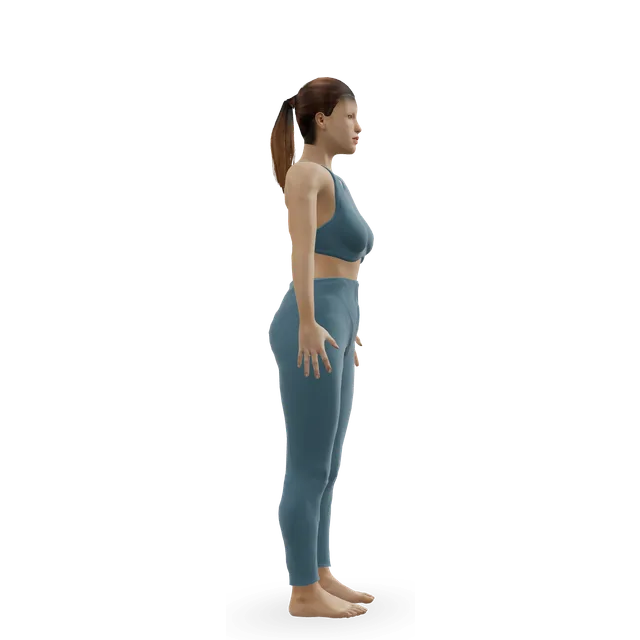
Loading the 3D figure…
The figure repeats the movement from its starting position. Drag to turn it; the arrows open the demos either side.
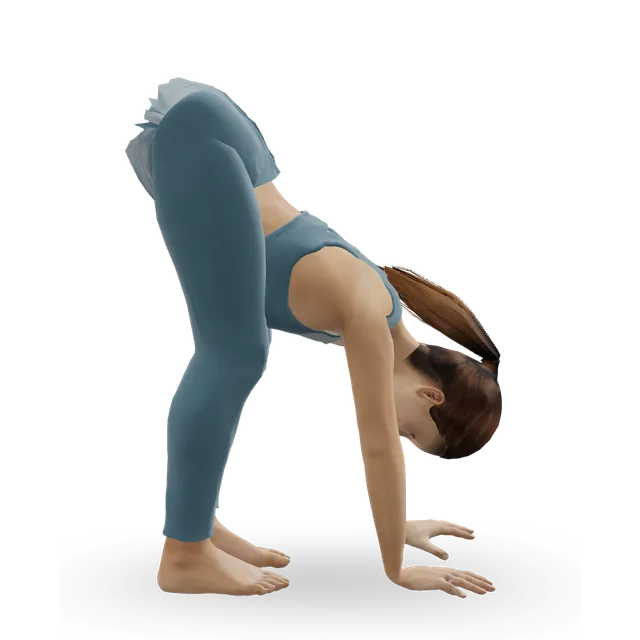
From standing on straight legs, you fold forward to put your hands on the floor, walk them out to a push-up position, then walk your feet up to your hands, so you travel forward. Unlike the inchworm walkout, which walks the hands back, the feet come to the hands here. ACE rates its version, which adds a push-up, advanced.
Movement guide
Travelling inchworm
Make it easier or harder
Choose a version that fits your control and comfort.
Easier option
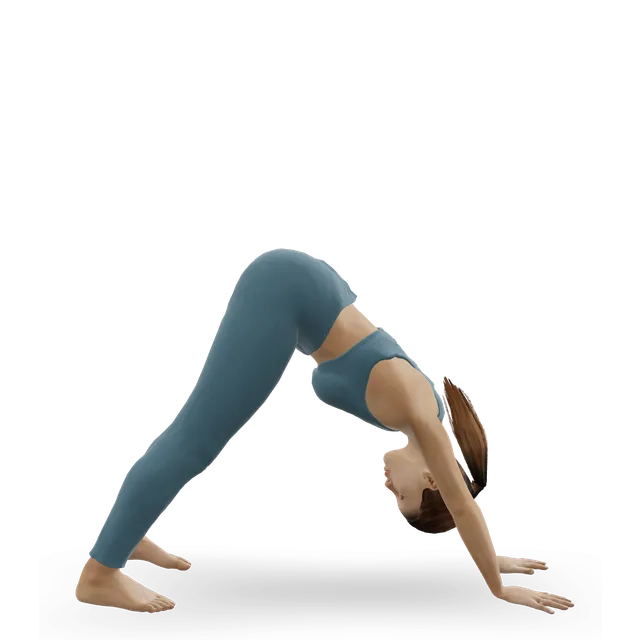 3D demoDownward-facing dog (Adho Mukha Svanasana)Beginner · No equipment
Similar move, beginner grade.
Harder option
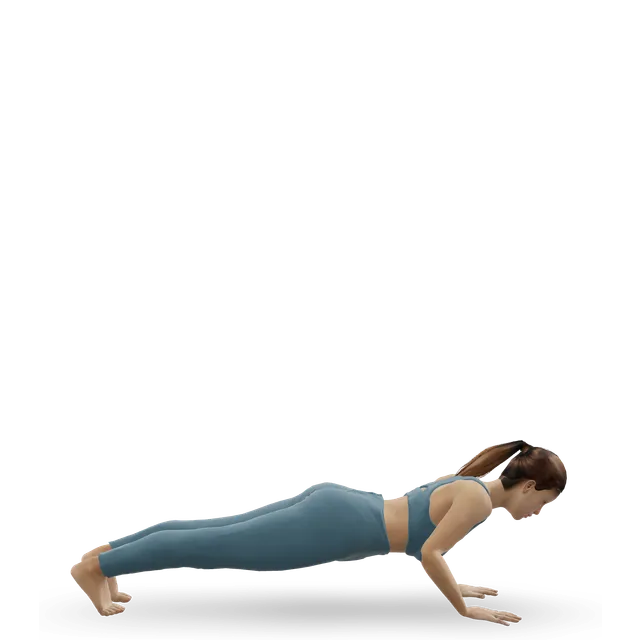 3D demoPush-up (Pilates)Intermediate · No equipment
Suggested next step, intermediate grade.
Source-researched guide.
Form cues
- Take small steps with both hands and feet.
- Bend your knees as much as your hamstrings need.
- Avoid: letting your hips sag in the push-up position.
Practice and cautions
4 to 6 repetitions, or a few metres, as part of a warm-up (our editorial starting point). ACE's version travels 9 to 13 metres.
It puts body weight through your wrists and ends head-down: shorten the walk-out if your wrists complain, and come up slowly if you feel light-headed. With glaucoma, keep head-down positions brief or use a head-up version: in a small study, eye pressure rose within a minute in head-down yoga poses. Ask your eye team first if your glaucoma is advanced or you've had eye surgery. This is movement education, not an assessment or treatment prescription. Stop for sharp or increasing pain, dizziness, numbness or tingling; seek individual guidance for symptoms, injury or restrictions.
Sources and review status
Sources support the educational description; they do not establish that this exercise is suitable for you.
- ACE · Inchworms (advanced; the hands walk out, a push-up, then the feet walk up to the hands) ↗
- NASM · The plank: coaching progressions and variations (walkouts suit more advanced clients) ↗
- Free Exercise DB · community text ↗
Unlicense · Free Exercise DB contributors; derived from wrkout/exercises.json. Text import; no photographs or media. · Revision f00c92c7dcf1216a928a52c3706c7ce8e2f71ed5
No variation is labeled clinically validated.
What it works
Equipment
None: body weight and floor space.
Level
Intermediate. See the easier and harder options above.
Guides that use it
Similar moves
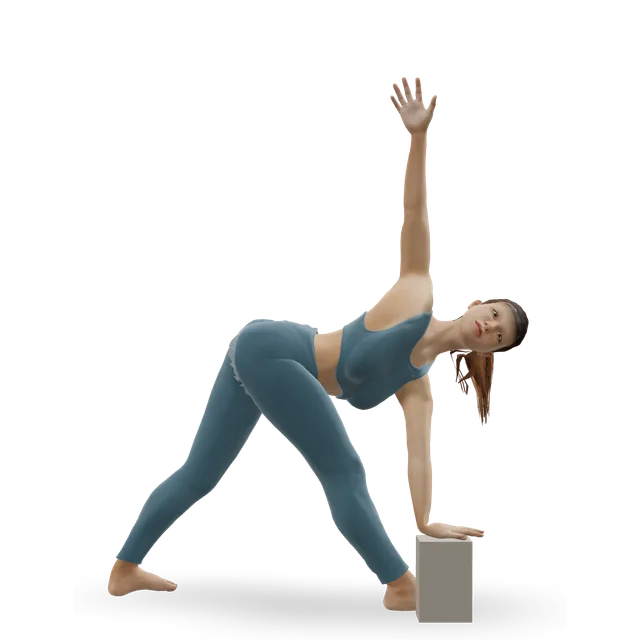 3D demoRevolved triangle pose (Parivrtta Trikonasana)Advanced · A step
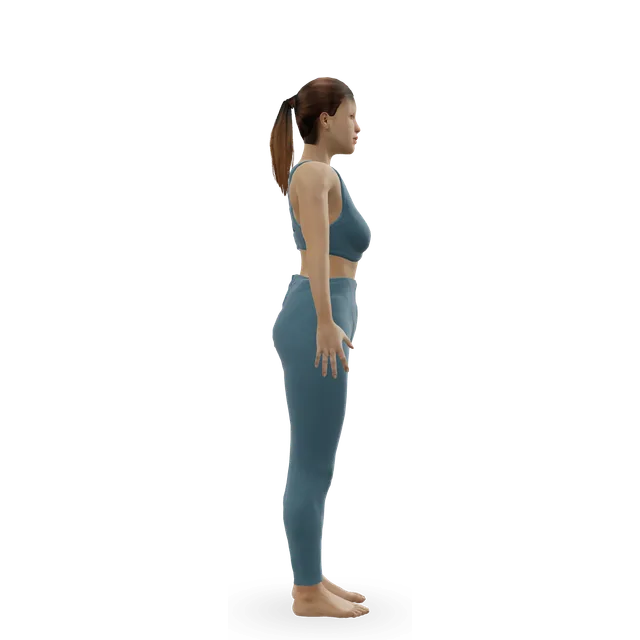 3D demoSun salutation A (Surya Namaskar A)Intermediate · No equipment
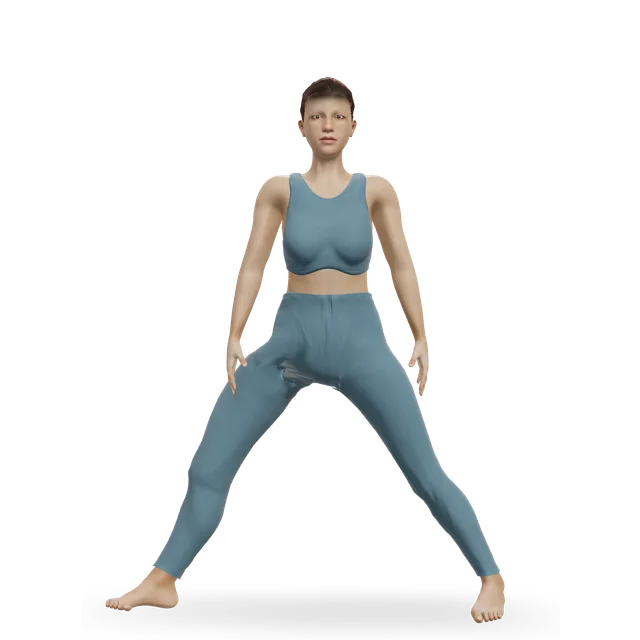 3D demoTriangle pose (Utthita Trikonasana)Intermediate · A step
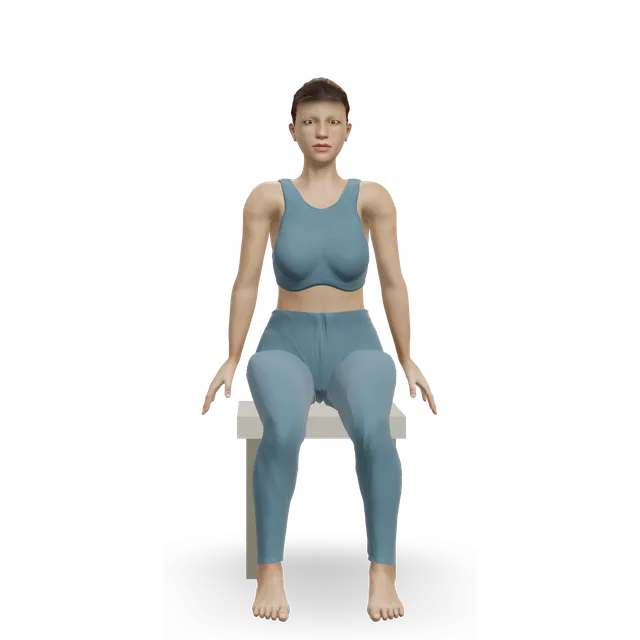 3D demoChair leg extension and sweepBeginner · A bench or box
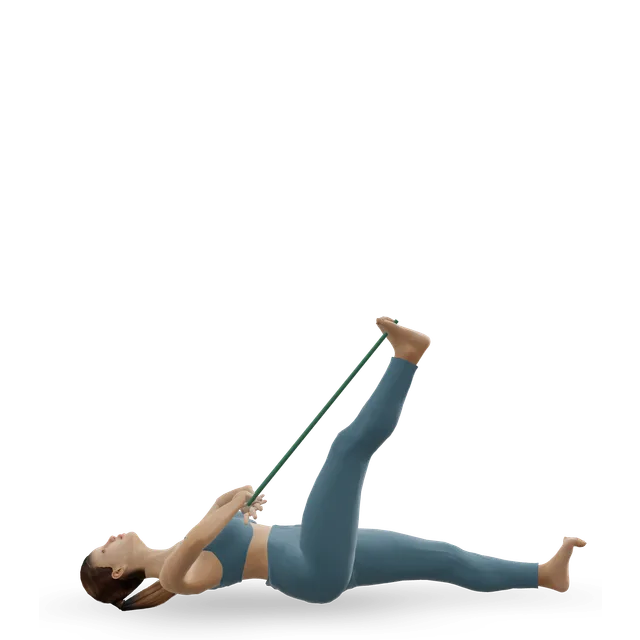 3D demoContract-relax hamstring stretch (PNF)Intermediate · No equipment
 3D demoElephant walksBeginner · No equipment
Browse more
Questions people ask
What muscles does the Travelling inchworm work?
Mainly the hamstrings, with help from the abs and shoulders.
What equipment do I need for the Travelling inchworm?
No equipment: your body weight and a little floor space.
Is the Travelling inchworm good for beginners?
It is graded intermediate. If it is too hard right now, start with the Downward-facing dog (Adho Mukha Svanasana).
What is an easier alternative to the Travelling inchworm?
Try the Downward-facing dog (Adho Mukha Svanasana) or the 90/90 hamstring stretch (active knee extension). It works similar muscles at a lower grade.
How do I make the Travelling inchworm harder?
Progress to the Push-up (Pilates). Follow that guide’s technique and any stated timing.