Elephant walks
Folded forward with your hands on the floor and your hips high, you straighten one knee and bend the other in turn, so each hamstring and calf stretches in a slow walking rhythm. Unlike a held forward fold, nothing stays still. In a controlled trial, a moving hamstring stretch (straight-leg swings) raised range by 7 to 10% for the 90 minutes measured; over weeks, most of the gain from stretching seems to come from tolerating the stretch, not longer muscle.
Movement guide
Elephant walks
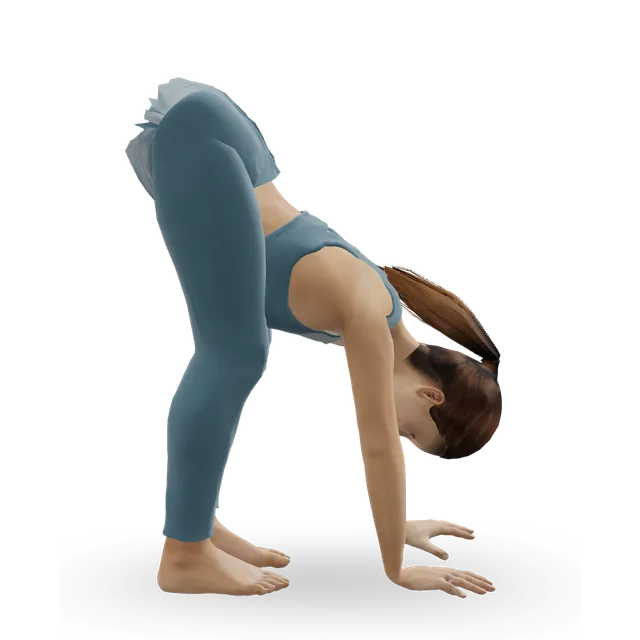
Loading the 3D figure…
Make it easier or harder
Choose a version that fits your control and comfort.
Easier option
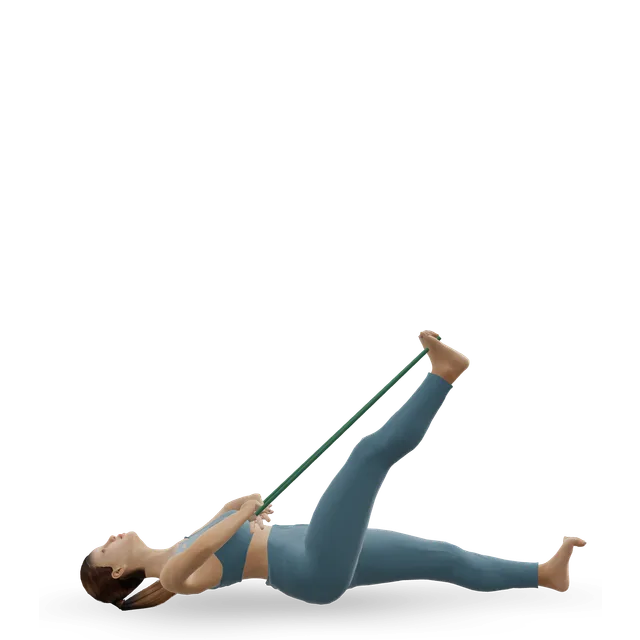 3D demoSupine hamstring stretch with a strapBeginner · No equipment
Suggested next step, beginner grade.
Harder option
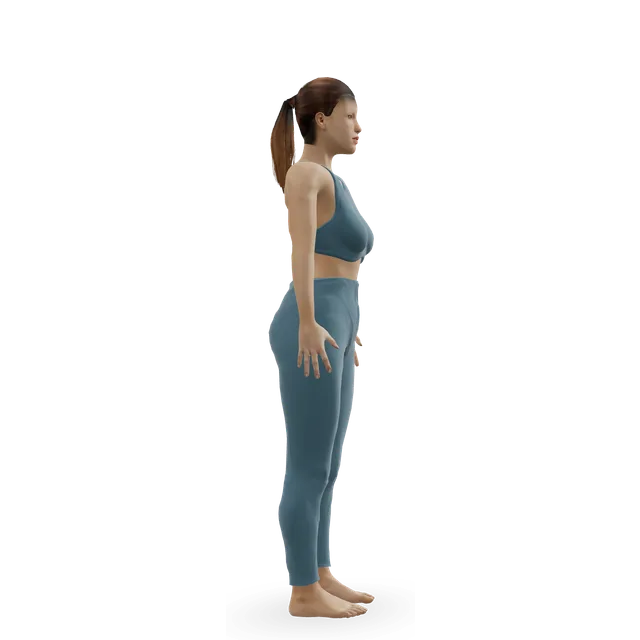 3D demoInchworm walkoutIntermediate · No equipment
Suggested next step, intermediate grade.
Source-researched guide.
How to move
- Stand with your feet hip-width apart and fold forward from the hips, bending your knees as much as you need to rest your palms or fingertips on the floor a little ahead of your feet.
- Keep your hands down and your hips high.
- Straighten your right knee, pressing the right heel towards the floor, as you bend the left knee.
- Swap, straightening the left as the right bends, and keep alternating in a slow walking rhythm. To finish, bend both knees and roll up slowly.
Form cues
- Let your head hang and your neck relax.
- Rest your hands on blocks or a step if the floor is out of reach.
- Avoid: bouncing into the straight leg.
Practice and cautions
20 bends (10 each leg), alternating sides, 2 rounds (our editorial starting point).
A hot, electric or tingling line down the back of a leg is nerve tension, not muscle stretch; reduce the depth or bend both knees more. Treat loaded forward folds carefully during a low back flare-up. This is movement education, not an assessment or treatment prescription. Stop for sharp or increasing pain, dizziness, numbness or tingling; seek individual guidance for symptoms, injury or restrictions.
Sources and review status
Sources support the educational description; they do not establish that this exercise is suitable for you.
- Dieringe · Elephant walk stretch (folded forward, the hands kept on the ground, the legs bending and straightening in turn) ↗
- Iwata 2019 · Standing straight-leg swings, ten 30-second sets, raised hamstring range by 7 to 10% for the 90 minutes measured (controlled trial of 24 adults, J Sports Sci Med) ↗
- Weppler & Magnusson 2010 · After single sessions and 3 to 8 week programmes, stretching gains come mainly from tolerating the stretch, not from longer muscle (review, Physical Therapy) ↗
- Decoster 2005 · Hamstring stretching increases range across many positions, techniques and hold times (systematic review of 28 studies, JOSPT) ↗
No variation is labeled clinically validated.
What it works
Equipment
None: body weight and floor space.
Level
Beginner. See the easier and harder options above.
Guides that use it
Similar moves
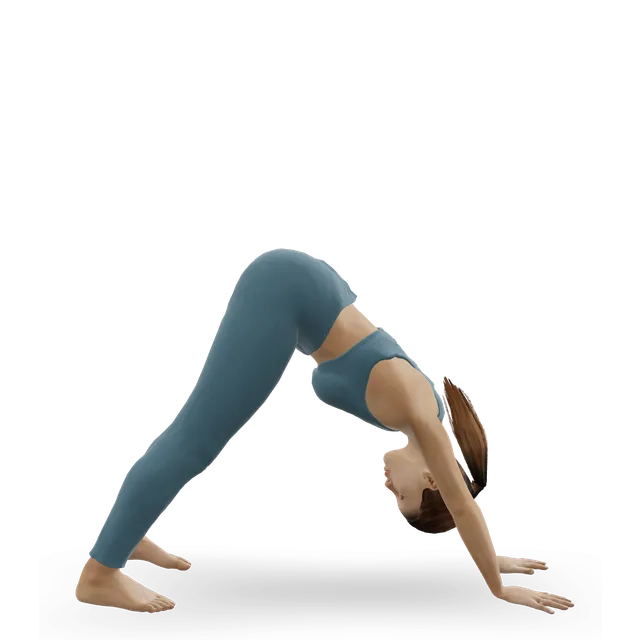 3D demoDownward-facing dog (Adho Mukha Svanasana)Beginner · No equipment
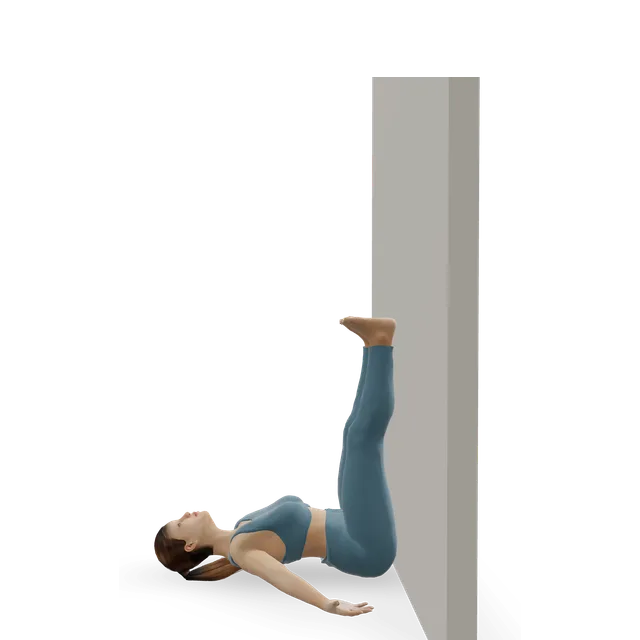 3D demoLegs up the wall (Viparita Karani)Beginner · A wall
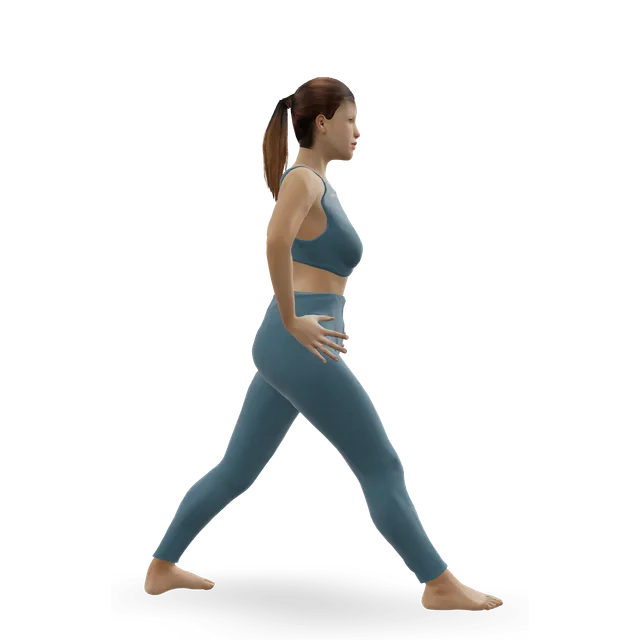 3D demoPyramid pose (Parsvottanasana)Intermediate · No equipment
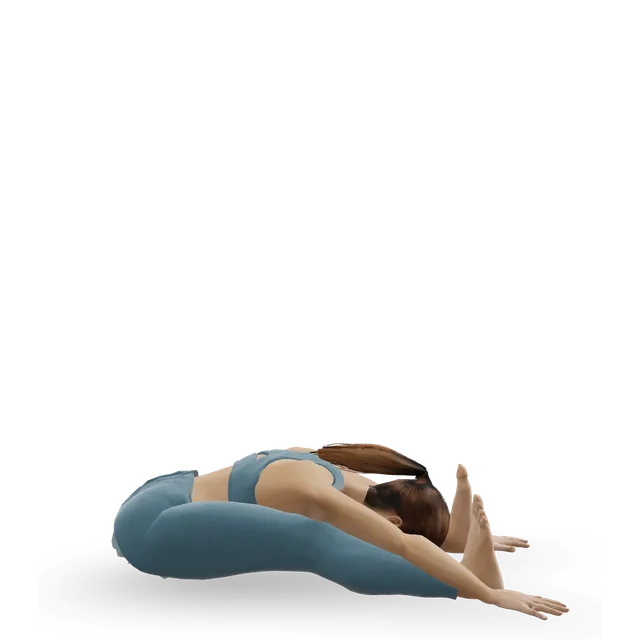 3D demoSeated forward fold (Paschimottanasana)Intermediate · No equipment
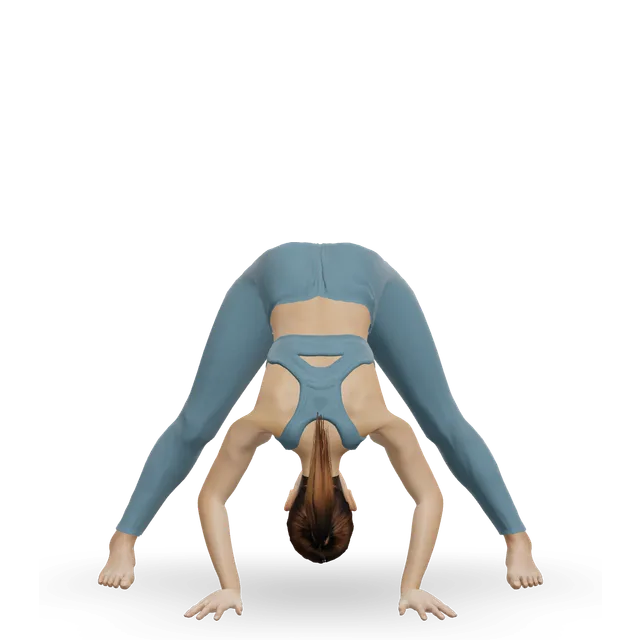 3D demoWide-legged standing forward fold (Prasarita Padottanasana)Beginner · No equipment
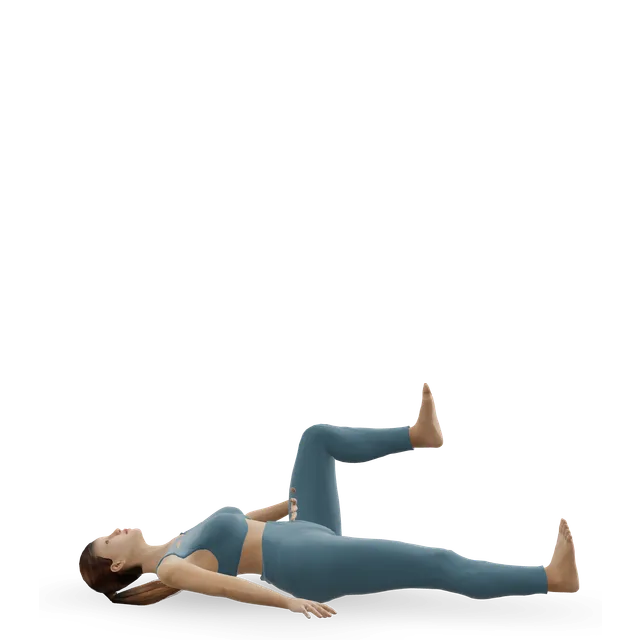 3D demo90/90 hamstring stretch (active knee extension)Beginner · No equipment
Browse more
Questions people ask
What muscles does the Elephant walks work?
Mainly the hamstrings, with help from the calves.
What equipment do I need for the Elephant walks?
No equipment: your body weight and a little floor space.
Is the Elephant walks good for beginners?
It is graded beginner, so it suits most people starting out. When it feels easy, try the Inchworm walkout.
What is an easier alternative to the Elephant walks?
Try the Supine hamstring stretch with a strap. It is the suggested step down from this move.
How do I make the Elephant walks harder?
Progress to the Inchworm walkout. Follow that guide’s technique and any stated timing.