Training guide

How to do a Jefferson curl: the roll-down with a weight, what it does, and who should skip it

A Jefferson curl is a slow roll-down through your spine, one segment at a time, holding a light weight while you stand on a box, then a roll back up with your head last. Unlike a Romanian deadlift, it loads your spine while it's rounded, on purpose, which is why it divides opinion.

One small trial tested a modified version inside a programme and found flexibility gains no bigger than stretching's. Lab studies show what thousands of loaded bends can do to discs, studies of people show something calmer, and no study has shown that the exercise harms or protects backs.

This guide teaches it from an unloaded roll-down up, gives a light, slow starting dose, and lists who should skip it, including anyone with osteoporosis, a back pain flare, pain down a leg, or glaucoma without their eye team's agreement. It also points to the better-tested routes to the same range.

The short version

A loaded roll-down

Standing on a box with a light weight, you tuck your chin and roll down one segment at a time until the weight hangs past your toes, then roll up, head last. It rounds your spine under load on purpose: at full forward bend your back muscles go quiet and your discs and ligaments take more of the load.

Source 1

One small trial

In 18 young, active adults, a kettlebell version done with stiff-legged deadlifts gained as much sit-and-reach range as static stretching in 8 weeks, and more strength. It can't separate the curl from the deadlift, and it measured nothing about backs.

Source 2

Discs in the lab, people in real life

In lab spines, thousands of loaded bends herniated discs. In people, bending the back while lifting wasn't linked to back pain in low-quality studies, and sports with heavy end-range spine loading showed no clear difference in disc health. Neither "it wrecks your discs" nor "it bulletproofs your back" has evidence behind it.

Sources 3, 4, 5

Light, slow, and not first thing

Start with no weight, then 2 to 5 kg in all, 2 or 3 sets of 5 slow reps, adding load over months (its move page's dose). Avoid the early morning, when bending stresses the discs most, and do it at the end of a session.

Sources 6, 7

Who should skip it

Anyone with osteoporosis or a past spinal fracture, a flare of back pain or pain down a leg, vertigo, or glaucoma without their eye team's agreement: eye pressure rose within a minute in a standing forward fold.

Sources 8, 9

Better-tested routes

You don't need it to touch your toes. Strength training through a full range builds range about as well as stretching, and slow-lowering hamstring work matched stretching in a trial. Slow Romanian deadlifts do that without loading a rounded spine.

Sources 10, 11

What a Jefferson curl is

The movement

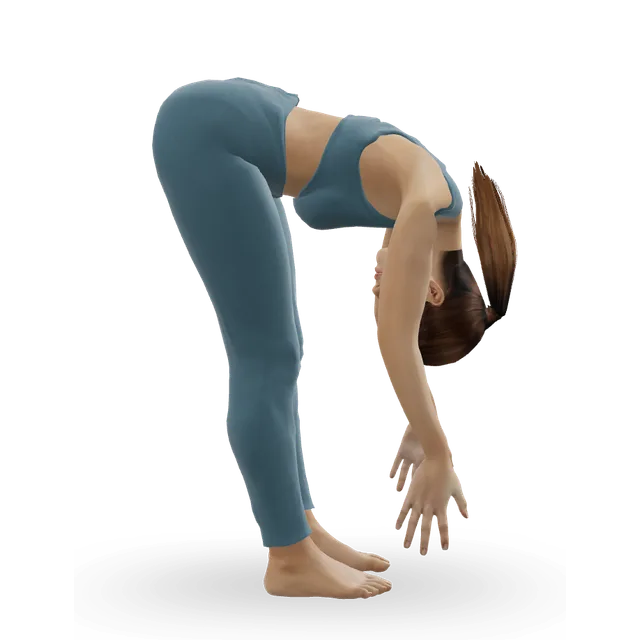
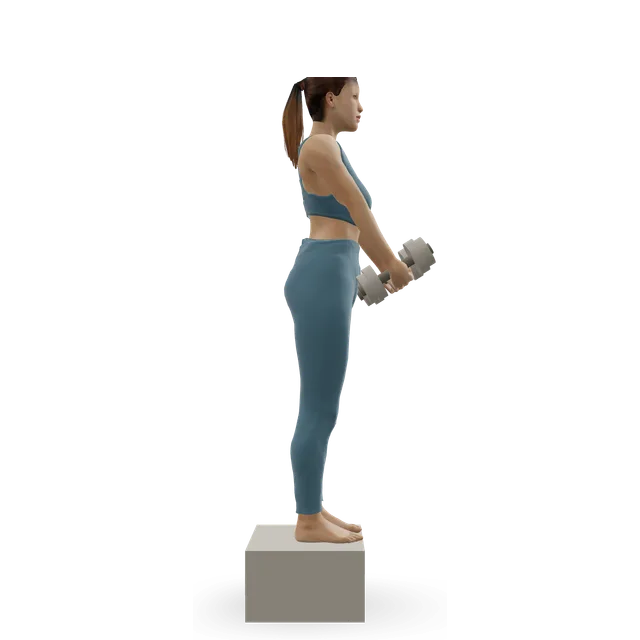
Standing on a sturdy box or step with your toes at the edge, legs straight but not locked and a light dumbbell in each hand, you tuck your chin and roll down from the top: neck, upper back, middle back, lower back, your hips folding last and the weights hanging straight down past the box if your range allows. You pause for a breath, then roll back up from the bottom, stacking your lower, middle and upper back in turn, head last. Each way takes about 5 seconds.

What it loads

Your whole spine bends forward under the load while your hips fold with straight knees, so your hamstrings lengthen too. Your back muscles control the way down and lift you back up; near full bend they fall quiet and the discs and ligaments carry more of the load. That deliberate loaded rounding is what sets it apart from a Romanian deadlift, which keeps your back's shape.

Source 1

The trial's version

The only trial used a kettlebell on a box, hinging at the hips with a straight back for the first half of the way down, then rounding the spine. It was paired with a barbell stiff-legged deadlift: 8 reps a set, 3 seconds down and 1 up, 4 to 8 sets a session across the two exercises, three times a week, at an effort of about 8 out of 10 in the first 4 weeks. That's far more than our starting dose.

Source 2

What you need first

Pain-free rolling down without a weight, such as the segmental roll-down, and a base of general strength training, as its move page asks, plus the balance to stand on a box and none of the reasons to skip it below.

How people differ

How far you can bend forward varies a lot between people, and our touch-your-toes guide explains how the hamstrings and lower back share it. People with long-lasting back pain often see loaded bending as risky: in interviews, 16 adults who watched a Jefferson curl often saw it as potentially harmful. That's a good reason to choose another exercise, not to push through.

Source 12

What it isn't

The Jefferson squat, or Jefferson deadlift, is a different lift: you straddle a barbell and squat it up. The standing toe touch and the segmental roll-down are the Jefferson curl's unloaded relatives.

Who should skip it

Osteoporosis or a past spinal fractureStrong evidence

The UK consensus on exercise for osteoporosis advises modifying or avoiding sustained, repeated or end-range forward bending, and avoiding loaded forward bending. In an older study of 59 women aged 49 to 60 with spinal osteoporosis, new spinal fractures followed in 89% of the 9 given flexion exercises against 16% of the 25 given extension exercises; the groups weren't randomised, and 4 of the 6 who did no exercises also had new fractures. Use the hip hinge with a long back instead, as our osteoporosis guide does.

Sources 8, 13

A flare of back pain, or pain down a leg

Leave it out during a flare of back pain, and with pain, tingling or numbness travelling down a leg, as its move page and our herniated disc and sciatica guides advise. Our back pain guides have staged plans.

Sources 14, 15

GlaucomaEmerging evidence

In a standing forward fold, eye pressure rose within a minute, from 17 to 27 mmHg in 10 people with glaucoma and from 18 to 26 in 10 without, and was back to normal within 2 minutes of sitting up. Ask your eye team first, especially if your glaucoma is advanced or you've had eye surgery.

Source 9

Vertigo

With vertigo or BPPV (benign paroxysmal positional vertigo, a common inner-ear cause of spinning), head-down positions can bring on a spin. Move into and out of them slowly, and leave them out during a bad spell, as its move page advises.

Pregnancy

Don't start it in pregnancy (our view). The NHS advises starting any new exercise gently and avoiding activities with a risk of falling, and a head-down roll on a box holding weights is new to most people.

Source 16

First thing in the morningEmerging evidence

Your discs are fullest after a night's sleep. Bending was estimated to stress the discs about 300% and the ligaments about 80% more in the early morning, from tests in 21 people and cadaver spines, and cutting down early-morning bending eased persistent back pain in a trial of 85 people. Do it later in the day.

Sources 6, 7

Without pain-free bending

If rolling down without a weight hurts, or you're new to strength training, start with the roll-downs below, as its move page asks.

How to do a Jefferson curl, step by step

Steps from our move page; learning it first on the floor without a weight follows its prerequisite, and the 5-second tempo is its dose. The steady breathing follows our breathing guide. The demo shows the full version, on a box with dumbbells.

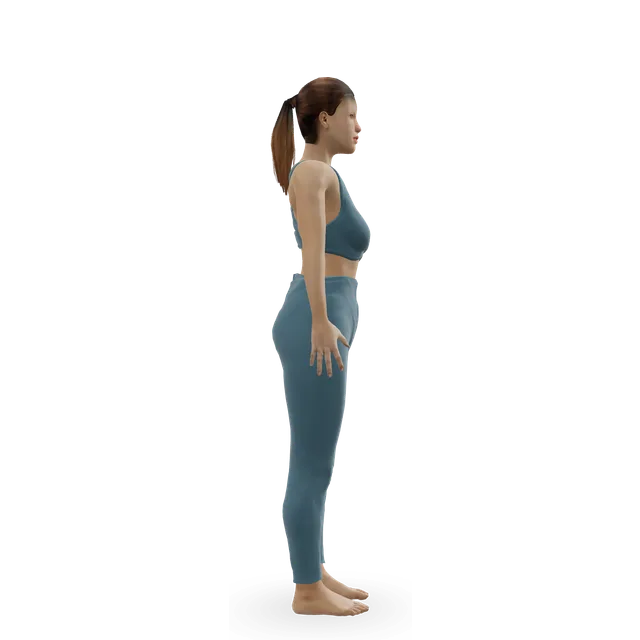
  1. Learn it on the floor without a weight first. Stand tall with your feet hip-width apart, legs straight but not locked, arms hanging.
  2. Tuck your chin towards your chest.
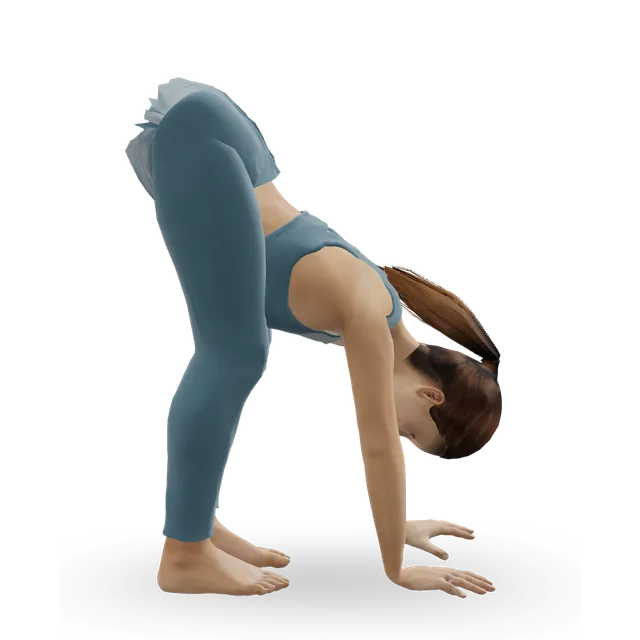
  3. Roll down slowly from the top, one segment at a time: neck, upper back, middle back, lower back, then let your hips fold last, arms hanging straight down. Take about 5 seconds.
  4. Go only as far as you can control without pain, and pause for a breath at the bottom.
  5. Roll back up from the bottom, stacking your lower back, middle back and upper back in turn, your head arriving last, over about 5 seconds.
  6. When that has been smooth and pain-free for weeks, stand on a sturdy box or step with your toes at the edge, so your hands can pass your toes, and hold a light dumbbell in each hand, as the demo shows.
  7. Breathe steadily throughout; don't hold your breath, least of all with your head down.

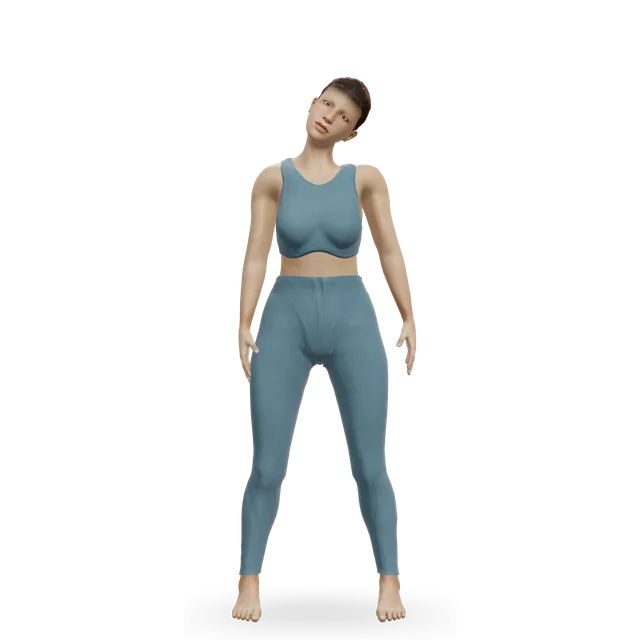
Loading the 3D figure…

Gets into position, then repeats the movement. Technical checks passed; qualified exercise review is pending.

The movement on the figure: Jefferson curl

The way in: from a wall roll-down to the Jefferson curl

Easiest first: wall roll-downs, 3 to 5 slow reps; segmental roll-downs, 5 or 6, about 20 seconds each way; and a standing toe touch held for 30 seconds, 1 to 3 times, at least 5 days a week (their move pages' doses). Then the Jefferson curl with no weight, then 2 to 5 kg in all, 2 or 3 sets of 5 slow reps (its move page's dose), adding load in small steps over months.

What the evidence says

One small trial, of a modified version inside a programmeEmerging evidence

18 young, active adults (5 men and 13 women, about 24 years old, all new to deadlifts) were randomised to strength training, static stretching or no training, 6 per group. The strength group did the kettlebell curl and a stiff-legged deadlift on a box, three times a week for 8 weeks. Sit-and-reach rose 6.6 cm, against 6.1 cm with matched static stretching and 0.8 cm without training. Strength in the stretched position rose 145 newtons, against a fall of 16 with stretching and a rise of 49 in controls.

Training completion was 98.6% with no dropouts, but adverse events weren't reported and the trial was registered after it ended. It can't separate the curl from the deadlift, and it measured nothing about backs.

Source 2

Lifting through a full range builds flexibilityStrong evidence

Across 11 trials (452 people), strength training through a full range improved range of motion about as much as stretching, and in 55 studies resistance training improved range by a moderate amount. Slow-lowering training gave moderate gains after 4 to 5 weeks and large ones after 6 to 8. None of this needs a loaded, rounded spine.

Sources 10, 17, 18

Slow hamstring work matched stretchingEmerging evidence

In 69 teenage boys with tight hamstrings, 6 weeks of slow-lowering hamstring exercise gained 12.8 degrees of knee straightening, against 12.1 for static stretching and 1.7 without training.

Source 11

What happens at full forward bendEmerging evidence

Near full forward bend the back muscles fall electrically quiet and the discs and ligaments share more of the load. After 20 minutes held in full forward bend, 47 adults bent 5.5 degrees further; they regained about half their stiffness within 2 minutes of standing, but full recovery took longer, and the authors advise standing and walking for a few minutes before demanding lifts.

Sources 1, 19

Discs in the labMixed evidence

Pig neck discs bent and straightened up to 86,400 times, once a second, under modest compression herniated, more often and more severely under heavier compression. Under repeated compression and bending, 6 of 52 cadaver lower-back segments prolapsed gradually, mostly from young donors. These are far more cycles than any workout, in tissue that can't adapt, so they show discs can fail under repeated loaded bending, not that a few slow reps harm a living back.

Sources 3, 20

The morningEmerging evidence

In 21 people, forward bending range rose 5 degrees over the day, and the authors estimated that bending stresses the discs about 300% and the ligaments about 80% more in the early morning. In a randomised trial of 85 people with persistent or recurring low back pain, cutting down forward bending in the early morning reduced pain.

Sources 6, 7

People, not lab spinesMixed evidence

Low-quality, mostly cross-sectional evidence found that bending the lower back more while lifting wasn't a risk factor for back pain: 9 of 11 studies found no difference. Sports with heavy or explosive end-range spine loading showed no clear difference in disc health (4 studies, 245 people, very low certainty), while running went with healthier-looking discs, also at very low certainty. We found no study of injuries from the Jefferson curl, and none showing it protects backs.

Sources 4, 5

A test, not a treatmentEmerging evidence

Elite breakdancers reached further in a Jefferson curl test than developmental and recreational breakers, in 74 athletes, and a review of upper back exercises for sport lists it among mobility exercises, many of them found in videos. Neither tests a benefit.

Sources 21, 22

How much weight, how many and how often

Start with no weight

2 or 3 sets of 5 slow reps, about 5 seconds down and 5 up. Start with no weight, then 2 to 5 kg in all, and add load in small steps over months, not weeks (its move page's dose, our editorial starting point).

Rest and how often

Rest 60 to 90 seconds between sets, as the trial did and as our plans suggest for single-joint moves. Once or twice a week, at the end of a session (our editorial starting point); the trial trained three times a week at a much higher effort.

Source 2

How hard

Slow and controlled, well short of failure, with a stretch you can breathe through and never pain (our editorial starting point).

When to add weight

Only once the movement has been smooth and pain-free for weeks, and in small steps, as its move page advises. The weight is the last thing to change.

What to expect

The trial's 6.6 cm sit-and-reach gain came from a far harder programme over 8 weeks, shared with stiff-legged deadlifts. No one can promise a range or a date.

Source 2

Common mistakes and how to fix them

Adding weight too soon

Its move page's warning is adding weight before the movement has been smooth and pain-free for weeks. Change the weight last.

Pulling the weights down, or bouncing at the bottom

Let the weights hang; don't pull them down. Take about 5 seconds each way.

Bending your knees a lot to get lower

Keep your legs straight but not locked; the trial kept the knees nearly straight.

Source 2

Coming up head first, or fast

Stack from the bottom, head last. If you feel light-headed, rise more slowly and stand still for a moment: dizziness when you stand or sit up suddenly can be a drop in blood pressure.

Source 23

Doing it first thing, or just before heavy lifting

Do it at the end of a session, later in the day (our reading of the lab studies).

Sources 6, 19

A wobbly or high box

Use a sturdy, low step (our suggestion).

Pushing through symptoms in a leg

Stop for tingling, numbness or pain travelling down a leg, as its move page advises.

Better-tested routes to the same range

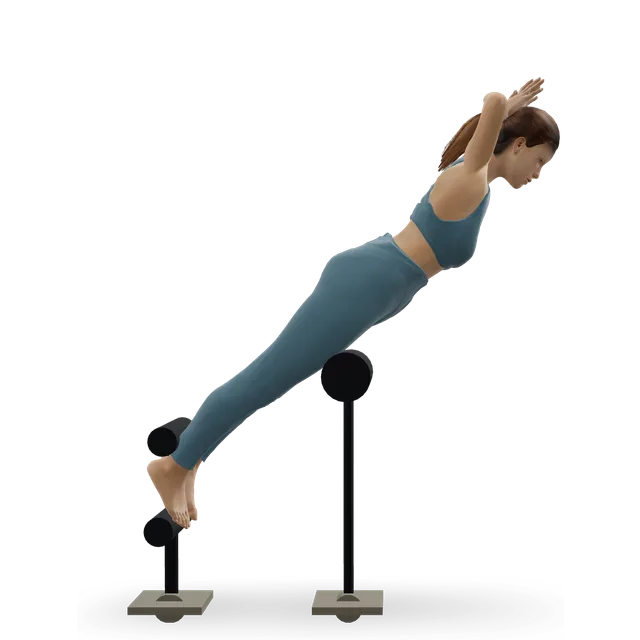
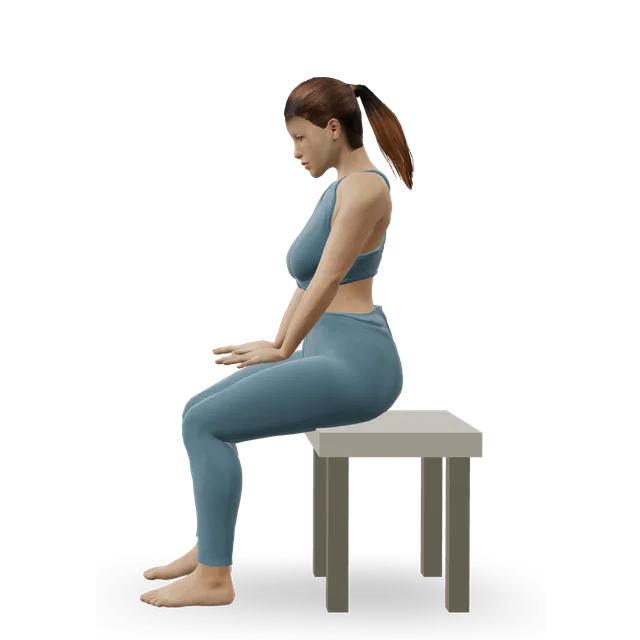
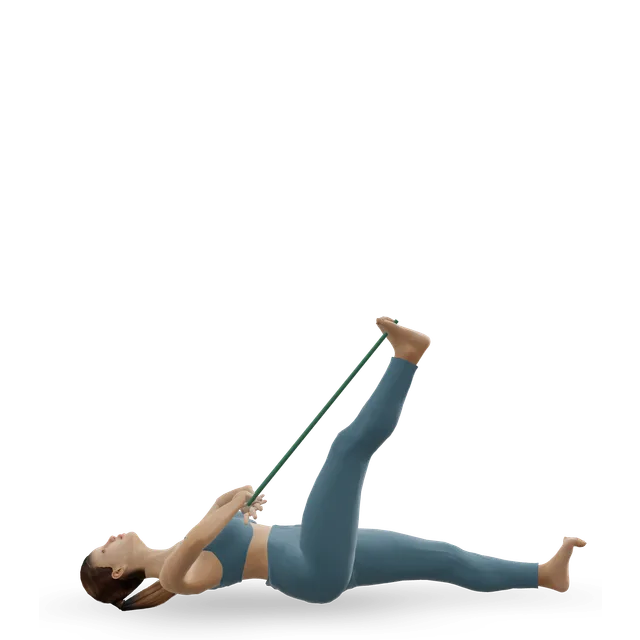
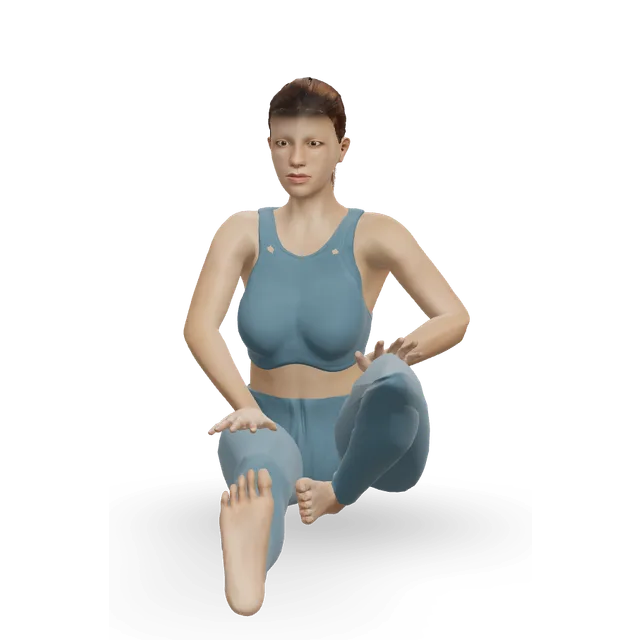
Slow Romanian deadlifts, 2 to 3 sets of 8 lowering over about 3 seconds, twice a week, and the strap hamstring stretch, 30 to 60 seconds a hold on most days (our touch-your-toes guide); the hip hinge fold, 5 slow folds with 3 breaths at the bottom, the hinge to use with osteoporosis; the 90/90 hamstring, 3 sets of 12 slow straightenings each leg once a day, and elephant walks, 20 bends in 2 rounds (their move pages' doses); back extensions on a 45-degree bench, 2 to 3 sets of 10 to 15, or 2 sets of 8 to 12 if you're new (our back extension guide); and cat-cow, 8 slow waves (its move page's dose), for gentle bending without a load.

Workouts that reach the same goals

None of our workouts use the Jefferson curl. These reach the same goals with better-tested moves: the touch-your-toes and hamstring routines for range, the spine mobility routine for gentle bending without a load, and the posterior chain workout for strength.

Warning signs

Stop and get medical help

If you get chest pain or pressure, feel faint or dizzy, are unusually breathless, or your heart races or beats irregularly during exercise, as our plans advise. The American Heart Association says these need immediate medical evaluation.

Source 24

Call 999 (911 in the US)

For chest pain that comes on suddenly and doesn't go away, or spreads to your arms, neck, jaw, stomach or back; a sudden, extremely painful headache while straining; someone who faints while exercising; or palpitations that don't go away, or come with chest pain, breathlessness or feeling faint. Don't drive yourself to A&E.

Sources 25, 26, 27, 28, 29

Call 999 or go to A&E: your back and both legs

Loss of feeling or numbness around the genitals or bottom, new trouble peeing or controlling your bladder or bowels, changes in genital sensation during sex or problems with erections or orgasm, or pain, tingling, weakness or numbness in both legs. These are signs of cauda equina syndrome, which needs treating in hospital urgently. Don't drive yourself. Back pain with chest pain, or after a serious accident, is also a 999 call.

Sources 14, 15, 30

Urgent GP appointment or NHS 111

Back pain and you feel hot, cold, shivery or generally unwell, or severe pain that starts suddenly or is getting worse quickly. In the US, use urgent care.

Source 14

Same day

Leg weakness that is getting worse, or new difficulty lifting the front of your foot or toes, or a foot that slaps down or catches as you walk, as our herniated disc guide says.

See a GP

Sciatica that hasn't improved after a few weeks, is getting worse or is stopping your normal activities; or back pain that doesn't improve after a few weeks of looking after it, is worse at night or when you sneeze, cough or poo, or comes with weight loss, a lump or a change in your back's shape.

Sources 15, 14

Signs of a spinal fracture

Unexplained back pain with muscle spasms, loss of height, or a curved spine or change in posture can be a spinal fracture from osteoporosis, more likely with older age or long-term steroid tablets: see a GP, as our back pain guide says, and stop loaded forward bending.

Sudden eye pain

Intense eye pain, a red eye, rainbow circles around lights, blurred vision, or a headache with feeling sick can be glaucoma that has come on suddenly: call 999 or go to A&E, as our breathing guide says.

Dizzy when you come up

Stop and sit down. See a GP if dizziness won't go away or keeps coming back, or comes with fainting, hearing changes, double or blurred vision, or numbness or weakness, and after any faint.

Sources 23, 28

Check before you start

If you haven't exercised for some time or have a medical condition, speak to your GP first, as the NHS advises. Get advice before hard straining work if your blood pressure is uncontrolled, or you have heart disease or chest pain when you're active, a pacemaker or defibrillator, diabetic eye disease, glaucoma, a hernia, recent eye or tummy surgery, or you're pregnant, as our breathing guide lists.

Source 31

A new lump or bulge

See a GP if you think you have a hernia. Get help from NHS 111 if you have a hernia and pain in or around it, a bloated tummy, sickness, vomiting blood or vomit that looks like coffee grounds, constipation, a high temperature or sudden confusion. Call 999 or go to A&E for a femoral hernia (a lump at the top of the thigh) with very bad tummy pain, sickness, being unable to fart or poo, a high temperature or sudden confusion.

Sources 32, 33
Myths

"The Jefferson curl will wreck your discs"Mixed evidence

Discs herniated in lab models after thousands of loaded bends, but studies of people don't link rounding while lifting to back pain, end-range sports loading showed no clear disc difference at very low certainty, and no study has measured harm from the exercise itself. Keep it light, slow and away from the morning.

Sources 3, 20, 4, 5

"It bulletproofs your back"

No trial has tested it for back pain or injuries. The one trial measured sit-and-reach and strength in 18 healthy young adults.

Source 2

"Rounding your back when you lift causes back pain"Mixed evidence

Low-quality evidence found it wasn't a risk factor: 9 of 11 studies found no difference. That's about everyday lifting, not a licence for heavy loaded rounding, and with osteoporosis loaded forward bending is still to be avoided.

Sources 4, 8

"It's the best way to touch your toes"Emerging evidence

Lifting through a long range improves flexibility about as much as stretching, and slow-lowering hamstring work matched stretching in 69 teenage boys. The Jefferson curl is one way, not the way; our touch-your-toes guide has the better-tested routes.

Sources 10, 11

"It's safe for anyone if the weight is light"Strong evidence

The UK consensus advises avoiding loaded and end-range forward bending with osteoporosis, and eye pressure rises within a minute with the head down. Its move page also lists back pain down a leg, a flare, vertigo and the early morning among its cautions.

Sources 8, 9

Questions people ask

What is a Jefferson curl?

Standing on a box with a light weight and straight legs, you tuck your chin and roll your spine down one segment at a time until the weight hangs past your toes, then roll back up, head last. It loads your spine while it's rounded, on purpose.

Are Jefferson curls safe?

The evidence pulls both ways. In lab models, thousands of loaded bends herniated discs, but in people, bending the back while lifting wasn't linked to back pain in low-quality studies, and no study has measured harm or benefit from the exercise itself. Keep it light and slow, avoid the early morning, and skip it with osteoporosis, a back pain flare, pain down a leg or glaucoma.

What are Jefferson curls good for?

Range in forward bending, and strength in that range. In one small trial, a kettlebell version done with stiff-legged deadlifts gained as much sit-and-reach range as stretching in 8 weeks, and more strength. Slow Romanian deadlifts and stretching reach the same goal with more evidence.

How much weight should I use for Jefferson curls?

None at first, then 2 to 5 kg in all, adding small amounts over months, not weeks. Add weight only when the movement has been smooth and pain-free for weeks.

How often should I do Jefferson curls?

2 or 3 sets of 5 slow reps, once or twice a week at the end of a session. The trial trained three times a week at a much higher effort, but it wasn't testing safety.

Jefferson curl or Romanian deadlift: which should I do?

The Romanian deadlift keeps your back's shape and hinges at the hips; the Jefferson curl rounds the spine on purpose. For hamstring range, slow-lowering hamstring work matched stretching in a trial, and the Romanian deadlift also builds the hamstrings and glutes.

Can I do Jefferson curls with a herniated disc or sciatica?

Not while you have back pain or symptoms down a leg: its move page says to leave it out during a flare or with back pain that travels down a leg. Our herniated disc and sciatica guides have staged plans. Numbness around your genitals or bottom, or bladder or bowel changes, is a 999 call.

Can I do Jefferson curls with osteoporosis?

No. The UK consensus advises avoiding loaded and end-range forward bending, and in an older, non-randomised study, women with spinal osteoporosis given flexion exercises had far more new fractures. Our osteoporosis guide has the exercises that help.

Do I need a box for Jefferson curls?

Not at first: learn the roll-down on the floor without a weight. Later, a sturdy, low box lets the weights pass your toes; a wobbly or high one adds a fall risk.

Why not do Jefferson curls first thing in the morning?

Your discs are fullest after sleep: forward bending was estimated to stress the discs about 300% more in the early morning, and cutting down early-morning bending eased persistent back pain in a trial. Do it later in the day, at the end of a session.

Who is the Jefferson curl named after?

We found no reliable history of the name. It isn't the Jefferson squat or Jefferson deadlift, a different lift where you straddle a barbell.

Do Jefferson curls work the hamstrings?

They stretch the hamstrings under load while your back muscles control the way down and up. In the trial, strength in the stretched position rose more than with stretching.

Sources

  1. Colloca 2005 · The back muscles falling quiet at full forward bend (flexion-relaxation): what it means (literature review, J Manipulative Physiol Ther)
  2. Rosenfeldt 2024 · A modified kettlebell Jefferson curl with stiff-legged deadlifts against static stretching, in 18 active young adults (randomised trial, BMC Sports Sci Med Rehabil)
  3. Callaghan 2001 · Repeated bending under load and disc herniation in pig spines (lab study, Clin Biomech)
  4. Saraceni 2020 · Bending the lower back while lifting and back pain: 11 studies (systematic review and meta-analysis, J Orthop Sports Phys Ther)
  5. Samanna 2026 · Exercise, sport and the health of the spinal discs: 39 studies, 4,152 people (systematic review and meta-analysis, Sports Med)
  6. Adams 1987 · Morning and afternoon stresses on the lower back when bending, in 21 volunteers and cadaver spines (lab study, Spine)
  7. Snook 1998 · Cutting down early-morning bending in 85 people with persistent or recurring low back pain (randomised trial, Spine)
  8. Brooke-Wavell 2022 · Strong, steady and straight: UK consensus statement on exercise for osteoporosis (consensus statement, Br J Sports Med)
  9. Jasien 2015 · Eye pressure in four head-down yoga poses, in 10 people with glaucoma and 10 without (lab study, PLoS One)
  10. Afonso 2021 · Strength training against stretching for range of motion: 11 trials, 452 people (systematic review and meta-analysis, Healthcare)
  11. Nelson 2004 · Slow-lowering hamstring exercise against static stretching in 69 teenage boys (randomised trial, J Athl Train)
  12. Natoli 2025 · How 16 adults with chronic low back pain see the deadlift, the Jefferson curl and the bird dog (interview study, Disabil Rehabil)
  13. Sinaki 1984 · Flexion against extension exercises in 59 women with spinal osteoporosis (non-randomised study, Arch Phys Med Rehabil)
  14. NHS · Back pain
  15. NHS · Sciatica
  16. NHS · Exercise in pregnancy
  17. Alizadeh 2023 · Resistance training and range of motion: 55 studies (systematic review and meta-analysis, Sports Med)
  18. Kay 2023 · Slow-lowering (eccentric) training and leg joint range: 17 studies, 376 people (systematic review and meta-analysis, Med Sci Sports Exerc)
  19. McGill and Brown 1992 · The lower back's response to 20 minutes of full forward bending, in 47 adults (lab study, Clin Biomech)
  20. Adams 1985 · Gradual disc prolapse under repeated compression and bending, in 52 cadaver spine segments (lab study, Spine)
  21. Freitag 2026 · Body measures and fitness tests, including a Jefferson curl test, in 74 breakdancers (cross-sectional study, Int J Sports Phys Ther)
  22. Heneghan 2020 · A framework for upper back exercises in sport, from 38 exercises (systematic review and narrative synthesis, BMJ Open Sport Exerc Med)
  23. NHS · Dizziness (past its review date: reviewed April 2023, review due April 2026)
  24. Paluch 2024 · Resistance exercise training with and without cardiovascular disease: 2023 update (American Heart Association scientific statement, Circulation)
  25. NHS · Chest pain (past its review date: reviewed August 2023, review due August 2026)
  26. NHS · Headaches
  27. NHS · Subarachnoid haemorrhage
  28. NHS · Fainting
  29. NHS · Heart palpitations
  30. NHS · Slipped disc
  31. NHS · Physical activity guidelines for adults aged 19 to 64
  32. NHS · Hernia
  33. NHS · Femoral hernia

Exercise education, not a personal prescription, and clinical review of these guides is pending. Check with a GP before starting hard training if you have a heart condition, chest pain, dizziness or breathlessness when active, and stop for sharp or increasing pain. Health disclaimer.