How to do good mornings: form, how low to go, and what they do for your back
A good morning is a hip hinge with a barbell across your upper back: with your knees softly bent, you push your hips back and lower your chest towards the floor, then drive your hips forward to stand. It trains your hamstrings, glutes and the muscles along your spine, and because the bar sits so far from your hips, a light weight does a lot of work.
Is it bad for your back? The honest answer is that the evidence is thin either way. No trial has tested good mornings for back pain or back injury; what we have is a low-quality review of bending while lifting, laboratory tests on animal spines and one small lab study. So keep them light, build up slowly, and leave them out while your back is sore.
This guide covers the lift step by step on the 3D figure, how low to go, what it works, good mornings against Romanian deadlifts, the variations, sets and reps, and when to see someone.
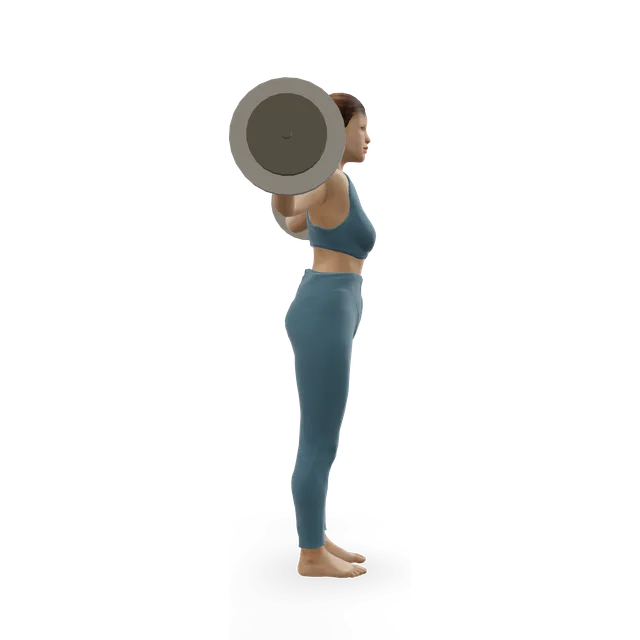
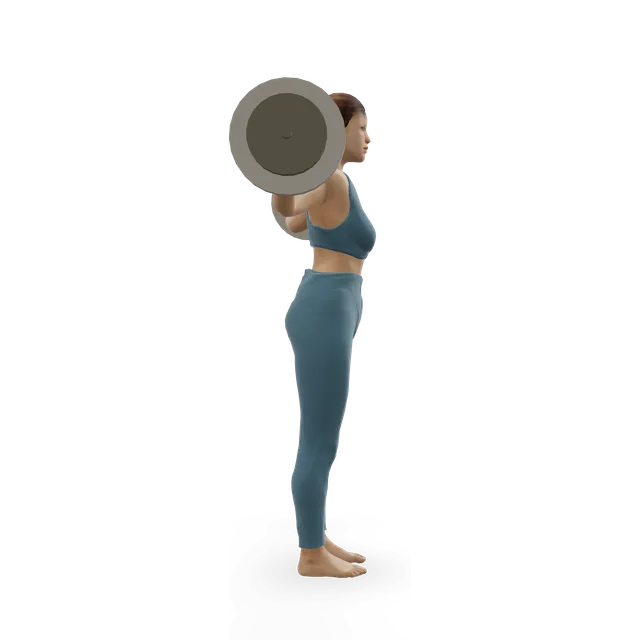
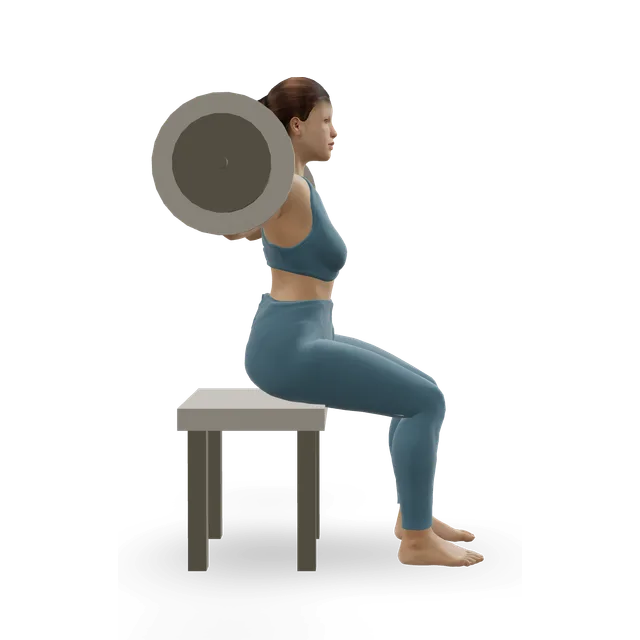
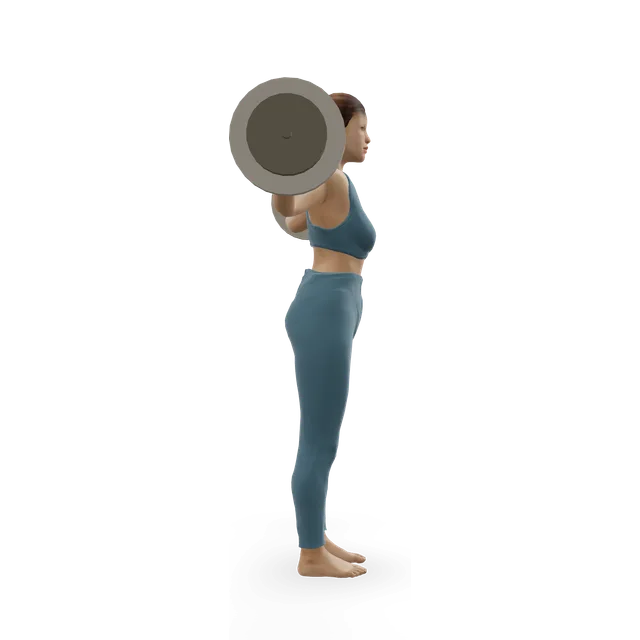
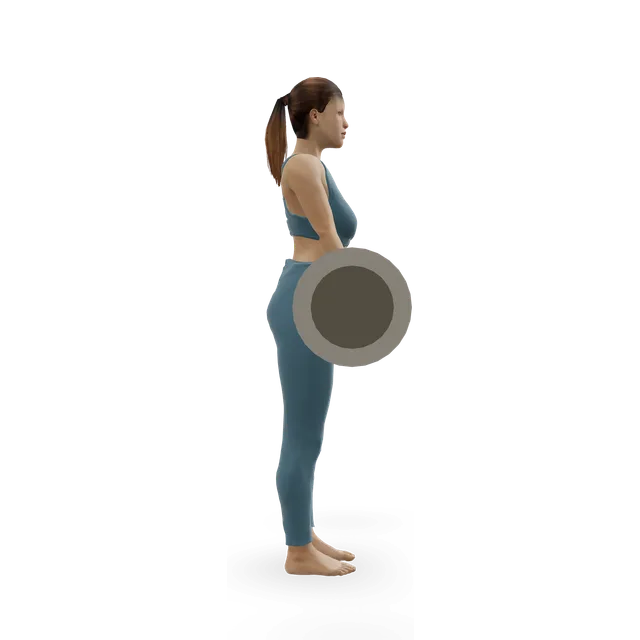
Bar across your upper back, feet hip-width apart, knees softly bent: push your hips back and lower your trunk until it's about level with the floor or your back starts to round, whichever comes first, then drive your hips forward to stand.
Mainly your hamstrings and the muscles along your spine, with your glutes helping and your quadriceps doing very little. The evidence comes from small lab studies of muscle activity and computer models, not training trials.
The bar sits far from your hips, so with the same weight on the bar (a quarter of body weight), a near straight-legged good morning loaded the hips about 16% more than a deadlift and the lower back about the same. Start with an empty bar.
There's no trial of good mornings for back pain or back injury. What we have is a low-quality review that didn't link bending the lower back while lifting to back pain, laboratory tests on pig spines, and one lab study of 13 people using light weights and nearly straight legs. Build up slowly, and leave them out during a back pain flare.
Stop each set with 2 or 3 reps to spare (our editorial starting point, matching the good morning variants' move pages), and count good mornings with your other hinges. NASM gives 3 sets of 6 to 12.
In 12 trained men, the Romanian deadlift (RDL) worked the hamstrings harder than the good morning, and you can load it far more. Good mornings add variety and extra work for your back muscles (our reading).
From NASM's good mornings page and our move page. The rack and safety-arm set-up and the cue not to lean back at the top are our editorial suggestions.
Set the bar in a rack at about mid-chest height, with the safety arms just below the lowest point of your hinge.
Step under and rest the bar across your upper back, on the muscle below your neck, with your hands a little wider than your shoulders.
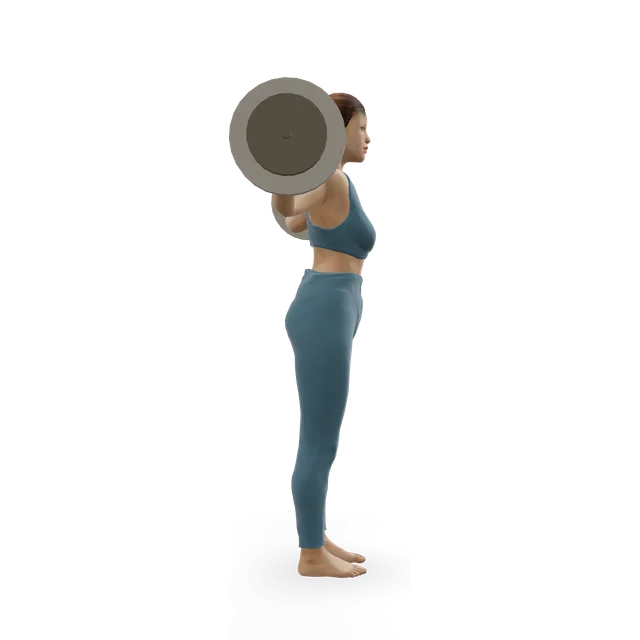
Step back and stand with your feet hip-width apart and your knees softly bent.
Breathe in and brace your trunk. With high blood pressure or another reason not to hold your breath, breathe out steadily as you stand back up.
Push your hips back and let your trunk tip forward with your back long, keeping the same soft knee bend all the way.
Stop when your trunk is about level with the floor, or just before your back starts to round, whichever comes first.
Drive your hips forward to stand tall, without leaning back, and rack the bar after your last rep.
Loading the 3D figure…
Drag to turn
Gets into position, then repeats the movement. Technical checks passed; qualified exercise review is pending.
Our move page stops when your trunk is about level or as far as your back stays long; NASM puts most people at 45 to 90 degrees of forward lean. Your hamstrings set your depth, and for some people that's well above level. That's fine.
Bending your knees more as you go down turns the lift into a squat, which NASM lists as a common mistake. In 15 trained men, knee bend rose from about 17 to 25 degrees as the bar got heavier, while hip bend stayed about the same.
Even in trained lifters, the lower back flexed about 25 to 28 degrees at the bottom, at every load. In another study it flexed about as much in the good morning as in the deadlift (24 against 27 degrees). "Keep a long back" means don't let it round further as you go down, not that it must be rigid.
Hamstrings and back muscles, more as the bar gets heavierEmerging evidence
In 15 trained men lifting 50 to 90% of their best, inner hamstring activity rose from about 26 to 40% of its maximum, outer hamstring from 20 to 30%, and the lower back muscles from 51 to 73%. One small lab study.
Hamstrings and glutes in the models, quadriceps hardly at allMixed evidence
In one computer model the hamstrings held the knee while the hips did the work, the quadriceps were inactive, and the glutes worked less than in deadlifts or split squats. In a model of 8 women, the glutes worked hardest in the good morning and the front leg of the split squat. The two disagree about the glutes.
Less hamstring work than the Romanian deadliftEmerging evidence
In 12 trained men lifting single reps at 85% of their best, hamstring activity was highest in the Romanian deadlift and the glute-ham raise, above the leg curl and the good morning.
A hinge trains your hips more than your lower backMixed evidence
In 36 trained men, 10 weeks of Romanian deadlifts raised the lift but not the strength of the lower back muscles on their own, which isolated back extensions did. That was a different hinge, but it suggests hinges like the good morning mostly train your hips (our reading).
We found no trial of good mornings themselves, so claims that they build bigger hamstrings, prevent injuries or fix back pain are untested.
Good mornings and your back
What the evidence is, and how thin it isMixed evidence
A review of 11 mostly low-quality studies found that bending the lower back while lifting wasn't a risk factor for back pain, and didn't separate people with and without it. The fear of rounding comes largely from laboratory tests on pig spines, bent and straightened tens of thousands of times under load, which developed disc bulges. The only good morning study of back loading was a lab study of 13 people using a quarter of their body weight with nearly straight legs. None of this tells you whether good mornings are safe for your back at heavier loads.
Same bar weight, about the same lower back load as a deadliftEmerging evidence
With a quarter of body weight on the bar, the turning force at the lower back was about the same in the good morning and the deadlift, and higher in a deadlift with half of body weight, while the hips worked harder in the good morning. It was one small lab study with light weights, so it can't tell you how your back handles heavier good mornings.
Sudden jumps in load matter more than small posture changesMixed evidence
A narrative review of deadlifting found that sudden increases in training load were more consistently linked with injuries than small departures from a "neutral" spine. It's a review of a different lift, not a trial.
In 8 men doing standing trunk exercises, including the unloaded good morning, bracing the stomach muscles stiffened the spine at the cost of more load on it.
Start with an empty bar or a band, stop above the point where your back starts to round, add weight in small steps only when every rep looks the same, and keep good mornings to 2 or 3 sets once or twice a week (our editorial starting point).
With back pain
Our back pain guides leave heavy good mornings out while pain is irritable, as a precaution, then bring hinging back with lighter moves first. Our deadlift back pain guide covers getting back to the bar, and the warning signs below say when to get help.
The UK consensus on exercise for osteoporosis advises avoiding postures with a lot of spinal bending, and recommends exercises that straighten the spine. Our move page says keep good mornings light with a long back, learn them with a coach, and leave them out after a spinal fracture.
Good mornings against RDLs, deadlifts and back extensions
Good morning or Romanian deadlift?Emerging evidence
Both are hip hinges. The RDL holds the bar in your hands close to your hips, so it goes much heavier, and it worked the hamstrings harder in one study. The good morning puts more of the load on your back muscles. Our RDL guide makes the RDL the main hinge.
In the lab study, the deadlift bent the knees far more (about 108 degrees against 5 in a near straight-legged good morning) and the hips more, while the good morning worked the hips harder for the same bar weight. They're different jobs: the deadlift lifts from the floor with your legs and hips together.
Back extensions and other optionsEmerging evidence
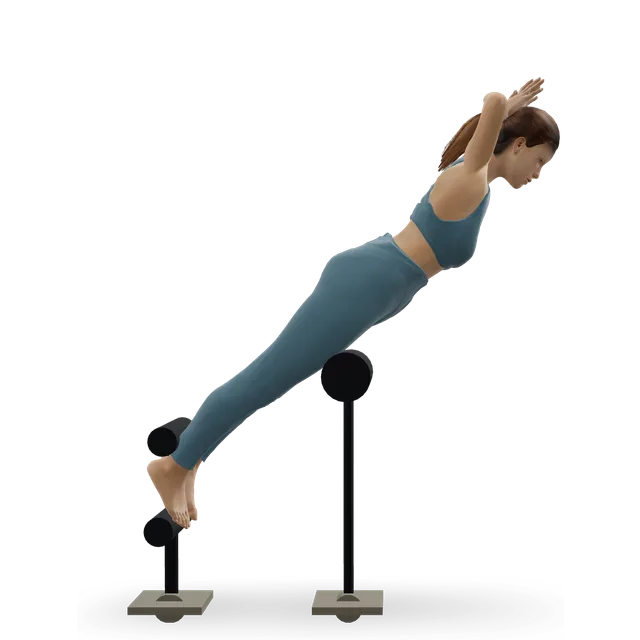
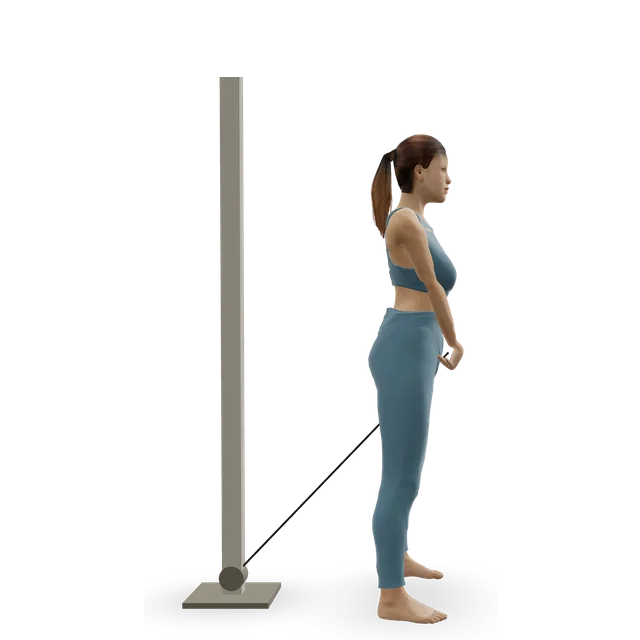
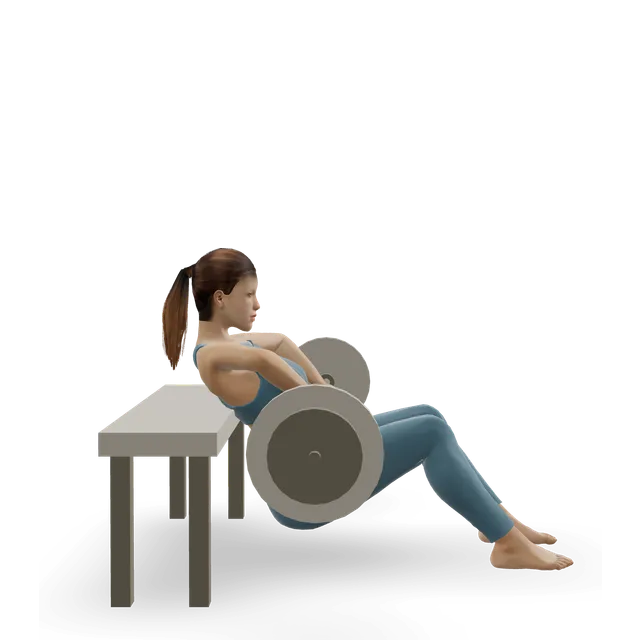
In 15 women, a 45 degree back extension worked the outer hamstring 71 to 174% more than a Romanian deadlift or a machine back extension, with similar back muscle activity. At half of each lift's maximum, the reverse hyperextension worked the glutes and hamstrings more than the RDL, and the cable pull-through less. None of these studies included the good morning.
A weekly pairing for the hamstringsEmerging evidence
Your hamstrings straighten your hip and bend your knee, and trials grow them through both: in 32 adults, slow Romanian deadlifts grew them about 10% in 6 weeks, and seated leg curls grew them 14% in 12 weeks in another trial. A hinge and a knee-bending curl each week is our editorial starting point, as in our RDL guide.
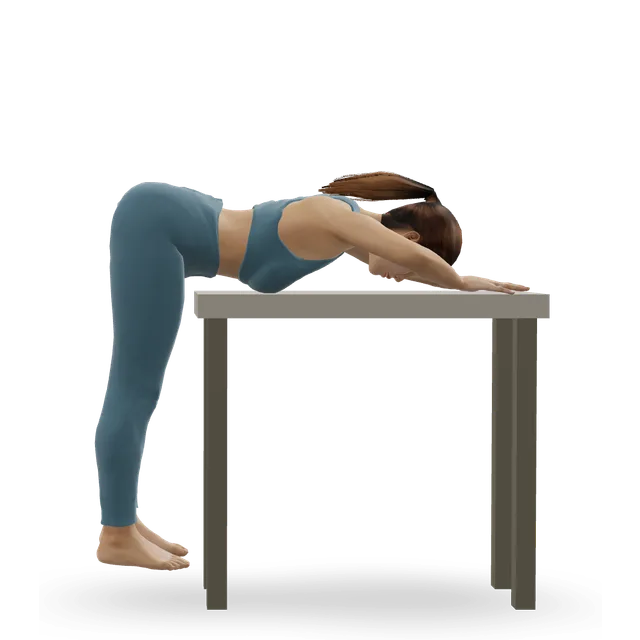
The hip hinge with a rod along your back, then the hip hinge fold. Aim for 10 to 15 good hinges in a row, as our RDL guide suggests.
Stage 2: at home or light
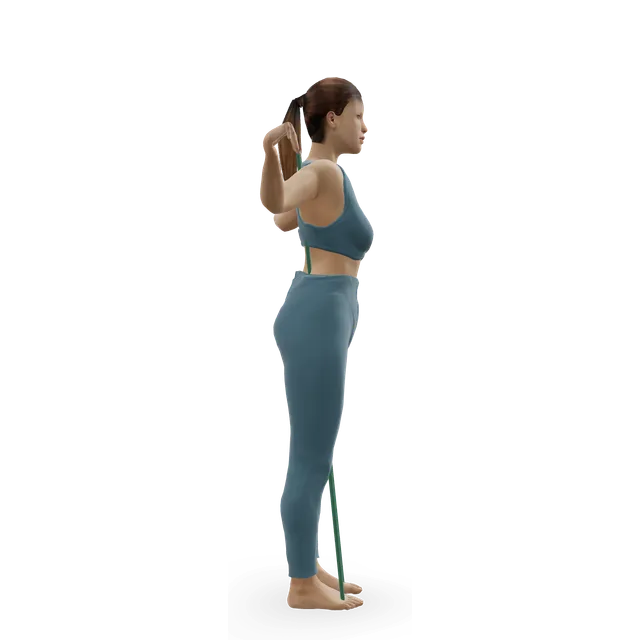
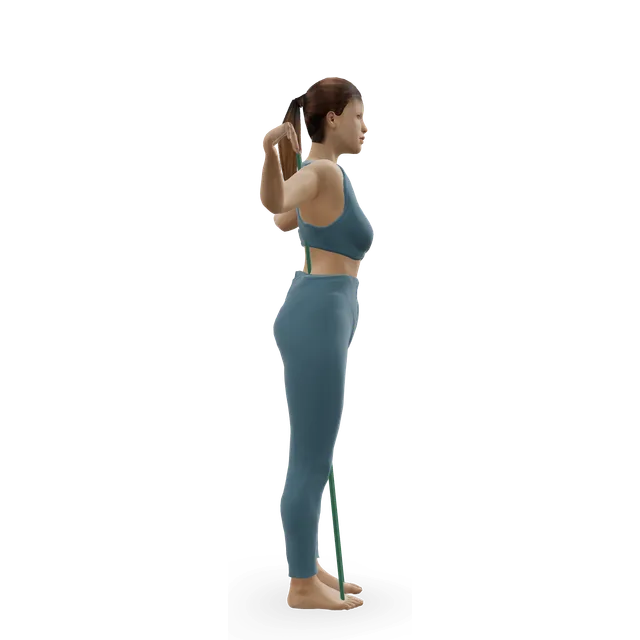
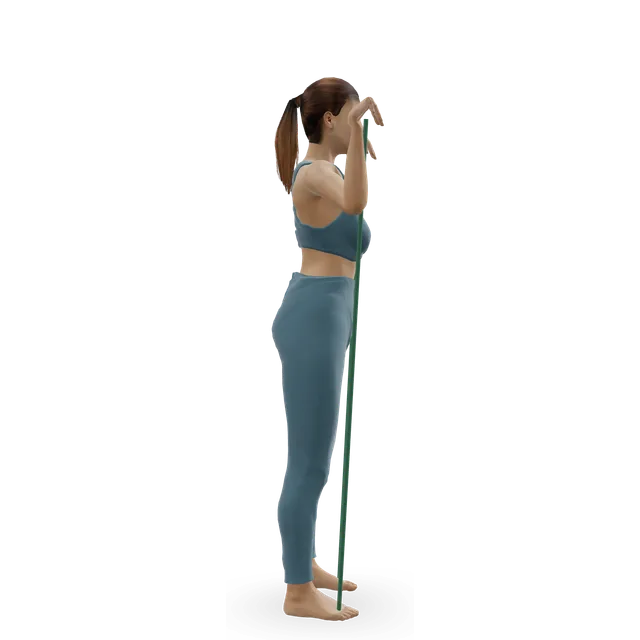
The band good morning, 2 to 3 sets of 8 to 12 with 2 or 3 reps to spare (its move page), or a light dumbbell RDL in the gym.
Stage 3: a controlled Romanian deadlift
The barbell good morning's move page asks for a controlled RDL first.
Stage 4: the empty bar, or off the pins
The barbell good morning with an empty bar, or the good morning off pins: the bar rests on safety pins at about stomach height and you start each rep from the bottom, so you can't drop lower than you planned (its move page: 2 to 3 sets of 8 to 12).
Then
Add weight in small steps, and try the seated, hanging bar or stiff-legged versions for variety, at their move pages' doses.
Good morning variations
Each variation gives 2 to 3 sets of 8 to 12, stopping with 2 or 3 reps in reserve, on its move page. The band versions work at home; the off-pins version starts each rep from the bottom.
2 to 3 sets of 8 to 12, stopping with 2 or 3 reps in reserve (RIR: how many more reps you could have done), our editorial starting point and the dose on every good morning variant's move page. NASM gives 3 sets of 6 to 12.
Start with the empty bar; our move page's cue is "start much lighter than a squat or deadlift". There's no reliable ratio to your deadlift, so add weight only when every rep looks the same (our editorial view).
How often and where
Once or twice a week, after your main squat or deadlift. Count good mornings with your other hinges, as our RDL guide says ("Count any other hinge, such as deadlifts or good mornings, in the same week"). Rest 90 seconds to 2 minutes between sets, as our plans suggest.
Breathing
Breathe in and brace before each rep. A brief breath hold is hard to avoid with heavy weights, but good mornings don't need to be heavy. With high blood pressure, heart disease, glaucoma or a hernia, breathe out as you stand and keep the weight moderate, as our breathing guide explains.
High blood pressure, heart disease, glaucoma or a hernia
Breathe out through each rep and keep the weight moderate, and get advice first if your blood pressure isn't controlled. After an inguinal hernia repair, the NHS says no heavy lifting for 4 to 6 weeks.
The NHS says you can keep up gym strength training if you already do it. Tommy's says pregnancy isn't the time for your heaviest weights, so use light or band versions and check with your midwife (our suggestion).
The posterior chain workout builds a session around light good mornings; the hamstring workout adds the knee-bending curls and Nordics, and the deadlift technique workout teaches the hinge from scratch.
If you get chest pain or pressure, feel faint or dizzy, are unusually breathless, or your heart races or beats irregularly during exercise, as our plans advise. The American Heart Association says these need immediate medical evaluation.
For back pain with pain, tingling, weakness or numbness in both legs, loss of feeling around your genitals or bottom, or changes in your bladder, bowels or sexual function: don't drive yourself. For sudden chest pain that doesn't go away or spreads, palpitations that don't stop, or if someone faints while exercising. For a headache that started suddenly and is extremely painful, for example while straining. If glaucoma symptoms come on suddenly, such as intense eye pain, a red eye or blurred vision.
A pop near your sitting bone, a large bruise high on the back of your thigh, or you can't put weight on the leg. The tendon may have pulled away from the bone, which needs assessing; our hamstring strain guide explains.
Urgent GP appointment or NHS 111
In the US, contact your doctor or urgent care. For back pain that's severe and starts suddenly or gets worse quickly, or comes with feeling hot, cold, shivery or generally unwell.
If pain in your back or the back of your thigh is sharp, builds during a set or lingers into the next day, swap to an easier hinge and see a clinician if it persists.
Myths
"Good mornings are bad for your back"Mixed evidence
We can't say they are or they aren't: no trial has tested good mornings for back pain or back injury. Bending while lifting wasn't linked to back pain in a low-quality review, the worry comes mostly from tests on pig spines, and weight for weight the good morning loaded the lower back about as much as a deadlift in one small lab study. Build up slowly from an empty bar.
"Keep your back perfectly flat, or you'll get hurt"Emerging evidence
Even trained lifters' lower backs flexed about 25 degrees at the bottom, about as much as in a deadlift. Aim for a long back that doesn't round further as you go.
We found no trial testing it; the main lab study of the good morning says only that this is "postulated". The hamstring exercise with injury trials is the Nordic curl.
With a bar across your upper back and your knees softly bent, push your hips back and lower your trunk until it's about level with the floor or your back starts to round. Then drive your hips forward to stand. Start with an empty bar.
What muscles do good mornings work?
Mainly your hamstrings and the muscles along your spine, with your glutes helping. Your quadriceps do very little. The evidence comes from small lab studies rather than training trials.
Are good mornings bad for your back?
The evidence is thin either way: no trial has tested good mornings for back pain or back injury. Bending while lifting wasn't linked to back pain in a low-quality review, but your back muscles work hard even with modest weights. Keep them light, stop before your back rounds, and leave them out while your back is sore.
Good mornings or Romanian deadlifts: which is better?
Both are hip hinges. The Romanian deadlift worked the hamstrings harder in one study and can be loaded much heavier, so make it your main hinge. Use good mornings for variety and extra back muscle work.
How heavy should good mornings be?
Much lighter than your squat or deadlift. Start with the empty bar, then do 2 to 3 sets of 8 to 12, stopping 2 or 3 reps short of failure, and add weight only when every rep looks the same.
How low should I go in a good morning?
Until your trunk is about level with the floor or your back starts to round, whichever comes first. For most people that's 45 to 90 degrees of forward lean, and tight hamstrings will stop you higher, which is fine.
Can I do good mornings with dumbbells or at home?
Yes: a resistance band under your feet and round your neck and shoulders works at home, and so does a dumbbell held to your chest. The movement is the same hinge, with the same depth rule.
Do good mornings help lower back pain?
We found no trial testing them for back pain. Our back pain guides cover the exercise that does help; if your back is sore after lifting, follow the deadlift back pain guide before bringing good mornings back.
Should my knees be bent in a good morning?
Slightly, and keep the same bend all the way down and up: bending them more as you go turns it into a squat. Trained men bent their knees about 17 to 25 degrees, more as the weight went up.
Are seated good mornings any good?
They're a shorter version: sitting takes your hamstrings mostly out of it, so they mainly work the muscles along your spine. They have a 3D demo and their own dose on the move page.
Can I do good mornings when pregnant?
If you already lift, the NHS says you can keep up strength training. Tommy's advises against your heaviest weights and holding your breath, so use light or band versions and check with your midwife.
Exercise education, not a personal prescription, and clinical review of these guides is pending. Check with a GP before starting hard training if you have a heart condition, chest pain, dizziness or breathlessness when active, and stop for sharp or increasing pain. Health disclaimer.