Revolved half moon pose (Parivrtta Ardha Chandrasana)
Balancing on one straight leg with the opposite hand on a block under your chest, you lift the back leg to hip height and turn your chest toward the standing leg, the top arm reaching up. Half moon opens the chest away from the standing leg; this version turns toward it, so the trunk twists against a one-legged base. Doug Keller notes that balancing on one leg while twisting raises the demand on the outer hip muscles that keep the pelvis level.
Movement guide
Revolved half moon pose (Parivrtta Ardha Chandrasana)
Loading the 3D figure…
Make it easier or harder
Choose a version that fits your control and comfort.
Easier option
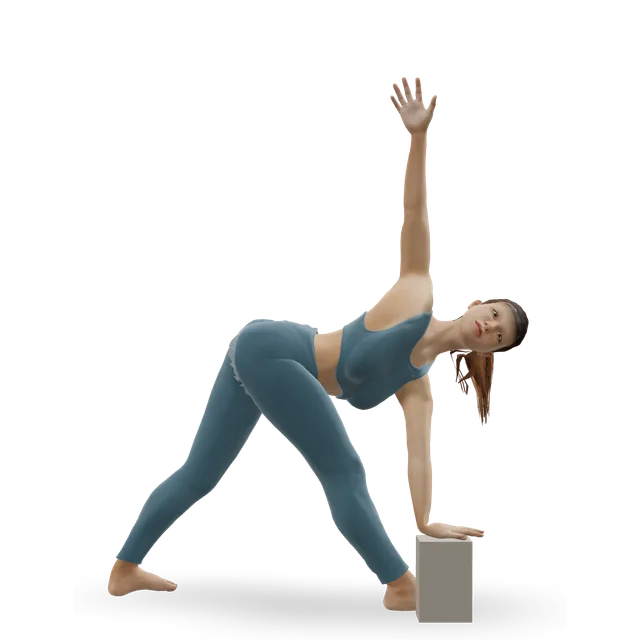 3D demoRevolved triangle pose (Parivrtta Trikonasana)Advanced · A step
Suggested next step, advanced grade.
This move
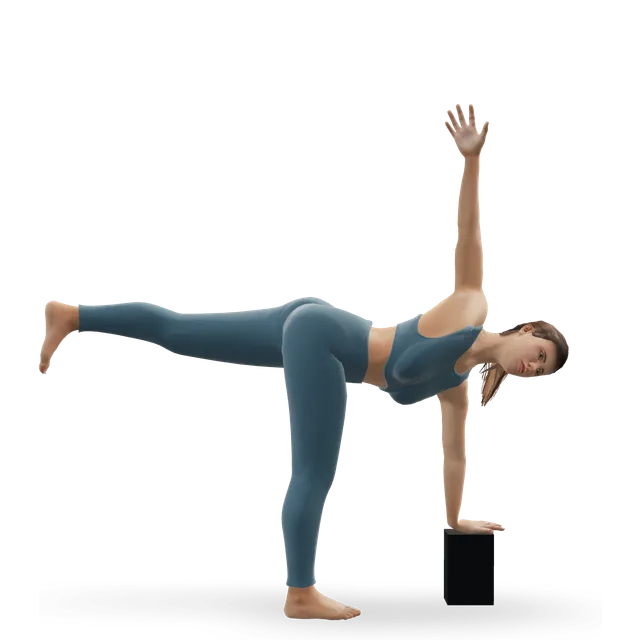 3D demoRevolved half moon pose (Parivrtta Ardha Chandrasana)Advanced · A step
Advanced grade.
Harder option
Keep a comfortable range and follow any technique and timing given in the guide. A deeper stretch or more complex pose is optional, not a required next step. Ingram 2025 review of stretching and range of motion
Source-researched guide.
How to move
- Stand with your feet together and a block on the floor about 30 cm in front of your right foot. Hinge forward and place your left hand on the block, under your chest.
- Shift your weight onto your right leg and lift your left leg behind you to hip height, foot flexed, as if pressing it into a wall.
- Keep your hips level and turn your chest to the right, toward the standing leg, with your right hand on your hip. Reach the right arm to the ceiling once you are steady.
- Hold, looking down or to the side, then lower your right hand, bring your left foot down and change sides.
Form cues
- Keep the standing knee soft rather than locked.
- Use the block as a guide rather than leaning your weight on it.
- Avoid: rolling the lifted hip up to fake the twist; turn from the ribs.
Practice and cautions
Hold 3 to 5 slow breaths each side, 2 or 3 times, near a wall at first (our editorial starting point).
Not one to force with sacroiliac pain or disc irritation. Usually left out in later pregnancy. This is movement education, not an assessment or treatment prescription. Stop for sharp or increasing pain, dizziness, numbness or tingling; seek individual guidance for symptoms, injury or restrictions.
Sources and review status
Sources support the educational description; they do not establish that this exercise is suitable for you.
- Yoga Journal · Revolved half moon at the wall (the hand opposite the standing leg on a block under the chest, the chest turning toward the standing leg) ↗
- YogaUOnline · Revolved half moon pose (how-to from revolved triangle, with a block under the bottom hand) ↗
- Yoga International · Hip pain (Doug Keller: one-leg balances that twist, such as revolved half moon, raise the demand on the outer hip muscles that level the pelvis) ↗
No variation is labeled clinically validated.
What it works
Muscles
Main: Glutes, Hip abductors. Also: Hamstrings, Abs, Back.
Anatomy: Gluteus maximus, Piriformis, Obturator internus, Gluteus medius, Gluteus minimus, Tensor fasciae latae.
Equipment
A step
Level
Advanced. See the easier and harder options above.
Similar moves
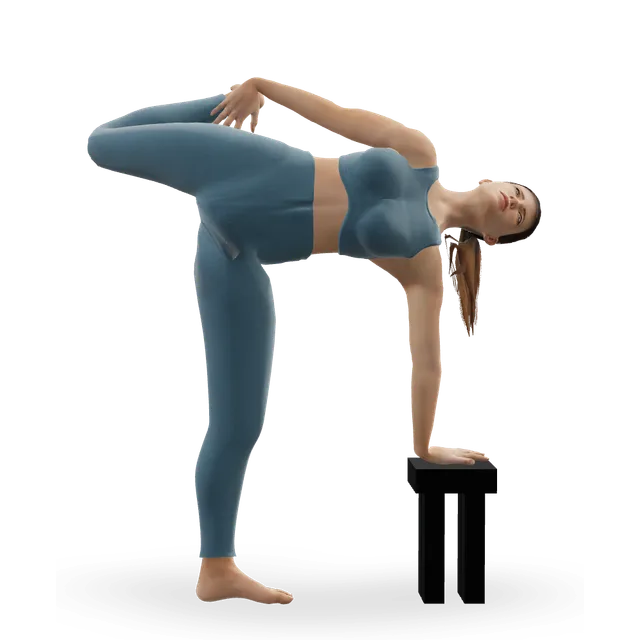 3D demoSugarcane pose (Ardha Chandra Chapasana)Advanced · A step
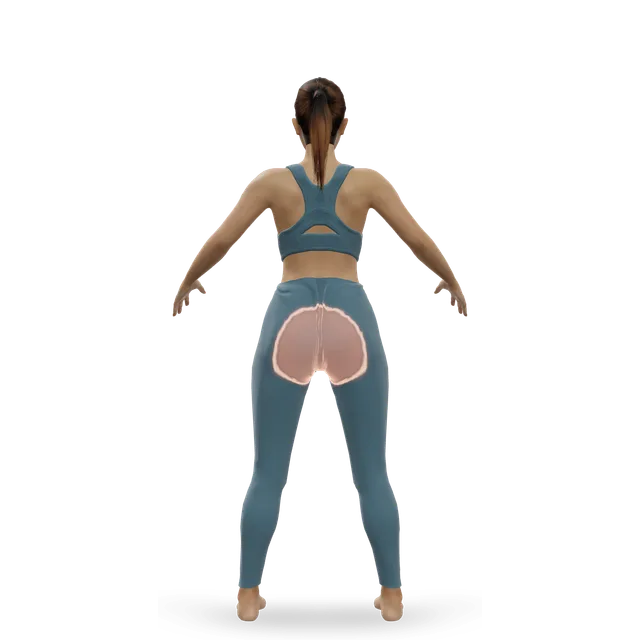 Half lotus pose (Ardha Padmasana)Advanced · Firm cushion
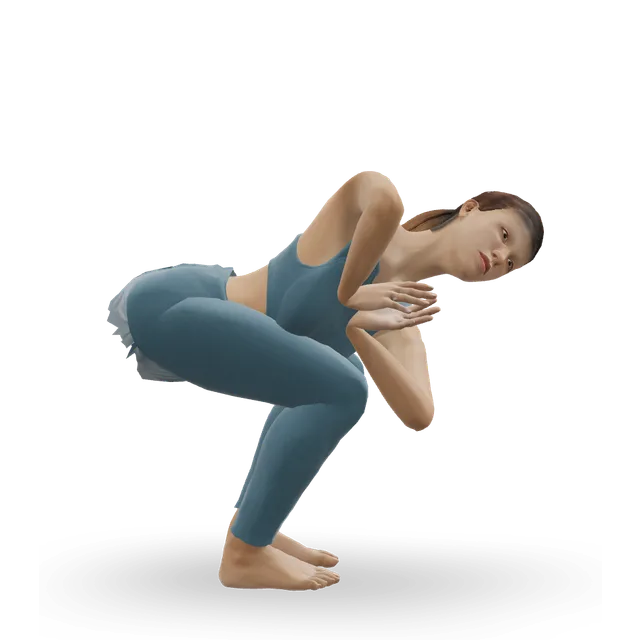 3D demoRevolved chair pose (Parivrtta Utkatasana)Intermediate · No equipment
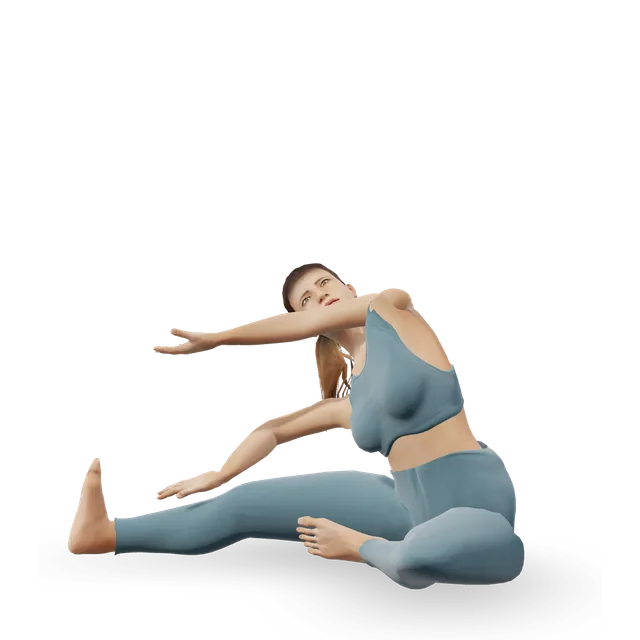 3D demoRevolved head-to-knee pose (Parivrtta Janu Sirsasana)Intermediate · No equipment
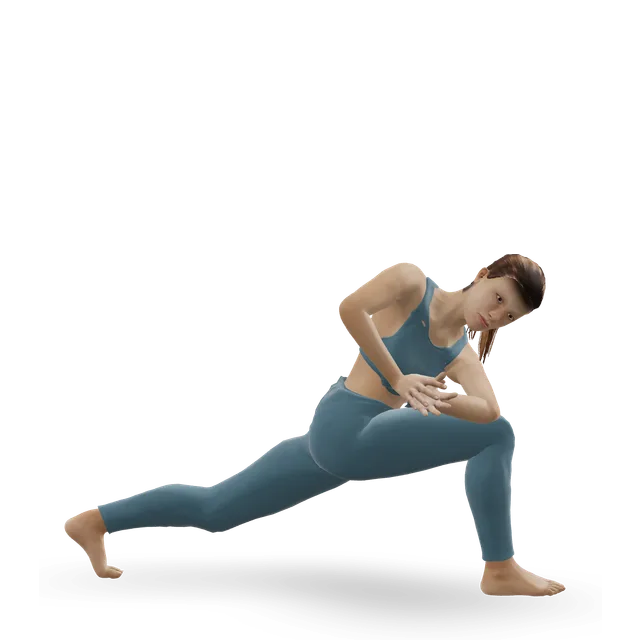 3D demoRevolved side angle (Parivrtta Parsvakonasana)Advanced · No equipment
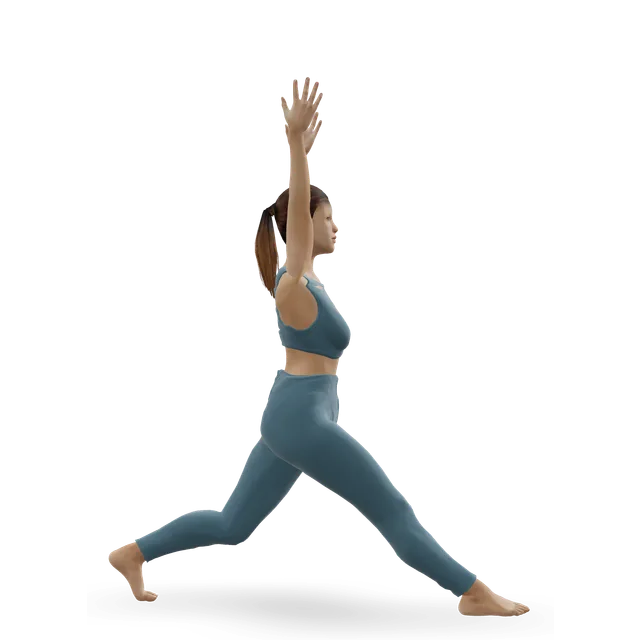 3D demoHigh lunge (crescent lunge, Ashta Chandrasana)Intermediate · No equipment
Browse more
Questions people ask
What muscles does the Revolved half moon pose (Parivrtta Ardha Chandrasana) work?
Mainly the glutes and hip abductors, with help from the hamstrings, abs and back.
What equipment do I need for the Revolved half moon pose (Parivrtta Ardha Chandrasana)?
A step.
Is the Revolved half moon pose (Parivrtta Ardha Chandrasana) good for beginners?
It is an advanced move. Build up to it with the Revolved triangle pose (Parivrtta Trikonasana) first.
What is an easier alternative to the Revolved half moon pose (Parivrtta Ardha Chandrasana)?
Try the Revolved triangle pose (Parivrtta Trikonasana) or the Half moon pose (Ardha Chandrasana). It is the suggested step down from this move.