Half lotus pose (Ardha Padmasana)
Sitting cross-legged on a cushion, you lift one foot onto the opposite thigh near the hip crease, sole turned up, while the other shin rests on the floor. It is the halfway step between easy pose and full lotus. Lotus positions need about 115 degrees of outward rotation at the hip, and when the thigh stops turning, the force passes to the knee and pinches its inner cartilage, so the turn must come from the hip.
Movement guide
Half lotus pose (Ardha Padmasana)
Make it easier or harder
Choose a version that fits your control and comfort.
Easier option
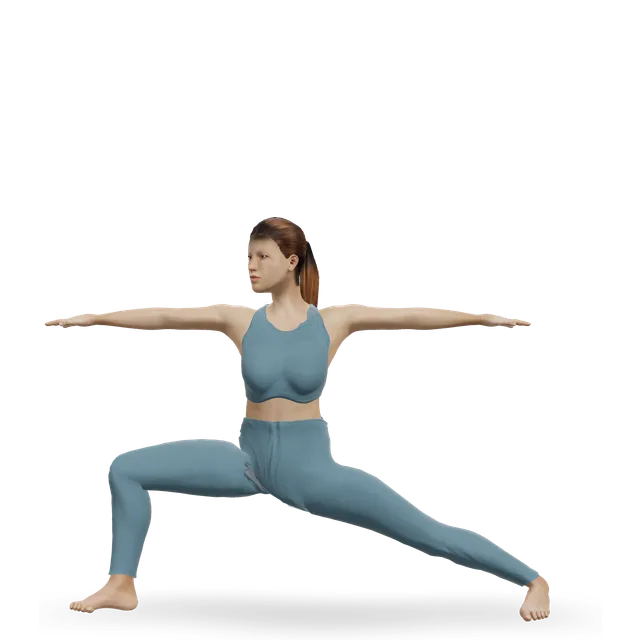 3D demoExtended side angle (Utthita Parsvakonasana)Intermediate · No equipment
Similar move, intermediate grade.
Harder option
 Lotus pose (Padmasana)Advanced · No equipment
Suggested next step, advanced grade.
Source-researched guide.
How to move
- Sit cross-legged on a firm cushion or folded blanket so your hips are higher than your knees.
- Hold your right shin with both hands and turn the whole thigh out from the hip, so the shin rolls toward you.
- Keeping that turn, lift your right foot onto your left thigh near the hip crease, sole facing up, and let the knee lower toward the floor. Your left shin stays on the floor under the right knee.
- Sit tall with your hands resting on your knees or thighs, a block under the right knee if it floats.
- To come out, lift the foot down with your hands, straighten your legs, then change sides.
Form cues
- Turn the thigh out from the hip before the foot goes up.
- Reach through the foot so the ankle doesn't roll in.
- Avoid: pulling the foot up by the ankle or pressing the knee down.
Practice and cautions
Sit 1 to 2 minutes each side on a cushion, then change legs, and change which side you start with from day to day, as Yoga Journal advises for lotus (our editorial starting point).
Long sits can press the heel of one foot into the back of the other thigh: case reports describe sciatic nerve damage and foot drop after habitual sitting in lotus variations. Change legs every minute or two, and stand up if a leg goes numb. Stop immediately if you feel it in the knee. Knee injuries in yoga are frequently linked to lotus positions taken before the hips rotate freely. This is movement education, not an assessment or treatment prescription. Stop for sharp or increasing pain, dizziness, numbness or tingling; seek individual guidance for symptoms, injury or restrictions.
Sources and review status
Sources support the educational description; they do not establish that this exercise is suitable for you.
- Yoga Journal · Lotus pose (how-to: rotate from the hip, not the knee; half lotus as the easier variation; alternate the cross daily) ↗
- Yoga Journal · Protect the knees in lotus and related poses (Roger Cole: lotus needs about 115 degrees of outward hip rotation, and when the thigh stops turning, the inner knee cartilage is pinched) ↗
- Cramer 2013 · 76 published cases of harm from yoga: lotus variations among the poses most often named, with thigh nerve injuries; vertebral artery occlusion in bridge pose; peroneal nerve palsy with the kneeling vajrasana (systematic review, PLoS One) ↗
- Bosma 2014 · Severe sciatic nerve injury and foot drop in a man who habitually sat in a modified lotus, one thigh resting on the other foot's heel (case report, World J Clin Cases) ↗
No variation is labeled clinically validated.
What it works
Muscles
Main: Glutes, Hip abductors. Also: Adductors, Quads.
Anatomy: Gluteus maximus, Piriformis, Obturator internus, Gluteus medius, Gluteus minimus, Tensor fasciae latae.
Equipment
Firm cushion
Level
Advanced. See the easier and harder options above.
Guides that use it
Similar moves
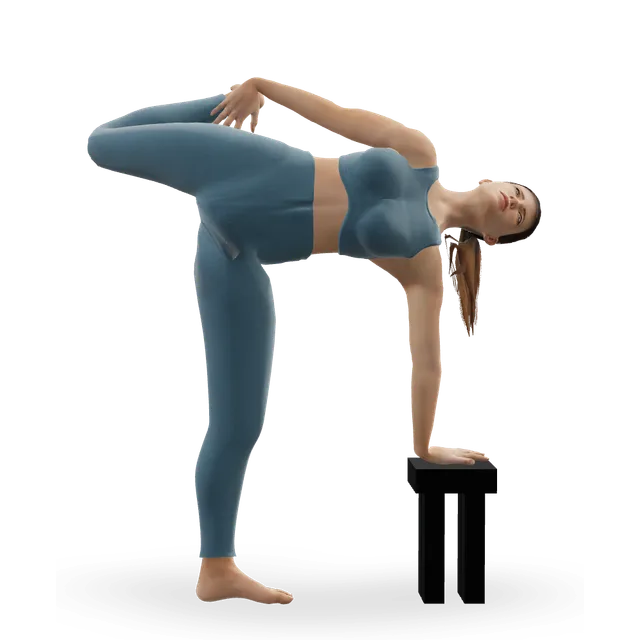 3D demoSugarcane pose (Ardha Chandra Chapasana)Advanced · A step
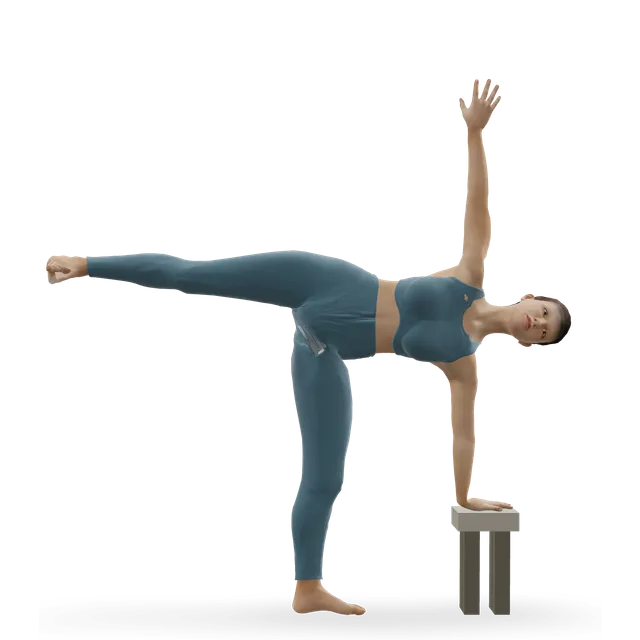 3D demoHalf moon pose (Ardha Chandrasana)Advanced · A step
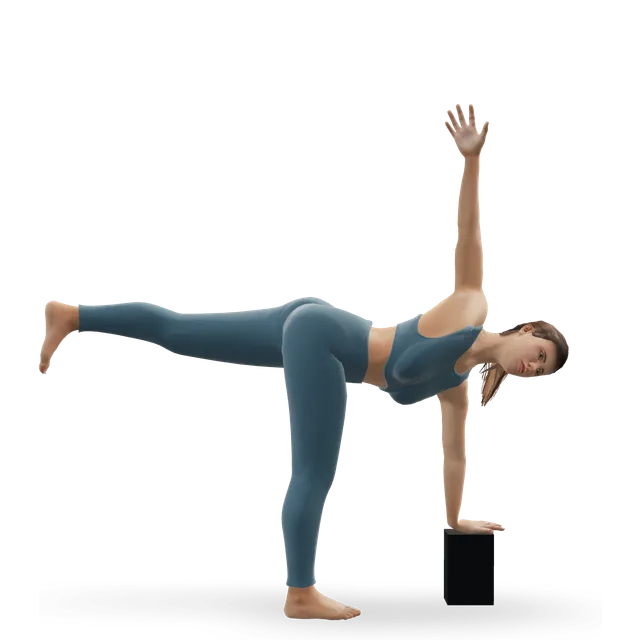 3D demoRevolved half moon pose (Parivrtta Ardha Chandrasana)Advanced · A step
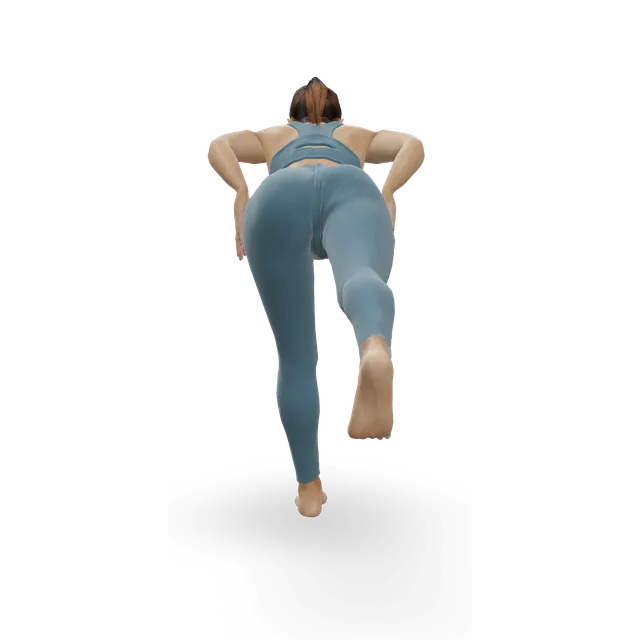 3D demoHip airplaneAdvanced · No equipment
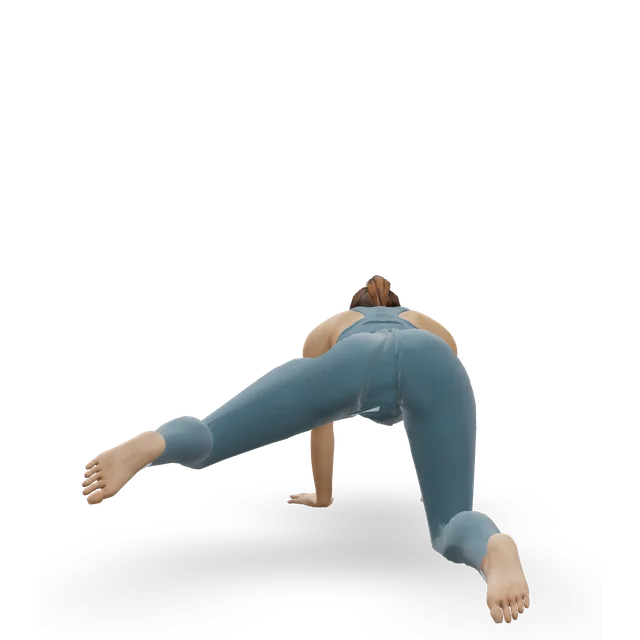 3D demoHip circles on all foursBeginner · No equipment
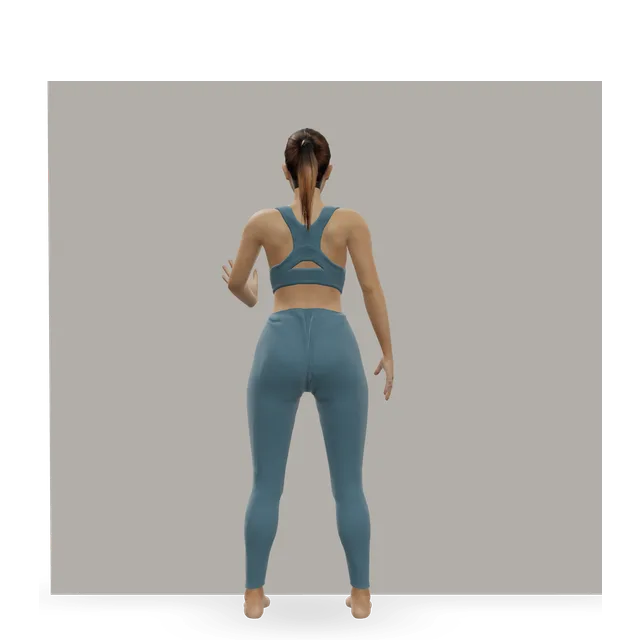 3D demoSide-stepping (sideways walking)Beginner · A wall
Browse more
Questions people ask
What muscles does the Half lotus pose (Ardha Padmasana) work?
Mainly the glutes and hip abductors, with help from the adductors and quads.
What equipment do I need for the Half lotus pose (Ardha Padmasana)?
Firm cushion.
Is the Half lotus pose (Ardha Padmasana) good for beginners?
It is an advanced move. Build up to it with the Extended side angle (Utthita Parsvakonasana) first.
What is an easier alternative to the Half lotus pose (Ardha Padmasana)?
Try the Extended side angle (Utthita Parsvakonasana) or the Humble warrior (Baddha Virabhadrasana). It works similar muscles at a lower grade.
How do I make the Half lotus pose (Ardha Padmasana) harder?
Progress to the Lotus pose (Padmasana) or the Marichi's pose D (Marichyasana D). Follow that guide’s technique and any stated timing.