Yoga guide

Yoga for hip bursitis (trochanteric pain): poses that load the hip without squeezing it, and the ones to change

Hip bursitis is pain over the bony point on the outside of the hip. No trial has tested yoga for it. But exercise plus advice on avoiding positions that squeeze the hip's tendons did better than a steroid injection in a trial of 204 people, and yoga can be that exercise if you choose the poses. The catch: many popular hip openers, crossed-leg poses and side-lying rests are the positions to avoid while it hurts.

This guide explains why it's usually the gluteal tendons rather than the bursa, which poses to start with and which to change or leave out, how to lie in savasana and in bed, how much pain is fine, how long it takes, and a 25-minute class that strengthens without squeezing. If you can't put weight on your leg after a fall, or your hip is hot and swollen with a fever, start with the warning signs.

The short version

No trial of yoga, but exercise helps

We found no trial of yoga for hip bursitis; the only yoga record is one injury case. Exercise plus advice did better than a steroid injection in a trial, and yoga can be the exercise part if you choose the poses. It isn't a treatment of its own.

Sources 1, 2, 3

It's usually the tendons, not the bursa

On ultrasound in 877 people with this pain, 4 in 5 had no bursitis, and about half had changes in the gluteal tendons. An NHS hospital says the tendons are not normally inflamed, which is why rest and anti-inflammatory tablets often don't fix it.

Sources 4, 5

Stop squeezing the tendons first

Crossing your legs, standing hanging on one hip, low chairs and lying on the sore side press the tendons against the bone. Advice to avoid them was part of the programme that did best in the main trial, and it may matter as much as the exercises.

Sources 5, 3, 6

Strength poses, pelvis level

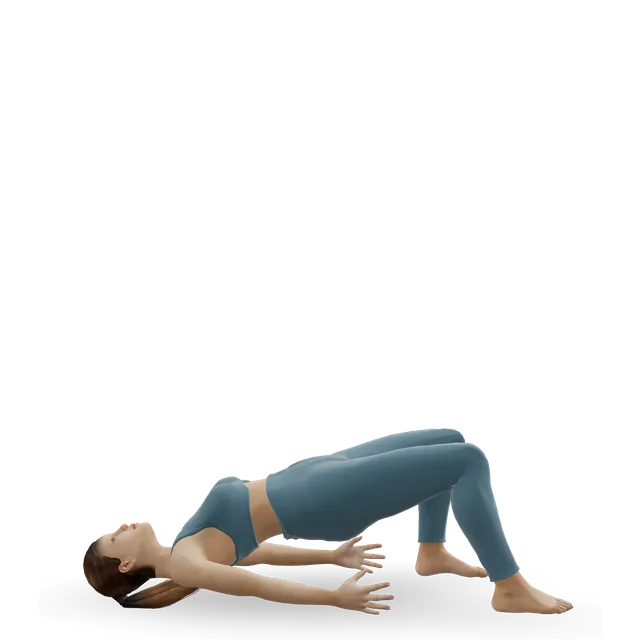
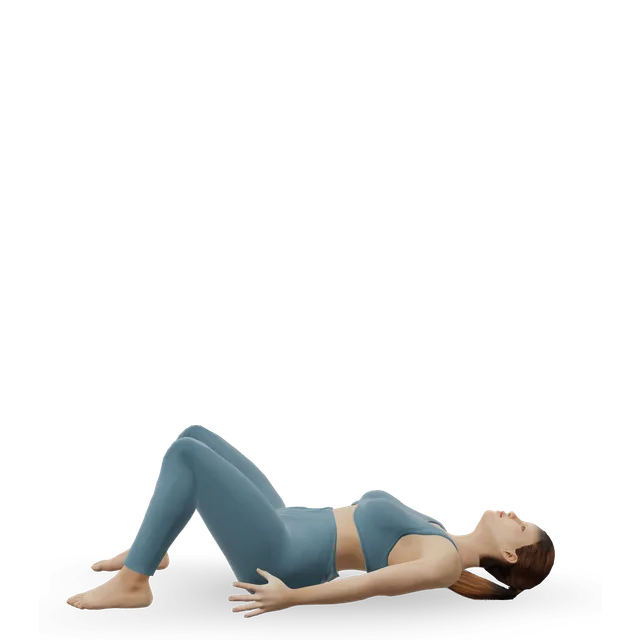
Start with gentle presses of the leg outwards, bridges, chair pose and side-steps, then one-leg poses with your pelvis level and your standing hip drawn in. Our suggestion: leave out pigeon, figure four, eagle, cow face and crossed-knee twists while it hurts.

Sources 7, 8, 9

Give it months

One NHS hospital tells patients recovery can take 6 to 12 months with exercise. The evidence for every treatment is thin: there is no Cochrane review, no treatment guideline, and the certainty of the exercise trials is low to very low.

Sources 5, 10, 11

Hip bursitis, and how yoga loads the side of the hip

Pain over the bony point

Pain over the bony point on the outside of the hip (the greater trochanter), sometimes spreading down the outer thigh. It tends to hurt after a long rest, lying on that side, with deep squatting, on stairs and during or after impact exercise, and it often disturbs sleep. Its medical name now is greater trochanteric pain syndrome, which was "previously referred to as trochanteric bursitis".

Sources 5, 12, 13

Usually the tendons

In 877 people scanned at one US centre, 79.8% had no bursitis on ultrasound; 49.9% had gluteal tendon changes, 28.5% a thickened band of tissue down the outer thigh (the iliotibial or IT band), and 20.2% bursitis. The NHS's general bursitis page advises resting the joint, but it covers bursitis anywhere in the body and doesn't mention the gluteal tendons. A doctor or physiotherapist can usually recognise this pain from where it hurts and a few simple tests.

Sources 4, 5, 14, 15

How common it is

In 3,026 adults aged 50 to 79, 15.0% of women had it on one side and 8.5% on both, against 6.6% and 1.9% of men. Low back pain and knee arthritis went with it. In a Dutch general practice it was the commonest tendon problem in the leg, at about 3 new cases per 1,000 people a year.

Sources 16, 17

How yoga loads the side of the hip

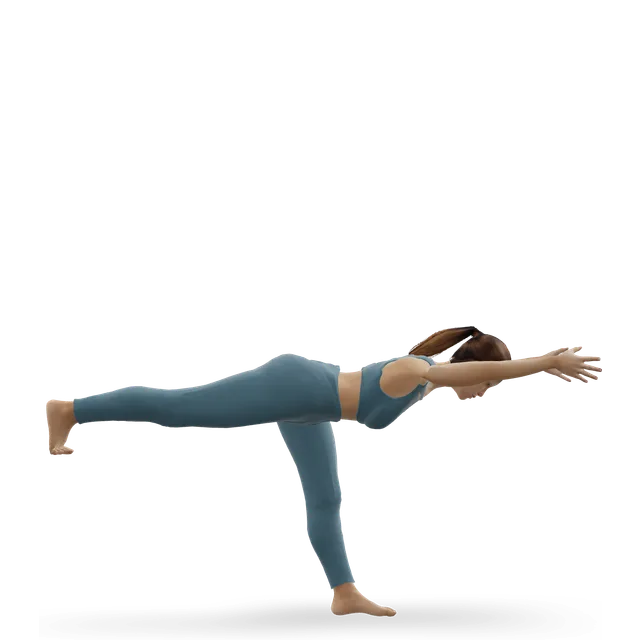
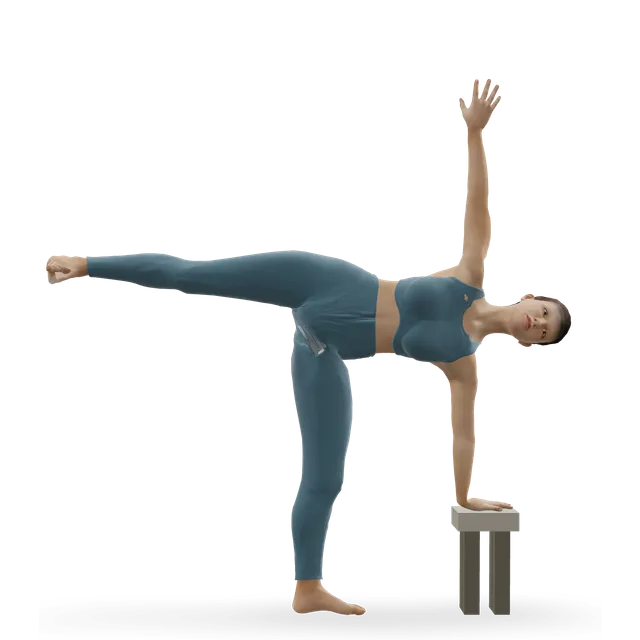
In 20 regular practitioners filmed in 11 poses, eagle and a seated twist took the thigh furthest across the body; downward dog, a forward fold, a seated twist and pigeon bent the hip deeply. Two small lab studies in healthy young adults measured the side-hip muscles: half moon and warrior III worked them hardest of 5 poses, tree and warrior II least, and half moon varied widely between people. Muscle activity isn't tendon load, and nobody in these studies had hip pain.

Sources 18, 8, 19

What the evidence says

The treatment with evidence is education plus progressive exercise. Yoga has no trial.

No yoga trialStrong evidence

PubMed and Europe PMC searches found no trial, cohort or case series of yoga for this pain. The only yoga record is one person with trochanteric pain among 89 people seen at a US clinic for injuries caused by yoga.

Sources 1, 2

Education plus exercise beat an injectionEmerging evidence

In the LEAP trial, 204 people aged 35 to 70 with at least 3 months of side-hip pain had 14 physiotherapy sessions of education plus exercise over 8 weeks, a steroid injection, or wait and see. At 8 weeks, 51 of 66 felt better with education plus exercise, against 38 of 65 after the injection and 20 of 68 who waited. At a year, it still led on overall improvement (51 of 65, against 36 of 63 and 31 of 60), though pain was by then similar to the injection group's.

Strength didn't differ between the groups, so the authors think much of the benefit came from the education. One trial, not blinded for the people taking part.

Source 3

The advice may matter as much as the exercisesMixed evidence

In 132 postmenopausal women, everyone was taught to avoid squeezing the tendons and to manage load. Tendon exercise did no better than sham exercise at 12 weeks or a year, and every group improved. There was no group without the advice, so its effect can't be measured directly.

Source 6

Reviews put exercise first, on thin evidenceEmerging evidence

A review of 6 trials (733 people) found exercise slightly reduced pain in the long term and recommends it first. Another rated the certainty low to very low. A third rated exercise with education as moderate, resting on one trial. A network analysis of 19 trials ranked exercise first for pain, about 0.8 points better than placebo on a 0 to 10 scale, from few and varied trials.

Sources 20, 10, 21, 22

Injections, shockwave and PRPMixed evidence

A steroid injection eased pain for weeks but did no better than exercise for pain at a year. Shockwave lowered pain at 2 to 4 months across 8 trials, 7 of them at high risk of bias, with function gains too small to matter. Platelet-rich plasma (PRP) did better than mostly steroid injections in some of 5 small, varied trials.

Sources 3, 21, 23, 24

No guidelineStrong evidence

There is no Cochrane review and no treatment guideline for this pain; researchers agreed in 2024 on what to measure in future trials, including pain at night.

Sources 11, 25

Why some poses squeeze the tendons

The idea: squeezing plus loadEmerging evidence

A review says "The combination of excessive compression and high tensile loads within tendons are thought to be most damaging", with the thigh drifting across the body as a key factor. In cadavers and anaesthetised surgical patients, pressure under the outer-thigh band rose as the hip moved across, to 106 newtons at 40 degrees. People with this pain let the hip drop and the pelvis shift out more when standing on one leg. It's the leading explanation, not a proven cause.

Sources 13, 7, 26, 27

What the trial left outEmerging evidence

The LEAP programme avoided the usual stretches for the side of the hip, because they hold "the hip in forced adduction, which is a position of high compressive loads on the gluteal tendons", and it limited the thigh crossing in its exercises.

Source 7

Everyday positions to avoid

An NHS hospital's advice, while it's painful:

  • Don't sit with your legs crossed, and avoid low chairs.
  • Spread your weight evenly across both feet rather than leaning on one leg.
  • Don't sleep on the painful side: lie on your back with a pillow under your knees, or on your good side with a pillow between your legs.
  • Don't stretch the outside of the hip a lot, rest completely or press hard on the sore spot.

Source 5

In yoga: our suggestion

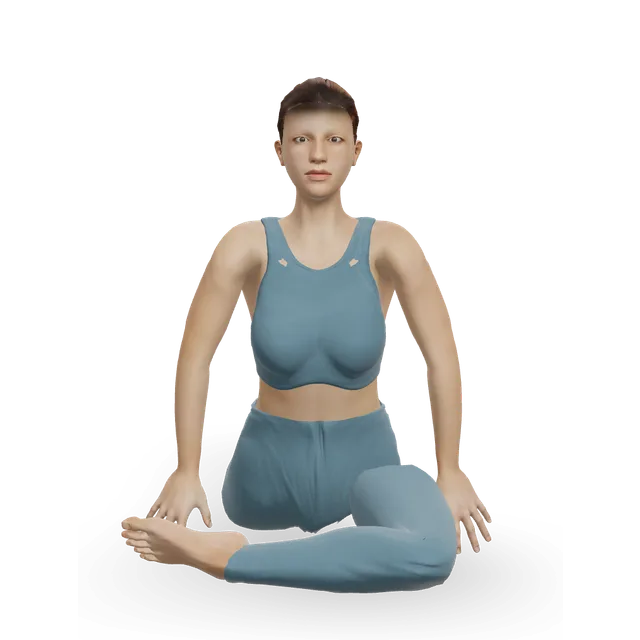
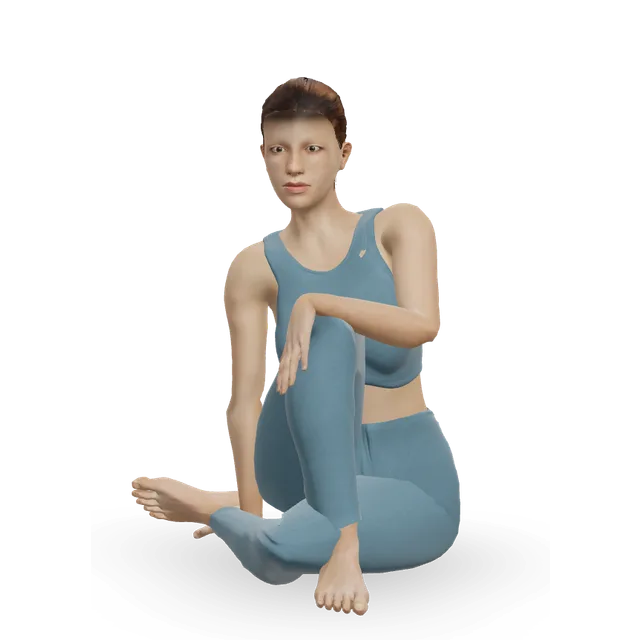
No study has measured tendon squeeze in yoga poses. From the hospital's advice, the trial's education and the cadaver study, our suggestion is to change or leave out, while it hurts: pigeon, figure four, eagle, cow face, twists that pull a knee across, poses lying on the sore side, deep squats, and long one-leg balances with the hip jutting out.

Sources 5, 7, 26, 18

Tree pose, changed

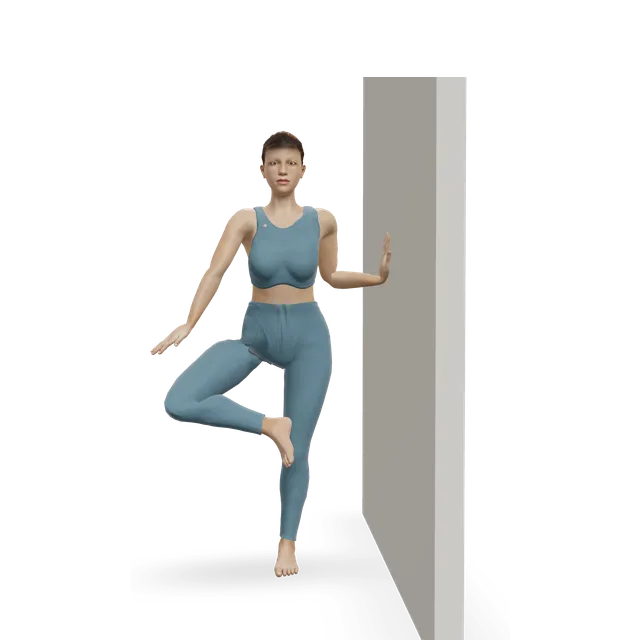
A hip physiotherapist suggests keeping your pelvis over your standing foot and the standing hip drawn in, not pushing the bent knee back, resting a hand on a wall or the ball of the lifted foot on the floor, and shorter holds. This is expert opinion.

Sources 9, 27

How to lie, in class and in bed

Savasana and rest poses

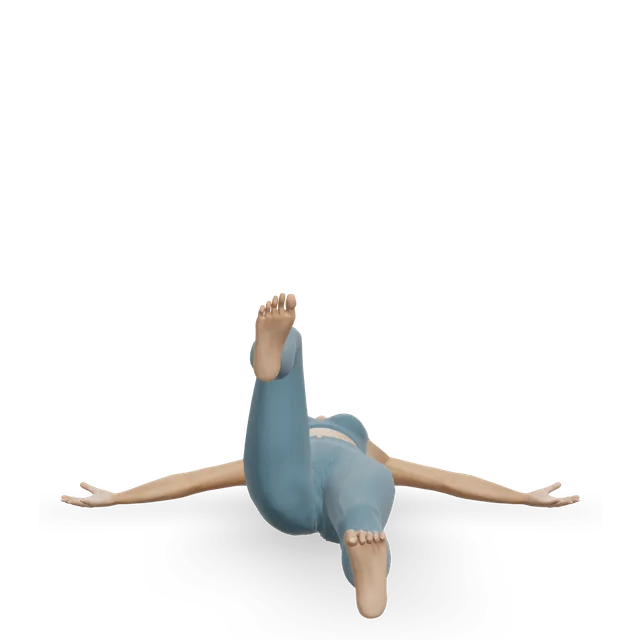
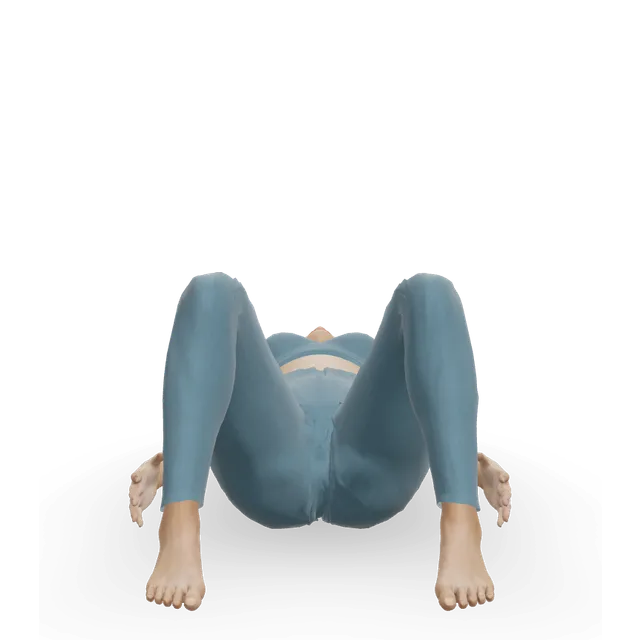
On your back with a cushion under your knees, or on your good side with pillows between your knees so the top leg stays level with your hip. Skip resting on the sore side, and in yin or restorative classes, swap side-lying poses for ones on your back.

Source 5

At night

The same positions help in bed. Our hip pain at night guide covers how to sleep and how to get back to lying on the sore side.

Source 5

How much, and how it should feel

What the trial used

4 to 6 exercises at home every day, taking no more than 15 to 20 minutes, with physiotherapy once a week for 2 weeks and twice a week for 6. Week 1 was gentle presses of the leg outwards lying down (holds of 5 to 10 seconds) and standing (5 to 15 seconds), 3 to 5 at a time, twice a day, plus 10 bridges, 10 squats and 10 side-steps each way once a day. From week 2 it moved weight onto one leg.

Sources 7, 3

The pain rule

The LEAP programme accepted no increase in outer hip pain during squats, bridges and side-stepping, because pain there suggested the tendon was being squeezed. During heavier strengthening, pain up to about 5 out of 10 was fine if it eased afterwards and was no worse that night or the next morning.

Source 7

Our editorial starting point

Our 25-minute yoga for hip pain class 2 or 3 times a week, with the lying and standing presses on the other days. Add one change at a time, and give it 8 to 12 weeks before judging it; the full recovery can take months.

Sources 7, 5

Week 1: load without squeezing

Lying leg press: "3 to 5 holds of 5 to 10 seconds, twice a day, at a light effort: the starting dose in the LEAP trial programme." (the move page's dose). Standing wall press: "3 to 5 holds of 5 to 15 seconds each side, twice a day: the standing hold in the LEAP trial programme." (the move page's dose). Bridges, 10 slow lifts once a day, and side-steps, 10 each way next to a counter (the trial's week 1). Chair pose, 3 holds of 3 to 5 breaths, knees hip-width apart, above any pinch; mountain pose, 5 slow breaths with your weight even on both feet; slow breathing, 2 minutes lying down (all three from our yoga for hip pain class).

From week 2: one leg, pelvis level

Offset bridge: "5 slow repetitions each side once a day, building to 2 sets of 5 to 10 at a somewhat hard effort, as in the LEAP trial programme." (the move page's dose). Tree pose, 3 to 5 breaths each side with a hand on a wall, and warrior II with a short stance, 3 breaths each side, twice (our yoga for hip pain class). One-leg stand, 3 holds of 10 to 30 seconds (our hip bursitis guide). From about week 6 (our editorial starting point): warrior III and half moon at a wall or on a block, 3 to 5 breaths each side (our yoga for glutes class); knee side plank, 3 holds of 15 to 30 seconds each side, starting on your good side (our hip bursitis guide's dose; the side is our suggestion); side-lying leg raise on your good side with a pillow between your knees, 2 to 3 sets of 8 to 12 (our hip bursitis guide).

Gentle range and rest, knees apart

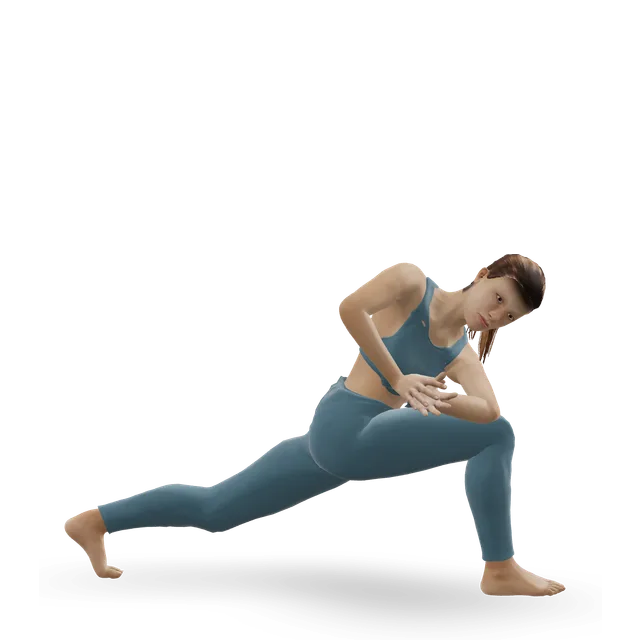
Heel slides: "10 slow repetitions each side, once or twice a day. An editorial starting point: there are no trials of this movement on its own." (the move page's dose). Hip flexor stretch, 2 mild holds of 30 seconds each side, tailbone tucked; reclining bound angle, 2 minutes with a cushion under each thigh, skipped if it hurts the outside of your hip; corpse pose, 3 minutes on your back with a cushion under your knees (our yoga for hip pain class). Low lunge, 30 to 45 seconds each side, back knee padded (our editorial starting point).

Poses to change or leave out while it hurts

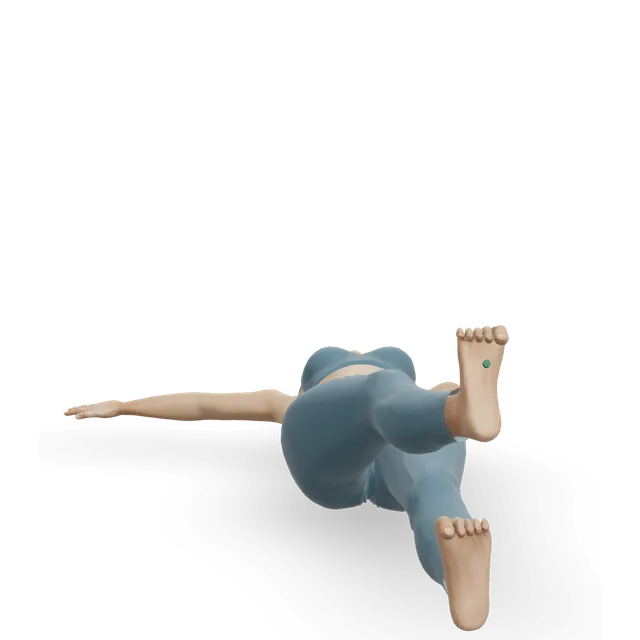
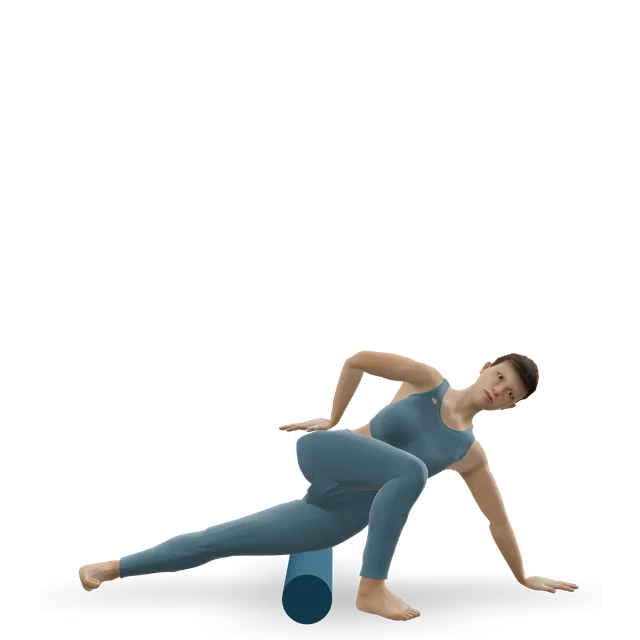
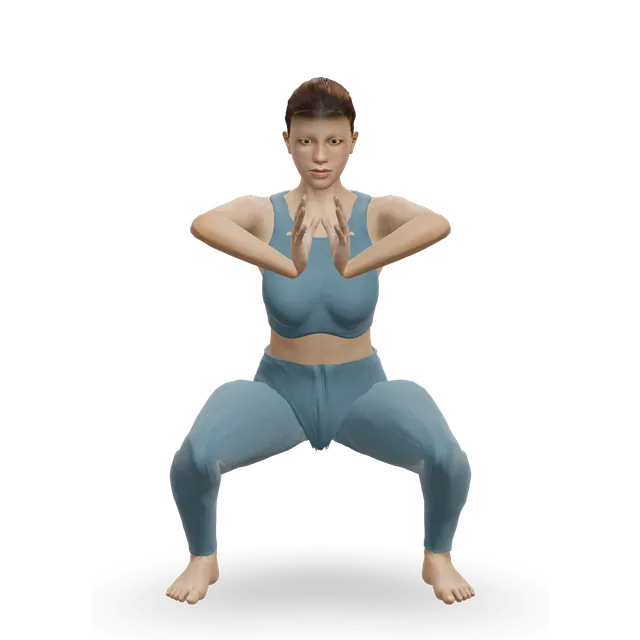
Our suggestion, from the NHS hospital page, the LEAP trial's education and the cadaver study; no study has measured these poses. Leave out pigeon, both figure fours, the knee-across stretch, the IT band stretch and foam rolling the outer thigh. Do the seated twist on a chair with your knees level and apart, and the lying twist with your knees together and small. In revolved poses, rest a hand on a block and turn less. Leave clamshells out for now, do side plank only on your good side, and swap a deep squat for chair pose. Cow face and eagle (no 3D demo) are left out too.

A class and workouts to follow

Start with our 25-minute yoga for hip pain class, which is built on the trial's first week. The Pilates class spares the hip in the same way. From about week 6, the yoga for glutes class (skip its figure four) and the hip strengthening workout (side-lying work on your good side only) add strength.

Warning signs: when to get help

These are the warning signs from our hip pain guides, word for word. This is general information, not a diagnosis. A&E means accident and emergency; in the US, call 911 for 999.

Call 999 or go to A&E

  • Call 999 or go to A&E: severe hip pain after a fall or injury, or you cannot stand, walk or put weight on the leg. In an older adult this can be a broken hip; the leg may be at an odd angle or look shorter. Don't drive yourself.
  • Call 999 or go to A&E: tingling or loss of feeling in the hip or leg after an injury.
  • Call 999 or go to A&E if you have sciatica on both sides, weakness or numbness in both legs that's severe or getting worse, or numbness around or under your genitals, or around your bottom (anus); if you find it hard to start peeing, cannot pee or cannot control when you pee; or if you do not notice when you need to poo or cannot control when you poo, and this is not normal for you. These could be symptoms of a serious back problem that needs to be treated in hospital as soon as possible.

Source 28

The same day: a hot, swollen hip

Ask for an urgent GP appointment or get help from NHS 111 if you have severe hip pain that started suddenly but you've not had a fall or injured your hip, your hip is swollen and feels hot, the skin around your hip has changed colour, or you have hip pain, feel generally unwell and have a high temperature (or feel hot, cold or shivery). A hot, swollen hip with a high temperature can be a joint infection.

Sources 28, 29

See a GP or physiotherapist soon

  • Hip pain that stops normal activities or disturbs sleep, keeps getting worse or keeps coming back, or has not improved after 2 weeks of looking after it at home.
  • Stiffness lasting more than 30 minutes after waking.
  • Bone pain that is constant or worse at night, especially with a lump, unexplained weight loss, fever or tiredness, or a past history of cancer.
  • Outer hip pain that hasn't improved within 6 weeks of following this advice, or that gets worse: talk to a GP or physiotherapist. In many areas you can refer yourself.
  • No improvement after 3 months of good rehabilitation, or sudden weakness walking (a tendon tear is possible).
  • See a GP if you have pain and stiffness for more than a week, especially if you're over 50, it's in both shoulders (often the neck and hips too) and the stiffness lasts longer than 45 minutes in the morning. It can be polymyalgia rheumatica.

Sources 28, 30

Chest pain or fainting: call 999

Call 999 if:

  • You get sudden pain or discomfort in your chest that doesn't go away; it can feel like squeezing or pressure, burning or indigestion.
  • The pain spreads to your left or right arm, or your neck, jaw, stomach or back.
  • You have chest pain and feel sweaty, sick, light-headed or short of breath.
  • Someone faints while exercising, can't be woken within 1 minute, or has chest pain or a pounding, fluttering or irregular heartbeat.

Sources 31, 32

During yoga

A joint pain that is sharp, gets worse during a session, lingers into the next day or changes how you move is a reason to use an easier version, and to see a GP or physiotherapist if it keeps happening (the rule in our plans). Muscle soreness for a day or two after something new is normal. In a hot class, stop if you feel dizzy, sick or unwell; our hot yoga guide lists the signs of heat illness.

With pain on the side of the hip, also come out of any pose that brings on an ache over the bony point, and check how it feels that night and the next morning (our suggestion, from the trial's pain rule).

You can say no to any hands-on adjustment, and a teacher registered with Yoga Alliance must get your explicit consent each time.

With osteoporosis

Modify or avoid exercises that round your back deeply or repeatedly, especially with a weight: sit-ups, toe touches, Pilates roll-downs and curl-ups, and extreme yoga forward folds. Bend from the hips instead. You do not need to avoid bending, twisting or lifting altogether: move smoothly and keep your upper back straight.

Twisting should be safe if you do it smoothly and comfortably. Slow down and shorten fast or forceful twists, and leave out the added weight.

Before you start

The NHS advises getting advice from a healthcare professional first if you have a health problem, an injury or symptoms, or have recently had a heart attack or an operation.

Myths

"Hip bursitis needs rest and an injection"Emerging evidence

An injection eased pain for weeks, but education plus exercise did better at 8 weeks and on overall improvement at a year. The NHS hospital page says don't rest completely, and that repeated injections are often not advised.

Sources 3, 5, 21

"Stretch the IT band and outer hip to fix it"Emerging evidence

The trial programme that worked left these stretches out because they squeeze the tendons, and the NHS hospital page says stretching a lot can irritate them.

Sources 7, 5, 26

"It's an inflamed bursa, so calm the inflammation"Emerging evidence

Only about 1 in 5 had bursitis on ultrasound; about half had tendon changes, and the tendons are not normally inflamed.

Sources 4, 5

"Pigeon and hip openers are the best yoga for it"Mixed evidence

No trial has tested yoga for it. Pigeon and twists take the hip deep or across the body, the positions the trial avoided; strength poses with the pelvis level are a better fit (our reading).

Sources 1, 18, 7, 8

"If it doesn't hurt during the pose, it's fine"Emerging evidence

Tendon pain often shows up that night or the next morning, which is why the trial's pain rule checks both.

Source 7

Questions people ask

Is yoga good for hip bursitis?

It can be, if you choose the poses. No trial has tested yoga for it, but exercise plus advice on avoiding squeezing positions did better than a steroid injection in a trial of 204 people. Strength poses with your pelvis level suit it; deep hip openers and crossed-leg poses often make it worse.

Which yoga poses should I avoid with hip bursitis?

While it hurts, our suggestion is to leave out pigeon, figure four, eagle, cow face, seated twists that cross one knee over, IT band stretches and any pose lying on the sore side. They press the tendons against the bony point of the hip. Change them rather than push through.

What are the best yoga poses for hip bursitis?

Start with gentle presses of the leg outwards lying down and standing at a wall, bridges, chair pose and side-steps, the first week of the trial programme. Then add tree and warrior II, and later half moon and warrior III, with your pelvis level and a hand on a wall.

Is pigeon pose good for hip bursitis?

Not while it hurts. The front leg's thigh crosses under you and the outer hip stretches, which squeezes the tendons, and the trial programme that worked left out stretches like it. For the back of the hip, a gentle lying twist with your knees together is kinder.

Can yoga make hip bursitis worse?

It can: crossed-leg poses, deep hip openers, long one-leg balances with the hip jutting out and lying on your side all squeeze the tendons. Yoga causing it seems rare; one case appears in a series of 89 yoga injuries.

Is it really bursitis?

Usually not mainly. On ultrasound, 4 in 5 people with this pain had no bursitis, and about half had changes in the gluteal tendons. That's why rest and stretching often don't help and gradual loading does.

How should I lie in savasana with hip bursitis?

On your back with a cushion under your knees, or on your good side with pillows between your knees so the top leg stays level. Avoid lying on the sore side, in class and in bed.

Is yin yoga or chair yoga good for hip bursitis?

Chair yoga can be, if you sit with your knees hip-width apart and skip crossed-leg poses. Yin yoga holds hip openers for minutes, often lying on your side, which are the positions to avoid while it hurts. Neither has been tested.

Can I do tree pose with hip bursitis?

Yes, changed: keep your pelvis over your standing foot, draw the standing hip in rather than letting it jut out, rest a hand on a wall, keep the lifted foot low and hold for shorter times. If the bony point aches, rest the lifted foot's toes on the floor.

How much pain is OK when I exercise?

None extra in the side of the hip during bridges, squats and side-steps. During harder strength work, up to about 5 out of 10 is fine if it settles afterwards and isn't worse that night or the next morning; if it is, do less next time, not nothing.

How long does hip bursitis take to get better?

Usually months: one NHS hospital says 6 to 12 months with exercise. In the trial, education plus exercise worked faster than waiting, though about half of those who waited had improved by a year.

When should I see a doctor about hip pain?

Call 999 after a fall if you can't stand or put weight on the leg. Get help the same day for a hot, swollen hip with a fever, and see a GP for bone pain that is constant or worse at night, or outer hip pain that hasn't improved within 6 weeks.

Sources

  1. PubMed · Search for yoga with trochanteric pain or gluteal tendinopathy: 1 record, an injury case series (31 October 2026)

  2. Lee 2019 · Soft tissue and bone injuries caused by yoga: 89 patients at a US clinic (case series, Mayo Clin Proc)
  3. Mellor 2018 · Education plus exercise, a steroid injection or wait and see for gluteal tendinopathy: 204 adults (LEAP randomised trial, BMJ; read in full)
  4. Long 2013 · Ultrasound in 877 people with greater trochanteric pain: how rare is bursitis? (retrospective study, AJR)
  5. Royal Orthopaedic Hospital NHS Foundation Trust · Gluteal tendinopathy (patient information; read in full)
  6. McMillan 2022 · Hormone therapy, exercise or both for side-of-hip pain in 132 postmenopausal women (factorial randomised trial, AJSM)
  7. Mellor 2016 · The LEAP trial protocol, with its education and exercise tables (BMC Musculoskelet Disord; read in full)
  8. Lehecka 2021 · Buttock muscle activity in 5 common yoga poses: 31 healthy adults (lab study, Int J Sports Phys Ther; read in full)
  9. Grimaldi 2021 · 3 yoga poses to modify for hip pain (a hip physiotherapist's blog for health professionals; expert opinion)
  10. Patricio Cordeiro 2024 · Exercise for gluteal tendinopathy: 5 studies (meta-analysis with GRADE, Sci Rep)
  11. PubMed · Search for a Cochrane review of greater trochanteric pain syndrome or gluteal tendinopathy: none (31 October 2026)
  12. Grimaldi 2015 · Gluteal tendinopathy: pathomechanics and clinical features in its management (clinical commentary, JOSPT)
  13. Grimaldi 2015 · Gluteal tendinopathy: mechanisms, assessment and management (review, Sports Med)
  14. NHS · Bursitis (past its review date: reviewed October 2023, review due October 2026)
  15. Fearon 2013 · Greater trochanteric pain syndrome: defining the clinical syndrome (diagnostic study, BJSM)
  16. Segal 2007 · Greater trochanteric pain syndrome in 3,026 adults aged 50 to 79 (cross-sectional study, Arch Phys Med Rehabil)
  17. Albers 2016 · Tendinopathy of the leg in a Dutch general practice (cross-sectional study, BMC Musculoskelet Disord; read in full)
  18. Mears 2018 · Hip positions in 11 yoga poses: 20 practitioners (motion analysis study, J Arthroplasty)
  19. Dewan 2023 · Trunk and hip muscle activity in yoga poses used for back pain: 22 healthy adults (lab study, J Bodyw Mov Ther)
  20. Kjeldsen 2024 · Exercise for greater trochanteric pain syndrome: 6 trials, 733 people (meta-analysis, Physiotherapy)
  21. Bremer 2025 · Treatments for gluteal tendinopathy: 11 trials, 934 people (systematic review, Clin Rehabil; read in full)
  22. Wang 2025 · Conservative treatments for greater trochanteric pain syndrome: 19 trials, 1,701 people (network meta-analysis, J Orthop Surg Res; read in full)
  23. Rhim 2024 · Shockwave therapy for greater trochanteric pain syndrome: 8 trials (meta-analysis, JBJS Rev)
  24. Kuhns 2026 · Platelet-rich plasma for pain around the hip joint, including greater trochanteric pain syndrome (systematic review of trials, Arthroscopy)
  25. Fearon 2024 · A core outcome set for gluteal tendinopathy research (ICON consensus, BJSM)
  26. Birnbaum 2004 · Pressure under the iliotibial band over the hip in different positions (cadaver and surgical study, Surg Radiol Anat)
  27. Allison 2016 · Standing on one leg with gluteal tendinopathy: 20 people against 20 controls (lab study, Gait Posture)
  28. NHS · Hip pain in adults
  29. NHS · Septic arthritis
  30. NHS · Polymyalgia rheumatica (past its review date: reviewed April 2023, review due April 2026)
  31. NHS · Chest pain (past its review date: reviewed August 2023, review due August 2026)
  32. NHS · Fainting

Exercise education, not a personal prescription, and clinical review of these guides is pending. If you are pregnant, have a health condition such as glaucoma, high blood pressure or osteoporosis, or have had recent surgery, check with a doctor, midwife or physiotherapist before starting, and stop for sharp or increasing pain. Health disclaimer.