Yoga guide

Yoga for thyroid problems: underactive and overactive thyroid, shoulder stand and fish pose

Yoga can help you feel better with a thyroid problem: in small trials of people taking levothyroxine for an underactive thyroid, adding yoga improved quality of life and heart rate measures. It doesn't treat the thyroid itself, so your tablets stay as they are. Never change your thyroid medicine without your doctor.

This guide covers what the trials found, why no pose (not even shoulder stand) has been shown to stimulate the thyroid, how to practise with an overactive thyroid (gently, somewhere cool, with no fast breathing), the neck and eye cautions for shoulder stand, plough and fish pose, and the warning signs that need a doctor. There's a free 30-minute class with legs up the wall instead of shoulder stand.

The short version

The tablets treat the thyroid; yoga doesn't

An underactive thyroid is treated with levothyroxine, usually for life, and an overactive one with medicine, radioiodine or surgery. Never change your thyroid medicine without your doctor, however much better you feel.

Sources 1, 2, 3

Underactive thyroid: small trials, feeling better

In small trials, which we read as abstracts, adding yoga to levothyroxine improved quality of life and heart rate measures. Reviews agree on the direction but say the studies are small and at risk of bias.

Sources 4, 5, 6

Overactive thyroid: go gently

We found no trial that tested yoga in an overactive thyroid. The NHS says regular exercise and managing stress can help with anxiety, irritability, sleep and hyperactivity; keep it slow and cool until your team says your levels are under control.

Sources 7, 8

No pose stimulates the thyroid

The studies tested whole programmes of poses, breathing and relaxation. We found no study that tested shoulder stand, plough or fish pose on their own.

Sources 9, 10

Shoulder stand and plough carry real risks

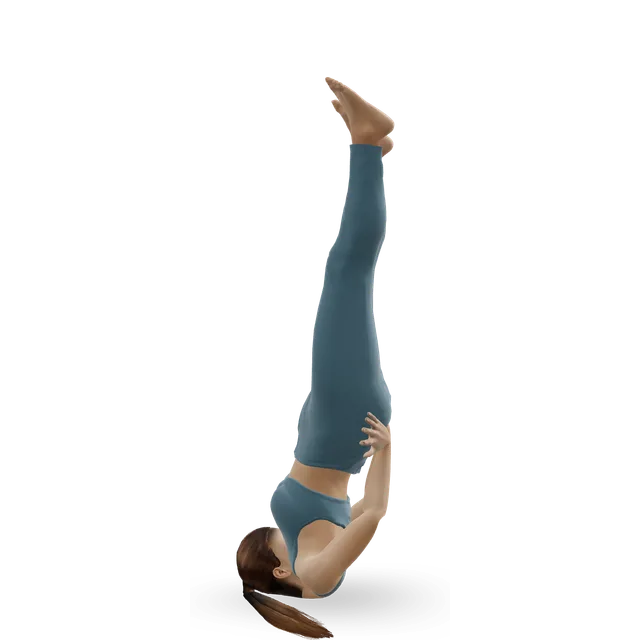
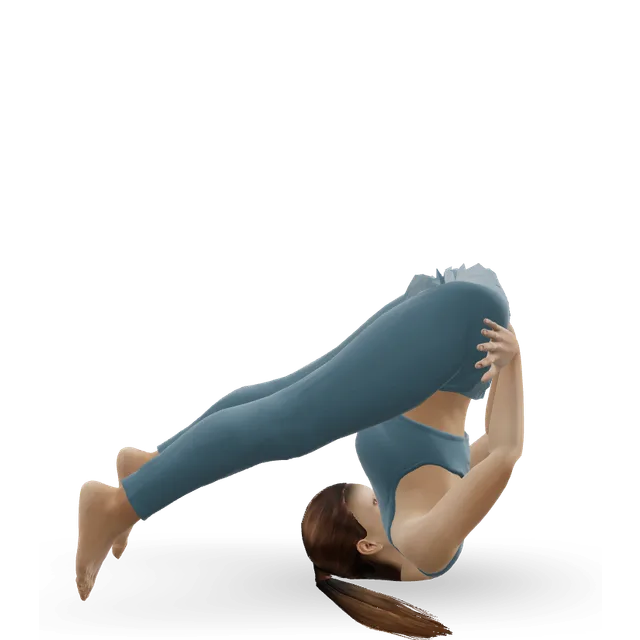
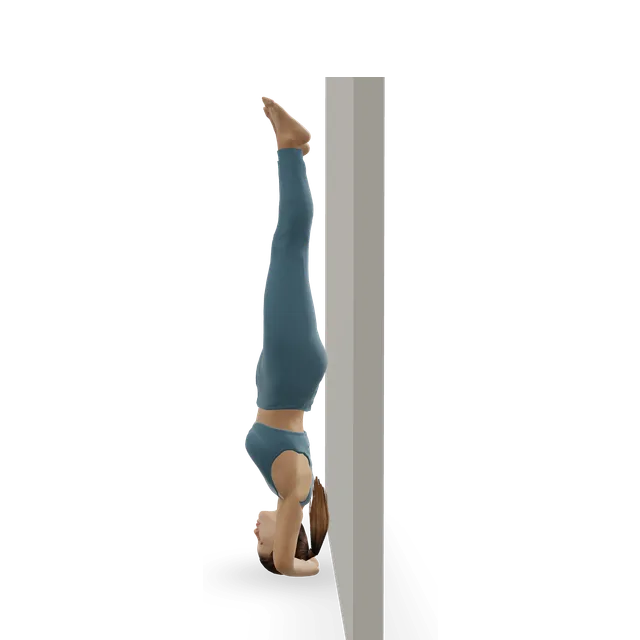
They are among the poses most often named in reports of yoga injuries, beginners are advised to avoid them, and head-down poses raise eye pressure. Legs up the wall gives an upside-down rest with no weight on your neck.

Sources 11, 12, 13

Breathe slowly

Fast, forceful breathing such as kapalbhati raised heart rate and blood pressure while healthy adults did it, and an overactive thyroid already speeds up the heart. Slow breathing is the calmer choice.

Sources 14, 3

The thyroid, and what the yoga studies did

The thyroid

The NHS describes "a small butterfly-shaped gland in the neck, just in front of the windpipe (trachea)" that "produces hormones that affect things such as your heart rate and body temperature".

Source 3

An underactive thyroid (hypothyroidism)

Common symptoms include feeling extremely tired, feeling cold, putting on weight, constipation, difficulty concentrating, low mood, dry skin or hair, a croaky voice, and irregular or heavy periods. In the UK the main cause is Hashimoto's disease, an autoimmune condition most common in women, usually starting between 30 and 50. Treatment is levothyroxine tablets, usually for the rest of your life, with regular blood tests to check the dose.

Sources 1, 2

An overactive thyroid (hyperthyroidism)

It's about 10 times more common in women and typically starts between 20 and 40. Symptoms include nervousness, anxiety and irritability, difficulty sleeping, tiredness and weakness, "sensitivity to heat", a goitre, "an irregular and/or unusually fast heart rate (palpitations)", trembling and weight loss. About 4 in 5 people with it have Graves' disease. Treatment is medicine, radioiodine or surgery, usually planned with an endocrinologist; with carbimazole, you may feel better in 1 to 3 weeks, but it can take 1 to 2 months to work fully.

Sources 3, 8

What the yoga studies did

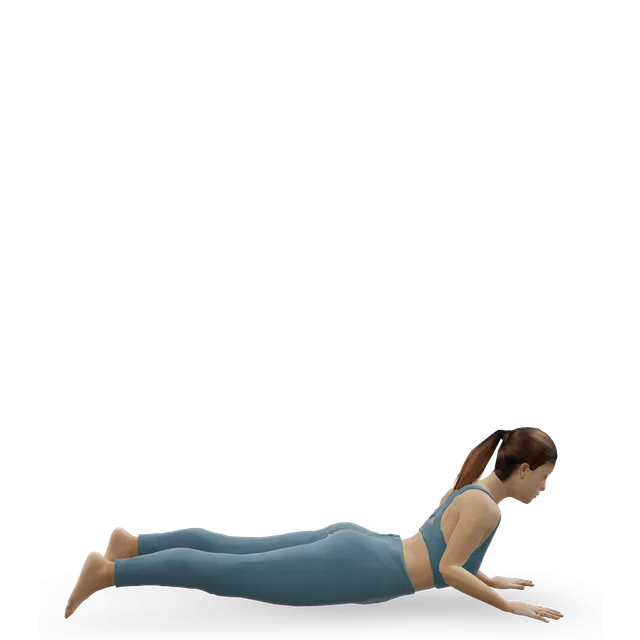
They tested whole programmes, usually an hour long and lasting from 10 days to 6 months: sun salutations, poses such as cobra, fish, shoulder stand and plough, breathing practices and meditation, mostly in Indian women aged 18 to 50, alongside their medicine. The newer trials taught yoga online, 5 days a week for 3 months, or for 6 months.

Sources 10, 15, 4

Thyroid problems and the menopause

NICE (the National Institute for Health and Care Excellence) warns that "in menopausal women symptoms of thyroid dysfunction may be mistaken for menopause". Tiredness, low mood, palpitations and period changes can come from either, so get symptoms checked; our yoga for menopause guide covers the menopause side.

Source 2

What the evidence says

Underactive thyroid: small trials, read as abstractsMixed evidence

In 134 people taking levothyroxine, 6 months of online yoga improved every area of a quality of life questionnaire more than a waiting list did, with effects so large they need confirming. In 99 women, 3 months of yoga improved heart rate variability, a sign of how the nervous system controls the heart. In 62 women, 3 months of online yoga, 5 days a week, improved thyroid blood tests, cholesterol, daytime sleepiness and low mood compared with medicine alone. In 38 women with low mood, depression scores fell over 3 months, with no comparison group.

We read these trials as abstracts. All were small, and most were open-label or compared yoga with a waiting list, so people knew whether they were doing yoga.

Sources 4, 5, 15, 16

What the reviews foundMixed evidence

A 2025 review found 13 studies, only 2 of them randomised. A 2024 review found 11 studies (516 people), 4 randomised, and only 1 at low risk of bias. A 2025 review of 8 studies (421 people), 3 randomised, couldn't combine them because they differed so much. All three report better thyroid tests, cholesterol, mood and quality of life, from small and varied studies.

Sources 10, 6, 17

Blood tests: don't expect yoga to fix themMixed evidence

Some trials reported falls in thyroid-stimulating hormone (TSH, which is high when the thyroid is underactive), but in one randomised trial of 83 people, TSH and thyroid antibodies fell in both the yoga group and the comparison group. Reviews of exercise in general disagree: one of 10 studies found no clear change in TSH, and another of 7 trials found a fall too large to be believable as it stands. Your doctor adjusts your dose from blood tests.

Sources 15, 18, 10, 19, 20

Overactive thyroid: we found no trialsMixed evidence

Our search found 3 records: the review above, a case report about Graves' disease and an anxiety study. The review found only a case report and one study that mixed people with underactive and overactive thyroids, with unclear results.

Sources 7, 10

Single poses: we found no studyMixed evidence

We found no study that tested shoulder stand, plough, fish pose or the throat lock (jalandhara bandha) on their own for the thyroid; our search found only the review that lists them as parts of programmes. Our underactive thyroid and yoga benefits guides call the shoulder stand claim a myth.

Sources 9, 10

Fast breathing raises heart rate and blood pressureEmerging evidence

In 20 healthy adults, kapalbhati and bhastrika (fast, forceful breathing) raised heart rate and blood pressure while being done, and kapalbhati's rise carried on into the recovery period; humming breath (bhramari) and holding the breath raised blood pressure too. We found no study that tested kapalbhati, ocean breath (ujjayi) or humming breath on their own for the thyroid.

Sources 14, 21, 22

Shoulder stand, plough and headstandEmerging evidence

In 76 published cases of harm from yoga, headstand, shoulder stand, lotus and forceful breathing were the practices most often involved. In a lab study, eye pressure rose within a minute in plough, legs up the wall, downward dog and a standing forward bend, in eyes with and without glaucoma, and fell back within 2 minutes of sitting up. NCCIH (the US National Center for Complementary and Integrative Health) advises people new to yoga to avoid headstands and shoulder stands.

Sources 11, 13, 12

How to practise

With an underactive thyroid

The British Thyroid Foundation says exercise "can improve both your energy levels and mood. Exercise does not need to be vigorous and often activities such as yoga and meditation can help you to relax." Build up as treatment starts to work, as our underactive thyroid guide advises. Our editorial starting point: 2 or 3 gentle sessions of 20 to 40 minutes a week, alongside walking and strength work.

Sources 23, 1

With an overactive thyroid

The NHS says "Regular exercise and managing stress can help with other symptoms such as anxiety, irritability, difficulty sleeping and hyperactivity". Until your team says your levels are under control, keep yoga slow and gentle, somewhere cool, with no fast breathing, and stop and sit if your heart races or flutters: the British Thyroid Foundation lists a rapid pulse and heat intolerance among the symptoms. Our overactive thyroid guide says to go by feel rather than heart rate, and to leave hot yoga until your levels are under control.

Sources 8, 3, 24

Your tablets

Never change your thyroid medicine without your doctor. The NHS says to take levothyroxine on an empty stomach, 30 to 60 minutes before your first meal of the day, any drink with caffeine or any other medicine, so a morning class fits after that gap. You'll have regular blood tests to check the dose.

Sources 25, 1

Ocean breath (ujjayi)

Popular in thyroid sequences, and part of the trial programmes, but we found no study that tested it on its own for the thyroid. Steps (our editorial wording):

  • Breathe in and out through your nose, with the back of your throat slightly narrowed, as if fogging a mirror with your mouth closed.
  • Let the breath make a soft sound, slow and long, never forced.
  • Keep going for 1 to 3 minutes, with no breath holds.

Sources 10, 21

Weight

The British Thyroid Foundation says that, in general, 5 to 10 pounds (about 2 to 4.5 kg) of body weight may be due to an underactive thyroid, and that most of it is salt and water. Once your levels are normal, weight works as it does for anyone else; our yoga for weight loss guide covers the rest.

Source 26

After thyroid surgery

Start neck movements only when your surgical team says you can, with separate nods, tilts and turns before full neck circles, as our overactive thyroid guide sets out. Leave shoulder stand, plough and deep backbends until much later, if at all.

With thyroid eye disease

Eye problems affect around 1 in 4 people with an overactive thyroid caused by Graves' disease, the NHS says. Ask your eye team before head-down poses, which raise eye pressure.

Sources 27, 13

Shoulder stand, plough and fish pose

Why people think they help

Shoulder stand and plough tuck the chin towards the chest and fish pose arches the throat, and popular pages say these "massage" or "stimulate" the gland. The studies only tested these poses as parts of whole programmes, and we found no study that tested any of them on its own.

Sources 10, 9

What their move pages say

Shoulder stand: "Avoid with any neck or disc problem, glaucoma, or uncontrolled high blood pressure, and never turn your head while you are up. Many teachers now prefer legs up the wall for this reason." Plough: "The neck is loaded in deep flexion, so skip it with any neck problem, glaucoma, uncontrolled high blood pressure, significant osteoporosis, or in pregnancy." Fish pose: "Dizziness, blurred vision, ringing in the ears or a sudden headache with your head back mean come out at once", and skip it "with a neck injury or cervical spondylosis, with migraine, or with uncontrolled high or low blood pressure".

What to do instead

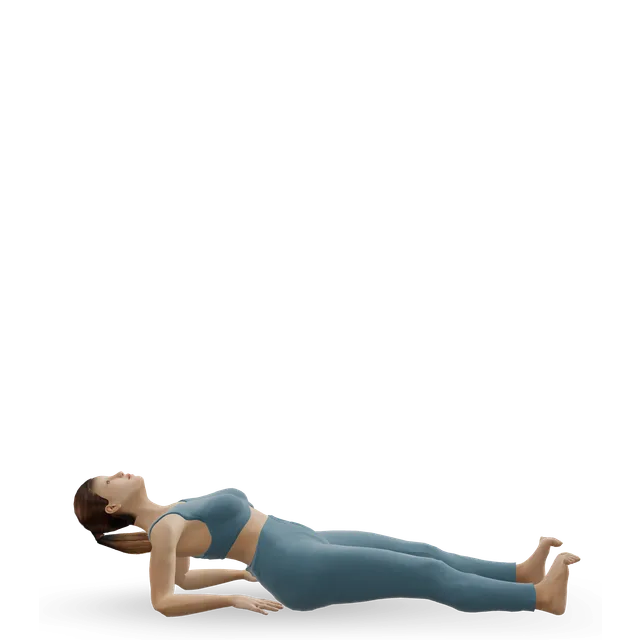
There's no reason to do shoulder stand for your thyroid. If you enjoy it and have no neck, eye or blood pressure problem, learn it with a teacher; otherwise legs up the wall gives an upside-down rest without weight on your neck, and a supported fish pose, lying over a block with your head resting, is a gentle backbend. With glaucoma or thyroid eye disease, ask your eye team first, as head-down poses raise eye pressure.

Source 13

Breathe and settle

Doses from the moves' pages: slow breathing for at least 5 minutes, alternate nostril breathing for 3 to 5 minutes with no breath holds, and corpse pose for at least 5 minutes, up to 10. Keep the room cool if you overheat easily.

Gentle neck movement

Neck circles: 3 slow circles each way, once or twice a day (the move's page); chin tucks: 5 slow tucks with a 3-second hold (editorial). After thyroid surgery, wait for your team's go-ahead and start with separate nods, tilts and turns, each held for 5 seconds, 5 times (the move page's dose for a sore neck). A lump in your neck that's growing needs a GP first.

Gentle strength and balance

Mountain pose for 5 to 10 slow breaths, 2 or 3 times, breath reach for 5 breaths and cat-cow for 8 slow waves (the moves' pages). Chair pose for 3 holds of 3 to 5 breaths, warrior II and tree pose for 3 to 5 breaths each side, low cobra for 5 slow lifts with your neck long, bridges for 8 to 10 slow lifts and the lying twist for 45 seconds each side (our editorial starting points). Skip the standing holds on a day your heart is racing.

Instead of shoulder stand

Legs up the wall for 3 to 5 minutes (editorial); fish pose for 15 to 30 seconds, 2 rounds (the move's page), in its supported version, lying over a block with your head resting. Ask your eye doctor before legs up the wall if you have glaucoma, and skip fish pose with a neck problem or migraine.

Legs up the wall, step by step

Our editorial hold. Shoulder stand's own page says many teachers now prefer legs up the wall. Legs up the wall's page says to prop up your upper body or skip it if lying flat makes you dizzy, and with glaucoma to ask your eye doctor first, as eye pressure rises a little in this position.

  1. Sit sideways next to a wall, with one hip touching it.
  2. Lie back as you swing your legs up the wall. Move your bottom a little away from the wall if the backs of your legs pull.
  3. Rest your arms by your sides, palms up, with a folded blanket under your head if you like.
  4. Let the floor take your back and breathe slowly for 3 to 5 minutes.
  5. To come out, bend your knees, roll onto your side and rest for a few breaths before sitting up slowly.

See the movement on the 3D figure: Legs up the wall (Viparita Karani)

Poses to leave out

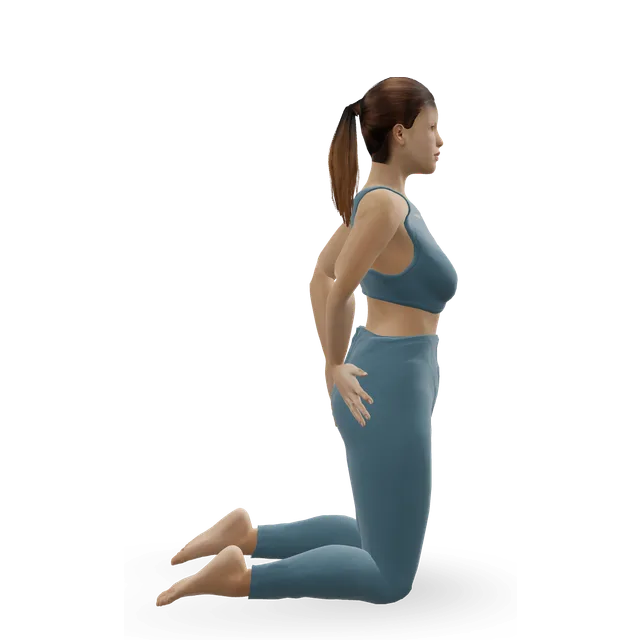
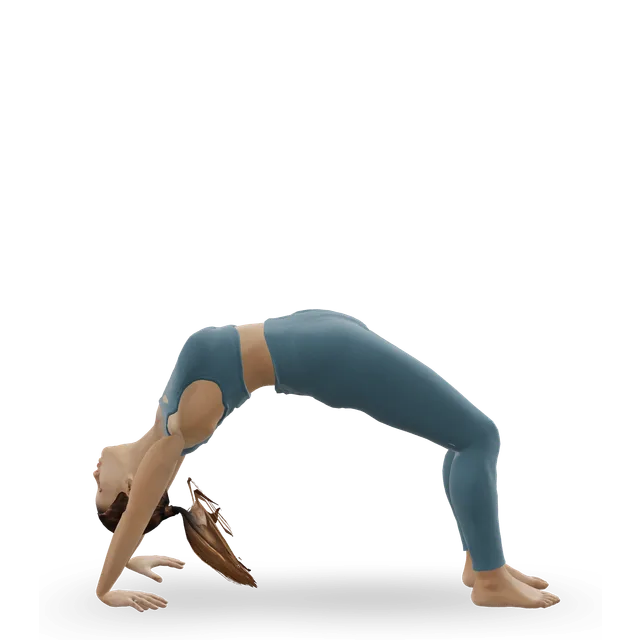
Leave out shoulder stand, plough and headstand for your thyroid (they don't help it, and they load the neck and raise eye pressure), and the deep "throat-opening" backbends camel and wheel, which popular thyroid routines include. Their own pages give the neck, eye and blood pressure cautions.

Workouts to follow

Start with our 30-minute yoga for thyroid problems class 2 or 3 times a week (our editorial starting point). With an overactive thyroid that isn't yet controlled, the seated chair yoga and breathing routines are the gentlest; the neck routine suits you after thyroid surgery once your team agrees.

Yoga for thyroid problems: a 30-minute gentle practice, no shoulder stand needed

Thirty minutes of slow breathing, gentle neck and spine movement, standing poses and rest for thyroid problems, with legs up the wall instead of shoulder stand.

30 minBeginner15 movesA wall

Gentle yoga for beginners

A 25-minute gentle yoga class for complete beginners and over-50s: slow breathing, a warm-up, supported standing poses, floor poses and a closing rest.

25 minBeginner14 movesNo equipment

Chair yoga for seniors

A free 20-minute chair yoga class for older adults: slow breathing, gentle seated stretches and twists, standing poses holding the chair, and a calm finish.

20 minBeginner18 movesA bench or box, Something with weight

Seated chair yoga: 15 minutes, no standing

A 15-minute chair yoga routine done entirely sitting: slow breathing, neck, shoulder and wrist stretches, seated twists and side bends, and a calm finish.

15 minBeginner16 movesA bench or box

Breathing exercises to relax

A 6-minute breathing routine: slow breathing, crocodile breathing, alternate nostril breathing, box breathing and 4-7-8 breathing.

6 minBeginner5 movesNo equipment

Restorative yoga sequence: 45 minutes of supported rest

A 45-minute restorative yoga sequence: five fully supported poses held for 4 to 10 minutes each, with slow breathing and a long final rest.

45 minBeginner6 movesFirm cushion, A wall

Yoga for neck pain: a 20-minute gentle sequence

Twenty minutes of slow breathing, small neck movements, poses that keep your head supported or level, and upper-back strength, with nothing that loads the neck.

20 minBeginner14 movesA step

Walk and yoga workout

A 45-minute session for weight loss and health: a 20-minute brisk walk, which does more for the scales, then a standing yoga flow for strength and balance.

45 minBeginner12 movesCardio machine

Warning signs: when to get help

These follow our underactive and overactive thyroid guides and the NHS. A&E means accident and emergency. In the US, call 911 for 999, and use your doctor's urgent line or urgent care for NHS 111.

Call 999

Stop exercising and call 999 for:

  • Chest pain that feels tight or like squeezing, or spreads to your arms, neck or jaw.
  • Severe difficulty breathing: gasping, choking or not able to get words out.
  • Lips or skin that are pale, blue or grey.
  • Someone who has passed out and isn't responding normally.

Source 28

Thyroid storm: call 999

The NHS says a thyroid storm, a sudden flare-up of an overactive thyroid, is a medical emergency: call 999 for an ambulance straight away if you think you or someone in your care has one. The signs are a rapid heartbeat, a high temperature, high blood pressure, yellowing of the skin and eyes (jaundice), severe agitation and confusion, and loss of consciousness.

Source 27

Palpitations or fainting

Call 999 or go to A&E if you have palpitations that don't go away, or that come with chest pain, shortness of breath, or feeling faint or fainting. Call 999 if someone faints while exercising.

Source 29

Sudden confusion

Go to A&E or call 999 if someone suddenly becomes confused. Very rarely, a severe underactive thyroid leads to myxoedema coma, a life-threatening emergency that is more common in older people and needs hospital treatment.

Source 1

Your neck

Call 999 or go to A&E if a swelling in your neck makes it hard to breathe or you have a wheezing noise when you breathe. Ask for an urgent GP appointment or get help from NHS 111 if you're having difficulty breathing. See a GP for a lump in your neck, a hoarse voice or difficulty swallowing that isn't getting better, or pain or pressure in the front of your neck.

Sources 30, 31, 32

Your thyroid tablets

If you take levothyroxine, call NHS 111 for signs of a thyroid crisis: a high temperature, a fast or irregular heartbeat, feeling dizzy or faint, or yellowing of the eyes or skin. If you take carbimazole, tell your doctor if you think you're getting a sore throat or have a high temperature, as it can rarely lower the white blood cells that fight infection.

Sources 25, 8

See a GP

  • You think you might have an underactive or overactive thyroid.
  • You take levothyroxine and are pregnant or planning a pregnancy.
  • You still feel unwell after several months on treatment with normal tests.
  • Palpitations keep coming back, last more than a few minutes, or you have a heart condition or a family history of heart problems.
  • An irregular or fast heart rate, or palpitations during or after exercise.

Sources 1, 3, 29, 2

Stop and rest

Stop if your heart races or flutters, you feel dizzy or unusually breathless, or you feel too hot, then cool down and drink (our suggestion, as on our overactive thyroid guide).

Myths

"Shoulder stand stimulates your thyroid"Mixed evidence

We found no study that tested any single pose on the thyroid; the studies mixed many poses with breathing and meditation. Shoulder stand has neck and eye cautions of its own, as our underactive thyroid and yoga benefits guides say.

Sources 9, 10, 11

"Yoga can cure an underactive thyroid or replace levothyroxine"Strong evidence

Levothyroxine is the treatment, usually for life, and the yoga trials added yoga to people's medicine. Never change your thyroid medicine without your doctor.

Sources 1, 2, 4

"Yoga can activate an underactive or overactive thyroid"Mixed evidence

We found no trial that tested yoga in an overactive thyroid, and in an underactive thyroid, blood test changes were small and also seen in comparison groups.

Sources 7, 10

"Kapalbhati fixes the thyroid"Mixed evidence

We found no study that tested it on its own for the thyroid, and it raises heart rate and blood pressure while you do it, which matters with an overactive thyroid.

Sources 22, 14

"Poses massage the thyroid gland"Mixed evidence

We found no study that measured this. The thyroid sits in the front of the neck, "just in front of the windpipe", and the studies don't show any pose changing its hormones on its own.

Sources 9, 3

"Exercise is unsafe with a thyroid problem"Strong evidence

The NHS says regular exercise can help symptoms of an overactive thyroid, and the British Thyroid Foundation says exercise can improve energy and mood. Keep it gentle while an overactive thyroid isn't controlled.

Sources 8, 23

"Hot yoga melts thyroid weight"Mixed evidence

We found no study that tested hot yoga in thyroid disease, an overactive thyroid brings sensitivity to heat, and only a few kilograms of weight, mostly salt and water, are usually down to an underactive thyroid.

Sources 33, 3, 26

Questions people ask

Is yoga good for thyroid problems?

It can help you feel better: small trials in people with an underactive thyroid found better quality of life and heart rate measures when yoga was added to their tablets. It doesn't treat the thyroid itself, so keep taking your medicine as prescribed.

Can yoga cure hypothyroidism?

No. An underactive thyroid is treated with levothyroxine, usually for life, and yoga is something to add, not a replacement. Never change your thyroid medicine without your doctor.

Does shoulder stand help your thyroid?

We found no study that tested it: the trials tested whole programmes, and none looked at shoulder stand, plough or fish pose on their own. Shoulder stand and plough put weight on the neck and raise eye pressure, so legs up the wall is the safer upside-down rest.

What are the best yoga poses for thyroid problems?

Gentle ones you can do regularly: neck and spine movement, standing poses for strength and balance, cobra, a supported fish pose, legs up the wall and a long rest, with slow breathing. We found no study that tested any single pose on thyroid levels.

Is yoga good for an overactive thyroid?

We found no trial that tested it, but the NHS says regular exercise and managing stress can help with anxiety, irritability, difficulty sleeping and hyperactivity. Keep it slow and cool until your levels are under control, and stop if your heart races.

Can I do yoga with Graves' disease or thyroid eye disease?

Graves' disease is the most common cause of an overactive thyroid, so the same advice applies: gentle, cool and slow until your levels are controlled. With thyroid eye disease, ask your eye team before head-down poses, which raise eye pressure.

Which breathing exercises are good for the thyroid?

We found no study that tested a breathing technique on its own for the thyroid. Slow breathing and alternate nostril breathing, with no breath holds, are the gentle choices; leave out kapalbhati and breath of fire if you have an overactive thyroid, palpitations or high blood pressure, because they raise heart rate and blood pressure.

Can yoga help with Hashimoto's?

Hashimoto's disease is the main cause of an underactive thyroid in the UK, so the yoga trials in underactive thyroid apply. In one trial, thyroid antibodies fell in both the yoga group and the comparison group, so there's no good evidence that yoga changes the autoimmune process.

Can yoga help thyroid weight gain?

An underactive thyroid usually accounts for about 5 to 10 pounds of weight (2 to 4.5 kg), mostly salt and water, and once your levels are normal, weight works as it does for anyone else. Yoga helps you stay active, and our yoga for weight loss guide covers the rest.

Can I do yoga after thyroid surgery?

Yes, once your surgical team says you can. Start with gentle nods, tilts and turns of the neck before full neck circles, and leave shoulder stand, plough and deep backbends until much later, if at all.

Will yoga let me reduce my thyroid tablets?

Don't change your dose yourself. Your doctor adjusts it from blood tests, and the yoga trials added yoga to people's medicine rather than replacing it.

Is hot yoga OK with a thyroid problem?

Not with an overactive thyroid until your levels are under control, because sensitivity to heat is a symptom. We found no study that tested hot yoga with a treated underactive thyroid, so the usual hot yoga advice applies.


Sources

  1. NHS · Underactive thyroid (hypothyroidism) (last reviewed April 2025)
  2. NICE NG145 · Thyroid disease: assessment and management (recommendations, last updated October 2023)
  3. NHS · Overactive thyroid (hyperthyroidism) (past its review date: reviewed April 2023, review due April 2026)
  4. Nilkantham 2025 · Online yoga and quality of life on levothyroxine: 134 people (single-blind randomised trial, J Med Internet Res)
  5. Karthiga 2025 · Yoga and heart rate variability in women with hypothyroidism: 99 women (open-label randomised trial, Ann Neurosci)
  6. Baishya 2024 · Yoga for hypothyroidism: 11 studies, 516 people (systematic review, J Ayurveda Integr Med)
  7. Europe PMC · Search for yoga in an overactive thyroid: 3 records, no trial (24 October 2026)
  8. NHS · Common questions about carbimazole (last reviewed May 2025)
  9. Europe PMC · Search for shoulder stand, plough, fish pose or the throat lock and the thyroid: 1 record, the review (24 October 2026)
  10. Amrita 2025 · Can yoga help the symptoms of thyroid disease? 13 studies (review, Int J Yoga)
  11. Cramer 2013 · Adverse events with yoga: 76 published cases (systematic review of case reports, PLoS One)
  12. NCCIH 2023 · Yoga: effectiveness and safety (US National Center for Complementary and Integrative Health)
  13. Jasien 2015 · Eye pressure in four head-down yoga positions, with and without glaucoma (lab study, PLoS One)
  14. Nivethitha 2021 · Heart rate and blood pressure during different yogic breathing techniques: 20 healthy adults (lab study, Int J Yoga)
  15. Bhandari 2025 · Online integrated yoga for women with hypothyroidism: 62 women (randomised trial, Psychoneuroendocrinology)
  16. Rani 2021 · Yoga for low mood with hypothyroidism: 38 women (pilot study with no comparison group, J Tradit Complement Med)
  17. Bhandari 2025 · Yoga therapy for hypothyroidism: 8 studies, 421 people (systematic review, Ann Neurosci)
  18. Sharma 2024 · Yoga poses added to treatment for hypothyroidism: 112 people (open-label randomised study, Int J Yoga)
  19. Duñabeitia 2023 · Exercise in people with hypothyroidism: 10 studies (systematic review and meta-analysis, Scand J Clin Lab Invest)
  20. Sundus 2025 · Exercise programmes and thyroid tests in hypothyroidism: 7 trials (systematic review and meta-analysis, Complement Ther Med)
  21. Europe PMC · Search for ocean breath (ujjayi) or humming breath (bhramari) and the thyroid: 1 record, the review (24 October 2026)
  22. Europe PMC · Search for kapalbhati, breath of fire or bhastrika and the thyroid, PCOS, period pain or the menopause: 1 record, the thyroid review (24 October 2026)
  23. British Thyroid Foundation · Coping with fatigue (updated June 2024)
  24. British Thyroid Foundation · Hyperthyroidism leaflet (updated October 2026)
  25. NHS · Levothyroxine (last reviewed July 2026)
  26. British Thyroid Foundation · Thyroid and weight: the science (updated October 2025)
  27. NHS · Overactive thyroid: complications (past its review date: reviewed April 2023, review due April 2026)
  28. NHS · Heart attack (last reviewed March 2026)
  29. NHS · Heart palpitations (last reviewed March 2026)
  30. NHS · Goitre (last reviewed March 2026)
  31. NHS · Symptoms of thyroid cancer (last reviewed October 2026)
  32. NHS · Lumps (last reviewed February 2024)
  33. Europe PMC · Search for hot yoga in PCOS, thyroid disease or period pain: 0 records (24 October 2026)

Exercise education, not a personal prescription, and clinical review of these guides is pending. If you are pregnant, have a health condition such as glaucoma, high blood pressure or osteoporosis, or have had recent surgery, check with a doctor, midwife or physiotherapist before starting, and stop for sharp or increasing pain. Health disclaimer.