Treatment comes first
An overactive thyroid is usually treatable with tablets, radioactive iodine or surgery, planned with a hormone specialist (an endocrinologist). Exercise doesn't treat it.
Exercise guide
With an overactive thyroid (hyperthyroidism), exercise waits on treatment. Too much thyroid hormone makes your heart race, your body overheat and your muscles weak, so our advice is to keep exercise gentle until your team says your levels are under control. Gentle activity in the meantime is fine, and the NHS says regular exercise can help with anxiety, irritability and poor sleep.
This guide covers what to do before and after your levels come down, how to rebuild muscle and protect your bones, weight after treatment, exercising after radioactive iodine or thyroid surgery, and the warning signs, including a thyroid storm, that need urgent help. It ends with moves you can watch in 3D and workouts for each stage.
An overactive thyroid is usually treatable with tablets, radioactive iodine or surgery, planned with a hormone specialist (an endocrinologist). Exercise doesn't treat it.
Untreated, your heart is already working hard, you overheat sooner and your muscles are weak. In small studies, people reached only about half the effort expected for them, recovering once their levels were normal. Our suggestion: keep to walking and everyday movement until your team says your levels are under control.
On carbimazole, many people feel better within 1 to 3 weeks, but it can take 1 to 2 months to work fully, and the British Thyroid Foundation (BTF) says the gland is usually under control in about 6 to 8 weeks. A beta blocker may calm a racing heart in the meantime. Your blood tests and your team, not the calendar, decide when harder exercise can start.
An overactive thyroid can cause atrial fibrillation, an irregular and often fast heartbeat, which usually settles within 4 to 6 months of the thyroid being controlled. Rarely, it causes a thyroid storm, which needs a 999 call.
Muscle weakness is common and usually recovers with treatment within a few months. In a small study, strength training during treatment roughly doubled the strength people regained.
Once your levels are normal, build up to 150 minutes of activity a week plus strength work. Bones thin while the thyroid is overactive and recover with treatment, and weight lost usually comes back, so strength and impact work are worth it.
An overactive thyroid, also called hyperthyroidism or thyrotoxicosis, means the thyroid gland in your neck makes too much of the hormones that affect things such as your heart rate and body temperature. NICE (the National Institute for Health and Care Excellence) separates a thyroid that keeps overproducing from a short-lived rise after inflammation (thyroiditis), which usually only needs medicine to ease the symptoms.
It's about 10 times more common in women than men, and typically starts between 20 and 40, the NHS says. NICE puts it at about 2% of women and 0.2% of men in the UK. About 3% of women and 0.5% of men develop Graves' disease, its most common cause, at some point in their lives.
About 4 in 5 people have Graves' disease, where the immune system makes antibodies that drive the thyroid; it mostly affects young or middle-aged women, often runs in families, and smoking raises the risk. Other causes include lumps on the thyroid (nodules), usually after 60, medicines containing iodine such as amiodarone, and inflammation of the thyroid. If you take levothyroxine for an underactive thyroid, our underactive thyroid guide covers what happens if the dose is too high.
Source 19
The NHS lists nervousness, anxiety and irritability, difficulty sleeping, feeling tired all the time, sensitivity to heat, muscle weakness, a fast or irregular heart rate (palpitations), trembling, warm skin and sweating, and weight loss, often despite a bigger appetite. The BTF lists sweating and heat intolerance, and tiredness and weak muscles, among the main symptoms.
Your resting heart rate is high, but it rises less than usual with effort, which limits how hard you can work. Breathing muscles are weaker and breathing is fast and shallow, so many people stop because they're out of breath. Muscles weaken, mostly in the thighs and upper arms. In 12 women with Graves' disease, the workload they could reach was clearly lower before treatment than once their levels were normal.
Here the thyroid-stimulating hormone (TSH) on a blood test is low but thyroid hormone levels are normal. NICE suggests specialist advice if TSH stays very low on 2 tests at least 3 months apart and there are signs of thyroid disease, and otherwise checking it every 6 months. In 14 women with mildly raised levels from thyroid tablets, exercise capacity was normal, though their resting heart rate was higher.
Thyroid eye disease affects around 1 in 4 people with Graves' disease, the NHS says, or about 40% in the BTF's figures; most cases are mild, with dry, gritty, watering or red eyes, sensitivity to light, or double vision. Radioactive iodine can bring on or worsen eye disease, which affects which treatment you're offered.
The treatments are tablets (usually carbimazole, for 12 to 18 months), radioactive iodine and surgery, with a beta blocker for symptoms while they start to work. No guideline uses exercise to treat an overactive thyroid.
In 12 women with Graves' disease, effort capacity was lower before treatment and recovered once their levels were normal. In 16 people, peak oxygen use was 53% of the expected level, with weak breathing muscles that got stronger after treatment. But in another 16 people, walking distance and breathing muscle endurance were still lower than in healthy people once their levels were normal. These are small studies.
In a prospective study, 62% of people with a newly diagnosed overactive thyroid had measurable weakness, which cleared completely during treatment, on average in 3.6 months. In 54 people, thigh strength and muscle size improved 6 to 9 months after their levels were normal, and in 100 people grip strength and standing up from a chair had improved by 12 weeks of treatment.
In a small trial that wasn't randomised (16 people), strength training twice a week for 16 weeks alongside tablets roughly doubled the strength gained (91 kg against 49 kg across 7 lifts) and increased muscle size. It's a single small study, but it fits what's known about rebuilding muscle.
Source 13
One retrospective Serbian study reported that people with Graves' disease who'd done a 3-week inpatient exercise programme came off their tablets more often and relapsed less. The design is weak, the effects look too large to be likely, and no one has repeated it.
Source 26
In 40,628 Danish people diagnosed with hyperthyroidism, 8.3% had atrial fibrillation or flutter around the time of diagnosis, more often men and older people. A review puts it at 5% to 15%, and most people return to a normal rhythm within 4 to 6 months of their thyroid being controlled. NICE offers a thyroid test to adults with new atrial fibrillation.
In a review of 20 studies, bone density was lower while the thyroid was overactive and returned to normal after treatment. In 70,298 people, a mildly overactive thyroid was linked with more hip fractures. A 2026 review found lower bone density in Graves' disease, though a large UK study found little difference once other factors were allowed for. The NHS lists an overactive thyroid among the causes of osteoporosis.
On average, weight lost while the thyroid is overactive comes back once it's treated. In 162 people, the average gain was 5.4 kg over about 2 years, more after thyroid surgery. In 108 people, it was 7.2 kg over about 3 and a half years, linked with more tiredness and a lower quality of life.
This plan is our suggestion, to agree with your team. No trial has compared exercising with resting before treatment works, so it comes from what an overactive thyroid does to the heart, muscles and temperature, and from NHS and BTF advice.
Everyday activity, easy walking you can talk through in full sentences, gentle mobility, and light strength work sitting down or against a wall if your team is happy. Leave hard intervals, races, competitive sport, maximum lifts, long sessions and exercise in the heat until your team says your levels are under control.
Carbimazole starts working straight away; many people feel better after 1 to 3 weeks, and it can take 1 to 2 months to work fully. The BTF says the gland is usually under control in about 6 to 8 weeks, with a blood test a few weeks after you start. Take your tablets exactly as prescribed: not taking your medicine correctly is one of the triggers of a thyroid storm. These are facts about the tablets, not a date to start hard exercise: your blood tests and your team decide that.
With your team's agreement, lengthen your walks, add low-impact cardio such as a bike or cross-trainer at a talk-but-not-sing effort, and start strength work twice a week with light weights, as the strength training study did. Stop for palpitations, chest pain, unusual breathlessness or dizziness.
Build towards the NHS guideline of 150 minutes of moderate activity a week, plus strength work on 2 days. Muscle strength comes back over months, so progress steadily. Harder intervals and sport can return gradually once you feel well, your heart rhythm is normal and your team agrees (our suggestion).
Some people find exercise harder for a while even once their levels are normal, and the BTF says tiredness can linger for some. Go at your own pace, and tell your team if it doesn't improve.
The NHS lists an overactive thyroid among the causes of atrial fibrillation. If you have it, follow your heart team's advice and our atrial fibrillation guide; for most people, the rhythm returns to normal within months of the thyroid being treated.
With an overactive thyroid, your heart rate is high at rest and rises less than usual with effort, and a beta blocker slows it further, so heart rate zones and watch targets mislead. Use the talk test instead: at a moderate effort you can talk but not sing.
Beta blockers such as propranolol ease a racing heart, shakiness and nervousness until your thyroid levels improve, but they don't change those levels. The NHS says you don't need to stop playing sports if you take propranolol, though it's banned in some competitive sports. It can make you tired or dizzy: if you feel dizzy, sit or lie down until you feel better, and don't drive or ride a bike until then.
Sensitivity to heat is a common symptom until treatment works. The NHS heat advice includes cold drinks when you're active, avoiding the sun between 11am and 3pm and avoiding extreme exercise in hot weather. Our suggestion: exercise somewhere cool, and leave hot yoga, saunas and steam rooms until your levels are under control.
Rarely, an undiagnosed or poorly controlled overactive thyroid causes a sudden, life-threatening flare-up called a thyroid storm. The NHS says it can be triggered by an infection, pregnancy, not taking your medicine correctly, or damage to the thyroid. The signs are in the warning signs section below.
An overactive thyroid weakens muscles, mostly in the thighs and upper arms, so stairs, standing up from a low chair and lifting things overhead get harder. In one study, 62% of people had measurable weakness when they were diagnosed.
Weakness cleared in an average of 3.6 months of treatment in one study; in others, grip strength and standing up from a chair had improved by 12 weeks, and thigh strength and size were still improving 6 to 9 months after levels were normal.
In the small strength training study, 2 sessions a week for 16 weeks alongside tablets roughly doubled the strength gained. Start with chair and wall moves and light weights, and add load as your levels settle (our suggestion).
Source 13
Grip strength and standing up from a chair are the tests researchers use, and simple leg tests such as squatting and standing picked out people with lasting thyroid muscle weakness. Our chair stand and grip strength tests show your progress.
The NHS says to call your doctor or 111 straight away if you get muscle pain or weakness while taking carbimazole, because it can be a sign of muscle problems from the medicine. Don't assume it's training soreness.
Source 39
An overactive thyroid raises the chance of weak bones (osteoporosis), and bone density recovers with treatment. Once your levels are normal, our suggestion is the bone-loading routine from our osteoporosis guide: strength work on 2 to 3 days a week and impact such as heel drops, building towards about 50 on most days if you've had no spinal fractures. It matters most after the menopause and as you get older.
Weight lost while your thyroid was overactive usually comes back, and the BTF says you may need to eat less once your levels are normal to avoid unwanted weight gain. The NHS says carbimazole stops the weight loss, and your doctor may give you a meal plan. Regular activity and strength training help you regain muscle rather than only fat (our suggestion); our weight loss guide covers the rest.
The BTF says to keep at arm's length from others for 2 to 3 weeks, especially babies, children under 5 and pregnant women, depending on the dose. The NHS says women should avoid getting pregnant for at least 6 months and men shouldn't father a child for at least 4 months. Our suggestion: in those first weeks, exercise at home or outdoors rather than in busy classes, and follow your hospital's instructions.
More than two-thirds of people develop an underactive thyroid after radioactive iodine, from a month afterwards onwards, and need levothyroxine. Tiredness, feeling cold, weight gain and low mood are signs to see your GP (general practitioner). Our underactive thyroid guide covers exercising on levothyroxine.
The BTF says it's normal to feel tired and it may take up to a month to get your energy back. Tell the medical staff about tingling in your hands, fingers or around your mouth, which can mean low calcium; if lymph nodes were removed, you may see a physiotherapist. After the whole thyroid is removed, you'll need levothyroxine for life.
In a trial of 89 people after thyroid surgery, 4 weeks of neck stretches 3 times a day added nothing over no exercises for neck discomfort, pain, voice or quality of life; both groups improved. Our suggestion: walk from the first days, move your neck gently within comfort, and ask your surgical team when you can lift, swim or play contact sports.
Source 42
Many people have mild eye symptoms that get better as the thyroid is treated. Our suggestions: wraparound glasses for wind and bright light, goggles for swimming, and if you see double, avoid activities where misjudging distance is dangerous, such as cycling on roads, ball sports or climbing, until it's assessed.
Use contraception while you take carbimazole and for 6 months after radioactive iodine, because both can harm a developing baby, and tell your doctor straight away if you're planning a pregnancy or become pregnant. The BTF says normal fertility can return very quickly once you're treated, and that when you're trying to conceive or pregnant, you shouldn't stop your antithyroid tablets before speaking to your doctor. An overactive thyroid that isn't well controlled in pregnancy raises the risk of complications. Our trying to conceive and pregnancy guides cover exercise.
Rarely, potassium suddenly drops and the legs, sometimes the arms, become weak or paralysed. In a 10-year study of 135 people with it, 130 were men, two-thirds hadn't known their thyroid was overactive, 70% of attacks came in the morning, and a clear trigger, such as strenuous exercise, a carbohydrate-heavy meal or an infection, was found in only about a third. A few cases have affected breathing.
Atrial fibrillation is more likely with age, and NICE offers a thyroid test to adults with new atrial fibrillation. A mildly overactive thyroid is linked with fractures, so balance and strength work matter.
Our suggestion until your team says your levels are under control: 10 to 20 minutes of easy walking once or twice a day, and 1 set of 5 to 8 sit-to-stands and wall push-ups (editorial). Seated marching: 1 to 2 minutes (the move page's dose).
With your team's agreement, build towards 150 minutes a week at a talk-but-not-sing effort (NHS). The recumbent bike and cross-trainer start at 10 to 20 minutes, building towards 30 (the move pages' doses). Go by how hard it feels, not your heart rate.
Twice a week, as in the strength training study: 2 sets of 8 to 12 of each, building to 3, starting with the chair and wall versions while your levels settle (our editorial starting point).
 3D demoSit to stand from a chairBeginner · A bench or box
 3D demoDumbbell goblet squatIntermediate · A dumbbell
 3D demoLow step-upBeginner · A step
 3D demoStep-upBeginner · A step
 3D demoGlute bridgeBeginner · No equipment
 3D demoHip-hinge practiceBeginner · No equipment
 3D demoDumbbell Romanian deadliftIntermediate · A dumbbell
 3D demoWall push-upBeginner · A wall
 3D demoIncline push-upBeginner · A bench or box
 3D demoBand rowBeginner · A band + An anchor point
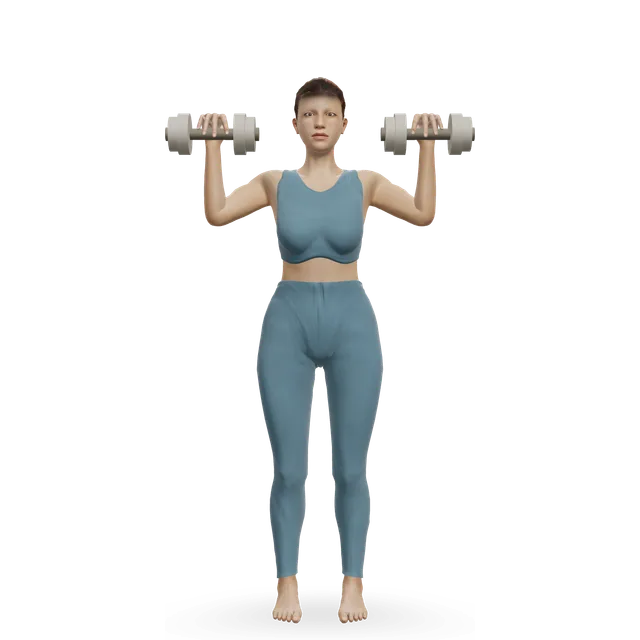 3D demoStanding overhead pressIntermediate · A barbell + A dumbbell
 3D demoFarmer's carryBeginner · A dumbbell + A kettlebell
Heel drops: 20 to 30 at first, building towards about 50 on most days (the move page's dose, from the UK osteoporosis consensus). Balance holds: up to 30 seconds, near a counter (editorial).
When your surgical team says you can: separate nods, tilts and turns of the neck, each held for 5 seconds, 5 times (the move page's dose for a sore neck), before full circles, plus short daily walks.
Start with the chair and breathing routines while your levels are high, and move down the list as they come down. The bone workout is for once your levels are normal.
A free 20-minute chair yoga class for older adults: slow breathing, gentle seated stretches and twists, standing poses holding the chair, and a calm finish.
20 minBeginner18 movesA bench or box, Something with weightA 20-minute chair Pilates workout for beginners and older adults: breathing, sitting tall, gentle spine and leg moves, and a standing finish at the chair.
20 minBeginner14 movesA bench or box, Something with weightA 6-minute breathing routine: slow breathing, crocodile breathing, alternate nostril breathing, box breathing and 4-7-8 breathing.
6 minBeginner5 movesNo equipmentA 10-minute session for low-energy days: marching, sit-to-stands, wall push-ups, step-ups and bridges, then a short walk. Doing a little counts.
10 minBeginner7 movesA bench or box, A wallA steady 30 to 45 minute cardio session at talk-but-not-sing pace: walk, cycle, row or cross-train, counting toward weekly activity guidelines.
40 minBeginner3 movesCardio machine, A wallA gentle leg strength routine with no jumping: sit-to-stands, step-ups, wall sits, bridges and calf raises.
20 minBeginner7 movesA bench or box, A stepA gentle 20-minute beginner home workout with a chair, a wall and a band: sit-to-stands, wall push-ups, band rows, step-ups and dead bugs.
20 minBeginner11 movesA bench or box, A wallA 20-minute full-body dumbbell workout: two supersets of squats, rows, Romanian deadlifts and push-ups. Twice a week covers the minimum dose.
20 minBeginner8 movesA dumbbell, A bench or boxA 35-minute full-body strength workout with dumbbells: goblet squats, presses, rows, Romanian deadlifts and carries.
35 minIntermediate9 movesA band, A dumbbellA 25-minute standing cardio circuit with no jumping: marching, step jacks, sit-to-stands, punches, step-ups and wall push-ups, with a seated option for most moves.
25 minBeginner9 movesA bench or box, A stepA 25-minute walk with short faster bouts: notice your heart and breathing speed up, then settle. A gentle way to get used to the feelings of effort.
25 minBeginner5 movesCardio machine, A wallImpact, strength and balance for stronger bones, following UK osteoporosis consensus advice, with options for every level.
40 minBeginner14 movesA kettlebell, Other / check instructionsBalance practice in 10 minutes: tandem stance, single-leg stands, marches, heel walks, tree pose and floor transfers.
10 minBeginner7 movesA wall, A bench or boxA 40-minute strength and balance session for over-65s, built from the Otago home programme and NHS exercises, using a chair, a counter and a step.
40 minBeginner18 movesA bench or box, Something with weightFor once your levels are normal. The weight loss plan suits weight gained after treatment.
A free 8-week walking plan for beginners: build to 150 minutes of brisk walking a week, with intervals, hills and two short strength sessions.
6 training days40 minBeginner2 days a weekYour first four weeks: two, then three short strength sessions a week at home plus walks, building gently to a full routine.
2 training days20 minBeginner3 days a weekA weekly plan for women over 50: strength, bone-loading and balance on 3 days plus walking, built on UK osteoporosis consensus advice.
3 training days45 minBeginner5 days a weekA 12-week workout plan for weight loss: three strength days, two cardio days and daily steps, building to 200 minutes a week, with honest results.
3 training days45 minBeginnerThis is general information, not a diagnosis. A&E means accident and emergency. In the US, call 911 where this page says 999.
Stop exercising and call 999 for:
Source 46
The NHS says a thyroid storm is a medical emergency: call 999 for an ambulance straight away if you think you or someone in your care has one. The signs are:
Source 9
Call 999 or go to A&E if you have palpitations that don't go away, or that come with chest pain, shortness of breath, or feeling faint or fainting. If they've stopped, ask your GP surgery for an urgent appointment or call 111. Call 999 if someone faints while exercising.
Call 999 if someone is still unwell after 30 minutes of resting somewhere cool and drinking fluids, or has a very high temperature, hot skin that isn't sweating, a fast heartbeat, fast breathing or shortness of breath, confusion and poor coordination, a seizure, or loss of consciousness.
Source 32
Sudden weakness or paralysis of your legs or arms, especially with any difficulty breathing, needs emergency help: call 999 (our wording; this rare problem can affect breathing).
If you take carbimazole or propylthiouracil, contact your doctor immediately if you get a high temperature, sore throat or persistent cough: rarely, these tablets cause a sudden drop in the white blood cells that fight infection. The BTF has an alert card to carry. The NHS says to call your doctor or 111 straight away on carbimazole if your skin or the whites of your eyes turn yellow, you have dark pee, or you get muscle pain or weakness.
The BTF says to see your GP or eye specialist urgently if your eye symptoms get worse over days or weeks, blurred vision doesn't clear when you blink, colours look less bright, you see double when looking straight ahead or down, or you tilt your head to avoid seeing double.
Source 23
Tell the medical staff straight away about tingling in your hands, fingers or around your mouth.
Source 41
Stop exercising if your heart races or flutters, you feel dizzy or unusually breathless, or you feel too hot, then cool down and drink (our suggestion).
The treatments are tablets, radioactive iodine and surgery. One retrospective study reported dramatic effects from a 3-week programme, but it's too weak to rely on and hasn't been repeated. Never stop or change your thyroid medicine without your specialist.
Before treatment works, your heart is already working hard, you overheat sooner and you can't reach your usual effort. Gentle activity helps with restlessness, and the NHS says regular exercise can help with anxiety and poor sleep; hard training waits until your levels are under control.
Weight lost while the thyroid is overactive usually comes back with treatment, and some of what's lost is muscle. Strength training helps you rebuild it.
With an overactive thyroid, the heart rate rises less than usual with effort, and beta blockers slow it further. Use the talk test or how hard it feels.
The NHS says you don't need to stop playing sports if you take propranolol. If it makes you dizzy, sit or lie down until you feel better.
We found no study showing that any pose changes thyroid levels. Yoga and breathing can help you relax, and the BTF says exercise doesn't need to be vigorous to help.
Source 33
The causes are Graves' disease, thyroid nodules, some medicines, thyroid inflammation and, rarely, other conditions. Exercise isn't one of them.
Source 19
Muscle strength usually comes back over months, some people's fitness lags behind, and weight tends to rise. Build back gradually.
Gently, until treatment brings your levels down, and as your team advises. An untreated overactive thyroid makes the heart race, the body overheat and the muscles weak, so hard exercise is best left until your team says your levels are under control. Once they are, the usual guidelines apply.
Exercise doesn't change thyroid levels, but hard exercise while they're high puts extra strain on a heart that's already working hard, and atrial fibrillation is a known complication. Gentle activity is fine, and the NHS says regular exercise can help with anxiety, irritability and poor sleep.
When your blood tests and your team say your levels are under control. Many people feel better after 1 to 3 weeks, but carbimazole can take 1 to 2 months to work fully, and the British Thyroid Foundation says the gland is usually under control in about 6 to 8 weeks. Build up gradually from there.
Thyroid hormone speeds the heart at rest, and an overactive thyroid also changes how it responds to effort, which limits how hard you can work. Go by how hard it feels rather than heart rate targets. Palpitations that don't settle, or that come with chest pain, breathlessness or fainting, need 999.
Yes. The NHS says you don't need to stop playing sports on propranolol, though it can make you tired or dizzy, and it's banned in some competitive sports. Because it slows your heart, use the talk test rather than heart rate zones.
An overactive thyroid weakens muscles, especially the thighs and upper arms, and in one study 62% of people had measurable weakness. It usually recovers with treatment within a few months, and strength training helps. Muscle pain or weakness on carbimazole is worth a call to your doctor or 111.
Yes, especially once treatment starts working. In a small study, people who did strength training twice a week alongside their tablets roughly doubled their strength gains and built muscle. Start light while your levels are high, and progress once they're normal.
Weight lost while your thyroid was overactive usually comes back once it's treated; in one study, people gained about 5 kg over 2 years. Regular activity and strength training help you rebuild muscle rather than only fat. If you now take levothyroxine, our underactive thyroid guide covers weight.
Yes, gently, but keep at arm's length from others for 2 to 3 weeks, especially babies, young children and pregnant women, so exercise at home or outdoors rather than in busy classes. More than two-thirds of people later develop an underactive thyroid, so see a GP if you become tired, cold or gain weight.
Walk from the first days and build up; it can take up to a month to get your energy back. Gentle neck movement within comfort is enough: in a trial, neck stretching exercises added nothing. Ask your surgical team when you can lift, swim or play contact sports.
Gentle yoga and breathing can help you relax and sleep, and the British Thyroid Foundation says exercise doesn't need to be vigorous. No yoga pose changes your thyroid levels. Avoid hot yoga until your levels are under control.
No. The usual causes are Graves' disease, thyroid nodules, some medicines and thyroid inflammation. Hard training while your thyroid is overactive is a different issue: it's best left until treatment has brought your levels down.
Exercise education, not a diagnosis or treatment plan, and clinical review of these guides is pending. Stop and get advice for chest pain, unusual breathlessness, dizziness or fainting, or new pain, and check with your doctor or midwife first if they have told you to limit activity. Health disclaimer.