Warning signs: when to get help
These are the warning signs from our Crohn's and colitis exercise guide and our yoga guides, word for word, with one line of our own. This is general information, not a diagnosis. A&E means accident and emergency; in the US, call 911 for 999.
Call 999 or go to A&E (911 in the US)
Don't drive yourself; ask someone to drive you or call an ambulance, and bring your medicines. Go now if:
- You have severe tummy pain.
- You're bleeding non-stop from your bottom.
- There's a lot of blood, or large blood clots, when you poo.
- You're vomiting blood or poo, or your sick looks like coffee grounds or soil.
Source 36
Ask for an urgent GP appointment or call NHS 111
- Very bad diarrhoea or bloody diarrhoea, or poo that is black or dark red.
- A high temperature, or feeling hot, cold or shivery.
- A fast heartbeat.
- You can't fart or poo.
Sources 36, 2
In a flare
If you feel up to it, swap long or hard sessions for short walks, gentle stretching and breathing, and rest when you need to: Crohn's & Colitis UK says, "If you're not feeling up to it, don't put pressure on yourself." Drink plenty of fluids if you have diarrhoea, and build back up gradually as the flare settles (our editorial advice).
Bloody diarrhoea, a high temperature, a fast heartbeat or severe tummy pain need medical advice, not exercise (see the warning signs). See a GP or your IBD team if your symptoms are getting worse or your treatment isn't helping.
Sources 11, 36, 2
With a stoma
- Ileostomy output of more than 2 litres a day for 3 days or more: contact your hospital urgently.
- Thirst, tummy cramps, dizziness or faintness, or dark wee: contact your stoma nurse.
- Less output than usual, feeling sick or bloated, and tummy pain can mean a blockage: if the pain gets worse or you're sick, go to A&E.
- A new bulge around your stoma: contact your stoma nurse.
- After exercise, a swollen or pale stoma, a change in output, a bigger bulge, or pain around your stoma or scar that lasts 24 hours: get medical advice if it doesn't settle.
Sources 13, 12
During yoga with a stoma or after bowel surgery
Ease back, or drop a level, if you notice any of these during or after exercise (EXPASS's self-check):
- Doming or bulging around your stoma or across your tummy.
- Pressure around your stoma, pelvic floor or bottom, or a pulling or tugging feeling at the stoma.
- Your stoma pushing out further (prolapse), or swelling or a change in its shape afterwards.
- Holding your breath or bearing down.
- Soreness or tiredness that lasts more than 24 hours.
Source 12
If you think you have a hernia
Contact your stoma nurse, and keep active: EXPASS says harder core levels needn't be avoided if you can do them well without extra bulging. A support belt or girdle may help with comfort, and some hernias need surgery.
Sources 13, 12
After surgery
Throbbing pain and swelling in one leg, usually the calf or thigh, can be a blood clot: ask for an urgent GP appointment or call NHS 111, and call 999 if you're also short of breath or have chest pain.
Source 52
See your GP or IBD team
- Your symptoms are getting worse or your treatment isn't helping.
- Back pain that has lasted more than 3 months and gets better with exercise but not rest.
- New hip, groin or knee pain, especially if you take steroids.
- Fatigue that doesn't lift, so the causes can be checked.
Sources 2, 30, 45, 53
If you crash after small efforts
If activity is followed hours or days later by a crash out of proportion to what you did, that's post-exertional malaise: don't push through it, and see a GP. Our long COVID and ME/CFS guides cover pacing.
Source 54
Steroids
Don't stop taking steroids without talking to your doctor: if you've taken them for more than 3 weeks or at a high dose, they usually need to be reduced gradually.
Source 55
If your mood is low
The NHS lists depression and anxiety among the complications of ulcerative colitis, and our anxiety and depression guides can help. If you are thinking about suicide or can't keep yourself safe, call 999 or go to A&E. For urgent help, call Samaritans free on 116 123, any time, or in England call 111 and select the mental health option. In the US, call or text 988.
Source 36
Chest pain or fainting: call 999
Call 999 if:
- You get sudden pain or discomfort in your chest that doesn't go away; it can feel like squeezing or pressure, burning or indigestion.
- The pain spreads to your left or right arm, or your neck, jaw, stomach or back.
- You have chest pain and feel sweaty, sick, light-headed or short of breath.
- Someone faints while exercising, can't be woken within 1 minute, or has chest pain or a pounding, fluttering or irregular heartbeat.
Sources 56, 57
Bones and head-down poses
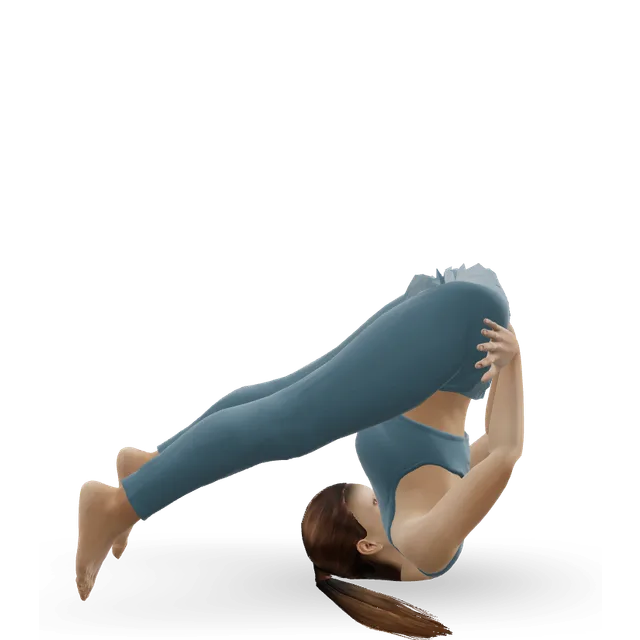
Modify or avoid exercises that round your back deeply or repeatedly, especially with a weight: sit-ups, toe touches, Pilates roll-downs and curl-ups, and extreme yoga forward folds. Bend from the hips instead. You do not need to avoid bending, twisting or lifting altogether: move smoothly and keep your upper back straight.
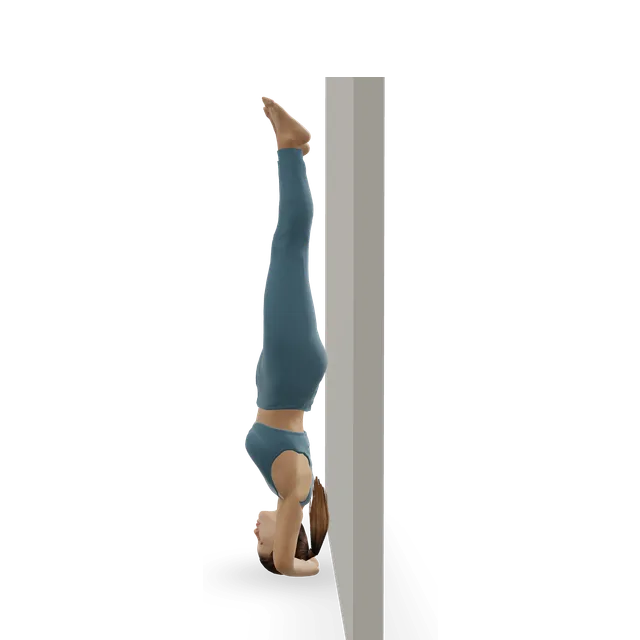
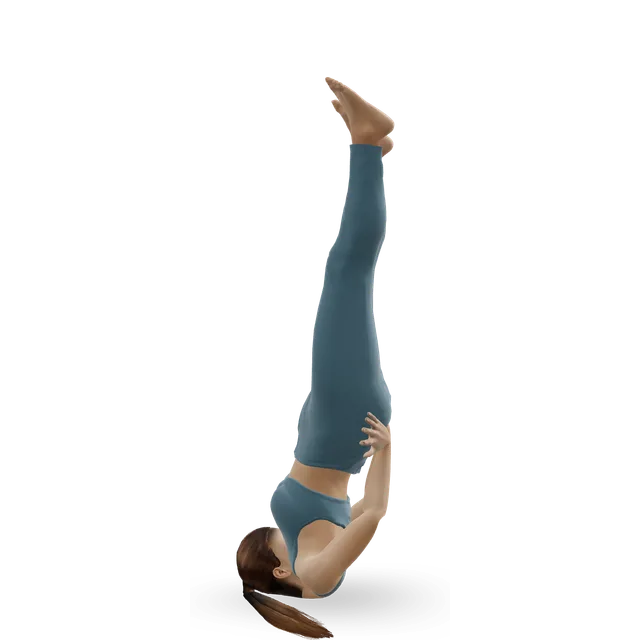
With glaucoma, or high blood pressure that isn't under control, skip headstands, shoulder stands and long head-down holds. With osteoporosis, swap deep forward folds for a flat-back hinge from the hips, and twist smoothly. In pregnancy, our yoga in pregnancy guide covers the changes. NCCIH advises beginners to avoid headstands, shoulder stands, the lotus position and forceful breathing.
Sources 47, 49
During yoga
A joint pain that is sharp, gets worse during a session, lingers into the next day or changes how you move is a reason to use an easier version, and to see a GP or physiotherapist if it keeps happening (the rule in our plans). Muscle soreness for a day or two after something new is normal. In a hot class, stop if you feel dizzy, sick or unwell; our hot yoga guide lists the signs of heat illness.
Stop a pose that brings on sharp tummy pain rather than a stretch (our suggestion).
Source 49
Before you start
The NHS advises getting advice from a healthcare professional first if you have a health problem, an injury or symptoms, or have recently had a heart attack or an operation.