Yoga guide

Yoga for IBS: what the trials show for symptoms, stress and bloating, breathing and when to see a GP

Yoga may help some people with irritable bowel syndrome (IBS), mostly by helping them relax and stay active, but it isn't a proven treatment and no single pose has been shown to work. In a 2025 review of 11 trials, yoga made no clear difference to gut symptoms compared with control groups. Head to head, it did about as well as a low-FODMAP diet (which cuts out some hard-to-digest carbohydrates) in one trial and as walking in two.

This guide covers what the trials show, what yoga can and can't do for bloating, IBS with diarrhoea or constipation and stress, the treatments with stronger evidence, children and teenagers, and the signs that need a GP before you call it IBS. It links to free gentle routines, including one for bloated days.

The short version

It may help some people, but it isn't a proven treatment

A 2025 review of 11 trials (535 people) found no clear difference from control groups in gut symptoms, anxiety, depression or quality of life, and said yoga "cannot be recommended as a treatment for IBS" until larger trials are done. Cochrane's review of physical activity, with yoga in 5 of its 11 trials, found symptoms improved, but at very low certainty.

Sources 1, 2

Head to head, about as good as a diet change or walking

Twice-weekly yoga for 12 weeks did about as well as a low-FODMAP diet in 59 people, with both groups improving, and yoga and walking didn't clearly differ in 2 trials. In the largest online trial, 79 adults, yoga wasn't better than advice for symptoms, but quality of life, tiredness and stress improved more.

Sources 3, 2, 4

No pose has been shown to massage or move the gut

The trials tested whole classes, and no study has tested a twist or single pose on how the gut works. What helps trapped gas is ordinary: moving and staying upright. In lab studies, people kept far less gas upright than lying on their backs, and light pedalling helped people with bloating clear it.

Sources 1, 5, 6, 7

Other treatments have stronger evidence

Diet changes, medicines such as low-dose amitriptyline, and talking therapies designed for IBS, such as CBT (cognitive behavioural therapy) and gut-directed hypnotherapy, have more evidence than exercise. In England you can refer yourself for CBT through NHS Talking Therapies. Yoga goes alongside them.

Sources 8, 9, 10

How to start

The trials used a class once or twice a week, with practice at home, for 8 to 12 weeks. Skip face-down poses on bloated days, keep head-down poses for an emptier stomach if you get heartburn, and leave out fast, forceful breathing such as kapalabhati, which causes more side effects than slow breathing.

Sources 3, 4, 11

Check the cause before calling it IBS

See a GP if you think you have IBS and have had symptoms for more than 4 weeks, and get an urgent appointment for weight loss, bleeding from your bottom, black or dark red poo, or a lump in your tummy. NICE (the National Institute for Health and Care Excellence) now offers a stool test for a change in bowel habit at any age, and Guts UK says a change lasting 4 weeks or more needs checking, especially if you're over 40, even if you've already been diagnosed with IBS.

Sources 12, 13, 14, 15

IBS, and where yoga fits

IBS, in plain words

A common, long-term condition of the digestive system. The main symptoms are tummy pain or cramps (usually worse after eating and better after a poo), bloating, diarrhoea and constipation, with flare-ups that alcohol, caffeine, certain foods, stress or anxiety can set off, or nothing obvious. It affects 5% to 10% of people.

About 1 in 3 people have IBS with constipation (IBS-C), another third IBS with diarrhoea (IBS-D), and the rest a mix of both.

Sources 12, 8, 15

How it's diagnosed

NICE suggests thinking of IBS when tummy pain or discomfort, bloating or a change in bowel habit has lasted 6 months or more. A GP may do blood tests for coeliac disease and poo tests for infection and inflammatory bowel disease.

Sources 16, 17

How it's treated

Diet changes (regular meals, help from a dietitian, a low-FODMAP diet), medicines for diarrhoea, constipation or pain, and psychological treatments such as IBS-focused CBT and gut-directed hypnotherapy. Being active and making time to relax are part of the first advice.

Sources 18, 10, 8, 16

What the trials called yoga

Whole classes, not single poses: programmes of 6 weeks to 8 months, with sessions of 40 to 90 minutes. They included twice-weekly classes for 12 weeks, 16 twice-weekly Iyengar sessions, and weekly online classes of gentle movements, a salute sequence, alternate nostril breathing, chanting and breath watching, with daily practice at home. In one trial in men with IBS-D, people did 12 poses with right-nostril breathing twice a day.

Sources 1, 3, 19, 4, 20, 21

Why yoga might help

The gut and brain affect each other: stress and anxiety are common triggers, and the best-supported treatments after diet and medicines are psychological. Yoga combines movement, slow breathing and relaxation, and the online trial's clearest gains were in stress, tiredness and quality of life rather than gut symptoms.

Sources 12, 8, 4

What the evidence says

What the guidance saysStrong evidence

NICE asks GPs to encourage people with IBS "to identify and make the most of their available leisure time and to create relaxation time", and to give brief advice to people who aren't very active. The NHS says to "try to find ways to relax" and "get plenty of exercise". UK gut specialists say people with IBS should be encouraged to be more active where they can, and Guts UK says regular exercise should be part of a healthy lifestyle.

Sources 16, 18, 8, 15

What the reviews say: they disagreeMixed evidence

The 2025 review of 11 trials (535 people) found no clear difference from control groups in gut symptoms, with wide margins of uncertainty and trials of very different styles, lengths and comparisons. Cochrane's 2022 review of physical activity found symptoms improved against usual care at very low certainty, with no clear change in quality of life or tummy pain, and no trial at low risk of bias.

A 2016 review of 6 trials found benefits but said "no recommendation can be made" because of flaws in the studies, and another 2025 review was more positive, from low-quality studies.

Sources 1, 2, 22, 23

Yoga against a low-FODMAP dietEmerging evidence

In 59 people, twice-weekly yoga for 12 weeks did about as well as 3 sessions of low-FODMAP diet advice, at 12 and 24 weeks, and both groups improved. Each group had one serious side effect. It's one small trial.

Source 3

Yoga against walkingMixed evidence

Yoga and walking didn't clearly differ in 2 trials (124 people), at very low certainty. In one of them, 35 adults, walking improved low mood more, and by 6 months yoga's gains had faded while the walkers kept improving and more were still doing it.

Sources 2, 19

Online yoga against adviceEmerging evidence

In 79 adults (92% women), 8 weekly online classes with daily practice at home weren't better than advice for IBS symptoms: 37% against 20% had a meaningful improvement, a difference that could be chance. Quality of life, tiredness and stress improved more with yoga, and no harms were reported. 20% dropped out.

Source 4

Larger trials from IndiaMixed evidence

In 165 people, yoga 5 times a week for 3 months, added to treatment, barely changed symptom scores, though stress and anxiety were lower. In 202 people, 3 months of yoga improved measures of the nervous system's automatic control and IBS quality of life. Both were read as summaries.

Sources 24, 25

Being helped to be more activeEmerging evidence

In the largest activity trial, 102 people were helped by a physiotherapist to be more active for 12 weeks, or carried on as usual; 75 finished. Symptoms improved by 51 points on a 500-point scale with activity, against 5 points without it, and fewer people got worse.

Source 26

Stress, anxiety and talking therapiesStrong evidence

Stress and anxiety are common IBS triggers. Talking therapies designed for IBS have much stronger evidence than yoga: across 41 trials (4,072 people), CBT and gut-directed hypnotherapy each cut the chance of symptoms not improving by about a third or more, and in a UK trial of 558 people, CBT by phone or online helped for up to 2 years. In England you can refer yourself through NHS Talking Therapies.

Sources 12, 8, 9, 10

SafetyEmerging evidence

Yoga was generally safe in trials of gut conditions: the diet trial had one serious side effect in each group, and the online trial reported none. Cochrane noted that harms were poorly reported in the activity trials.

Sources 3, 4, 27, 2

Bloating, gas and visible swelling

Moving and staying upright help gas move onEmerging evidence

In 8 healthy people, much less gas fed into the gut stayed there when they were upright than when they lay on their backs (13 mL against 146 mL after an hour). Light pedalling cut the gas held in the gut from 45% to 24% in 8 people with bloating, 7 of them with IBS, and eased their symptoms. These were short lab studies, not yoga trials, but they explain why a walk and standing poses may help on bloated days more than lying still.

Sources 6, 28, 7

Visible swelling after meals: a reflex that can be retrainedEmerging evidence

In some people the tummy visibly swells after meals because the diaphragm pushes down while the front of the tummy relaxes. In two trials from one research group, people learned to reverse this over 3 sessions of biofeedback, which shows them their breathing and tummy muscle activity as they practise, and the swelling fell by 56% (against 13% with a placebo; 48 people) and by 66% (42 people). US gut specialists list diaphragmatic breathing as a treatment for it. That is a specific retraining, not a yoga pose, and practising at home without the equipment hasn't been tested.

Sources 29, 30, 31

Slow breathing on its ownMixed evidence

In a pilot study of 14 adults, 20 minutes of slow deep breathing 5 times a week for 4 weeks didn't change IBS symptoms. It's a good way to relax, but it hasn't treated IBS by itself.

Source 32

Slow belly breathing, step by step

Our editorial starting point, as in our yoga for digestion guide: 3 to 5 minutes, with no breath holds.

  • Lie on your back with your knees bent, or sit with your back supported. Loosen anything tight around your waist, and rest one hand on your belly.
  • Breathe in gently through your nose for a count of about 4, letting your belly widen under your hand.
  • Breathe out slowly for a count of about 6, and let your belly soften.
  • Go straight into the next breath. If you feel light-headed, make the breaths smaller.

Source 31

On bloated days

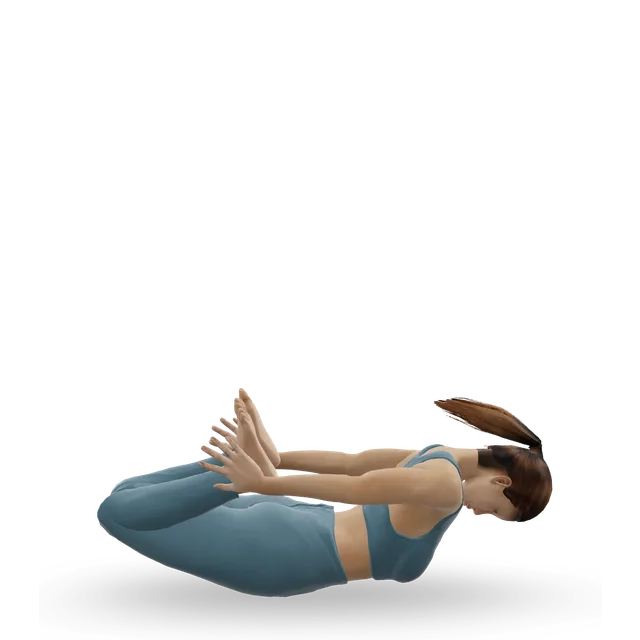
Choose a walk, standing poses, poses on your back, or child's pose with your knees wide so your tummy has room, and skip lying face down in poses such as cobra, sphinx, bow and locust (our suggestion, as in our exercise for IBS guide).

Sources 6, 7

IBS with diarrhoea or constipation

IBS with diarrhoea (IBS-D)Mixed evidence

In one trial of 22 men with IBS-D, 12 poses with right-nostril breathing twice a day for 2 months did about as well as loperamide, with both groups improving. That's too small to rely on, and loperamide is NICE's first choice of medicine for diarrhoea in IBS.

Sources 21, 16

Urgency

If urgency worries you, choose a class near a toilet, or practise at home, and do gentle poses before any strong core work (our suggestions). Our exercise for IBS guide covers urgency and toilets in more detail.

IBS with constipation (IBS-C)Mixed evidence

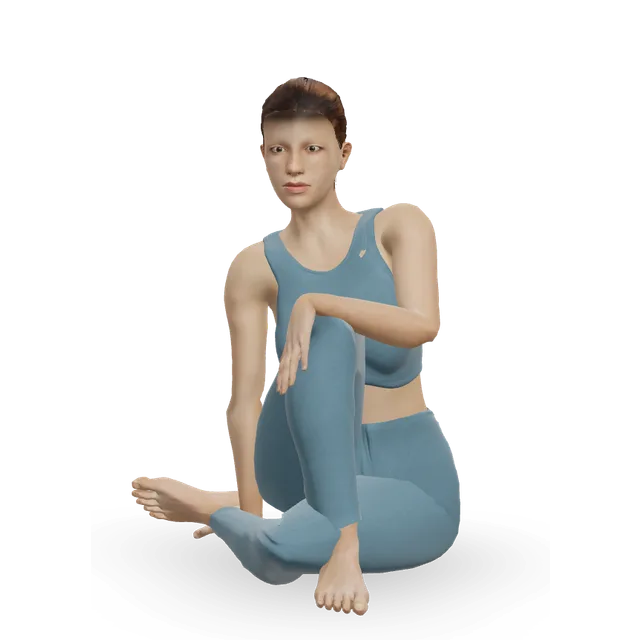
We found no trial of yoga in IBS with constipation on its own, and no pose has been shown to speed up the gut. A daily walk, fibre, fluids and resting your feet on a stool on the toilet come first: our exercise for constipation guide covers them. Knee hugs and gentle twists are comfortable, not proven.

Sources 33, 5

If you strain

Pelvic floor relaxation helps you let go rather than push: 5 to 10 slow breaths, 1 to 3 times a day, and never push down or strain (the move's page). Our pelvic floor relaxation routine takes 8 minutes.

Children and teenagers

Trials in childrenEmerging evidence

In 69 children aged 8 to 18 with long-term tummy pain, 10 weeks of yoga added to usual care helped more of them a year later (58% against 29%), with no difference at earlier points, and they missed less school. In 121 girls aged 9 to 13, dance and yoga twice a week for 8 months meant about 1 fewer day of pain a week at 8 and 12 months, though measured activity didn't rise. Iyengar yoga helped young adults more than teenagers.

Sources 34, 35, 36, 37, 38

Reviews in children, and a GP firstMixed evidence

Two reviews found no clear evidence that yoga helps children's tummy pain, while CBT had moderate-certainty evidence. Tummy pain in a child needs a GP to check the cause first; our yoga for kids guide covers safe practice.

Sources 39, 40

Breathe and relax

Slow breathing: 3 minutes in a routine (our yoga for digestion), or at least 5 minutes on its own (the move's page); alternate nostril breathing: 3 to 5 minutes of slow rounds, once or twice a day, with no breath holds; breath reach: 5 breaths, breathing out for longer than you breathe in; pelvic floor relaxation: 5 to 10 slow breaths, 1 to 3 times a day (the moves' pages).

Upright and moving

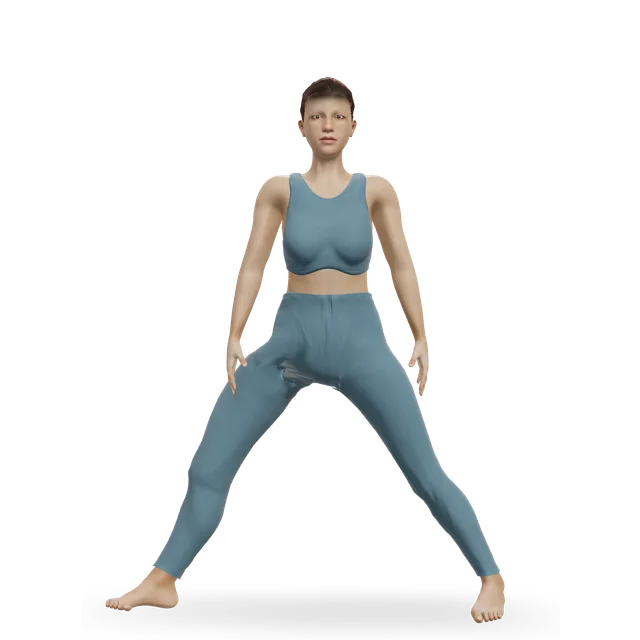
March on the spot: 2 minutes; mountain pose: 5 slow breaths; warrior II and triangle: 3 breaths each side; tree pose: 3 to 5 breaths each side, near a wall (our yoga for digestion). Chair pose: 2 holds of 3 to 5 breaths (our gentle yoga for beginners).

All fours and lying down

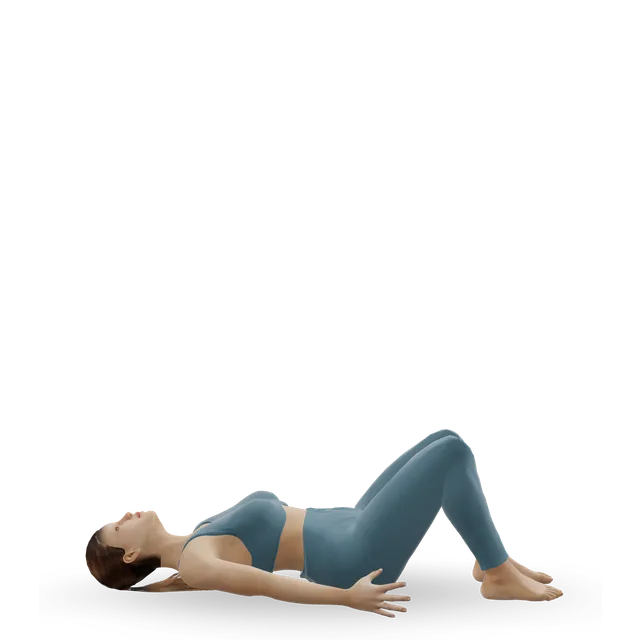
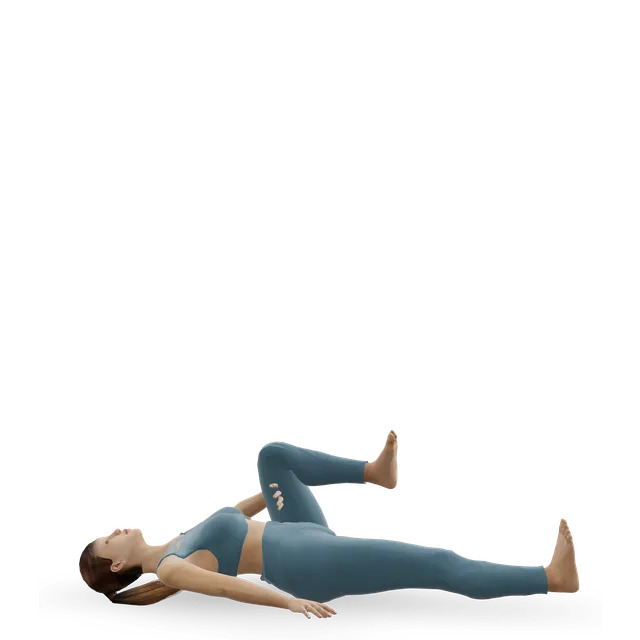
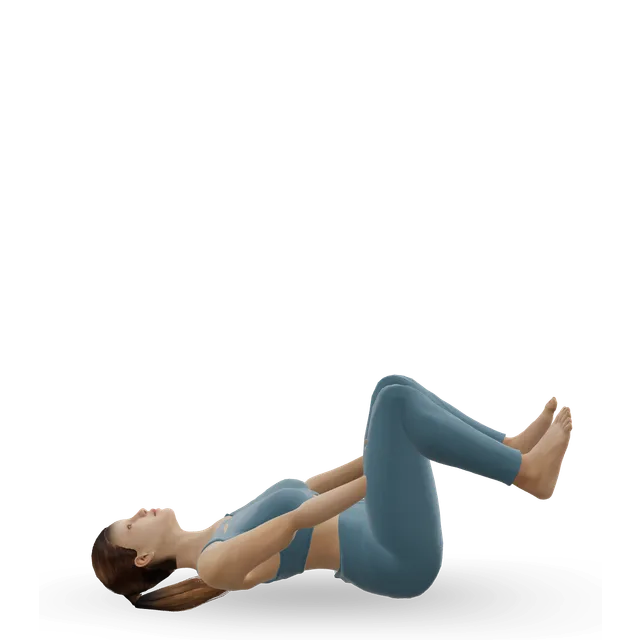
Cat-cow: 8 waves, slower than feels natural; one knee to chest: hold 20 to 30 seconds, 2 to 4 times each side; knees to chest: hold 20 to 30 seconds, 2 to 4 times; reclining bound angle: rest 2 to 5 minutes with a support under each thigh; corpse pose: at least 5 minutes, up to 10 (the moves' pages). Child's pose: 1 minute with your knees wide; lying twist: 30 seconds each side, knees on a cushion (our yoga for digestion).

Poses to change on bloated days

On bloated days, swap face-down poses (cobra, sphinx, bow, locust and crocodile breathing) for standing poses or poses on your back. If you get heartburn, keep head-down poses such as downward dog for about 2 hours after a main meal (no guideline gives a figure), and keep twists gentle (our suggestions). Leave out fast, forceful breathing such as kapalabhati.

Free routines

There's no tested yoga routine for IBS: the trials used whole gentle classes. Our gentle yoga for beginners class is closest to them; the yoga for digestion routine suits bloated days; the walking and cardio routines are the other half, since walking did as well as yoga in trials. In the breathing routine, the breath holds are optional, and sit up for the crocodile breathing if you're bloated.

Gentle yoga for beginners

A 25-minute gentle yoga class for complete beginners and over-50s: slow breathing, a warm-up, supported standing poses, floor poses and a closing rest.

25 minBeginner14 movesNo equipment

Yoga for digestion: a 25-minute routine for bloating and IBS

Twenty-five minutes of movement, upright poses, knee hugs and slow belly breathing for bloating and IBS, with no face-down poses.

25 minBeginner14 movesA step, Firm cushion

Breathing exercises to relax

A 6-minute breathing routine: slow breathing, crocodile breathing, alternate nostril breathing, box breathing and 4-7-8 breathing.

6 minBeginner5 movesNo equipment

Morning routine for constipation: a walk, knee hugs and letting go

A daily morning routine for constipation: a brisk walk, slow breathing, knee hugs and relaxing your pelvic floor, then tummy massage and unhurried toilet time.

25 minBeginner7 movesCardio machine

Pelvic floor relaxation exercises

An 8-minute routine for a tight pelvic floor: slow breathing and comfortable positions to help the muscles let go, with no strengthening squeezes.

8 minBeginner5 movesFirm cushion

10-minute walk and move after meals

A 10-minute routine for straight after a meal: an easy walk, a few simple standing moves from blood sugar trials, then a short walk to finish.

10 minBeginner6 movesCardio machine, A bench or box

Easy cardio workout

A steady 30 to 45 minute cardio session at talk-but-not-sing pace: walk, cycle, row or cross-train, counting toward weekly activity guidelines.

40 minBeginner3 movesCardio machine, A wall

Restorative yoga sequence: 45 minutes of supported rest

A 45-minute restorative yoga sequence: five fully supported poses held for 4 to 10 minutes each, with slow breathing and a long final rest.

45 minBeginner6 movesFirm cushion, A wall

When to see a GP, and urgent signs

These follow the NHS, Guts UK and our exercise for IBS guide. A&E means accident and emergency. In the US, call 911 for 999.

Call 999 or go to A&E

If:

  • You're bleeding non-stop from your bottom.
  • There's a lot of blood, or you see large blood clots, when you poo.

Source 13

Ask for an urgent GP appointment or call NHS 111

The NHS says these could be signs of something more serious:

  • You've lost a lot of weight for no reason.
  • You're bleeding from your bottom or have bloody diarrhoea.
  • Your poo is black or dark red.
  • You've found a hard lump or swelling in your tummy.
  • You're short of breath, with noticeable heartbeats (palpitations) and skin that's paler than usual.

Sources 12, 13

See a GP

NICE now offers a stool test to adults of any age with a change in bowel habit, so don't wait because of your age. See a GP if:

  • You think you have IBS and have had symptoms for more than 4 weeks.
  • Your bowel habit has changed for 4 weeks or more, especially if you're over 40, even if you've already been diagnosed with IBS.
  • Diarrhoea wakes you at night, or you have a fever, anaemia, or weight loss of more than 2 kg without trying.
  • Bowel cancer, colitis or Crohn's disease runs in your family.

Sources 12, 15, 14

Stop exercising and call 999

  • Chest pain that feels tight or like squeezing, or spreads to your arms, neck or jaw.
  • Severe difficulty breathing.
  • Someone has passed out and isn't responding normally.

Source 41

If your mood is low

IBS and anxiety or low mood can feed into each other, and our anxiety and depression guides can help. If you are thinking about suicide or can't keep yourself safe, call 999 or go to A&E. For urgent help, call Samaritans free on 116 123, any time, or in England call 111 and select the mental health option. In the US, call or text 988.

Source 8

During yoga

Stop a pose that brings on sharp tummy pain rather than a stretch. A new lump or bulge in your groin or tummy when you strain or lift your legs needs a GP; our hernia guide explains when it's urgent. If poses on your front or head-down poses bring on heartburn, keep them for an emptier stomach. Yoga isn't a reason to wait with any warning sign above (our suggestions).

Myths

"Yoga cures IBS"Strong evidence

A 2025 review found no clear difference from control groups and said yoga can't yet be recommended as a treatment. IBS is managed with diet changes, medicines and psychological treatments, and yoga can go alongside them.

Sources 1, 16, 8

"Twists massage your intestines and fix IBS"Mixed evidence

No study has tested a twist or any single pose on how the gut works in IBS, and the trials of whole classes had mixed results. Twists are a comfortable way to move your spine; our yoga for digestion guide covers the claim that they detox your organs.

Sources 5, 42, 1, 2

"Yoga is proven to treat IBS"Mixed evidence

Reviews disagree: no clear difference from control groups in 2025, very low certainty in Cochrane's review, and "no recommendation can be made" in 2016. One trial found yoga about as good as a low-FODMAP diet.

Sources 1, 2, 22, 3

"Yoga is the best exercise for IBS"Mixed evidence

Yoga and walking didn't clearly differ in 2 trials, the walkers' gains lasted longer in one, and running and moderate aerobic exercise ranked highest in a 2026 comparison of exercise types. Choose the activity you'll keep doing.

Sources 2, 19, 43

"Kapalabhati stimulates digestion and eases IBS"Mixed evidence

We found no trial testing it for IBS. Fast breathing caused more side effects than slow breathing in trials, and kapalabhati was linked to a collapsed lung in a case report. Slow breathing is the gentler choice.

Sources 33, 11, 44

"Deep breathing cures IBS"Mixed evidence

Slow breathing helps you relax, but on its own it didn't change IBS symptoms in a pilot study. Talking therapies designed for IBS, such as CBT and gut-directed hypnotherapy, are a different treatment with good evidence.

Sources 32, 8

"The wind-relieving pose is a proven fix for gas"Mixed evidence

It was one of 12 poses in a trial of 22 men and hasn't been tested on its own. Moving and staying upright are what helped gas move on in lab studies.

Sources 21, 6, 7

"Face-down poses like cobra and bow relieve bloating"Emerging evidence

No trial has tested yoga poses for bloating. Face-down poses press on a bloated tummy, and the small lab studies favour moving and staying upright.

Sources 6, 7

"Once you're diagnosed with IBS, new symptoms are just IBS"Strong evidence

Guts UK says symptoms that aren't typical of IBS need a doctor "as soon as possible ... even if you already have been diagnosed with IBS", and the NHS lists signs that need an urgent GP appointment.

Sources 15, 12

Questions people ask

Is yoga good for IBS?

It may help some people, mostly with stress and quality of life, but it isn't a proven treatment. A 2025 review of 11 trials found no clear difference from control groups in symptoms, while yoga did about as well as a low-FODMAP diet in one trial. It's a reasonable add-on if you enjoy it.

Can yoga cure IBS?

No. The trials found small or uncertain effects, and IBS is managed with diet changes, medicines and talking therapies designed for IBS, which have stronger evidence. Yoga can go alongside them.

Which yoga poses help IBS?

No single pose has been shown to work: the trials tested whole classes of gentle movement, breathing and relaxation, and claims that twists massage the gut are untested. Standing poses, cat-cow, child's pose with your knees wide, knee hugs and slow breathing are comfortable choices.

Does yoga help IBS with diarrhoea?

In one small trial, 22 men with IBS-D improved as much with twice-daily yoga as with loperamide. That's too small to rely on, and loperamide is NICE's first choice for diarrhoea in IBS. If urgency worries you, a class near a toilet or practising at home helps.

Does yoga help IBS with constipation?

No trial has tested yoga in IBS with constipation on its own. A daily walk, fibre, fluids and resting your feet on a stool on the toilet come first; knee hugs and gentle twists are comfortable, not proven.

Can yoga help IBS bloating?

Moving and staying upright help trapped gas move on: in small lab studies, people kept far less gas upright than lying down, and gentle pedalling helped clear it. On bloated days choose a walk, standing poses and poses on your back, and skip face-down poses. Visible swelling after meals can be retrained with biofeedback from a specialist.

Can yoga help IBS anxiety and stress?

It may: stress and anxiety are common triggers, and in trials yoga lowered stress and improved quality of life more consistently than it changed gut symptoms. Talking therapies designed for IBS, such as CBT and gut-directed hypnotherapy, have the strongest evidence, and in England you can refer yourself.

Do breathing exercises help IBS?

They help you relax, which NICE recommends, but slow breathing on its own didn't change symptoms in a small trial. Skip fast, forceful breathing such as kapalabhati, which causes more side effects.

What should I do during an IBS flare-up?

Keep it gentle: slow breathing, a walk if you can, and poses on your back or standing rather than face down. Flare-ups can follow stress, alcohol, caffeine or certain foods. See a GP if a flare brings any of the warning signs on this page.

How often should I do yoga for IBS?

Trials used one or two classes a week, usually with practice at home, for 8 to 12 weeks. Give it about that long before you judge it, and keep walking on other days.

Is hot yoga good for IBS?

We found no trial of hot yoga in IBS. Heat raises your temperature and heart rate without proven extra benefit, so choose a comfortable room and drink enough, especially if you have diarrhoea.

When should I see a doctor about IBS?

See a GP if you think you have IBS and have had symptoms for more than 4 weeks. Ask for an urgent appointment or call 111 if you've lost a lot of weight for no reason, are bleeding from your bottom or have bloody diarrhoea, your poo is black or dark red, or you find a lump in your tummy. A change in your bowel habit lasting 4 weeks or more needs checking, especially over 40, even if you've already been diagnosed.


Sources

  1. Saab 2025 · Yoga for IBS: 11 trials, 535 people (systematic review and meta-analysis, Am J Gastroenterol)
  2. Nunan 2022 · Physical activity for IBS: 11 trials, 622 people (Cochrane review, Cochrane Database Syst Rev)
  3. Schumann 2018 · Yoga against a low-FODMAP diet for IBS: 59 people (randomised trial, Aliment Pharmacol Ther)
  4. D'Silva 2023 · Online meditation and yoga for IBS against advice: 79 adults (randomised trial, Am J Gastroenterol)
  5. PubMed · Search for yoga poses and gut transit, gut movement or wind: 1 record, a single-session study in diabetes, none in IBS (26 October 2026)
  6. Dainese 2003 · Body posture and how gas moves through the gut: 8 healthy people (lab study, Gut)
  7. Villoria 2006 · Light pedalling and gas clearance in 8 people with bloating (lab study, Am J Gastroenterol)
  8. Black 2021 · Best management of IBS, by the lead authors of the British Society of Gastroenterology guideline (review, Frontline Gastroenterol; full text read)
  9. Alderson 2025 · Managing IBS in UK primary care (review, Br J Gen Pract; full text read)
  10. NHS · Further help and support for IBS (last reviewed March 2025)
  11. Mütze 2025 · Pranayama for mental disorders, including side effects of fast and slow breathing (systematic review and meta-analysis, Front Psychiatry)
  12. NHS · Symptoms of IBS (last reviewed March 2025)
  13. NHS · Symptoms of bowel cancer (last reviewed September 2026)
  14. NICE NG12 · Suspected cancer: recognition and referral, colorectal cancer (updated April 2026)
  15. Guts UK · Irritable bowel syndrome (leaflet, May 2025)
  16. NICE CG61 · Irritable bowel syndrome in adults: diagnosis and management (updated 2017)
  17. NHS · Getting diagnosed with IBS (last reviewed March 2025)
  18. NHS · Diet, lifestyle and medicines for IBS (last reviewed March 2025)
  19. Shahabi 2016 · Yoga against walking for IBS: 35 adults (pilot randomised trial, Psychol Health Med)
  20. D'Silva 2022 · The MY-IBS trial's online yoga programme (trial protocol, BMJ Open)
  21. Taneja 2004 · Yoga against loperamide for IBS with diarrhoea: 22 men (randomised trial, Appl Psychophysiol Biofeedback)
  22. Schumann 2016 · Yoga for IBS: 6 trials, 273 people (systematic review, Clin Gastroenterol Hepatol)
  23. Pavan 2025 · Yoga for IBS: 10 studies (systematic review, Compr Physiol)
  24. Devi 2025 · Yoga added to treatment for IBS: 165 people (randomised trial, Int J Yoga; abstract read)
  25. Bhattacharya 2026 · Yoga, nervous system function and quality of life in IBS: 202 people (randomised trial, Int J Yoga Therap; abstract read)
  26. Johannesson 2011 · Being helped to be more active with IBS: 102 people (randomised trial, Am J Gastroenterol)
  27. Thakur 2026 · Yoga for gut conditions: safety and effects across 12 studies (systematic review, Neurogastroenterol Motil)
  28. Dainese 2004 · Light exercise and gas clearance in healthy people (lab study, Am J Med)
  29. Barba 2017 · Biofeedback for visible tummy swelling: 48 people (randomised placebo-controlled trial, Clin Gastroenterol Hepatol)
  30. Barba 2024 · Biofeedback guided by chest and tummy wall movement for visible swelling: 42 people (randomised placebo-controlled trial, Gastroenterology)
  31. Moshiree 2023 · Managing belching, bloating and visible swelling (American Gastroenterological Association practice update, Gastroenterology)
  32. Jurek 2022 · Slow deep breathing for IBS: 14 adults (pilot study, Neurogastroenterol Motil)
  33. PubMed · Search for yoga, pranayama or asanas and IBS or functional tummy pain: 98 records, no trial in IBS with constipation alone and none of kapalabhati (26 October 2026)
  34. Korterink 2016 · Yoga for tummy pain in children aged 8 to 18: 69 children (randomised trial, J Pediatr Gastroenterol Nutr)
  35. Högström 2022 · Dance and yoga for tummy pain in girls aged 9 to 13: 121 girls (randomised trial, Eur J Pain)
  36. Högström 2026 · Dance and yoga for girls with tummy pain: results to 24 months (randomised trial, Children (Basel))
  37. Folkesson 2026 · Measured activity in the dance and yoga trial for girls with tummy pain (randomised trial, Clin J Pain)
  38. Evans 2014 · Iyengar yoga for teenagers and young adults with IBS: 51 people (randomised trial, J Pediatr Gastroenterol Nutr)
  39. Abbott 2017 · Psychological treatments for recurrent tummy pain in children (Cochrane review, Cochrane Database Syst Rev)
  40. Gordon 2022 · Psychological treatments for functional tummy pain in children (systematic review and meta-analysis, JAMA Pediatr)
  41. NHS · Heart attack (last reviewed March 2026)
  42. PubMed · Search for twists and the bowel in yoga or exercise: 3 records, none testing twists on the bowel (26 October 2026)
  43. Quan 2026 · Types of exercise for IBS compared: 16 studies (network meta-analysis, Front Immunol)
  44. Johnson 2004 · Kapalabhati breathing and a collapsed lung in a healthy 29-year-old (case report, Chest)

Exercise education, not a personal prescription, and clinical review of these guides is pending. If you are pregnant, have a health condition such as glaucoma, high blood pressure or osteoporosis, or have had recent surgery, check with a doctor, midwife or physiotherapist before starting, and stop for sharp or increasing pain. Health disclaimer.