Pilates guide

Pilates for Crohn's disease and ulcerative colitis: fatigue, flares, the core after surgery or with a stoma, bones, the evidence and a class

Pilates is a safe, adaptable way to stay active with Crohn's disease or ulcerative colitis for most people, especially between flares, and the UK's stoma nurses recommend Pilates-style core exercise for anyone who has had bowel surgery or has a stoma. It doesn't treat inflammatory bowel disease (IBD): no trial has tested Pilates in Crohn's or colitis, and your medicines and IBD team carry the treatment. Exercise trials in IBD are small, but they found modest benefits and no sign that sensible exercise sets off flares.

Crohn's disease and colitis are not the same as irritable bowel syndrome (IBS), which doesn't inflame the gut; if that's you, see our Pilates for IBS guide.

This guide covers what exercise does and doesn't do, Pilates on a flare day, fatigue, the core after surgery and with a stoma using the stoma nurses' levels, hernias, bones and steroids, joints and the back, a 25-minute class with a flare-day stop point, and the warning signs that need help.

The short version

Not a treatment, and not IBS

Crohn's disease and ulcerative colitis are inflammatory bowel disease (IBD), lifelong conditions with flare-ups and quiet spells, treated with medicines and sometimes surgery; the NHS says IBD is different from IBS. No study has tested Pilates in Crohn's or colitis, so it's a way to stay active, not a treatment.

Sources 1, 2, 3, 4

Exercise is safe for most people and helps a little

Across 15 studies (637 people, mostly in remission or with mild disease), structured exercise lowered disease activity slightly, at low certainty, without clearly changing quality-of-life scores; it eased anxiety and didn't raise inflammation. Crohn's & Colitis UK says exercising is safe and shouldn't cause a flare-up.

Sources 5, 6, 7, 8

In a flare, scale back

Breathing, gentle moves and short walks, or rest. Long or hard sessions wait: four days of long walks raised Crohn's symptom scores in one study.

Sources 8, 9, 10

After surgery or with a stoma

The UK stoma nurses' recommendations (EXPASS) say gentle core exercises can start about 24 hours after surgery and build through set levels, with Pilates or similar highly recommended 2 to 3 times a week after that. They're expert consensus, funded by stoma product companies, not trial results. Up to 1 in 3 people with a stoma get a hernia beside it, and a small Pilates-based programme was workable for people who already had one.

Sources 11, 12, 13, 14

Bones and muscles need loading

About 35% to 40% of people with IBD have low bone density, and steroids add to the risk. In 47 adults with Crohn's disease, 6 months of impact and resistance training raised spine bone density and muscle function. Only 2 trials have tested exercise for bone in IBD, so pair Pilates with standing strength work.

Sources 15, 16, 17

Our class

Our 25-minute class pairs the stoma nurses' core levels 2 and 3 with standing strength for bones and muscles, and stops after the breathing on a flare day. Its structure is our own and untested.

Source 11

Crohn's disease, ulcerative colitis and IBS

What they are

Crohn's disease can inflame any part of the gut, from the mouth to the bottom; ulcerative colitis inflames the large bowel and rectum. Both cause diarrhoea (sometimes with blood), tummy pain, tiredness and weight loss, and can affect the joints, eyes and skin. They come and go in flare-ups, lasting days to months, and spells of remission. There's no cure: medicines keep it quiet, and some people need surgery, sometimes with a stoma.

Sources 1, 2, 9

Not the same as IBS

IBS doesn't inflame or damage the gut; IBD does, and is treated differently. Some symptoms overlap, and tiredness is about as common in IBS as in IBD, but the two are different conditions.

Sources 1, 18

FatigueStrong evidence

Crohn's & Colitis UK says fatigue affects around 7 in 10 people in a flare and 4 in 10 in remission, and about 1 in 3 people with IBD have anaemia. Across 20 studies, 47% of adults with IBD had fatigue, rising to 72% with active disease.

Sources 19, 20

Bones and musclesStrong evidence

The British guideline says 35% to 40% of people with IBD have thin bones (osteopenia) and 15% osteoporosis, with steroids, inflammation and too little weight-bearing exercise among the causes; NICE calls Crohn's disease a cause of secondary osteoporosis. Fracture risk is a little higher (all fractures 13% higher across 11 cohorts). Low muscle mass on scans was common in mostly hospital-based studies.

Sources 15, 21, 22, 23

Joints and the backStrong evidence

Up to 46 in 100 people with IBD may have joint problems. Across 71 studies, about 10% had inflammation of the joints at the base of the spine (sacroiliitis), 3% ankylosing spondylitis and 13% arthritis in other joints. Crohn's & Colitis UK says medicines, exercise and physiotherapy all help.

Sources 24, 25

What the evidence says

No Pilates trial in Crohn's or colitis, small trials of other exercise, and expert consensus for stomas.

No Pilates trialStrong evidence

Our searches found no Pilates trial in Crohn's disease, ulcerative colitis or IBD, published or registered, and a 2026 review of 34 activity studies in IBD found none either.

Sources 3, 4

Structured exercise programmesEmerging evidence

Across 15 studies (637 people), exercise lowered disease activity slightly (6 trials; low certainty) without clearly changing quality-of-life scores (very low certainty). In quiet or mild disease, it eased anxiety a little and every trial judged it safe. A 2026 analysis of 24 trials (1,557 people) found aerobic exercise improved quality of life, with low or very low confidence in many comparisons, and exercise and mind-body movement eased low mood across 7 trials. Cochrane's review is still only a protocol.

Sources 5, 6, 26, 27, 28

Flares and inflammationEmerging evidence

Exercise didn't raise inflammatory markers in 5 studies. Among 1,857 people in remission, the more active were less likely to have a Crohn's flare 6 months later (a link, not proof). Very long efforts are different: four days of 30 to 50 km walks raised Crohn's symptom scores, though gut inflammation didn't change. One running trial counted 2 flares.

Sources 7, 29, 10, 5

What kind of exerciseEmerging evidence

Walking 3 times a week improved quality of life in 32 people with Crohn's disease; muscle training had far fewer dropouts than endurance training (13% against 47%) in 45 people; and short hard intervals were feasible in 36. All small trials, mostly in quiet disease.

Sources 30, 31, 32

BoneEmerging evidence

In 47 adults with stable Crohn's disease, 6 months of impact and resistance training, 3 hours a week, raised spine bone density and improved muscle function by 22.6% to 48.2%, with less fatigue. A year of low-impact exercise didn't raise bone density overall in 117 people, though gains tracked how many sessions people did. Only these 2 trials exist, at very low certainty.

Sources 16, 33, 17

FatigueMixed evidence

In the Cochrane review, one trial of 45 people found physical activity advice may reduce fatigue, but the evidence is very uncertain. The British guideline suggests looking for causes first, then stress management, supportive therapy or gradually built-up exercise for fatigue that doesn't lift.

Sources 34, 15

Yoga and mind-body practiceEmerging evidence

In 77 people with colitis in remission, 12 weekly yoga classes improved quality of life more than written advice, and lower stress explained the effect; there were 3 serious events with yoga against 1. Yoga-based practice eased anxiety and stress across 7 trials, but mindfulness and yoga didn't improve physical symptoms. Cochrane found talking therapies help quality of life and mood a little, with little to no effect on the disease itself. Our yoga for Crohn's disease guide covers yoga.

Sources 35, 36, 37, 38, 39

A tummy-focused exercise trialMixed evidence

In a 2026 pilot of 26 people with mild or moderate IBD, 15-minute exercise videos aimed at the tummy, inspired by yoga, went with more remission in Crohn's disease (75% against 14% with general exercise). We could read only its abstract, it was tiny and lasted 4 weeks, so it needs repeating before anyone relies on it.

Source 40

Medicines carry the treatmentStrong evidence

Medicines to reduce inflammation and calm the immune system, and sometimes surgery, treat Crohn's and colitis. Exercise and Pilates sit beside them.

Sources 2, 9

Flare days

Scale back

If you feel up to it, swap long or hard sessions for short walks, gentle stretching and breathing, and rest when you need to: Crohn's & Colitis UK says, "If you're not feeling up to it, don't put pressure on yourself." Drink plenty of fluids if you have diarrhoea, and build back up gradually as the flare settles (our editorial advice).

Sources 8, 9

What a flare-day session looks like

The American College of Sports Medicine says, "During a flare-up, modify your activity." Crohn's and Colitis Canada suggests low-impact activity such as walking or light yoga, and Crohn's & Colitis Australia strength maintenance and low-impact activity. In Pilates terms, that's the breathing and level 1 moves, a short walk, or rest (our suggestion).

Sources 41, 42, 43

Get the flare checked

Bloody diarrhoea, a high temperature, a fast heartbeat or severe tummy pain need medical advice, not exercise (see the warning signs). See a GP or your IBD team if your symptoms are getting worse or your treatment isn't helping.

Sources 9, 2

Fluids

The NHS says drink plenty of fluids to stay hydrated if you have diarrhoea. Dark yellow pee or peeing less than normal needs an urgent GP appointment or NHS 111 (the warning signs below).

Sources 9, 44

After surgery and with a stoma

What the stoma nurses recommendStrong evidence

EXPASS, the 2025 recommendations of the Association of Stoma Care Nurses UK, says exercise is safe and essential after stoma surgery, and specific core rehabilitation should be standard for everyone. Gentle core exercises can start about 24 hours after surgery and build through 5 levels, with core training kept up for life. It calls Pilates "an excellent choice for anyone with a stoma", suggests a class described as clinical or physiotherapy led at a beginner level, and highly recommends appropriate Pilates or similar 2 to 3 times a week. It's the agreed view of experts, funded by stoma product companies with their links declared, not trial evidence.

Sources 11, 12

The levels

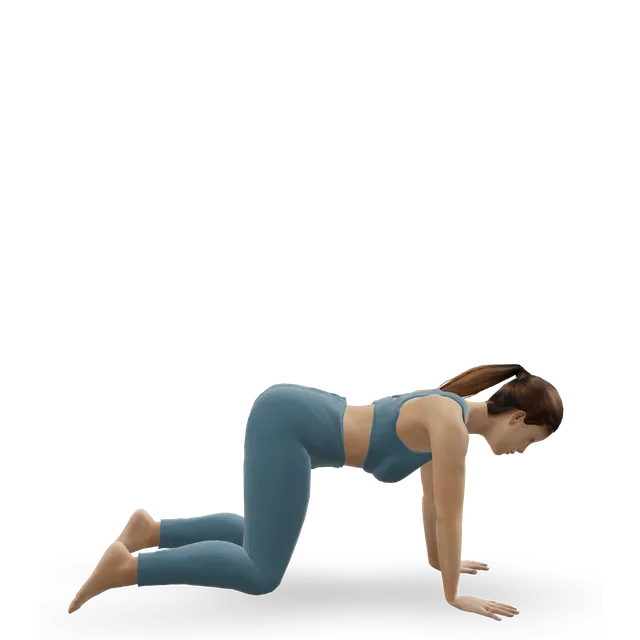
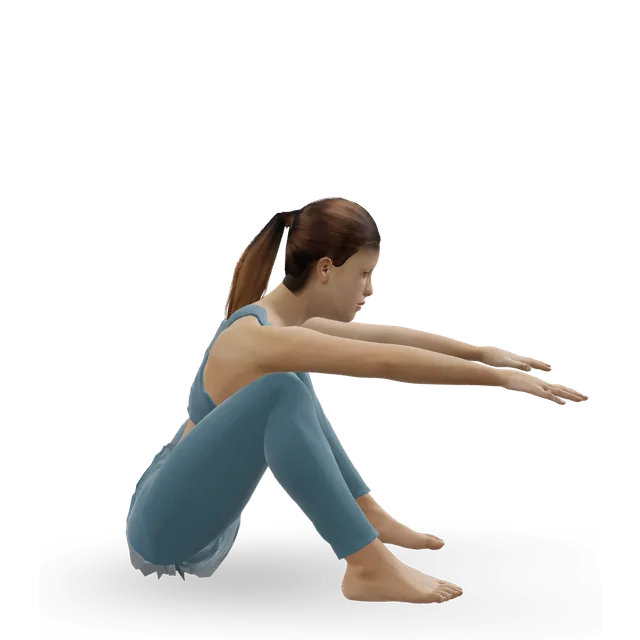
Level 1 keeps your head and feet down (breathing, knee rolls, leg slides, pelvic tilts); level 2 lets one foot lift (bridges, cat-cow, knee lifts); level 3 adds a small head lift or both feet up, not both (dead bugs, curl-ups, planks on your knees); levels 4 and 5 bring in the half roll back, planks, the hundred and roll-ups. Move up only when the level you're on feels controlled with no doming. Our core exercises after bowel surgery and levels 3 and 4 classes follow them.

Source 11

Check how your body responds

Ease back, or drop a level, if you notice any of these during or after exercise (EXPASS's self-check):

  • Doming or bulging around your stoma or across your tummy.
  • Pressure around your stoma, pelvic floor or bottom, or a pulling or tugging feeling at the stoma.
  • Your stoma pushing out further (prolapse), or swelling or a change in its shape afterwards.
  • Holding your breath or bearing down.
  • Soreness or tiredness that lasts more than 24 hours.

Source 11

Lifting: the advice differsMixed evidence

The NHS says avoid strenuous activity or heavy lifting for 3 months after an ileostomy; Crohn's & Colitis UK says nothing heavier than a full kettle for the first 4 to 6 weeks; EXPASS says the evidence doesn't support a set weight limit or timeframe, and teaches lifting with breathing and tummy control. Follow your own surgical team or stoma nurse first.

Sources 45, 8, 11

Leave these out while your tummy heals

The Ileostomy and Internal Pouch Association says double leg raises and sit-ups are not recommended after abdominal or pelvic floor surgery, and that people with an internal pouch should avoid pelvic floor squeezes unless their consultant recommends them.

Source 46

Hernias beside a stomaEmerging evidence

Crohn's & Colitis UK says up to 1 in 3 people with a stoma get a hernia, and suggests tummy-strengthening exercises, a healthy weight and not smoking to lower the risk. In a US survey of 443 people, 29.7% reported one, and they exercised less, which can't show cause. Exercise ranked well for prevention in a 2025 analysis, but on only 3 weak studies, so it's plausible and unproven. Surgeons use a mesh to prevent some hernias.

Sources 13, 47, 48, 49

Pilates with a hernia: the HALT studyEmerging evidence

In Scotland, adults with a stoma and a bulge or hernia followed a Pilates-based programme: a booklet, 13 videos and up to 12 weekly online sessions with a clinical exercise instructor. 19 of 28 referred completed it, there were no serious adverse events, and people said they felt more control and confidence. It was a feasibility study, not designed to show benefit, and nobody measured hernia size.

Sources 14, 50, 51

Sport and classes

Colostomy UK says once you've recovered, and with your doctor's or stoma nurse's agreement, there's no reason why you shouldn't play competitive sport. Empty your bag before class, tell the teacher privately if you want to, and swap face-down moves for all-fours versions if lying on your stoma is uncomfortable (our suggestion). Colostomy UK's older Pilates sheet advises against high-impact sport, which its newer page and EXPASS no longer do.

Sources 52, 11, 53

The first exercise: breathing with your core

From EXPASS's breathing advice, as our Crohn's and colitis exercise guide teaches it; 5 breaths is our starting point.

  1. Lie on your back with your knees bent and a pillow under your head, or sit upright.
  2. Rest your hands on the sides of your lower ribs, and keep your shoulders relaxed.
  3. Breathe in through your nose and let your ribs widen into your hands.
  4. As you breathe out, gently draw in your lower tummy and lift your pelvic floor together, as if stopping wind.
  5. Relax everything as you breathe in again. Don't hold your breath or push down.
  6. Do 5 breaths. Stop and check for doming or bulging around your stoma or scar.

See the movement on the 3D figure: Lateral breathing (Pilates breathing)

Core levels 1 and 2

Lateral breathing, 5 to 8 breaths at the start of every session (the move page's dose); side-lying tummy draw-in, 3 to 5 holds of 5 to 10 s, and pelvic tilts, 3 to 5 reps holding 5 to 10 s, tilt only at level 1 (our core exercises after bowel surgery class); knee rolls (hip windshield wipers), heel slides, knee fall-outs, knee folds and glute bridges, 3 to 5 reps each (our core exercises after bowel surgery class); cat-cow, 4 to 6 slow reps (our core exercises after bowel surgery class).

Core levels 3 and 4, and the classical mat

Dead bug heel taps, 5 to 8 each side; chest lift, 5 to 8; knee plank, 3 holds of 10 to 20 s; knee side plank, 2 holds of 10 to 20 s each side; knee hover, 3 to 5 holds of 5 to 10 s; half roll back, 5; single-leg stretch, 6 to 10 switches (all from our core exercises with a stoma: levels 3 and 4 class). The hundred, 50 beats to start, building to 100 (the move page's dose), head down first, comes at levels 4 to 5.

Bones, muscles and steroids

Load your bonesStrong evidence

The British guideline advises people who need steroids to do regular muscle-building and weight-bearing exercise such as weight training or running, and the UK osteoporosis guideline recommends combining weight-bearing and muscle-strengthening exercise. Crohn's & Colitis UK says weight-bearing exercise keeps bones strong.

Sources 15, 54, 55

Where Pilates fits

Mat Pilates is light work (1.8 to 2.8 METs) and has no impact, while the bone trial in Crohn's disease used impact and resistance training. So use standing strength moves in a Pilates class, and add our bone-strengthening workout when your team agrees (our reading).

Sources 16, 56

Steroids and thin bones

With osteoporosis, use the head-down versions of curl-ups and leave out roll-ups and rolling moves, as the move pages say; our Pilates for osteoporosis guide has the full swaps. New hip, groin or knee pain on steroids needs checking. Don't stop taking steroids without talking to your doctor.

Sources 57, 55

Standing strength for bones and muscles

Sit to stand, 8 to 10 slow reps, and hip-hinge practice, 8 slow reps (our Pilates for osteoporosis class); slow calf raise, 12 (our Pilates for hikers class); wall push-up, 2 sets of 8 to 10, and band row, 2 sets of 10 to 15 (our Pilates for office workers class); single-leg stand, 2 holds of 20 to 30 s each leg, beside a wall or worktop (our Pilates for osteoporosis class).

Joints and the back

Inflammatory back pain

Back pain that started before 45, has lasted more than 3 months and gets better with exercise but not rest needs checking by your IBD team or GP: it can be inflammation of the spine. Exercise and physiotherapy are part of treatment, and our Pilates for ankylosing spondylitis guide has a spine-extension class.

Sources 15, 24

Sore joints

Crohn's & Colitis UK suggests exercising in the morning when stiffness is worst may help. A joint that suddenly becomes red and swollen with a high temperature needs urgent advice (below).

Source 24

What to change or leave out

In a flare

Breathing and level 1 moves, a short walk, or rest. No curls, roll-ups or face-down moves on a painful tummy (our suggestion).

Source 8

After surgery

Start at level 1 and follow your team's timing. No sit-ups or double leg raises while your tummy heals; advanced moves such as V-sits and hanging leg raises come last and may not suit everyone.

Sources 11, 46

With a hernia beside your stoma

Keep to the levels you can do without extra doming; a support garment is a personal choice for comfort.

Sources 11, 14

With an internal pouch

Pelvic floor squeezes only if your consultant recommends them.

Source 46

Tired or anaemic

Shorter sessions and the flare-day block on bad days, and get the causes of tiredness checked (our suggestion).

Source 19

Classes to follow

Our 25-minute remission-day class pairs core levels 2 and 3 with standing strength, and stops after the breathing on a flare day; its structure is our own and untested. The two stoma core classes are the stoma nurses' levels, the tummy surgery class is a staged return after any operation, the osteoporosis class has the bone-safe swaps, the bone workout adds impact and heavier strength, and the bedtime class suits flare days.

Remission-day Pilates for Crohn's and colitis: a 25-minute class for core levels 2 and 3, standing strength for bones and muscles, and a flare-day stop point

A 25-minute Pilates class for Crohn's disease and colitis in remission: breathing with your core, stoma-safe core levels, standing strength and a flare-day stop point.

25 minBeginner16 movesBench or box, wall

Core exercises after bowel or stoma surgery

A gentle 20-minute core routine for the weeks after bowel or stoma surgery: breathing, tummy and pelvic floor work lying down, then chair and standing moves.

20 minBeginner14 movesBench or box, wall

Core exercises with a stoma: levels 3 and 4

The next step after the first core routine: 20 to 30 minutes of level 3 and 4 core work, 2 to 3 times a week, from the UK stoma nurses' recommendations.

25 minIntermediate14 movesNo equipment

Pilates after tummy surgery: a 25-minute return class in three stages, with a stop point after each

A 25-minute Pilates return class after keyhole gallbladder removal or a hernia repair: knees-bent moves, then side-lying and standing work, then first curls.

25 minBeginner17 movesBench or box, wall

Pilates for osteoporosis: a mat class with safe swaps

A 25-minute Pilates workout for osteoporosis and osteopenia: the Royal Osteoporosis Society's swaps for rounding moves, plus back strength and balance.

25 minBeginner16 movesWall, bench or box

Bone-strengthening workout

Impact, strength and balance for stronger bones, following UK osteoporosis consensus advice, with options for every level.

40 minBeginner14 movesKettlebell, other / check instructions

Bedtime Pilates: a 15-minute wind-down on the floor

A slow 15-minute Pilates wind-down for the last hour before bed: slow breathing, small lying moves and a few minutes of stillness, with no effort or holds.

15 minBeginner9 movesFirm cushion

New to Pilates?

The beginner plan builds the basics over 4 weeks, for people in remission without recent surgery; after surgery, start with the stoma core classes.

Warning signs: when to get help

This is general information, not a diagnosis. A&E means accident and emergency; in the US, call 911 for 999, and use your doctor's urgent line or urgent care for NHS 111.

Call 999 or go to A&E (911 in the US)

Don't drive yourself; ask someone to drive you or call an ambulance, and bring your medicines. Go now if:

  • You have severe tummy pain.
  • You're bleeding non-stop from your bottom.
  • There's a lot of blood, or large blood clots, when you poo.
  • You're vomiting blood or poo, or your sick looks like coffee grounds or soil.

Source 9

Ask for an urgent GP appointment or call NHS 111

  • Very bad diarrhoea or bloody diarrhoea, or poo that is black or dark red.
  • A high temperature, or feeling hot, cold or shivery.
  • A fast heartbeat.
  • You can't fart or poo.
  • A joint that suddenly becomes red and swollen, with a high temperature.

Sources 9, 2, 24

Dehydration

  • Call 999 or go to A&E if someone with signs of dehydration has blue, grey, pale or blotchy skin, lips or tongue, cold skin, difficulty breathing or lots of quick breaths, confusion, or is sleepier than normal or difficult to wake.
  • Get an urgent GP appointment or call 111 for dark yellow pee or peeing less than normal.

Source 44

With a stoma

  • Ileostomy output of more than 2 litres a day for 3 days or more: contact your hospital urgently.
  • Thirst, tummy cramps, dizziness or faintness, or dark wee: contact your stoma nurse.
  • Less output than usual, feeling sick or bloated, and tummy pain can mean a blockage: if the pain gets worse or you're sick, go to A&E.
  • A new bulge around your stoma: contact your stoma nurse.
  • After exercise, a swollen or pale stoma, a change in output, a bigger bulge, or pain around your stoma or scar that lasts 24 hours: get medical advice if it doesn't settle.

Sources 13, 11

After surgery

Throbbing pain and swelling in one leg, usually the calf or thigh, can be a blood clot: ask for an urgent GP appointment or call NHS 111, and call 999 if you're also short of breath or have chest pain.

Source 58

See your GP or IBD team

  • Your symptoms are getting worse or your treatment isn't helping.
  • Back pain that has lasted more than 3 months and gets better with exercise but not rest.
  • New hip, groin or knee pain, especially if you take steroids.
  • Fatigue that doesn't lift, so the causes can be checked.

Sources 2, 15, 55

Steroids

Don't stop taking steroids without talking to your doctor: if you've taken them for more than 3 weeks or at a high dose, they usually need to be reduced gradually.

Source 57

Chest pain or fainting: call 999

Call 999 if:

  • You get sudden pain or discomfort in your chest that doesn't go away; it can feel like squeezing or pressure, burning or indigestion.
  • The pain spreads to your left or right arm, or your neck, jaw, stomach or back.
  • You have chest pain and feel sweaty, sick, light-headed or short of breath.
  • Someone faints while exercising, can't be woken within 1 minute, or has chest pain or a pounding, fluttering or irregular heartbeat.

Sources 59, 60

Unusual breathlessness

Call 999 or go to A&E (accident and emergency) straight away for severe difficulty breathing (gasping, choking or not able to get words out), a chest that feels tight or heavy, pain that spreads to your arms, back, neck and jaw, lips or skin turning very pale, blue or grey, or sudden confusion. If you're more short of breath than usual, or your heart is racing, fluttering or skipping beats, contact NHS 111.

Source 61

If your mood is low

The NHS lists depression and anxiety among the complications of ulcerative colitis, and our anxiety and depression guides can help. If you are thinking about suicide or can't keep yourself safe, call 999 or go to A&E. For urgent help, call Samaritans free on 116 123, any time, or in England call 111 and select the mental health option. In the US, call or text 988.

Source 9

Stop the session if

You feel any pain or become unwell, as the NHS advises for its Pilates videos, and especially for chest pain or pressure, unusual breathlessness, dizziness or fainting. If you have a health problem, an injury or any symptoms, get advice from a healthcare professional, such as a GP, before you start.

Source 62

Before you start

The NHS advises getting advice from a healthcare professional first if you have a health problem, an injury or symptoms, or have recently had a heart attack or an operation.

Source 62

Myths

"You shouldn't exercise with Crohn's disease"Strong evidence

Crohn's & Colitis UK says exercise is safe and shouldn't cause a flare-up, and in small trials, mostly in remission or mild disease, exercise helped a little without raising inflammation. Scale back in a flare.

Sources 8, 5, 7

"Pilates treats Crohn's disease or colitis"Strong evidence

No trial has tested Pilates in IBD. Medicines carry the treatment, and even talking therapies have little to no effect on the disease itself.

Sources 3, 39

"Exercise sets off flares"Emerging evidence

The more active had fewer Crohn's flares in a large study (a link), one running trial counted 2 flares, and very long walks raised Crohn's symptom scores. Gentle and moderate exercise in remission isn't the problem; very long or hard efforts can be.

Sources 29, 5, 10

"Core exercises cause hernias next to a stoma"Emerging evidence

The stoma nurses recommend core exercise for everyone with a stoma, and a Pilates-based programme had no serious adverse events in people who already had a hernia.

Sources 11, 14

"Pilates or a support belt prevents a hernia"Mixed evidence

Unproven: the exercise studies are few and weak, and the stoma nurses say core work potentially reduces the risk. An older charity sheet's claim that Pilates can help prevent a hernia has no evidence behind it.

Sources 48, 12, 53

"On steroids, avoid weights and impact"Strong evidence

It's the other way round: the British guideline advises muscle-building and weight-bearing exercise such as weight training or running for people on steroids. Follow our osteoporosis guide's limits if your bones are already thin.

Sources 15, 54

"You need a reformer or a special class for real Pilates"Emerging evidence

The stoma nurses' levels are mat, seated and standing moves, and the HALT programme was delivered at home with videos and online sessions.

Sources 11, 14

Questions people ask

Is Pilates good for Crohn's disease?

It's a safe, adaptable way to stay active for most people, especially in remission, and the UK's stoma nurses recommend Pilates-style core work after bowel surgery. No trial has tested Pilates in Crohn's disease, and it doesn't treat the disease.

Is Pilates good for ulcerative colitis?

The same applies: exercise is safe for most people and helped a little in small trials, and in one trial yoga improved quality of life in colitis. Pilates itself hasn't been tested in colitis.

Can I do Pilates during a flare?

Scale back to breathing, gentle moves and short walks, or rest if you need to. Severe tummy pain, bloody diarrhoea, a high temperature or a fast heartbeat need medical advice, not exercise.

Can exercise set off a flare?

In small trials, mostly in remission, exercise didn't raise inflammation, and the more active had fewer Crohn's flares in a large study. Very long efforts are different: four days of long walks raised Crohn's symptom scores.

Can you do Pilates with a stoma bag?

Yes. The UK stoma nurses call Pilates an excellent choice for anyone with a stoma and suggest a clinical or beginner class, starting with their core levels. Empty your bag first, and ease off at any doming or bulging.

When can I start Pilates after bowel surgery?

Gentle core exercises such as breathing, pelvic tilts and knee rolls can start about 24 hours after surgery, then build through the levels. Follow your own team's advice on lifting and when to return to classes.

Can you do reformer Pilates with a stoma?

Nothing in the evidence rules it out, but start on the mat or with a clinical teacher at your level, and skip any move that makes your stoma dome or bulge. The stoma nurses suggest classes described as clinical or physiotherapy led.

Will Pilates prevent a hernia next to my stoma?

It isn't proven. The stoma nurses recommend core exercise for everyone with a stoma, and a Pilates-based programme was safe in people who already had a hernia, but the prevention studies are few and weak.

Is Pilates enough for my bones?

Probably not on its own. Impact and resistance training raised spine bone density in Crohn's disease, and the British guideline advises weight-bearing and muscle-building exercise, especially on steroids. Add standing strength or our bone workout.

Can Pilates help IBD fatigue?

Fatigue is very common, so get the causes checked first, such as anaemia or active disease. Activity advice may help, but the evidence is very uncertain; short, gentle sessions on tired days are a reasonable start.

Is Crohn's disease the same as IBS?

No. Crohn's disease and colitis inflame the gut and IBS doesn't, and the NHS says they're different conditions, though some symptoms overlap.

What should I avoid in Pilates with IBD?

In a flare, long or hard sessions. After surgery, sit-ups and double leg raises until your team says otherwise, and with an internal pouch, pelvic floor squeezes unless your consultant recommends them. With thin bones, roll-ups and rolling moves.


Sources

  1. NHS · Inflammatory bowel disease (IBD)
  2. NHS · Crohn's disease
  3. PubMed, Europe PMC and ClinicalTrials.gov · Our searches for Pilates studies in Crohn's disease, ulcerative colitis and IBD: none found (November 2026)
  4. Fromberg 2026 · Physical activity studies in IBD: 34 studies, none of Pilates (scoping review, BMC Gastroenterol; read in full)
  5. Jones 2022 · Structured exercise in IBD: 15 studies, 637 people (systematic review and meta-analysis, PLoS One; read in full; a 2024 correction replaced only a flow chart)
  6. Oketola 2023 · Physical activity in quiet or mild IBD: 8 trials (systematic review and meta-analysis, J Can Assoc Gastroenterol; read in full)
  7. Baker 2022 · Exercise and inflammation in IBD: 5 studies (systematic review and meta-analysis, PLoS One)
  8. Crohn's & Colitis UK · Being active with Crohn's or Colitis (read in full)
  9. NHS · Ulcerative colitis
  10. Lamers 2021 · Four days of long walks in people with IBD (cohort study, Scand J Gastroenterol)
  11. ASCN UK 2026 · EXPASS: exercise and physical activity after stoma surgery, best practice recommendations, version 1.1 (expert consensus, funded by stoma product companies; read in full)
  12. ASCN UK 2025 · EXPASS quick reference guide (read in full)
  13. Crohn's & Colitis UK · Life with a stoma (read in full)
  14. Munro 2023 · HALT: a Pilates-based programme for people with a hernia or bulge beside a stoma (feasibility study, Pilot Feasibility Stud; read in full)
  15. Lamb 2019 · British Society of Gastroenterology guidelines on IBD in adults (guideline, Gut; read in full; a 2021 correction changed only table details)
  16. Jones 2020 · Impact and resistance training in 47 adults with Crohn's disease (randomised trial, Aliment Pharmacol Ther)
  17. González-Aroca 2026 · Exercise for bone density in IBD: 2 trials (systematic review, Healthcare; read in full)
  18. Kim 2024 · Fatigue in IBS and IBD compared: 74 datasets (meta-analysis, J Psychosom Res)
  19. Crohn's & Colitis UK · Fatigue (read in full)
  20. D'Silva 2022 · Fatigue in adults with IBD: 20 studies (systematic review and meta-analysis, Clin Gastroenterol Hepatol)
  21. NICE · Crohn's disease: management (NG129): recommendations
  22. Wang 2026 · IBD and fracture risk: 11 cohort studies (meta-analysis, Front Endocrinol)
  23. Chen 2026 · Low muscle mass and malnutrition in IBD: 201 studies (systematic review and meta-analysis, Adv Nutr)
  24. Crohn's & Colitis UK · Joints (past its review date: reviewed July 2023, review due July 2026; read in full)
  25. Karreman 2017 · Spine and joint inflammation in IBD: 71 studies (systematic review and meta-analysis, J Crohns Colitis)
  26. Yan 2026 · Six types of exercise for quality of life in IBD: 24 trials, 1,557 people (network meta-analysis, Front Physiol; read in full)
  27. Zhang 2026 · Exercise and mind-body movement for low mood in IBD: 7 trials (systematic review and meta-analysis, Front Psychiatry; read in full)
  28. Abegunde 2023 · Exercise and quality of life in IBD (Cochrane protocol: the review isn't published yet)
  29. Jones 2015 · Exercise and later active disease in 1,857 people with IBD in remission (cohort study, Inflamm Bowel Dis)
  30. Ng 2007 · Low-intensity walking in 32 people with Crohn's disease (randomised trial, Clin J Sport Med)
  31. Seeger 2020 · Endurance or muscle training in 45 people with Crohn's disease (randomised trial, United European Gastroenterol J)
  32. Tew 2019 · Interval training or steady exercise in 36 people with Crohn's disease (pilot randomised trial, BMC Gastroenterol)
  33. Robinson 1998 · Low-impact exercise for bone density in 117 people with Crohn's disease (randomised trial, Gastroenterology)
  34. Farrell 2020 · Treatments for fatigue in IBD (Cochrane systematic review; read in full)
  35. Cramer 2017 · Yoga against written advice in 77 people with ulcerative colitis (randomised trial, Aliment Pharmacol Ther)
  36. Koch 2020 · Stress and the effect of yoga in ulcerative colitis (secondary analysis of a randomised trial, J Psychosom Res)
  37. Pan 2025 · Yoga-based mind-body practice in IBD: 7 trials, 502 people (meta-analysis, Complement Ther Med)
  38. Ewais 2019 · Mindfulness and yoga in IBD: 8 trials (systematic review and meta-analysis, J Psychosom Res)
  39. Tiles-Sar 2025 · Psychological treatments for IBD: 68 studies (Cochrane systematic review)
  40. Werner 2026 · Exercise videos aimed at the tummy in 26 people with IBD (pilot randomised trial, J Sci Med Sport; abstract only)
  41. American College of Sports Medicine · Being active with inflammatory bowel disease (Exercise is Medicine leaflet, 2024; read in full)
  42. Crohn's and Colitis Canada · Safe and effective exercise (read in full)
  43. Crohn's & Colitis Australia · Exercise (read in full)
  44. NHS · Dehydration
  45. NHS · Recovering from an ileostomy (past its review date: reviewed March 2023, review due March 2026)
  46. Ileostomy and Internal Pouch Association · Exercises for ostomates (leaflet, 2018; read in full)
  47. Park 2023 · Hernias beside a stoma and exercise in 443 people (survey, Dis Colon Rectum)
  48. Martín-Arévalo 2025 · Ways to prevent a hernia beside a stoma: 73 studies (network meta-analysis, Tech Coloproctol; read in full)
  49. Antoniou 2018 · European Hernia Society guidelines on hernias beside a stoma (guideline, Hernia)
  50. Taylor 2023 · What people said after the HALT programme (interview study, Br J Nurs)
  51. Hubbard 2020 · The HALT programme's protocol (study protocol, Pilot Feasibility Stud; read in full)
  52. Colostomy UK · Exercise (read in full)
  53. Colostomy UK · Pilates (an older information sheet by an instructor with a colostomy; read in full)
  54. Gregson 2025 · The 2024 UK clinical guideline for osteoporosis, NOGG (guideline, Arch Osteoporos; read in full)
  55. Crohn's & Colitis UK · Bones (past its review date: reviewed October 2023, review due October 2026; read in full)
  56. Adult Compendium of Physical Activities 2024 · Conditioning exercise: Pilates 1.8 to 2.8 METs
  57. NHS · Steroids
  58. NHS · DVT (deep vein thrombosis)
  59. NHS · Chest pain (past its review date: reviewed August 2023, review due August 2026)
  60. NHS · Fainting
  61. NHS · Shortness of breath
  62. NHS · Pilates for beginners (video, with safety advice)

Exercise education, not a personal prescription, and clinical review of these guides is pending. If you are pregnant, have a health condition or have had recent surgery, check with a doctor, midwife or physiotherapist before starting, and stop for sharp or increasing pain. Health disclaimer.