Being more activeEmerging evidence
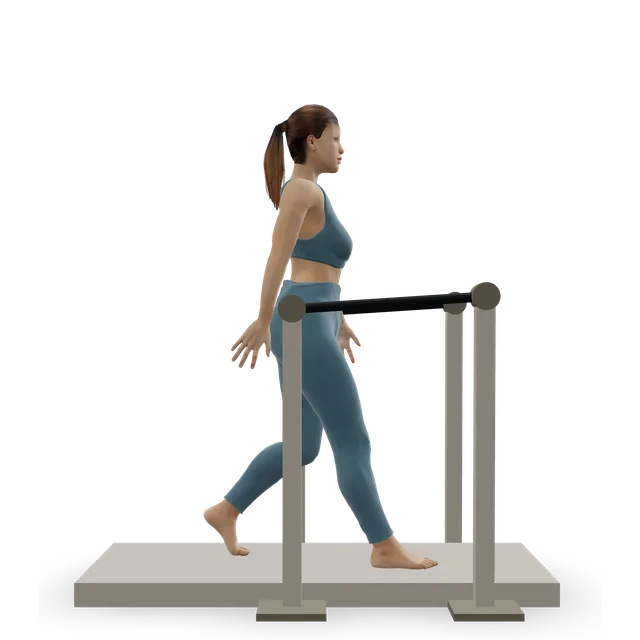
In the Cochrane review (11 trials, 622 people, none at low risk of bias), physical activity improved IBS symptoms against usual care by a large standardised amount (5 trials, 185 people), but the certainty is very low, and quality of life and tummy pain didn't clearly change. NICE asks clinicians to give advice on physical activity and to encourage leisure and relaxation time; the NHS says get plenty of exercise; and the authors of the British guideline say people with IBS should be encouraged to be more active where they can. The US guideline makes no exercise recommendation either way.
Sources 6, 8, 9, 2, 22, 23
The largest trial, and 5 years laterEmerging evidence
In Sweden, 102 people were helped by a physiotherapist to be more active for 12 weeks: symptom scores fell by 51 points, against 5 with usual care, and fewer got worse. About 5 years later, 39 of 76 followed up still had lower scores and were more active, mostly walking, aerobics and cycling, though nobody was compared with them. In a UK trial of exercise consultations, constipation improved but quality of life didn't.
Sources 7, 24, 25
Newer reviewsEmerging evidence
A 2026 review of 10 trials (437 people) found symptom scores about 61 points lower with exercise, but the trials disagreed a lot and the certainty is low; quality of life and anxiety didn't change. A 2026 network analysis ranked Pilates second of six exercise types for symptoms, but on one trial, and low for quality of life; running and aerobic exercise ranked best overall.
Sources 26, 27
The one Pilates trialMixed evidence
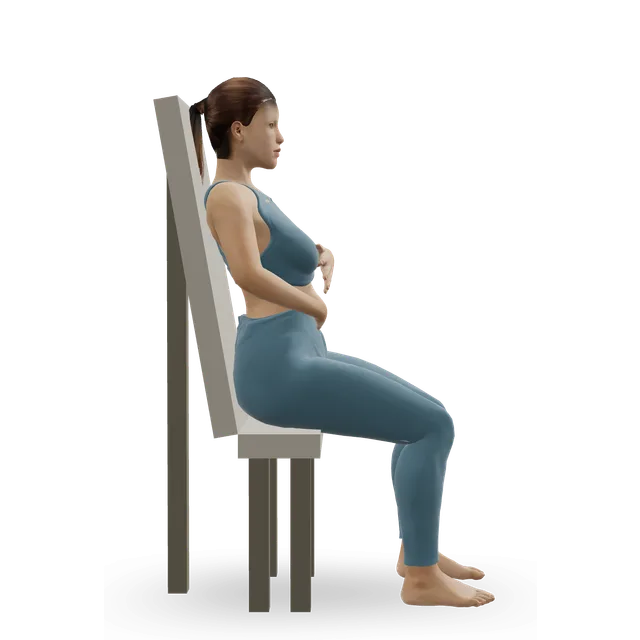
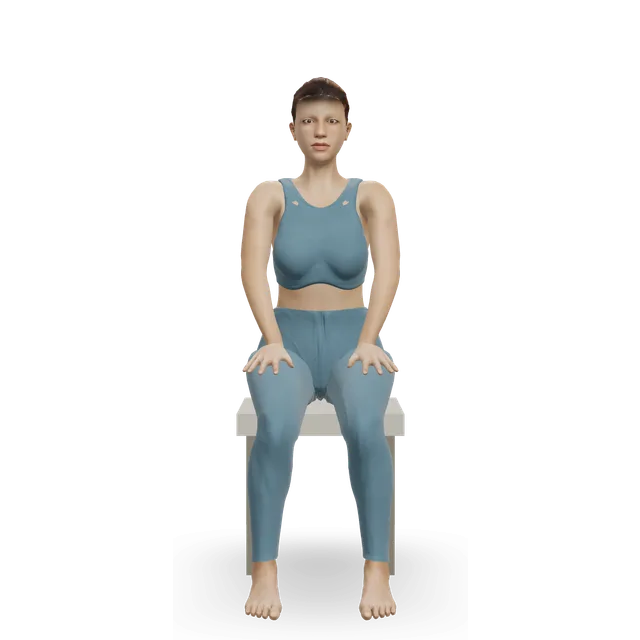
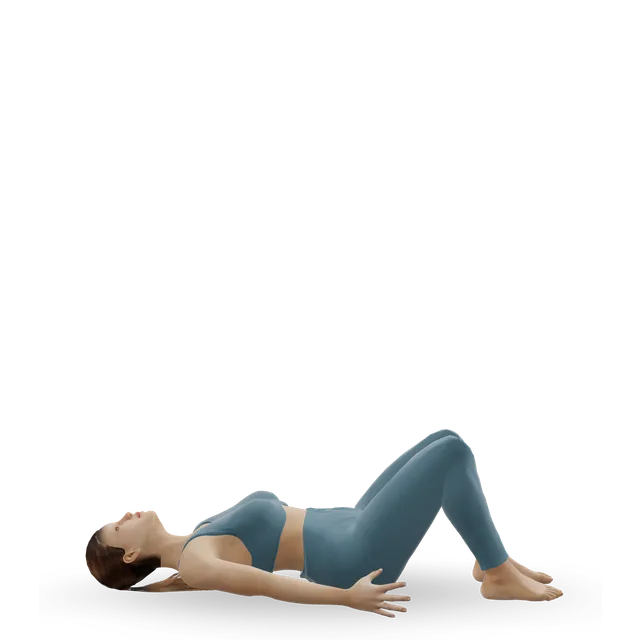
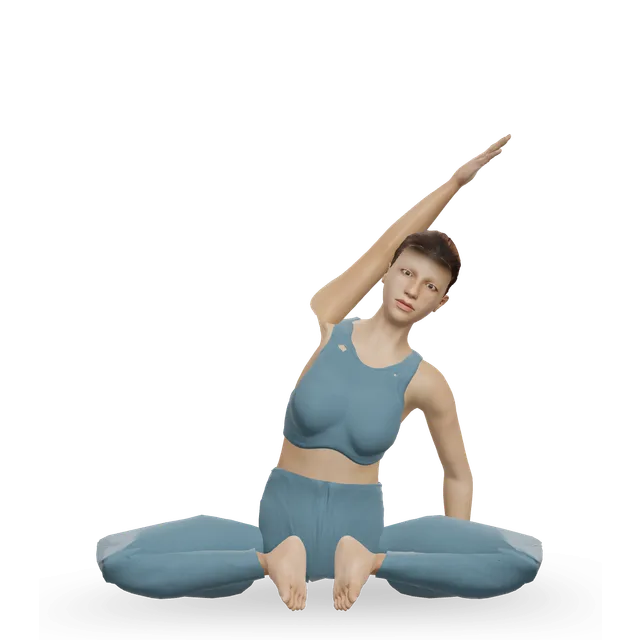
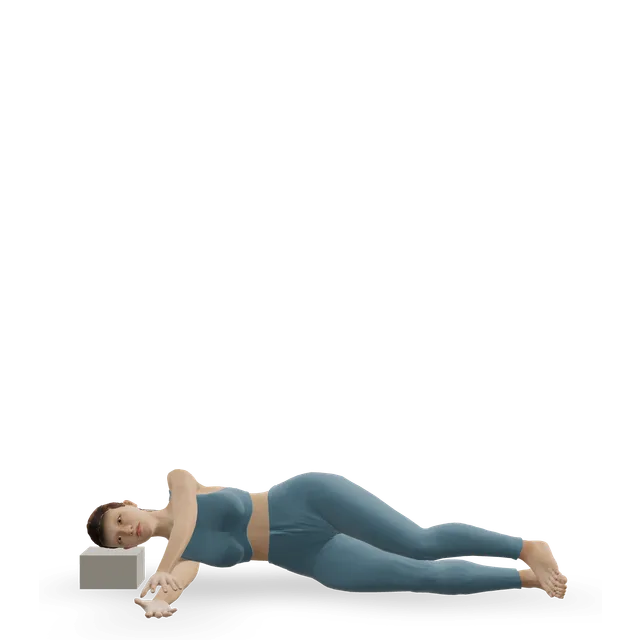
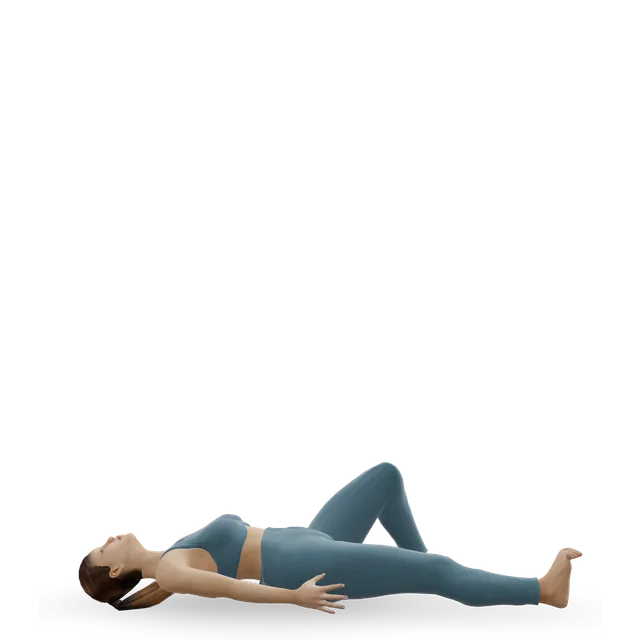
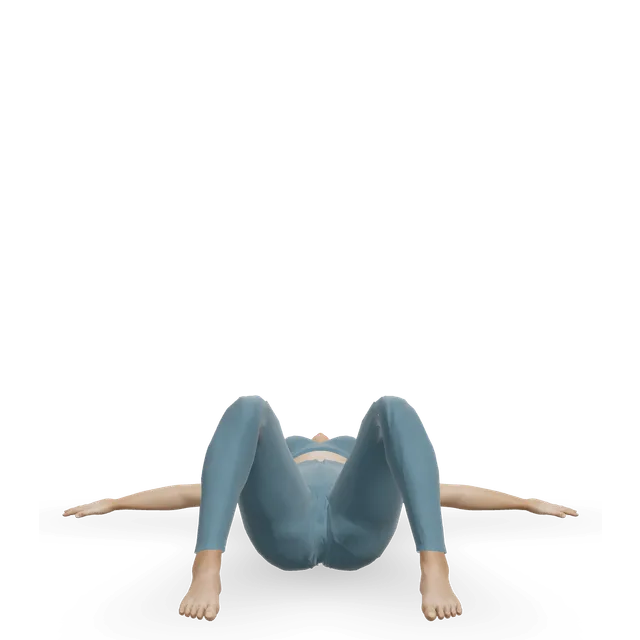
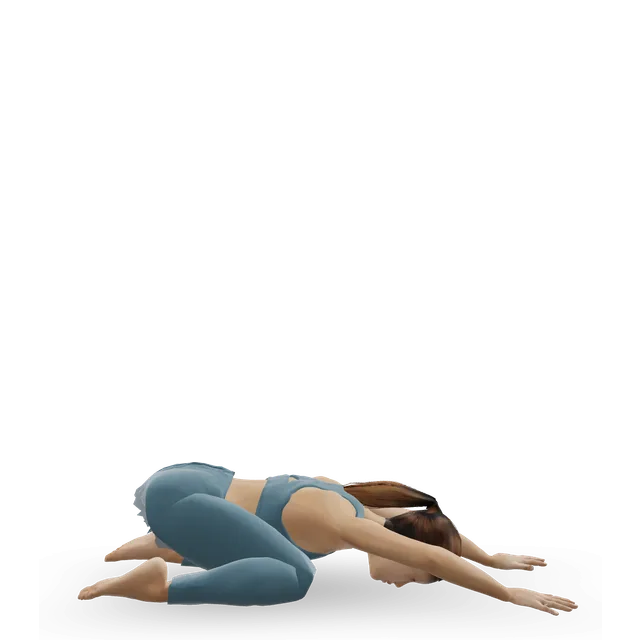
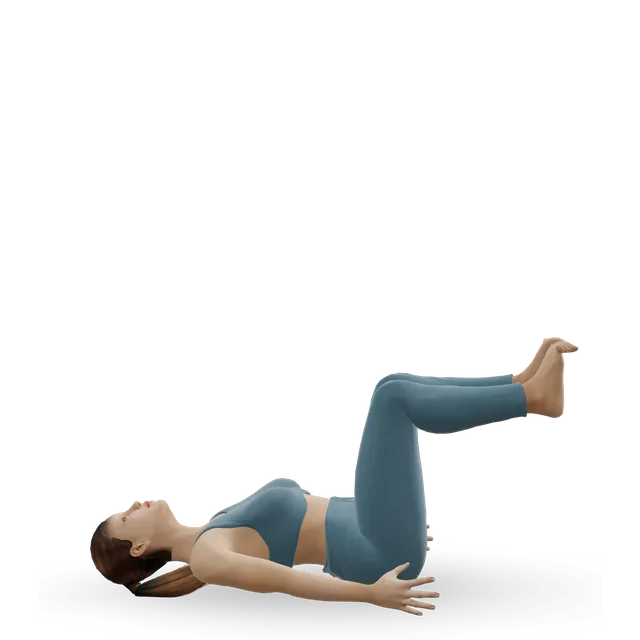
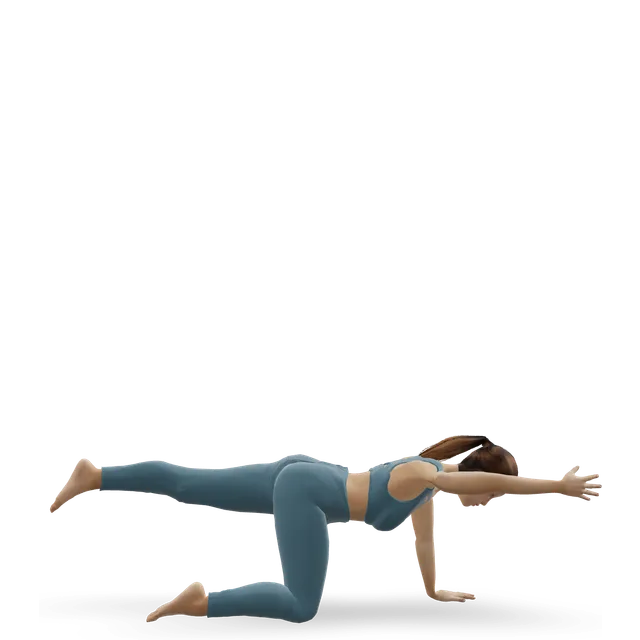
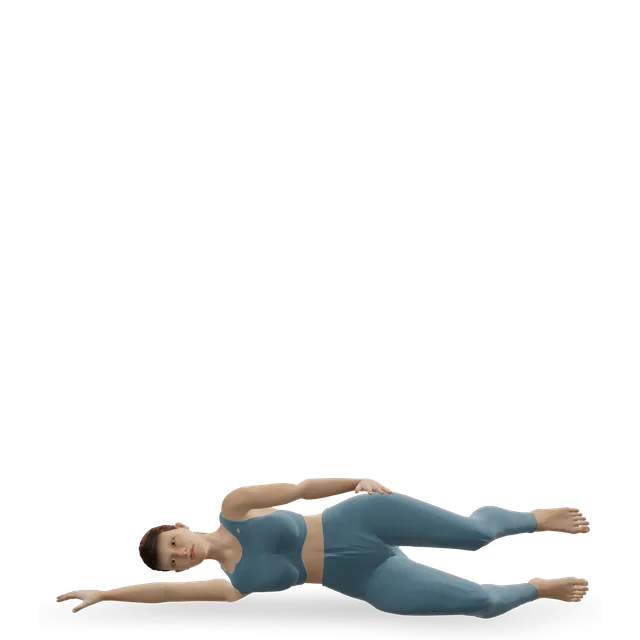
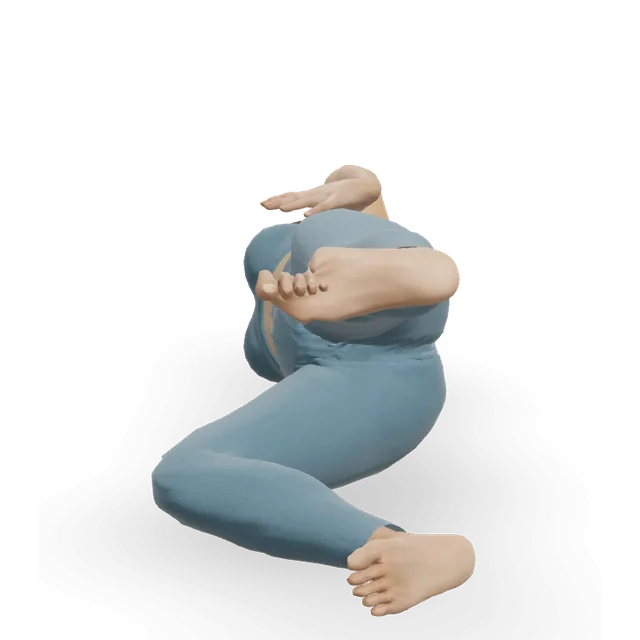
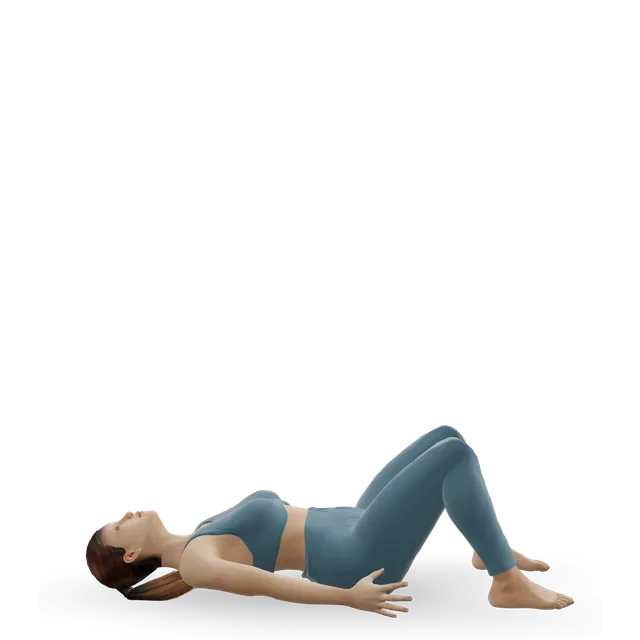
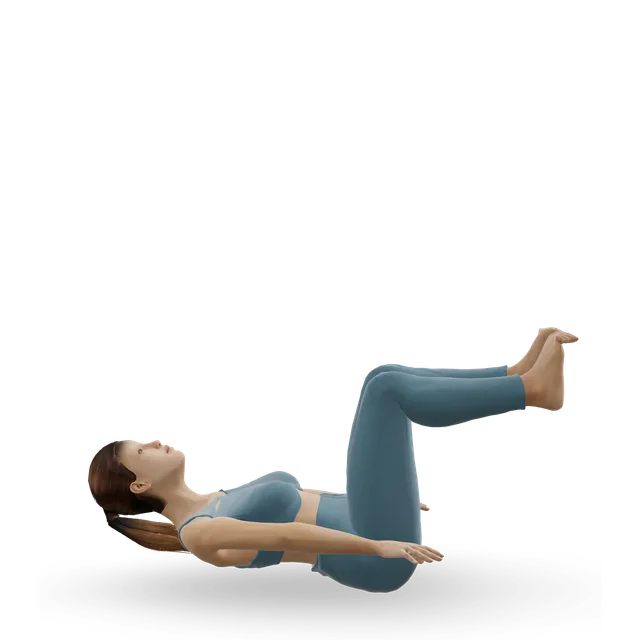
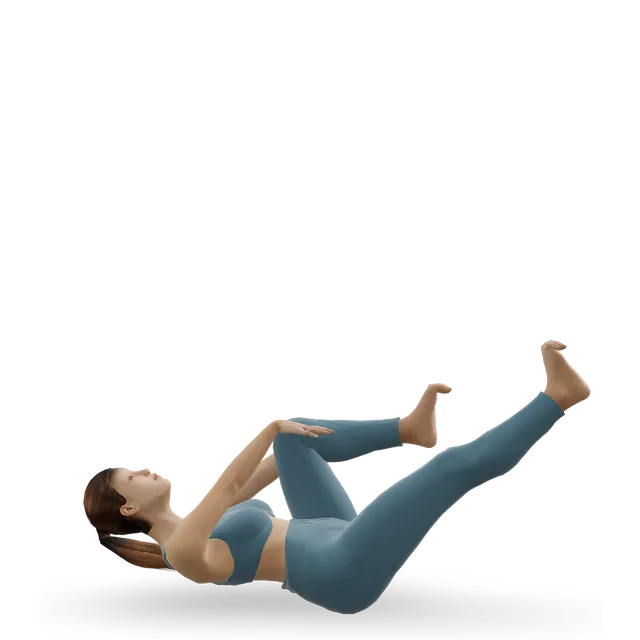
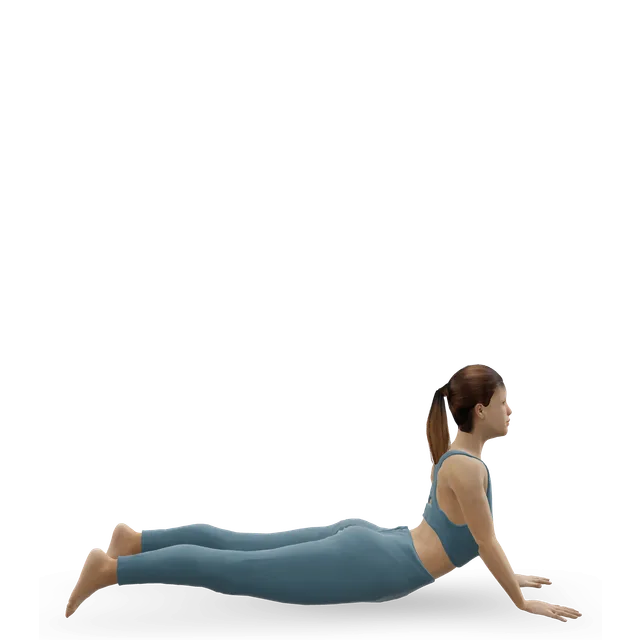
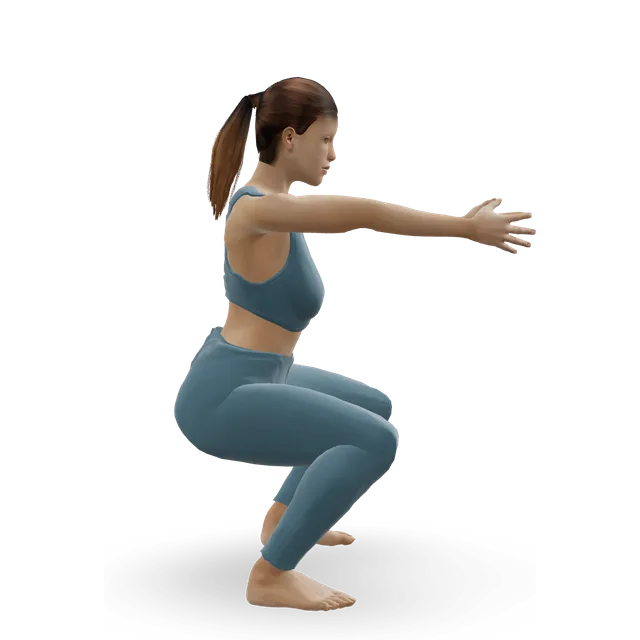
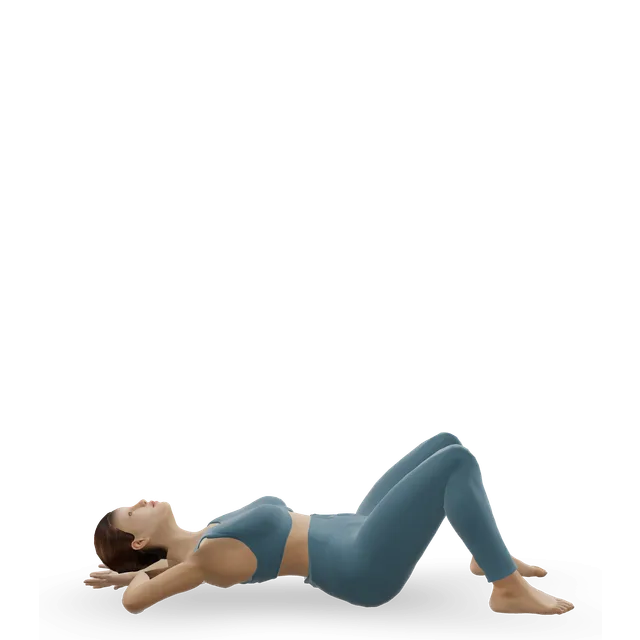
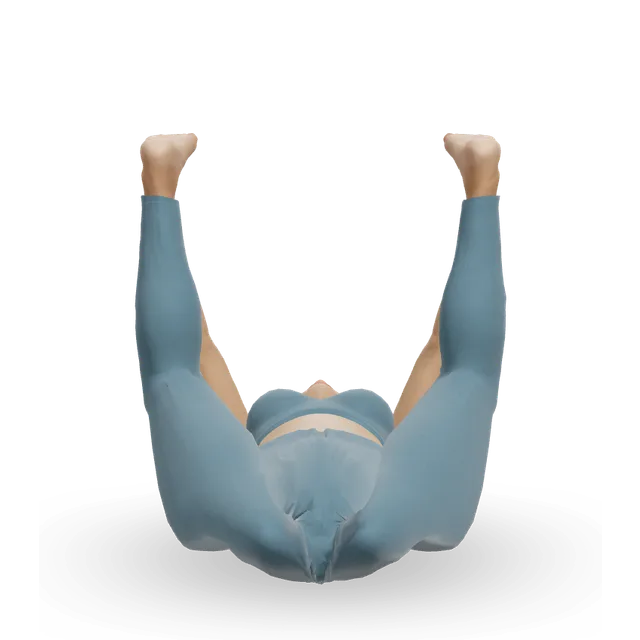
In Egypt, 60 women aged 20 to 45 with IBS with constipation all had diet advice; half also did 16 supervised Pilates sessions (twice a week for 8 weeks, 45 to 50 minutes, on a mat and a gym ball: the swan, leg circles, single leg stretch, the saw, side kicks, the hundred, a pelvic lift and curls on the ball). Symptom scores fell from 313 to 104 with Pilates and from 284 to 175 without it, and bowel movements rose from about 2.5 to 4.9 a week, against 2.4 to 3.8. Tiredness, anxiety and low mood improved more; weight didn't differ between the groups.
Sources 10, 11
What that trial can't tell youMixed evidence
The people measuring the results knew who did Pilates, the results were self-reported, the comparison group had no extra sessions of any kind, the Pilates group started with more swelling, it lasted only 8 weeks with no follow-up, and it included only women with IBS with constipation and a higher weight. The paper doesn't report harms at all, so we can't say there were none. The authors note that diet advice alone also helped.
Source 10
No other Pilates or core trialStrong evidence
Our searches found no other Pilates trial in IBS, published or registered, and no trial of core or tummy-muscle training in IBS. A calisthenics trial is registered in Egypt but hasn't started recruiting.
Source 12
YogaMixed evidence
Across 11 yoga trials (535 people), there was no clear difference from control groups for symptoms, anxiety, low mood or quality of life. Yoga did about as well as a low-FODMAP diet in 59 people, and an online yoga course wasn't better than advice on its main measure in 79 people, though quality of life and tiredness improved. Our yoga for IBS guide covers yoga.
Sources 28, 29, 30
Breathing and relaxationEmerging evidence
Slow breathing on its own didn't change IBS symptom scores in a 4-week pilot of 14 people. Muscle relaxation isn't inert, though: in 378 adults, an app of muscle relaxation exercises eased pain about as often as an app of gut-directed hypnotherapy on the main measure, and in 57 adults, daily muscle relaxation for 6 weeks lowered symptom scores against no treatment. That supports a calm Pilates class as relaxation time, not as a treatment.
Sources 31, 32, 33
What has more evidenceStrong evidence
Talking therapies made for IBS, such as cognitive behavioural therapy (CBT) and gut-directed hypnotherapy, helped across 41 trials (4,072 people) and again in a 2025 update of 67 trials, though the trials were at high risk of bias. The NHS treatments are diet changes, pharmacy medicines, a dietitian-led low-FODMAP diet, prescribed medicines and talking therapies.
Sources 18, 34, 9, 19