No Pilates trial yet
We found no trial of Pilates for endometriosis. But Endometriosis UK's own pelvic exercise programme is made of Pilates-style moves: breathing, gentle deep tummy work, pelvic tilts, bridges, clams and the hundred.
Pilates guide
Pilates may help you move more comfortably with endometriosis, but no trial has tested it on its own. In trials of exercise in general, supervised programmes eased day-to-day pelvic pain a little and improved quality of life, and Endometriosis UK's own pelvic exercise programme is made of Pilates-style moves. It goes alongside your treatment, not instead of it.
The way you do Pilates matters more than which class you choose. With pelvic pain, the pelvic floor is often too tight, so letting it go comes before squeezing it, and gentle starts and rest days help you avoid flares.
This guide covers what the evidence shows, your pelvic floor, flare days and bloating, Pilates after surgery, the moves to start with and the signs that mean you should see a doctor, with a gentle 20-minute class.
We found no trial of Pilates for endometriosis. But Endometriosis UK's own pelvic exercise programme is made of Pilates-style moves: breathing, gentle deep tummy work, pelvic tilts, bridges, clams and the hundred.
In the main exercise trial, of 81 women, weekly supervised exercise with pelvic floor training eased day-to-day pelvic pain by about 1 to 1.5 points out of 10, but not the worst pain. In a 2025 review of 17 trials of physical rehabilitation, exercise improved quality of life, but its effect on pain wasn't significant, and the result rests on few, varied trials.
The European guideline can't recommend any exercise or physiotherapy as a treatment "as the potential benefits and harms are unclear", and NICE (the National Institute for Health and Care Excellence) makes no recommendation. Endometriosis UK calls yoga and Pilates "good low-impact options".
At one specialist clinic, 73% of people examined had a tense or tender pelvic floor, and with pelvic pain, pelvic floor exercises "may not be appropriate and could increase pain". Skip "lift your pelvic floor" cues and let it soften as you breathe in.
Endometriosis UK says begin with very small amounts, work within limits that change from day to day, and allow a recovery day between sessions. In a survey, a minority of people who used yoga or Pilates reported that it raised their pain.
Breathing, the pelvic floor release and gentle stretches, or rest, with heat and your usual painkillers. Leave stronger sessions for better days (our suggestion).
Endometriosis is where cells similar to the lining of the womb grow elsewhere in the body, often around the womb, ovaries, fallopian tubes and the lining of the pelvis. It can cause severe period pain, heavy periods, pain in the lower tummy and back, pain when peeing or pooing or during or after sex, and extreme tiredness. The World Health Organization estimates it affects about 10% of women and girls of reproductive age worldwide, and it can affect anyone who has or has had a womb.
The World Health Organization says pelvic floor muscle problems can contribute to long-lasting pelvic pain. Endometriosis UK describes the pelvic floor in people with pelvic pain as commonly "overworked, shortened and painful", and pain can make you brace and guard without noticing.
Not everyone is tight, though: in 80 women with endometriosis, resting pelvic floor activity wasn't linked with pain, so tightness is something a physiotherapist assesses rather than assumes.
Slow breathing, gentle control of the deep tummy muscles, small pelvic and hip movements and stretches. What some Pilates teaching adds, and this guide takes out, is constant bracing: "draw in and lift your pelvic floor" through every move. In a back pain trial of 152 people, Pilates done with a relaxed tummy did slightly better than Pilates with the core held tight.
Symptoms change from day to day and over your cycle, and NICE suggests keeping a pain and symptom diary. Some people are bloated or tender, some have endometriosis on the bowel or bladder, and some are recovering from surgery, so the right class differs from person to person and from week to week.
Source 6
We found no trial of Pilates for endometriosis or adenomyosis. The nearest evidence is Endometriosis UK's programme, which hasn't itself been tested, and exercise trials that included Pilates-like control work for the lower back and pelvis.
In Norway, 81 women with confirmed endometriosis and pain of at least 4 out of 10 all had a pain management course; half then did a weekly 60-minute supervised group session of general exercise with pelvic floor training for 4 months, plus training at home. Their current pelvic pain eased by 1.1 points out of 10 more at 4 months and 1.5 more at a year, but their worst pain didn't change and other results were unclear. No adverse effects were reported.
In Spain, 9 weeks of supervised core control, stretching, aerobic and strength exercise improved quality of life a lot in 31 women not helped by usual treatment, with less pain with sex and less tiredness. In 2026 trials, exercise with pain education (40 women) and strength training twice a week (64 women) improved quality of life, and diet and activity coaching on top of hormone treatment eased pelvic pain between periods in 140 women.
A 2025 review of 17 trials of physical rehabilitation found that exercise improved quality of life (low certainty), but its effect on pain wasn't significant (very low certainty). The analysis rests on few, small trials of very different programmes: a 2026 review of 33 trials of non-drug treatments found only 2 of exercise, and physical rehabilitation didn't significantly change sexual function. Earlier reviews couldn't determine an effect, or found better quality of life in 2 pooled trials.
In the largest trial, 334 people were randomised to online yoga, online CBT (cognitive behavioural therapy) or emailed education: yoga improved period symptoms and pain with sex but not quality of life, compared with education, and 40% dropped out of the yoga. A small trial of hatha yoga in 40 women lowered daily pain.
Small trials of Pilates twice a week, in 30, 45 and 22 women without endometriosis, eased period pain or period symptoms, and a Cochrane review found exercise may reduce period pain a lot (low quality evidence). Endometriosis pain is different, so these results don't transfer directly.
NICE's endometriosis guideline makes no recommendation about exercise. Its only advice on non-drug treatment is that the evidence doesn't support Chinese medicine or supplements.
Source 6
Clinicians should discuss non-medical strategies for quality of life, but "no recommendations can be made for any specific non-medical intervention", including physiotherapy and exercise, "as the potential benefits and harms are unclear". On prevention, it lists regular physical activity as part of a healthy lifestyle.
Source 5
Pain management that includes physiotherapy and CBT "can also help to reduce endometriosis-related pain and improve quality of life".
Source 14
For period pain, the NHS suggests gentle exercise such as yoga, swimming, walking or cycling. For pelvic pain, a GP may suggest physiotherapy, such as exercises for the pelvic floor muscles.
Swimming, yoga, Pilates, walking and cycling are "good low-impact options and you can build up slowly and gently". Its booklet says yoga and Pilates can help either strengthen the pelvic floor or relax tension in it; with pelvic pain, the UK's pelvic health physiotherapists and a 2024 expert consensus put relaxing first, so this guide does too.
At one specialist clinic, 73% of 219 people with suspected or confirmed endometriosis had pelvic floor tension or tenderness. In 80 women with endometriosis, resting pelvic floor activity wasn't linked with pelvic pain or pain with sex.
POGP (Pelvic, Obstetric and Gynaecological Physiotherapy), the UK's pelvic health physiotherapists, says that with persistent pelvic pain, pelvic floor exercises "may not be appropriate and could increase pain and symptoms", while muscle relaxation and stretching help. A 2024 expert consensus puts relaxation-focused pelvic floor physiotherapy first for a tight pelvic floor, with guided relaxation at home for people who can't get it.
In 34 women with deep endometriosis and pain at the entrance to the vagina during sex, 5 sessions of relaxation-focused pelvic floor physiotherapy reduced that pain (by a median of 3 points out of 10) and improved relaxation on ultrasound.
Source 35
Drop the "draw up your pelvic floor" cue if you have pelvic pain, pain with sex or trouble emptying. Breathe so your tummy and pelvic floor soften on the in-breath, keep deep tummy work gentle (Endometriosis UK uses about 20% of a full squeeze), and let go fully after every effort (our application of these sources).
If you leak with effort and have no pain, pelvic floor squeezes are the first treatment: our Pilates for the pelvic floor guide covers them. A pelvic health physiotherapist can tell whether your pelvic floor needs relaxing, strengthening or both.
Built from Endometriosis UK's pelvic exercise programme (its breathing and release cycle); the dose is the pelvic floor relaxation page's.
See the movement on the 3D figure: Pelvic floor relaxation (reverse Kegel)
"Begin with very small amounts and gradually build things up if and when your body feels able to." Work within limits that "may change from day to day", and "Allow a recovery day between each session" to check you haven't flared.
Source 2
The Norwegian trial's lead author says exercise should be adapted to each person's pain and to daily changes in energy, sleep and pain: some women did better by reducing intensity, and others by being encouraged to get started.
Source 19
In a survey of 484 Australian women, yoga or Pilates was rated 4.5 out of 10 for pain relief, and 15.9% of those who used it reported side effects, mostly more pelvic pain, against 34.2% of people who exercised in other ways. A survey of 912 people in Germany, Austria and Switzerland rated yoga or Pilates 5.1 out of 10. These figures are self-reported by people who chose to answer, many through support groups.
Our editorial plan, built on these sources:
When you're bloated, put a pillow under your tummy for face-down moves, as Endometriosis UK suggests for swimming, or skip lying face down. Leave curl-ups and roll-ups for another day if they press on a tender tummy (our suggestion). In a lab study, most beginner Pilates moves raised pressure inside the tummy no more than standing up from a chair did; roll-ups kept it high for longest.
After a laparoscopy (keyhole surgery) to diagnose endometriosis, recovery takes up to 10 days; after surgery to treat it, it can take 6 to 8 weeks to fully recover. Move around as much as you can, and do foot and leg exercises while you're resting.
Source 39
Endometriosis UK says "gentle exercises, yoga or Pilates can be helpful to support your recovery". Follow your surgical team's timeline for core work and lifting: start with breathing, walking and gentle moves on your back, and add Pilates core work gradually (our suggestion). After a hysterectomy, our hysterectomy guide covers the stages.
Source 7
There's no cure, but painkillers, hormone treatments and sometimes surgery manage the symptoms. NICE suggests a short trial of paracetamol or an anti-inflammatory painkiller and hormonal treatment, and a 2025 review puts hormonal medicines first for people not trying to get pregnant.
In the largest trial of self-help, online CBT improved quality of life and pain.
Source 28
Pilates is something you do alongside treatment, for movement, confidence and quality of life. It isn't a treatment for the disease, and it isn't a reason to stop or change any medicine.
Start every session here, and stop here on a flare day: the slow breathing and pelvic floor release use their pages' doses, and the deep tummy draw-in stays at about a fifth of your full effort, as Endometriosis UK advises.
Start with 5 to 8 slow repetitions of each, or 20 to 50 beats of the hundred with your head down (our editorial starting point), lift only as far as is comfortable, and keep your tummy soft rather than braced.
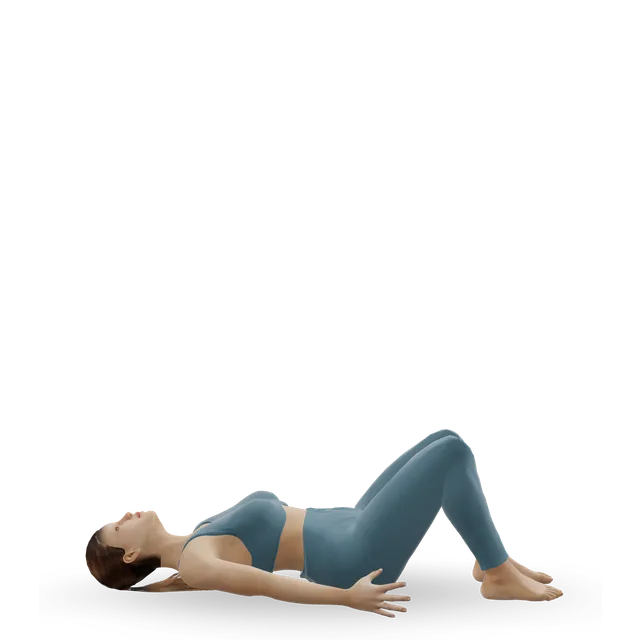
 3D demoPelvic tilt into bridgeBeginner · No equipment
 3D demoKnee foldBeginner · No equipment
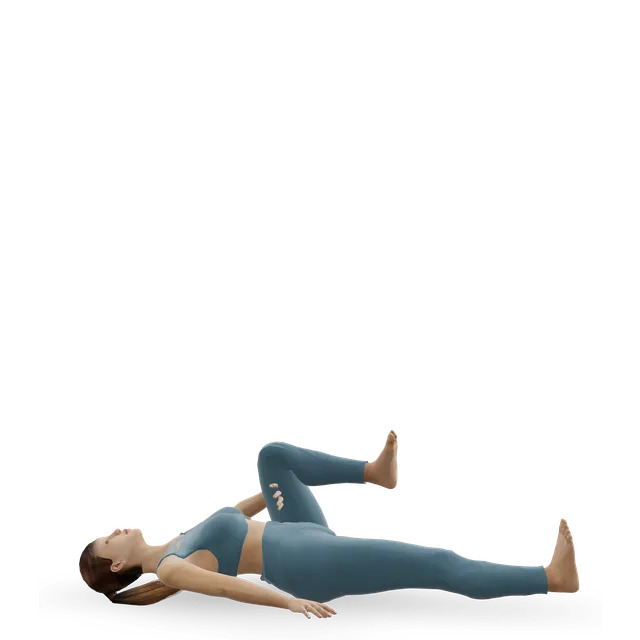
 3D demoDead bug heel tapsBeginner · No equipment
 3D demoHundred (Pilates)Intermediate · No equipment
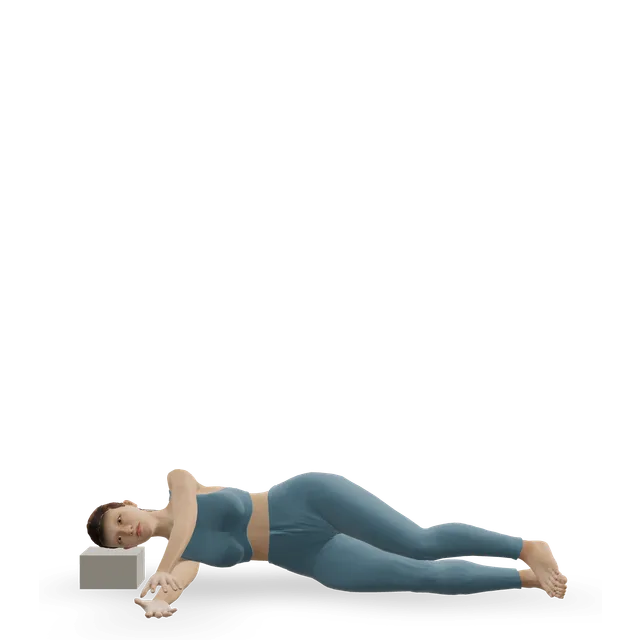
 3D demoHip windshield wipersBeginner · No equipment
 3D demoClamshellBeginner · No equipment
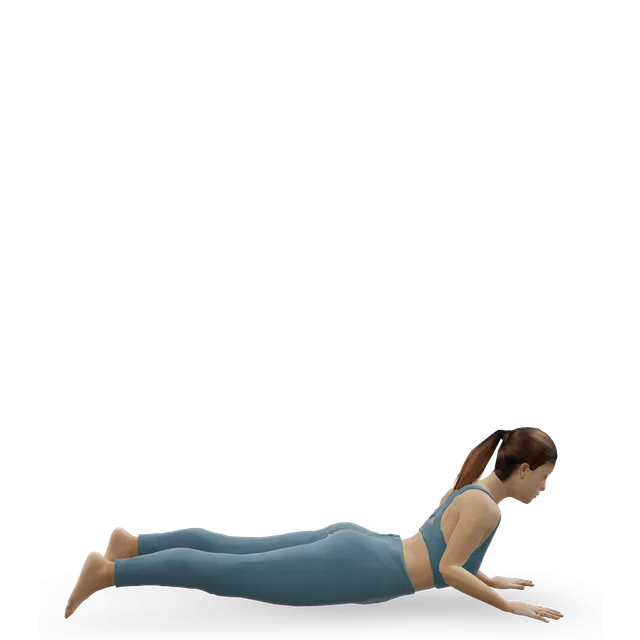
 3D demoSwimming (Pilates)Intermediate · No equipment
Hold the stretches for about 30 seconds, as Endometriosis UK does, with your knees wide in child's pose, and finish with at least 5 minutes of rest, the corpse pose page's dose.
 3D demoCat-cowBeginner · No equipment
 3D demoChild's Pose (Balasana)Beginner · No equipment
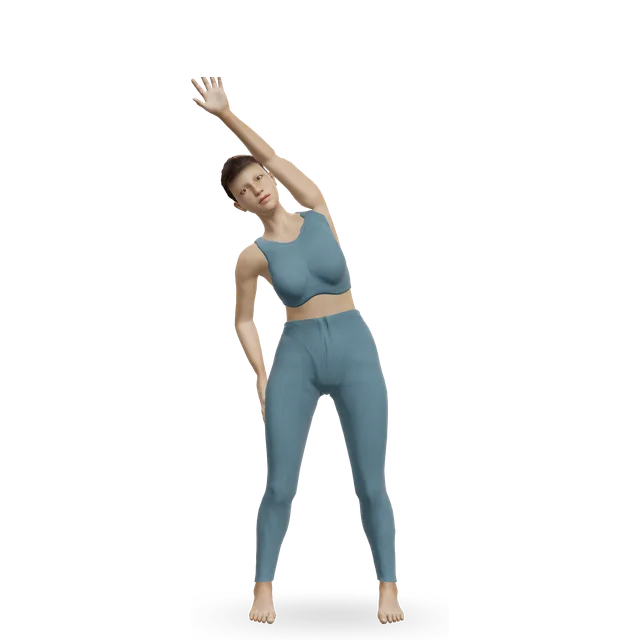 3D demoOverhead side bendBeginner · No equipment
 3D demoHalf-kneeling hip flexor stretchBeginner · No equipment
 3D demoReclined figure four (eye of the needle, Sucirandhrasana)Beginner · No equipment
 3D demoCorpse pose (Savasana)Beginner · No equipment
With pelvic pain, pain with sex or trouble emptying, don't add squeezes or "lift your pelvic floor" cues: use the release, and let a pelvic health physiotherapist decide about strengthening. Keep deep tummy work at about 20% effort rather than bracing hard.
The roll-up, teaser, criss-cross and chest lift can press on a tender or bloated tummy, and roll-ups kept pressure in the tummy high for longest in a lab study. Keep them for good days, or use the head-down hundred and dead bug heel taps (our suggestion).
Source 38
The swan and swimming: a pillow under your tummy, or skip them.
Source 2
Do the breathing and stretches only, or rest.
Start with the 20-minute Pilates class two or three times a week, with a rest day between, stopping after the first block on a flare day. The flare-up and relaxation routines are for bad days.
A gentle 20-minute Pilates class for endometriosis, based on Endometriosis UK's pelvic exercises: breathe, let go, then light control work and stretches.
20 minBeginner14 movesNo equipmentA gentle 20-minute routine for endometriosis: slow breathing and letting the pelvic floor go, then trunk and hip control, then stretches for back and hips.
20 minBeginner10 movesFirm cushionAn 8-minute routine for a tight pelvic floor: slow breathing and comfortable positions to help the muscles let go, with no strengthening squeezes.
8 minBeginner5 movesFirm cushionA gentle 20-minute routine for period pain: an easy walk, then cat-cow, cobra, supported fish, child's pose, bound angle, a twist and bridges.
20 minBeginner9 movesCardio machineA slow, 20-minute Pilates class with time to notice your breath and how each move feels. Every move is optional and you can pause or stop at any point.
20 minBeginner12 movesNo equipmentA 10-minute routine for a pain flare-up: slow breathing, small gentle moves lying and sitting, a short stroll if you can, then rest. Repeat later in the day.
10 minBeginner10 movesA band, A bench or boxGentle walking on other days, building up slowly, as Endometriosis UK suggests for low-impact activity.
If you have pelvic pain and any of these. Don't drive yourself to A&E.
Source 34
If you have pelvic pain and any of these.
Source 34
If pelvic or period pain is severe or worse than usual, and painkillers haven't helped.
Source 12
Ask for an urgent GP appointment or call NHS 111 for a high temperature, severe or continuous vomiting, tummy pain that's getting worse, a bloated tummy, pain, swelling, bleeding, pus or redness around your wounds, pain and swelling in one leg, or more breathlessness than usual. Call 999 for a very fast heartbeat, chest pain or severe difficulty breathing.
Source 39
Stop a move that brings on sharp or worsening pelvic pain, and leave out pelvic floor squeezes, curl-ups or long holds if they bring on pain. Pain during or after pelvic floor exercises, or trouble emptying your bladder or bowel, is a reason to ask your GP about a pelvic health physiotherapist.
Trials of supervised exercise reported no harm and a small benefit. Some people do flare: in one survey, 15.9% of yoga or Pilates users self-reported side effects, mostly more pelvic pain, which is why Endometriosis UK says start small and allow a recovery day.
Not shown. The pelvic floor is often tight with pelvic pain, pelvic floor exercises "may not be appropriate and could increase pain", and relaxation comes first.
No study links exercise or going upside down with endometriosis. Blood flows back into the pelvis during periods in about 90% of women with open fallopian tubes, whether or not they have endometriosis.
Source 42
No trial has shown Pilates changes hormones or the disease, and the European guideline can't recommend exercise as a treatment.
Endometriosis UK's own programme includes the hundred, bridges and deep tummy work, at a gentle effort and built up slowly.
Source 2
On bad days, rest or very gentle movement is fine, but the trials and Endometriosis UK support building activity up gradually.
It may help you move more comfortably, but no trial has tested Pilates itself. Exercise in general eased day-to-day pelvic pain a little in the best trial and improved quality of life in others, at low certainty. Endometriosis UK lists Pilates among good low-impact options.
Trials of supervised exercise reported no harm, but some people do flare: in one survey, 15.9% of people using yoga or Pilates self-reported side effects, mostly more pelvic pain. Start small, rest a day between sessions and build up slowly, as Endometriosis UK suggests.
The gentle ones in Endometriosis UK's own programme: breathing with a pelvic floor release, gentle deep tummy work, pelvic tilts and bridges, clams, swimming with a pillow under your tummy, the hundred built up slowly, cat-cow, a knee sway, child's pose and stretches. Our 20-minute class puts them together.
Not by default if you have pelvic pain. The pelvic floor is often tight, and pelvic floor exercises "may not be appropriate and could increase pain", so relaxing it comes first. A pelvic health physiotherapist can tell whether you need relaxing, strengthening or both.
Do less: slow breathing, the pelvic floor release and gentle stretches, or rest, with heat and your usual painkillers. Leave stronger work for better days.
Yes, if you feel up to it. The NHS suggests gentle exercise for period pain, and Pilates eased period pain in small trials of women without endometriosis. No study links exercising or going upside down on your period with endometriosis.
Neither has been tested against the other. In the largest yoga trial, online yoga eased period symptoms and pain with sex but didn't improve quality of life more than education. Choose the one you enjoy and can keep doing.
It can be, though there are no trials in endometriosis. A period pain trial tested both mat and reformer Pilates against no exercise. Ask for lighter springs and skip deep curl-ups if your tummy is tender or bloated.
Follow your surgical team. After keyhole surgery to treat endometriosis, full recovery can take 6 to 8 weeks, and Endometriosis UK says gentle exercise, yoga or Pilates can help your recovery. Start with breathing, walking and gentle moves on your back.
It hasn't been tested. When you're bloated, change position: a pillow under your tummy for face-down moves, or skip them, and leave curl-ups for another day.
No. Painkillers, hormones and sometimes surgery are the treatments with evidence, and the European guideline can't recommend any exercise as a treatment. Pilates goes alongside them.
See a GP if you think you might have endometriosis, period pain stops your usual activities, or you have pain during sex or bleeding between periods. Call 999 for pelvic pain that is severe or getting worse, or comes with feeling faint, shoulder-tip pain or heavy bleeding.
Exercise education, not a personal prescription, and clinical review of these guides is pending. If you are pregnant, have a health condition or have had recent surgery, check with a doctor, midwife or physiotherapist before starting, and stop for sharp or increasing pain. Health disclaimer.