The NHS suggests it
For period pain, the NHS says to "try some gentle exercise like yoga, swimming, walking or cycling", alongside heat, massage and painkillers. Women's Health Concern also suggests gentle exercise such as yoga.
Yoga guide
Gentle exercise, including yoga, can ease period pain, and the NHS suggests it alongside heat and painkillers. In small trials, women who did yoga regularly through the month had less period pain, though the trials were too small to say how big the effect really is.
This guide covers the poses from the trials, how often to practise, what to do on a painful day, whether you can do yoga on your period (yes) and go upside down (we found no study that tested it), how yoga compares with painkillers, premenstrual syndrome (PMS) and endometriosis, and the signs that period pain needs a GP, NHS 111 or 999.
For period pain, the NHS says to "try some gentle exercise like yoga, swimming, walking or cycling", alongside heat, massage and painkillers. Women's Health Concern also suggests gentle exercise such as yoga.
In small trials, mostly in students, women who did yoga had less period pain than women who didn't. The trials were small and the women knew which group they were in, so how big the effect really is remains uncertain.
The trials used exercise regularly, about three times a week, through the whole month, not just on painful days. Benefits showed after 4 to 8 weeks.
Anti-inflammatory painkillers helped about half of women in 80 trials, and the combined pill reduced period pain in high-quality trials. Use yoga alongside them, not instead.
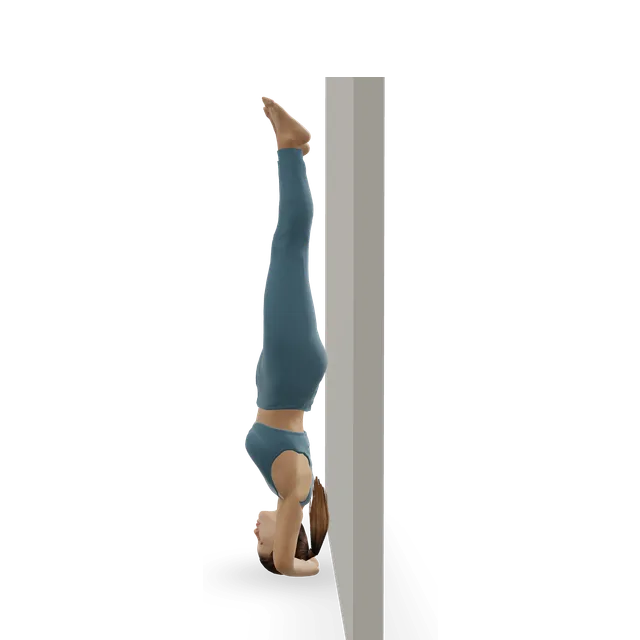
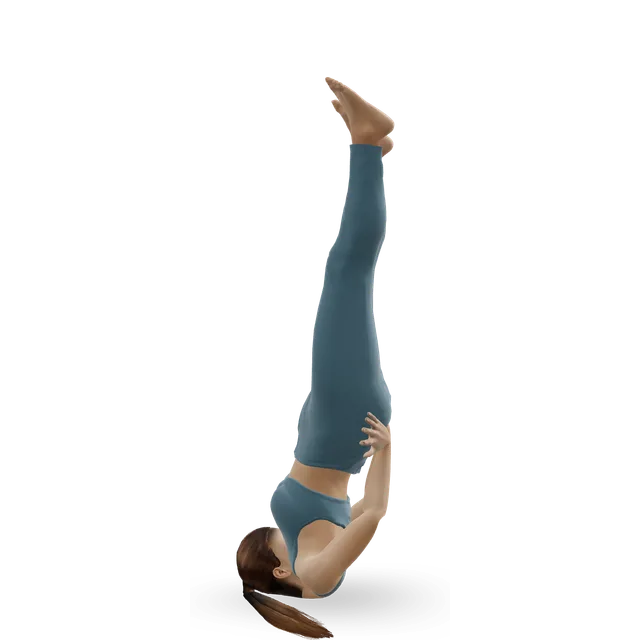
We found no study that tested going upside down during a period. The worry is blood flowing backwards, but that happens around a period in about 90% of women with open fallopian tubes anyway. Avoiding inversions is a custom in some yoga schools.
See a GP if period pain stops your usual activities or your periods become more painful, heavier or irregular. Call 999 for sudden, severe tummy pain with dizziness or fainting if you could be pregnant.
The NHS describes pain in your tummy at the start of your period or just before it, cramps that can spread to your back and thighs, and "a sharp pain or a dull ache". It usually lasts up to 3 days. "Period pain happens when your womb tightens during your period. It's often a normal part of the menstrual cycle."
Source 1
Women's Health Concern explains that the cramps "are caused by the effect of prostaglandins", substances made in the womb lining that make it contract; the pain can start 1 to 3 days before a period, peak about 24 hours after it starts and ease within 2 to 3 days. Sometimes painful periods are caused by endometriosis, adenomyosis, fibroids or pelvic inflammatory disease, and an intrauterine device (IUD) can cause period pain in its first 3 to 6 months. Pain from another condition "may not start until your mid-twenties or later".
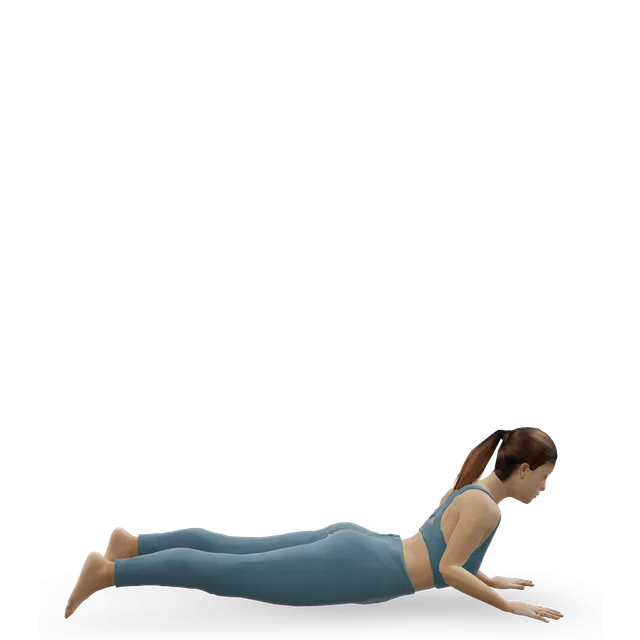
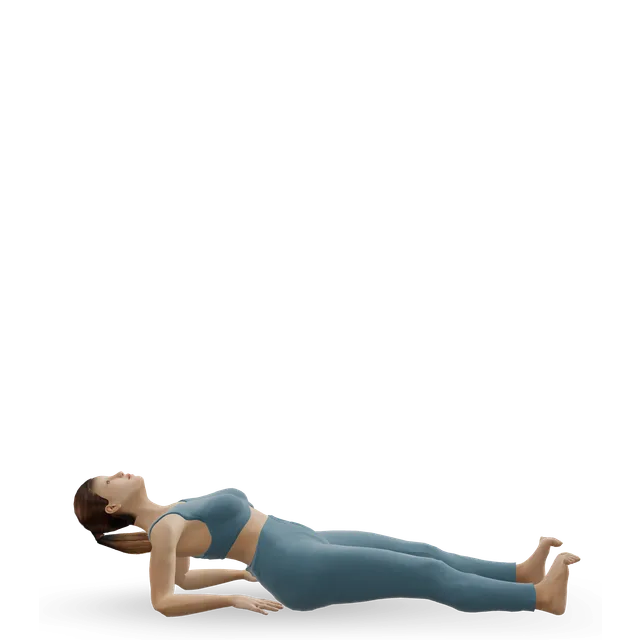
Cobra, cat and fish poses in the second half of the cycle for 3 cycles; 60 minutes once a week for 12 weeks of poses, relaxation and meditation; 30 minutes twice a week at home for 12 weeks; a weekly class for 12 weeks; 3 supervised sessions a week for 2 cycles; and 12 weeks against no yoga. Most of the women were students aged 18 to 25 with ordinary period pain.
In a network of 29 exercise trials, the best-ranked group was relaxation exercises (progressive muscle relaxation and self-massage of the tummy), which also had the fewest dropouts. Women's Health Concern suggests "a regular relaxation programme before the period is due and on the first few days". The slow breathing and supported rest in a yoga class are close to this.
In 92 students, cobra, cat and fish poses reduced how bad and how long period pain was, compared with no yoga, and weekly or twice-weekly programmes reduced pain in trials of 40, 34 and 60 women. The direction is consistent.
The size is not settled: the trials were small and the women knew which group they were in. Pooling 4 trials (230 women) gave a very large average effect (a standardised mean difference of 2.09, where 0.8 is usually called large) with a wide margin of error, and a network of 29 trials put yoga at about 2.75 points less pain on a 10-point scale after 8 weeks. Treat both numbers as rough, and probably too high, because small unblinded trials tend to overestimate.
A Cochrane review of 12 trials (854 women) found exercise may reduce period pain by about 25 points on a 100-point scale, from low-quality evidence. The trials used about 45 to 60 minutes, three times a week or more, "regardless of intensity", through the month. In network analyses of 29 and 49 trials, every type of exercise helped by about 8 weeks, with relief starting from about 4 weeks, and a network of 33 trials of non-drug treatments found exercise, acupuncture, heat and yoga all reduced pain compared with placebo or no treatment.
In 44 women, yoga and aerobic exercise, 3 supervised sessions a week for 2 cycles, eased pain about equally, and aerobic exercise improved fitness more. In 36 women, pain fell over 12 weeks in both the yoga group and the comparison group, with no clear difference between them, though women doing yoga woke less at night.
In 80 trials, anti-inflammatory painkillers gave moderate or excellent relief to 45% to 53% of women, against 18% with a placebo, though with more side effects. The combined pill reduced period pain moderately in high-quality trials. Only one very low-quality trial compared exercise with a painkiller. The NHS says a GP may recommend stronger anti-inflammatory medicines, a TENS machine (a small device that uses mild electrical pulses) or contraception such as the pill.
Across 14 studies (8 trials and 6 without random allocation) in 1,409 women and girls aged 13 to 45, quality of life improved after yoga, with a moderate risk of bias.
Source 20
A review of 14 studies found yoga improved PMS scores, except physical symptoms, but the studies varied widely and the authors flagged possible publication bias. Our exercise and the menstrual cycle guide covers PMS.
Source 21
In the largest trial (334 people), 8 weeks of online yoga improved period symptoms and pain during sex compared with education, but not quality of life, and online cognitive behavioural therapy (CBT) did better. In 40 women, 8 weeks of hatha yoga twice a week lowered daily pain. Endometriosis UK says gentle exercise, yoga or Pilates can help rehabilitation after surgery. Our exercise for endometriosis guide covers more.
We found no trial that tested yoga for heavy periods. The NHS lists feeling tired or short of breath a lot among the signs of heavy periods, and says to see a GP if they're affecting your life, as treatment can help.
The yoga trials used 20 to 60 minutes, once to three times a week, for 2 cycles to 12 weeks; the wider exercise trials used 45 to 60 minutes three times a week. Our editorial starting point: 20 to 30 minutes, 2 or 3 times a week through the month, plus gentle practice on painful days if it helps. Judge it over 2 or 3 cycles.
We found no study that tested a single yoga session during cramps. Women's Health Concern suggests gentle yoga "on the first few days", and the NHS suggests a warm bath, a heat pad or hot water bottle, massaging your tummy and back, and painkillers. Choose supported poses, knees to chest, a gentle twist and slow breathing, and skip anything that hurts.
The NHS suggests massaging your tummy and back, and self-massage was part of the best-ranked group of exercises. There's no 3D demo, so here are the steps (our editorial wording):
Kundalini teaching itself says not to do breath of fire "During the first or second days of your menstruation, depending on the intensity of the flow". Slow breathing suits painful days better.
Source 28
Lie on your side or sit down, and skip hot rooms and standing balances that day (our suggestion). Heavy periods can leave you tired or short of breath, and a GP can check for iron deficiency anaemia; our exercise with anaemia guide covers training with it.
Source 26
Our search found 4 records, and none tested going upside down during a period. The worry is that blood flows backwards through the fallopian tubes, but in a study of women having keyhole surgery, blood was found in the pelvis around their periods in 90% of those with open tubes, and in 15% of those whose tubes were blocked.
Iyengar Yoga UK says "closed twists and inversions (head stand, shoulder stand, hand stand) should be avoided during menstruation". In Mysore Ashtanga, "traditionally, women rest for 3 days during menstruation", and Kundalini teaching leaves out breath of fire on the first heavy days. These are teaching customs, not findings from studies, and our Iyengar, Ashtanga and Kundalini yoga guides present them that way.
If a headstand or shoulder stand is already part of your practice and feels fine, carrying on is your choice: we found no study that tested whether it does harm on your period. If it feels wrong, or bleeding is heavy, skip it. The other reasons to skip full inversions still apply: glaucoma (head-down positions raise eye pressure), blood pressure that isn't controlled, and neck problems. The US National Center for Complementary and Integrative Health (NCCIH) advises beginners to avoid headstands and shoulder stands.
Cat-cow for 8 slow waves and fish pose for 15 to 30 seconds, 2 rounds (the moves' pages); low cobra for 8 lifts with 3 slow breaths at the top (our period pain routine). Use the supported fish pose, with a block under your upper back and your head resting, and skip it with a neck problem, migraine, or blood pressure that isn't controlled (the move's page).
Reclining bound angle for 2 to 5 minutes with a support under each thigh, knees to chest for 20 to 30 seconds, 2 to 4 times, happy baby for 30 to 60 seconds, 2 rounds, and slow breathing for at least 5 minutes (the moves' pages). Child's pose and bound angle for about 60 seconds and the lying twist for 45 to 60 seconds each side (our period pain routine); legs up the wall for 3 to 5 minutes (editorial). A heat pad on your tummy helps too.
 3D demoChild's Pose (Balasana)Beginner · No equipment
 3D demoReclining bound angle pose (Supta Baddha Konasana)Beginner · Firm cushion
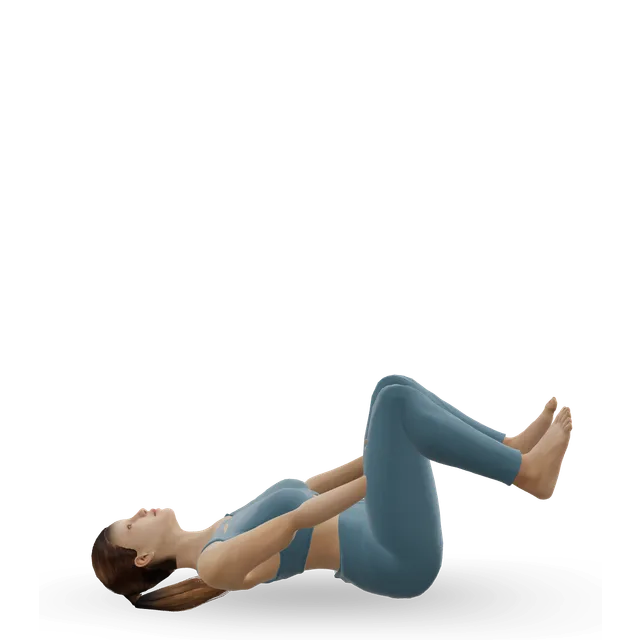 3D demoDouble knee-to-chest stretchBeginner · No equipment
 3D demoSupine spinal twist (Supta Matsyendrasana)Beginner · No equipment
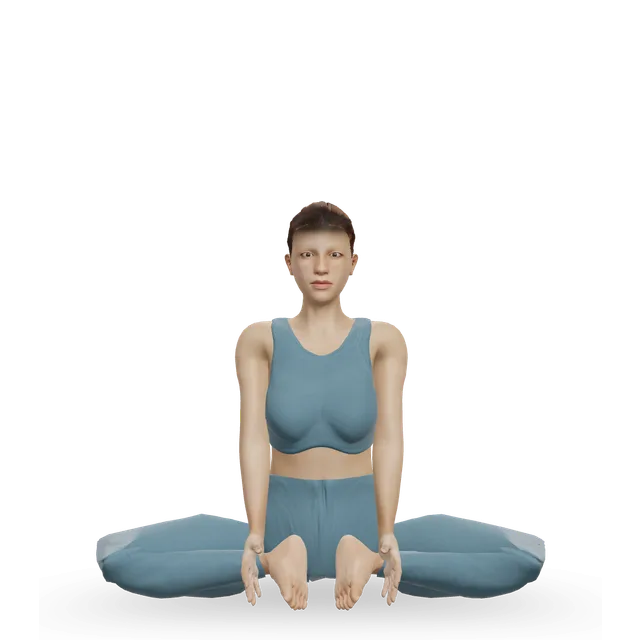 3D demoBound angle pose (Baddha Konasana)Beginner · No equipment
 3D demoHappy baby pose (Ananda Balasana)Beginner · No equipment
 3D demoLegs up the wall (Viparita Karani)Beginner · A wall
 3D demoSlow breathing (6 breaths a minute)Beginner · No equipment
The move's page dose is 2 to 5 minutes with a support under each thigh. The NHS suggests a heat pad or a hot water bottle wrapped in a tea towel on your tummy for period pain.
See the movement on the 3D figure: Reclining bound angle pose (Supta Baddha Konasana)
Walk for 5 minutes or more and do bridges for 10 to 12 slow lifts (our period pain routine); bird dog for 5 to 8 slow reaches each side and low lunge for 3 to 5 breaths each side (editorial). In one trial, aerobic exercise helped period pain as much as yoga, so walks and bike rides count too.
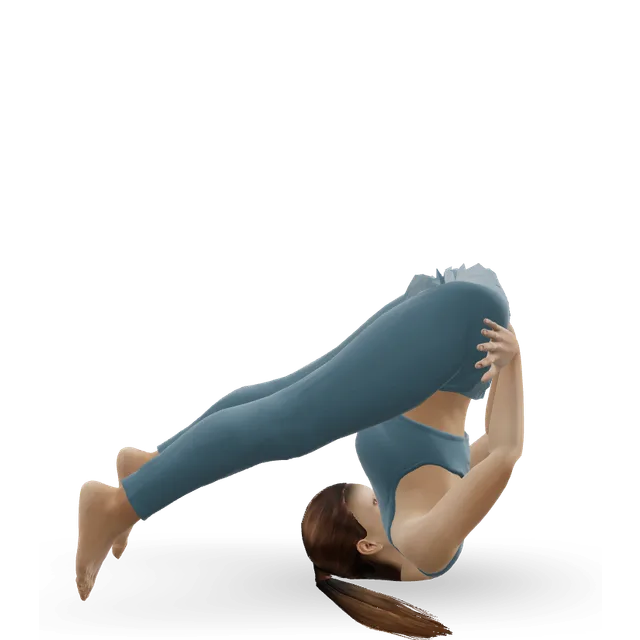
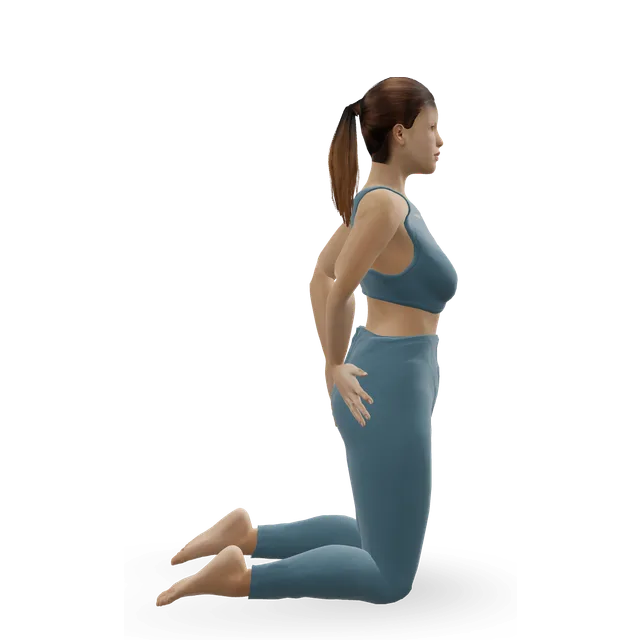
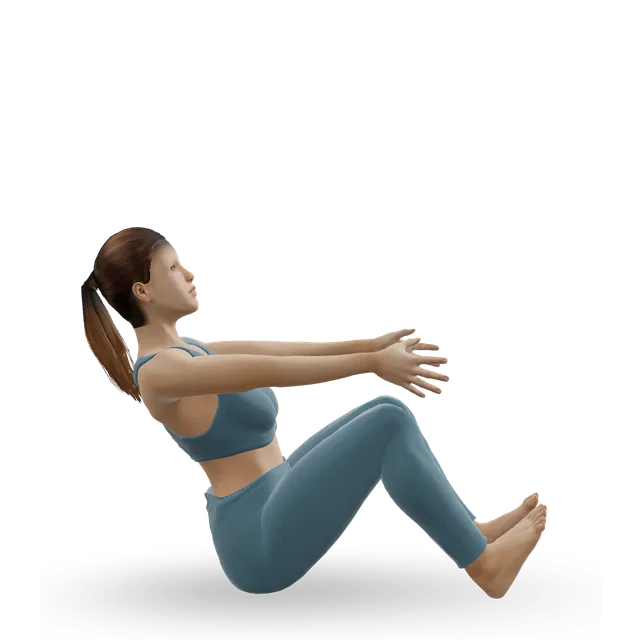
These aren't harmful because of your period as far as we know, but headstand, shoulder stand and plough have their own neck, eye and blood pressure cautions (the moves' pages), camel is an advanced backbend, and strong core holds such as boat pose can wait for a day when you feel better.
Start with our 20-minute gentle exercises for period pain, about three times a week through the month, as the trials did. The restorative and yin sequences suit painful days; the pelvic floor relaxation routine helps if your pelvic floor feels tight.
A gentle 20-minute routine for period pain: an easy walk, then cat-cow, cobra, supported fish, child's pose, bound angle, a twist and bridges.
20 minBeginner9 movesCardio machineA 45-minute restorative yoga sequence: five fully supported poses held for 4 to 10 minutes each, with slow breathing and a long final rest.
45 minBeginner6 movesFirm cushion, A wallA 35-minute yin-style session: seated and lying poses held for 2 to 4 minutes with slow breathing, finishing with legs up the wall and a long rest.
35 minBeginner9 movesA wallA slow, 10-minute floor routine to unwind before sleep: child's pose, twists, happy baby and slow breathing.
10 minBeginner7 movesFirm cushion, A wallAn 8-minute routine for a tight pelvic floor: slow breathing and comfortable positions to help the muscles let go, with no strengthening squeezes.
8 minBeginner5 movesFirm cushionA gentle 20-minute routine for endometriosis: slow breathing and letting the pelvic floor go, then trunk and hip control, then stretches for back and hips.
20 minBeginner10 movesFirm cushionA steady 30 to 45 minute cardio session at talk-but-not-sing pace: walk, cycle, row or cross-train, counting toward weekly activity guidelines.
40 minBeginner3 movesCardio machine, A wallA 45-minute session for weight loss and health: a 20-minute brisk walk, which does more for the scales, then a standing yoga flow for strength and balance.
45 minBeginner12 movesCardio machineThese follow the NHS and our exercise and the menstrual cycle guide. A&E means accident and emergency. In the US, call 911 for 999, and use your doctor's urgent line or urgent care for NHS 111.
The NHS says to call 999 for an ambulance or go to A&E immediately if you have a combination of "a sharp, sudden and intense pain in your tummy", "feeling very dizzy or fainting", "feeling sick" and "looking very pale". These can mean an ectopic pregnancy has ruptured, which needs surgery as soon as possible.
Also call 999 or go to A&E if you have pelvic pain and:
The NHS says to contact your GP or call NHS 111 if you think you might be pregnant, even without a positive pregnancy test, and you have a combination of symptoms such as a missed period, tummy pain low down on one side, vaginal bleeding that's different from your usual period, pain in the tip of your shoulder, or discomfort when peeing or pooing. These can be signs of an ectopic pregnancy.
Ask for an urgent GP appointment or contact NHS 111 if pelvic or period pain is severe or worse than usual, and painkillers haven't helped. Get help from NHS 111 for pelvic pain with difficulty peeing or pooing, blood in your pee or poo, unusual discharge or bleeding, pain when peeing, a very high temperature, or vomiting and diarrhoea or feeling sick.
As our exercise and the menstrual cycle guide says: call 999 or go to A&E if you have symptoms of premenstrual dysphoric disorder (PMDD) and are feeling suicidal. In the US, call 911, or call or text 988.
Stop a pose that brings on sharp pain rather than a stretch, and if you feel faint, lie on your side (our suggestion).
The NHS suggests gentle exercise like yoga for period pain, and Women's Health Concern suggests gentle yoga on the first few days. Our exercise and the menstrual cycle guide answers the same myth.
We found no study that tested it, backward flow happens around a period in about 90% of women with open tubes anyway, and avoiding inversions is a teaching custom. Do what feels right on the day.
Only one very low-quality trial has compared exercise with a painkiller, while anti-inflammatory painkillers relieved pain in about half of women in 80 trials. Use yoga as well as, not instead of, painkillers and heat.
We found no study that tested a single session during cramps; in the trials, relief came after 4 to 8 weeks of regular practice. A gentle session with a heat pad may still feel good on the day.
Prostaglandins cause the cramps, but we found no study that measured them after yoga in period pain; the closest record was a study protocol, with no results.
We found no study that tested it. The NHS lists pregnancy, stress, perimenopause, PMOS, sudden weight loss, being overweight and doing too much exercise among the common causes of a late or missed period.
The NHS says to see a GP if your period pain is stopping you doing your usual daily activities, and Women's Health Concern says that if you start to get period pain as an adult, you should not hesitate to see a healthcare professional.
It may. In small trials, regular yoga reduced period pain, and a Cochrane review found exercise of any kind may cut pain by about 25 points on a 100-point scale, though the evidence is low quality. Use it alongside heat and painkillers.
The poses in the trials were cobra, cat and fish. On painful days, many people prefer supported poses such as child's pose, reclining bound angle, knees to chest and a lying twist, with a heat pad and slow breathing.
Yes. The NHS suggests gentle exercise like yoga for period pain, and Women's Health Concern suggests gentle yoga before the period is due and on the first few days.
We found no study that tested whether they cause harm, and blood flows back through the fallopian tubes around a period in about 90% of women with open tubes anyway. Some yoga schools teach rest from inversions as a custom; skip them if they don't feel right.
Regularly through the month, not just on painful days: the exercise trials used 45 to 60 minutes three times a week, and the yoga trials 20 to 60 minutes once to three times a week. Try 2 or 3 sessions a week and judge it over 2 or 3 cycles.
In the trials, relief appeared after 4 to 8 weeks of regular practice, and we found no study that tested a single session during cramps. A gentle session with a heat pad may still feel good on the day.
Probably not. Anti-inflammatory painkillers help about half of women with period pain, and only one very low-quality trial has compared exercise with a painkiller. Use yoga as well as, not instead of, painkillers and heat.
Possibly: a review of 14 studies found yoga improved PMS symptom scores, except physical symptoms, but the studies varied and may overstate the benefit. Our exercise and the menstrual cycle guide covers PMS and its treatments.
In the largest trial, 8 weeks of online yoga improved period symptoms and pain during sex, but not quality of life, and online CBT did better. Our exercise for endometriosis guide covers exercise with it.
Period pain can spread to the back and thighs, and gentle moves such as knees to chest, cat-cow, child's pose and a lying twist often feel good. A heat pad on your lower back and painkillers help too.
We found no study that tested it. The NHS lists pregnancy, stress, perimenopause, PMOS, weight changes and too much exercise among common causes of a late period, and suggests seeing a GP if you've missed 3 periods in a row.
See a GP if pain stops your usual activities or your periods become more painful, heavier or irregular, and ask for an urgent appointment or contact NHS 111 if the pain is severe and painkillers haven't helped. Call 999 for sudden, severe tummy pain with dizziness or fainting if you could be pregnant.
Exercise education, not a personal prescription, and clinical review of these guides is pending. If you are pregnant, have a health condition such as glaucoma, high blood pressure or osteoporosis, or have had recent surgery, check with a doctor, midwife or physiotherapist before starting, and stop for sharp or increasing pain. Health disclaimer.