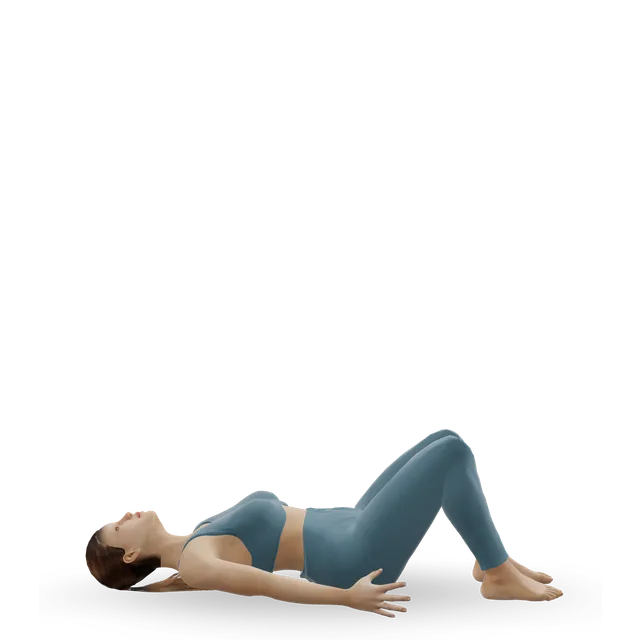
Common, and often without symptoms
Fibroids are non-cancerous growths in or around the womb. Around 1 in 3 women develop them, most often in their 40s, and many never have symptoms.
Exercise guide
Fibroids are common, non-cancerous growths in or around the womb, and you can keep exercising with them. Exercise won't shrink fibroids or make periods lighter: medicines and procedures do that. What it can do is keep you strong and well while heavy periods, tiredness, pain or pressure change what you feel like doing from week to week.
This guide covers exercising with heavy periods and anaemia, easing pain and pressure, your pelvic floor, lifting and running, and how soon you can exercise after fibroid treatment, such as embolisation or surgery to remove fibroids (myomectomy). It ends with moves you can watch in 3D, workouts for good and bad days, and the warning signs that need help.
Fibroids are non-cancerous growths in or around the womb. Around 1 in 3 women develop them, most often in their 40s, and many never have symptoms.
No trial shows that exercise shrinks fibroids or eases fibroid bleeding: medicines, embolisation and surgery are the treatments. Exercise keeps you healthy alongside them.
Heavy bleeding can cause iron deficiency anaemia, with tiredness, breathlessness and a pounding heartbeat. NICE (the National Institute for Health and Care Excellence) says everyone with heavy periods should be offered a blood test. If light activity leaves you breathless, dizzy or exhausted, see your GP (general practitioner) before exercising (our anaemia guide's advice).
Aim for 150 minutes of moderate activity and strength work on 2 days a week, with shorter, lower-impact sessions on heavy or painful days. If heavy periods stop you exercising, that's a reason to see a GP: treatment can help.
Large fibroids can press on the bladder. Pelvic floor exercises can help with leaking; if you have pelvic pain or pain during sex, relaxing the muscles may matter more than squeezing them.
Recovery depends on the treatment. One NHS trust's leaflet advises no strenuous exercise for 48 hours after embolisation and rest for 2 to 3 weeks; another expects about 6 weeks before vigorous sport after keyhole surgery.
The NHS describes fibroids as common, non-cancerous growths in or around the womb that don't always need treatment. Doctors also call them myomas or leiomyomas. They vary in size, number and position, which shapes the symptoms and the treatment: NICE treats fibroids of 3 cm or more differently from smaller ones, and fibroids that bulge into the womb can sometimes be removed through the vagina.
NICE says around 1 in 3 women develop fibroids, more often with age until the menopause, peaking in the 40s, and they can shrink after the menopause. In a US study that screened women aged 35 to 49 by ultrasound, half of those never diagnosed had fibroids, and by age 50 an estimated 80% of Black women and nearly 70% of white women had them. The NHS says they're more likely if you haven't reached the menopause, have never had a full-term pregnancy, are overweight, have high blood pressure or diabetes, are from a Black or Asian background, or have a close relative with fibroids.
Many people have no symptoms. When there are symptoms, they can include heavy or painful periods, stomach pain, lower back pain, needing to pee more often or suddenly, leaking, problems pooing such as bloating or constipation, pain during sex, and difficulty getting pregnant. People told NICE that fibroids can seriously affect work and family life.
Untreated, fibroids can cause iron deficiency anaemia from heavy bleeding, urine infections or leaking when large fibroids press on the bladder, and, rarely, difficulty having children or miscarriage.
Source 1
The NHS signs of heavy periods include changing a pad or tampon every 1 to 2 hours, needing 2 kinds of period product together, periods lasting more than 7 days, clots larger than about 2.5 cm, bleeding through to clothes or bedding, avoiding daily activities like exercise, and feeling tired or short of breath a lot. NICE asks doctors to judge heavy periods by their effect on your life, not by blood loss.
Iron deficiency anaemia can cause tiredness and lack of energy, shortness of breath, noticeable heartbeats (palpitations), paler skin and headaches. A GP checks for it with a blood test, finds the cause, such as heavy periods, and usually prescribes iron tablets.
Source 5
Tiredness and breathlessness from anaemia, pain and cramping, pressure and needing the toilet often, bloating, the practical side of heavy bleeding, and recovering from treatment can all get in the way. None of this means exercise is harmful with fibroids; it means the amount and type may need to change through the month.
We found no trial testing exercise as a treatment for fibroids, and the NHS and NICE treatments are medicines, embolisation and surgery. A 2025 review called for research because the evidence can't yet support exercise advice for fibroids. One retrospective study claimed that exercise helped fibroids shrink after a heat treatment, but it can't show that exercise shrinks fibroids on its own.
In 1,189 US women, 7 or more hours of activity a week went with lower odds of fibroids than under 2 hours. A 2025 review of 15 studies found no clear link with regular activity and a small one with more intense activity, from low-certainty evidence. In 6,623 Chinese women, 6 or more hours a day of sitting in leisure time went with twice the odds of fibroids. This is about prevention, it's uncertain, and it isn't a reason to blame anyone for having fibroids.
NICE's options for heavy periods with fibroids include tranexamic acid, anti-inflammatory painkillers, the hormonal coil (an intrauterine system, or IUS), the combined pill and other hormone treatments, and newer tablets that lower hormone levels, such as relugolix combination therapy and linzagolix, for moderate to severe symptoms.
Uterine artery embolisation blocks the fibroids' blood supply through a fine tube put in at the groin. NICE says it relieves symptoms with a faster recovery than surgery: in a UK register, 84% had improved at 6 months, but 15% needed another procedure within 3 years. In 7 trials, satisfaction was similar to surgery, recovery was faster, and more people needed a further procedure. In a UK trial of 254 women, myomectomy gave better fibroid-related quality of life at 2 years, with no clear difference at 4 years.
In 9 trials (808 women), keyhole myomectomy caused less pain, less fever and a shorter hospital stay than open surgery.
Source 20
In one retrospective study of 130 women after fibroid surgery, those who did pelvic floor exercises had fewer bladder symptoms afterwards (about 1 in 9, against nearly 1 in 3). It's a single study of its kind, so treat it as a promising sign.
Source 8
Yes, if you feel well. We found no trial showing that exercise makes periods heavier or lighter. Bleeding between periods or after sex is different: see a GP.
Source 7
Our suggestions: plan harder sessions for lighter days if you can; on the heaviest days, choose shorter, lower-impact sessions near a toilet, such as walking, cycling, rowing or strength work; use a high-absorbency product or two together, and wear dark clothing; and drink enough.
The NHS lists avoiding daily activities like exercise as a sign of heavy periods. That's a reason to see a GP, not to give up exercise: NICE's treatments can make periods lighter, and it advises carrying on with tranexamic acid or anti-inflammatory painkillers for as long as they help.
No UK guideline sets exercise rules for anaemia. Keep activity easy enough to talk through in full sentences, build up as your iron treatment works, and see your GP first if light activity leaves you breathless, dizzy or exhausted (our anaemia guide's advice). Never take iron without a blood test.
Painful periods and lower back pain are fibroid symptoms. Gentle cardio, stretches and heat help many people with ordinary period pain, as our period pain routine explains; no study has tested them for fibroid pain, so use what feels good.
Source 1
Needing to pee often or suddenly, leaking, constipation and bloating are all fibroid symptoms. Our suggestions: plan routes and sessions near toilets, empty your bladder before exercise, and don't cut down on drinks to avoid leaking.
Source 1
If lying on your front, or tummy exercises such as crunches, press on a large fibroid and hurt, use side-lying, all-fours or standing versions instead (our suggestion).
Large fibroids can press on the bladder and cause leaking. Pelvic floor exercises are the usual first step for leaking when you cough, sneeze or exercise: start with 8 slow holds of up to 10 seconds and 8 quick squeezes, 3 times a day, building towards 10 of each (the move page's dose), and keep going for at least a few months. Our pelvic floor guide explains how to find the right muscles.
If you have pelvic pain or pain during sex, the muscles may need to relax rather than squeeze. Try 5 to 10 slow breaths of pelvic floor relaxation, 1 to 3 times a day (the move page's dose), and stop adding squeezes until you've been assessed. A heavy, dragging feeling or a bulge in the vagina needs a GP: our pelvic floor guide covers this.
We found no study showing that lifting weights makes fibroids grow or bleed. Train as you normally would if it's comfortable, lighten the load or change the exercise if a move causes pelvic pain or pressure, and breathe out on the effort rather than straining (our suggestion).
There's no evidence that tummy exercises harm fibroids. If a move presses on a tender tummy, the bird dog, side-lying moves and standing work train the same muscles without the pressure (our suggestion). After surgery, your team's limits apply.
Running is fine if it's comfortable. If you need to pee often or leak when you run, plan routes near toilets and build up pelvic floor exercises; on heavy days, a lower-impact option may suit you better (our suggestion).
Source 1
Timings differ between hospitals and operations, so these come from individual NHS trusts' leaflets. Your team's limits come first.
Some fibroid medicines lower your hormone levels. With relugolix combination therapy, hot flushes were a little more common than with a dummy pill, and changes in bone density over 24 weeks were small. Hormone injections of the older kind are licensed for up to 6 months, and bleeding can increase in the first couple of months. If you get hot flushes, exercise somewhere cool and wear layers; if you're on hormone-lowering treatment for a long time, ask your team about your bones and keep up strength and impact exercise (our suggestion).
In embolisation, a specialist blocks the fibroids' blood supply through a fine tube put in at the groin, usually with a night in hospital. One NHS trust's leaflet says to expect pain like a bad period for up to 2 weeks, with flu-like symptoms and a mild fever for several days, and to feel drained and tired for 1 to 2 weeks. It advises no driving or strenuous exercise for at least 48 hours so the groin puncture can heal, rest for at least 2 to 3 weeks depending on how you recover, and then a return to usual activities once you feel ready, with 2 to 3 weeks off work.
NICE suggests considering hormone treatment before a myomectomy or hysterectomy if fibroids have enlarged the womb, and one NHS trust's leaflet says this usually takes 3 months. That leaflet says your recovery depends partly on how fit and well you are before the operation, and another trust's leaflet advises moving early and drinking enough afterwards to lower the very rare risk of blood clots. Staying active while you wait is worthwhile (our suggestion).
One NHS trust's leaflet says you should be able to do light daily activities within 2 weeks and return to work within 4 to 6 weeks, and that you need 6 weeks before vigorous sport or sex, avoiding heavy lifting in that time. Go to A&E (accident and emergency) for severe tummy pain or a fever.
Source 10
One NHS trust's leaflet says no heavy lifting for 6 weeks after an open operation, and at least 4 weeks before returning to work. In the first weeks, the gentle exercises in our hysterectomy routine, such as breathing, ankle circles, heel slides, pelvic floor squeezes and short walks, suit a healing tummy too, with your team's agreement (our suggestion). Our hysterectomy routine also says no sit-ups, double leg raises or planks while the tummy heals.
Source 21
Fibroids inside the womb can be removed with a hysteroscope, a thin telescope passed through the vagina. The NHS says to avoid exercise and sex until the pain and bleeding have stopped.
Source 11
Our hysterectomy guide has the timings for walking, lifting, swimming and running again after the operation.
The NHS says some treatments can stop you having children or raise the risk of problems in pregnancy, so talk to your doctor if you plan to have children. NICE says embolisation or myomectomy may let you keep your fertility; in one trial, 50% of women who tried for a baby after embolisation became pregnant, against 78% after myomectomy. One NHS trust's leaflet advises avoiding pregnancy for at least 6 months after embolisation, and another says a pregnancy after myomectomy may need a caesarean.
Build towards 150 minutes a week (NHS); on heavy or tired days, 10-minute bouts count. The recumbent bike and the cross-trainer start at 10 to 20 minutes, building towards 30 (the move pages' doses).
 3D demoTreadmill walkingBeginner · Cardio machine
 3D demoRecumbent exercise bikeBeginner · Cardio machine
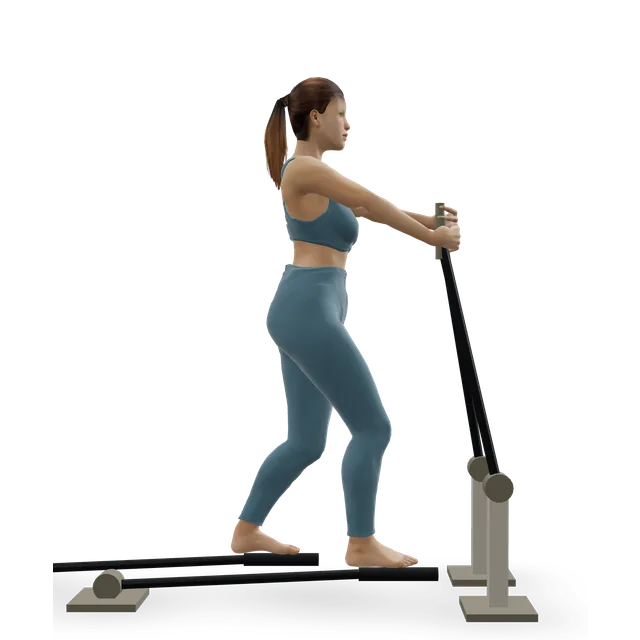 3D demoElliptical trainerBeginner · Cardio machine
 3D demoStationary cyclingBeginner · Cardio machine
 3D demoIndoor rowing (rowing machine)Beginner · Cardio machine
 3D demoSeated marchBeginner · A bench or box
On 2 days a week (NHS): 2 sets of 8 to 12 of each, building to 3 (our editorial starting point). The bird dog and clamshell train your middle without pressing on your tummy.
 3D demoSit to stand from a chairBeginner · A bench or box
 3D demoDumbbell goblet squatIntermediate · A dumbbell
 3D demoWall push-upBeginner · A wall
 3D demoIncline push-upBeginner · A bench or box
 3D demoBand rowBeginner · A band + An anchor point
 3D demoHip-hinge practiceBeginner · No equipment
 3D demoGlute bridgeBeginner · No equipment
 3D demoBird dogBeginner · No equipment
 3D demoClamshellBeginner · No equipment
Squeezes: 8 slow holds of up to 10 seconds and 8 quick squeezes, 3 times a day (the move page's dose). Relaxation: 5 to 10 slow breaths, 1 to 3 times a day (the move page's dose), instead of squeezes if you have pain.
Use them as our period pain routine does, with about 45 to 60 seconds in each stretch (the routine's dose), and skip any that press on a tender tummy.
 3D demoCat-cowBeginner · No equipment
 3D demoChild's Pose (Balasana)Beginner · No equipment
 3D demoSupine spinal twist (Supta Matsyendrasana)Beginner · No equipment
 3D demoReclined figure four (eye of the needle, Sucirandhrasana)Beginner · No equipment
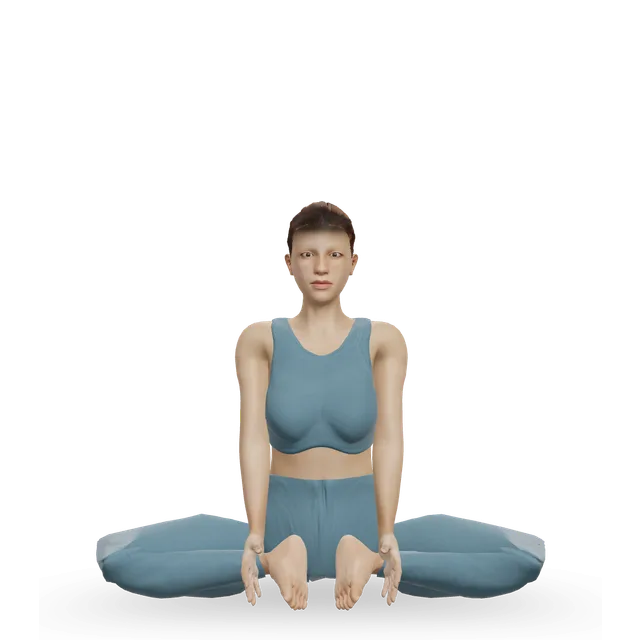 3D demoBound angle pose (Baddha Konasana)Beginner · No equipment
 3D demoReclining bound angle pose (Supta Baddha Konasana)Beginner · Firm cushion
 3D demoLow cobra (Bhujangasana)Beginner · No equipment
 3D demoSlow breathing (6 breaths a minute)Beginner · No equipment
With your team's agreement, the doses in our hysterectomy routine: 3 heel slides on each leg, 4 to 5 rib breaths, up to 10 tummy draw-ins and 5 to 10 minutes of walking, building up as you heal.
 3D demoAnkle circlesBeginner · No equipment
 3D demoLateral breathing (Pilates breathing)Beginner · No equipment
 3D demoSupine heel slideBeginner · No equipment
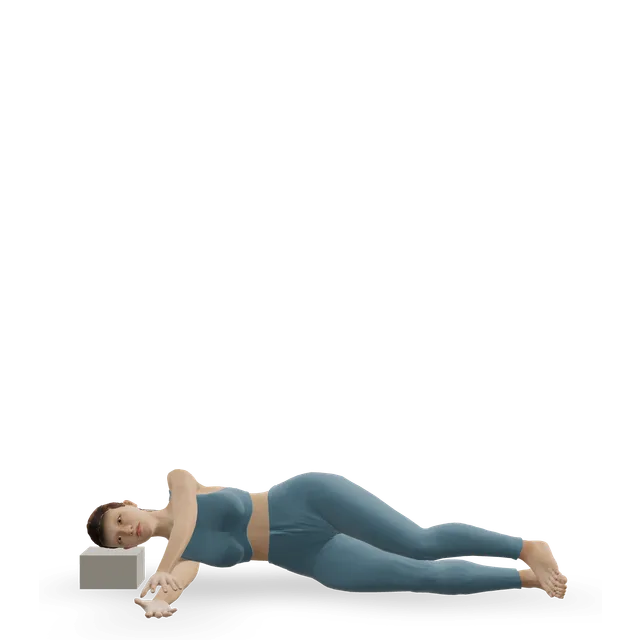 3D demoSide-lying tummy draw-inBeginner · No equipment
 3D demoPelvic tilt into bridgeBeginner · No equipment
 3D demoKnee foldBeginner · No equipment
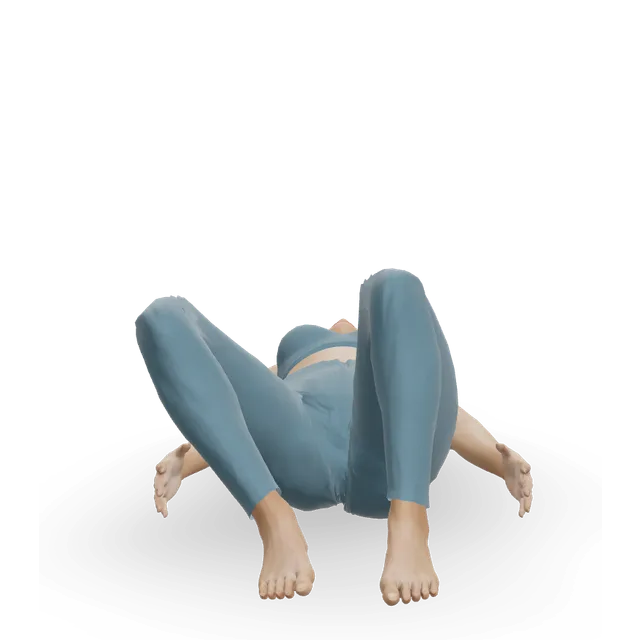 3D demoBent-knee fall-outBeginner · No equipment3D demoTreadmill walkingBeginner · Cardio machine
The period pain routine suits painful days and the 10-minute starter workout suits tired ones. The hysterectomy routine covers the first weeks after an open myomectomy, with your team's agreement.
A gentle 20-minute routine for period pain: an easy walk, then cat-cow, cobra, supported fish, child's pose, bound angle, a twist and bridges.
20 minBeginner9 movesCardio machineA steady 30 to 45 minute cardio session at talk-but-not-sing pace: walk, cycle, row or cross-train, counting toward weekly activity guidelines.
40 minBeginner3 movesCardio machine, A wallA 25-minute standing cardio circuit with no jumping: marching, step jacks, sit-to-stands, punches, step-ups and wall push-ups, with a seated option for most moves.
25 minBeginner9 movesA bench or box, A stepA 10-minute session for low-energy days: marching, sit-to-stands, wall push-ups, step-ups and bridges, then a short walk. Doing a little counts.
10 minBeginner7 movesA bench or box, A wallA gentle 20-minute beginner home workout with a chair, a wall and a band: sit-to-stands, wall push-ups, band rows, step-ups and dead bugs.
20 minBeginner11 movesA bench or box, A wallA 20-minute full-body dumbbell workout: two supersets of squats, rows, Romanian deadlifts and push-ups. Twice a week covers the minimum dose.
20 minBeginner8 movesA dumbbell, A bench or boxA 5-minute daily pelvic floor workout for women and men: slow holds and quick squeezes, three times a day, with how to find the right muscles.
5 minBeginner2 movesNo equipmentAn 8-minute routine for a tight pelvic floor: slow breathing and comfortable positions to help the muscles let go, with no strengthening squeezes.
8 minBeginner5 movesFirm cushionA gentle 15-minute routine for the first 6 weeks after a hysterectomy: circulation and breathing, pelvic floor and deep tummy exercises, then a daily walk.
15 minBeginner11 movesCardio machineA gentle 15-minute Pilates-based routine for ongoing low back pain, built from neutral-spine moves with options for backs that dislike bending or arching.
15 minBeginner10 movesNo equipmentA 25-minute gentle yoga class for complete beginners and over-50s: slow breathing, a warm-up, supported standing poses, floor poses and a closing rest.
25 minBeginner14 movesNo equipmentFor weekly structure, easing off on heavy or painful days.
A free 8-week walking plan for beginners: build to 150 minutes of brisk walking a week, with intervals, hills and two short strength sessions.
6 training days40 minBeginner2 days a weekYour first four weeks: two, then three short strength sessions a week at home plus walks, building gently to a full routine.
2 training days20 minBeginner3 days a weekA weekly workout plan for women: three strength days, cardio and pelvic floor training, with the evidence on periods, pregnancy and menopause.
3 training days45 minBeginnerThis is general information, not a diagnosis. In the US, call 911 where this page says 999.
Stop exercising and call 999 for:
The NHS says to call 999 or go to A&E if you have pelvic pain and any of these. Don't drive yourself.
Source 24
If you have pelvic pain and:
Source 24
After embolisation, one NHS trust's leaflet says to go to A&E for a fever that keeps coming back, or for pain, fever and a bad-smelling discharge, and to press on the groin puncture for 10 minutes if it bleeds or swells, going to A&E if it carries on. After keyhole myomectomy, another says to go to A&E for severe tummy pain or a fever. After a hysteroscopy, the NHS says to contact the hospital urgently, or call 111, for bleeding that gets worse or doesn't stop after a few days, worsening tummy pain that painkillers don't help, a high temperature or smelly discharge.
Stop and rest for chest pain, palpitations, dizziness, or breathlessness that's out of proportion to what you're doing, and sit or lie down if you feel faint.
Source 23
No trial shows this. Medicines, embolisation and surgery shrink or remove fibroids. One retrospective study claimed exercise helped after a heat treatment, but it can't show that exercise shrinks fibroids on its own.
No study shows this. If anything, more active women are slightly less likely to develop fibroids.
Some clinic websites say this, but we found no evidence behind it, and studies of activity and fibroids point, if anything, the other way. Lift if it's comfortable, and adjust if a move causes pain or pressure.
Source 4
There's no evidence of harm. Choose positions that don't press on a large fibroid and hurt; after surgery, your team's limits apply.
Pelvic floor exercises can help with leaking when a fibroid presses on the bladder, but they don't change the fibroids themselves.
NICE says to judge heavy periods by their effect on your life and offers a blood test and treatments. If they stop you doing things like exercise, see a GP.
Being overweight makes fibroids more likely, but we found no trial showing that weight loss shrinks fibroids you already have. A healthy weight is worth it for other reasons.
Yes. Fibroids are common, non-cancerous growths, and there's no evidence that exercise harms them. Aim for 150 minutes of moderate activity a week plus strength work, adjusting on heavy, painful or tired days.
No. No trial shows exercise, yoga or any particular move shrinks fibroids; medicines, embolisation and surgery are the treatments. Exercise helps you feel better and stay healthy alongside them.
There's no evidence that it does. More active women seem slightly less likely to develop fibroids in the first place, and no trial has shown exercise makes periods heavier. If a move causes pain or pressure, change it.
Whatever you enjoy and can keep doing. Walking, cycling, swimming and cross-trainers are easy to adjust on heavy days, strength work twice a week keeps you strong, and gentle stretches help on painful days.
Yes, if they're comfortable. Claims that lifting feeds fibroids have no evidence behind them. If lying on your front or tummy exercises press on a large fibroid and hurt, use side-lying, all-fours or standing versions.
Yes, if it feels comfortable. If you need to pee often or leak when running, plan routes near toilets and build up pelvic floor exercises. On heavy days, a lower-impact option may suit you better.
They don't shrink fibroids, but they can help with leaking when a fibroid presses on the bladder. In one study after fibroid surgery, women who did them had fewer bladder symptoms. If you have pelvic pain or pain during sex, relaxing the muscles may matter more than squeezing.
Choose shorter, lower-impact sessions on the heaviest days, and see a GP if heavy periods stop you doing things like exercise: treatment can make them lighter. If you're anaemic, keep activity easy, build up as treatment works, and see your GP first if light activity leaves you breathless, dizzy or exhausted.
Yoga can help with stiffness, back ache and relaxation, and it's easy to adapt. It doesn't shrink fibroids. Skip poses that press on your tummy if they hurt.
Follow your hospital's advice. One NHS trust's leaflet advises no strenuous exercise for at least 48 hours while the groin puncture heals and rest for 2 to 3 weeks, then a return to usual activities once you feel ready. Pain like a bad period can last up to 2 weeks; go to A&E for a fever that keeps coming back.
It depends on the operation, and your team's limits come first. After keyhole surgery, one NHS trust's leaflet expects light daily activity within 2 weeks and about 6 weeks before vigorous sport; after open surgery, another says no heavy lifting for 6 weeks. Gentle walking, breathing and pelvic floor exercises can start early, as your team advises.
Yes: lower back pain, stomach pain and painful periods are fibroid symptoms. Gentle movement and stretches often help. See a GP if symptoms affect your life or painkillers aren't helping, and get urgent help for severe or worsening pelvic pain.
Exercise education, not a diagnosis or treatment plan, and clinical review of these guides is pending. Stop and get advice for chest pain, unusual breathlessness, dizziness or fainting, or new pain, and check with your doctor or midwife first if they have told you to limit activity. Health disclaimer.