Pilates guide

Somatic Pilates: what it means, what the evidence shows, and an honest check of the claims

Somatic Pilates is slow Pilates that pays close attention to how each movement feels: fewer, smaller moves, more time on breathing, and pauses to notice what's happening in your body. It isn't a defined method, and no study has tested it under that name.

Pilates has long been taught this way. Studies of ordinary Pilates suggest it can help mindfulness, quality of life and how you feel, though the evidence for body awareness itself is mixed. The bigger claims, that it releases trauma stored in your body, resets your nervous system or burns fat, aren't supported.

This guide explains what the word means, what a class looks like, what the studies show and which claims hold up. There's a slow 20-minute class where every move is optional.

The short version

A label, not a method

No school, professional body or study defines "somatic Pilates". "Somatics" was Thomas Hanna's word for the body as experienced from within, and "Pilates" itself became a general name for a way of exercising after a US court case in 2000.

Sources 1, 2, 3

Slower, with more attention and more choice

Expect fewer, smaller moves, more time on breathing, pauses to notice how you feel, and choice about how far to go. Pilates has long been taught with this kind of attention: one study called it "a form of somatic education".

Sources 4, 5

What the studies show

Studies of ordinary Pilates found gains in mindfulness, quality of life and self-esteem. Results for body awareness are mixed, and no study has tested a class called somatic Pilates.

Sources 4, 6, 7, 8

It doesn't release stored trauma

Studies of trauma releasing exercises and somatic experiencing are weak or preliminary, and a US guideline found too little evidence to recommend them, or exercise, for post-traumatic stress disorder (PTSD). The National Institute for Health and Care Excellence (NICE) recommends trauma-focused talking therapies.

Sources 9, 10, 11, 12

Calmer, not "reset"

Slow breathing raises heart rate variability, a sign of vagus nerve activity: a real, modest effect. The polyvagal theory behind many "nervous system" claims was judged untenable by 39 vagus nerve researchers in 2026.

Sources 13, 14, 15

Light exercise

Pilates averages 2.8 METs (multiples of the energy you use at rest) and traditional mat Pilates 1.8, about the same as slow walking or less, so it isn't a weight-loss workout. Pair it with activity that raises your heart rate.

Source 16

What "somatic" means

Where the word comes from

Thomas Hanna coined "somatics" for the study of "the first-person experience of the body". His definition, as quoted in a 2013 study: "the art and science of the inter-relational process between awareness, biological function and the environment". A 2022 dance studies paper argues that his history of the field was distorted and needs revising.

Sources 2, 4

Somatic practices, and what they aren't

Somatic practices are methods that work through attention to sensation and movement, such as the Feldenkrais Method and Body-Mind Centering. Reviews group them with tai chi, qigong and some yoga as "meditative movement".

Somatic experiencing (a body-based trauma therapy) and trauma releasing exercises (a shaking technique) are different things. A somatic label on a Pilates class doesn't make it either.

Sources 17, 18, 19, 10, 9

Pilates already has a somatic side

The 2013 study calls the Pilates Method "a form of somatic education" that "can be taught as a somatic practice that encourages students to bring awareness to bodily processes such as breathing, sensing and initiating movement from the core". It also notes that Pilates "was initially characterized by a command style of instruction", and that the style it tested is a newer way of teaching. The Pilates Method Alliance lists mindful movement among the aims of mat classes. "Somatic Pilates" is, in practice, that style of teaching taken further.

Sources 4, 20

Body awareness and interoception

Interoception is how the nervous system "senses, interprets, and integrates signals originating from within the body"; it's disturbed in anxiety, mood and eating disorders, among others. It's usually measured with questionnaires, such as one with 32 items covering 8 aspects, and a questionnaire score isn't the same as sensing accurately. More attention to body sensations isn't always helpful: in anxiety, it can feed worry (our caution).

Sources 21, 22

The nervous system, in plain words

Your heart rate varies a little from beat to beat, and that heart rate variability partly reflects activity in the vagus nerve. Slow breathing reliably raises it, and 12 weeks of Pilates raised it in one trial. "Regulating your nervous system" usually leans on the polyvagal theory, which researchers have judged untenable, and Pilates studies of the stress hormone cortisol point in opposite directions.

Sources 13, 14, 23, 15, 24, 25

What a slow, body-aware class looks like

How the teaching differs

In the 2013 study's classes, teachers cued students to notice their breath, where they held tension and how each movement felt, and to use "only the effort that is necessary", and gave "permission to modify as needed", including stopping to rest.

Source 4

Choice and safety

Trauma-informed practice rests on six principles: safety, trust, choice, collaboration, empowerment and cultural consideration. In a class, that means every move is optional, you can keep your eyes open, and you can sit up or stop at any point. It isn't a treatment: the UK government's definition says its aim is "not to treat trauma-related difficulties", which is the role of trauma specialists.

Source 5

Our editorial starting point

Go at about half your usual speed, rest for a breath or two after each move, and do 2 or 3 sessions a week if you enjoy it. On other days, add activity that raises your heart rate and some strength work, as the UK guidelines advise.

Sources 4, 26

What the evidence says

No study has tested "somatic Pilates"Strong evidence

Searches of PubMed and Europe PMC, including full texts, found no study using the term. Every claim about it borrows from ordinary Pilates, other somatic methods or general mind-body research.

Source 1

Mindfulness rose with Pilates taught this wayEmerging evidence

In 158 female students, a 15-week mat Pilates course taught with attention to breath and sensation raised mindfulness scores, while 44 in a recreation class with the same contact time didn't change; the rises went with less stress and better mood. The groups weren't randomised. In 166 students taking Pilates, tai chi or another movement class, mindfulness rose and went with better sleep, with no comparison group.

Sources 4, 27

Body awareness: mixedMixed evidence

In 88 sedentary young women, 6 weeks of mat Pilates raised body awareness scores, but the trial was registered after it started and showed only a change over time. An 8-week online Pilates programme for hypermobility modestly improved body awareness and function against a waiting list, but many people dropped out. A 10-week online somatic movement class didn't change body awareness scores overall in 15 older adults.

Sources 7, 8, 19

Pain: about as good as other exerciseEmerging evidence

NICE offers a supervised group exercise programme for long-lasting pain and names no type. In a Cochrane review of 10 trials in back pain, Pilates eased pain more than minimal care, at low to moderate quality. Feldenkrais, a slow awareness method, improved balance in older people in trials at high risk of bias, and body awareness approaches had modest benefits in chronic pain. No trial has compared slow, body-focused Pilates with ordinary Pilates.

Sources 28, 29, 18, 30, 31

Stress and mood: promising, not provenEmerging evidence

Across 32 Pilates trials (1,264 people), quality of life and self-esteem improved, but effects on depression and anxiety were "limited or non-significant". An older review of 8 small trials found large but inconsistent falls in depressive and anxiety symptoms. Breathwork lowered stress a little across 12 trials, and reviews of meditative movement call study quality "generally poor".

Sources 6, 32, 33, 17

Heart rate variability: a real, modest effectEmerging evidence

Across 223 studies, slow breathing raised the part of heart rate variability linked to the vagus nerve, during sessions and after them. In one trial of 54 men, 12 weeks of Pilates raised heart rate variability against a control group.

Sources 13, 14

Other somatic methods: thin evidenceMixed evidence

Hanna Somatic Education has one study of 103 people with neck or back pain, looking back at their records with no comparison group; pain and painkiller use fell, but natural recovery can't be ruled out. Feldenkrais's use in mental health care is barely studied.

Sources 34, 35, 18

Checking the claims

"Somatic Pilates is an established method, backed by research"Strong evidence

No study uses the term, and no school or professional body defines it. "Pilates" itself is a general name for a way of exercising, not a protected method.

Sources 1, 3

"It releases trauma stored in your body"Mixed evidence

Studies of trauma releasing exercises weren't "consistently rigorous", somatic experiencing has preliminary evidence of mixed quality, and the US veterans' guideline found "insufficient evidence to recommend for or against" somatic experiencing, yoga, tai chi or exercise for PTSD. None of these studies tested Pilates. NICE's treatments for PTSD are trauma-focused cognitive behavioural therapy (CBT) and eye movement desensitisation and reprocessing (EMDR). Strong feelings during slow practice are common and aren't a sign of anything leaving your body.

Sources 9, 10, 11, 12, 5

"It resets your nervous system" or "tones your vagus nerve"Emerging evidence

Slow breathing does raise heart rate variability, and people usually feel calmer. But "regulation" claims usually rest on the polyvagal theory: one review judged each of its five basic premises "untenable or highly implausible", and in 2026, 39 vagus nerve researchers, responding to its author's 2025 overview, concluded the theory is untenable.

Sources 13, 14, 23, 15

"It lowers cortisol"Mixed evidence

In a trial of 27 older women, 8 weeks of Pilates raised average cortisol while anxiety and low mood fell. In a 4-week study with no comparison group, cortisol fell in women aged 50 to 60. The evidence points both ways, and no study tested somatic Pilates.

Sources 24, 25

"It burns fat"Strong evidence

Pilates averages 2.8 METs and traditional mat Pilates 1.8, no more than slow walking. No study has measured weight change with somatic Pilates.

Sources 16, 1

"It lifts your breasts"Mixed evidence

No study has tested somatic Pilates for anything. The breast sits over the chest muscle and is mainly fatty tissue, so chest exercise strengthens the muscle underneath, not the breast; our chest training guide explains.

Source 1

"Ordinary Pilates isn't mindful"Emerging evidence

Pilates has been called "a form of somatic education", a classical mat course taught with cues to notice breath and sensation raised mindfulness over 15 weeks, and the Pilates Method Alliance lists mindful movement among the aims of mat classes.

Sources 4, 20

If you've been through trauma

Movement can help you feel steadier

Gentle exercise can be a calming part of life after trauma, but it isn't a treatment for it. Choose classes where you can keep your eyes open, pick your position and skip anything.

Sources 5, 11

Strong feelings during practice

Quiet, body-focused practice can bring up strong feelings. That doesn't mean anything is being released. Stop, open your eyes, sit up with your feet on the floor, look around and breathe slowly, and skip that position next time. Our guide to exercise and PTSD has more on making exercise feel safe.

Source 5

Treatment that works

If flashbacks, nightmares, low mood or worry are affecting your daily life, see your GP. NICE recommends trauma-focused CBT and, after some kinds of trauma, EMDR.

Source 12

Moves to start with

Go slowly, pause between repetitions to notice your breath and what you feel, and skip any position that doesn't feel right; our 20-minute class gives a starting dose for most of them.

What to change or leave out

Rolling and upside-down moves

With osteoporosis, leave out rolling like a ball and the seal, as their own cautions say: the Royal Osteoporosis Society suggests moves that keep your back straight or let you bend in a controlled, comfortable way. Never roll on a hard floor, and skip the roll-over family if your neck is sore, because it puts weight on your neck.

Source 36

Breathing

Don't hold your breath for long. If slow breathing makes you dizzy or tingly, make the breaths smaller or breathe normally (the move's own caution).

Positions that feel trapped

If you've been through trauma, lying face down or with your eyes closed can feel exposed: use the seated or side-lying versions instead.

Source 5

Later in pregnancy

Keep time flat on your back short after the first trimester and skip face-down moves, as the moves' own cautions say; our Pilates in pregnancy guide has more.

Classes to follow

Start with the slow 20-minute class, where every move is optional; the breathing, stress relief and trauma-sensitive yoga sessions are other gentle choices.

Slow somatic Pilates class: 20 minutes, every move optional

A slow, 20-minute Pilates class with time to notice your breath and how each move feels. Every move is optional and you can pause or stop at any point.

20 minBeginner12 movesNo equipment

Clinical Pilates exercises: an NHS-style physio class routine for home

A 15-minute routine of the exercises NHS physiotherapy Pilates classes send home: bridge, knee folds, leg slides, clam, side kick and side openings.

15 minBeginner10 movesNo equipment

Trauma-sensitive yoga: a gentle practice where you choose

A gentle 20-minute yoga practice, sitting and standing with your eyes open, where every pose is optional and you can stop at any point.

20 minBeginner11 movesA bench or box

Breathing exercises to relax

A 6-minute breathing routine: slow breathing, crocodile breathing, alternate nostril breathing, box breathing and 4-7-8 breathing.

6 minBeginner5 movesNo equipment

Stress relief workout: a 12-minute move, loosen and breathe reset

A 12-minute reset for stressful days: 4 minutes of brisk movement, 3 minutes to loosen your neck, shoulders and back, then 5 minutes of slow breathing.

12 minBeginner10 movesA bench or box, A wall

Chronic pain flare-up routine: gentle movement for a bad day

A 10-minute routine for a pain flare-up: slow breathing, small gentle moves lying and sitting, a short stroll if you can, then rest. Repeat later in the day.

10 minBeginner10 movesA band, A bench or box

Bedtime stretch routine

A slow, 10-minute floor routine to unwind before sleep: child's pose, twists, happy baby and slow breathing.

10 minBeginner7 movesFirm cushion, A wall

If you need help now

Get help straight away

The NHS says a mental health emergency should be taken as seriously as a physical one, and that you will not be wasting anyone's time.

  • Call 999 or go to A&E if your life is at risk: for example, you have seriously harmed yourself or taken an overdose, or you feel you can't keep yourself safe.
  • For urgent help, call 111 and select the mental health option, or use 111 online, or ask your GP surgery for an urgent appointment.
  • Call Samaritans on 116 123. It is free, any time, day or night.
  • In the US, call or text 988, the 988 Suicide and Crisis Lifeline, any time.

Sources 37, 38, 39

See your GP if

Worry, low mood, flashbacks, nightmares or avoiding reminders of a trauma are affecting your daily life. Slow movement can sit alongside treatment, but it doesn't replace it.

Source 12

During practice

If strong feelings come up, stop, open your eyes, sit up and breathe slowly. Call 999 (911 in the US) for chest pain that feels tight or spreads to your arms, neck or jaw, or if someone passes out and isn't responding normally.

Sources 5, 40

Physical warning signs

Stop straight away if you feel pain or become unwell, the NHS advises for its Pilates videos, and get help from 111 if symptoms worry you or don't go away.

Source 41

Questions people ask

What is somatic Pilates?

It's a name for slow Pilates that pays close attention to how movement feels: fewer, smaller moves, more time on breathing, and pauses to notice what's happening in your body. It isn't a defined method, and no study has used the term. "Somatics" was Thomas Hanna's word for the body as experienced from within.

What is the difference between Pilates and somatic Pilates?

Mostly pace and emphasis. Pilates has long been taught with attention to breathing and sensation, and researchers have called it "a form of somatic education"; a somatic class slows that down and gives you more choice. The moves are usually the gentler mat exercises.

Does somatic Pilates work?

No study has tested it. Ordinary Pilates taught with attention to breath and sensation raised mindfulness in one study of 158 students, and across 32 trials Pilates improved quality of life and self-esteem; results for body awareness are mixed. Expect it to help you notice how you move and feel calmer, not to transform your body.

Can somatic Pilates release trauma?

There's no good evidence that trauma is stored in your muscles or released by movement. Reviews of trauma releasing exercises and somatic experiencing found weak or preliminary evidence, and a US veterans' guideline found too little to recommend them, or yoga or exercise, for PTSD. If trauma affects your daily life, NICE recommends trauma-focused talking therapies; movement can sit alongside them.

Does somatic Pilates help your nervous system?

Slow breathing measurably raises heart rate variability, a sign of vagus nerve activity, and 12 weeks of Pilates raised it in one trial. That's a real but modest effect. Bigger claims about "regulating" or "resetting" your nervous system usually rest on the polyvagal theory, whose main ideas 39 vagus nerve researchers judged untenable in 2026.

Can somatic Pilates help anxiety or stress?

Possibly a little. Breathwork lowered stress slightly across 12 trials, and Pilates helped quality of life, though its effects on anxiety and depression were "limited or non-significant". If anxiety is affecting your daily life, see your GP; our exercise for anxiety and stress guides cover what works.

Is somatic Pilates good for weight loss?

Not on its own: Pilates averages 2.8 METs and traditional mat Pilates 1.8, about the same as slow walking or less. No study has measured weight change with somatic Pilates. Our Pilates for weight loss guide covers what helps.

Is somatic Pilates good for beginners?

Yes: the moves are simple and slow, done lying, sitting or on all fours, and you choose how far to go. Very gentle classes may not count as strength work, which needs your muscles to work "to the point where you need a short rest", so pair it with strength work and activity that raises your heart rate. Our beginners guide covers the basics.

What happens in a somatic Pilates class?

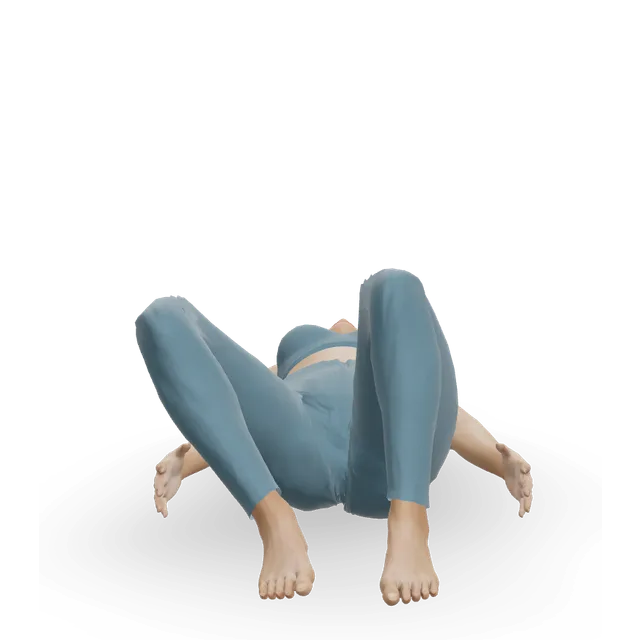
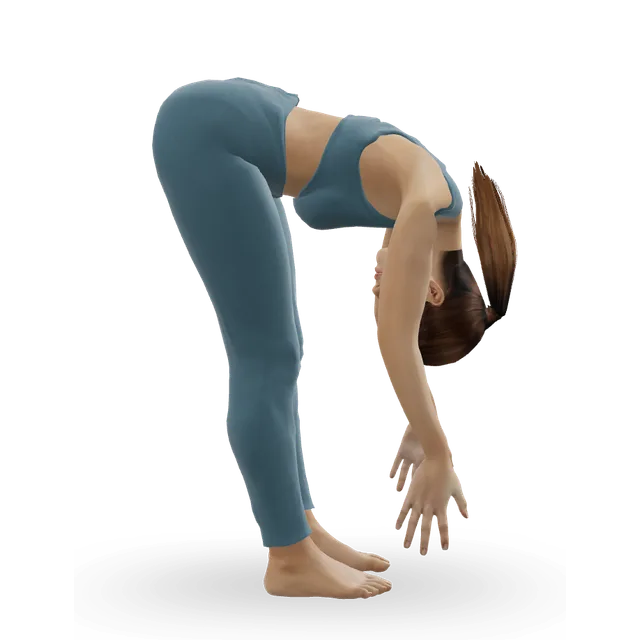
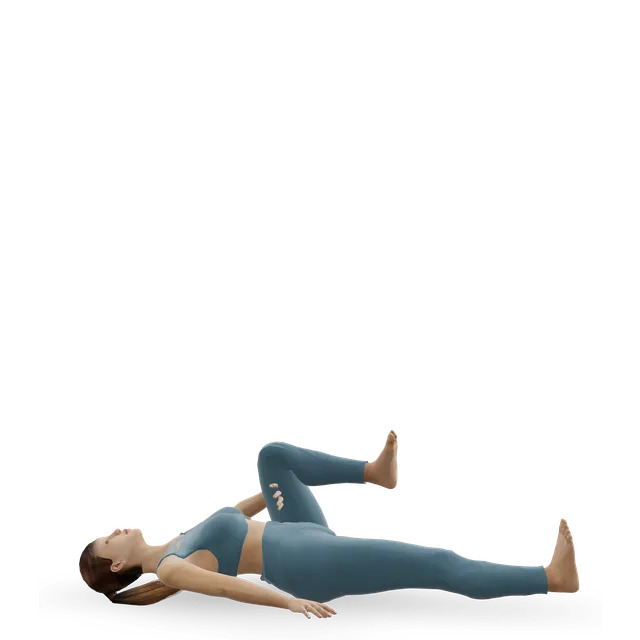
Usually breathing to start, small movements lying on your back (pelvic tilts, heel slides, knee drops), slow spine waves and side bends, and a rest at the end, with pauses to notice how each move feels. A good teacher invites you to skip or change anything and to keep your eyes open if you prefer. Our 20-minute class follows that pattern.

Are somatic exercises scientifically proven?

Not as a group. Feldenkrais, the best-studied slow awareness method, improved balance in older people in trials at high risk of bias; Hanna Somatic Education has one study with no comparison group; and body awareness approaches had modest benefits in chronic pain. Treat big promises with caution.

What if strong feelings come up during a class?

That can happen in quiet, body-focused practice, and it doesn't mean anything is being released. Stop, open your eyes, sit up with your feet on the floor, look around and breathe slowly, and skip that position next time. If you need help now, call 111 and select the mental health option, Samaritans free on 116 123, or 999 if a life is at risk; in the US, call or text 988.

Is somatic Pilates safe?

For most people, yes: it's slow and low in intensity. Follow the usual Pilates cautions (no rolling moves with osteoporosis, short spells on your back later in pregnancy), and if slow breathing makes you dizzy or tingly, breathe more lightly. It can sit alongside treatment for anxiety, depression or trauma, but it doesn't replace it.


Sources

  1. Europe PMC · Our search for "somatic Pilates" in titles, abstracts and full texts (25 October 2026)
  2. Drury 2022 · What's in a name? Somatics and the historical revisionism of Thomas Hanna (Dance Res J; abstract)
  3. Pilates Method Alliance · Pilates history
  4. Caldwell 2013 · Pilates, mindfulness and somatic education (non-randomised study of 202 students, J Dance Somat Pract; read in full)
  5. Office for Health Improvement and Disparities 2022 · Working definition of trauma-informed practice (GOV.UK)
  6. Tsartsapakis 2026 · Pilates and mental health: 32 trials, 1,264 people (systematic review and meta-analysis, Sports)
  7. Çankaya 2026 · Mat Pilates and body awareness in 88 sedentary young women (RCT, BMC Sports Sci Med Rehabil)
  8. Russek 2026 · An online Pilates programme for 420 people with hypermobility (pragmatic trial, J Multidiscip Healthc)
  9. Roos 2026 · Trauma Releasing Exercises: 22 studies (scoping review, Occup Ther Health Care)
  10. Kuhfuß 2021 · Somatic experiencing, a body-oriented trauma therapy: 16 studies (scoping review, Eur J Psychotraumatol)
  11. US Department of Veterans Affairs and Department of Defense 2023 · Guideline for managing PTSD, version 4.0 (recommendations 27 and 28 read in full)
  12. NICE NG116 · Post-traumatic stress disorder (guideline, 2018)
  13. Laborde 2022 · Slow breathing and heart rate variability: 223 studies (systematic review and meta-analysis, Neurosci Biobehav Rev)
  14. Cavina 2021 · 12 weeks of Pilates and heart rate variability in 54 men (RCT, J Comp Eff Res)
  15. Grossman 2026 · Why the polyvagal theory is untenable: 39 vagus nerve experts (expert evaluation, Clin Neuropsychiatry)
  16. Compendium of Physical Activities · 2024 Adult Compendium: conditioning exercise, including Pilates (energy costs)
  17. Payne 2013 · Meditative movement for depression and anxiety (review, Front Psychiatry)
  18. Hillier 2015 · The Feldenkrais Method: 20 trials (systematic review, Evid Based Complement Alternat Med)
  19. Lara 2025 · An online somatic movement class for 15 older adults (pilot study, J Bodyw Mov Ther)
  20. Pilates Method Alliance 2026 · Beyond the reformer: the power of mat Pilates
  21. Khalsa 2018 · Interoception and mental health: a roadmap (expert consensus, Biol Psychiatry Cogn Neurosci Neuroimaging)
  22. Mehling 2012 · The Multidimensional Assessment of Interoceptive Awareness (questionnaire development, PLoS One)
  23. Grossman 2023 · The five basic premises of the polyvagal theory (critical review, Biol Psychol)
  24. Farzane 2022 · Pilates, cortisol and mood in 27 older women (RCT, J Sports Med Phys Fitness)
  25. Onu 2026 · 4 weeks of Pilates and cortisol in 30 women (uncontrolled study, Life)
  26. UK Chief Medical Officers · Physical activity guidelines (Department of Health and Social Care, updated July 2026)
  27. Caldwell 2010 · Mindfulness, mood, stress and sleep in 166 students taking movement classes (uncontrolled study, J Am Coll Health)
  28. NICE NG193 · Chronic pain in over 16s: assessment and management of chronic primary pain (guideline, 2021)
  29. Yamato 2015 · Pilates for low back pain: 10 trials (Cochrane systematic review)
  30. Navarro-Moreno 2026 · Body image and body awareness approaches in chronic pain: 24 trials (systematic review, J Pain Res)
  31. Meehan 2020 · What principles from somatic practices can offer people with chronic pain (narrative review, Front Psychol)
  32. Fleming 2018 · Pilates and mental health: 8 controlled trials (meta-analysis, Complement Ther Med)
  33. Fincham 2023 · Breathwork for stress and mental health: 12 trials (meta-analysis, Sci Rep)
  34. Huang 2022 · Hanna Somatic Education for low back and neck pain in 103 people (retrospective study, Saudi J Med Med Sci)
  35. Martin 2024 · The Feldenkrais Method in psychiatric care (systematic review, Complement Ther Med)
  36. Royal Osteoporosis Society · Pilates and osteoporosis (past its review date: reviewed February 2019, review due February 2022)
  37. NHS · Where to get urgent help for mental health (past its review date: reviewed April 2023, review due April 2026)
  38. Samaritans · Contact a Samaritan: 116 123, free, any time
  39. SAMHSA (US Substance Abuse and Mental Health Services Administration) · 988 Suicide and Crisis Lifeline
  40. NHS · Heart attack
  41. NHS · Pilates video for beginners

Exercise education, not a personal prescription, and clinical review of these guides is pending. If you are pregnant, have a health condition or have had recent surgery, check with a doctor, midwife or physiotherapist before starting, and stop for sharp or increasing pain. Health disclaimer.