A mat is enough
The NHS says an exercise mat "would be useful if you have one", and the Pilates Method Alliance says mat Pilates needs no large equipment and can be done "anywhere, from home to outdoor spaces".
Pilates guide
You can do Pilates at home with a mat, comfortable clothes and enough floor to lie down with your arms and legs outstretched. The NHS has free Pilates videos, and in small trials, home and online Pilates improved fitness, balance and mood compared with doing no exercise.
Whether home is as good as a class is less clear: live online classes matched studio classes in two small trials of healthy adults, but face-to-face classes did better in three others. Learning the basics with a teacher, then practising at home, is a sensible mix.
This guide covers what you need, setting up your space, live classes and videos, how often to practise and how to progress, keeping it up, staying safe, and the classes and plans on this site.
The NHS says an exercise mat "would be useful if you have one", and the Pilates Method Alliance says mat Pilates needs no large equipment and can be done "anywhere, from home to outdoor spaces".
In small trials, online or home Pilates improved core endurance, balance, menopausal symptoms, and low mood and fatigue in multiple sclerosis (MS), compared with no exercise.
Live online classes matched studio classes in two small trials of healthy adults. Face-to-face did better in three others: in women with obesity, adults aged 60 to 70 and people with long COVID.
In a back pain trial, twice a week beat once, and three times wasn't clearly better than twice. The UK guidelines ask for strengthening activities on at least 2 days a week.
Up to 70% of people don't stick with home exercise programmes. Older adults kept up home video programmes better with live contact with a coach and sessions under an hour.
Trials rarely report harms from Pilates, and we found no Pilates injury statistics. Leave rolling and upside-down moves until you've learned them, and learn the reformer with a teacher.
A mat and "comfortable, loose clothing", the NHS says. A folded towel under your head helps in moves on your back, and bare feet or grippy socks suit mat work. Mat Pilates "emphasizes core strength, flexibility, and body awareness, all without the need for large equipment or studio props", the Pilates Method Alliance says.
A Pilates ring gives "gentle resistance" and is light and portable. A small ball, a cushion and a light resistance band are cheap alternatives, and the UK guidelines list elastic bands among ways to strengthen muscles. A wall and a sturdy chair give support. Our ring, ball, wall and chair Pilates guides have the moves.
The NHS has free Pilates videos of 10 to 45 minutes, including a 45-minute class for beginners, a 30-minute chair-based class, and classes for back pain, knee problems, arthritis, scoliosis and osteoporosis.
Joseph Pilates' own book was a mat series, and in 48 older women, mat and apparatus Pilates gave similar gains. If you buy a home reformer, learn with a teacher first: the Pilates Method Alliance strongly recommends an instructor, especially on equipment, and the one serious Pilates injury in our searches happened on an unsupervised reformer. Our reformer guide covers home machines.
The Pilates Method Alliance suggests a clear "mat lane" where you can "lie down fully and sweep arms/legs without hitting furniture", with "one extra buffer strip" around it, props stored at the edge, "stable footing", and a rug only "if it lies flat and doesn't bunch under movement".
Source 20
Use a padded mat on a firm floor for rolling moves, and never roll on a hard floor (the moves' own cautions). Carpet is fine for most other moves if the mat doesn't slide (our suggestion).
Put the camera where the teacher can see your whole body: in a trial of online classes after a stroke, not being able to see people's whole bodies on screen was the main practical problem.
Source 25
Keep a phone within reach, and learn to get down to the floor and up again in stages before relying on floor work; until then, use the chair and wall versions. Lying on the floor for a long time after a fall causes harm.
Source 26
Six weeks of online Pilates improved trunk position sense and core endurance in 33 young adults; 20 weeks of online Pilates improved walking distance and one-leg standing in 24 adults averaging 76; 6 weeks of tele-Pilates eased menopausal symptoms, anxiety and low mood in 40 women; and a home DVD programme reduced low mood, anxiety and fatigue in 80 people with MS. Home video Pilates helped back pain about as much as McKenzie exercises in 32 people. The trials were small and short.
In 58 healthy adults, and in 40 sedentary women on Zoom, live online and studio classes gave similar gains; attendance was 80% online and 74% in the studio. Face-to-face classes did better in 30 middle-aged women with obesity, in adults aged 60 to 70 and in 49 people with long COVID. All five trials were small.
In 50 people with MS, supervised Pilates-based training beat the same programme at home. For back pain, supervised mat Pilates beat a home exercise programme at 6 weeks by amounts the authors judged too small to matter, with no difference at 6 months (145 people), and it was cost-effective in Brazil; in 60 women, mat Pilates beat home exercise after 8 weeks. These trials compared Pilates with home exercise, not with home Pilates.
In 48 older women, 8 weeks of mat Pilates and apparatus Pilates gave similar gains in strength, endurance, flexibility and agility.
Source 24
In a Cochrane review, only 2 of 10 back pain trials checked for side effects, finding none or minor ones; online classes after a stroke and home video Pilates had no exercise-related harms. We found no injury statistics for Pilates anywhere: Australia's national injury data, for example, don't record Pilates separately. Among Dutch adults hurt in gym-based fitness, most injuries happened during unsupervised activity, but without knowing how many people trained that way, that isn't a risk figure. The UK guidelines say the risk of serious harm from physical activity is very low.
The falls guideline from the National Institute for Health and Care Excellence (NICE) counts a weekly class led by an instructor, with home exercise in between, as a supervised programme, and that mix suits Pilates too (our suggestion). A few taught or live online sessions help you learn the breathing and the easier versions.
Choose classes where the teacher can see and correct you, and set the camera to show your whole body.
Online classes helped, but less than face-to-face ones, in one trial. Older adults attended home video programmes better with live contact with a coach and sessions under an hour, and reminders or an app raised how well people kept up home exercise in the short term in 7 of 10 trials.
If you're frail, have moderate to severe dementia, have had a spinal fracture or fall regularly, start with a trained professional, the UK guidelines say. Check with a GP first if you have a health problem, an injury or symptoms, have had a recent heart attack or operation, or are pregnant or have recently given birth.
Two or three times a week: in 296 adults with back pain, twice beat once, and three times wasn't clearly better than twice. The UK guidelines ask adults to do strengthening activities on at least 2 days a week, and the NHS counts Pilates when your muscles work "to the point where you need a short rest".
Pilates uses about as much energy as walking slowly, so add 150 minutes a week of moderate activity, such as brisk walking.
Add repetitions first (up to about 10), then lift your head, then lengthen your arms or legs, then use less support, a bigger range or a slower pace, then move on to the next exercise; our 4-week plan sets out when to step up. Trial programmes stepped up every 2 weeks or so.
Sessions of 20 to 30 minutes are a good start (our suggestion). Older adults kept up home video programmes better when sessions were under an hour.
Source 15
Not sticking with home exercise "can reach 70%". People who intend to exercise, feel confident they can, are motivated, have exercised before and have support are the likeliest to keep going.
Live contact with a teacher or coach, sessions under an hour, and reminders or an app helped in trials. People with MS said home Pilates removed barriers to exercising.
A fixed time, a plan to follow, a weekly live class if you can, a friend or group chat, and a simple log of what you did.
For most people, mat Pilates at home is low risk, as far as the thin data show: trials rarely report harms, and the UK guidelines call the risk of serious harm from activity very low.
Rolling and upside-down moves (the roll-over, jack knife, boomerang, control balance, crab, rolling like a ball and the seal), the teaser, and anything on a reformer. With osteoporosis, the Royal Osteoporosis Society suggests moves that keep your back straight or let you bend in a controlled, comfortable way, and the rolling moves' own cautions say to leave them out.
For osteoporosis, pregnancy, glaucoma, a sore neck and hypermobility, each move's page says what to change. With osteoporosis, swap rounding moves under load for a hip hinge with a long back, as the UK consensus advises.
Source 43
Stop straight away if you feel pain or become unwell, and get help from 111 if symptoms worry you or don't go away. Stop for feeling sick, dizziness, severe breathlessness, clamminess, chest tightness or any pain.
Start with the easiest version of each, with a folded towel under your head, and add repetitions before you try harder versions; each move's page gives a starting dose.
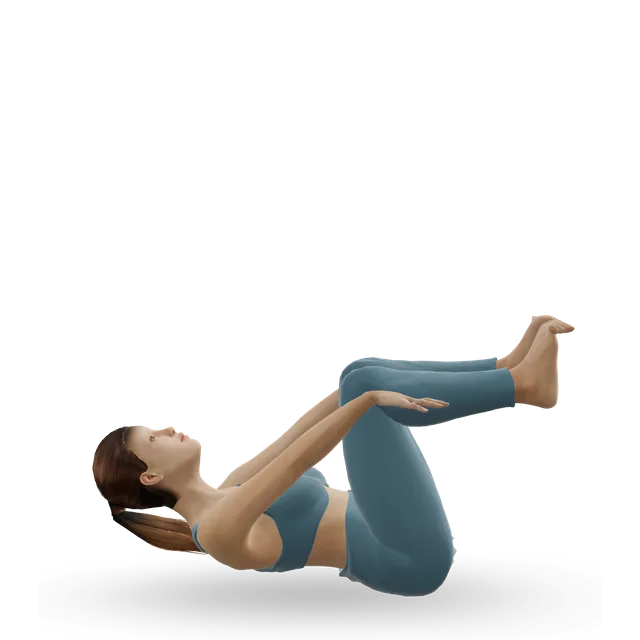
 3D demoLateral breathing (Pilates breathing)Beginner · No equipment
 3D demoPelvic tilt into bridgeBeginner · No equipment
 3D demoDead bug heel tapsBeginner · No equipment
 3D demoChest lift (Pilates curl-up)Beginner · No equipment
 3D demoHundred (Pilates)Intermediate · No equipment
 3D demoSingle-leg circle (Pilates one leg circle)Beginner · No equipment
 3D demoSingle-leg stretch (Pilates one leg stretch)Intermediate · No equipment
 3D demoSide kick (Pilates side kick series)Beginner · No equipment
 3D demoClamshellBeginner · No equipment
 3D demoSwan (Pilates swan dive)Intermediate · No equipment
 3D demoBird dogBeginner · No equipment
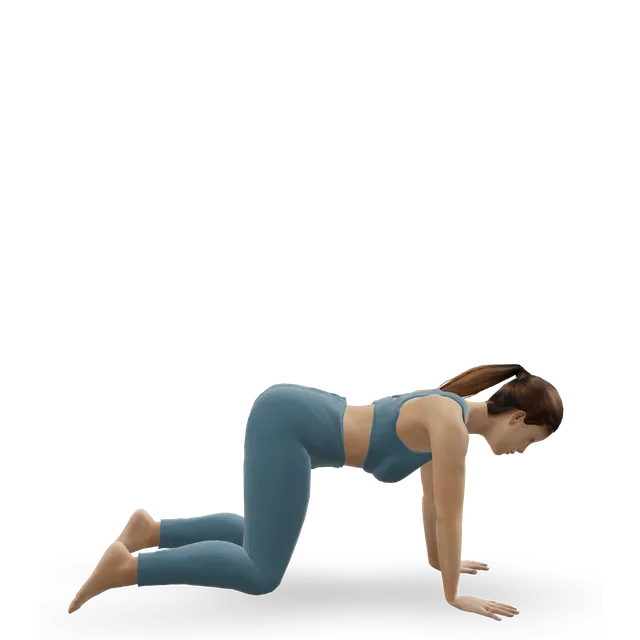 3D demoKnee hover (Pilates tabletop hover)Beginner · No equipment
 3D demoMermaid (Pilates seated side bend)Beginner · No equipment
 3D demoChild's Pose (Balasana)Beginner · No equipment
A cushion can stand in for a ring and a sturdy chair or wall gives support; practise getting down to the floor and up only if your team agrees it's safe for you.
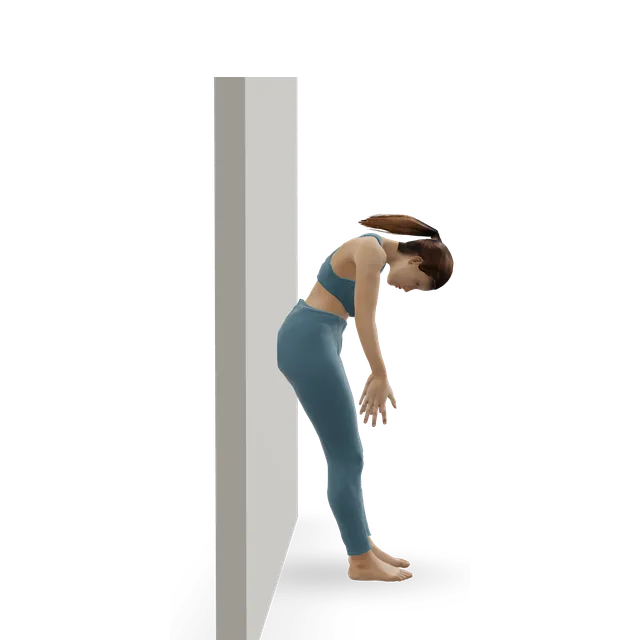 3D demoWall roll-down (wall Pilates)Beginner · A wall
 3D demoWall push-upBeginner · A wall
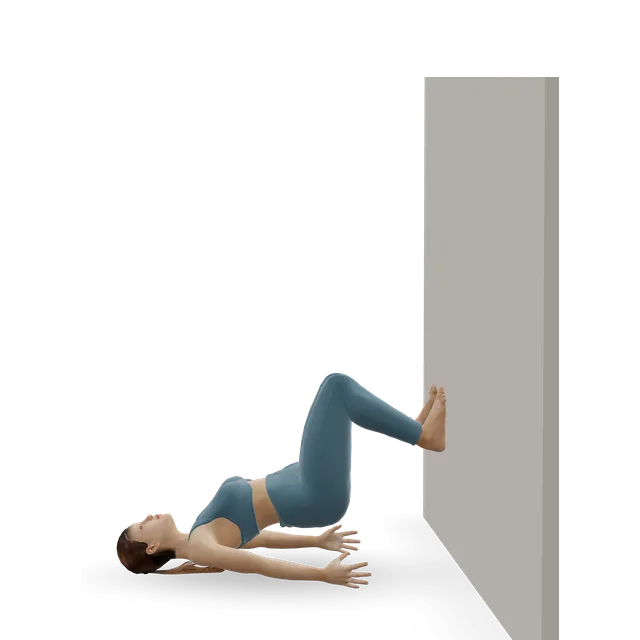 3D demoWall bridge (feet-on-wall bridge)Beginner · A wall
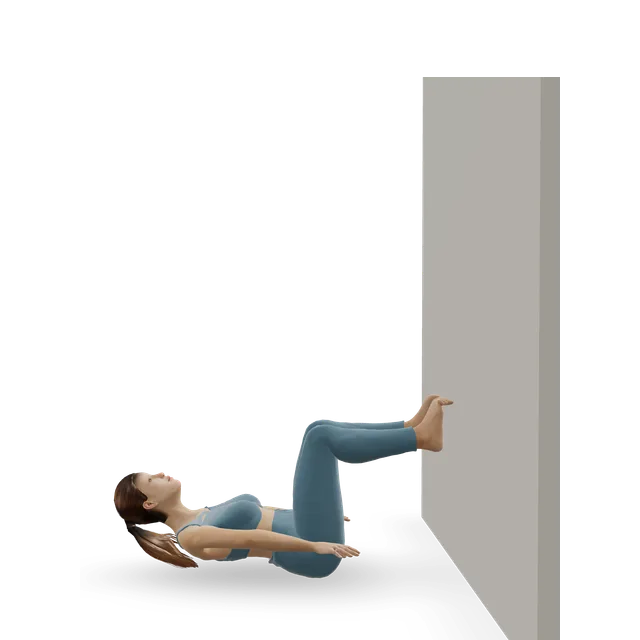 3D demoWall hundred (wall Pilates)Beginner · A wall
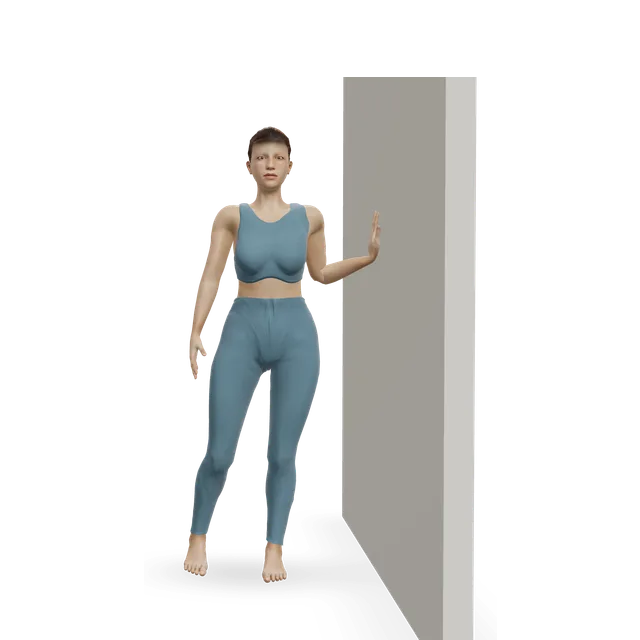 3D demoWall side leg lift (standing side kick at the wall)Beginner · A wall
 3D demoSit to stand from a chairBeginner · A bench or box
 3D demoSeated upper-back lift (sit tall, shoulders back)Beginner · A bench or box
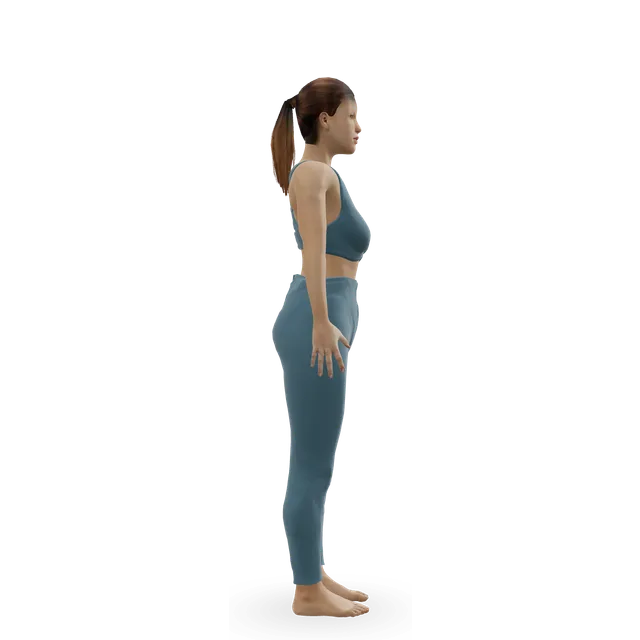 3D demoGet up and down from the floorBeginner · No equipment
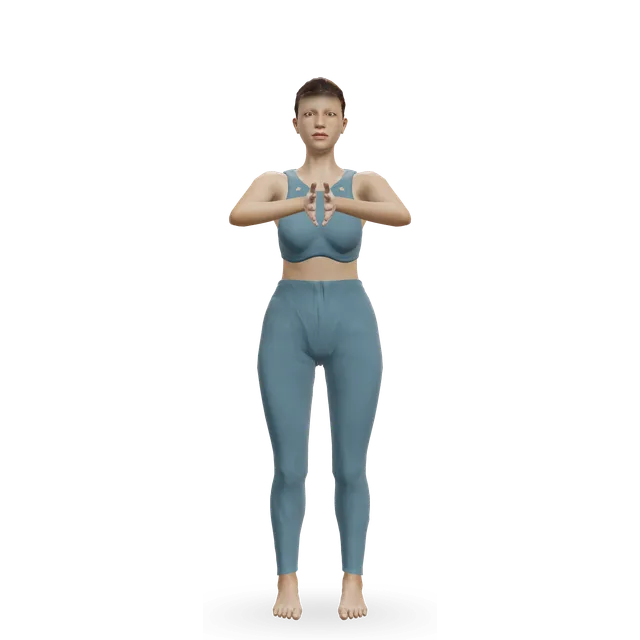 3D demoIsometric chest squeeze (palm press)Beginner · No equipment
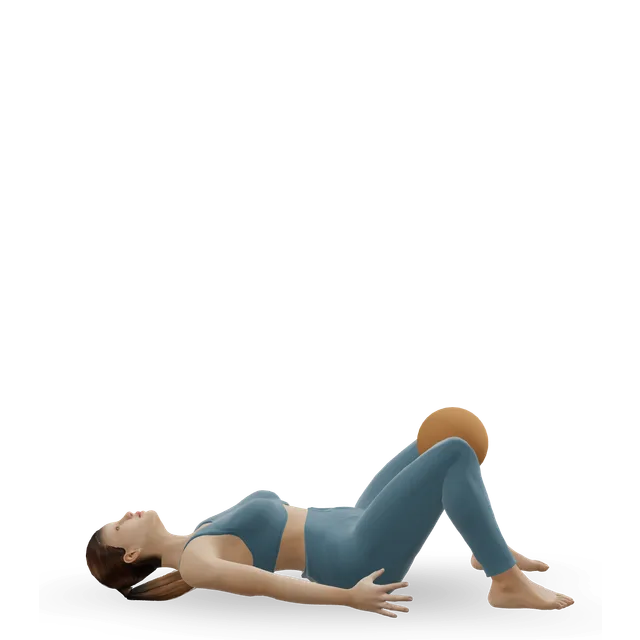 3D demoLying adductor ball squeezeBeginner · Other / check instructions
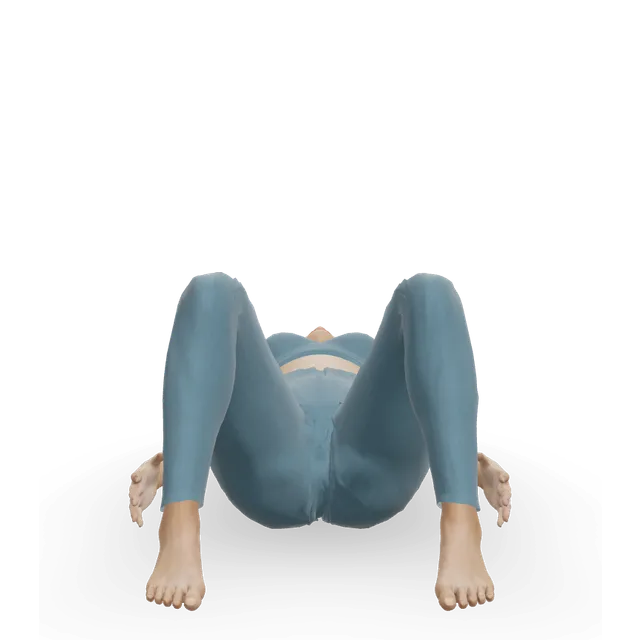 3D demoSupine isometric hip abduction (belt press)Beginner · A band
 3D demoBand rowBeginner · A band + An anchor point
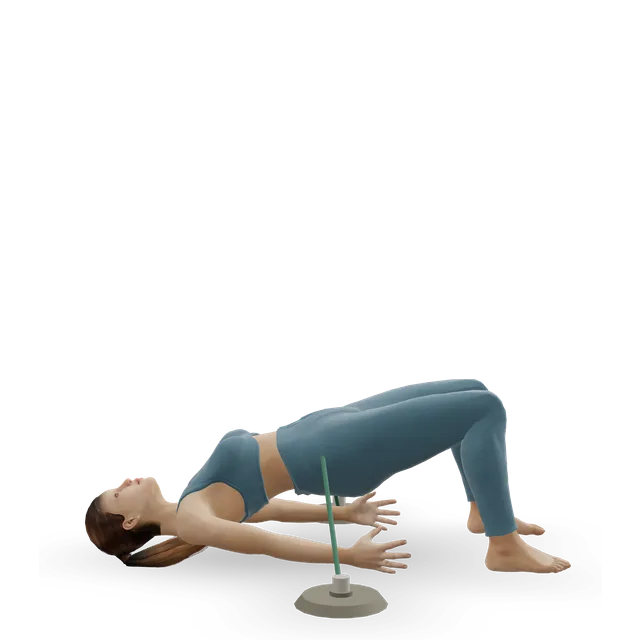 3D demoBand-resisted glute bridgeBeginner · A band + An anchor point
They put weight towards your neck, roll on your spine or load a rounded back, so learn them with a teacher, on a padded mat on a firm floor.
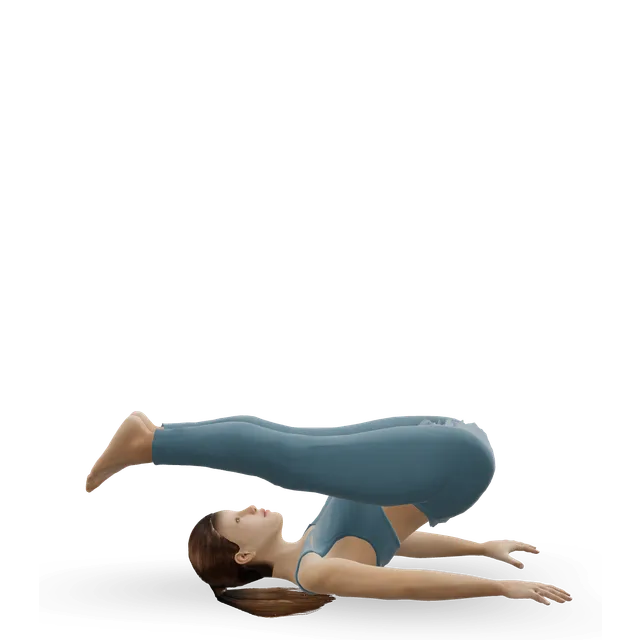 3D demoRoll-over (Pilates roll-over with legs spread)Advanced · No equipment
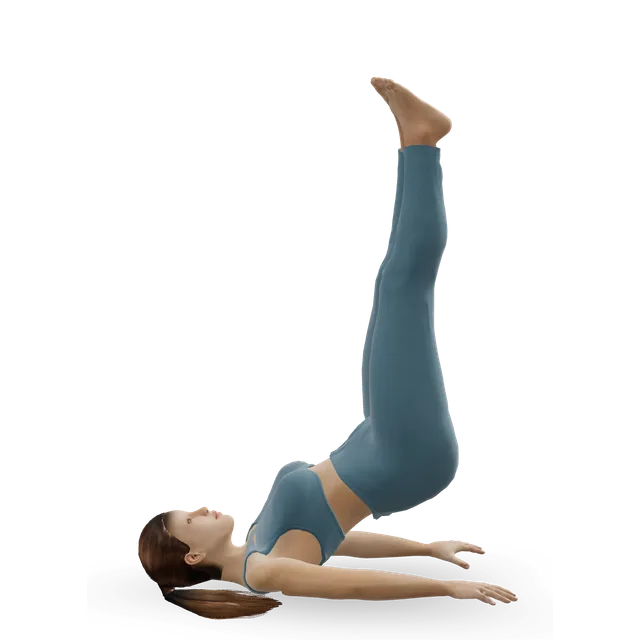 3D demoJack knife (Pilates)Advanced · No equipment
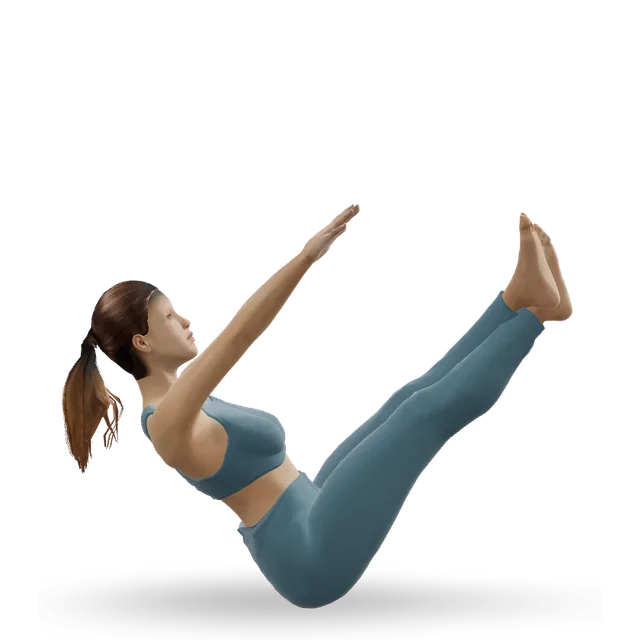 3D demoBoomerang (Pilates)Advanced · No equipment
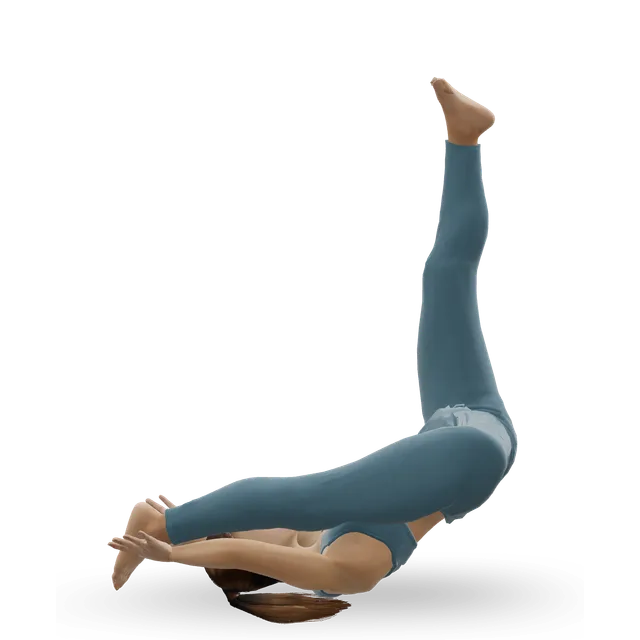 3D demoControl balance (Pilates)Advanced · No equipment
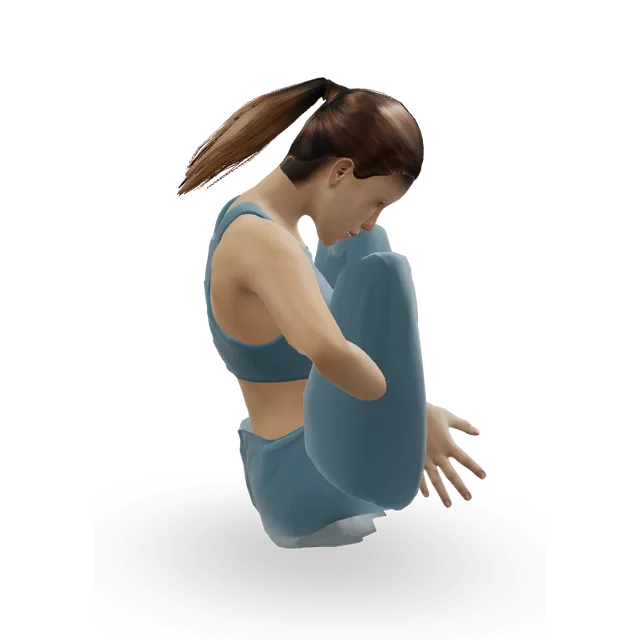 3D demoCrab (Pilates)Advanced · No equipment
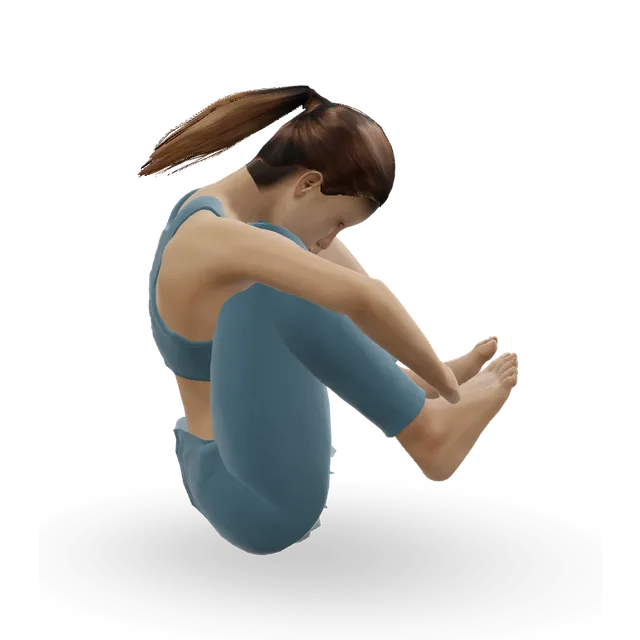 3D demoRolling like a ball (Pilates rolling back)Intermediate · No equipment
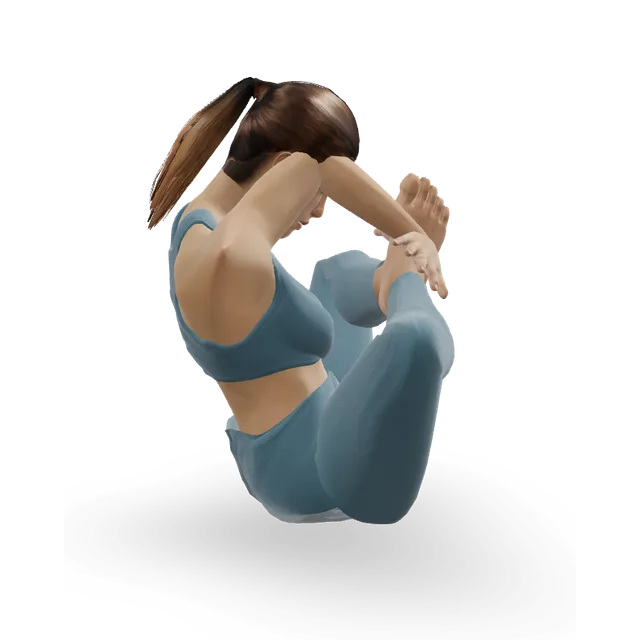 3D demoSeal (Pilates)Intermediate · No equipment
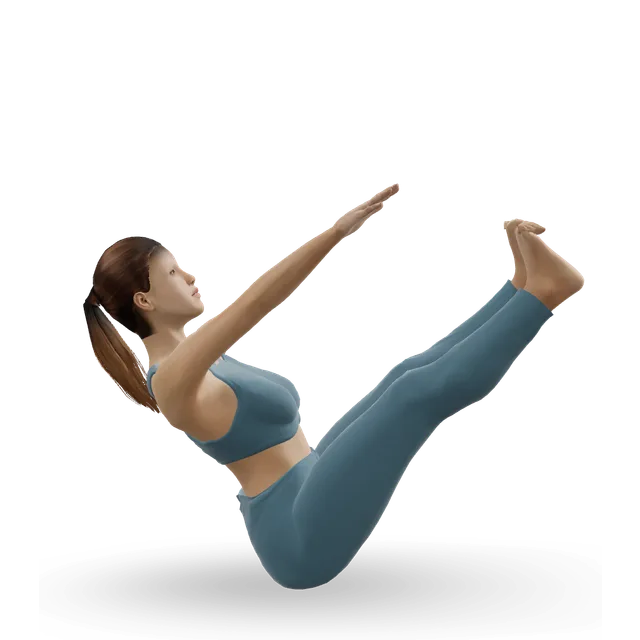 3D demoTeaser (Pilates)Advanced · No equipment
Pick by what you have: a mat, a wall, a chair, a ring or ball, or a band and light weights; the walk and Pilates session adds the aerobic part.
A 20-minute mat Pilates workout for complete beginners. It covers breathing, spine position and the foundation moves, each with an easier option.
20 minBeginner13 movesNo equipmentA 20-minute beginner mat Pilates session for over-50s with no deep or repeated rounding of the spine, plus back strengthening and standing balance.
20 minBeginner13 movesA wallThe opening of a classical mat class in Joseph Pilates' order: the Hundred, Roll Up, leg circles, rolling, two leg stretches and the spine stretch.
10 minBeginner7 movesNo equipmentTen minutes of the classic Pilates abdominal series: the hundred, the roll-up and the series of five, with a plank to finish.
10 minIntermediate11 movesNo equipmentA 30-minute intermediate mat Pilates class that follows the classical order, from the hundred to the push-up, with prep versions of the hardest moves.
30 minIntermediate22 movesNo equipmentA 25-minute mat workout built on the order of a classical reformer class, with a mat or standing version of each reformer exercise. No machine needed.
25 minBeginner16 movesA wallA 20-minute beginner wall Pilates workout: standing and floor moves that use a wall for support and feedback. No equipment.
20 minBeginner9 movesA wallA 20-minute chair Pilates workout for beginners and older adults: breathing, sitting tall, gentle spine and leg moves, and a standing finish at the chair.
20 minBeginner14 movesA bench or box, Something with weightA 15-minute chair Pilates class done entirely sitting down, in a chair or wheelchair: breathing, spine moves, and leg and arm strength with water bottles.
15 minBeginner13 movesA bench or box, Something with weightA 20-minute Pilates ring workout for beginners: squeeze, press and balance with a magic circle, or a cushion and a belt if you don't have one.
20 minBeginner11 movesOther / check instructions, A bandA 20-minute Pilates ball workout: small-ball squeezes and rolls on the mat, then gym ball bridges, curls and stretches, with no-ball swaps.
20 minBeginner12 movesOther / check instructions, Exercise ballA 30-minute Pilates strength class with dumbbells or a band: Pilates trunk work plus squats, lunges, rows and push-ups, each set taken until it is hard.
30 minIntermediate15 movesA dumbbell, A bandA 45-minute session for weight loss and health: a 20-minute brisk walk, which does more for the scales, then a short-rest Pilates circuit for strength.
45 minBeginner11 movesCardio machineA slow, 20-minute Pilates class with time to notice your breath and how each move feels. Every move is optional and you can pause or stop at any point.
20 minBeginner12 movesNo equipmentThe 4-week plan has three short sessions a week and rules for when to step up; the 30-day challenge uses a wall.
A free 4-week, 3-day Pilates plan for complete beginners. Two mat days and one wall day, with clear rules for when to move each exercise to its harder version.
3 training days25 minBeginner3 days a weekA free 30-day wall Pilates challenge for beginners: three 20-minute wall classes a week that get harder step by step, with an honest look at the 28-day trend.
3 training days20 minBeginnerThe NHS's advice for its Pilates videos:
Source 1
You're frail, have moderate to severe dementia, have had a spinal fracture or fall regularly.
Source 13
Stop straight away for pain or feeling unwell, and call 111 if symptoms worry you. Call 999 (911 in the US) for chest pain that feels tight or spreads to your arms, neck or jaw, or for signs of a stroke: a face that has dropped on one side, arms that can't be lifted and kept up, or slurred speech.
Trials rarely report harms, including online and home video programmes, and the UK guidelines call the risk of serious harm from activity very low. But the data are thin: learn rolling and upside-down moves with a teacher, and the one serious case report was on an unsupervised reformer.
Joseph Pilates' own book was a mat series, the Pilates Method Alliance says mat Pilates needs no large equipment, and in 48 older women, mat and apparatus Pilates gave similar gains.
Sometimes: live online classes matched studio classes in two small trials of healthy adults, but face-to-face did better in three others.
Trials use 2 or 3 sessions a week; twice beat once for back pain, and three times wasn't clearly better than twice. The UK guidelines encourage being active every day, so daily Pilates is fine if you enjoy it, but it isn't needed.
A mat and a clear strip of floor where you can lie down and sweep your arms and legs are enough; the NHS says a mat "would be useful if you have one".
The NHS counts Pilates as strengthening when your muscles work to the point where you need a short rest, and online Pilates improved core endurance in a trial. Bands and light weights add load you can increase over time.
Yes. Mat Pilates needs no large equipment and can be done "anywhere, from home to outdoor spaces", and the NHS has free Pilates videos of 10 to 45 minutes. In small trials, online and home Pilates improved fitness, balance, mood and menopausal symptoms compared with no exercise.
A mat, comfortable clothes and a clear strip of floor; the NHS says a mat "would be useful if you have one". A folded towel for your head and a chair or wall for support help, and a ring, small ball or band can come later. You don't need a reformer.
Enough to lie down fully and sweep your arms and legs without hitting furniture, plus a little extra all round: the Pilates Method Alliance suggests a clear "mat lane" with a buffer strip around it. Make sure any rug lies flat and doesn't bunch as you move.
Sometimes. Live online classes did about as well as studio classes in two small trials of healthy adults, but face-to-face classes did better in three others, in women with obesity, adults aged 60 to 70 and people with long COVID, and supervised training beat home training in MS. If you can, learn the basics with a teacher, then mix classes with home sessions.
Yes, for most moves, on carpet or a rug that lies flat. Skip rolling moves unless you have a padded mat on a firm floor, and never roll on a hard floor. A mat is worth having if you practise often.
For mat work, usually, though the data are thin: trials rarely report harms, including online and home video programmes, and we found no Pilates injury statistics. Use the easier version of each move, leave rolling and upside-down moves until you've learned them with a teacher, and keep a chair or wall nearby for standing work. Learn the reformer with a teacher: the one serious injury in our searches happened on an unsupervised reformer.
Two or three times a week: in a back pain trial, twice a week beat once, and three times wasn't clearly better than twice. Sessions of 20 to 30 minutes are a good start, and older adults kept up home video programmes better when sessions were under an hour. Add 150 minutes of moderate activity a week, such as brisk walking, because Pilates is gentle on the heart and lungs.
Yes, if you enjoy it: the UK guidelines encourage being active every day. You don't need daily Pilates for results, though, as trials used 2 or 3 sessions a week. If you practise daily, vary the moves and keep some sessions easy.
Not much on its own: Pilates averages about 2.8 METs (multiples of the energy you use at rest), the same as slow walking. It builds strength and control; for weight, combine it with walking or other aerobic activity. Our Pilates for weight loss guide covers what the trials show.
Change one thing at a time: more repetitions, then your head up, then longer arms or legs, then less support or a slower pace, as our 4-week plan sets out. For more strength, add a band or light weights; Pilates counts as strengthening when your muscles work "to the point where you need a short rest".
Live classes, where the teacher can see and correct you, matched studio classes in some trials. Older adults kept up home video programmes better with live contact with a coach, and in one trial, online classes helped less than face-to-face ones. Set the camera where your teacher can see your whole body.
Talk to a GP or health professional first if you have a health problem, an injury or symptoms, have had a recent heart attack or operation, or are pregnant or have recently given birth (the NHS's advice for its videos). Start with supervised exercise if you're frail, have had a spinal fracture or fall regularly. Stop if you feel pain or become unwell, and call 111 if symptoms worry you.
Exercise education, not a personal prescription, and clinical review of these guides is pending. If you are pregnant, have a health condition or have had recent surgery, check with a doctor, midwife or physiotherapist before starting, and stop for sharp or increasing pain. Health disclaimer.