Pilates
Pilates after tummy surgery: a 25-minute return class in three stages, with a stop point after each
This class takes you from the first gentle exercises after keyhole gallbladder removal or a hernia repair back towards a normal Pilates class. It has three stages, each with a stop point. Do stage 1 from about 2 weeks, once your cuts have healed and your surgical team is happy for you to exercise on the floor; add stage 2 when stage 1 feels easy; and add stage 3 only when stage 2 is easy, your team's restriction on lifting and straining is over, and nothing bulges at your scars. After open surgery, take each stage more slowly. Breathe out on every effort and never hold your breath. Stop if a cut pulls sharply or a bulge appears. These timings are our suggestion: guidance ranges from no restrictions to 4 to 6 weeks, and your team's advice comes first. No trial has tested this class: its order and doses are our editorial choice, from NHS physiotherapy advice, the Royal College of Surgeons' recovery guide and a study that measured tummy pressure during Pilates moves.
Stage 1: breathe and knees-bent moves (about 8 minutes)
- Beginner · Abs · 3D demoOn your back, knees bent, a pillow under your head: breathe into the sides of your ribs, then breathe out slowlyHarder: Roll-up (Pilates)
- Side-lying tummy draw-in3 to 5 holds of 5 to 10 sBeginner · Abs · 3D demoAs you breathe out, draw your lower tummy gently in, then keep breathing while you hold. Gentle, not as hard as you canHarder: Bird dog, one limb at a time
- Pelvic tilt into bridge5 tilts, then 5 small bridgesBeginner · Glutes, Abs, Hamstrings · 3D demoBreathe out to tilt and flatten your lower back; when that's comfortable, peel your hips up a littleHarder: Glute bridge
- Supine heel slide8 each sideBeginner · Hip flexors, Hamstrings, Quads · 3D demoSlide one heel away as you breathe out, pelvis stillHarder: Hip windshield wipers
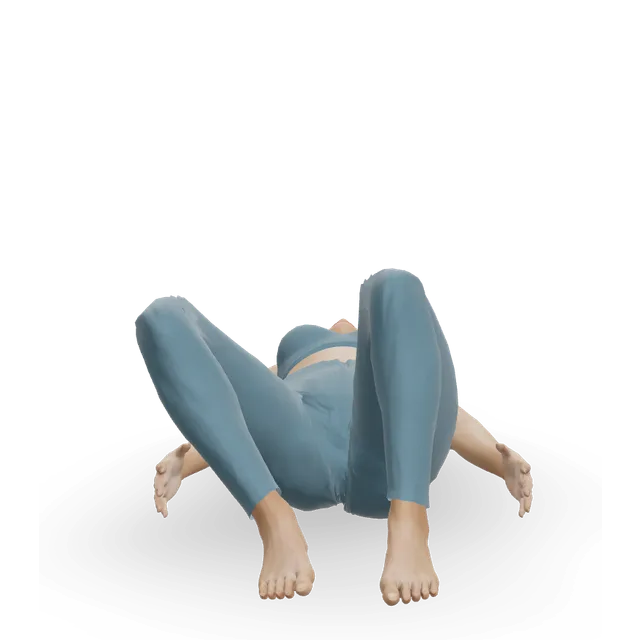
- Bent-knee fall-out5 each sideBeginner · Abs, Adductors, Hip abductors · 3D demoLet one knee open only as far as your pelvis stays stillEasier: Supine heel slideHarder: Dead bug heel taps
- Knee fold5 each sideBeginner · Abs, Hip flexors · 3D demoFloat one knee up to above your hip and back down, one foot at a time. Stop point 1: if this is enough today, roll onto your side and sit up with your armsEasier: Supine heel slideHarder: Dead bug heel taps




Stage 2: on your side, on all fours and standing (about 9 minutes)
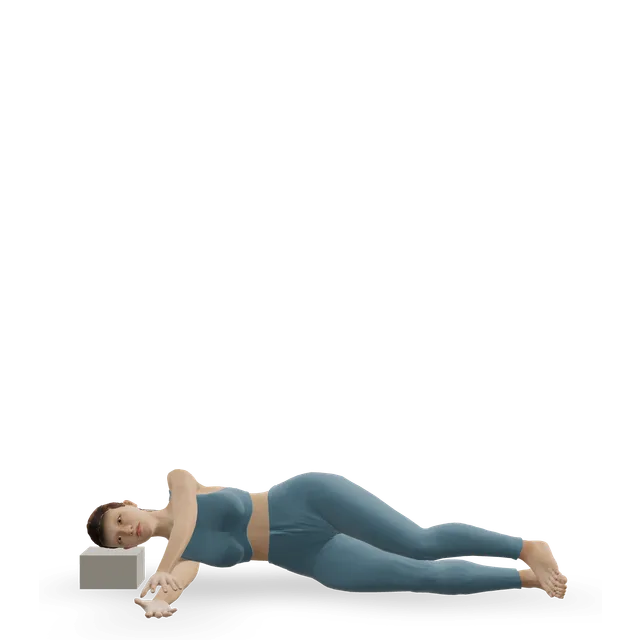
- Clamshell8 each sideBeginner · Hip abductors, Glutes · 3D demoHead on a pillow; small openings without your pelvis rolling backEasier: Supine isometric hip abduction (belt press)Harder: Lateral band walk
- Side kick (Pilates side kick series)8 each sideBeginner · Hip flexors, Glutes, Hip abductors · 3D demoGlide the top leg forward and back at hip height, head resting on your armHarder: Side-lying leg circles (Pilates side kick series)
- Cat-cow6 slow wavesBeginner · Back, Abs · 3D demoKeep the arch small and move with your breathHarder: Half lord of the fishes (Ardha Matsyendrasana)
- Bird dog, one limb at a time5 each arm and legBeginner · Abs, Back, Glutes · 3D demoOne arm, then one leg, spine still; breathe out as you reachEasier: Side-lying tummy draw-inHarder: Bird dog
- Beginner · Glutes, Hamstrings, Abs · 3D demoBreathe out as you lift; stop if you feel pulling at a scarEasier: Pelvic tilt into bridgeHarder: Single-leg glute bridge
- Beginner · Quads, Glutes, Hamstrings · 3D demoBreathe out as you standEasier: Sit to stand, pushing on the thighsHarder: Bodyweight squat
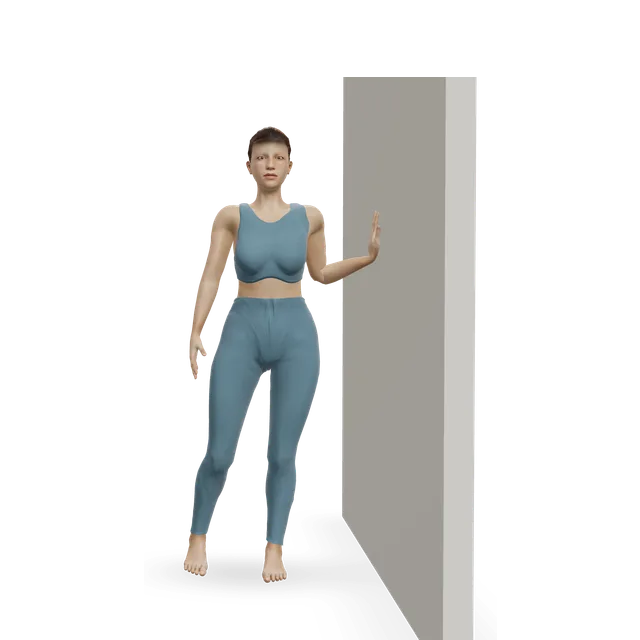
- Beginner · Hip abductors, Glutes, Abs · 3D demoA hand on the wall, body upright. Stop point 2: if this is your level, finish with the open book and breathingHarder: Lateral band walk, band at the feet






Stage 3: a first taste of curls and planks (about 5 minutes; only when stage 2 is easy and your team's restriction is over)
- Dead bug heel taps6 each sideBeginner · Abs, Hip flexors · 3D demoBoth knees up, head down; lower one heel to tap the floor as you breathe outEasier: Bent-knee fall-outHarder: Forearm plank
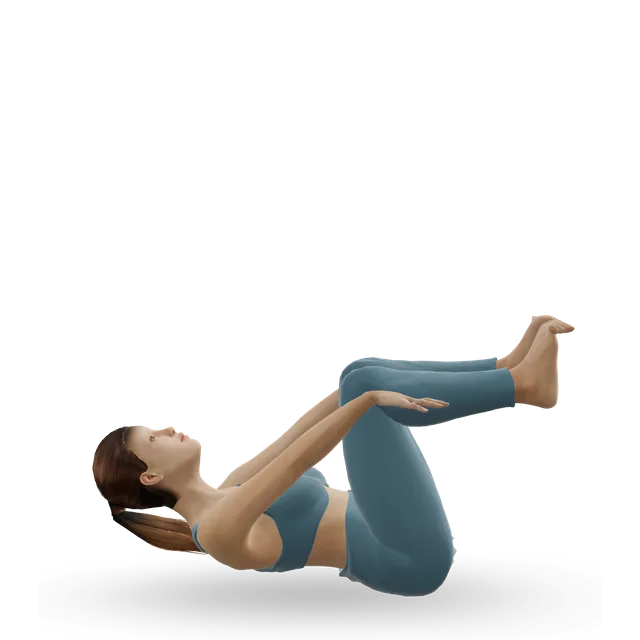
- Beginner · Abs, Neck · 3D demoNod and curl your head and shoulders up a little as you breathe out. Stop if your tummy domes or a scar bulgesHarder: Single-leg stretch (Pilates one leg stretch)
- Knee plank3 holds of 10 to 20 sBeginner · Abs, Shoulders, Glutes · 3D demoOn your knees and forearms; keep breathingHarder: Forearm plank



Finish (about 3 minutes)
- Side-lying open book5 each sideBeginner · Back, Chest, Shoulders · 3D demoOpen your top arm only as far as is comfortableHarder: Thoracic rotation
- Beginner · Abs · 3D demoThen roll onto your side and push yourself up with your armsHarder: Roll-up (Pilates)

Tips
- Ask your surgical team before you start floor exercise, and tell your teacher what operation you had and when (our suggestion).
- Do it 2 or 3 times a week, on top of a daily walk (our suggestion).
- Discomfort is normal; pain isn't. If something hurts, you've probably overdone it a little: ease back, then build up again, as the Royal College of Surgeons advises.
- Ease off or go back a stage for doming, a bulge, pulling at a cut, breath-holding or soreness that lasts into the next day (our suggestion).
- With a hernia that hasn't been repaired, use stages 1 and 2, and stage 3 only if it doesn't make your hernia bulge or ache (our suggestion, from the British Hernia Society's advice to stop any movement that hurts).
- When this class feels easy, move on to a beginner Pilates class, adding the hundred, roll-ups and full planks one at a time (our suggestion).
- Get help for a high temperature, a red, swollen or oozing wound, worsening tummy pain, or a painful, swollen leg: see the warning signs on our Pilates after gallbladder removal and Pilates with a hernia guides.
The doses are suggested starting points, not a prescription. Choose a range you can control and stop for sharp or increasing pain, numbness or tingling. Get individual advice after an injury or surgery, or if you are pregnant or managing a health condition.
Guides that recommend it
Find more moves like these
More pilates

Beginner Pilates workout
A 20-minute mat Pilates workout for complete beginners. It covers breathing, spine position and the foundation moves, each with an easier option.
20 minBeginner13 movesNo equipment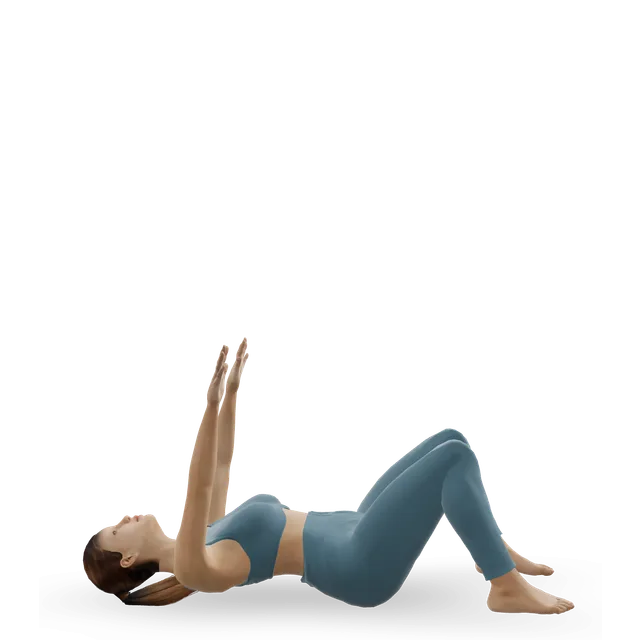

10-minute Pilates abs
Ten minutes of the classic Pilates abdominal series: the hundred, the roll-up and the series of five, with a plank to finish.
10 minIntermediate11 movesNo equipment
Full-body mat Pilates workout
A 30-minute intermediate mat Pilates class that follows the classical order, from the hundred to the push-up, with prep versions of the hardest moves.
30 minIntermediate22 movesNo equipmentQuestions people ask
How long does the pilates after tummy surgery: a 25-minute return class in three stages, with a stop point after each take?
About 25 minutes, including any warm-up and cool-down listed. Shorten it by doing fewer rounds; lengthen it by adding one.
What equipment do I need?
You need: A bench or box, A wall. Each move links to its guide, where you can find an alternative if you are missing something.
Is it suitable for beginners?
It is written for beginners. 7 of its 17 moves have an easier option listed beside them if you need one.
How do I make it easier or harder?
Use the easier or harder option listed under each move, change the number of rounds, or adjust the rest. Progress one change at a time.