Pilates for anaemia (anemia): tiredness and breathlessness, iron and its causes, pacing, dizziness on standing, and the classes to follow
Anaemia means your blood has less haemoglobin to carry oxygen, so you tire sooner, get breathless more easily and may feel dizzy when you stand up. Pilates can't raise your iron or haemoglobin: no Pilates study in anaemia has measured them, and in the one Pilates trial that did measure haemoglobin, in healthy women, it fell slightly, because training dilutes the blood.
Anaemia is treated by finding the cause, such as heavy periods or bleeding in the gut, and replacing what's missing, usually iron. What Pilates can do is keep you moving gently while treatment works. This guide covers pacing on tired days, the moves that suit and the ones to change, getting up from the mat without dizziness, breathing without breath holds, B12 deficiency and balance, older adults, when to see a GP, and the classes to follow.
No Pilates trial in anaemia has measured them. In the one Pilates trial that measured haemoglobin (28 healthy women, 8 weeks), it fell slightly, from 12.96 to 12.23 g/dL, because training expands the watery part of the blood.
The NHS: "Heavy periods and pregnancy are very common causes of iron deficiency anaemia." In men and in women after the menopause, it's often slow bleeding from the gut, which is why a GP looks for the cause. Pilates goes alongside finding and treating the cause, never instead of it.
Iron tablets for about 6 months in NHS advice, or for about 3 months after your levels are back to normal in UK specialist guidance. Don't take iron without a blood test first.
Moderate and severe iron deficiency anaemia lowers aerobic fitness and stamina; even a blood donation, which lowers haemoglobin by about 7%, cut maximal oxygen uptake by about 7%. Treating iron deficiency brings back some fitness and eases tiredness.
The World Health Organization (WHO) lists "dizziness when standing up" among the signs of severe anaemia. Do your lying moves in one block, move your legs before you stand, and get up in stages.
Short sessions, no breath holds or forceful breathing, a room at normal temperature, and stop for chest pain, palpitations, dizziness or breathlessness out of proportion to what you're doing (our suggestion). If light activity leaves you breathless, dizzy or exhausted, see your GP before exercising.
NHS inform: "If you have fewer red blood cells than is normal, your organs and tissues won't get as much oxygen as they usually would." The WHO's 2024 cut-offs for adults are a haemoglobin below 120 g/L in women who aren't pregnant and below 130 g/L in men; severe anaemia is below 80 g/L.
Tiredness and lack of energy, shortness of breath, noticeable heartbeats (palpitations), paler skin than usual and headaches, the NHS says. The WHO: "Anaemia causes symptoms such as fatigue, reduced physical work capacity, and shortness of breath." NHS inform adds that you may not feel able to exercise regularly.
In England, about 4% of people had anaemia on their recorded blood tests in 2019 (5% of women, 3% of men), and about 14% of women and 16% of men over 65. In older adults worldwide, it was mostly mild.
Iron deficiency anaemia is the most common type. Heavy periods and pregnancy are very common causes; bleeding in the stomach or gut is another, from anti-inflammatory painkillers, ulcers, inflammation, piles and, less often, bowel or stomach cancer. Vitamin B12 or folate deficiency causes a different anaemia, with nerve symptoms in some people. Sickle cell disease, thalassaemia, kidney disease and cancer cause anaemias that specialist teams manage.
With less haemoglobin, less oxygen reaches working muscles. A review of 29 reports found "a strong causal effect" of moderate and severe iron deficiency anaemia on aerobic capacity, and a blood donation lowered maximal exercise capacity by about 10% for a day or two.
Most mat Pilates is light effort with no foot strike, so it asks less of your oxygen supply than running or hard cycling (our reading). The moments that matter are the ones that bring on dizziness: getting up from the floor, rolling up to standing, coming up from a fold or a legs-overhead move, standing still for long, hot rooms, and counted or held breathing. Hard reformer, jumpboard or cardio Pilates classes ask more.
No Pilates study has tested whether Pilates helps anaemia. Iron, or B12 or folate, and finding the cause are the treatment; exercise goes alongside.
No Pilates trial in anaemiaStrong evidence
Our searches of PubMed, Europe PMC and ClinicalTrials.gov in November 2026 found no Pilates trial in iron deficiency, heavy periods, or the anaemia of kidney disease or cancer that measured haemoglobin or iron.
The one Pilates trial that measured haemoglobinEmerging evidence
In 28 healthy, active women, 8 weeks of mat Pilates 3 times a week lowered haemoglobin slightly (12.96 to 12.23 g/dL, against 13.14 to 12.91 in women who kept up their usual sport), as the watery part of the blood expanded. The authors say their data "cannot be extrapolated to inactive women." Training-related dilution like this "is not anemia in a clinical sense".
Anaemia lowers fitness; iron brings some backStrong evidence
Moderate and severe iron deficiency anaemia lowers aerobic capacity and endurance. In women of reproductive age, iron raised maximal oxygen uptake a little across 18 studies, only 3 at low risk of bias. In iron-deficient adults without anaemia, iron eased tiredness; in 198 menstruating women with low iron stores, tiredness fell by 48% with iron against 29% with a dummy tablet.
Across 30 studies of mostly endurance training, the total volume of red cells didn't rise overall, rising a little only in people under 60. Iron deficiency anaemia is treated with iron and by finding the cause.
Exercise in people with anaemia under medical careMixed evidence
In small trials in people with cancer or thalassaemia, exercise was safe and kept or built fitness, but it didn't protect haemoglobin: "regular exercise does not protect against the decline in Hb associated with chemotherapy", and in 32 children with thalassaemia "no significant changes were observed on haemoglobin levels". None tested Pilates.
Anaemia went with frailty (about twice the odds across 19 studies), hip fractures and, in one Korean study, falls. These are observational studies, so they show links, not cause. Do standing and balance work near a counter.
The WHO lists dizziness when standing up among the signs of severe anaemia. Lying still and then standing quickly, coming up from a fold, and standing still for long all make it more likely (our reading).
The NHS says to "lie down until the dizziness passes, then get up slowly", and its list of things not to do includes "do not get up suddenly after sitting or lying down" and "do not bend down suddenly".
Lie down and raise your legs until you feel better. If you can't lie down, sit, if possible with your head lowered between your knees, and drink some water.
If you feel faint, stop, lie down and raise your legs. Use the counter-manoeuvres if you can't lie down.
Lateral breathing: 5 breaths, sitting tall, smaller breaths if you feel light-headed (our Pilates for low blood pressure class). Slow breathing: 2 minutes, sitting, in for about 4 and out for about 6, no holds (our Pilates for vertigo class). Breath reach: "5 breaths, exhale longer than inhale" (the move page's dose), seated.
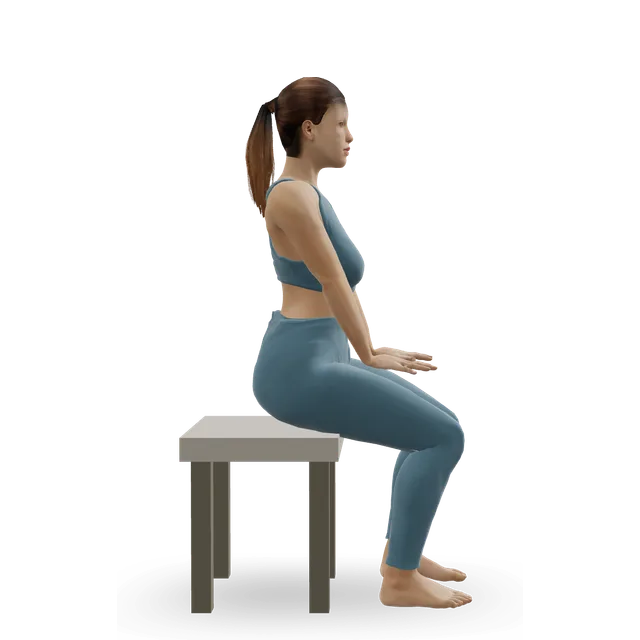
Ankle circles: 10 pumps, then 5 circles each way, each foot; seated march: 1 minute; seated calf raise: 15; sit to stand: 5 slow, then a moment with your hands on a counter before you let go (all our Pilates for low blood pressure class).
On the mat, all together, so you get down and up once
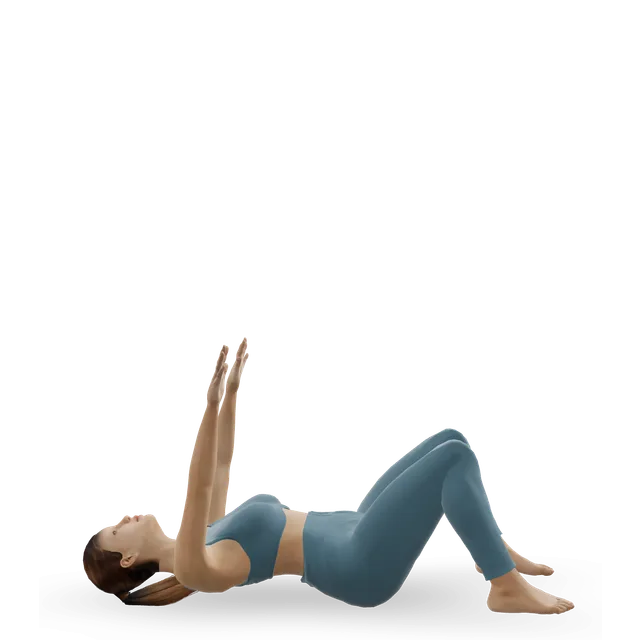
Heel slide: 8 each side; knee fold: 6 each side; pelvic tilt into bridge: 8 slow, breathing out as you lift; single-leg circle: 5 circles each direction, each leg, small; heel taps: 6 each side; clamshell: 10 each side; side kick: 8 each side, head resting on your arm; bird dog: 5 each side, fists if your wrists hurt (all our Pilates for low blood pressure class).
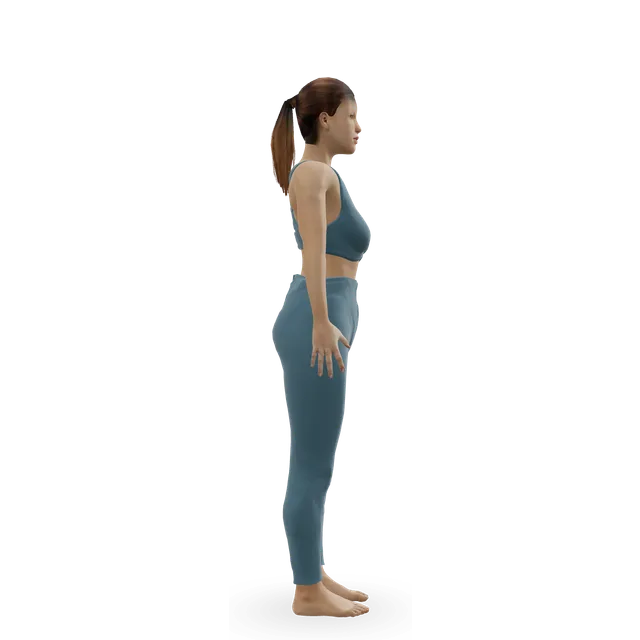
Calf raise: 2 sets of 10, holding the counter; wall side leg lift: 8 each side, a hand on the counter; standing march: 1 minute, to keep moving rather than standing still (our Pilates for low blood pressure class). Mountain pose: "Stand for 5 to 10 slow breaths, 2 or 3 times" (the move page's dose), fingertips on the counter. Wall push-up: 8 (our Pilates for vertigo class).
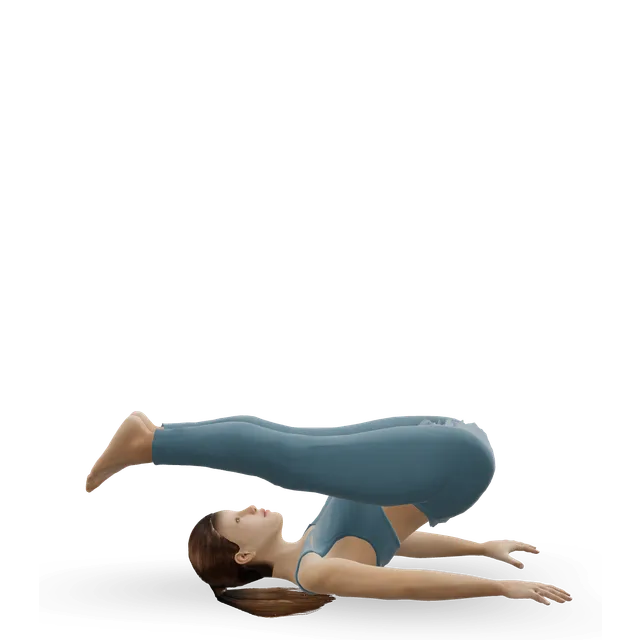
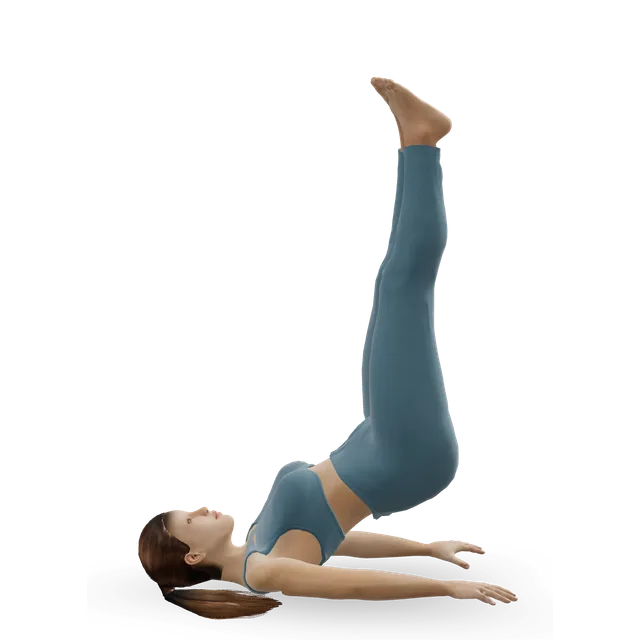
Roll-downs, spine stretch forward and legs-overhead moves such as the roll-over and jack knife: come up slowly, or leave them until your treatment is working.
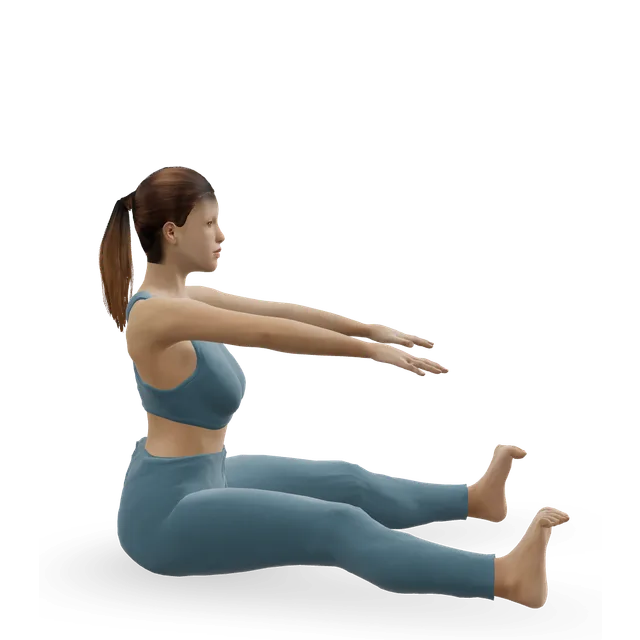
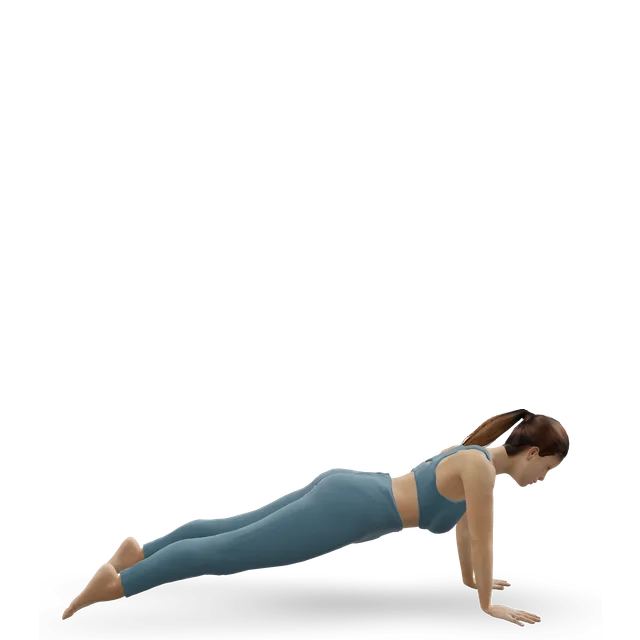
Breathe at your own pace in the hundred instead of its counted pumping breath, and don't hold your breath in planks. The limit is how much haemoglobin you have to carry oxygen: deeper or faster breathing doesn't add any, and breathing too deeply brings on dizziness.
Gentle activity within your symptoms, with short sessions and rests between moves (our suggestion). NHS inform says iron deficiency anaemia can leave you not feeling able to exercise regularly, so build up as your energy comes back.
If you're breathless, dizzy or exhausted with light activity, see your GP before exercising, and build up as your treatment works. This is our reading of the guidance, not a rule from a guideline. The NHS says to see a GP if your breathlessness gets worse when you're doing your normal activities.
Once treatment is working and an easy walk feels normal again, move on to a beginner class, then your usual classes (our suggestion). Haemoglobin often starts to rise within weeks of starting iron, but treatment carries on for months to refill your stores.
Long, hard endurance training can lower iron (through a hormone called hepcidin that rises after long sessions, and foot strike breaking red cells) and dilutes haemoglobin. No study has measured either in Pilates, which has no foot strike and short sessions. A blood test settles it; our anaemia exercise guide covers athletes and iron stores.
B12, heavy periods, older adults and other anaemias
B12 deficiency
B12 deficiency can cause pins and needles, numbness and problems with balance. NICE (the National Institute for Health and Care Excellence) says: "Do not delay vitamin B12 replacement while waiting for the test results of people with suspected megaloblastic anaemia and neurological symptoms". Do standing and balance moves at a counter or wall, and see a GP.
Heavy periods are a very common cause of iron deficiency anaemia. At UK screening events, 59% of the women found to be anaemic had heavy periods. NICE: "Carry out a full blood count test for all women with HMB, in parallel with any HMB treatment offered." (HMB is heavy menstrual bleeding.) Our Pilates for period pain guide covers exercising during your period.
Anaemia is more common after 65, usually mild, and goes with frailty and falls. Our Pilates for balance and Pilates for seniors guides have counter-supported balance work.
Sickle cell disease, thalassaemia, kidney disease and cancer
The specialist team manages the anaemia. Our sickle cell exercise guide covers fluids, temperature and pain crises, and our kidney disease and cancer exercise guides cover those conditions.
Pregnancy
Anaemia is common in pregnancy. Talk to your midwife, and see our Pilates in pregnancy guide.
Classes to follow
The Pilates for low blood pressure class is the best single fit while you're anaemic and being treated: a 25-minute head-up class with one block of floor work, legs working before every stand, getting up in stages and a seated finish. On tired or dizzy days, the chair classes; once treatment is working and an easy walk feels normal again, the beginner class, then walking with Pilates.
These are the warning signs from our anaemia exercise guide and our Pilates guides, word for word. This is general information, not a diagnosis. A&E means accident and emergency; in the US, call 911 for 999, and use your doctor's urgent line or urgent care for NHS 111.
Chest pain, breathing or collapse: call 999
Call 999 if:
You get sudden pain or discomfort in your chest that doesn't go away; it can feel like squeezing or pressure, burning or indigestion.
The pain spreads to your left or right arm, or your neck, jaw, stomach or back.
You have chest pain and feel sweaty, sick, light-headed or short of breath.
Someone faints while exercising, can't be woken within 1 minute, or has chest pain or a pounding, fluttering or irregular heartbeat.
You're having severe difficulty breathing: you're gasping, choking or not able to get words out.
Your lips or skin are pale, blue or grey. On brown or black skin, this may be easier to see on the palms of the hands.
Someone has passed out and is not responding normally.
Call 999 if someone faints while exercising, faints and has chest pain or a pounding, fluttering or irregular heartbeat, can't be woken within a minute, or hasn't fully recovered. See a GP after any faint.
Call 999 or go to A&E (accident and emergency) straight away for severe difficulty breathing (gasping, choking or not able to get words out), a chest that feels tight or heavy, pain that spreads to your arms, back, neck and jaw, lips or skin turning very pale, blue or grey, or sudden confusion. If you're more short of breath than usual, or your heart is racing, fluttering or skipping beats, contact NHS 111.
Call 999 or go to A&E if you vomit blood and feel faint, dizzy or confused, have cold, clammy skin, fast or shallow breathing, tummy pain or black poo, or if bleeding from your bottom won't stop or there's a lot of blood.
You may have heavy periods if you "need to change your pad or tampon every 1 to 2 hours", "have periods lasting more than 7 days", "pass blood clots larger than about 2.5cm" or "avoid daily activities, like exercise, or take time off work because of your periods".
Stop and rest if you get chest pain, palpitations, dizziness or breathlessness that's out of proportion to what you're doing, and sit or lie down if you feel faint (our suggestion). Fainting during exercise is a 999 call.
Iron tablets and children
The NHS warns that an overdose of iron can be fatal for a young child. If a child may have swallowed iron tablets, treat it as an emergency and call 999 (our advice).
The NHS advises getting advice from a healthcare professional first if you have a health problem, an injury or symptoms, or have recently had a heart attack or an operation.
No trial shows exercise treats iron deficiency anaemia; treatment is finding the cause and replacing iron. In the one Pilates trial that measured it, haemoglobin fell slightly as the blood was diluted.
"Rest until your blood count is normal"Mixed evidence
No UK guideline sets exercise rules for anaemia; gentle activity within your symptoms is usually fine while you're treated (our reading). If light activity leaves you breathless, dizzy or exhausted, see your GP first.
Long, hard endurance training can lower iron and dilutes haemoglobin, which isn't anaemia in a clinical sense. Gentle Pilates hasn't been shown to do either.
It's a gentle way to keep moving while your treatment works, but it can't raise your iron or haemoglobin. Anaemia is treated by finding the cause, such as heavy periods or bleeding in the gut, and replacing what's missing, usually iron.
Can I do Pilates if I'm anaemic?
Usually yes, gently and within your symptoms, with your head up and getting up slowly. If light activity leaves you breathless, dizzy or exhausted, see your GP before exercising. Stop for chest pain, palpitations, dizziness or breathlessness that's out of proportion to what you're doing.
Does Pilates increase haemoglobin?
No. In the only Pilates trial that measured it, haemoglobin fell slightly over 8 weeks in healthy women, because training expands the watery part of the blood. Iron tablets raise haemoglobin, and your GP checks how you're responding after a few weeks.
Why do I feel dizzy when I get up after Pilates?
Anaemia can bring dizziness on standing, especially when it's severe, and lying still then standing quickly makes it more likely. Do your lying moves together, pump your feet, roll to your side, sit for a minute, then stand with a counter in reach. See a GP if it keeps happening.
Why am I so breathless in Pilates when I'm anaemic?
With less haemoglobin, less oxygen reaches your muscles, so your heart and lungs work harder. Use easier versions and rest between moves. Being more short of breath than usual, or palpitations, is a reason to contact NHS 111, and severe difficulty breathing is a 999 call.
Should I do the hundred with anaemia?
Breathe at your own pace instead of the counted pumping breath if it makes you light-headed, keep your head down, and skip breath holds. Forceful or held breathing doesn't add oxygen to anaemic blood.
Can I do reformer or hot Pilates with anaemia?
Gentle reformer work is usually fine. Leave jumpboard and fast cardio reformer classes, and hot rooms, until your treatment is working and an easy walk feels normal again.
When can I go back to harder Pilates classes?
Once treatment is working and you feel your energy coming back. Haemoglobin often starts to rise within weeks of starting iron, but treatment continues for months to refill your stores.
Can heavy periods cause anaemia?
Yes: the NHS calls heavy periods a very common cause of iron deficiency anaemia, and NICE asks for a blood count for all women with heavy periods. Our Pilates for period pain guide covers exercising during your period.
Is Pilates OK with B12 deficiency or pernicious anaemia?
Usually, once treatment has started, but B12 deficiency can affect balance and feeling in your feet, so do standing and balance moves at a counter. NICE says treatment shouldn't be delayed if you have nerve symptoms.
Is Pilates OK with sickle cell disease or thalassaemia?
Your specialist team manages the anaemia and can tell you what suits you, so ask them first. Our sickle cell exercise guide covers fluids, temperature and pain crises.
Exercise education, not a personal prescription, and clinical review of these guides is pending. If you are pregnant, have a health condition or have had recent surgery, check with a doctor, midwife or physiotherapist before starting, and stop for sharp or increasing pain. Health disclaimer.